
Planning a trip across the pond but you’re not exactly keen on joining the throngs of beret-clad TikTokers at the foot of the Eiffel Tower, or then waiting hours on end just to enter the Colosseum for a selfie?
Trust us, neither are we.
There’s truly nowhere like Europe, but the shoulder-to-shoulder crowds, ridiculous prices, and city centers that have virtually become even more commercialized versions of Disney’s Main Street have started taking some of the magic out of it all.
That doesn’t mean that’s the version of Europe you have to settle for.
These 5 overlooked gems offer all the Old World charm and medieval lore you’ve been craving, and though several are definitely rising in popularity as of late, they’re nowhere near the level of rampant overtourism you’d expect—but hey, you better get there before the secret’s out:
Instead of Dubrovnik, try…
Cáceres, Spain
- Status: not undiscovered, but rising fast in popularity
- Tourism growth: 12% year-on-year (January–August 2026)
- Hotel guests in 2026 so far: 206,586 (through August)
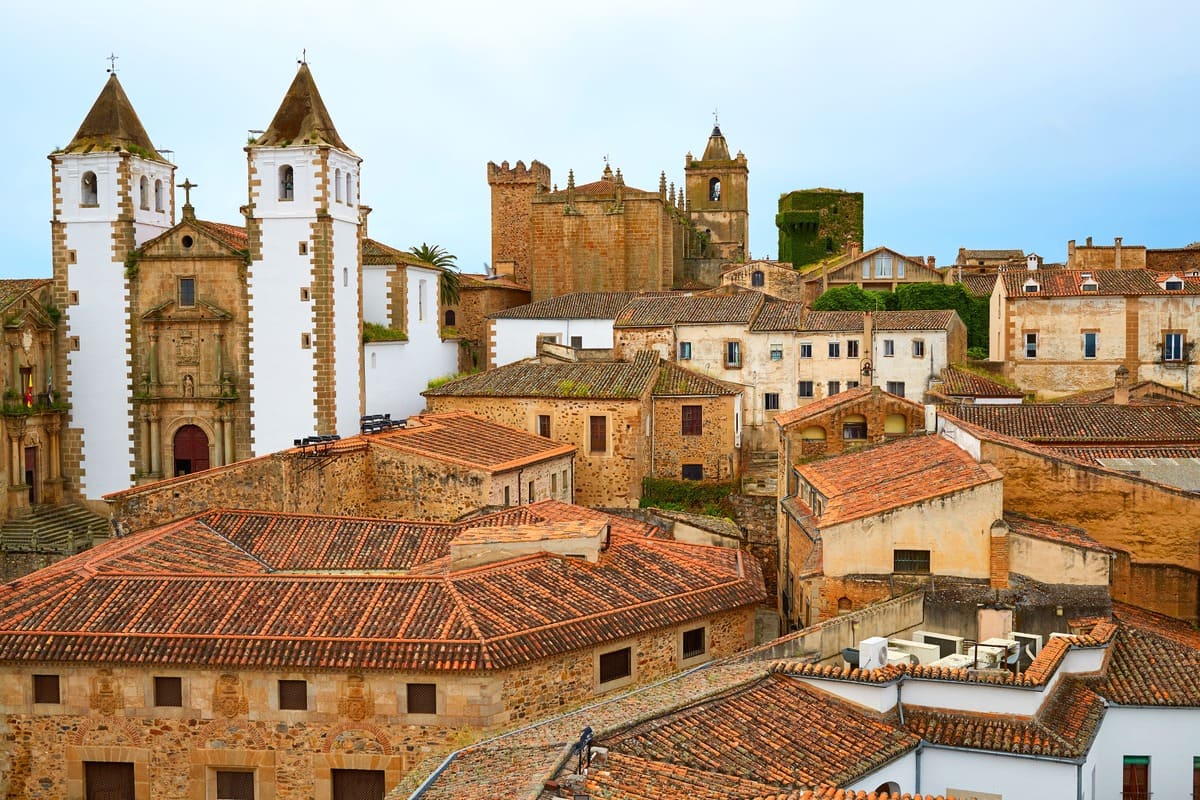
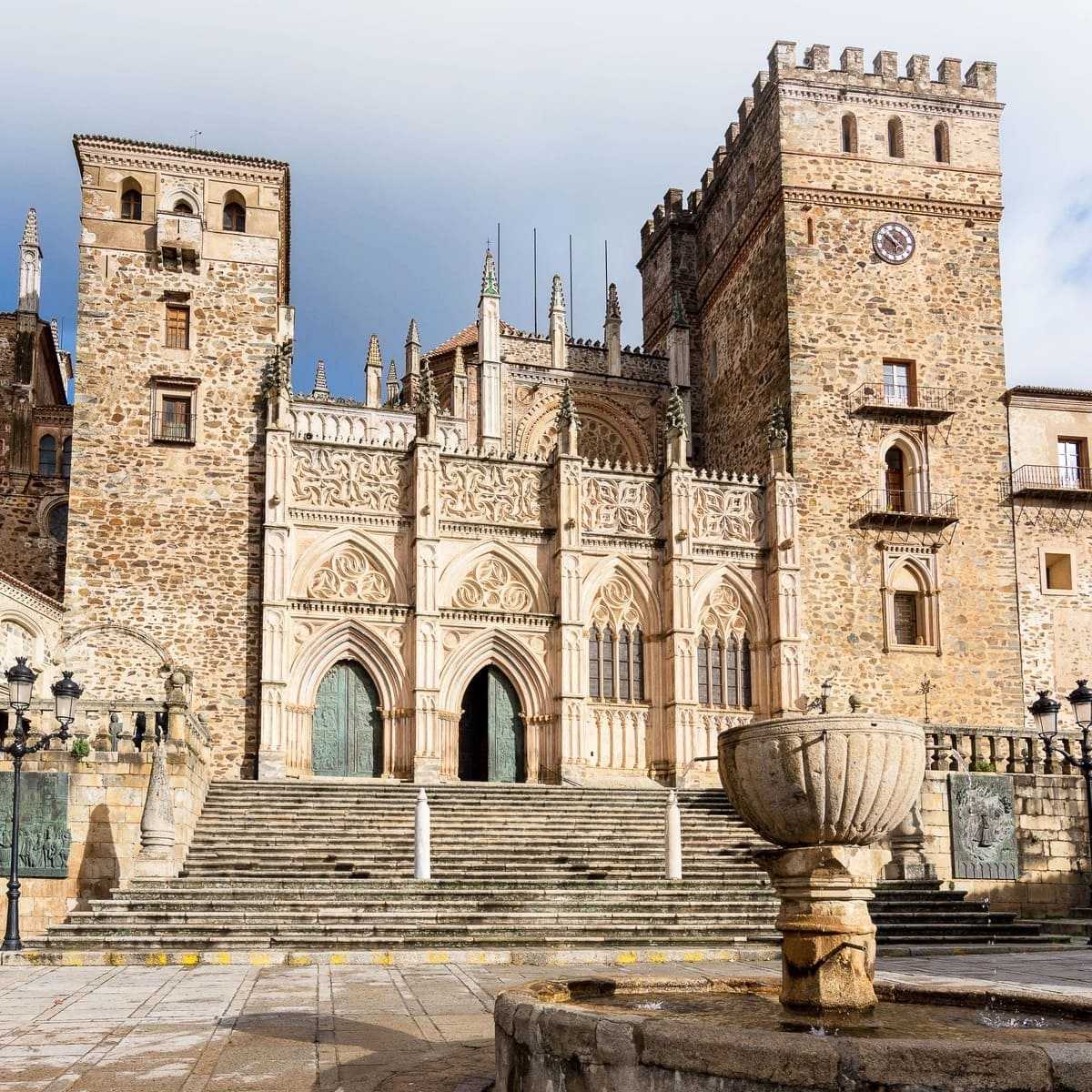
A historic city in the western Spanish region of Extremadura, Cáceres is the (inland) Dubrovnik dupe you never knew you desperately needed to visit.
While millions of tourists flock to Croatia’s fortified coastal city every year to retrace Cersei’s steps down the Walk of Shame, you could stroll around a different corner of ‘King’s Landing’ in Cáceres, which also stood in for the fantastical Westerosi capital in the series.
GoT appeal aside, this city is a full-fledged cultural giant recognized by UNESCO for its remarkably preserved medieval ensemble: it features a rich mix of Roman remains, Moorish defensive towers, Gothic churches, and even Italian-inspired Renaissance edifices.

Plaza Mayor, the main square, is dominated by the 25-meter-high Torre de Bujaco, a defensive tower built during the Islamic period, and the elegant arcades hide local cafés and tapas bars slinging affordable jamón sandwiches and capuccino.
The main highlight here, though, is Plaza de San Jorge:
An all-round perfect-looking historic square, flanked by stone buildings and an imposing Baroque church, reached by a broad flight of stairs. It’s a short 2-minute walk to Plaza de Santa María, yet another stunning square home to a medieval co-cathedral with origins in the 13th century.
Looking for a real architectural gem that often gets overlooked? Swing by Palacio de los Golfines de Abajo, in the heart of the Old Town, and admire a half-Gothic, half-Plateresque palace topped with a Renaissance-style tower. It’s maybe the best $3.40 I’ve spent here.
Instead of Paris, try…
Troyes, France

- Status: popular with the French, still largely unheard-of among overseas visitors
- Tourism growth: down 2.9% in summer 2026 compared to 2025
- Hotel guests in 2026 so far: no verified citywide total available
One of the prettiest medieval cities in France, yet one that the Paris crowds continue blissfully sleeping on, Troyes sits in the eastern part of the country, once the capital of the historic County of Champagne. You know, where your favorite bubbly wine is from.
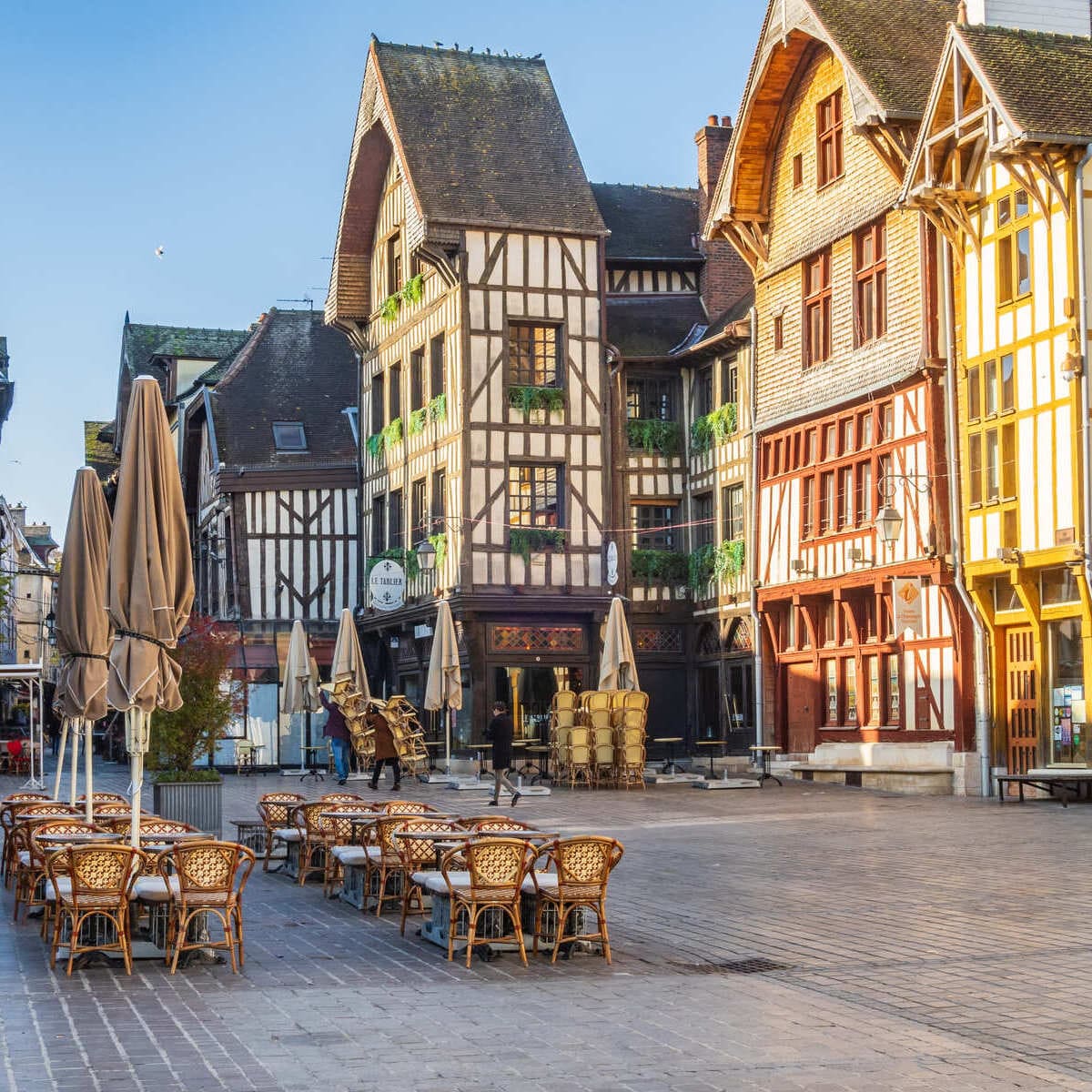
It boasts one of France’s largest concentrations of medieval houses, and much like its Norman counterpart in Rouen, Troyes’ timber-framed dwellings come in every imaginable color.
The most iconic street here is Ruelle des Chats, or Cat Alley.
This is one of the narrowest medieval alleys in the city, and the overhanging timbered upper floors of the crooked houses above, and the faint yellow glow of the shop windows definitely make it feel like you’ve crossed an invisible portal straight into Harry Potter‘s Diagon Alley.
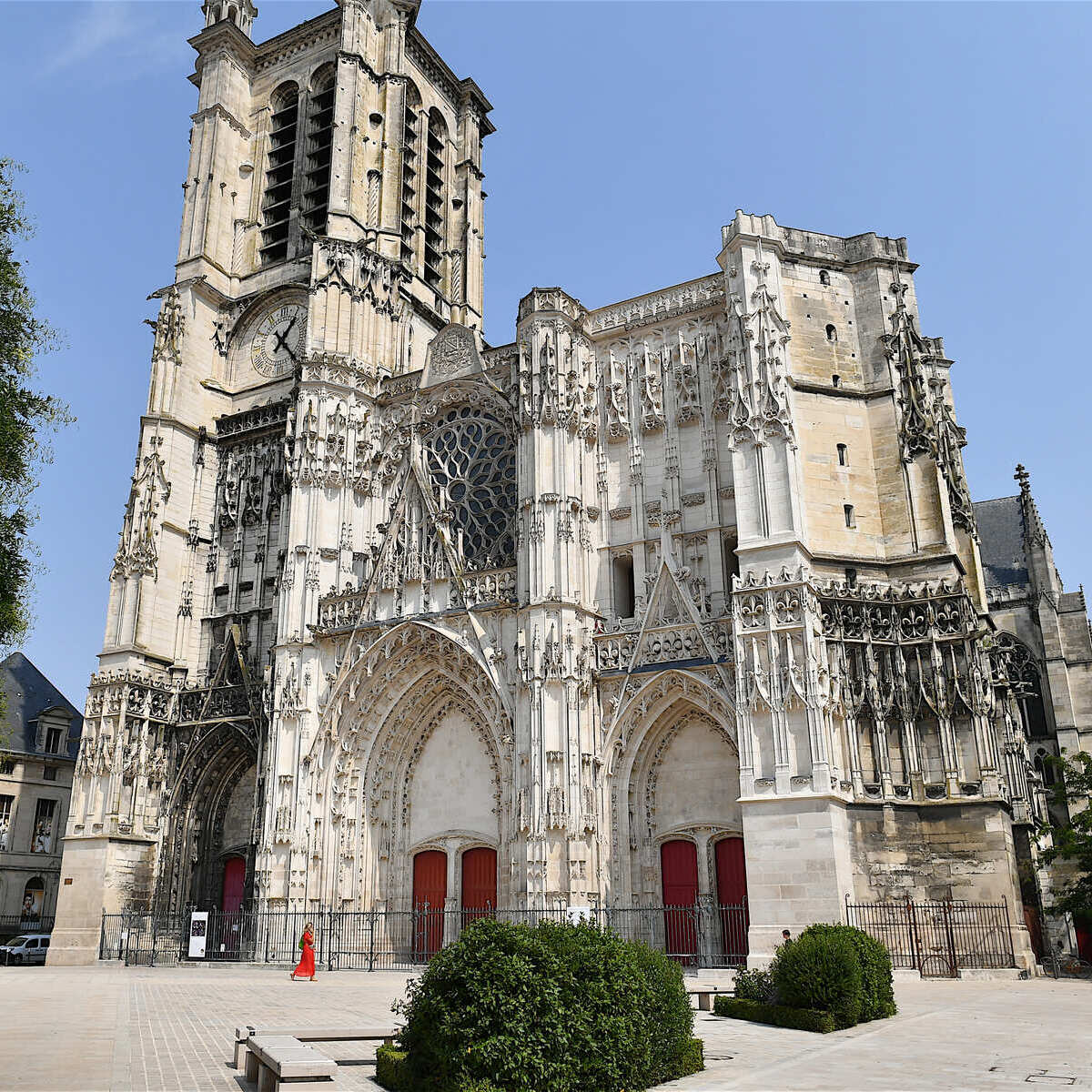
Two other cool things that stand out here: the Cathédrale Saint-Pierre-et-Saint-Paul, a Gothic marvel dating largely from the 13th-century that houses some of the most breathtaking stained glasswork on the continent—Troyes is considered one of Europe’s great stained-glass centers, after all—and the city’s cork-like layout.
It’s the cultural heart of historic Champagne, so it’s only fitting that, seen from above, the historic center would be shaped like a champagne cork. Ha!
How Safe Is France Right Now?
You’re probably wondering how safe Troyes is to visit given the nationwide protests sweeping across France right now.
While it’s true parts of Paris, Lyon, Marseille, and other French metropolises have seen violent demonstrations, Troyes has largely stayed away from the headlines surrounding the worst unrest, and its medieval center generally feels worlds away from the mess of the big cities.
There may still be localized protests, and heightened law enforcement following the French government’s response to the rioting, but Troyes hasn’t experienced the same widely reported scenes of destruction as the capital, or the devastating arson attack on the historic City Hall in Limoges.
Of course, you can never be too confident as far as safety goes. The U.S. State Department currently advises Americans to exercise increased caution in France due to terrorism and unrest, so avoiding demonstrations remains essential wherever you go.
If you need a safety thermometer that tells you how the situation is evolving in France right now, check for the latest country updates on the Traveler Dashboard.
France’s Travel Off Path Traveler Safety Index also compiles reports from recent visitors, giving you an additional perspective on conditions on the ground:
Instead of Munich, try…
Görlitz, Germany
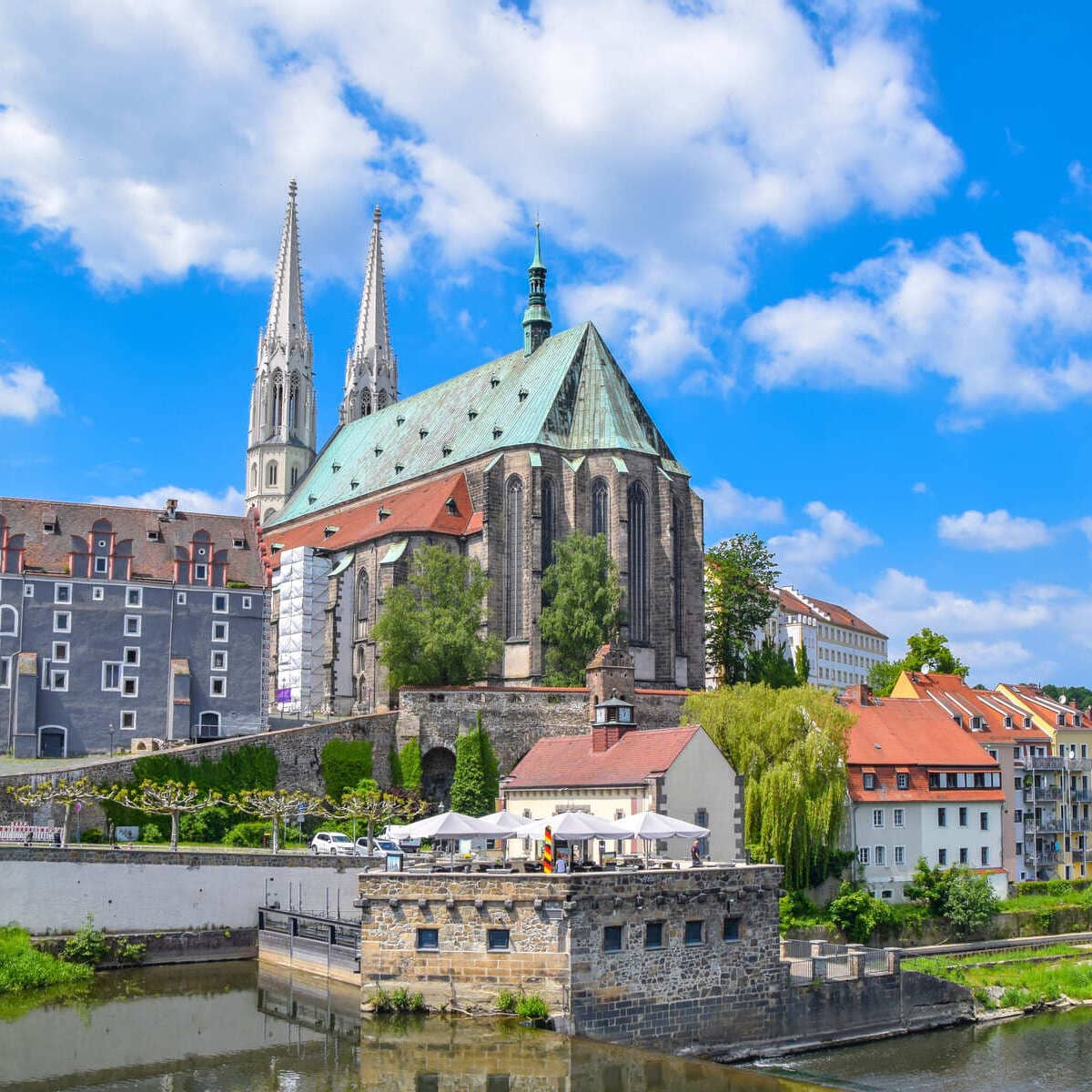
- Status: still under the international tourist radar, but growing steadily
- Tourism growth: 4.3% year-on-year in guest arrivals (January–June 2026)
- Hotel guests in 2026 so far: 66,952 (through June)
Located at the easterly point where Germany meets Poland, Görlitz is where you go to escape the postwar reconstruction and 20th-century modernist architecture that have reshaped so many German cities.
Unlike Dresden or Leipzig, this one miraculously escaped World War II virtually unscathed, and it still preserves one of Central Europe’s largest historic architectural ensembles, with around 4,000 listed monuments, ranging from Gothic churches to Renaissance palaces and Art Nouveau façades.
If you’re unfamiliar with Germany’s game, you should know that’s pretty rare.
Much of Munich‘s Altstadt had to be rebuilt following World War II, and don’t get me started on Berlin’s or Cologne’s historic centers. They’re beautiful in their own right, but a good chunk of what you’re seeing today is postwar reconstruction.
Peterskirche is a magnificent 15th-century Gothic church that towers over a meandering river, and you simply can’t miss its Sun Organ, a beautifully-restored Baroque masterpiece capable of mimicking bird calls and other animal sounds.
Be there at noon on Tuesdays, Thursdays, or Sundays between April and October, when free organ performances are usually held. In winter, the regular midday performances are generally limited to Sundays and holidays, so do check the organ calendar before visiting.
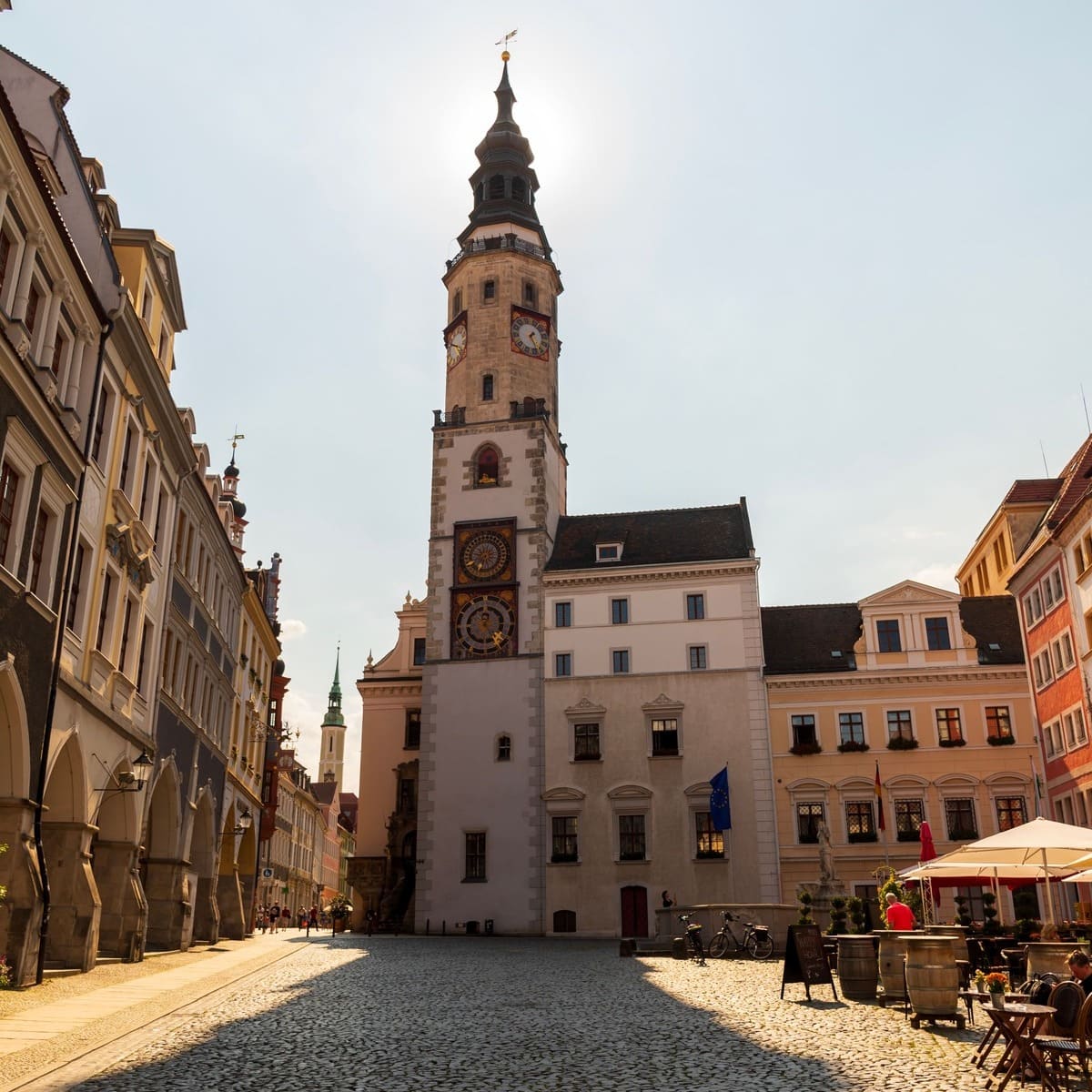
A short 10-minute stroll starting from the riverside church, passing the winding cobbled lanes of the Old Town, and the sleepy town squares will take you to Schönhof, one of the oldest Renaissance buildings in all of Germany.
Formerly a wealthy merchant’s residence, it now houses the Silesian Museum, which chronicles centuries of Silesian history and culture.
Note From The Editor
Just one sec! If you enjoy reading great human-written articles, the best way to see a few more is to follow us on Google so we become one of your preferred websites. Thank you so much for reading. Now back to the story!
If you don’t know what Silesia even is, that’s the historic Central European region covering much of southwestern Poland and neighboring areas of the Czech Republic, with additional strong historical ties to this eastern stretch of Saxony.
That’s where Görlitz sits.
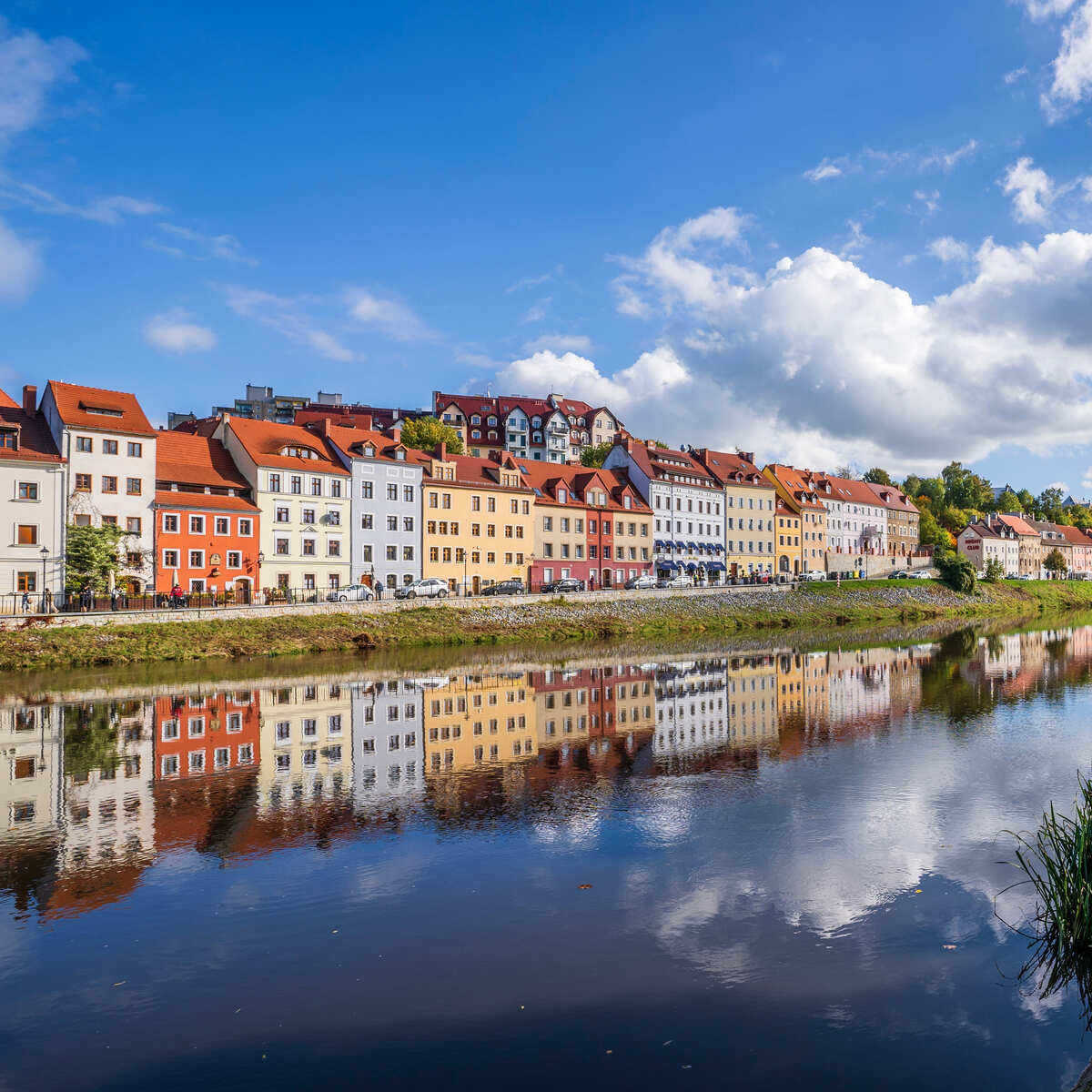
By the way, if you like your Eurotrips with a little cross-country hop, Görlitz was originally a larger city encompassing what’s now the Polish town of Zgorzelec, which straddles the eastern bank of the river.
They now practically form a unified ‘Eurocity’, and you can walk across the pedestrianized Old Town Bridge, straight into Poland, in a matter of minutes, checkpoint-free.
Speaking of borders…

Check Local Travel Rules Before Visiting Europe In The Near Future
Germany and Poland are both members of the Schengen Area.
This means Americans can generally travel between them without obtaining separate tourist visas, provided they remain within the permitted 90-day stay, out of any 180-day period.
However, temporary border checks can still apply, even between Schengen countries, and that’s been the case across large swathes of Europe in recent years.
Use our Entry Requirement Checker before departure to confirm the latest rules, particularly if you’re planning a multi-country itinerary.
Instead of Kraków, try…
Toruń, Poland
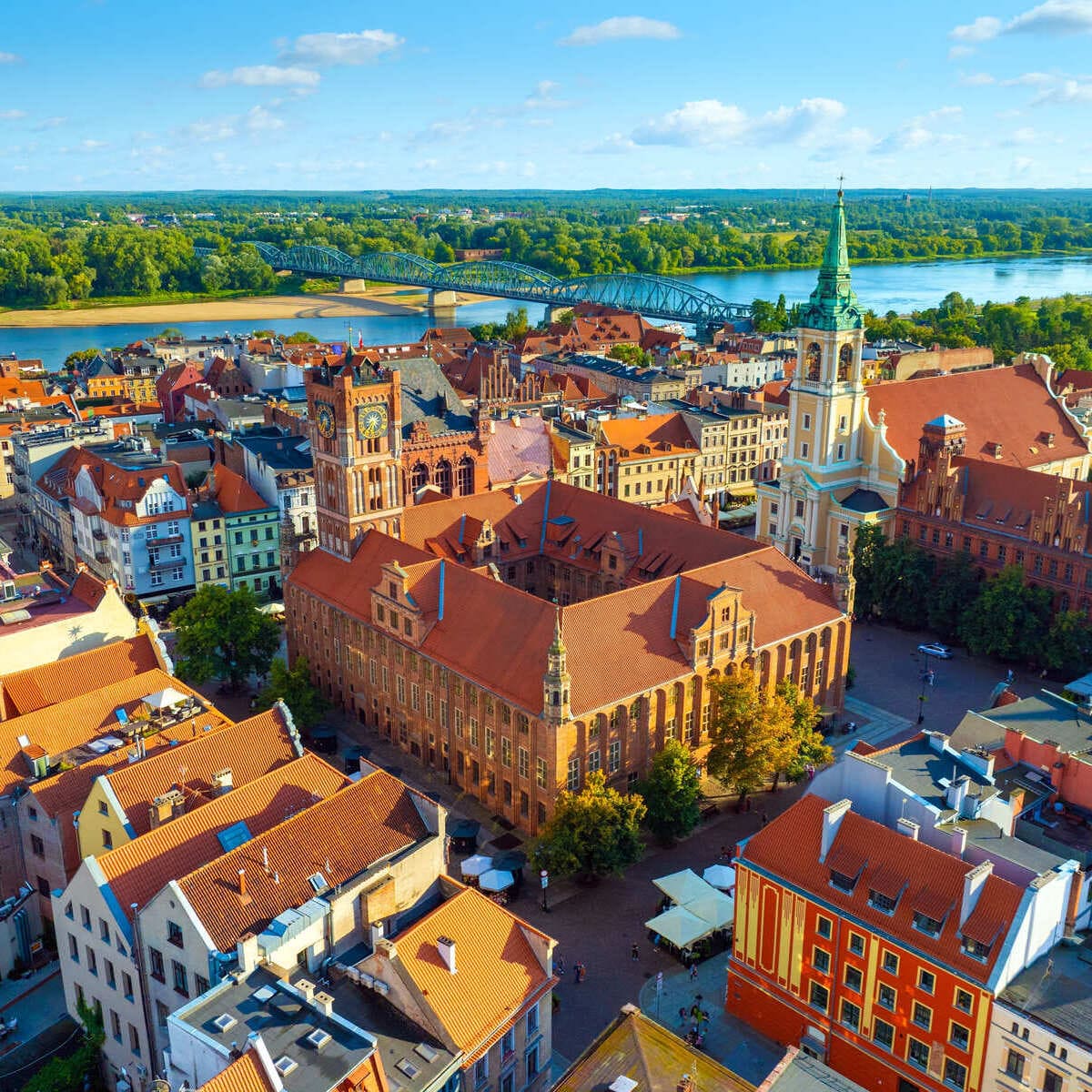
- Status: increasingly-popular domestically, and attracting recent international attention
- Tourism growth: 8.6% year-on-year in 2025, the latest full-year figures
- Visitors in 2025: approximately 2.7 million
Now, back to remarkably well-preserved medieval cities that escaped widespread wartime destruction, there’s no way we’d skirt around the quaint river-facing Polish gem that is Toruń.
A UNESCO World Heritage Site, characterized by its red-brick Gothic buildings, it finds itself among Poland’s prettiest townscapes, up there with Kraków and Gdańsk, yet it receives far fewer international visitors than either.
As we say in France, tant mieux: we get to have Toruń almost all to ourselves.
The city still has a roughly two-thirds-of-a-mile stretch of surviving medieval walls, mainly along the Vistula River, punctuated by historic defensive towers and city gates that lead into cobblestone-paved roads.
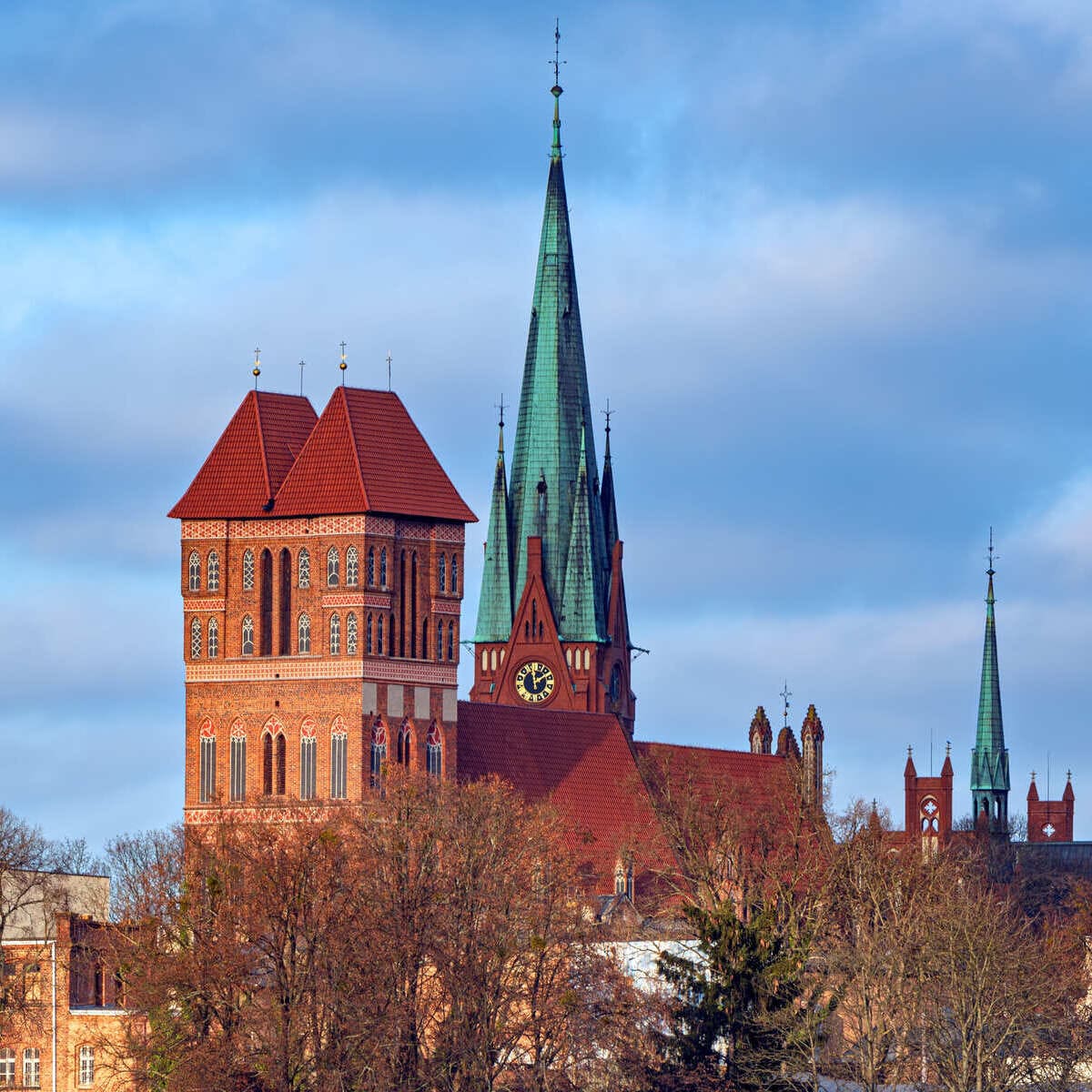
The Old Town Market Sqaure a massive 14th-century Town Hall, with a gorgeous internal courtyard, and a clock tower you can climb for panoramic views of the city’s distinct red rooftops, imposing brick churches, and the ruined, horseshoe-shaped Teutonic Castle in the distance.
Something else you should know about Toruń is that it’s the place of origin of two of Poland’s most prized exports: first, the legendary astronomer Nicolaus Copernicus—you know, the guy who placed the Sun at the center of our solar system (and you can visit his stepped-gable home for only $8.40).
Secondly, and more importantly for sweet fiends like me, Toruń is the European capital of gingerbread.
Their spiced, molded gingerbread has been a sweet hit across Europe since the Middle Ages, and if you’d like to sample the centuries-old treat, the Living Museum of Gingerbread will give you the full rundown of its fascinating history, while letting you bake your own at the end.
Instead of Florence, try…
Lecce, Italy
- Status: increasingly popular among international travelers, but still less crowded than Italy’s main cultural hotspots
- Tourism growth: overnight stays up 1.6% in summer 2026, though arrivals dipped 0.6%
- Guest arrivals in summer 2026: 151,558 (June–August, across registered accommodations)
The Renaissance is one of my personal favorite periods in history, but there’s no hiding from the fact that the birthplace of it all, the dome-crowned city of Florence, has turned into a maze of curbside trinket stalls and overpriced wine windows.
That’s why travelers looking for a different flavor of Italian grandeur are increasingly drawn to its southern, distant cousin Lecce instead:
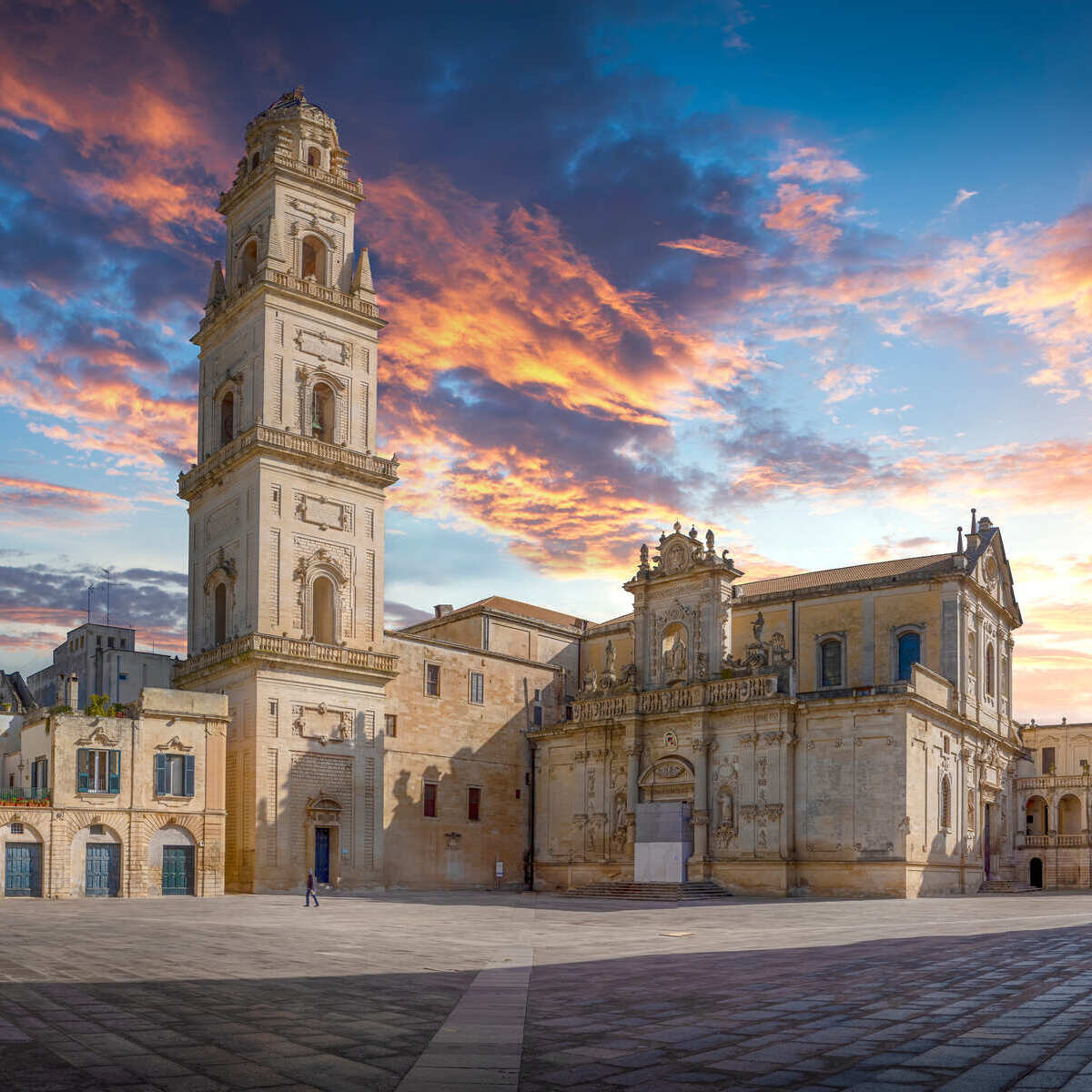
With its signature, honey-toned Baroque architecture, edifices made of soft limestone, and tiny piazzette ringed by family-owned trattorie, this is Florence with a southern twist, except its Golden Age elegance feels more intimate and less in-your-face.
Definitely don’t expect another soaring Duomo with geometric marble patterns: the Piazza del Duomo in Lecce is a smaller, enclosed square home to an ornate Baroque cathedral and its 70-meter bell tower, and the adjacent Palazzo del Seminario.

It’s still the pinnacle of Italian grandeur, yet a different flavor of it:
While Florence is all about the Renaissance’s symmetry and classical restraint, Lecce took it upon itself to highlight lavish ornamentation and inner theatrical flourishes instead.
Basilica di Santa Croce is the pinnacle of Leccese Baroque, with its extraordinarily-detailed main portal, elaborate sculptural decorations, and magnificent rose window, and if you want to see something that will truly blow your mind, head over to Piazza Sant’Oronzo:
The heart of the city, it is built around an almost 2,000-year-old Roman Amphitheater, whose ancient stone seating and curving arena can still be seen below square level.
Sit down for coffee here—and maybe a pasticciotto leccese, a local shortcrust pastry filled with egg custard—while you soak in the views.
Caceres, Spain
Explore a UNESCO recognized medieval ensemble featuring Roman remains, Moorish defensive towers, and stunning Game of Thrones filming locations.
Troyes, France
Wander through one of Frances largest concentrations of colorful timber framed houses in a historic center shaped like a champagne cork.
Gorlitz, Germany
Discover a gorgeous city that escaped WWII unscathed, allowing you to stroll checkpoint free across the pedestrian bridge straight into Poland.
Torun, Poland
Marvel at red brick Gothic buildings along the Vistula River, visit Copernicus house, and bake traditional spiced gingerbread.
Lecce, Italy
Soak in the honey toned limestone architecture, ornate basilicas, and an ancient Roman amphitheater built right into the heart of the city.
Enter your email address to subscribe to Travel Off Path’s latest travel news, straight to your inbox
