
Uh-oh.
The latest U.S. Embassy alert may spell trouble across the pond.
Not to get your knickers in a bunch or whatever they say over there, but this is major news every Europe-bound traveler should know.
While this is an official U.S. alert, it’s actually an echo of the United Kingdom’s National Threat Level.
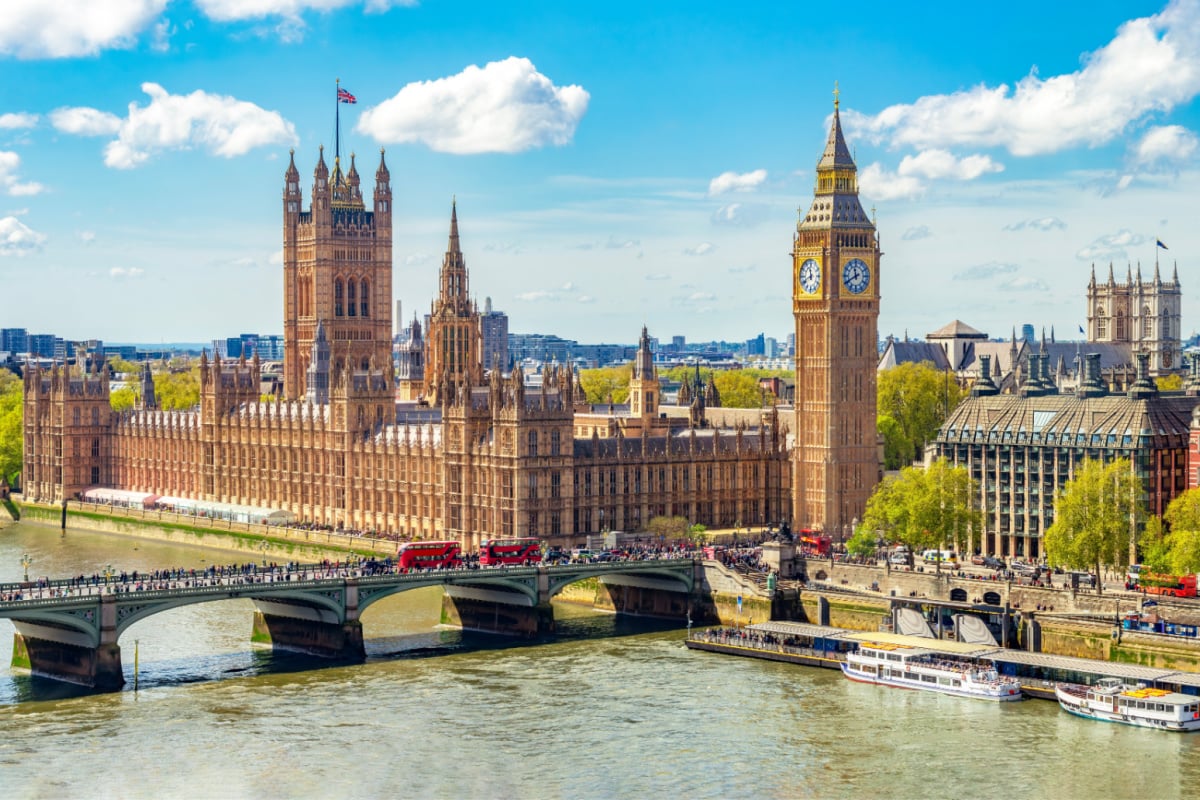
Politics aside — we’ll leave that to the squawking heads on news stations — the latest intel points to a heightened threat across the U.K., bluntly stating it is “highly likely” for disaster to strike.
As we all know, summertime is the best time of year for all of us to live out our dreams riding bright red double-decker buses, toasting at timeless pubs, and bearing witness to endless iconic landmarks scattered around London.
But this summer may be different — one you may feel uncertain about traveling to those very spots and partaking in those experiences given the immediate “SEVERE” threat raised on April 30.
Heading To Europe This Summer? Be sure to check the latest Entry Requirements and stay up to date on travel alerts like this one before booking your flight.
U.K. Issues Second-Highest Terrorism Warning

As Americans know all too well after 9/11, terrorism is a reality that shouldn’t be ignored.
For years, America lived under color-coded terror alerts — from yellow to orange to red — before technological advances and what many of us now deem airport hassles helped ease some of those concerns.
The U.K. is no different, but operates on a different system using words instead of colors — you know, because they’re proper and all.
This is the scale they use:
- Low
- Moderate
- Substantial
- Severe (attack highly likely)
- Critical (attack expected imminently)
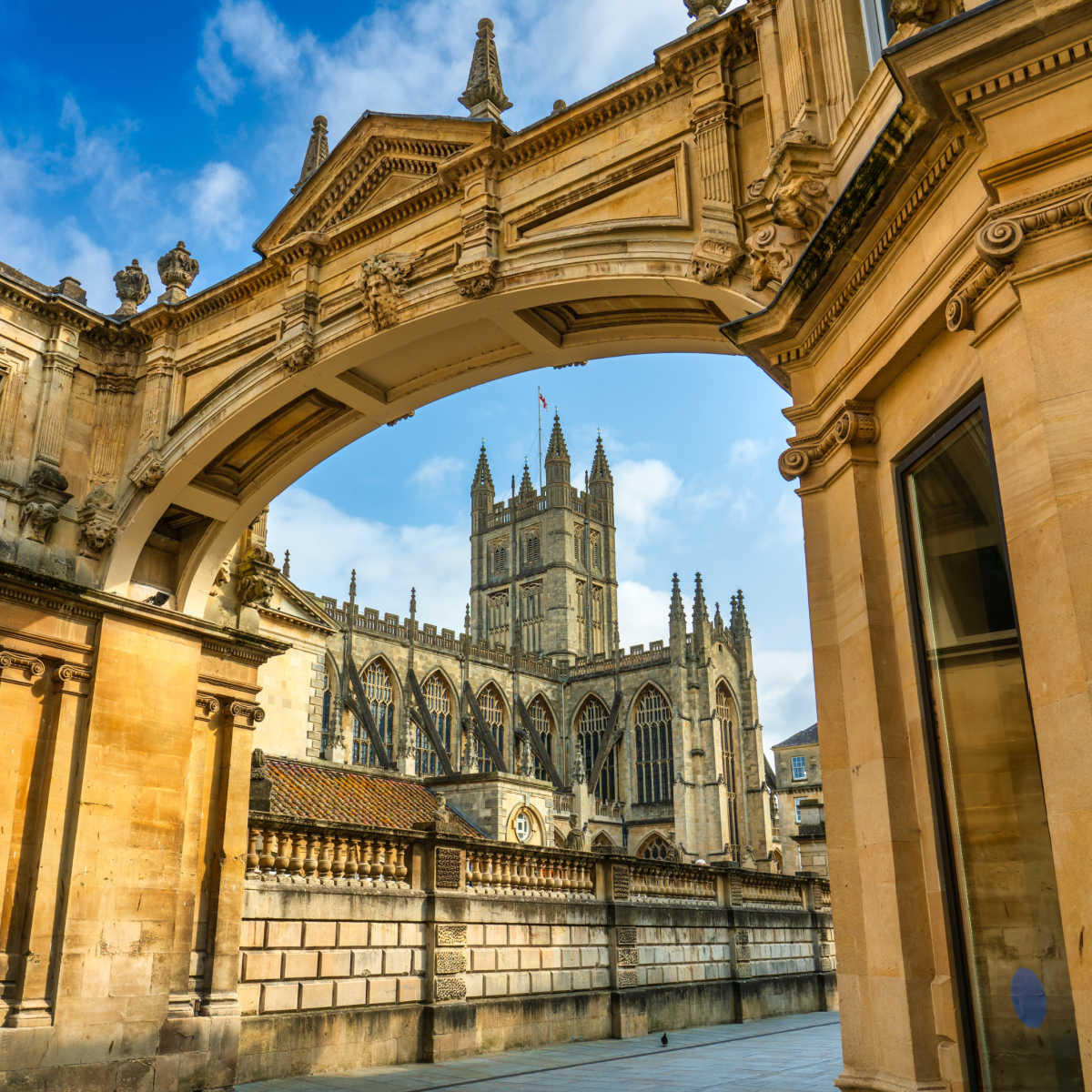
Currently at “Severe” status, the level was raised after the Golders Green terrorist attack on April 29, 2026 you may have heard about, where it’s been widely reported 2 Jewish men were stabbed.
Apparently, another attack is expected, yet details are vague at this time except to say these are “Islamist and extreme right-wing terrorist threats”, using the Embassy’s own words.
According to the Embassy, the following are areas to be extra aware of your surroundings:
- Schools
- Hospitals
- Churches
- Tourist locations (Big Ben, etc.)
- Transportation hubs (airports, train stations, bus stations, etc.)
That said, the Embassy did state “all public places”, but the ones listed above are the most notable.
Should You Change Travel Plans?

With Spirit’s sudden bankruptcy, “should you change travel plans?” seems to be the question of the week.
As for the U.K., the Embassy is advising Americans to be flexible, but not to cancel plans, stating “vary your travel routes and times to reduce predictability”.
What does this mean?
It means don’t take the exact same train every day, don’t grab coffee at the same cafe.
Maybe take Uber one day and the train the next, which begs the question if the type of trip you’re excited to take involves a game of hide and seek from potential terrorists.
Only you can answer that.

Currently, the U.K. stands at an impressive 88/100 on our very own Safety Index. But once news spreads, we wouldn’t be shocked to see that number dwindle.
Is This A London Alert Or U.K. Alert?
The good news is the Embassy alert does not mention London once.
The bad news is that most travelers visit London as their gateway (and often base) to their U.K. adventures.
Common sense says a city packed with iconic landmarks, transit hubs, major events, and shoulder-to-shoulder crowds deserves extra awareness right now, especially since the aforementioned attack this week also took place in London.
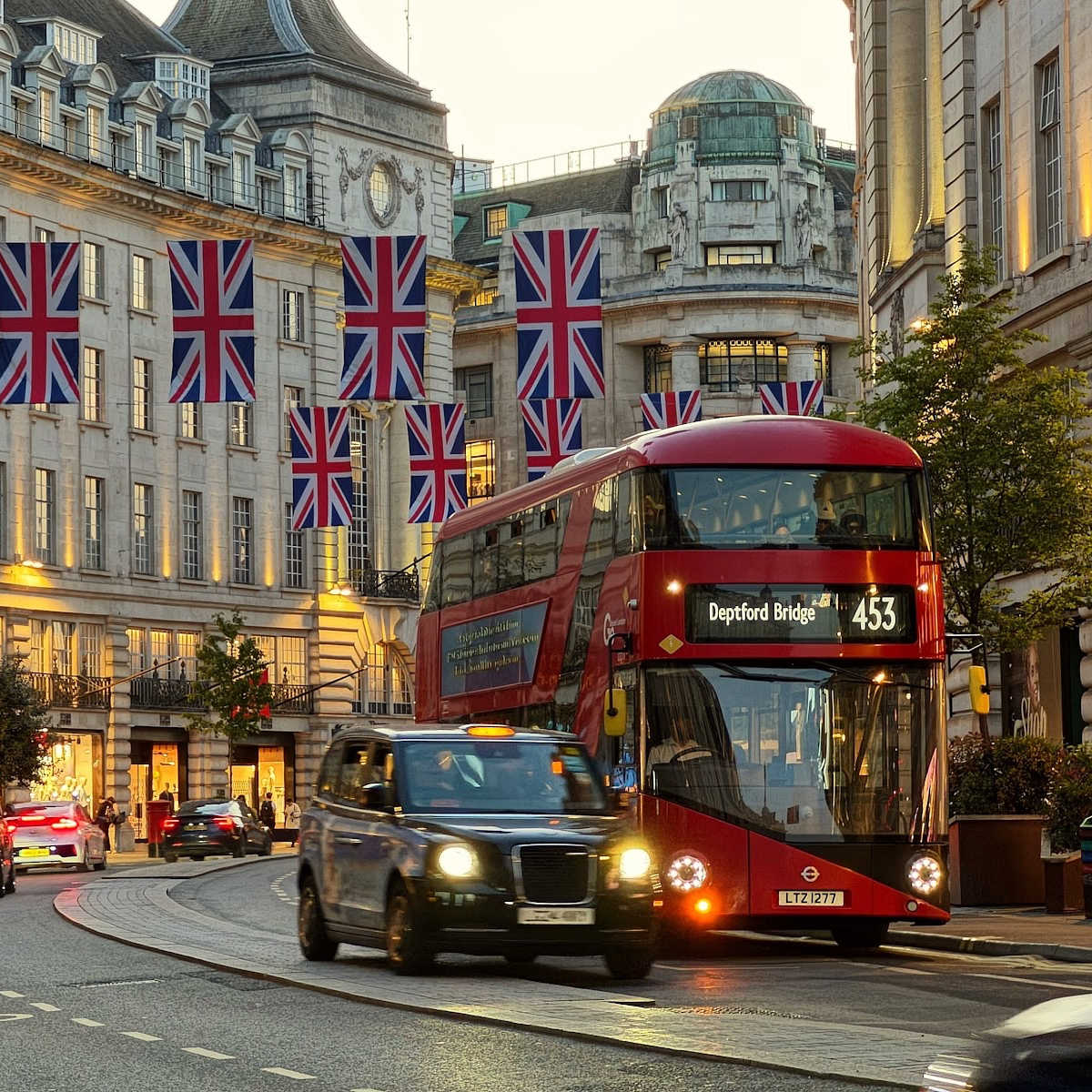
That logic may explain why London is seeing way lower safety scores than the U.K. as a whole, as you can see just below it is currently ranked a 76/100:
Actions To Take To Remain As Safe As Possible
Besides avoiding certain types of establishments and playing an unofficial game of hide ‘n seek, here are 5 more actions to take to ensure you’re as safe as possible in the U.K. any time soon:
- Keep a low profile.
- Stay aware of your surroundings at all times, including local events — not just festivals, etc.
- Create and review your personal security plans
- Inform local authorities of any social media threats or suspicious activity you see
- Keep an eye out on local news for updates.
UK Security Intel
