
Barcelona may still be at the top of the list of basically every Spain-bound tourist out there, with its world-famous Gaudí-designed Sagrada Família and Barceloneta beach drawing in tens of millions of visitors every year… but it’s sort of starting to lose its luster a bit, right?
Don’t get us wrong, Barcelona’s absolutely epic, but between the ‘Tourist Eff Off’ graffiti splattered onto every other wall, and the $15 sangrias, it’s not exactly the most welcoming, or fair-priced, destination in the Iberian country.
If you’re keen on some of that laid-back Mediterranean living, great food and amazing culture, but you’re not exactly thrilled about spending upwards of $208 every day in Barcelona, we have just the alternative for you:
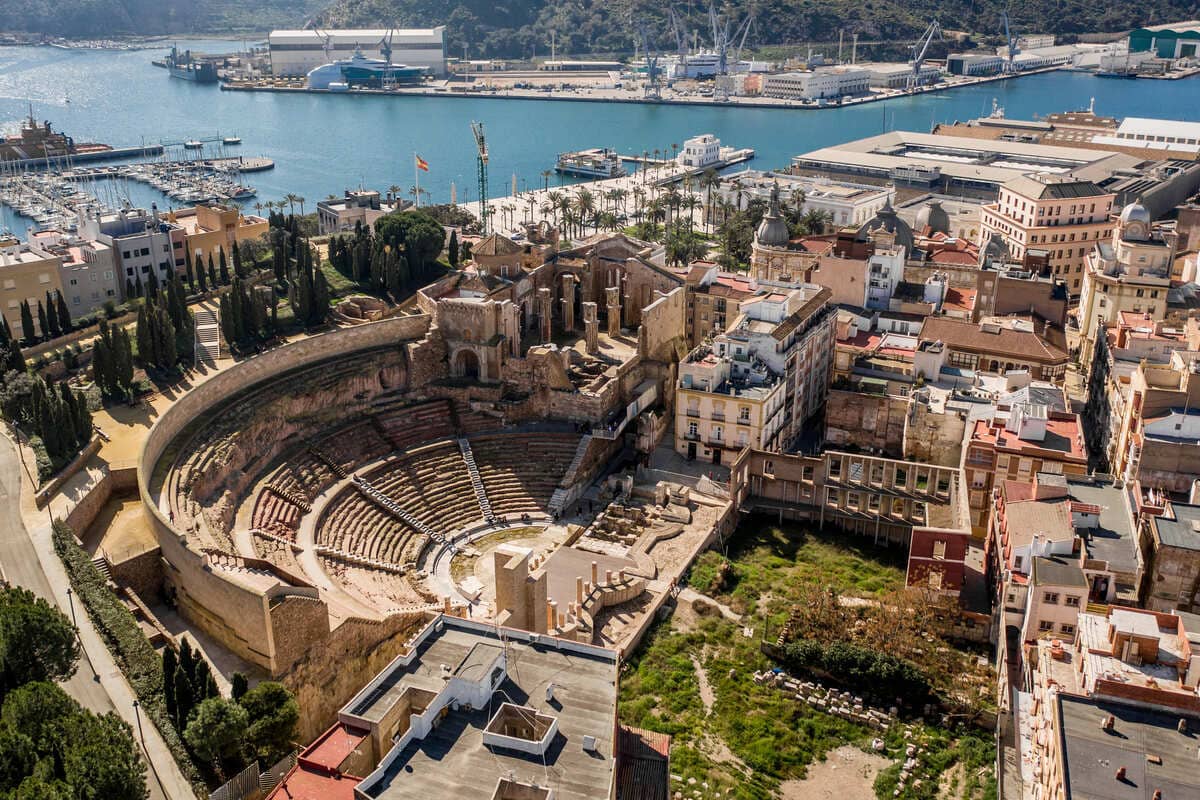
This Sunny City In Spain Is One Of The Most Affordable In Europe
You might know the name ‘Cartagena’ from a certain Caribbean hub somewhere in South America. The original one, however, is set right on the Mediterranean, and it’s a far more ancient queen with over 2,000 years of history.
It’s also one of the sunniest and most affordable cities in Southern Europe.
Located along the Murcia coast, a low-lying stretch of golden sand directly facing Africa, it takes the brunt of the hot, dry air masses emanating from the Sahara. We’re talking daytime highs of 95°F, which can easily be pushed to around 104°F on the occasional ultra-hot day, and nighttime lows of 75°F.
Oh, and very limited precipitation of course.
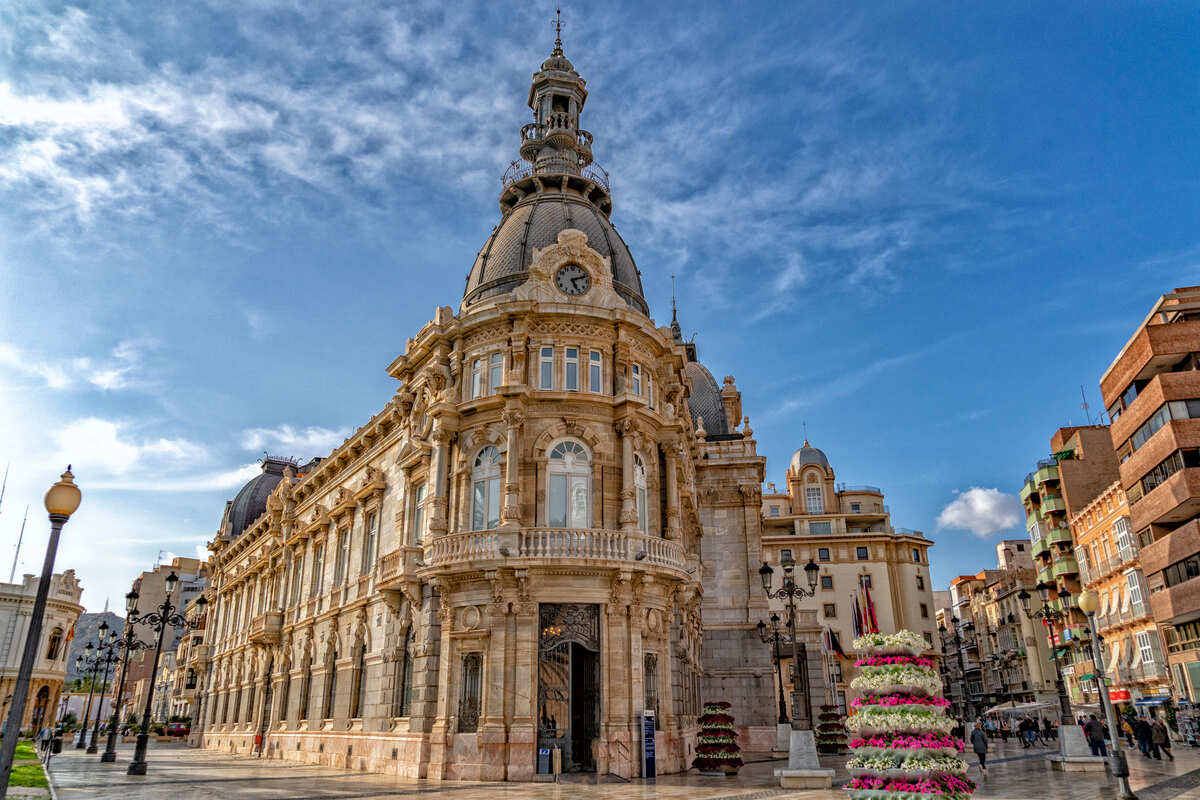
To the average sun-seeker out there, the fact that it rarely rains and sits right on the coast is already reason enough to go. Then you add the fact that Cartagena is seriously affordable compared to places like Barcelona, Valencia, or Málaga, and it starts looking like a bit of a no-brainer.
For starters, it’s not a major international hotspot.
It does get tourists, sure, but nowhere near the same volume as Spain’s headline cities, and as you probably know by now, fewer tourists usually means friendlier hotel rates, cheaper meals out, and less of that “paying €6 for a bottle of water” energy.
The wider region of Murcia also runs on lower average incomes than Spain’s more affluent coastal regions, but more on that in a second.
Before you fly out to Europe this summer, make sure you prepare in advance by running a little destination check on the Entry Requirement Checker page. I’m sure you’ve heard of all that fingerprinting and travel permit mess, so don’t leave anything until the very last minute.
So the real question is: why would you swap Barcelona for Cartagena in the first place?
An Underrated Cultural Heavyweight
We’ve hinted at it before, but Cartagena’s trump card is its sheer cultural weight:
It was built in immemorial times by the Phoenicians, before being incorporated by expansionist Greeks, and finally Rome, so needless to say, it has layers, upon layers, upon layers of monuments stacked on top of each other.
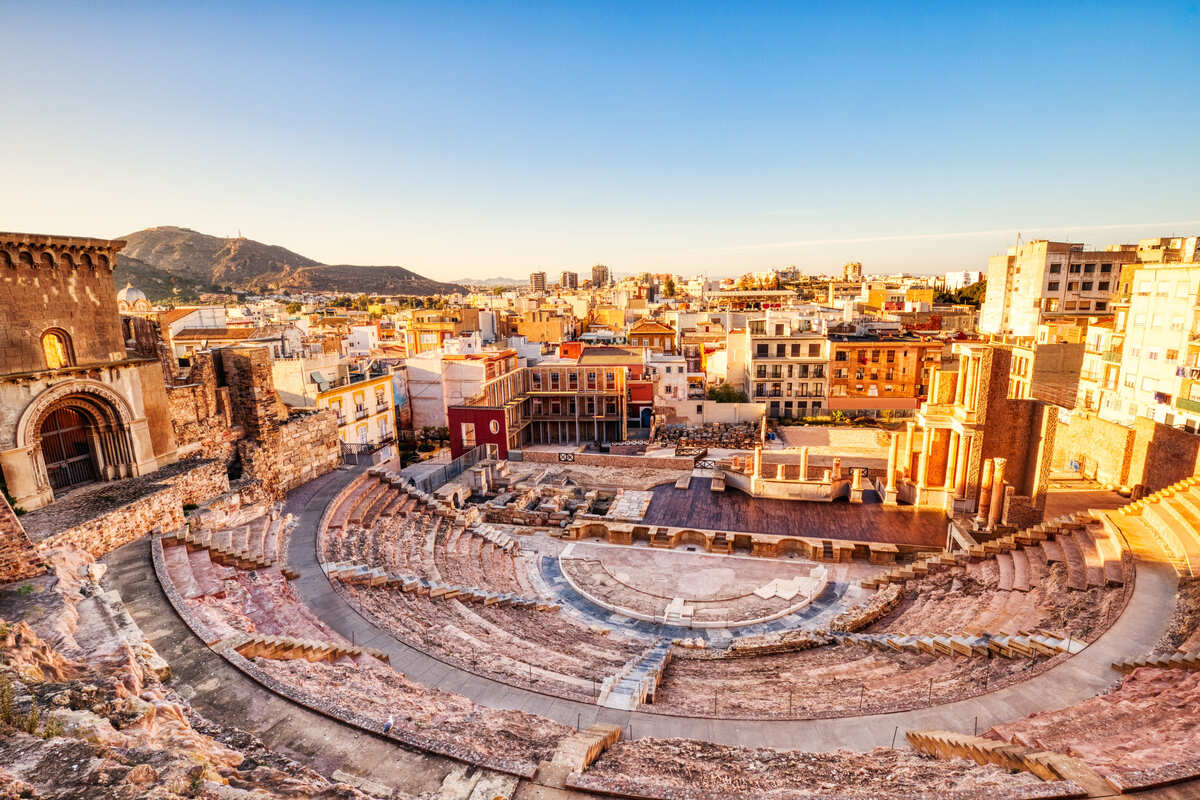
The local Sagrada Família, though? As in, that one iconic landmark that defines a city? That has to be the Roman Theater of Cartagena, an ancient venue built all the way back in the 1st century BC, and rediscovered only in 1988.
It sits among Europe’s best-preserved Roman theaters, and it probably receives not even a third of the level of tourism that similar sites in Italy or Greece do.
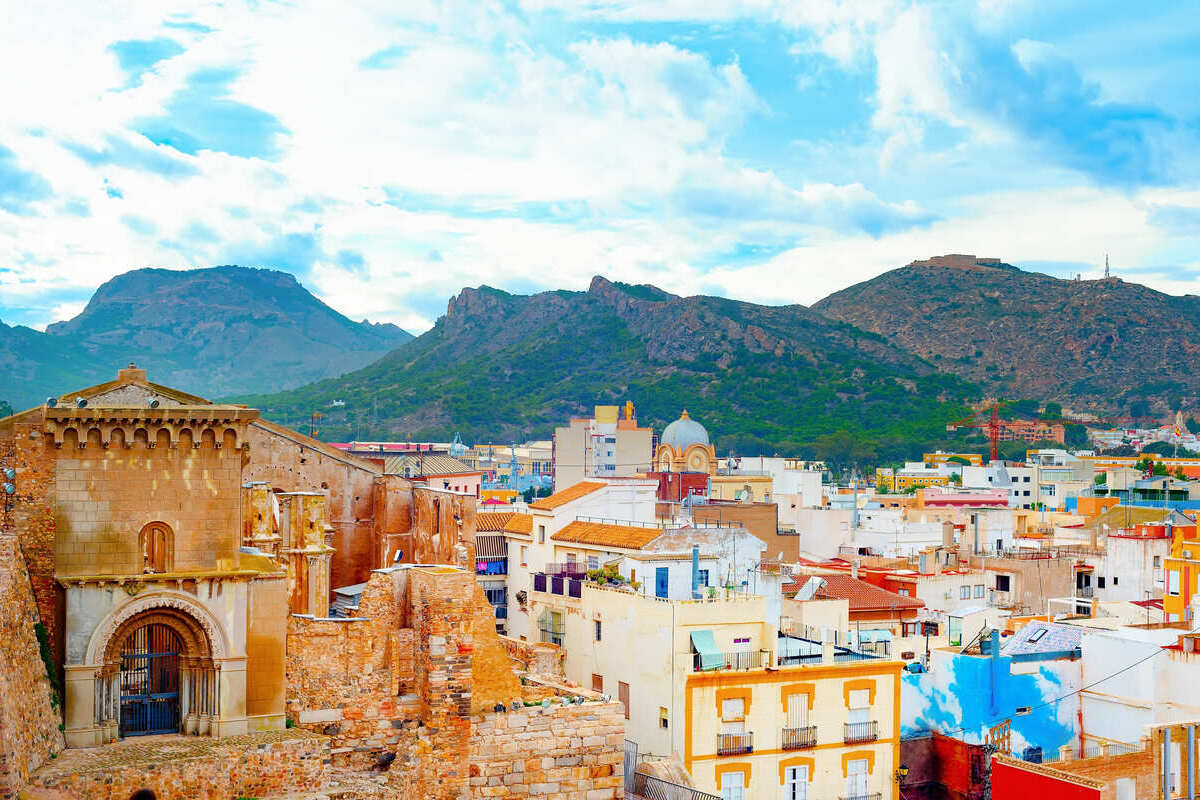
Not far from the theater, a mere 5-minute walk, the Roman Forum District is an extensive archaeological zone complete with baths, temples, and virtually intact Roman streets, and even if you’re not a Roman Empire geek, the downtown zone itself is an absolute joy to wander.
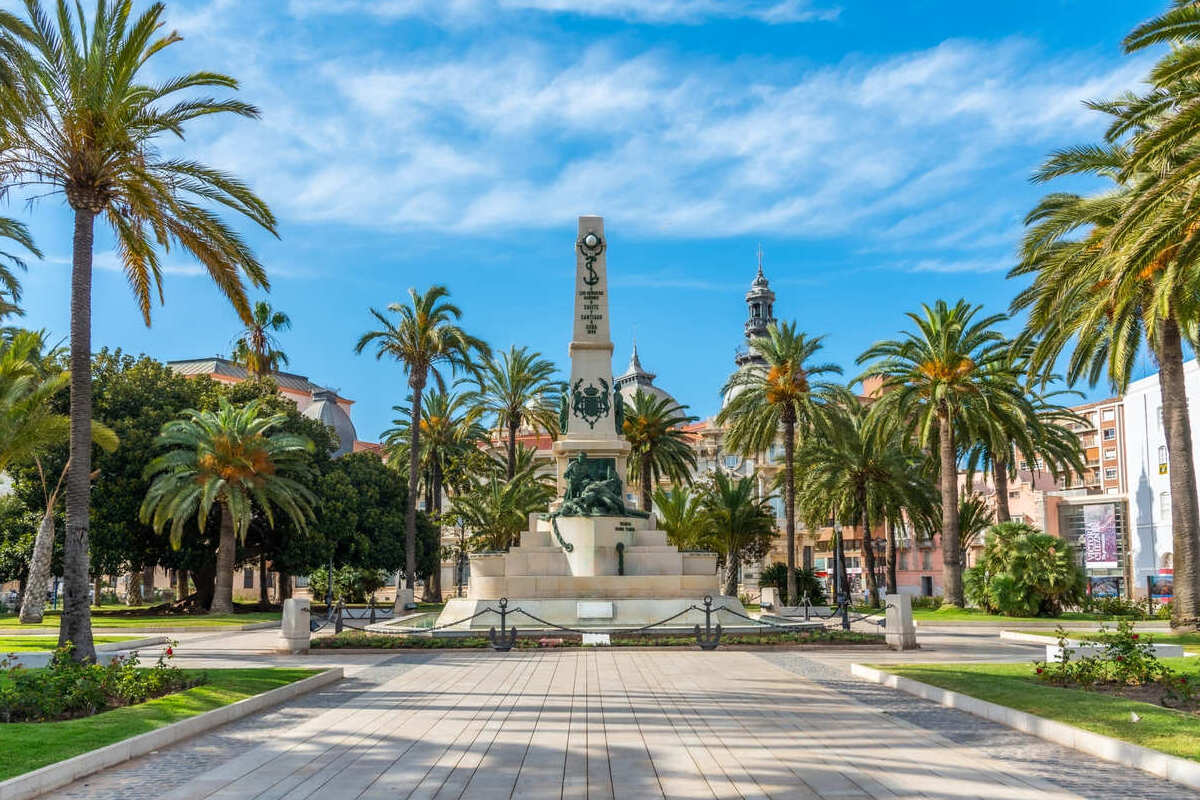
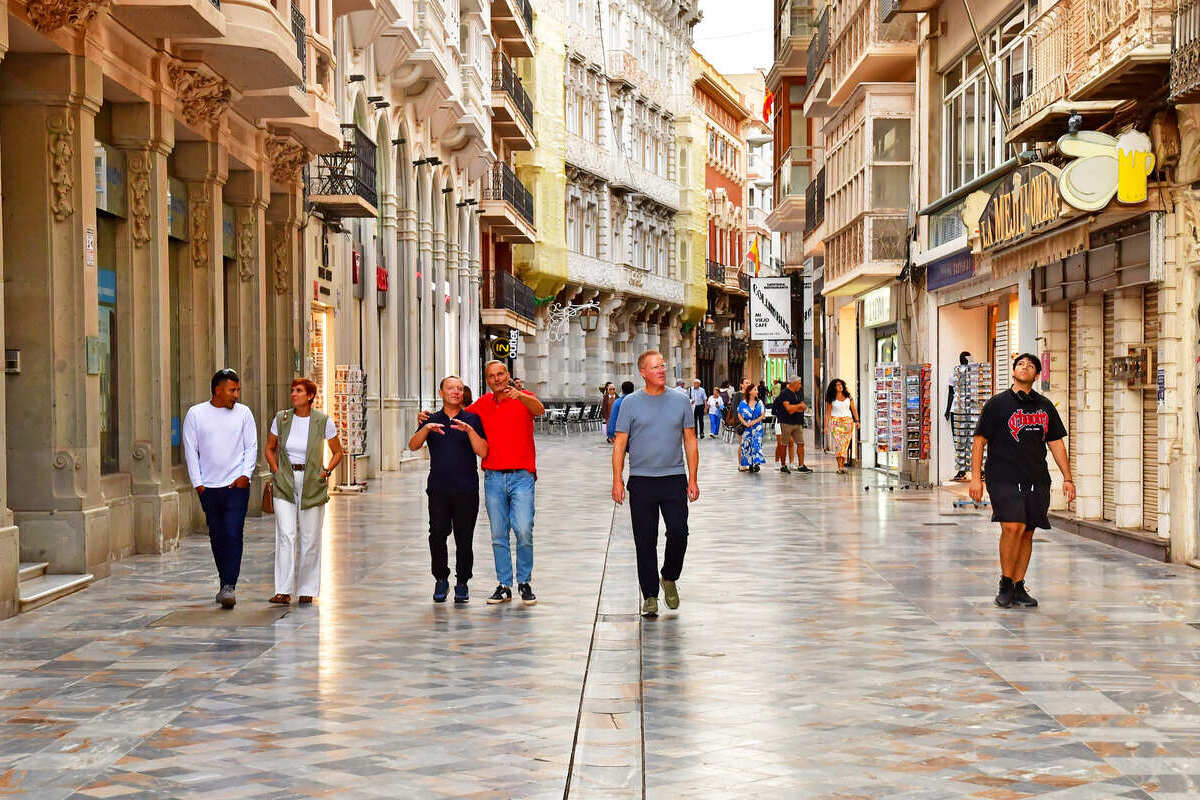
It has palm-lined streets, elegant 19th-century facades, and sun-drenched plazas ringed by tapas bars, and you can get the best caldero del Mar Menor over at Restaurante El Barrio del Foro Romano, a no-frills, locally owned tavern in the heart of the city.
It’s also super safe. Spanish beach cities tend to get a bad reputation for the rampant scamming and pickpocketing, but Cartagena in particular feels rather chill. Matter of fact, the entire country at the minute is faring pretty well on the Traveler Safety Index, scoring 94/100 based on recent reports from visitors:
How Actually Cheap Is Cartagena?
Speaking of food, sitting down for a meal in Cartagena’s landmark-packed Historic Center will never set you back by over $20, and that’s if you’ve picked a relatively central, mid-range restaurant.
You can go even cheaper from only $12 with some menú del día deals, which typically involve a small starter, a meat-based main, and dessert or coffee, and if you don’t mind splurging a little, a nice, rooftop dinner for two ranges from an acceptable $40 to $60.
Looking for budget accommodation? To my fellow low-cost traveler sout there, a hostel bed costs as little as $25, while guesthouse stays, usually managed by a local family, average roughly $50.
As for full-service hotels, those range from $70 to $100. To keep it straightforward, there’s something for every kind of traveler on every budget in here, but there’s no denying Cartagena really does lean hard into the cheaper range of the spectrum.
Even attractions cost like a fraction of the prices you’re maybe used to elsewhere in Spain! Visiting the Roman Theater costs only €7.00 (roughly $8), whereas the hilltop castle overlooking town, Castillo de la Concepción, is even cheaper, with general admission set at €5.00 ($6).
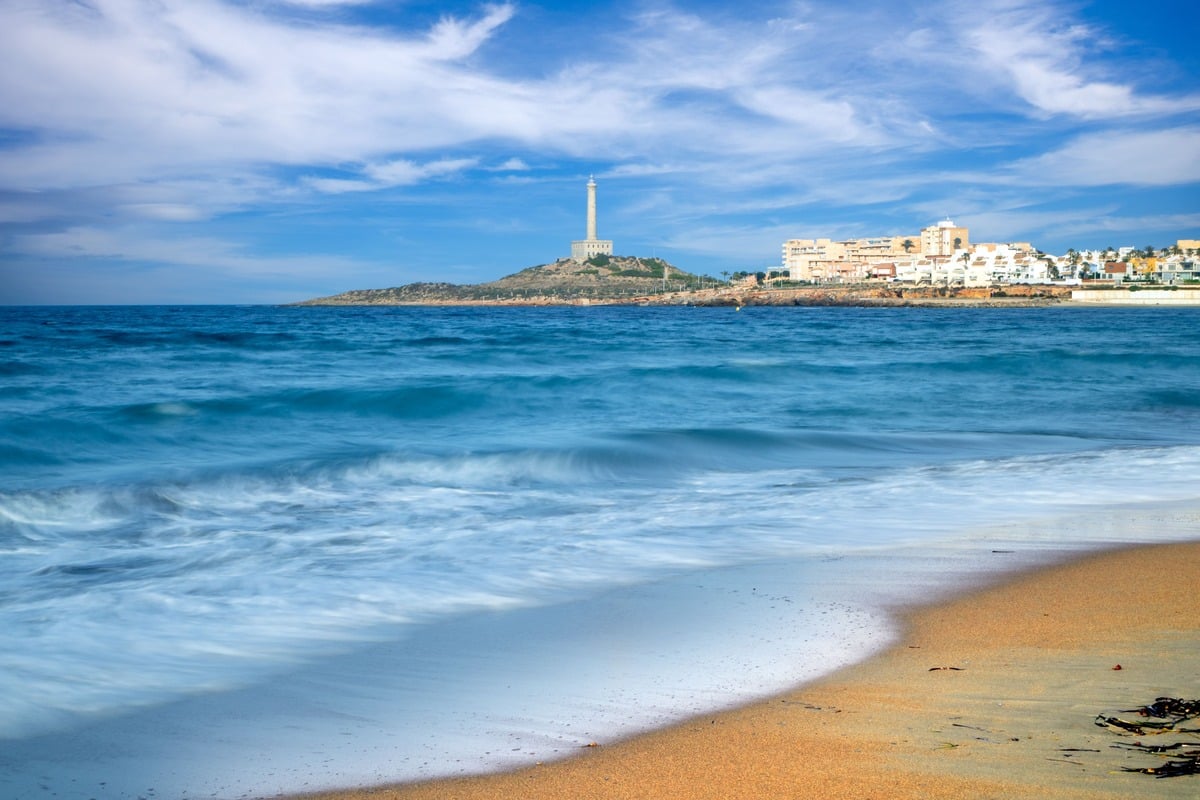
As for beaches, most are free to enter, and even though there is paid parking, that’s around $5 for the entire afternoon, and if you really wanna be fancy, renting a lounger at a beach bar costs $20–$35.
Cala Cortina is the closest one to the city center, and not only is it easy to access, but it also offers calm waters and honey-colored sands. The best beach in the area, though, is Playa de Calblanque, a natural, protected beach known for its raw, undeveloped beauty.
Of course, don’t miss La Manga del Mar Menor, a narrow sand strip about 13 miles long that separates the Mediterranean Sea from a shallow lagoon called the ‘Minor Sea’. You can swim in the Med on one side, and on the lake on the other, which is usually warmer, calmer, and more placid than the open sea.
Looking for more hidden gems in Spain? Check out this local-gem of a town with golden sands and a peaceful vibe you’ve probably never heard of.
