
If there is one thing Americans have historically taken for granted when it comes to international travel, it is the raw power of the U.S. passport. For decades, the process of visiting the world’s most famous tourist destinations was delightfully simple: pick a country, buy a flight, pack a bag, and go.
You could show up at a foreign airport with nothing but your passport and a smile, and border guards would wave you through without a second thought.
But that golden era of spontaneous, red-tape-free travel is officially coming to an end.
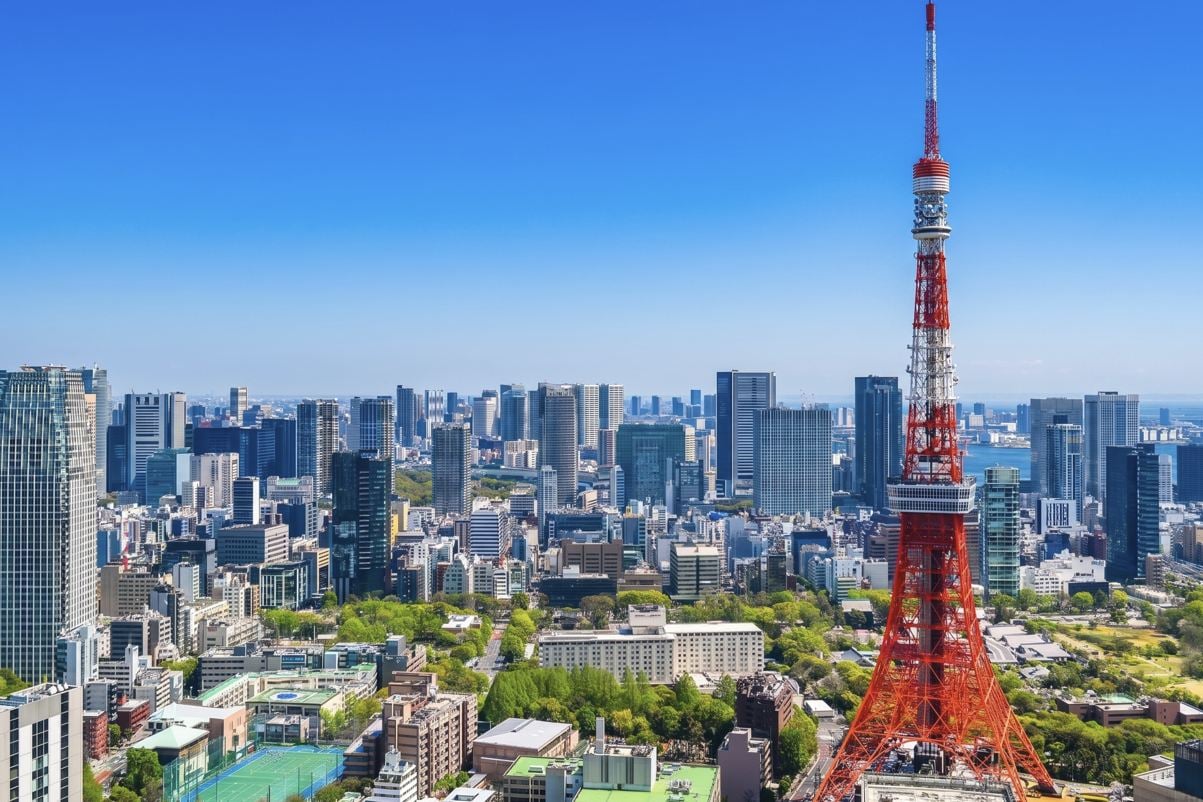
Soon, Americans will no longer be able to just show up at the airport to visit Japan. Unless you have explicitly asked the Japanese government for permission to enter—and they have formally approved you—you will be completely denied boarding at your home airport.
Governments all over the globe are realizing that they can screen tourists long before they ever set foot on a plane. Following the lead of countries like the United Kingdom, Australia, and South Korea, yet another massive bucket-list destination has officially passed the laws required to strip away consequence-free entry.

Here is exactly what you need to know about the upcoming mandatory travel authorization, and how it will permanently change the way Americans plan a vacation to the Land of the Rising Sun.
Say Goodbye To Visa-Free Walk-Ins
Currently, Japan is an absolute powerhouse for American tourists. Thanks to a long-standing visa-waiver agreement, U.S. citizens can currently stay in Japan for up to 90 days completely visa-free. As of right now, you just book a ticket, land at Narita or Haneda, get a quick stamp, and you are immediately off to eat sushi in Tokyo.
The Japanese Parliament officially passed the required revision to the Immigration Control and Refugee Recognition Act on May 29, 2026, legally locking in the framework for the mandatory JESTA system.”

However, Japan has been battling record-shattering waves of tourists and struggling with massive bottlenecks at immigration checkpoints. To combat this, the Japanese government has officially passed the legal framework for a brand new system called JESTA (the Japan Electronic System for Travel Authorization).
This is not a traditional paper visa that you get from an embassy, but it is a mandatory digital pre-screening.

Once JESTA goes live, the process will look very different. Americans will be required to log into a government portal days before their flight. You will have to input your passport details, declare where you are staying, outline the purpose of your trip, and answer a series of security questions. Only after the system runs a background check and issues an official digital approval will you be allowed to check in for your flight.
Why You Could Actually Be Denied
The premise of this new system is strict border enforcement. It is not just a digital form to collect a quick fee; it is a live screening tool.

If a traveler has a criminal record, a history of overstaying visas, or flags in an international security database, their JESTA application will be denied. And because the new Japanese law formally mandates that airlines check for JESTA approval before issuing a ticket, a denial means your vacation is over before you even leave your hometown. You will quite literally be denied boarding at the gate.
If you are denied the digital authorization, your only backup plan is to go to a Japanese consulate and attempt to apply for a traditional paper visa, a process that takes weeks and is not guaranteed to be approved.

Part Of A Massive Global Shift
If you think Japan is the only country cracking down on American tourists, think again. The era of the Electronic Travel Authorization (ETA) is taking over the world.
Later this year, the European Union is finally rolling out its long-delayed ETIAS program. This means Americans will soon have to go through a nearly identical digital background check and pay a fee just to visit countries like Italy, France, Spain, and Greece. Just like Japan, the European system will enforce a strict “no approval, no flight” policy.
When Does The New Japanese Rule Take Effect?
The legal framework for JESTA was officially passed by the Japanese government in the spring of 2026. The technology is currently being built and tested, with a strict legal mandate to be fully operational by the end of fiscal year 2028 (meaning it will be live no later than March 2029).
Until the system officially flips the switch, Americans can continue to enjoy the old-school, hassle-free entry rules.

While the new red tape might be frustrating to deal with, the reality is that the hassle is absolutely worth it. Even with record crowds, Japan is one of the safest countries on the planet for foreign tourists, boasting incredibly low crime rates and world-class public infrastructure.
If you are planning a trip in the near future, it is critical to stay informed so you do not get caught off guard at the airport. Be sure to bookmark our dedicated travel alerts and advisories for Japan page to stay updated on any sudden shifts in the region.

You should also review the strict customs rules for Japan, as they are notoriously unforgiving when it comes to bringing in foreign medications that are perfectly legal in the United States but highly illegal in Tokyo.
Finally, do not let an expired passport or a missing barcode ruin your trip. Stay tuned to our entry requirements for Japan hub so you know exactly what is required the minute this new mandatory form goes live.
XD
Saturday 20th of June 2026
This article is very one-sided and misses an important point: the first country I've known to implement such screening was the US about 15 years ago. Other countries took much time but they have essentially followed the US example. It is completely natural that US passport holders are being subject to those rules when they are enforced in other countries. But, because of the slow take by other countries, US passport holders didn't have to experience it for a long time. The sad point of the story is that freedom of movement has taken a serious hit during the last two decades.
Peter
Saturday 20th of June 2026
I understand screening foreign visitors for safety reasons before they arrive. But I think too many countries are hindering travel by Americans for political reasons. Just like Russia and China, the citizens of America are much different, and better, than its government.