
If you’re thinking to go on a spontaneous trip to Spain this summer, and you’ve got taken aback by how insanely-pricey Barcelona and Mallorca are, don’t go canceling your travel plans just yet.
They may well be considered Spain’s top-tier beach destinations, much to my own dismay, but they’re not all that the country’s sun-drenched southern coast has to offer: this smaller, more laid-back coastal gem has equally-beautiful swimming spots, a postcard-ready center, and… wait for it…
It won’t completely deplete your savings.
One Of Europe’s Oldest Cities
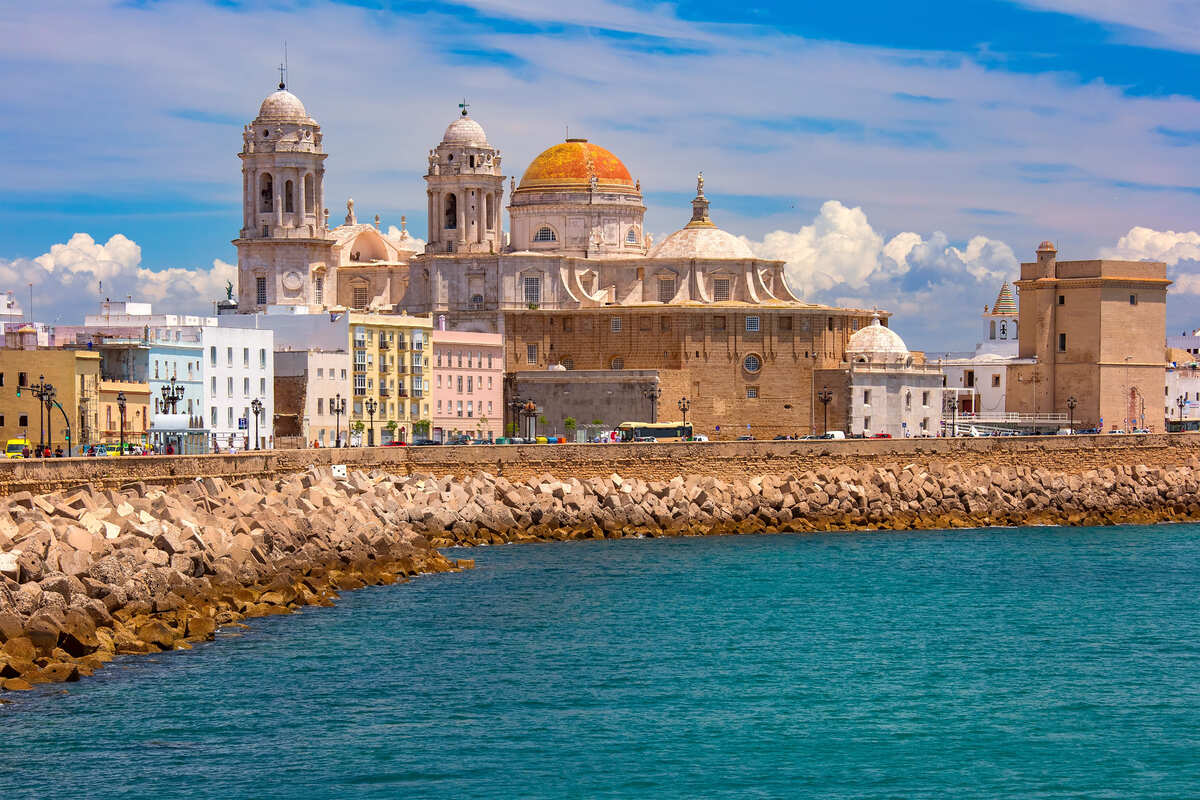
Lying some 145 miles west of the popular resort city of Málaga, Cádiz is a mid-size city with roughly 109,000 residents straddling that azure shoreline.
Despite being relatively-sizable, a treasure trove of ancient wonders, and within easy reach of the world-famous Costa Del Sol, it hosts far fewer tourists in comparison.
The Province of Cádiz, which includes the city of Cádiz itself and satellite coastal towns, hosted 2.9 million tourists in 2025. A small slice of the monumental cake that is Spanish tourism, which typically logs in near, or over 100 million tourists a year.
Now, it’s hardly a name that comes up in one of those poorly-sketched Southern Spain itineraries, even though it’s one of the country’s most historically-relevant, ancient port cities.
Not Just Another Spanish Beach Town

Cádiz isn’t just another Spanish city. It’s one of those places where over 3,000 years of history are still part of everyday life.
We’re talking Phoenicians. 1100 BC. More than 3,100 years of empires rising and falling, all of them seeing Cádiz as something worth conquering.
No, it doesn’t have the same worldwide fame as Rome or Athens—though you could easily argue it deserves it—but this overlooked corner of southern Spain just so happens to be one of Europe’s oldest continuously inhabited cities.
It sits on a narrow peninsula almost completely surrounded by the Atlantic. A lot of people assume Cádiz is on the Mediterranean, but it’s actually west of the Strait of Gibraltar, right where the Atlantic begins.
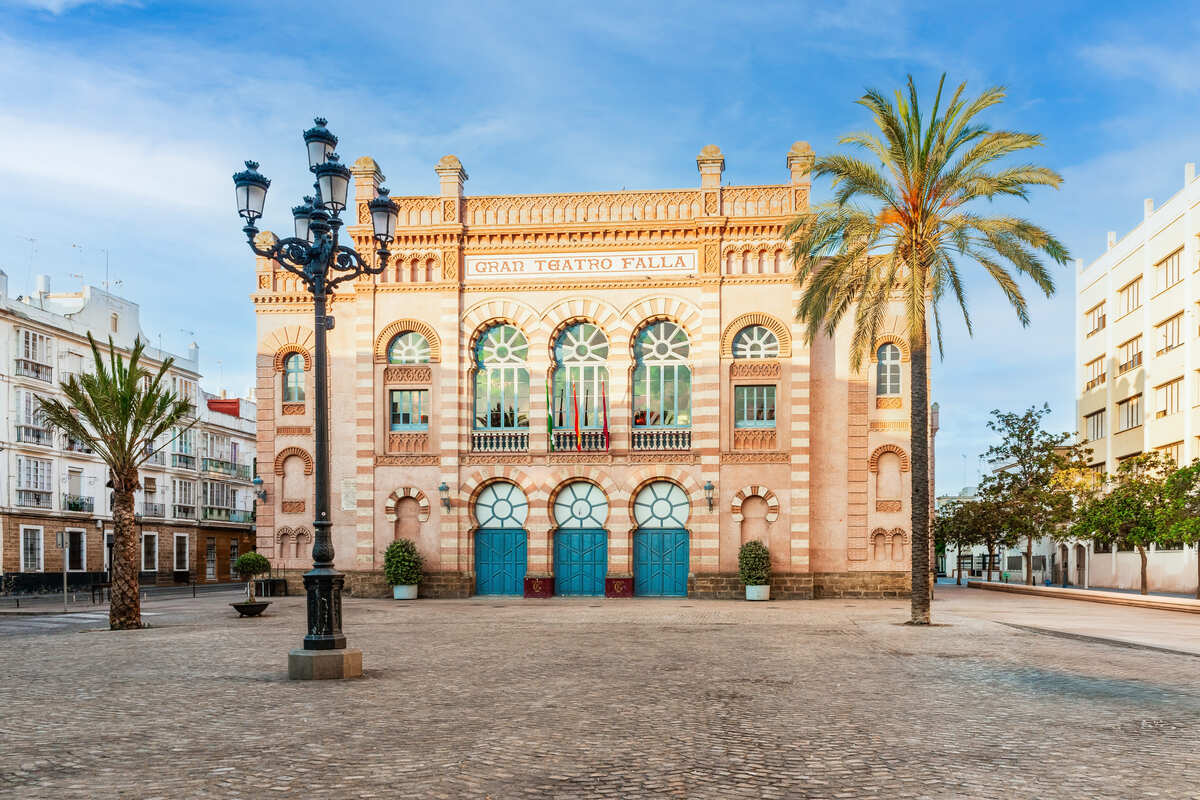
The Old Town has remained remarkably intact because, unlike Barcelona or Seville, it was never carved up in the 19th century to make way for grand boulevards or modern tram lines.
In fact, it’s so wonderfully old-school that people often call it the European Havana—but don’t worry, there’s no communist revolution waiting for you here.
The comparison actually makes a lot of sense.
The European Havana
Both Cádiz and Havana are historic port cities wrapped by the sea, lined with colonial architecture, and for centuries Cádiz was Spain’s main gateway to the Americas, especially Cuba.
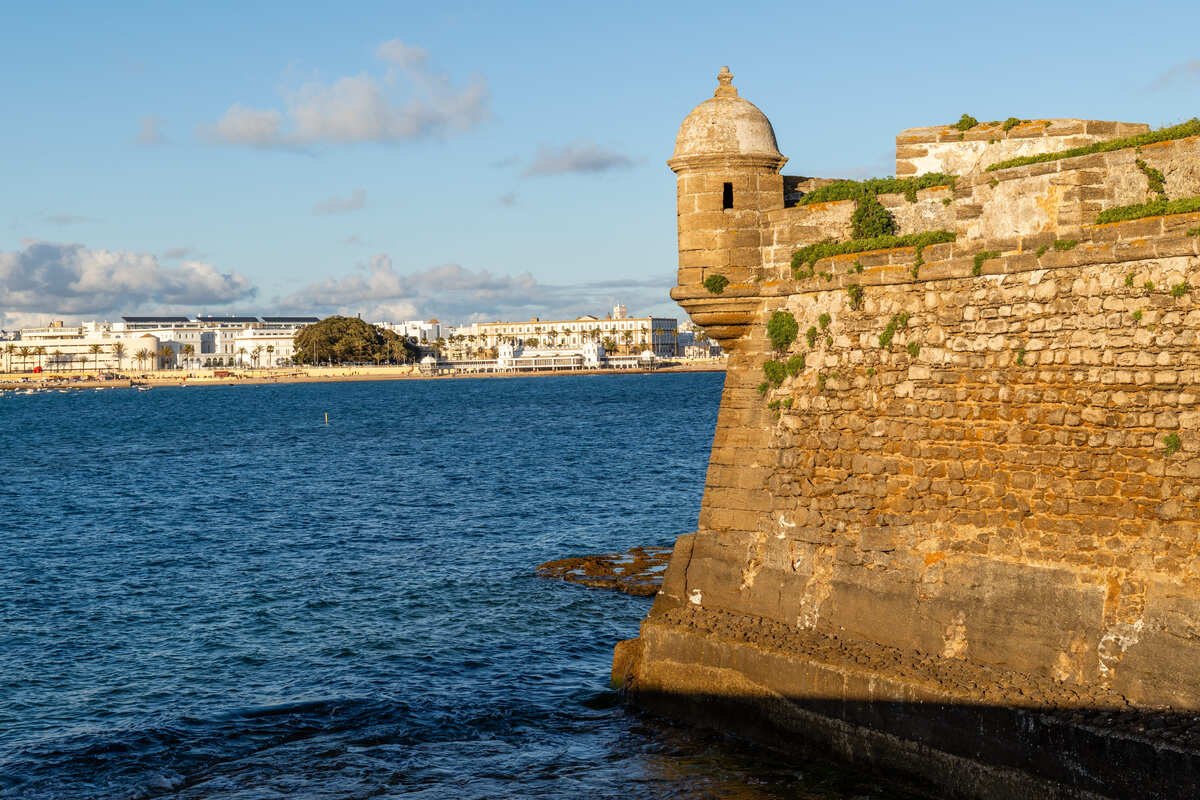
Ships constantly crossed the Atlantic between the two, carrying not just people and cargo, but architectural styles, traditions, and ideas. They’re true transatlantic sister cities, even if each ended up developing its own personality.
Before you go on flying across the pond, though, make sure all your documentation’s in order.
44,000 people have been denied entry to Europe recently following the introduction of a much-stricter, new fingerprinting system, and that could have easily been avoided if they’d used the Entry Requirement Checker in advance.
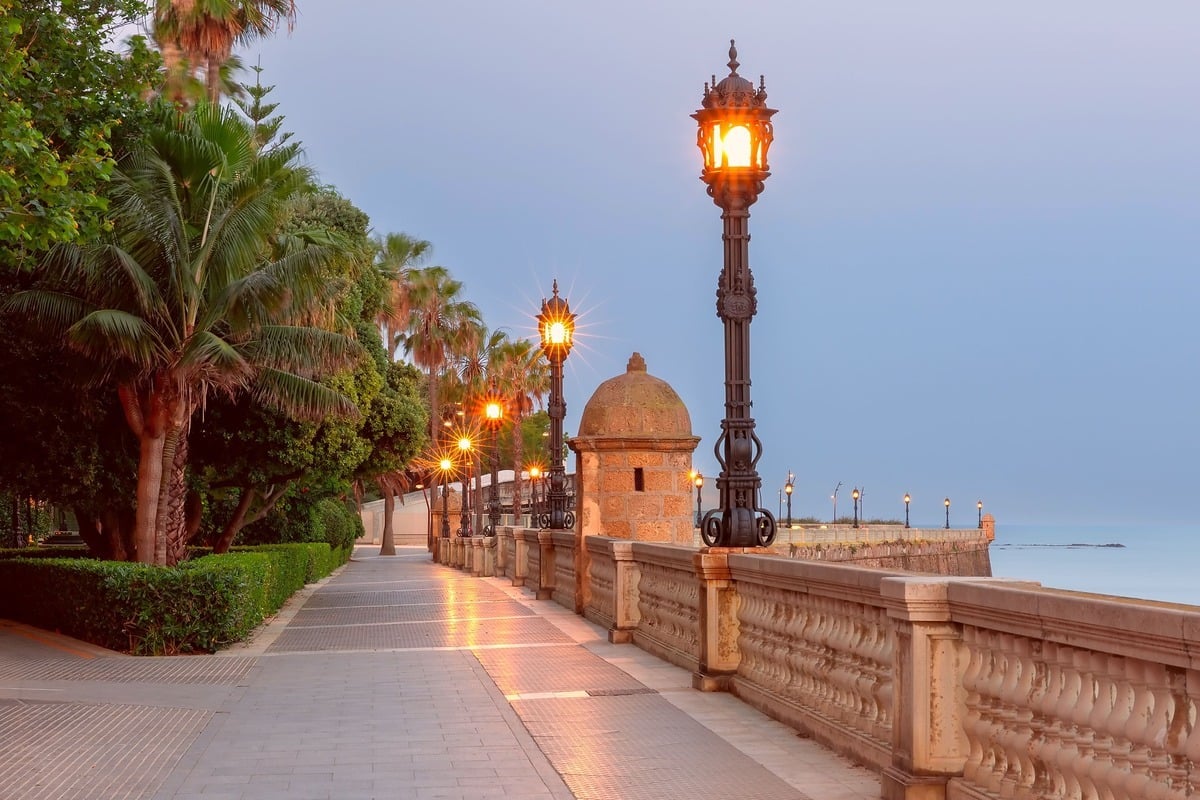
On this side of the ocean, you’ll find a maze of narrow streets, tree-shaded plazas, weathered façades, and more than a hundred watchtowers still standing. The most famous is Torre Tavira, rising 33 meters above the whitewashed rooftops.
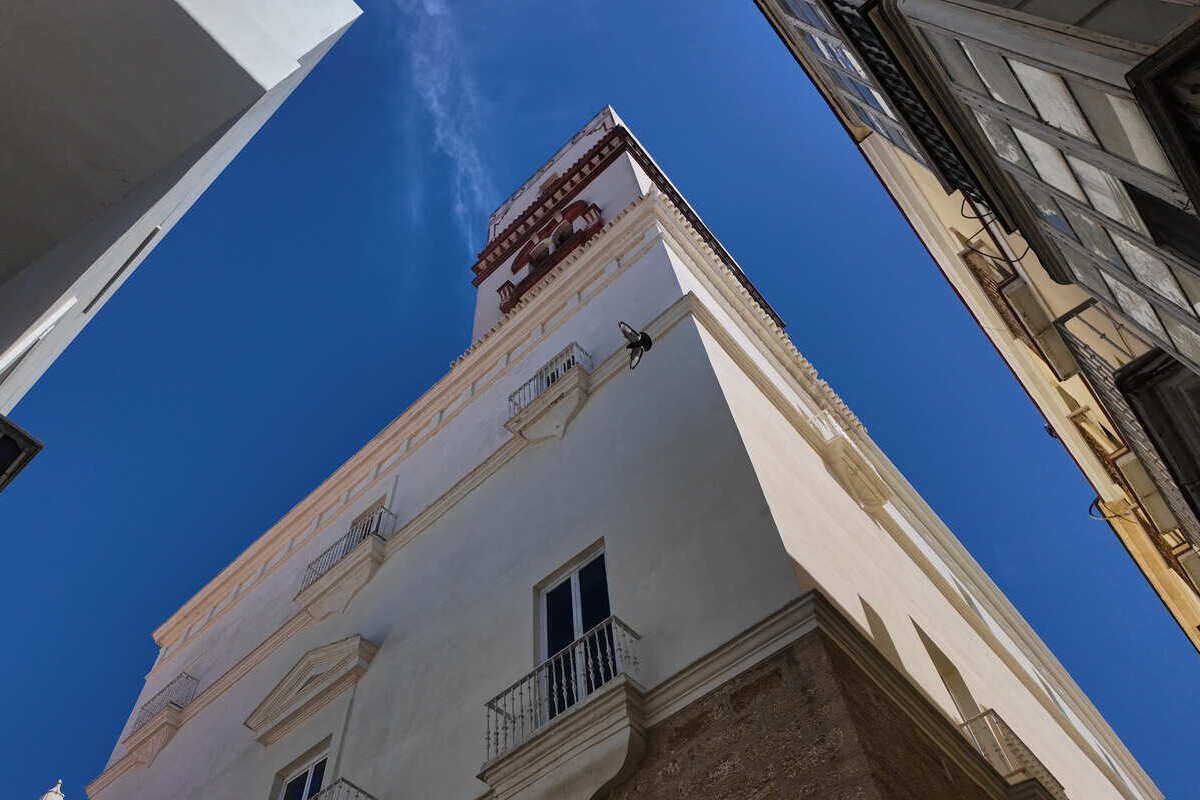
The panoramic views alone are worth the climb, but the real surprise is hidden inside. The tower houses Spain’s oldest Camera Obscura, an ingenious system of mirrors and lenses that projects a live, moving image of the city onto a white table in a darkened room.
Long before drones, CCTV, or webcams, this was how people kept an eye on the harbor, the streets, and every ship sailing into port.
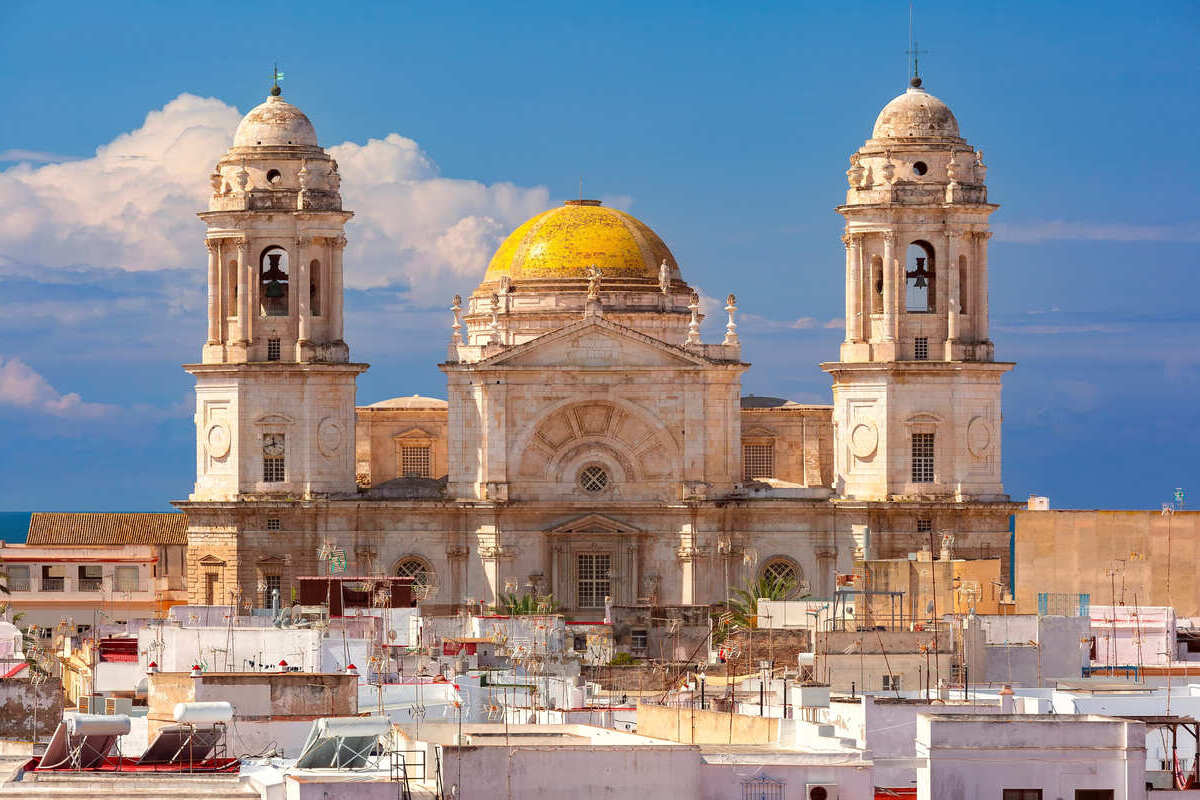
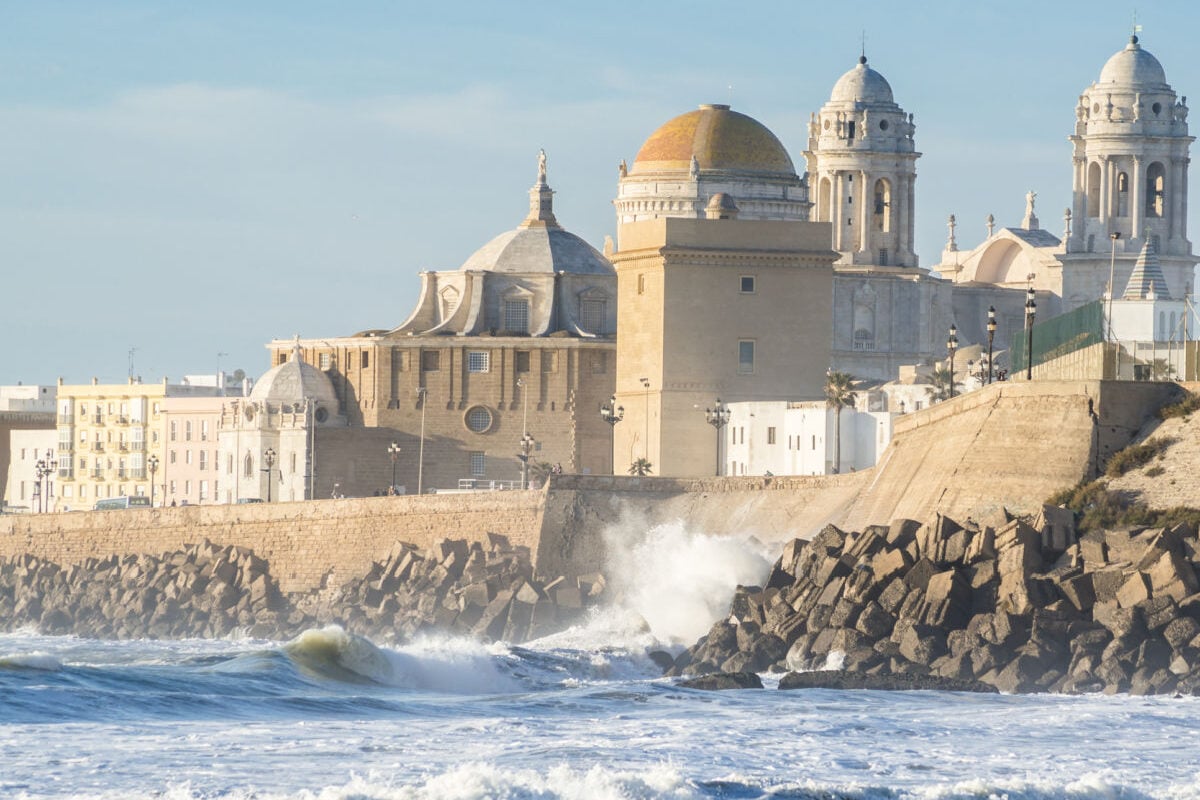
And that enormous dome shimmering above the waterfront? That’s Cádiz Cathedral.
Its golden-yellow tiled dome is the city’s unmistakable symbol, but what really caught me off guard was the interior. Most European cathedrals lean into that dark, moody Gothic atmosphere.
Cádiz goes in the opposite direction. Thanks to its sun-drenched dome, the whole place is flooded with natural light that bounces off the cream-colored marble and pale stone, making it feel unexpectedly airy and almost Mediterranean.
Beautiful Sandy Beaches For Miles
Of course, you haven’t been to Cádiz until you’ve taken a dip in the ocean. Granted, this is not the Mediterranean, and the waters can be a tad rough in certain parts, but that’s all part of the charm.
Yes, the Atlantic is coolwer and wilder, but it also feels a lot more refreshing during a scorching Andalusian summer. Once you’re in, you understand why locals flock to the beach themselves any chance they get to survive the Saharan hot spells.
On top of that, unlike many European historic cities where the beaches sit miles away, Cádiz has long stretches of soft, golden sand right on its doorstep.
If you’re wondering through the Old Town, you’re actually a short walk from the sea already: for that lively atmosphere, with volleyball courts, smoothie nars, and a restaurant-backed promenade, Playa de la Victoria is the place to be.
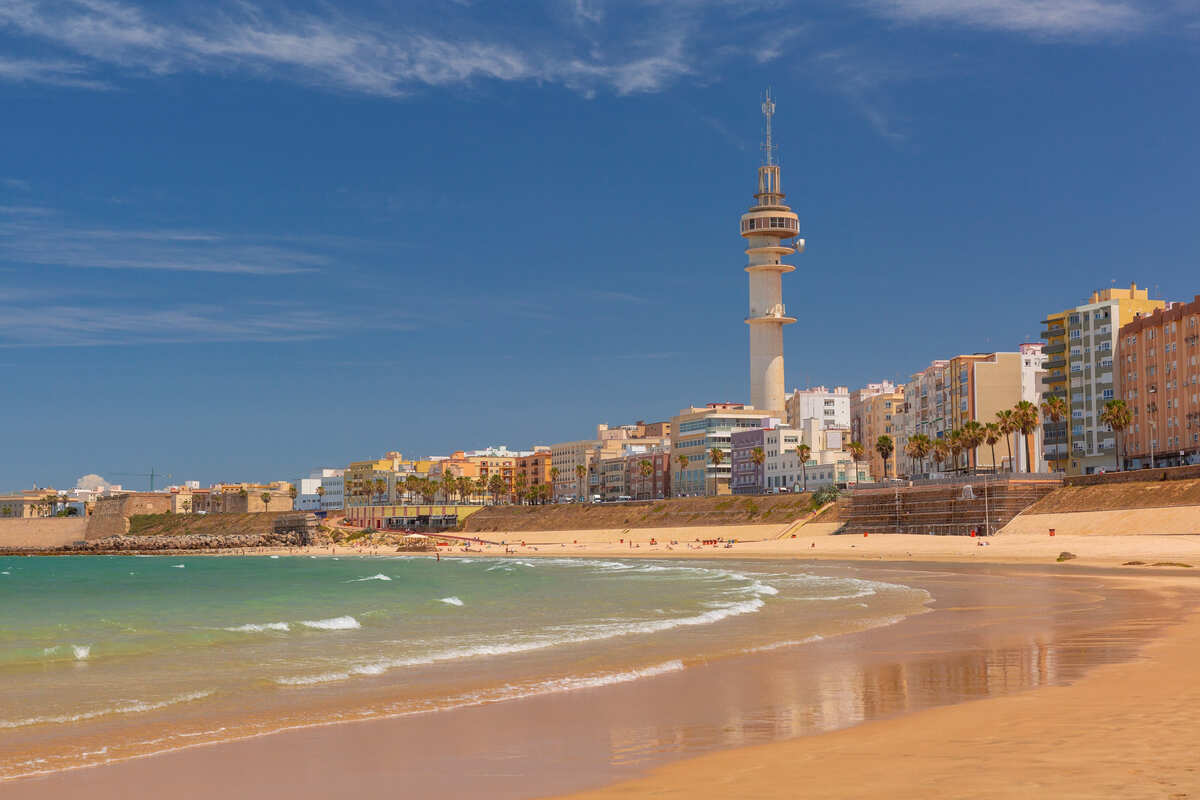
It’s consistently ranked one of Spain’s best urban beaches.
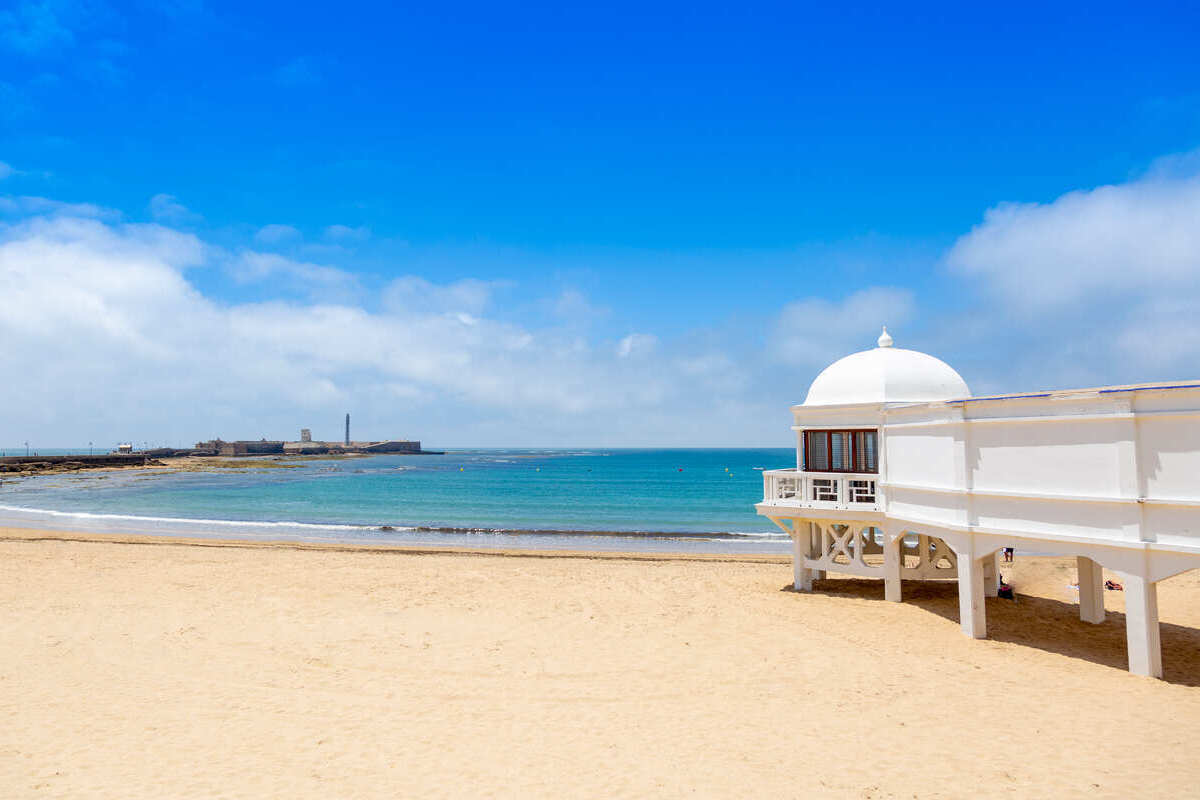
For something with a little more character, check out La Caleta next: it’s where locals gather int he evenings, musicians play as the sun sets, and the views look like something straight out of a postcard. Remember the Havana comparisons?
Well, this is the ‘Havana’ beach James Bond walks on in Die Another Die.
If you prefer a beach that feels more untouched, make your wya to Playa de Cortadura.
Wedged between Cádiz and the Andalusian mainland, it’s a wild stretch of sand backed by natural dunes, instead of the usual apartment blocks and promenades. There aren’t that many facilities compared to the city’s other beaches, but that’s the main draw.
Bring a towel, a good book, and enjoy one of the few places in Spain where you can still be in a city, and still feel completely removed from it.
The best part about beach-hopping in Cádiz this summer, or Spain overall? Despite widespread reports of pickpocketing and rising urban violence across parts of Barcelona and Madrid, the country as a whole remains surprisingly safe according to recent travelers.
It scores an impressive 94 out of 100 on the Traveler Safety Index, based on reports from visitors:
Cheaper Than Barcelona
Part of the reason why Cádiz keeps drawing a growing number of visitors each passing year is how refreshingly affordable it still feels for a country completely overrun with tourism.
Guess we must also mention Barcelona’s water pistol attackers and Tourist Go Home graffiti aren’t easily found here.
In other words, you’re not being constantly hit with passive-aggressive customer care, nor being constantly hit with inflated prices every time you sit down for a meal or order a drink.
A typical menú del día, Spain’s beloved weekday lunch special that includes three courses, usually costs between $17 and $20, while an inexpensive restaurant meal averages $16 across Old Town eateries.
Even a 3-course dinner for 2 people at a nice restaurant, potentially with a rooftop overlooking the dome, rarely exceeds $50, making Cádiz one of the top Spanish destinations for affordable geawats.
If you’re here for the seafood, and you absolutely should be, don’t worry about splurging: just head straight to Mercado Central, and graze away at all the freshly-fried fish, grilled prawns, and just-caught Atlantic oysters, usually for under $10.
Prefer a sit-down special? Taberna Casa Manteca serves generous Andalusian classics without the Costa Del Sol sticker shock.
Accommodation follows a similar pattern: even in summer, you can find charming guesthouse snad boutique stays in and around the Historic Center from roughly $90–$140 per night, considerbaly less than the Barcelona or Ibiza average, where similar properties can cost triple the price during peak season.
