
When the U.S. State Department flashes a security alert for a popular vacation spot, it is easy to instantly panic and assume your entire trip is ruined.
But if you actually look past the scary headlines, these government warnings are usually incredibly hyper-focused.
A protest in one specific downtown square or a bottleneck at a remote land border rarely means the beaches, resorts, or safari camps hours away are dangerous.
This July, the U.S. government rolled out fresh security alerts for 4 major global destinations. To help you separate the internet panic from reality, we broke down exactly what is happening on the ground, how it actually impacts your vacation, and the exact steps you need to take to keep your trip running smoothly.
Cuba: Nationwide Power Grid Collapse
Currently sitting at a Level 2 travel advisory and holding a Traveler Safety Index score of 71, Cuba is dealing with a massive infrastructure headache. On July 6, the country experienced a total national grid collapse. This is the third nationwide blackout of the year and the eighth since late 2024. The U.S. Embassy in Havana has officially flagged the grid as increasingly unstable.
There is no single cause for the lights going out. It is a mix of aging infrastructure and severe diesel and jet fuel shortages, which many sources directly link to the ongoing impact of U.S. sanctions. Right now, local authorities are trying to restore power using localized microsystems to get hospitals and vital services running first, but there is no firm timeline for a full fix.
For travelers, this is causing a major ripple effect. Airlines are actively suspending or reducing flight routes because there simply is not enough jet fuel available. On the ground, many hotels are being forced to consolidate guests or temporarily close to ration diesel for their backup generators. If you are heading to the island, expect spotty air conditioning, reduced water pressure, and zero internet or cell service when the localized grids drop.

If you have a trip booked, you need to call your airline directly today and again twenty-four hours before you fly to confirm your route is still active. Before you check in, get it in writing from your hotel or rental host that they have a functioning generator and a steady water supply. Because ATMs and card machines instantly die during blackouts, you must bring plenty of cash in U.S. dollars or euros. Finally, pack heavy-duty power banks, a solid flashlight, and non-perishable snacks. If you rely on refrigerated medication like insulin, you must have a backup cooling plan immediately.
Kenya: Nairobi Protests And Roadblocks

Kenya is a massive bucket-list destination that currently holds a Level 2 advisory and a Traveler Safety Index score of 75. While the famous safari circuits are operating perfectly, the capital city of Nairobi is dealing with heavy political friction.
On July 7, known locally as Saba Saba day, authorities declared planned protests in Nairobi illegal. This led to heavy police checkpoints and massive roadblocks across major arteries like Thika Road, Waiyaki Way, and most importantly, Mombasa Road. It is incredibly important to note that while the city center was essentially sealed off and a few people were detained, this specific July event was contained, and there were no reported deaths—unlike the deadlier protest waves that hit the country earlier in the year.
If you are heading out to the Masai Mara or staying at a remote lodge, your trip will likely be completely unaffected. The main danger for tourists right now is getting stuck in brutal traffic on the way to Jomo Kenyatta International Airport (JKIA), as Mombasa Road is the primary route to catch your flight.

The advice here is straightforward: avoid all large gatherings and protests, even if they look peaceful from a distance. If you are flying out of Nairobi, you need to build a massive buffer into your airport transfer time. Leave hours earlier than you normally would, confirm your route with your driver the morning of your flight, and keep your physical passport and visa easily accessible for the police checkpoints.
South Africa: Border Delays And Anti-Migrant Unrest

South Africa is another safari heavyweight holding a Level 2 advisory and a Traveler Safety Index score of 75. Over the last few weeks, there has been a massive surge in anti-migrant demonstrations fueled by local coalitions like Operation Dudula. After an unofficial deadline was set for undocumented migrants to leave the country, over fifty thousand people fled, primarily heading north toward the Beitbridge border crossing near Zimbabwe.
The ensuing protests resulted in over nine hundred arrests for public violence and roadblocks. However, you need to look at the context of this unrest. The protesters are specifically targeting foreign nationals living and working in the country, alongside transport vehicles near the borders. Tourists are not the target here.
If you are flying into Cape Town to drink wine or heading to Kruger National Park for a luxury safari, the tourism infrastructure is operating normally. The real impact for travelers is the absolute chaos at the northern land borders and localized road blockades.

If you are renting a car, do not blindly trust your GPS right now. It might try to route you through an unstable township or a blocked road just to save five minutes. Stick to the main highways, avoid driving at night, and never attempt to push your car through a crowd or a makeshift roadblock. If your itinerary involves crossing the land border into Botswana or Zimbabwe, expect massive delays and make sure you do the crossing during broad daylight.
Guatemala: Localized Riots At Lake Atitlán
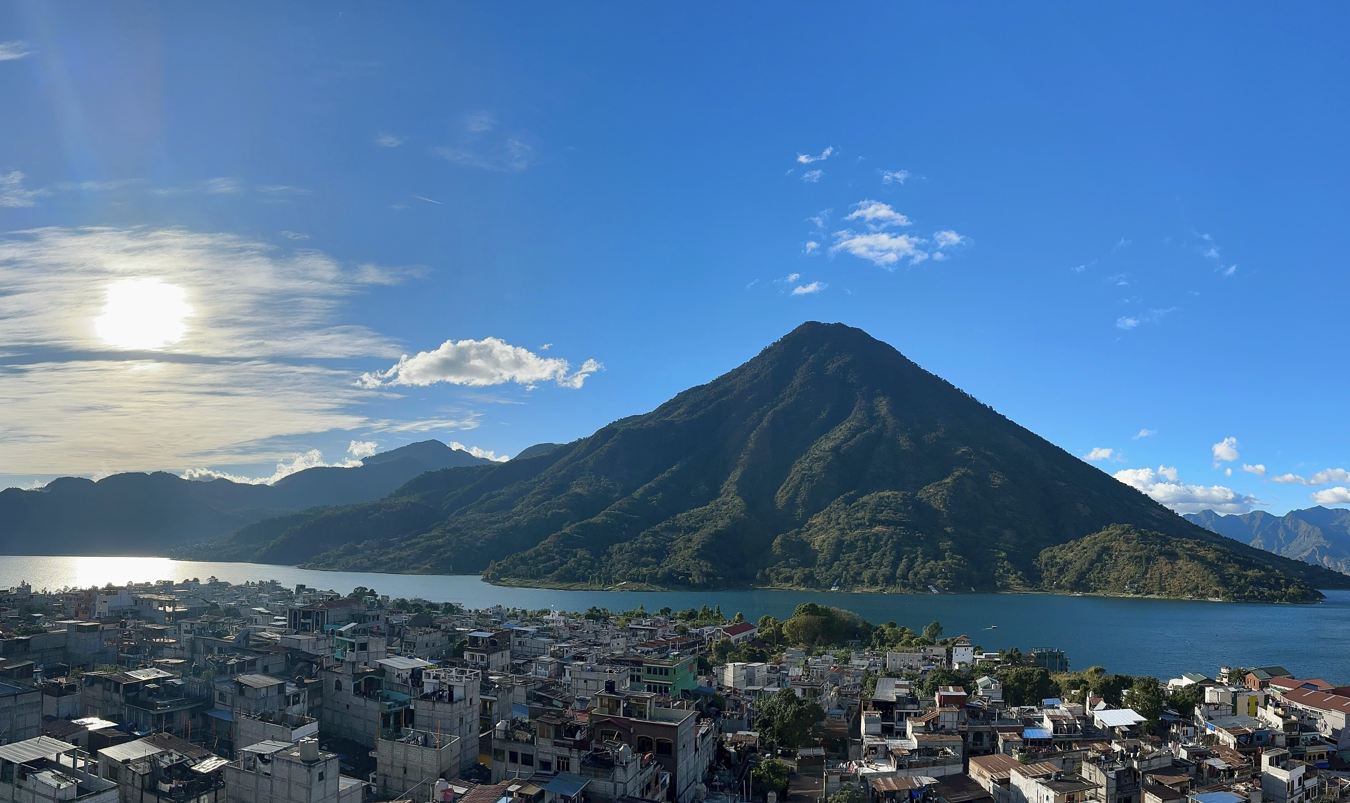
Guatemala currently sits under a Level 3 advisory and holds a lower Travelers Safety Index score of 50. Recently, the U.S. Embassy banned all government personnel from traveling to the town of Santiago Atitlán following a severe escalation in local riots.
The unrest stems from a long-running political conflict over the reinstatement of a local mayor. In early July, things boiled over, resulting in burned vehicles, a destroyed museum, and reported gunfire. The country’s official tourism authority is heavily recommending that all visitors postpone their trips to this specific town.
But here is where geography matters. Santiago Atitlán is just one of about a dozen small villages scattered around the massive Lake Atitlán. The rest of the lake, including major tourist hubs like Panajachel, San Marcos, and San Pedro, remains perfectly safe and open for business.
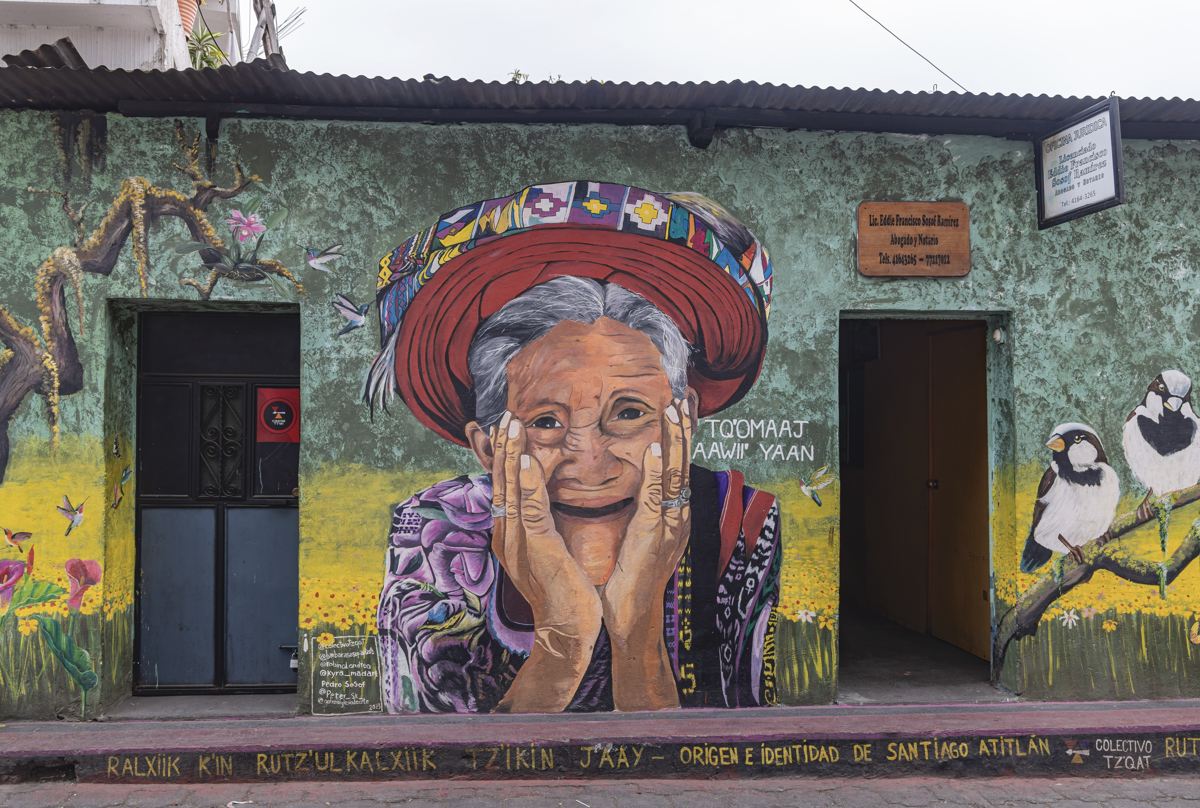
You absolutely need to skip Santiago Atitlán until the dust settles, but you do not need to cancel your trip to the lake. Just build some flexibility into your days. The villages are connected by small public boats called lanchas. Because of the tension, boat schedules might fluctuate, and they do not run reliably after dark anyway. Do all of your village hopping during the day, hire a local guide if you plan on hiking any of the surrounding volcanoes, and opt for a tuk-tuk instead of walking alone once the sun goes down.
The Bottom Line Before You Book
Whenever you are planning an international trip, the most important thing you can do is filter out the noise and look at the actual data. Before you lock in your flights or finalize your hotel, make sure to check the latest Traveler Safety Index scores to see exactly what travelers are experiencing on the ground in real time. Pair that with a quick check of the latest U.S. Embassy alerts to ensure you have the full picture. Government warnings are a great baseline, but knowing how actual tourists feel walking the streets gives you the ultimate peace of mind. Stay flexible, stay informed, and enjoy the trip.