
Your flights are booked, your resort is paid for, and your bags are packed. You step up to the airport check-in counter, totally ready for vacation mode, only to be stopped in your tracks. An airline agent asks for a digital QR code you have never heard of. Because you do not have it, you are instantly denied boarding and your vacation is over before it even begins.
This is the new reality of international travel. To be incredibly clear: these are not hidden airline fees buried in your flight receipt, nor are they standard resort taxes automatically added to your hotel bill. These are completely separate, mandatory, stand-alone transactions that you must pay out of pocket—usually through very specific government websites—before you are legally allowed to enter or leave your destination.
Here are the 9 incredibly popular destinations where Americans must pull out their wallets to pay a separate tourist fee this summer.
Cancun, Mexico: The $16 Visitax

If you are flying into the state of Quintana Roo—which includes massive hotspots like Cancun, Tulum, and Playa del Carmen—you are legally required to pay a state tourism tax officially known as Visitax. The fee currently sits at 283 Mexican pesos, which works out to about $15.80 USD per person for anyone over the age of four. You need to pay this entirely separately online at the official state portal before you leave home. Do not wait until you get to the airport to figure this out, because checkpoint teams are actively stopping tourists right before the final security escalators to check for the digital QR code receipt on their phones.
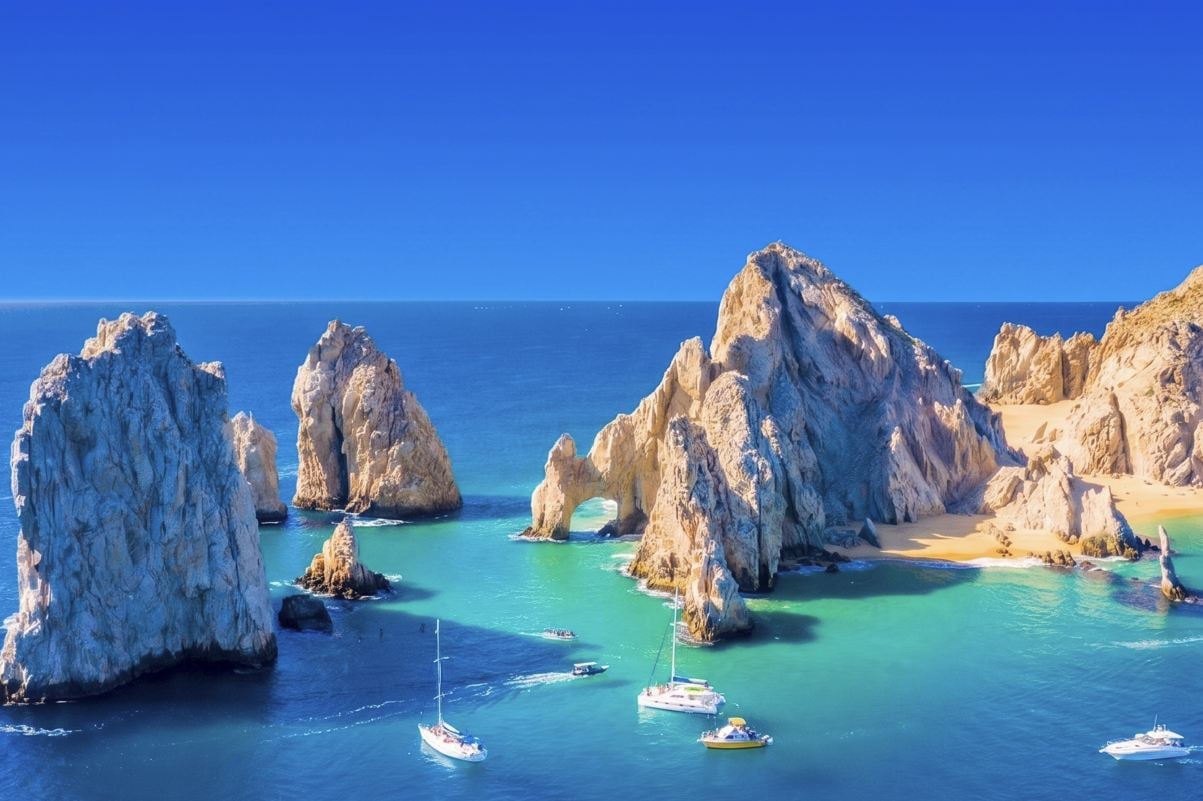
Los Cabos, Mexico: The $28 Embrace It Tax

The other side of Mexico has its own completely different set of rules. If you are heading to Los Cabos, La Paz, or Loreto in Baja California Sur for more than twenty-four hours, you are on the hook for the “Embrace It” tax. The mandatory fee is 488 pesos, roughly $28 USD per person for international visitors over the age of twelve. The funds are heavily focused on local conservation and community development, keeping the beautiful desert-meets-sea landscape pristine. You must pay this exclusively online through the official state website, generating a unique QR code to keep on your phone during your entire stay.
Aruba: The $20 Sustainability Fee

Aruba is globally famous for its perfect weather and flawless white-sand beaches, and keeping the island exactly that way now requires a direct contribution from every single visitor. The destination enforces a mandatory $20 USD Sustainability Fee for all travelers arriving by air. You pay this fee while filling out your required digital Embarkation and Disembarkation Card online. The charge applies to anyone eight years and older, and the money goes strictly toward upgrading local water treatment plants and vital environmental projects. You cannot pay this in cash upon arrival; it must be handled online before your airline will even let you check in for your flight.
Bonaire: The $75 Visitor Entry Tax
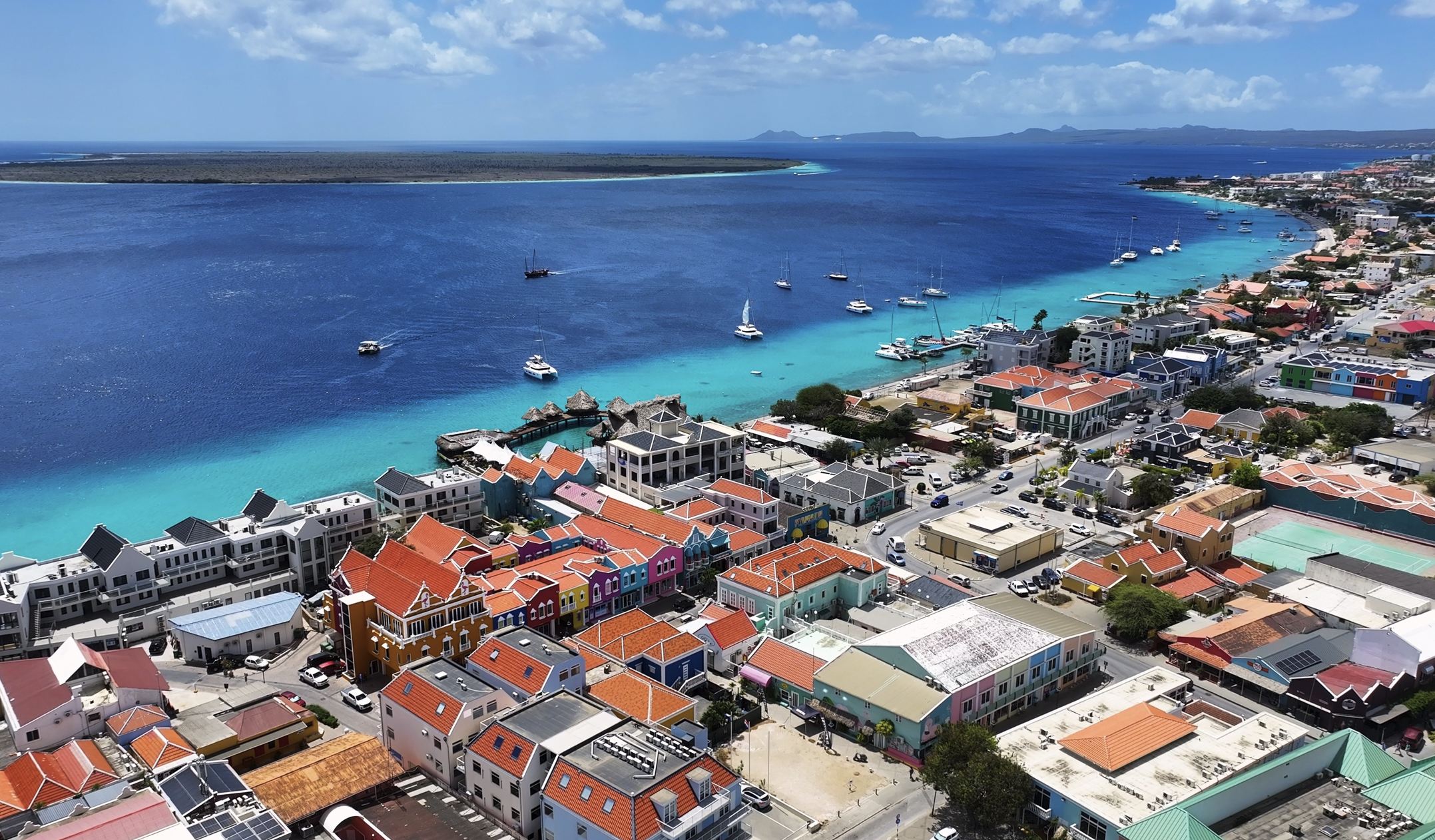
Bonaire is a legendary spot for diving and snorkeling, but protecting those world-class coral reefs is definitely not cheap. Every single non-resident visitor over the age of thirteen must pay a hefty $75 USD Visitor Entry Tax. Kids twelve and under still have to pay a reduced fee of $10. The island highly recommends paying this tax online up to seven days before you arrive so you do not get stuck waiting in a massive, slow-moving line at the airport. This money directly supports the island’s infrastructure, education, and sustainability initiatives, ensuring the pristine waters stay healthy.
Galapagos Islands, Ecuador: The $200 Cash-Only Entry Fee

Traveling to the Galapagos Islands is an absolute bucket-list adventure, but stepping foot in this highly protected ecological wonderland comes with a strict, mandatory toll. Every international adult visitor must pay a $200 USD National Park Entrance fee, while kids under the age of twelve pay $100. On top of that, you must also purchase a $20 Transit Control Card. The major catch? The $200 fee must be paid in physical, crisp cash immediately upon landing at the airport before you clear immigration. There are no ATMs in the arrival hall, and credit cards are strictly refused. If you do not have the physical cash on hand, you will simply not be allowed to enter the islands.
Venice, Italy: The €5 to €10 Day-Tripper Access Fee

Venice is actively fighting against severe overcrowding, and their modern solution is charging day-trippers just to walk into the historic city. If you are visiting Venice for the day on designated peak weekends or holidays between April and July, you must pay an access fee. The standard rate is 10 euros, but if you book it online at least four days in advance, it drops to 5 euros. This only applies if you are not staying overnight in a Venice hotel. Inspectors are constantly checking for QR codes at the train station and ferry stops, and the fines for skipping the fee run up to 300 euros.
The United Kingdom: The £20 Electronic Travel Authorization
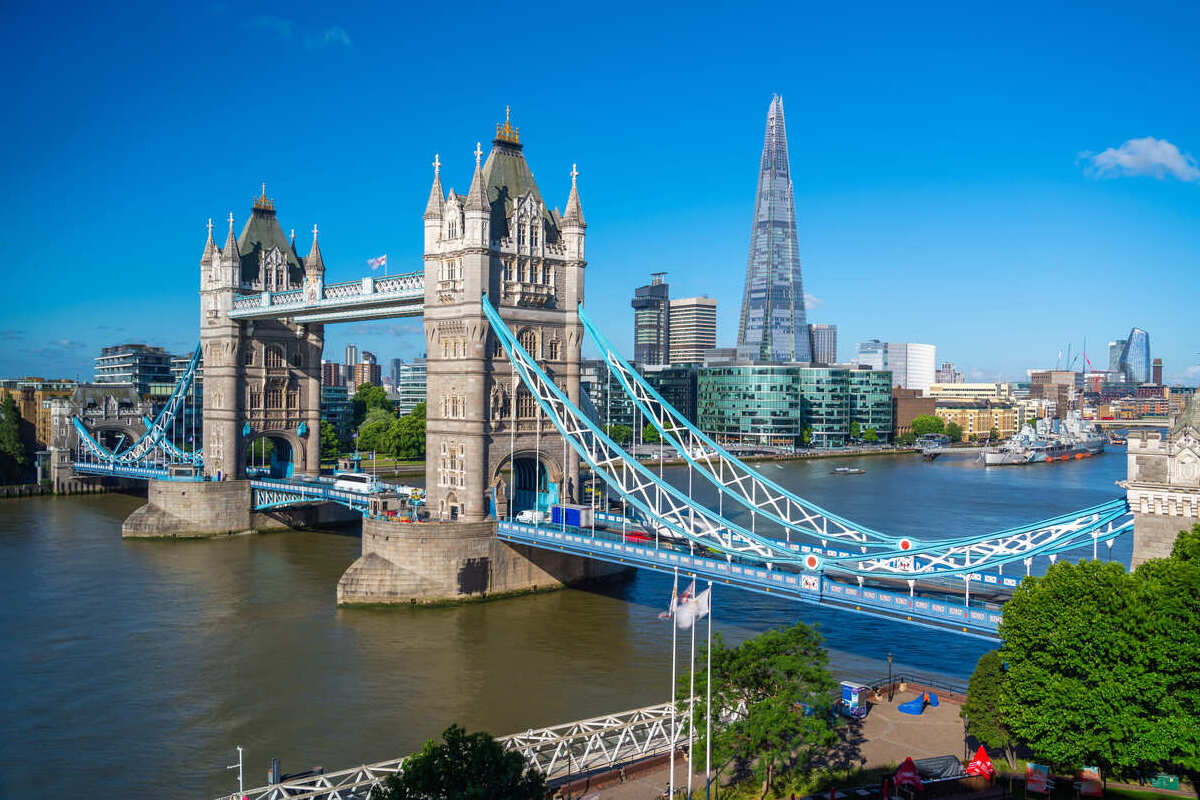
The days of simply showing up at Heathrow in London with just an American passport are officially ending. The UK has rolled out an Electronic Travel Authorization requirement for all visa-free travelers. The cost is 20 British pounds, which is roughly $26 USD, and it applies to every single traveler, including infants and children. You can apply easily through the official UK ETA app, and it covers you for multiple short trips over a two-year period. Do not show up at the airport without it, because your airline is required to check your status and will absolutely refuse to let you on the plane.
Bali, Indonesia: The $10 Love Bali Tourist Levy

Bali is an absolute dream destination, but the intense volume of international visitors definitely takes a toll on the island. To combat this, Bali introduced a mandatory tourist levy of 150,000 Indonesian Rupiah, which equals about $10 USD. Every single person in your family needs to pay this separately, regardless of age. The absolute easiest way to handle it is through the official Love Bali website or app before you fly. You will receive a specific QR code that customs officials will scan when you exit the airport, with the funds going directly to cultural preservation and environmental protection.
New Zealand: The $100 NZD International Visitor Levy

If you are planning an epic summer escape to the other side of the world, be ready for a significant upfront charge before you even pack your bags. New Zealand requires all visitors to pay an International Visitor Conservation and Tourism Levy (IVL) that is tied directly to their mandatory New Zealand Electronic Travel Authority (NZeTA) application. While the conservation levy itself was recently raised to 100 New Zealand Dollars, the actual total you will pay at checkout is between $117 and $123 NZD (roughly $72 to $75 USD) because the government also tacks on a separate processing fee. You pay this automatically online, and the final price depends on whether you apply through their mobile app or the official website. The funds go straight into maintaining the country’s breathtaking national parks, walking tracks, and public facilities so the beautiful landscapes stay completely untouched for years to come.
Save Yourself The Stress
The era of simply grabbing your passport and hopping on an international flight without a second thought is officially over. As global destinations continue to combat overtourism and heavily fund their local conservation efforts, these mandatory entry and exit fees are only going to become more common and much more expensive. The absolute worst way to start or end a dream vacation is by getting caught off guard at a security checkpoint, scrambling to pull out your credit card, or frantically trying to find an ATM in a foreign terminal.
Because these regulations are shifting constantly, be sure to check the latest entry requirements, tourist fees and customs rules for your destination before you fly. A quick 1-minute check on the Traveler Dashboard can save you from a massive headache and ensure your summer getaway goes exactly as planned.
Bee
Saturday 18th of July 2026
Seems fair