
There is a specific, sinking feeling you get when you have to constantly check your pockets in a crowded tourist trap. It completely ruins the vacation.
As someone who lives and breathes travel, I spend an absurd amount of time looking at crime stats and security warnings. When I’m analyzing global trends, or when my wife Liz and I are just trying to book a quiet escape out of Louisville, the absolute top priority is peace of mind.
I want to be able to leave my bag on a beach chair and jump in the water without asking a stranger to guard it.
The problem is that standard government travel advisories are incredibly broad and notoriously slow to update. They often slap a single warning on an entire country, lumping tranquil, remote islands in with chaotic mainland borders.
To cut through the noise, I rely on the Traveler Safety Index.
(This is a real-time safety score from 0 to 100. It blends official security baselines with thousands of live, crowd-sourced ratings from people actively on the ground, giving you a trustworthy gut-check on local security instead of relying on an outdated bureaucratic warning.)
If you want absolute tranquility, here are the 10 safest islands in the world right now, completely driven by on-the-ground traveler data.
(PLUS: I’ve built an interactive quiz for you at the end of this article to find out which island is your perfect match. Scroll down to try it out!)
1. Aruba (Safety Score: 98)
The Vibe: High-end, pristine, and perfectly predictable.
The Ground Experience: Aruba holds the highest score on the index, and it takes about ten minutes on the island to realize why. It sits safely below the hurricane belt, and the infrastructure is flawless. I never think twice about walking back to my hotel after a late dinner in Palm Beach. Violent crime against tourists is virtually non-existent here.
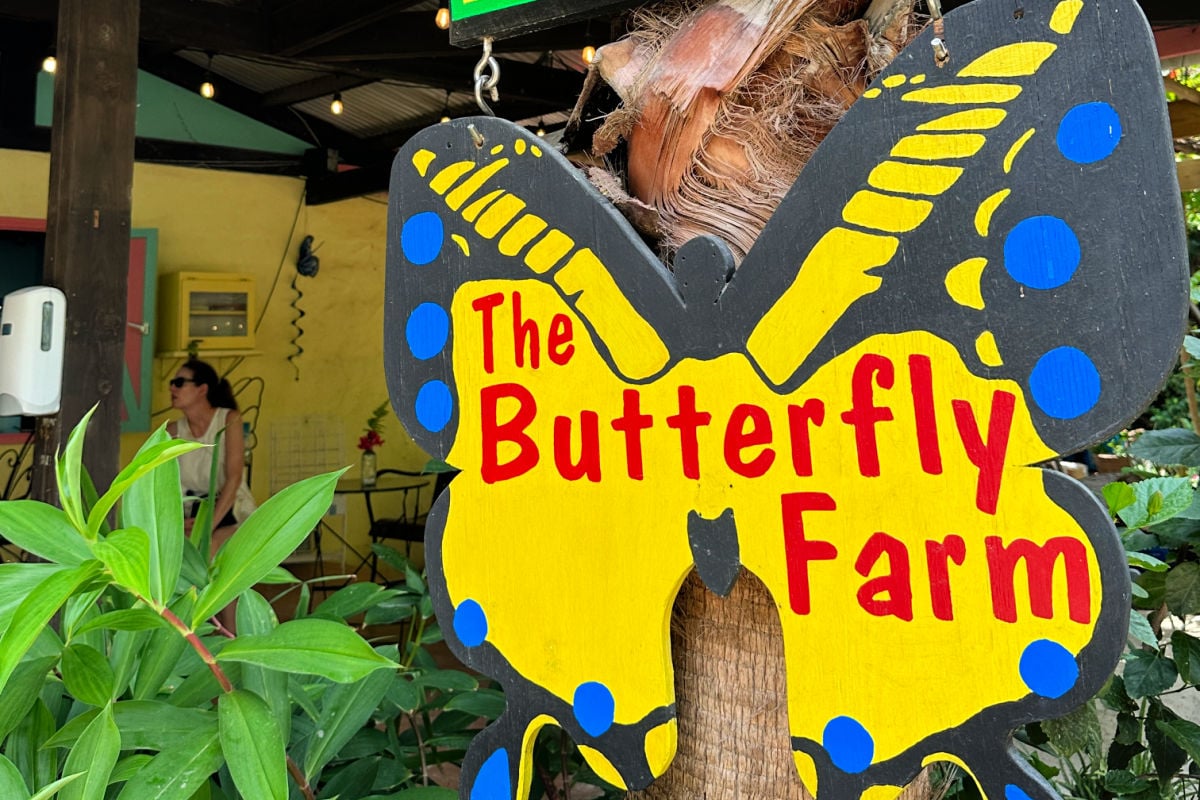
My Top Tip: Visit the Butterfly Farm! It sounds gimmicky but it is actually super cool. And if you go toward the beginning of your trip, you can do it more than once. Your ticket is valid your whole vacation!
2. Cayman Islands (Safety Score: 94)

The Vibe: Elite luxury and absolute isolation.
The Ground Experience: The Cayman Islands function more like a secure, high-net-worth neighborhood than a standard Caribbean tourist trap. The local standard of living is exceptionally high, which translates directly to remarkably low crime rates. It’s the kind of destination where locking the doors on your rental car feels like an afterthought.
My Top Tip: Do not leave without going to Sting Ray City. It is so cool, and I promise the rays are friendly. You can interact with them and you will realize how gentle and peaceful they are.
3. Anguilla (Safety Score: 93)

The Vibe: Quiet, crowd-free, and exclusive.
The Ground Experience: Anguilla actively filters out the overwhelming crowds by banning massive cruise ships and requiring a puddle-jumper or ferry to arrive. The result? You get 33 blindingly white-sand beaches that are entirely public, incredibly serene, and completely free of aggressive vendors. You can beach-hop the entire island with zero anxiety.
My Top Tip: Carry cash. While tons of places do take credit cards, a lot of smaller business and beach bars only take cash. I usually keep about 50 bucks on me when I go out.
4. Malta (Safety Score: 91)

The Vibe: Ancient history and Mediterranean security.
The Ground Experience: The only European entry to score this high, Malta operates like a historic fortress. The capital city of Valletta is essentially an open-air museum built out of limestone. I have comfortably slung my heavy camera gear over my shoulder and spent hours wandering the winding, well-lit cobblestone streets way past midnight without a single issue.
My Top Tip: If you want to see the famous Blue Lagoon without feeling like a sardine in a can, take the very first ferry of the day from Cirkewwa or Mgarr. By 11 a.m., the day-trip crowds arrive in full force, so the early morning light is your window for peace.
5. Bonaire (Safety Score: 90)
The Vibe: Eco-conscious adventure and deep respect.
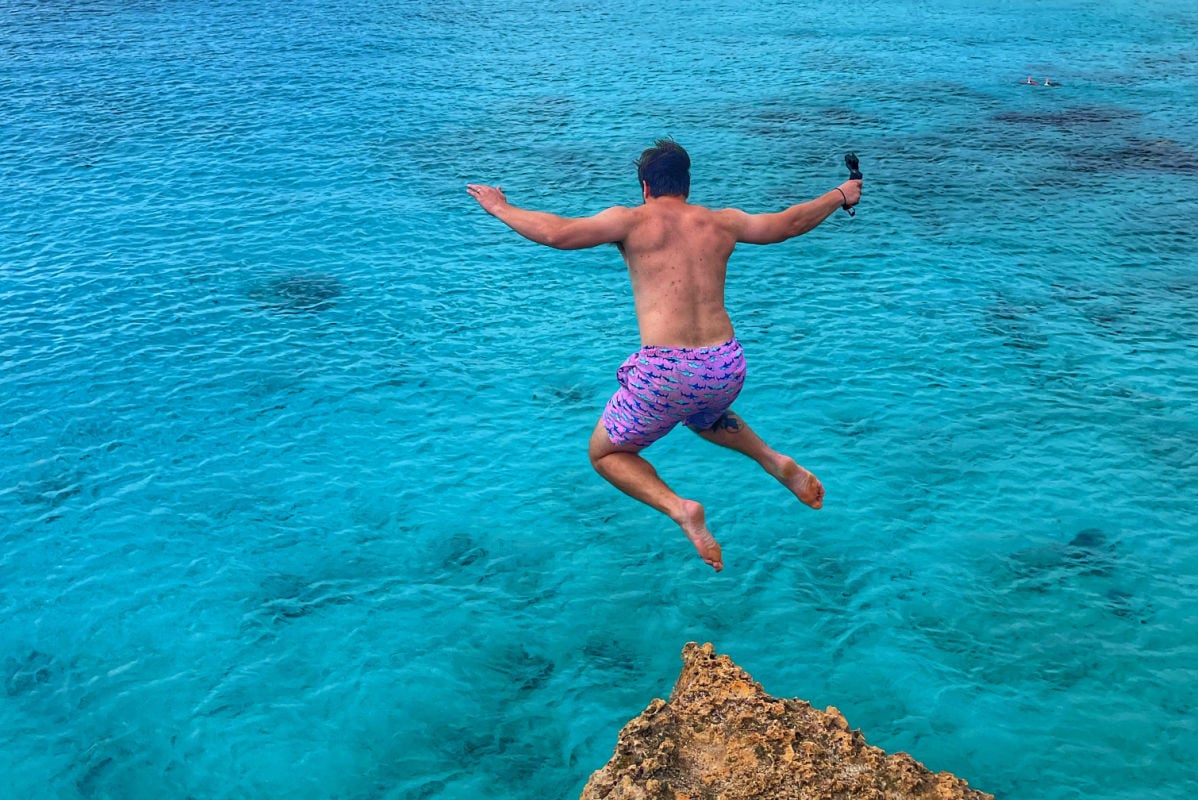
The Ground Experience: Bonaire is the undisputed shore-diving capital of the world. Because the island caters almost exclusively to dedicated divers and windsurfers rather than rowdy spring breakers, the culture is incredibly relaxed. The standard move here is to rent a pickup truck, toss your scuba tanks in the back, and pull up to any reef on the island with complete peace of mind.
My Top Tip: Get under the water! This is arguably the best place in the world for diving. If you aren’t a diver, I BEG you to at least snorkel. I have never snorkeled anywhere else that had as much to see, and I LIVED in the Caribbean!
6. Saba (Safety Score: 90)
The Vibe: A lush, volcanic fairytale.
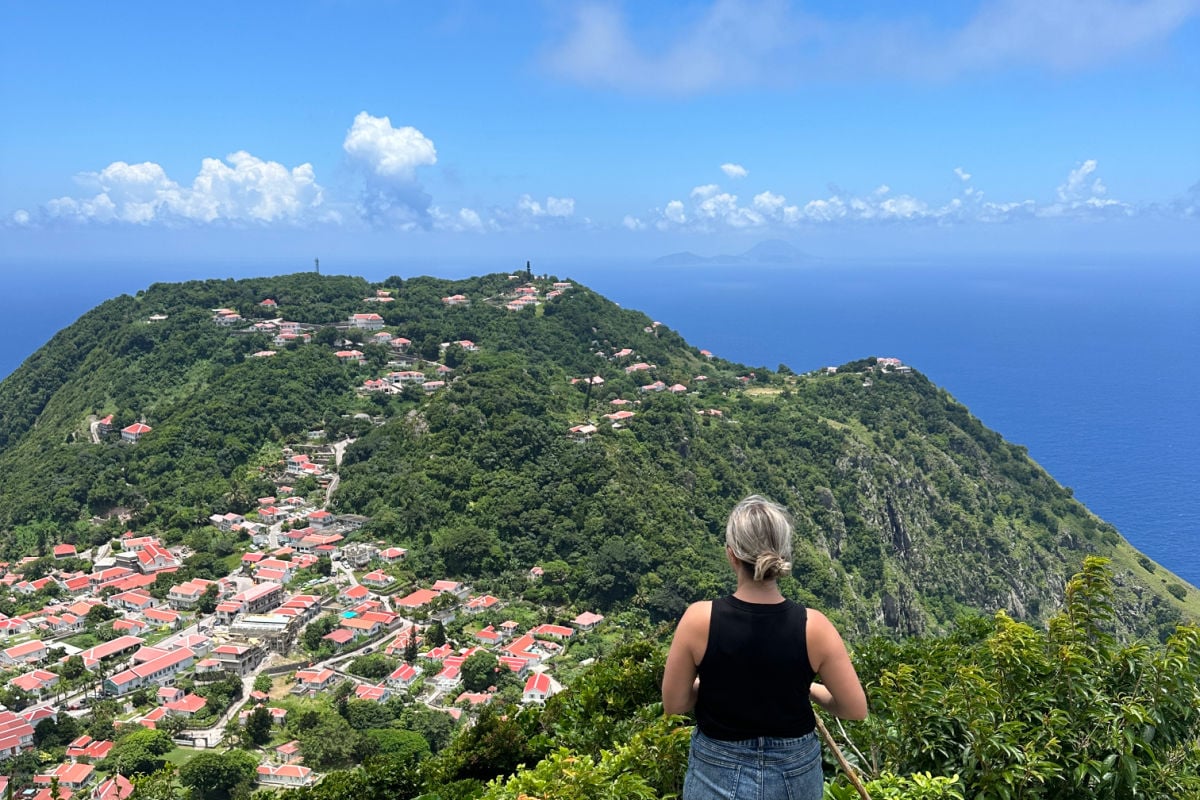
The Ground Experience: Known as the “Unspoiled Queen” of the Caribbean, Saba has zero traditional sandy beaches, which means it completely bypasses standard commercial tourism. Instead, you get immaculate, tiny villages tucked right into the cloud forest. The local community is so tightly knit that crime is practically an alien concept.
My Top Tip: Stay in Windwardside. If you want to be in the middle of the action (where the shops, restaurants, and main trailheads are), prioritize booking your accommodation in Windwardside. The Bottom is the capital, but Windwardside feels much more like the charming, storybook village that most people travel to Saba to see.
7. Isle Of Man (Safety Score: 90)
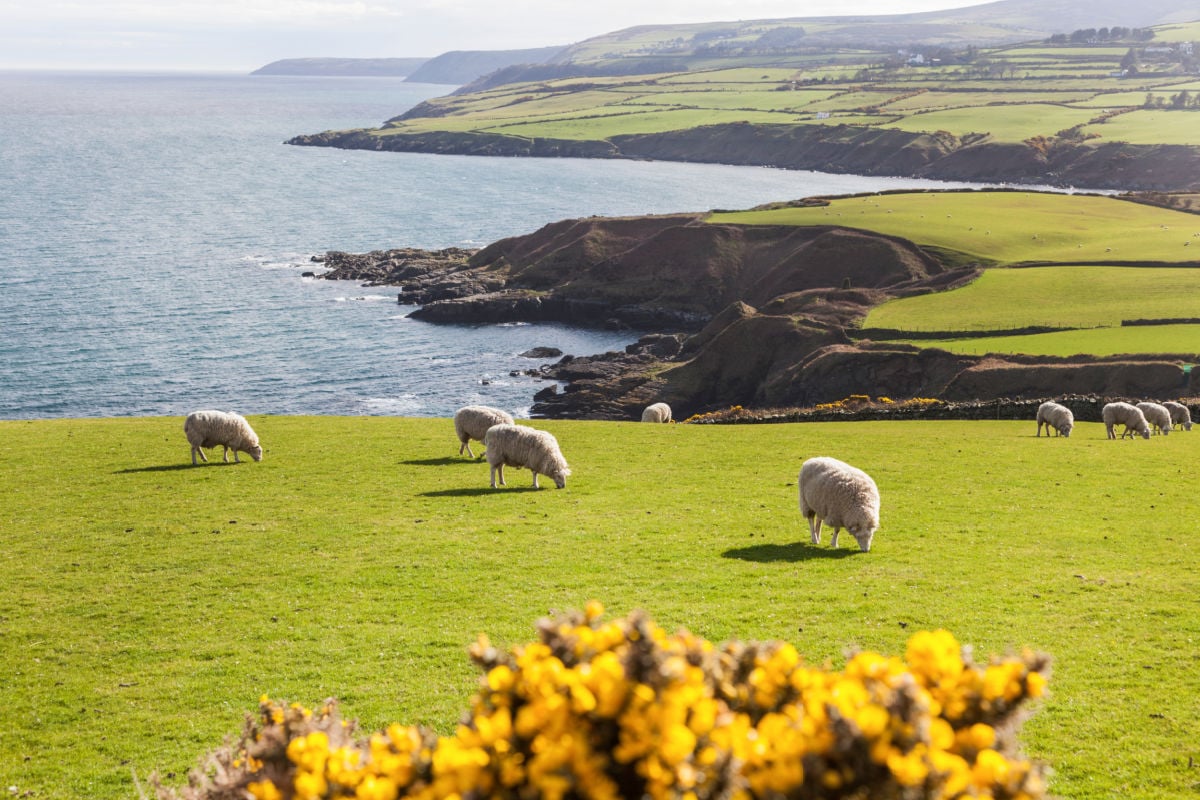
The Vibe: Moody, rugged, and historically fierce.
The Ground Experience: Located in the Irish Sea, this British Crown Dependency is a massive visual shift from the tropics. It consistently ranks as one of the safest territories in the region. With its sweeping green landscapes, low population density, and strong local economy, it is the ultimate, highly secure destination for a dramatic Celtic road trip.
My Top Tip: Get a “Go Explore” card. This is the ultimate budget-saver. It provides unlimited travel on all public buses and heritage rail lines, making it incredibly easy to hop from the capital, Douglas, to remote spots like the Sound or the Laxey Wheel without worrying about schedules or parking.
8. Montserrat (Safety Score: 89)
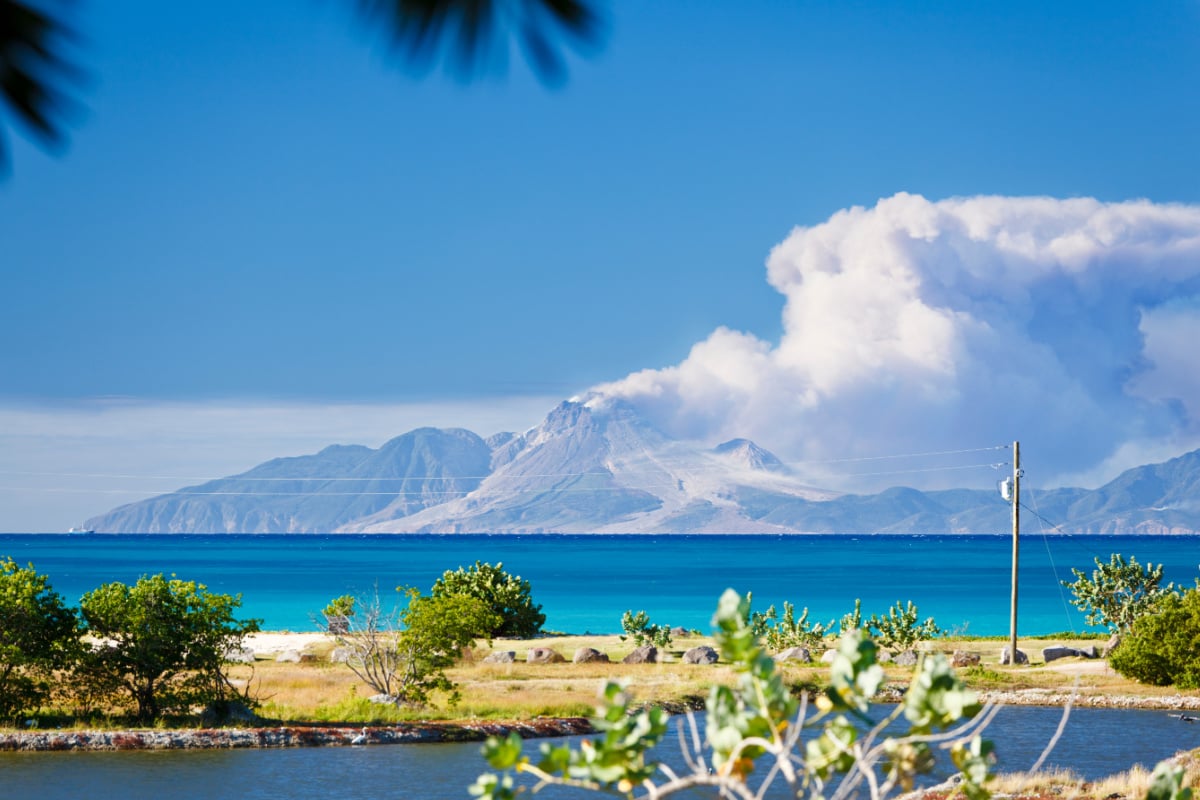
The Vibe: Resilient, welcoming, and entirely off the grid.
The Ground Experience: Famously split in two by the Soufrière Hills volcano, Montserrat is a true hidden gem. Because the southern half is a volcanic exclusion zone, the northern half has cultivated a fiercely proud and tight-knit community. Tourism traffic is extremely low here, meaning you are treated like family the second you arrive. Petty crime is exceptionally rare.
My Top Tip: Be aware of the Exclusion Zones. A significant portion of the southern part of the island was affected by the Soufrière Hills volcano, which has been active since 1995. Do not enter restricted zones without a special permit. It is a unique, somber, and fascinating part of the island’s history, but it must be explored safely and legally.
9. Barbados (Safety Score: 89)
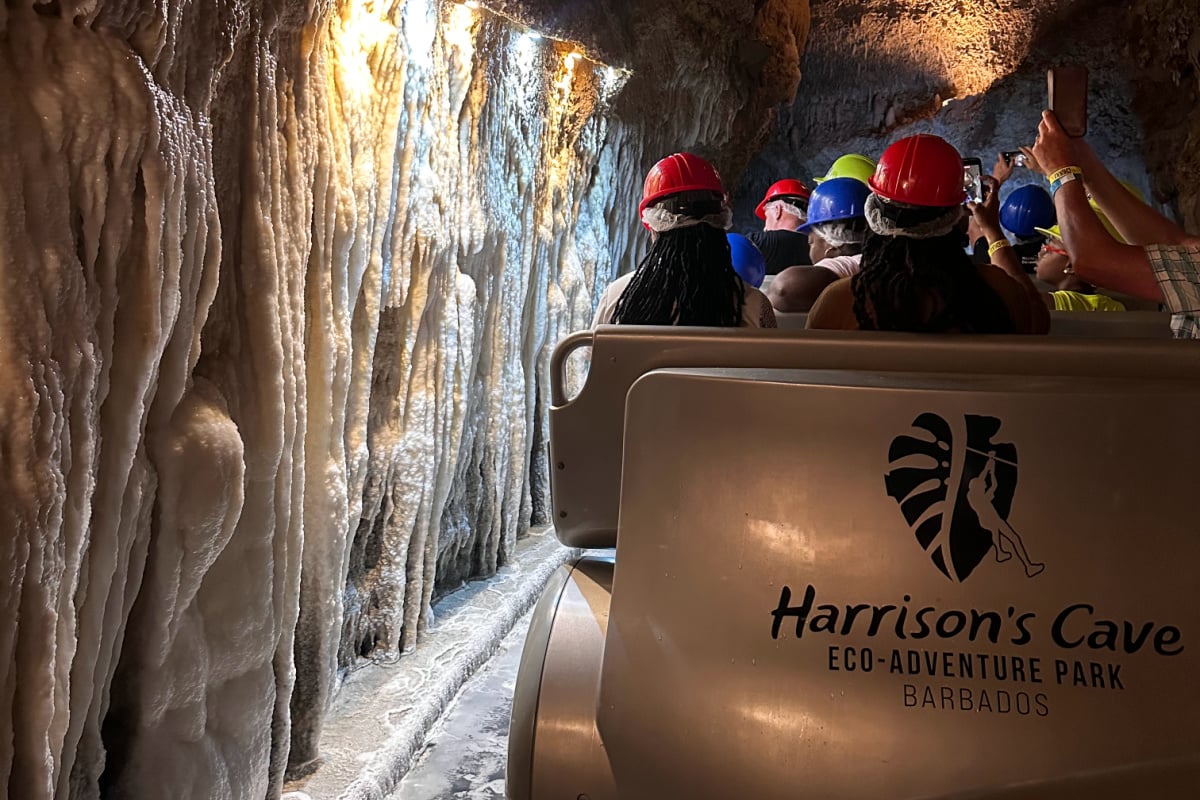
The Vibe: Vibrant culture paired with platinum luxury.
The Ground Experience: Barbados perfectly balances energetic West Indian rhythms with an exceptionally stable environment. The famous platinum west coast is incredibly tranquil, and Bajan hospitality is genuinely legendary. The local tourism police are highly visible, friendly, and dedicated to keeping the resort zones pristine and completely secure.
My Top Tip: Check out Harrison’s Cave Eco-Adventure Park. Very cool experience getting down into the limestone caverns. Not something you would really expect to do in the Caribbean and it is a nice way to get a breather when the weather is super hot.
10. Phuket, Thailand (Safety Score: 89)
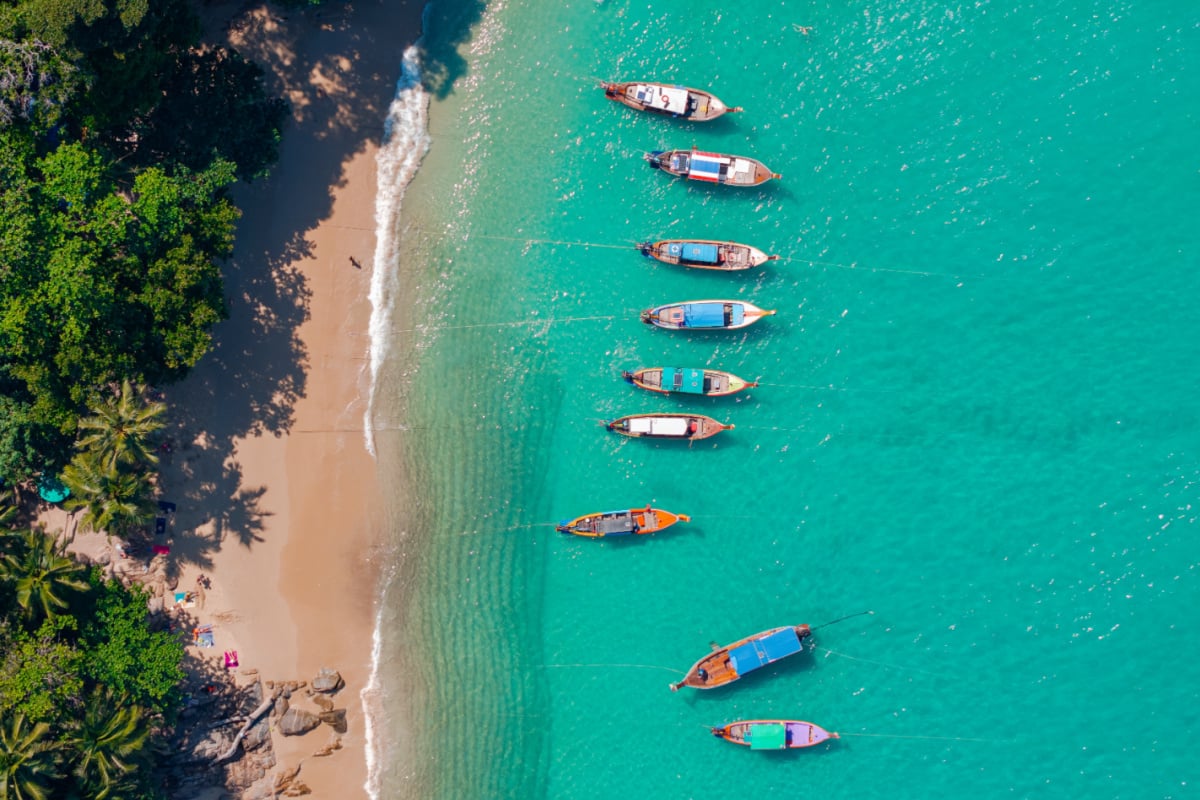
The Vibe: Southeast Asian luxury and stunning coastlines.
The Ground Experience: As the gateway to the Andaman Sea, Phuket is backed by a massive, highly efficient tourism machine. While the chaotic nightlife of Patong gets all the media attention, the vast majority of the island is incredibly safe. The ultra-luxury enclaves in the north and the sleepy coastal villages in the south are perfect, secure basecamps for chartering boats to the limestone karsts.
My Top Tip: Negotiate. If you take a taxi, always ask for the price before getting in. Prices are often negotiable, and having an idea of the fare beforehand saves you from “tourist pricing”. For more transparent pricing, the “Grab” app is a reliable rideshare option.
Now take this quiz to find your perfect match!
