
I have spent the last 10 years traveling to Mexico and I completely understand the magnetic pull of a tropical beach vacation. But after years of and exploring this incredible country, I can confidently tell you that some of Mexico’s most jaw-dropping destinations are completely landlocked.
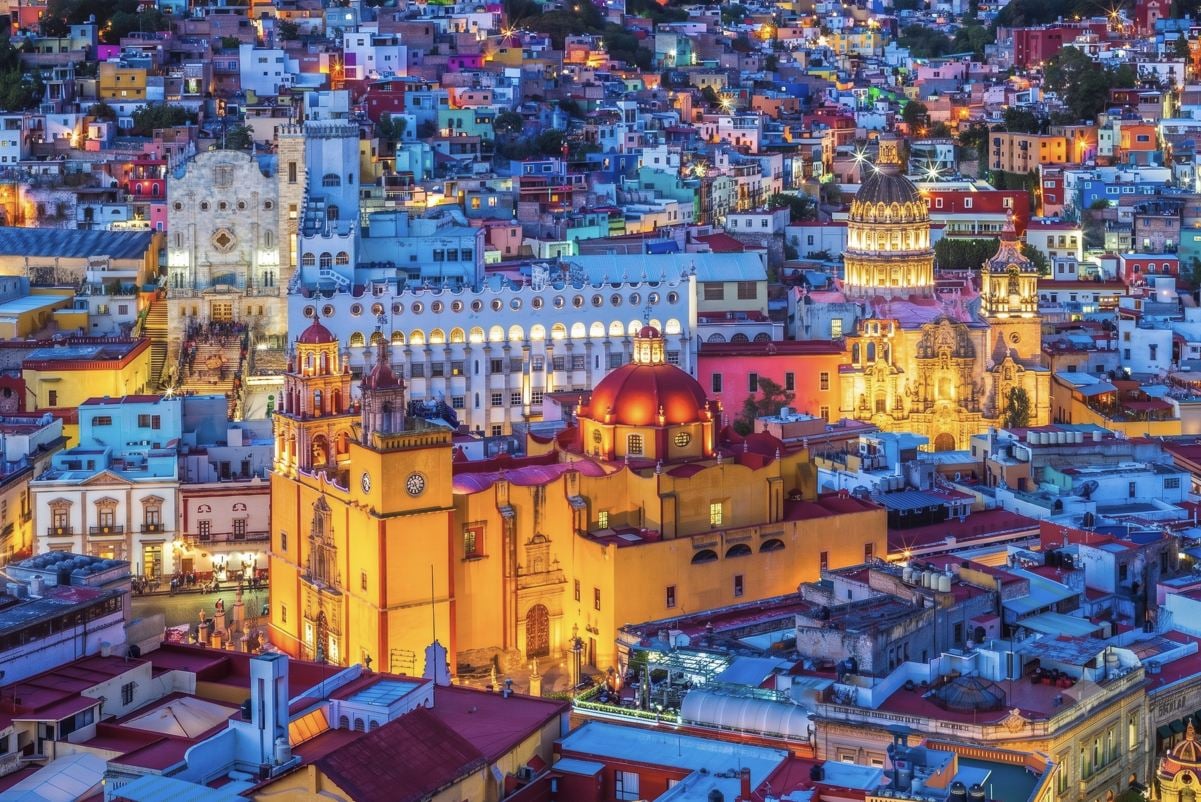
If you are willing to trade the sand for cobblestones, these three mesmerizing colonial cities offer a depth of culture, world-class gastronomy, and vibrant history that an all-inclusive resort simply cannot match.
1. Mérida, Yucatán: The Cultural Gateway
Mérida, the capital of the Mexican state of Yucatán, is affectionately known as the “White City” due to the traditional white limestone used in many of its colonial buildings and the historical cleanliness of its streets. It is an incredibly safe destination that beautifully blends Spanish colonial architecture with deep Mayan roots. You can spend hours just walking down the Paseo de Montejo. This expansive, tree-lined boulevard is loosely modeled after French boulevards like the Champs-Élysées and features grand 19th-century mansions built by former sisal-hemp barons.

The historic center feels like stepping back in time, anchored by the Cathedral of San Ildefonso. Constructed between 1561 and 1598, it holds the title of the oldest cathedral built on the continental mainland of the Americas. Just walking the plaza outside the cathedral gives you a sense of the immense history layered throughout the city.
Beyond the architecture, the city is surrounded by a massive network of natural limestone sinkholes known as cenotes. Spots like Cuzamá remain fully open, offering a crystal-clear swimming experience in natural underground pools. It is critical to note that while the famous Cenote Xlacah is located right inside the Dzibilchaltún archaeological site, swimming has been strictly prohibited due to ecological contamination. Visitors can only look at it from the surface, but it remains a remarkable sight. The water at the open regional cenotes is refreshingly cold and entirely devoid of the sargassum seaweed that frequently plagues the Caribbean coast.

When it comes to dining, it is incredibly easy to fall into the massive, commercialized tourist traps in the main plazas. Instead, you need to head toward more authentic, regional cooking. Ramiro Cocina is a phenomenal choice for traditional Mexican comfort food. Located on Calle 41 right off Paseo de Montejo, it was officially selected and recommended in the MICHELIN Guide Mexico. It delivers unpretentious, incredibly well-executed dishes in a space that feels deeply authentic.
And the best part about Mérida? It serves as the perfect transition city. If you suddenly experience beach withdrawals, the white sands and greenish sea of Puerto Progreso are just a quick 30 to 40-minute drive straight up Highway 261.
Safety in Mérida
Mérida and the surrounding state of Yucatán are under the lowest-risk safety rating from the U.S. State Department and considered one of the safest cities in Mexico. Additionally, according to our proprietary Traveler Safety Index (TSI), which measures real-time safety from travelers on the ground, the majority of visitors report feeling safe in the city with a score of 88.
2. Oaxaca City, Oaxaca: The Culinary and Cultural Heart
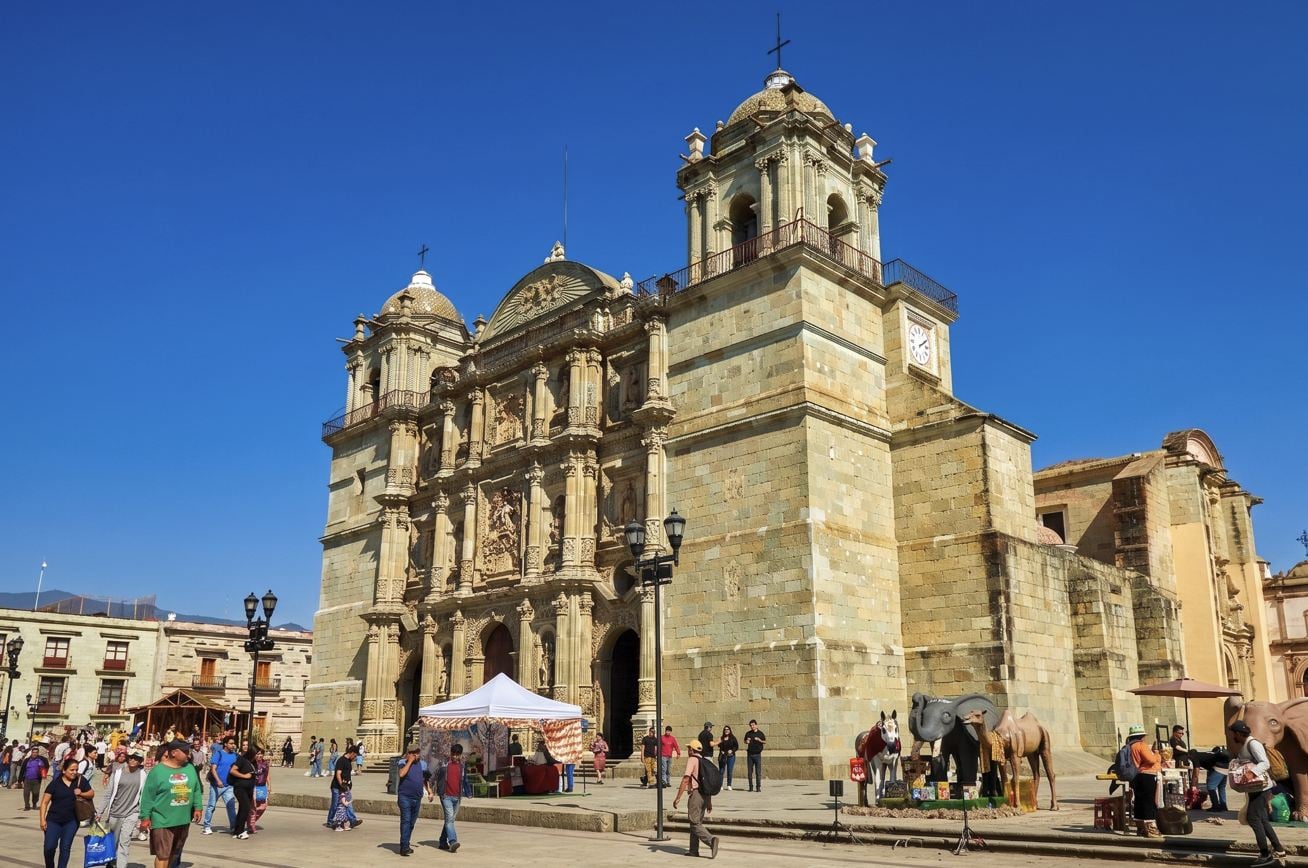
Oaxaca is widely regarded as Mexico’s most compelling destination for regenerative, community-based travel. The energy here is palpable, driven by a deep pride in local art, textiles, and, most importantly, food. Walking through the vibrant artisan markets and shaded courtyards, you immediately realize that this city operates on an entirely different cultural frequency.
The city also serves as the gateway to Monte Albán, one of Mesoamerica’s most significant archaeological sites. Sitting on a grand flattened mountain top overlooking the Valles Centrales, the scale of these ancient Zapotec ruins is absolutely staggering. Unlike the highly congested Mayan sites in the east, Monte Albán offers a much more expansive and peaceful opportunity to explore Mexico’s ancient history.
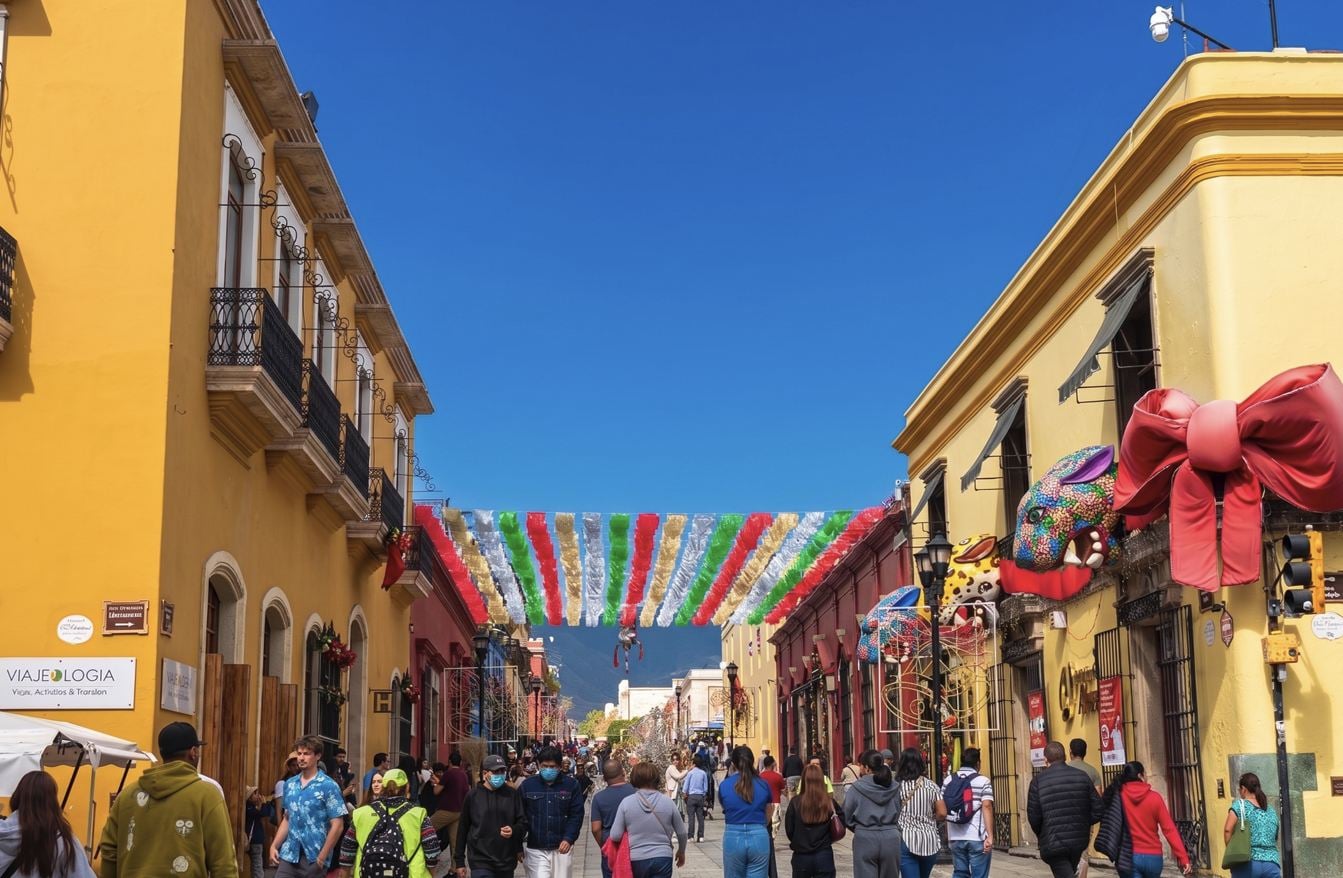
Oaxaca is undoubtedly Mexico’s culinary heavyweight. While you will hear a lot of hype about expensive tasting menus, the real magic happens at places deeply rooted in regional tradition. Levadura de Olla, an ancestral kitchen run by Chef Thalía Barrios García and celebrated in the MICHELIN Guide, is one of the most exciting dining experiences in the city. You absolutely must order her signature Plato de Jitomates Nativos Oaxaqueños. This dish features seasonal regional heirloom tomatoes beautifully arrayed over a colorful beet puree base with subtle fruit and cinnamon notes. It is a brilliant representation of the region’s agricultural wealth.
Historically, Oaxaca City was somewhat isolated from the coast, but that has officially changed. The Barranca Larga to Ventanilla superhighway has revolutionized travel in the region. It successfully slashes the drive time down to roughly two and a half to three hours, making it entirely feasible to soak up the colonial culture before easily escaping to Pacific coast beach towns like Puerto Escondido.
Safety in Oaxaca City
While the broader state of Oaxaca carries a Level 2 advisory from the U.S. State Department, which advises visitors to exercise increased caution, the historic downtown remains incredibly welcoming for tourists. Rather than relying solely on regional warnings, we look at real-time, on-the-ground data. Our proprietary Traveler Safety Index (TSI) gives Oaxaca City a strong score of 86, showing that the vast majority of visitors feel completely at ease walking the streets and exploring the cultural sites.
3. Guanajuato City, Guanajuato: The Underground Labyrinth
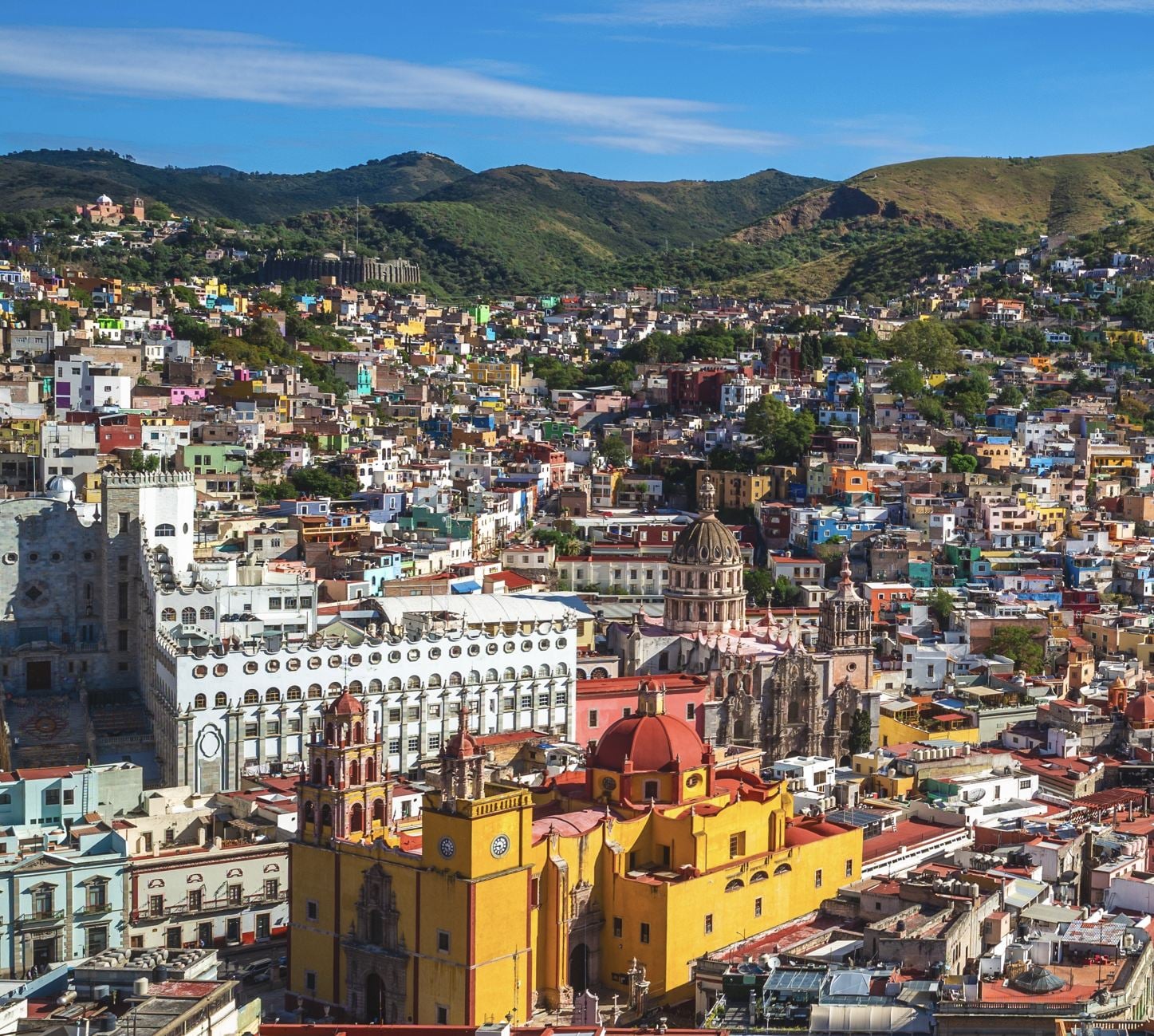
Guanajuato is recognized as a UNESCO World Heritage Site, and the moment you arrive, it is easy to see why. The city is a brilliantly colorful maze of cobblestone streets and vibrant architecture that feels entirely separated from the modern world. Because it is nestled into a narrow gorge, the city was forced to build upward and downward rather than outward.
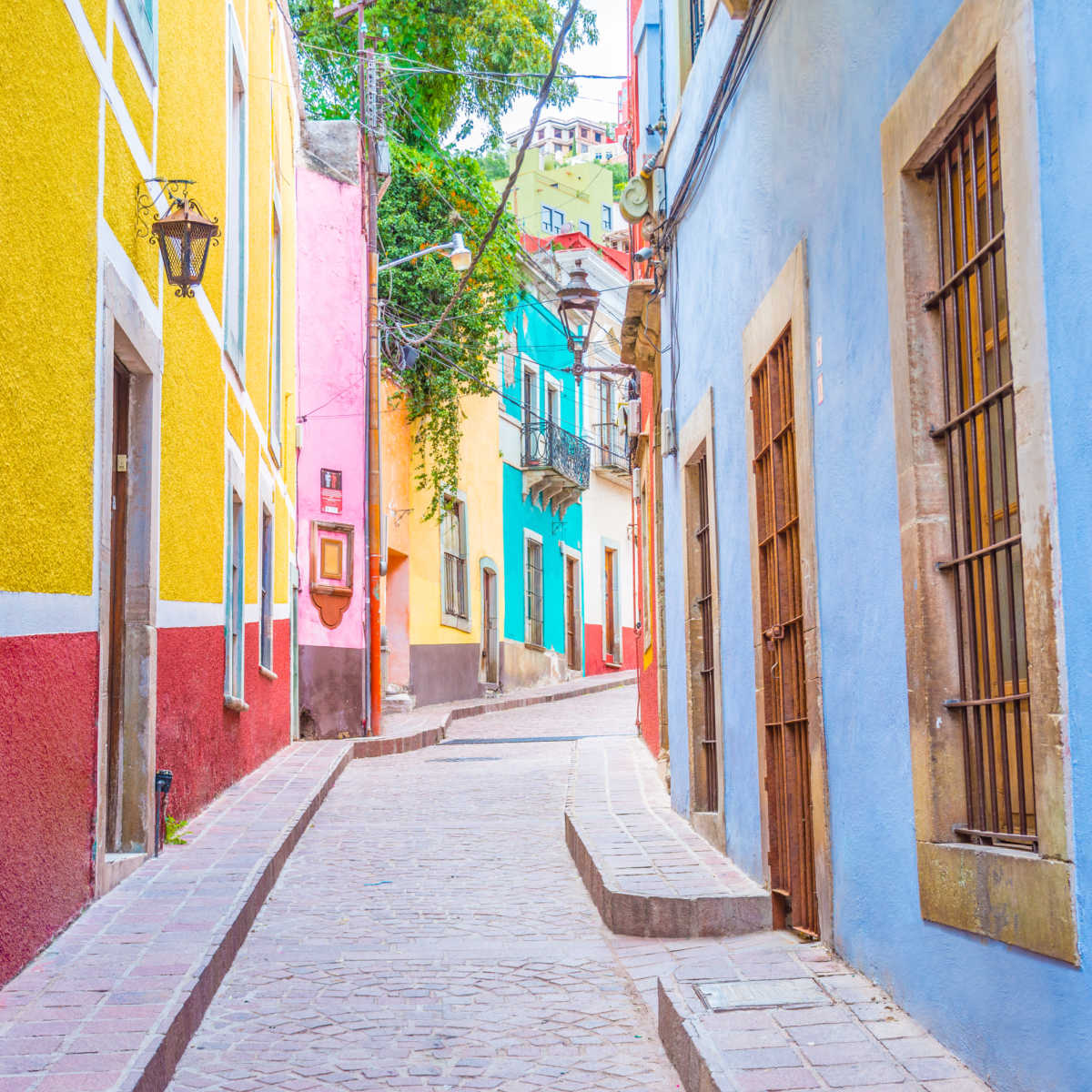
Unlike any other city in Mexico, Guanajuato features an architectural anomaly of underground tunnels. Carved out of subterranean stone channels originally constructed to divert the Guanajuato River and prevent flooding, they now handle the vast majority of the city’s vehicular traffic. This leaves the above-ground plazas largely pedestrian-friendly and wonderfully quiet, allowing you to wander the winding alleyways without constantly dodging cars.
To truly appreciate the scale of the valley, you can take the funicular cable car ride directly up the steep gorge to the Monumento al Pípila for a classic panoramic overlook of the brightly painted homes. In the evenings, the streets fill with callejoneadas. These roving troupes of student musicians, known as estudiantinas, dress in viceregal clothing and lead singing, drinking crowds through narrow pathways like the famous Callejón del Beso.
While the city’s visual appeal is unmatched, its regional cuisine is equally compelling. You cannot leave without trying enchiladas mineras, the traditional hearty dish originally created to fuel the city’s silver miners. For an authentic, reliable plate of these fried tortillas dipped in guajillo chili and filled with potatoes, carrots, and chicken, Truco 7 is a fantastic spot. Situated immediately off the main plaza in a historic 16th-century building, they deliver true local taste with generous portions, making it a highly inviting spot for anyone seeking genuine, flavorful Mexican fare.
Safety in Guanajuato City
If you look up the U.S. State Department advisories, you will see that the wider state of Guanajuato currently carries a Level 3 warning. However, it is critical to separate the expansive state region from the isolated, vibrant capital city. The downtown core operates like a tight-knit university town and is heavily pedestrian-focused. Relying on our Traveler Safety Index (TSI), which taps directly into live tourist feedback, Guanajuato City earns a very solid score of 85. This confirms that visitors actively exploring the plazas or walking the winding alleyways during the evening music tours consistently feel secure and well-looked-after.
Wait… What About San Miguel de Allende?
If you know anything about Mexican colonial cities, you are probably wondering why San Miguel de Allende didn’t take the number one spot on this list. It is constantly voted the best city in the world by major travel magazines, and for good reason. The iconic pink Parroquia de San Miguel Arcángel is visually stunning, the cobblestone streets are immaculate, and the rooftop dining scene is undeniably world-class.
But here is the reality: at Travel Off Path, we look for destinations that still hold onto their raw, authentic cultural pulse. Over the last decade, San Miguel has become heavily Americanized, operating largely as a high-end expat bubble. Prices have skyrocketed, and you will often hear more English being spoken in the main plaza than Spanish.
If you have never been, it is absolutely a bucket-list destination that you should see at least once in your life. But if you are looking to experience the true cultural heartbeat of Mexico, trade the expat crowds for the three cities listed above.
Mesmerizing Mexico Cities
Whether you are chasing the culinary magic of Oaxaca, the pristine streets of Mérida, or the subterranean history of Guanajuato, trading the beach for cobblestones is an experience you will never forget. Mexico is incredibly diverse, and stepping away from the resorts is the best way to see its true colors.
Which of these colonial cities are you adding to your itinerary first, or do you still think San Miguel de Allende deserves the crown? Let us know your thoughts in the comments below!
Enter your email address to subscribe to Travel Off Path’s latest travel news, straight to your inbox