
I don’t like having to look over my shoulder on vacation. You? After traveling the world for 20 years, if there is one thing I always check before I even start planning a trip, it is travel advisories. Seriously, they can make or break if I’m even going to go.
The US State Department just released five major travel advisory updates for Latin America this August. Before you see a headline and panic, you need to understand how these warnings actually work in 2026, and more importantly, what they mean for your itinerary. To help you cut through the noise, we have also included our live Traveler Safety Index scores below for each destination so you can see how real travelers on the ground are rating their safety right now.
For years, the government would slap a blanket warning on an entire country if just one remote region was dangerous. It unfairly penalized perfectly safe tourist zones and caused massive confusion. Now, they are finally adopting a surgical approach. They are carving up countries block by block, telling you exactly which avenues to avoid while leaving the rest of the destination open for business.
This means American travelers no longer need to scrap their vacation plans over a single headline. You just need to know exactly where not to go. Here is the unfiltered reality of the five newly updated advisories and what they actually mean for your trip.
Decoding The 4 Warning Levels
If you want to read these updates correctly, you need to understand the actual language the government uses to classify global risk.
Level 1 (Exercise Normal Precautions): The lowest risk level. You still need to lock up your valuables and use common sense, but you can book your flights and hotels with total confidence.
Level 2 (Exercise Increased Caution): There are specific, heightened risks you need to pay attention to, like elevated crime or civil unrest in certain areas. Read the fine print, but your trip is generally safe.
Level 3 (Reconsider Travel): Serious risks exist. The government is telling you to think hard about whether this trip is necessary.
Level 4 (Do Not Travel): The highest warning. The government is explicitly telling you not to go due to life-threatening risks, and they likely cannot help you if you get into trouble.
Ecuador: Level 2 (Exercise Increased Caution)
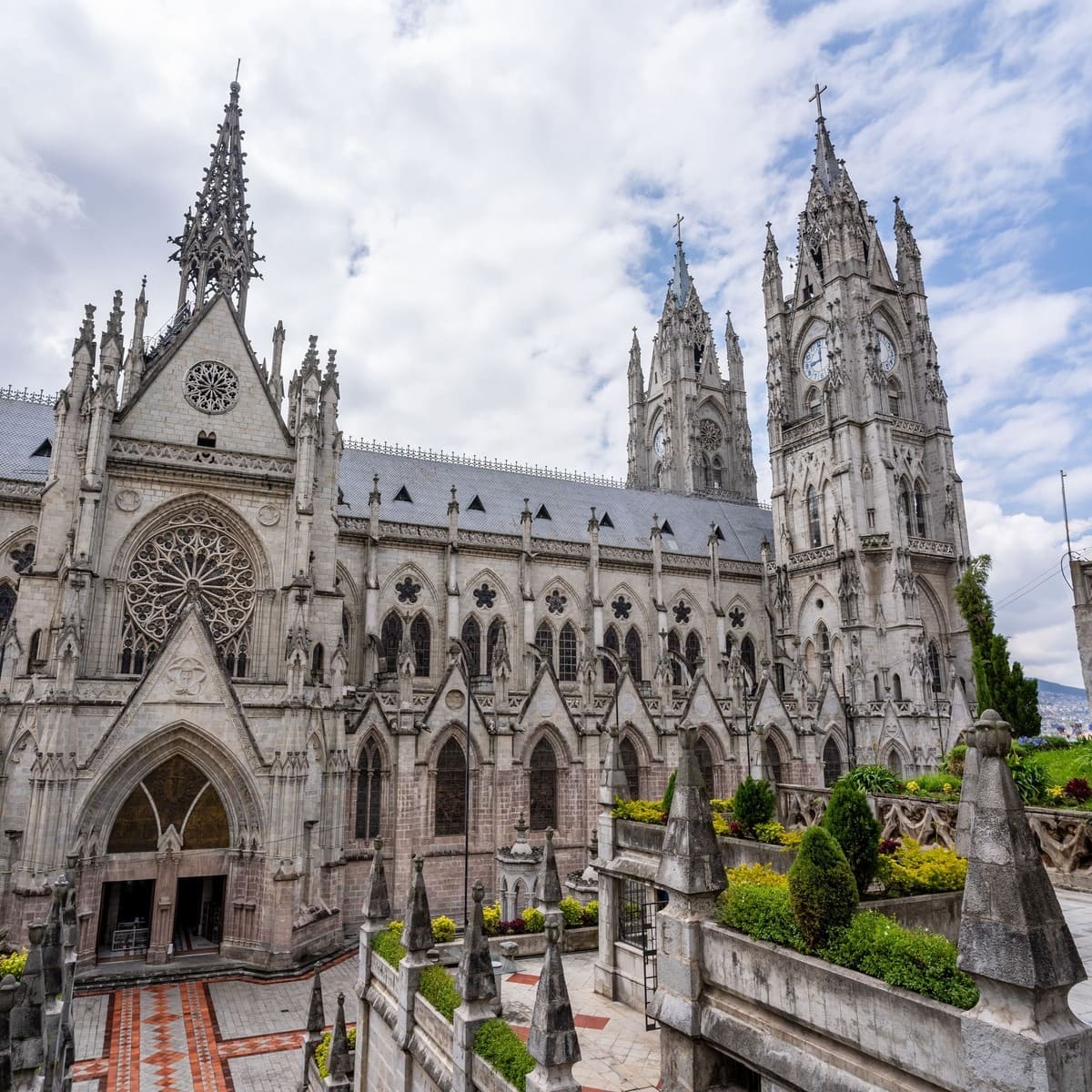
For The Tourist: Ecuador proves exactly why this localized warning model matters. The country remains a Level 2 overall. If you are sticking to the verified tourist routes like the Galapagos Islands, Cuenca, or the historic center of Quito, you can still have an incredible trip by exercising standard caution.
The Reality Check: The government mapped out highly specific Level 4 “Do Not Travel” zones right down to the street level. If you fly into Guayaquil, avoid the Nueva Prosperina and Pascuales districts, and absolutely stay away from all areas south of Portete de Tarqui Avenue. The government explicitly warns visitors to stay out of these zones due to transnational illicit groups. Other strict “Do Not Travel” zones include Huaquillas, Arenillas, Duran, and all areas north of Esmeraldas City up to the Colombian border. Do not wander off the path.
Panama: Level 2 (Exercise Increased Caution)
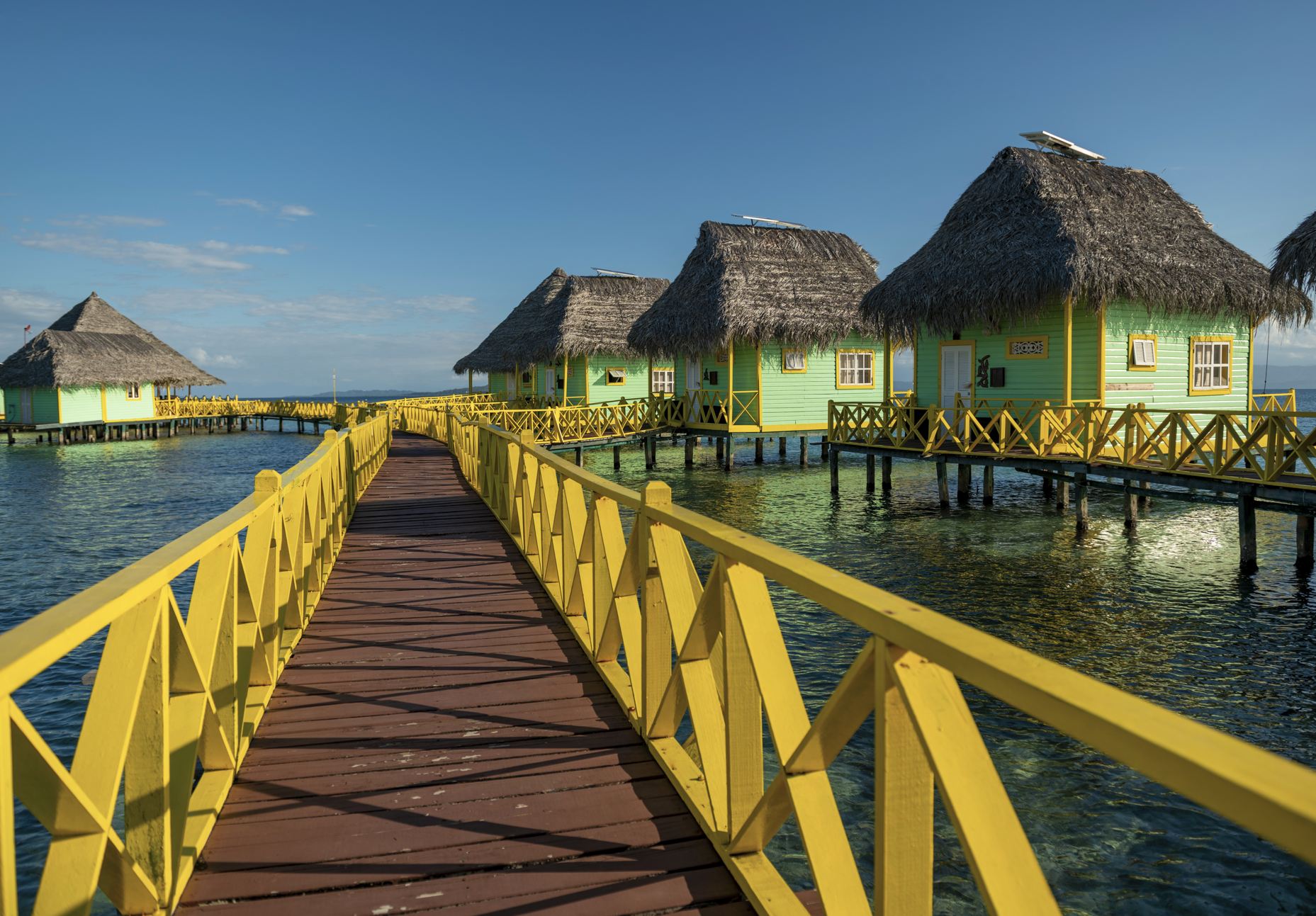
For The Tourist: Panama is a massive transit hub, and the country remains under a Level 2 advisory. Interestingly, the government removed the unrest indicator entirely in this August update. The capital city, the Panama Canal zones, Casco Viejo, and the established resorts remain largely safe. Because the country operates heavily on US dollars, it is an incredibly convenient getaway for the average American traveler. Just maintain standard situational awareness regarding crimes of opportunity like purse snatching.
The Reality Check: For those looking to explore deeper into the jungle, be warned. The updates firmly tell people to stay out of two specific areas: the Mosquito Gulf and the Darien Region. Both carry a strict Level 4 “Do Not Travel” designation. The Mosquito Gulf is an extremely remote area along the northern Caribbean coast, and you should not travel within 10 miles of the coastline from Alligator Creek to Cocle del Norte. Similarly, parts of the Darien Region near the Colombian border are strictly off limits due to illicit smuggling networks.
Chile: Level 2 (Exercise Increased Caution)

For The Tourist: Chile is a highly popular destination for outdoor enthusiasts and holds a Level 2 advisory due to crime, unrest, and a specific health notice. If you visit Santiago or popular regions like Patagonia, understand the reality of petty theft. Pickpocketing and muggings happen frequently in the capital. Keep your valuables secured, avoid displaying expensive jewelry, and enjoy the world-class wine regions.
The Reality Check: The advisory notes that large scale demonstrations can occur with little notice. These events often disrupt public transportation, including the Santiago metro services and public bus routes. The government also maintained a health notice regarding the Andes virus (Hantavirus) in the region. Fortunately, the Centers for Disease Control states the risk for most visitors is extremely low. Just maintain good hygiene and avoid wild rodents if trekking through rural areas.
Bolivia: Level 2 (Exercise Increased Caution)

For The Tourist: Bolivia remains at a Level 2 advisory due to crime, civil unrest, and health concerns. Popular tourist spots like the Uyuni Salt Flats and the main areas of La Paz are generally safe, but petty crime is very common. Always check local media for breaking news before setting out on a long transit route, as localized roadblocks can happen without warning.
The Reality Check: For backpackers looking to get far off the beaten path, the critical update here is the strict Level 4 “Do Not Travel” designation for the Chapare Province. The government explicitly warns against traveling to this specific region due to a higher incidence of crimes connected to illicit trafficking networks. Stick to the well-known tourist routes.
Paraguay: Level 1 (Exercise Normal Precautions)
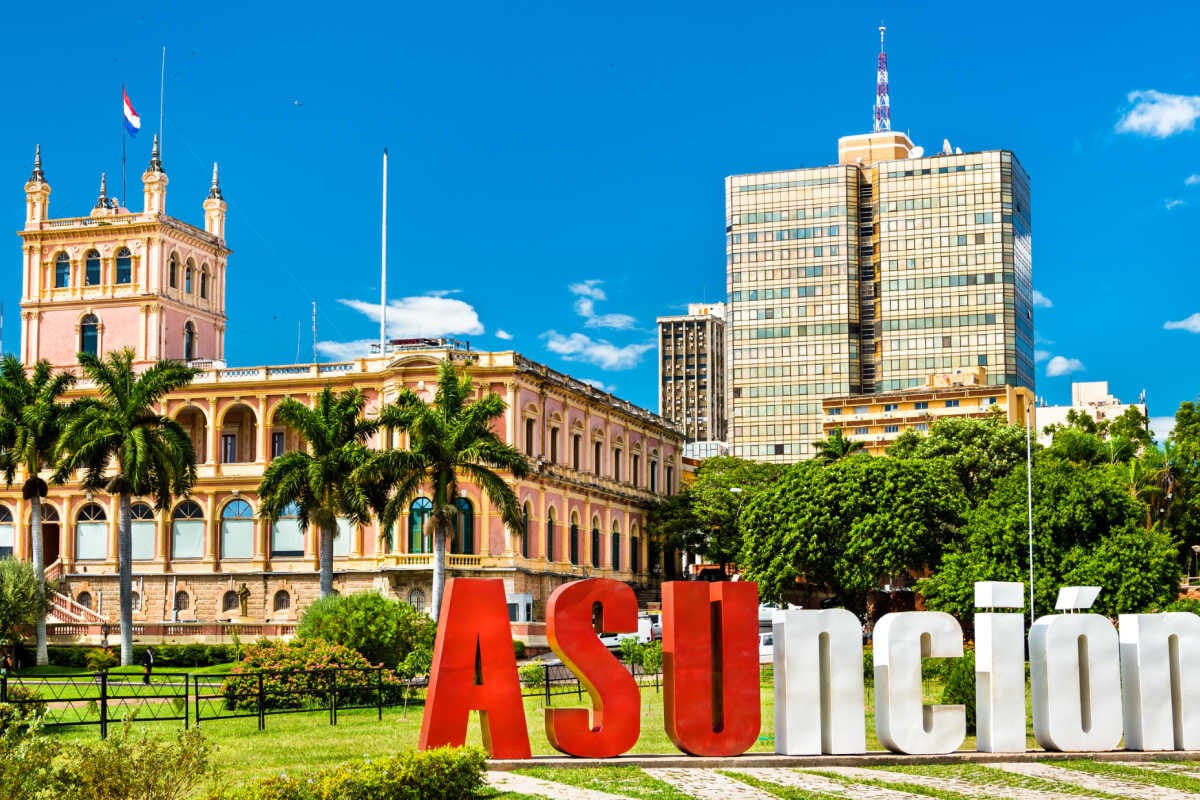
For The Tourist: We end the list on a highly positive note. Paraguay remains one of the safest destinations in South America, holding the lowest possible advisory at Level 1. You only need to exercise normal precautions when visiting the country as a whole, making places like Asuncion very approachable.
The Reality Check: However, the State Department updated the summary to remind visitors that specific border departments carry a Level 2 warning. You need to exercise increased caution in the departments of Alto Parana, Amambay, Canindeyu, Concepcion, and San Pedro. Organized illicit groups actively smuggle goods along the northeastern border with Brazil, and the local police presence is notably low. Avoid these specific border zones and your trip should be incredibly smooth.
Safety Goes Beyond The Headlines

Official travel advisories are a critical starting point, but they only tell half the story. Relying exclusively on slow-moving government bulletins means you miss what is actually happening on the ground today.
Before you book your next trip, skip the endless research loops and check our live Traveler Dashboard. It pulls together real-time U.S. State Department advisories, live embassy alerts and our crowdsourced Traveler Safety Index—featuring real safety scores and anonymous reports from travelers currently on the ground across 380+ destinations.
No politics. No guesswork. Just the real-time ground truth you need to travel with absolute confidence.
Latin America Advisory Guide
Enter your email address to subscribe to Travel Off Path’s latest travel news, straight to your inbox