
It seems Trojan horses, lustful witches on remote islands, and deadly mermaids have been the talk of summer.
I’d be lying to you if I said I’ve joined the throngs in obsessing over Christopher Nolan’s latest blockbuster, The Odyssey, but if there’s one thing I pride myself on being, it’s an absolute, unapologetic Greek mythology nerd.
And I have been to a fair few legendary spots that have long been associated with Homer’s epic journey.
From the archaeological ruins of Troy, now lying in modern-day Turkey, to Sicily’s Cyclops Coast, I’ve been on a little Homeric venture across the Mediterranean myself, but nothing quite prepared me for what I would find in Odysseus’ own home island of Ithaca.
Because yes, it is a real place, and though it did not feature on Nolan’s latest production, for reasons I can’t possibly fathom, it’s arguably better than anything you will see on that big IMAX screen, and this is how you get there:
Welcome To Odysseus’ Real-World Home
Though it’s the setting of one of Greek mythology’s foundational stories, Ithaca has never been exactly a popular port of call for tourists until, well, Hollywood decided to cash in on its best-known tale.
Now, it’s hoping for a big tourism boom.
The funny thing is, not a single scene from Christopher Nolan’s The Odyssey was shot on modern Ithaca—Favignana in Sicily stood in for Odysseus’ homeland—but the blockbuster has still put the real island back on the map.
Usually, I’d be dead against overexposing yet another beautiful, undeveloped Greek island, but maybe it’s time the world finally gets at least a little clued in on Ithaca, and learns there’s more to Greece than just Santorini’s blue domes and Mykonos’ all-white parties.
As for Ithaca itself, 30+ Greek islands in at this point, I can safely say it is a real-life paradise even myths couldn’t dream up.
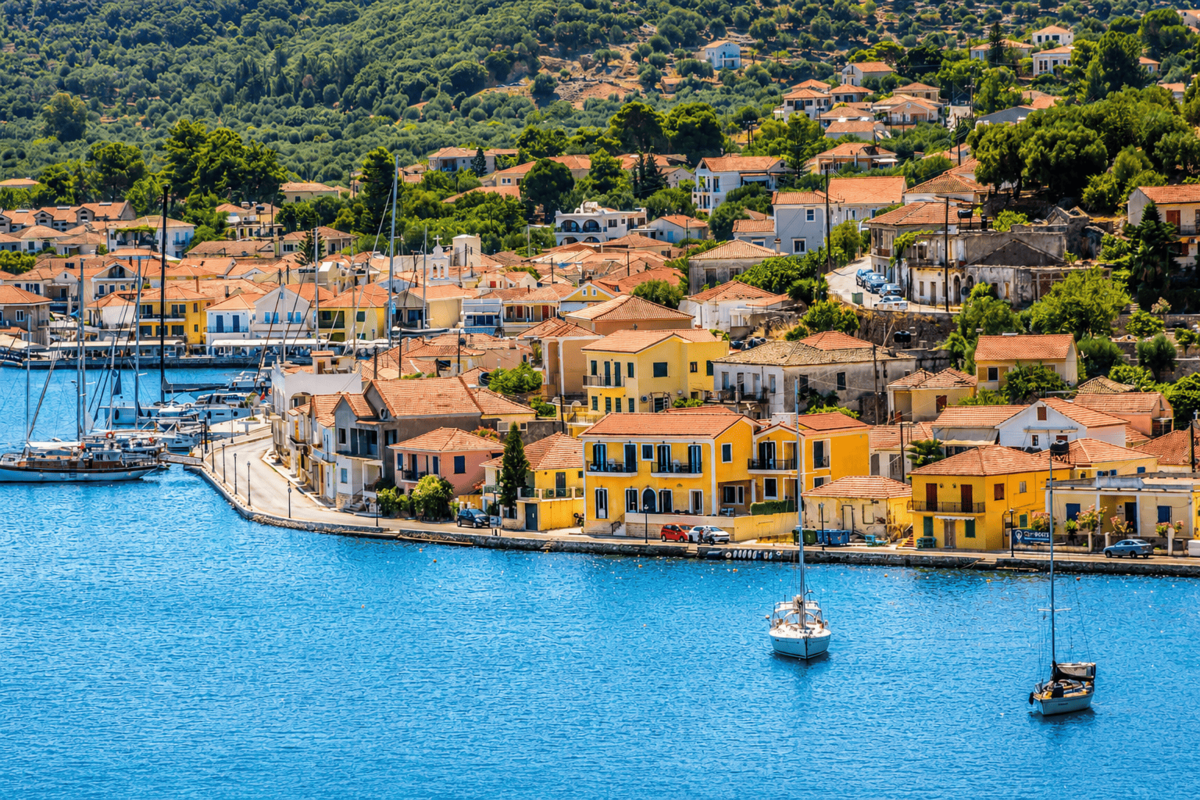
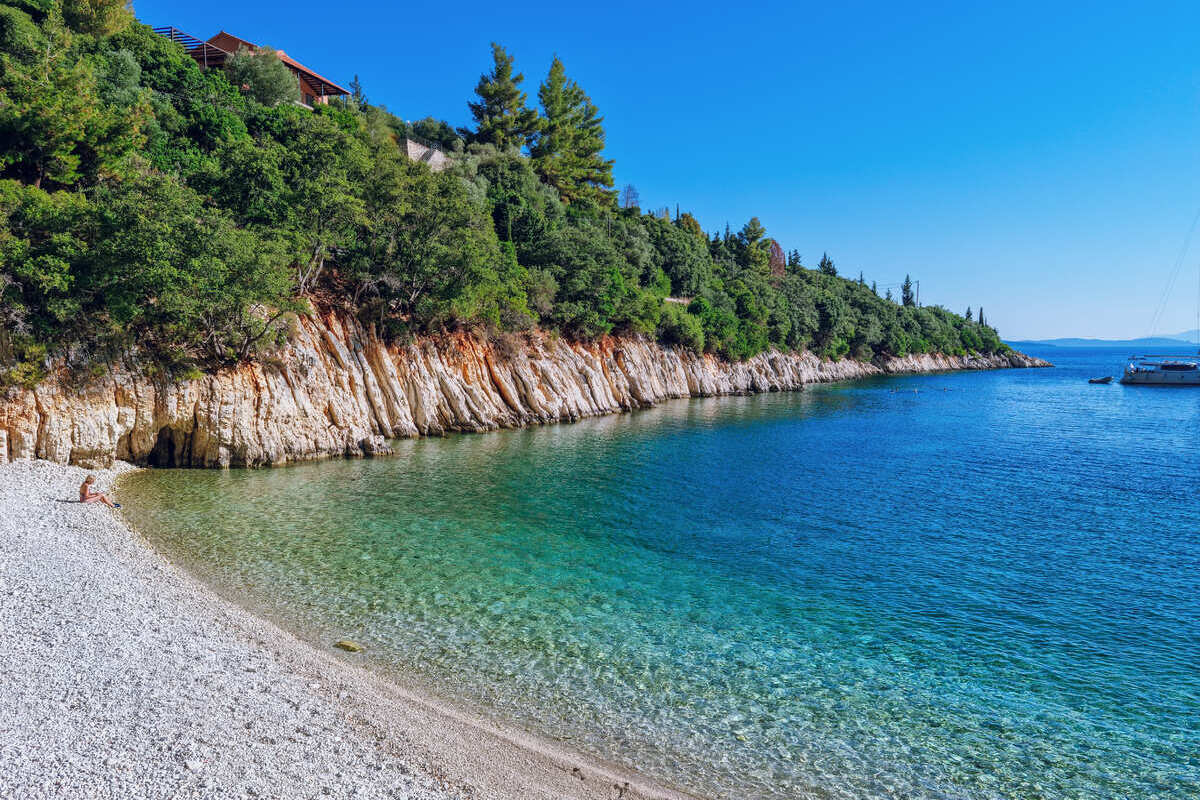
Think secret coves bathed in the turquoise waters of the Ionian, pastel-hued villages with tiled-roof houses climbing up hillsides, ancient sites with a fraction of the Athens crowds, and some truly mind-blowing seafood.
Oh, and of course, this is Odysseus’ legendary homeland.
Odysseus is no flesh-and-blood, documented historical character, at least not by modern standards, but in both The Iliad and The Odyssey, the two epics that helped birth the Western literary canon, this is his homeland and kingdom—the place he departs from on his way to Troy, only to spend ten years fighting the war and another ten trying to get back.
How To Get To Odysseus’ Homeland
Speaking of getting to Ithaca, approaching the island by sea is the only way to actually get there, as it has no active civilian airport.
Sorry, folks.
There’s no easy, breezy, fly-and-flop here. But then again, that’s the case with every truly off-radar Greek island.
If you’re coming from America, chances are you’ll first touch down in Athens, then either board a domestic flight to Kefalonia and connect to a ferry, or make for Greece’s western coast by coach and take a ferry from the mainland.
Let’s go over both options:
Fly Athens (ATH) → Kefalonia (EFL)
Then transfer to Sami and take the ferry to Ithaca
- Flight from Athens to Kefalonia: 1 hour 5 minutes to 1 hour 15 minutes, usually $55–180 one-way
- Transfer from Kefalonia Airport to Sami: 45–50 minutes and around $75 by taxi; roughly two hours and $5–8 by bus, with a change in Argostoli
- Ferry from Sami to Ithaca: 20–30 minutes, $4–6 one-way for a foot passenger, or around $14–23 if bringing a vehicle
- Total: roughly $65–195 using buses, or $135–260 if using a taxi
Do check the bus and ferry timetables before booking your flight, though. The cheap bus option is no good if it rolls into Sami after the last boat has sailed.
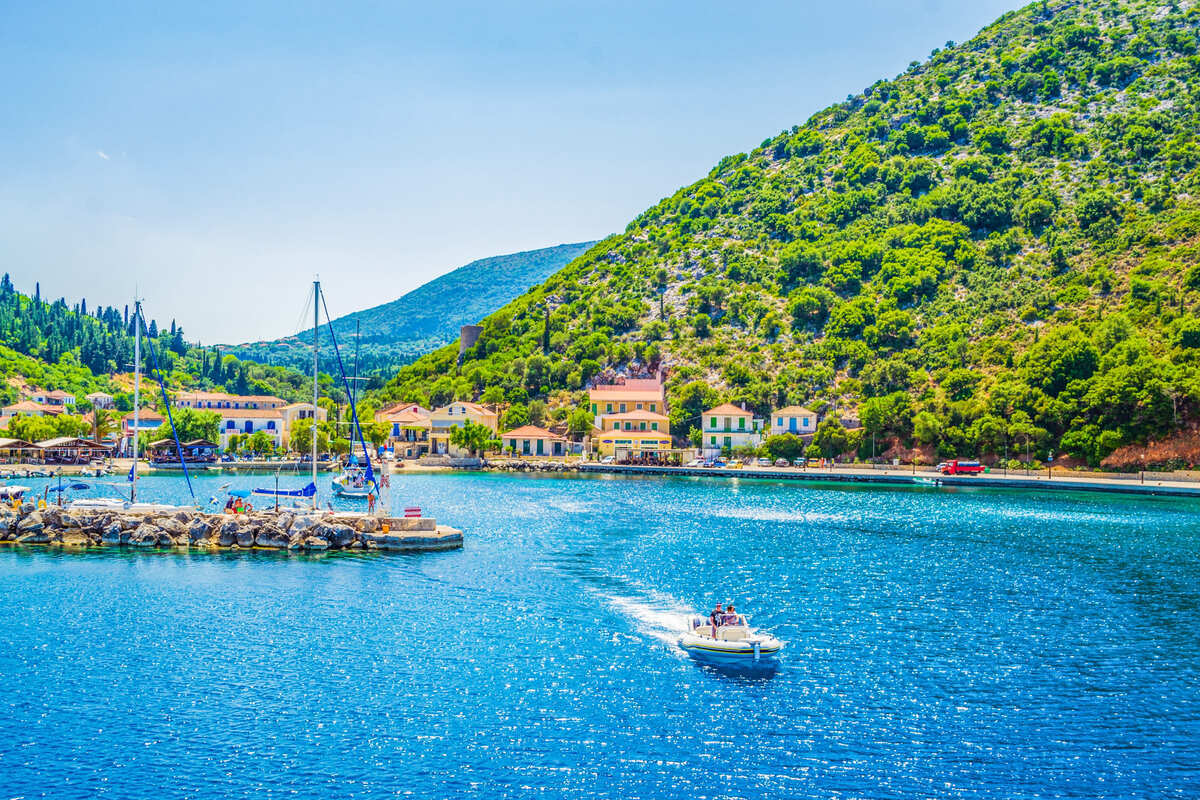
There’s a cheaper alternative, though I wouldn’t exactly recommend it unless you know your way around Greece and its sometimes-baffling KTEL bus system, and you’re not in a rush to get anywhere.
It involves boarding a roughly four-hour coach to Astakos, a small mainland port across the water from Ithaca, then taking a direct ferry from there. This may be a better shout in the low season, when flights to Kefalonia are less frequent, and it also involves fewer transfers.
Coach Athens → Astakos, then ferry to Ithaca
- Coach from Athens to Astakos: around 3 hours 40 minutes to 4 hours, roughly $35–53
- Ferry from Astakos to Ithaca: around 3 hours, roughly $11 one-way
- Total: approximately $46–64 and 7–8 hours of travel with a decent connection
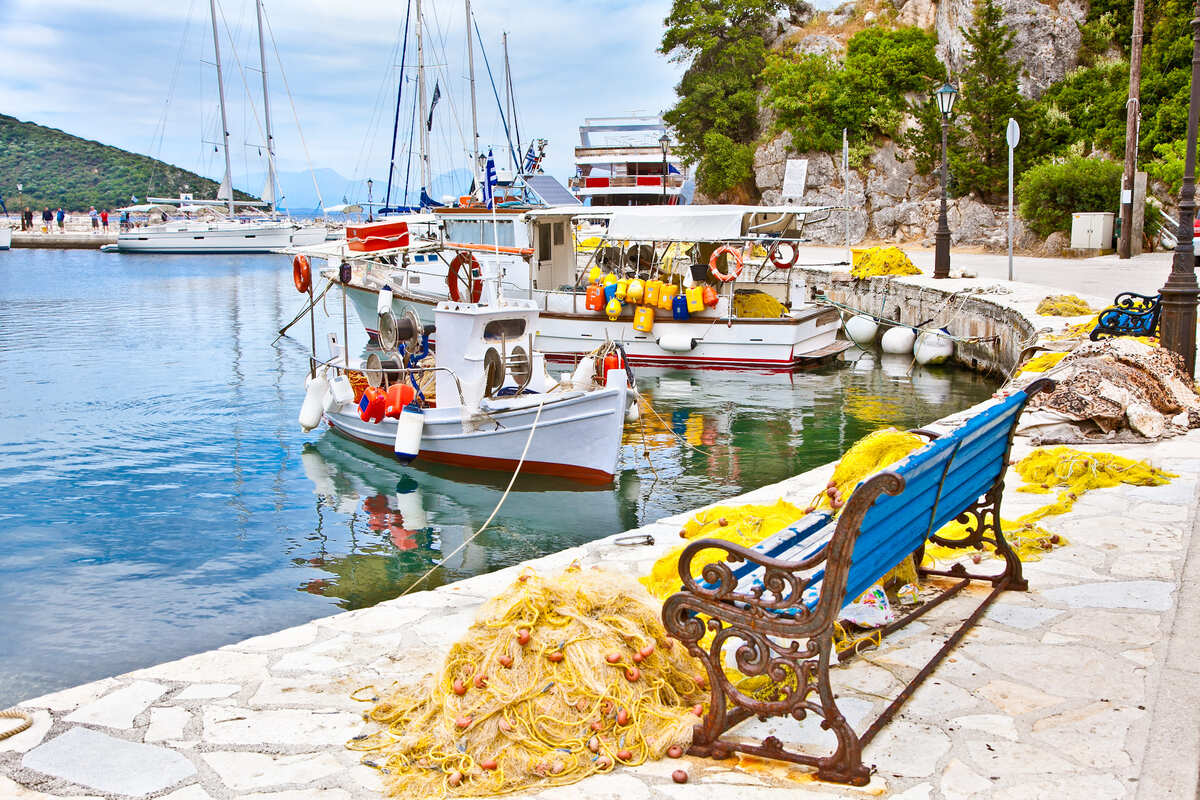
Ionion P. Lines operates the route aboard the Ionion Pelagos, normally with one departure from Astakos per day through much of the season.
Timetables shift from month to month, though, so check directly before setting off.
Check Europe’s Travel Rules Before Flying
Before you start packing to go to Europe, make sure you’re up to speed with the continent’s new entry and stay regulations.
The European Union, including Greece, has massively changed its entry rules this year, including the rollout of a mandatory fingerprinting step for non-European guests, including Americans.
This is in order to ensure they have not overstayed their 90-day tourist visa. Since then, over 44,000+ travelers have been turned away at the border for failing to comply with the rules.
Use the Entry Requirement Checker to verify Europe’s latest border updates.
Is Ithaca The Ionian’s Best-Kept Secret?
Most Ithaca-bound car ferries from Sami, Astakos and Patras will pull into Piso Aetos, the island’s main ferry port.
Calling it a port town would be generous. There’s little more than the terminal, ticket kiosks, and a seasonal canteen here, so don’t expect a bustling waterfront lined with restaurants and hotels.
For the actual action, head about ten minutes down the road to Vathy.
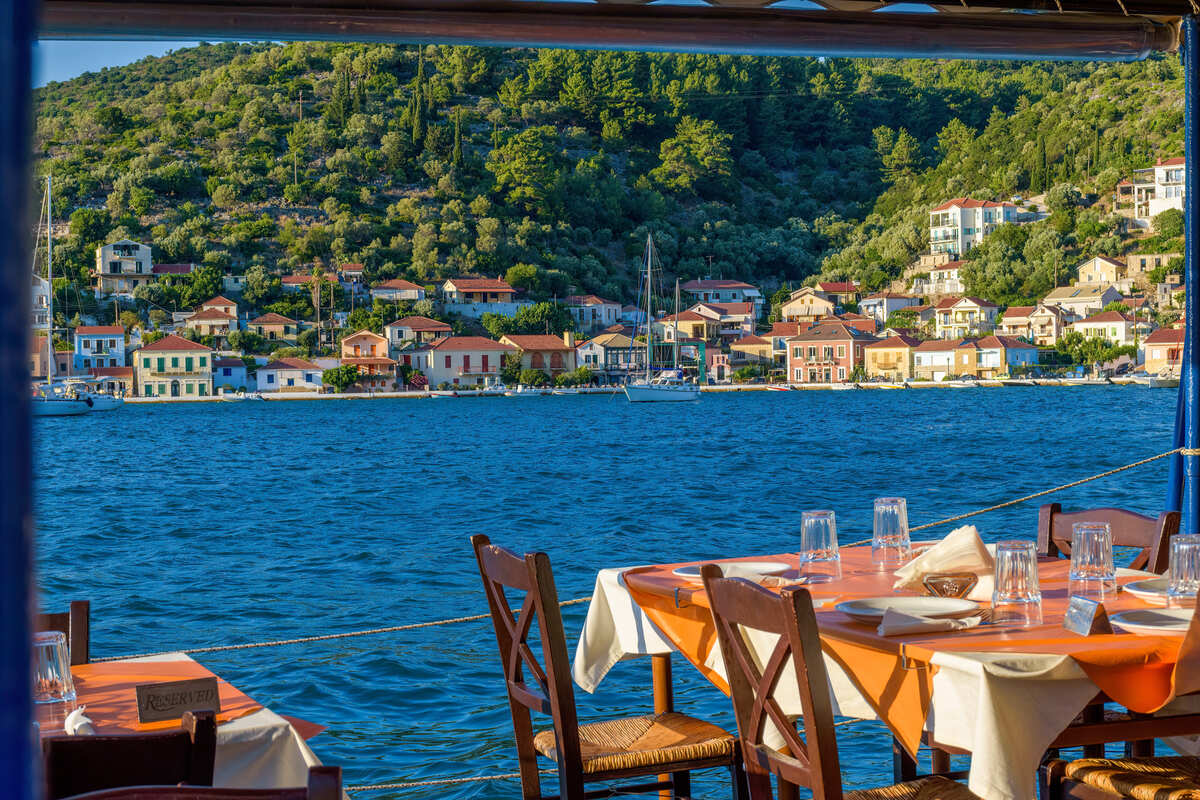
This is where you’ll find all the waterfront restaurants, including one of my personal favorites, O Batis, a no-nonsense fish taverna right on the harbor, and the widest choice of accommodation, with simple B&Bs and studios listing rooms from around $75 outside peak summer.
Ithaca is more of a slow-paced, sit-back-and-chill kind of destination than an island of all-singing, all-dancing resorts, so if that’s your vibe, I’d maybe stick to the resort-heavy strip of Faliraki in Rhodes, or Malia down in Crete.
Explore Vathy, The Charming Coastal Capital
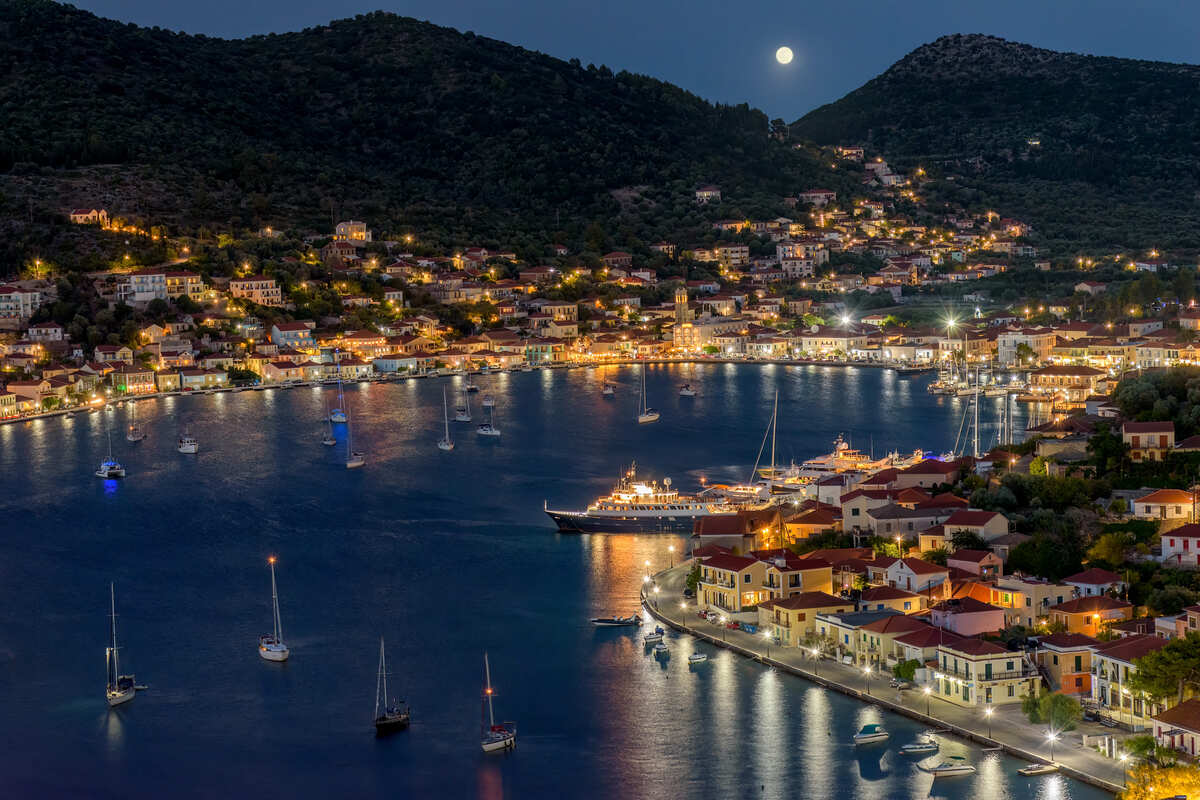
Piso Aetos is your main entry point, but once you lay your eyes on Vathy, the postcard-pretty capital of Ithaca, with its pastel, Venetian-style houses arranged amphitheater-style around a deep natural harbor, you’ll immediately understand why Odysseus was eventually so keen to leave Circe’s year-long spell behind and make it back home.
Lying a ten-minute drive from the main port, it’s literal Greek-island heaven, and a place I can only describe as Symi, yet another one of my favorite Greek escapes, meets Kalymnos, my breakout find this year.
Think pastel-hued facades, family-owned tavernas, fishing boats bobbing in the harbor, and tiny squares draped in bougainvillea.
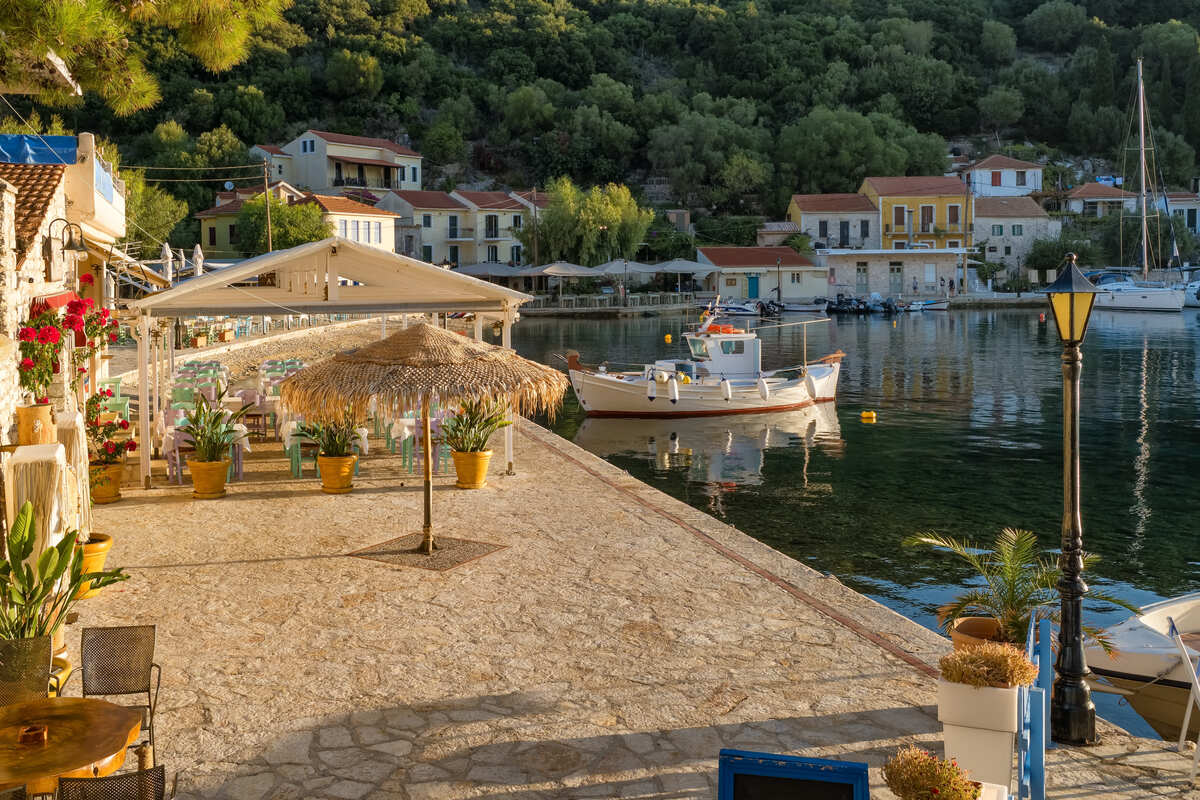
With a population of 1,693, it is the largest settlement on the island, which sees the remaining roughly 1,200 of its 2,862 residents scattered across inland villages, quaint fishing settlements, and tiny hamlets.
I’m not big on museums myself, except for that one time I developed a bizarrely niche interest in Orthodox relics and ended up in Ukraine in the midst of a full-blown war just to visit monastic sites around Lviv, but Vathy’s Archaeological Museum is a small-but-mighty stop you can’t skip when in Ithaca.
It’s loaded with finds spanning the Mycenaean through Roman periods, and, to be fair, the roughly $5.85 fee they ask of you at the entrance is peanuts for all the fascinating bits and bobs on display.
Note From The Editor
Just one sec! If you enjoy reading great human-written articles, the best way to see a few more is to follow us on Google so we become one of your preferred websites. Thank you so much for reading. Now back to the story!
Beautiful Beaches & Fishing Villages Galore
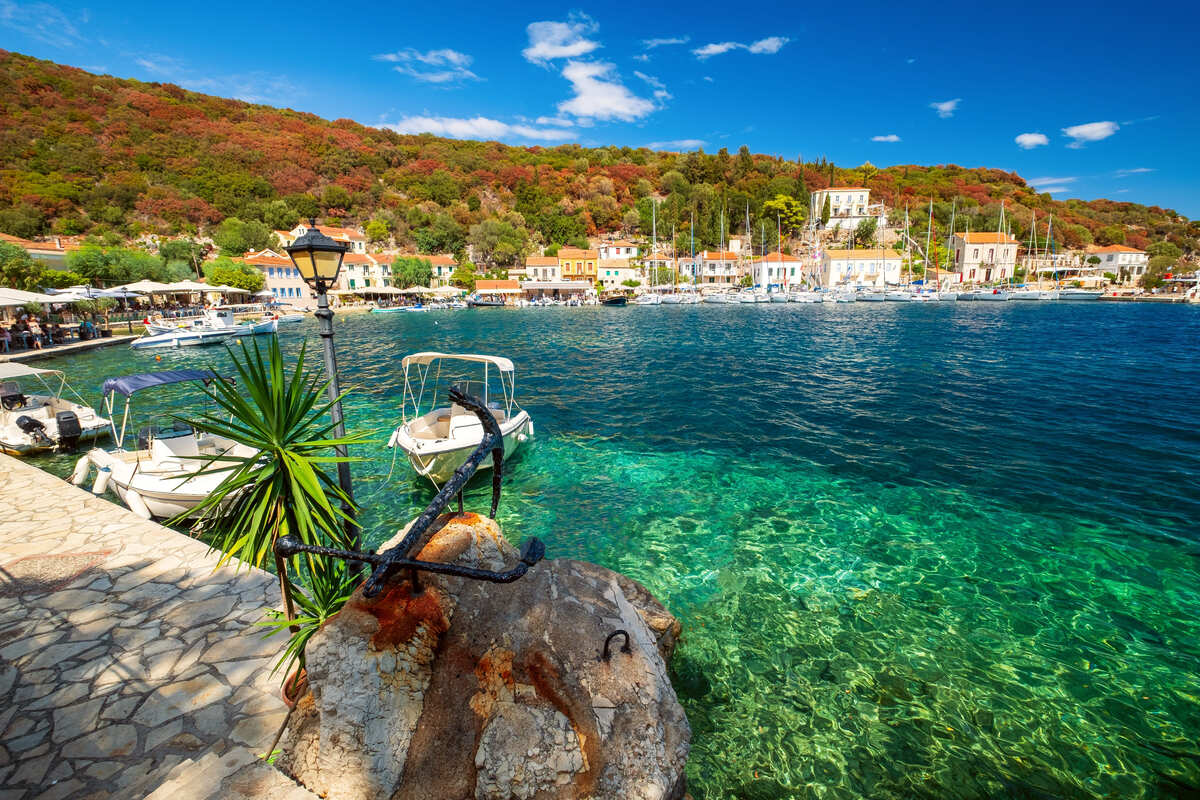
Ithaca’s a small island, shaped like a pinched hourglass, measuring about 14 miles from north to south, with a tiny, 0.4-mile isthmus connecting its southern and northern halves.
Overall, we’re talking roughly 37 square miles, so most drives fall somewhere between 15 and 40 minutes, though a proper island-length run can edge towards an hour.
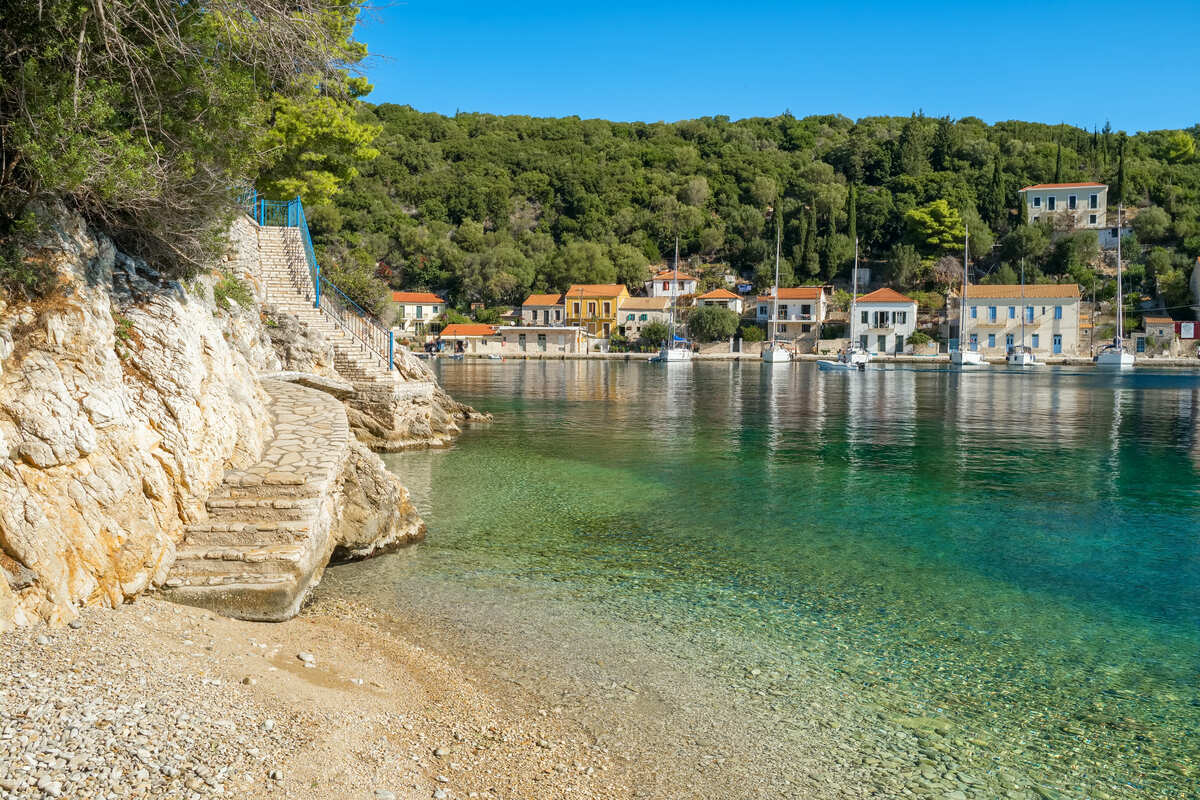
Roughly 25 minutes from the main port, Kioni is the cutest little pastel dream wrapped around a tiny, yacht-filled bay. I went here for a swim at Plakoutses—a shy, snow-white ribbon of pebbles tucked beneath cypress-covered slopes—and a scoop of gelato at Spavento, and I wasn’t disappointed.
Then there’s Frikes, yet another sleepy fishing harbor peppered with waterfront tavernas, where I might have had one of the tastiest plates of prawn saganaki anywhere in Greece.
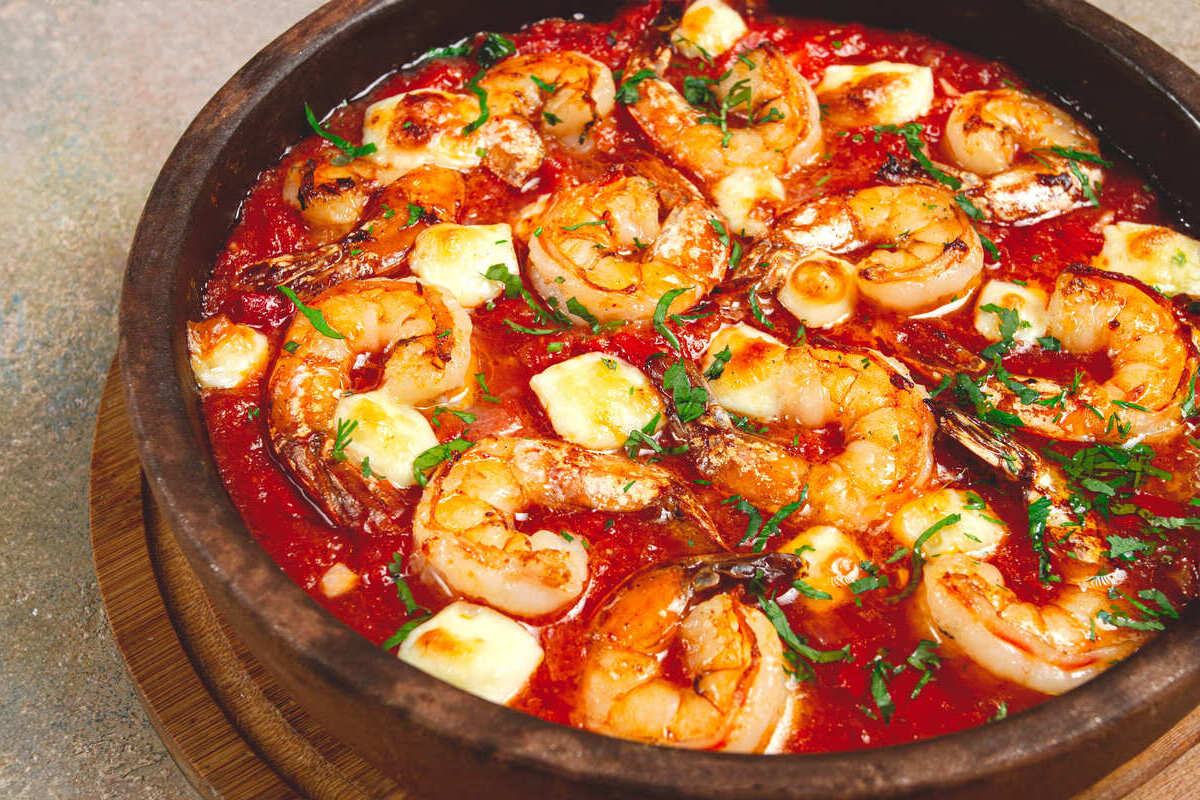
Look for Nostimon, a family-run harborfront spot, and pray to the Gods it’s still on their menu.
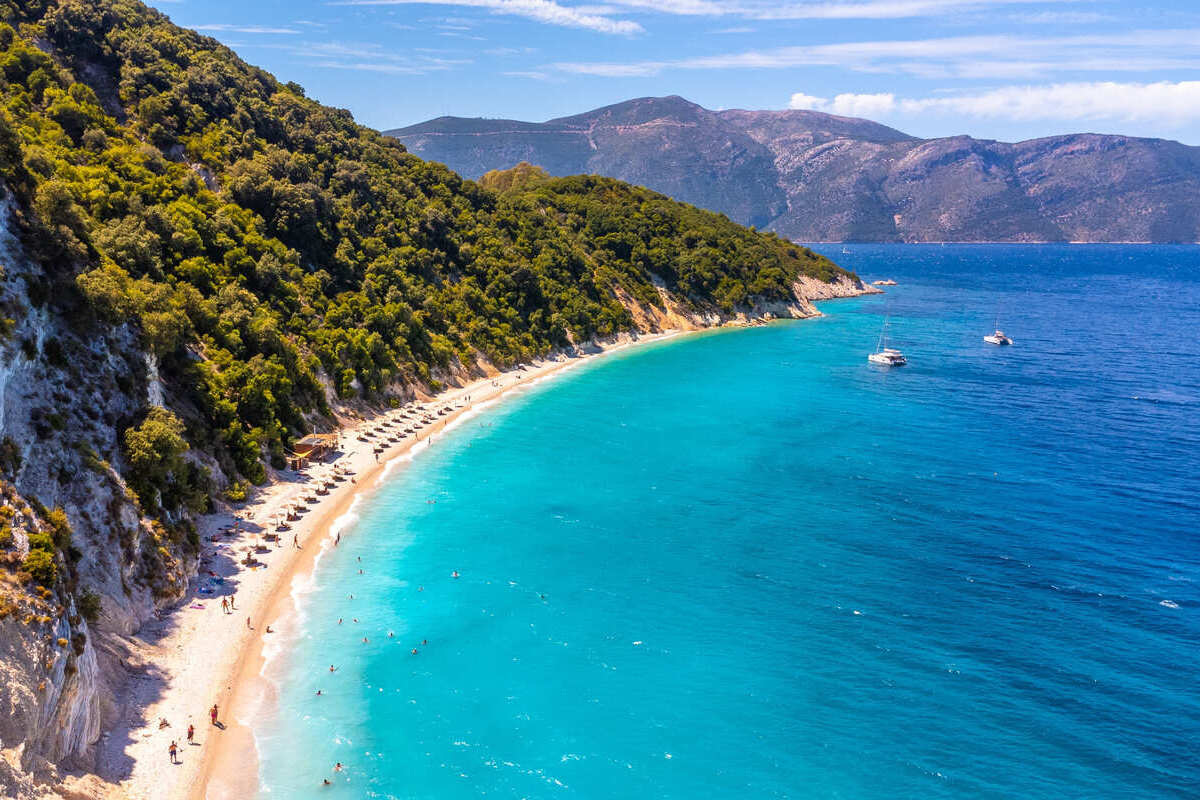
There are countless beaches to seek out and laze around on in Ithaca, from pebbly Sarakiniko—yes, it shares its name with the world-famous moonscape in Milos—a pair of intimate coves bathed by crystal-clear seas, to my personal darling Filiatro, a calm turquoise bay shaded by olive trees and backed by thick green hills.
But the real showstopper here is Gidaki.
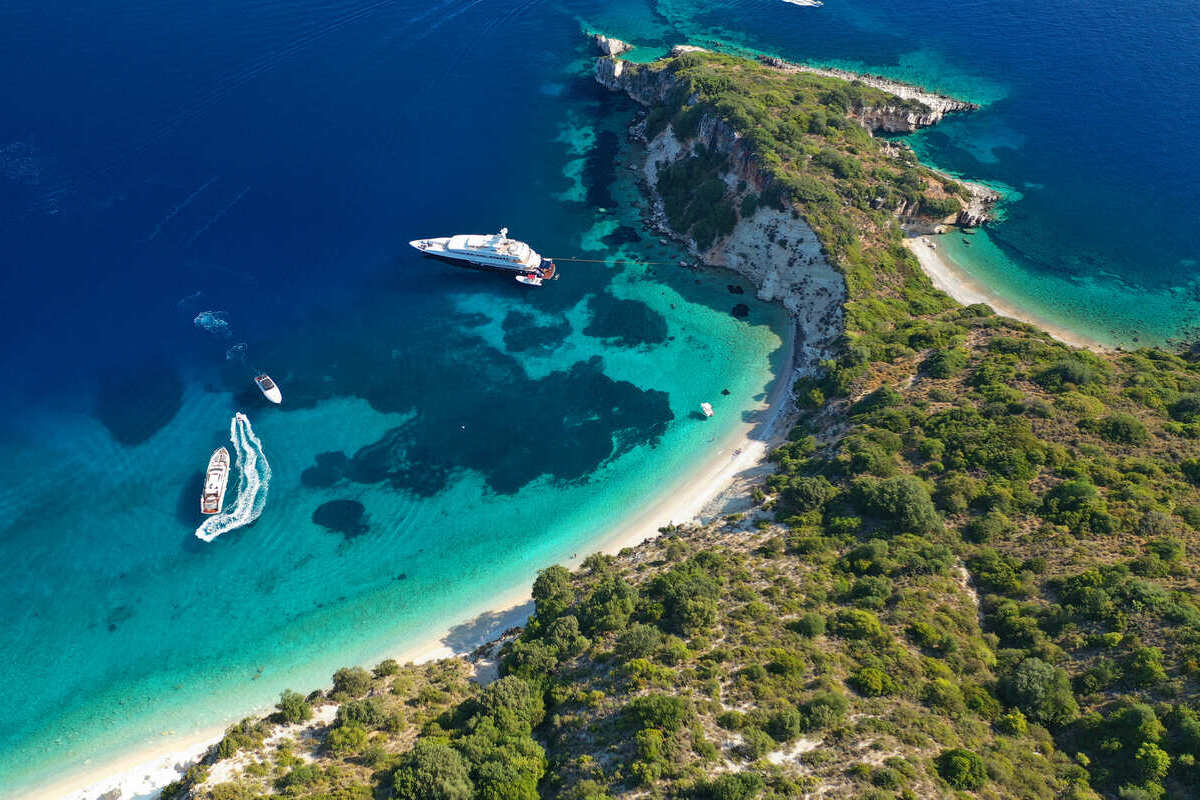
And guess what: getting here requires its own little Homeric trek. It’s remote, white-pebbled, wild, and definitely less packed than your usual Kefalonia headliner.
Gidaki lies roughly 25 minutes by sea from Vathy, so you can either board one of the small boats from the harbor, if they’re still running for the season, or walk down the rugged path beginning at Skinos for roughly 30–40 minutes each way.
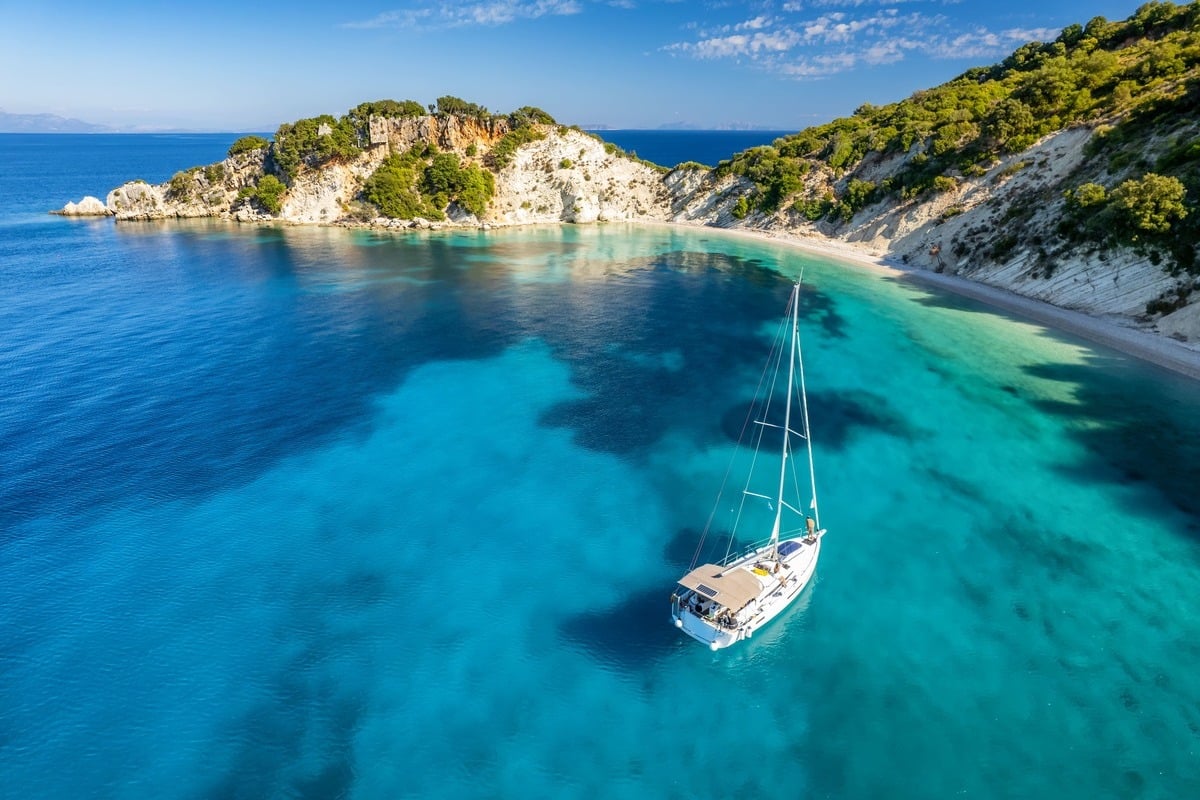
If you’re going this fall, I’d ask around the quay or call the boat company the day before. Services thin out considerably once the main summer crowds have packed up and gone home.
How Safe Is Greece Right Now?
By the way, in case you’re wondering whether there have been any isolated firebomb attacks and suspected terrorist plots reported in Greece lately—and sadly, that’s the reality across much of Europe right now—the answer is yes.
Still, you’ll be glad to know the country remains, on the whole, safe, welcoming, and pretty stable.
It’s officially a Level 1 destination, as designated by the U.S. Department of State, meaning it’s about as low-risk as the department’s travel-advisory scale gets, and it scores 91 out of 100 on Travel Off Path’s Traveler Safety Index, a traveler-led rating based on reports from recent visitors.
How Actually Affordable Is Ithaca, Greece?
On top of that, Ithaca is a relative steal of a deal. Parking all the Odyssey business aside, it remains one of Greece’s lesser-known, more affordable islands—at least outside July and August.
Check this website a year from now and I could be spinning a rather different story.
For the time being, how do low-season, sea-view suites from roughly $105 per night sound?
Average Prices In Ithaca, Greece In 2026
Converted from euros into USD at approximately €1 = $1.17.
These are realistic ballpark figures as of August 2026, rather than fixed tariffs.
- Coffee: $2.50–4.50
- Bakery breakfast: $5–10
- Gyro or quick snack: $5–9
- Taverna main course: $14–25
- Full taverna dinner: $25–45 per person
- Fresh-fish dinner: $30–55 per person
- Beer: $5–7
- Basic double room: $75–140 outside peak summer, $100–210 in July and August
- Small rental car: $50–90 per day
- Taxi from Piso Aetos to Vathy: roughly $12–25, though hotel-arranged transfers can touch $30
- Return boat from Vathy to Gidaki: roughly $18–25
- Self-drive boat rental: roughly $105–175 per day, before fuel
Where Was Odysseus Born Actually?
Maybe you’ve come all this way for the ruins and Homeric associations, but once again, Odysseus is not a documented historical character.
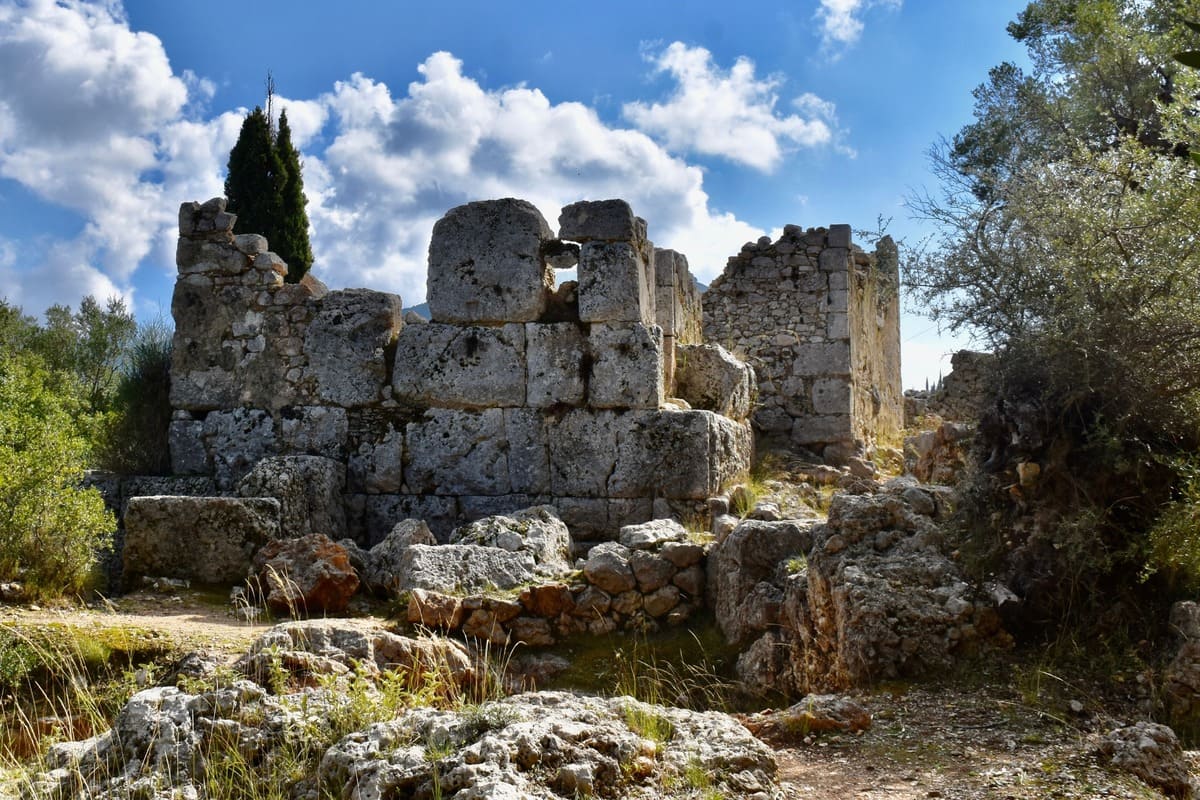
Homer identifies Ithaca as the character’s homeland and kingdom, but never actually states where exactly on the island he was born. The ‘School of Homer’, an archaeological site on the eastern slopes of Mount Exogi in northern Ithaca, is sometimes promoted as Odysseus’ palace.
It’s located a little over a mile from Stavros, followed by around 20 minutes uphill along a rough, not-brilliantly-signposted path. Rather than a set-piece ruin like Pompeii, expect scattered foundations, massive stone blocks, ancient steps, and several centuries of history layered across one wooded hillside.
If it’s any consolation, this is a great island for unwinding, catching a little sea breeze, and sampling good food without shooting anxious looks at the waiter for the bill, as you’ve got no timed tour or onward ferry to catch later, anyway…
Aaaaand perhaps a bit of hiking if you’re not exactly averse to breaking a sweat on vacation.
Enter your email address to subscribe to Travel Off Path’s latest travel news, straight to your inbox
