
There’s the jam-packed, overpriced, everyone’s-been-there-done-that Europe… and then there’s the unsung, still-authentic, criminally overlooked side of the Old World you’re yet to discover.
Tucked away on the eastern end of the continent, in a tiny country called Estonia, Tallinn is arguably the prettiest capital city along the Baltic coast, or at least that’s the one I couldn’t shut up about months after visiting, and it’s been surging in visitor numbers as of late.
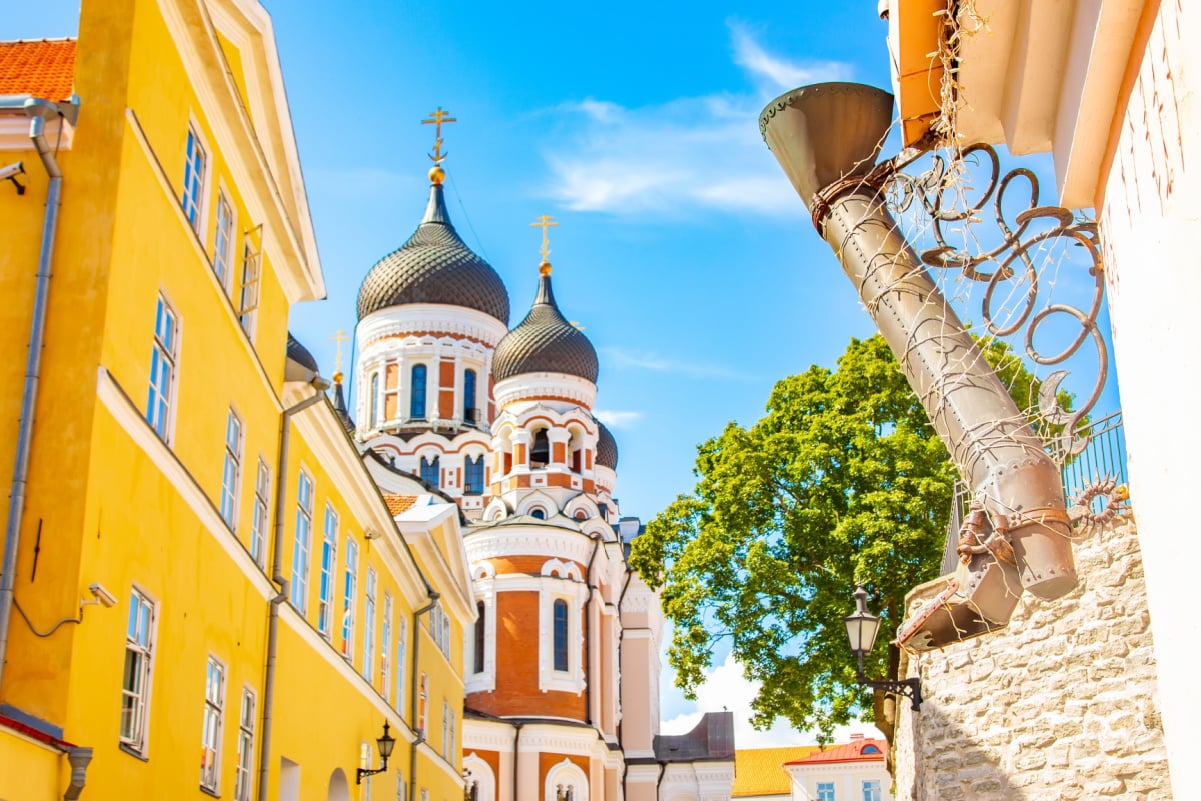
Is This Europe’s Last Truly Unspoiled Medieval Capital??
According to Statistics Estonia, the whole country logged 1.66 million tourists in the first half of 2026, 4% more than the same period in 2025, marking the first time its first-half tourism tally has fully clawed its way back past pre-pandemic levels.
In fact, total accommodated tourists were 1% above the equivalent period in 2019.
It’s showing no signs of stopping either, so if you’re keen on experiencing one of Europe’s last truly unspoiled medieval capitals, the time is now before the masses flock through its city gates.
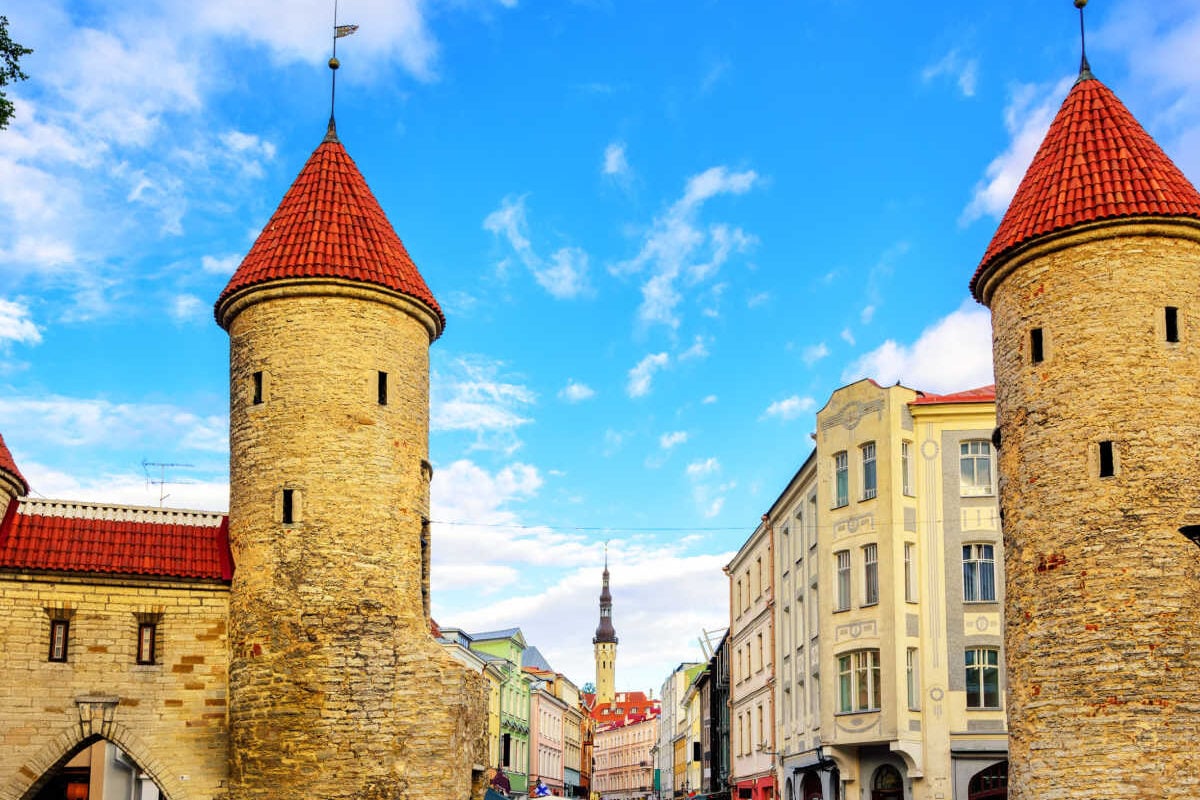
Speaking of city gates, Tallinn’s duo of 14th-century towers guarding the entrance to the UNESCO-listed Old Town are among some of the most impressive you’ll ever see.
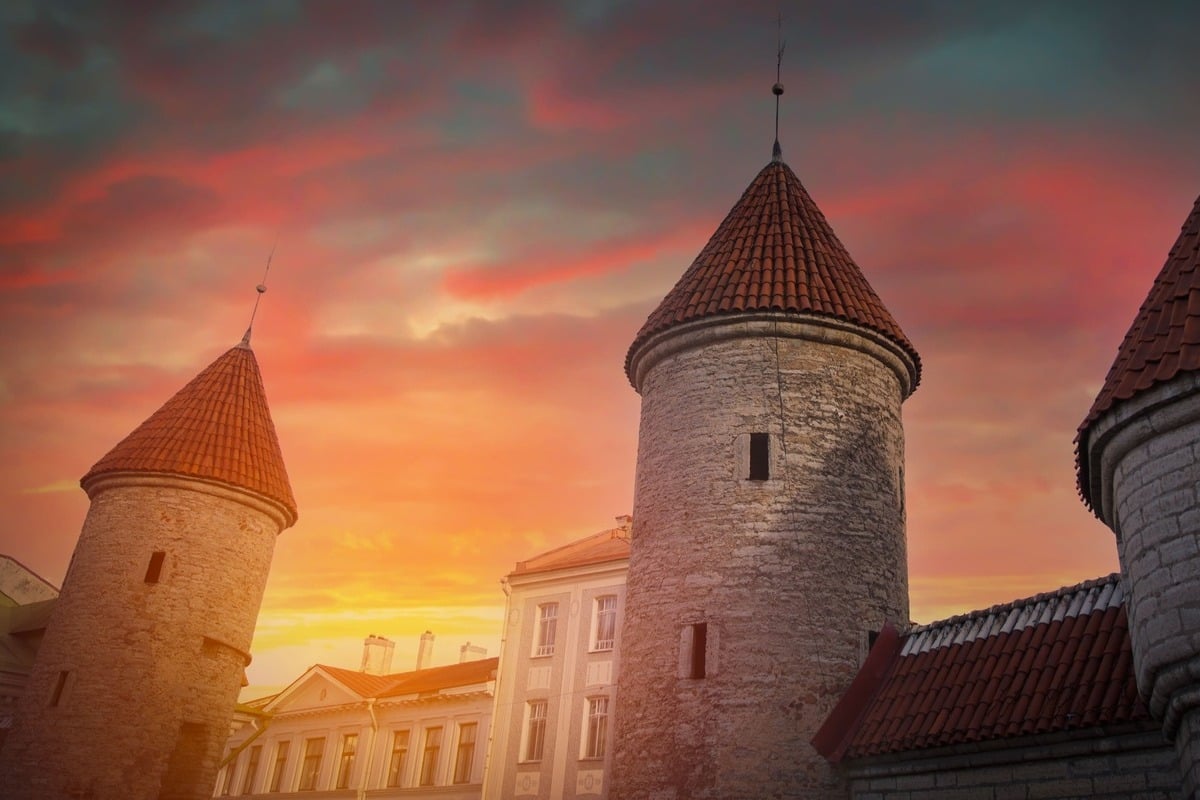
Topped with pointy, red-tiled roofs and looming over a cobbled lane that slowly travels uphill, Viru Gate is the perfect threshold to a Hanseatic city effectively frozen in time.
This Is What Sets Tallinn Apart From The Rest
We all know how the story goes in Western European capitals:
There’s a gorgeous, historic center somewhere, usually clustered around a monumental main square or a grand cathedral, but venture outside the compact, 0.4-square-mile tourist core, and it’s the usual mishmash of skyscrapers, apartment blocks, and business districts.
And as for that pristine, picture-perfect center? It hardly ever feels lived-in anymore, with most of the storefronts being occupied by souvenir shops, overpriced restaurants, and short-term B&Bs.
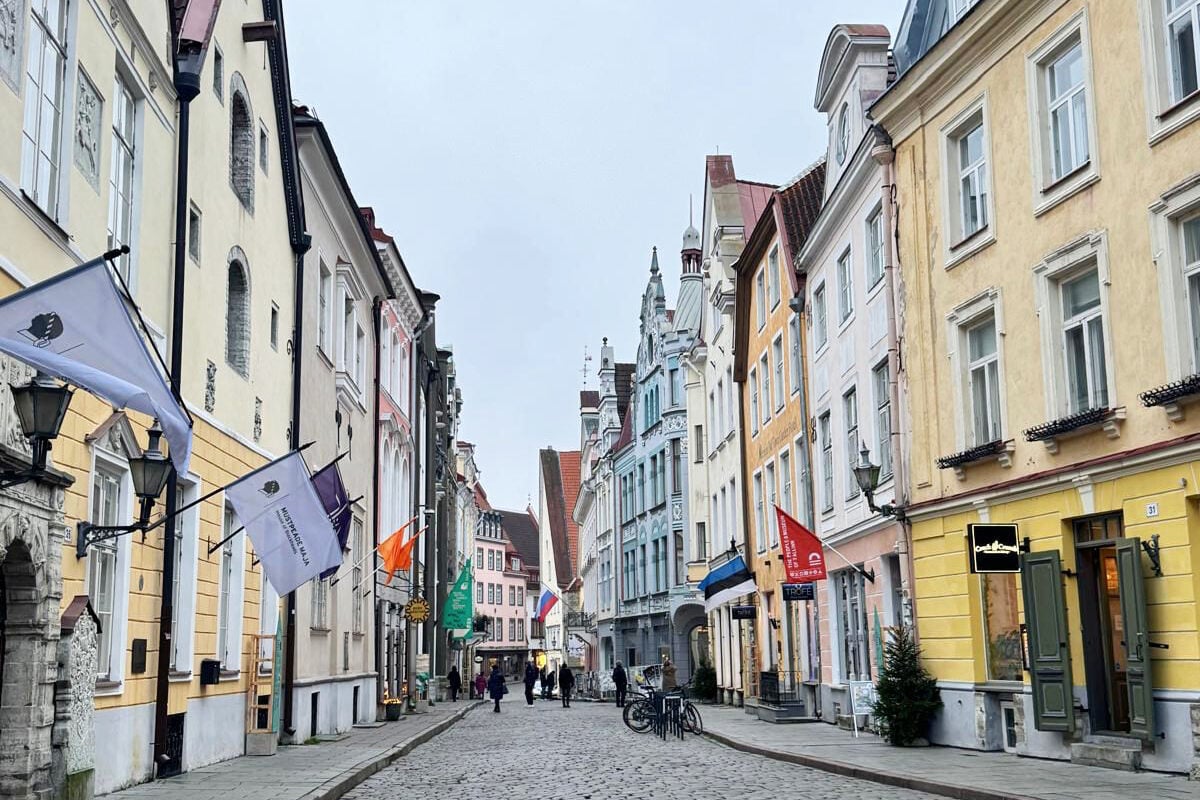
Tallinn has its own creative district, which I’ll get to in a minute, but unlike your average Western hub, the Old Town still has a pulse.
Home to just under 5,000 registered residents, out of the capital’s overall 460,584, this is still a functioning historic center where Estonian locals live, do daily business, and hang out. Not just a mere tourist playground.
One Of The Prettiest Market Squares In Europe
Standing 210 feet tall and looming over the namesake Town Hall Square, the Town Hall is a soaring Gothic marvel completed in its present form in 1404, and though I wasn’t exactly furiously Googling every claim being spouted by our very enthusiastic guide, it’s apparently the oldest town hall in Northern Europe??
Who knows.
Well, actually, Tallinn’s own tourism board agrees with him, so I’ll give him that one.
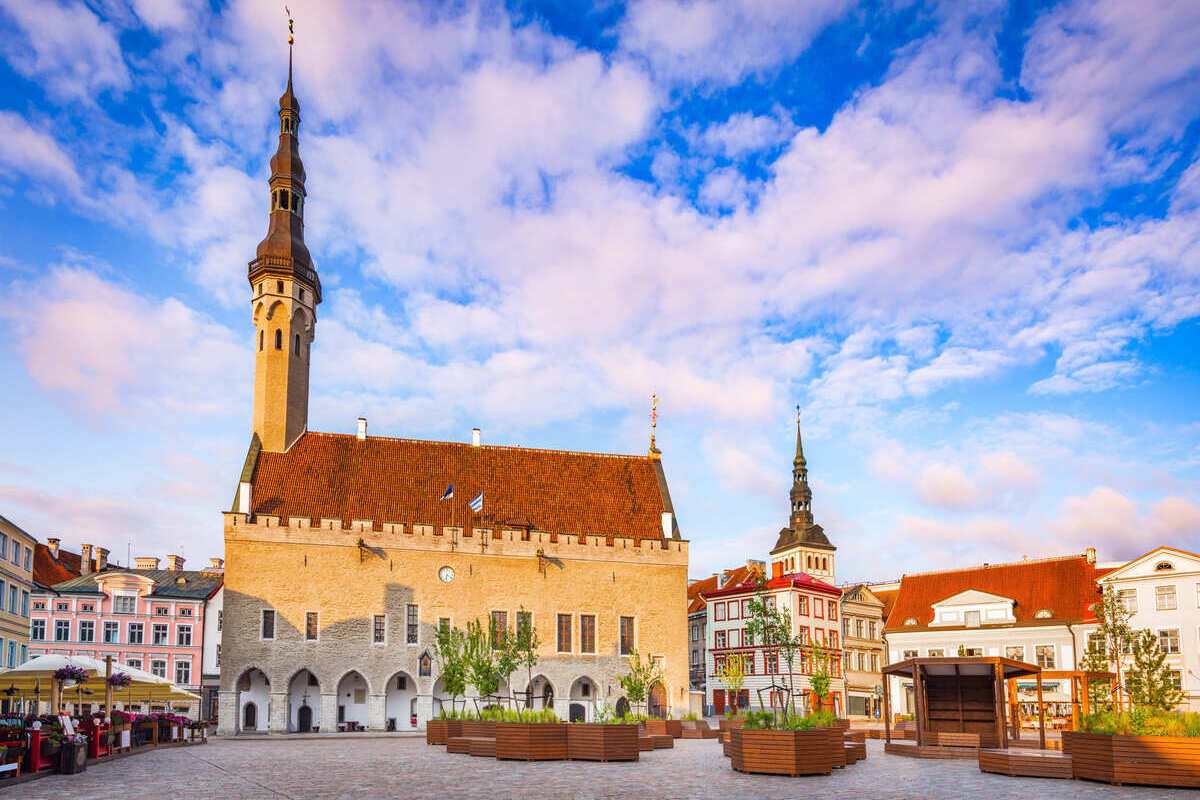
It doesn’t change the fact that it’s an absolute stunner, and if you happen to be visiting this winter, they host one of the coziest Christmas markets on this side of the pond.
I’m talking sizzling blood sausages, steaming mulled wine, gingerbread, and that full-on, vaguely medieval Christmas atmosphere without quite as much of that slightly on-edge, security-heavy feeling that has crept into some of the continent’s larger festive markets following past incidents.
Tallinn’s 2026 market runs from November 20 through January 6.
Check Travel Rules Before Flying To Europe This Fall & Winter
The European Union has recently introduced its new Entry/Exit System, which sees most Americans and other non-EU short-stay visitors fingerprinted and photographed at their first external Schengen border crossing.
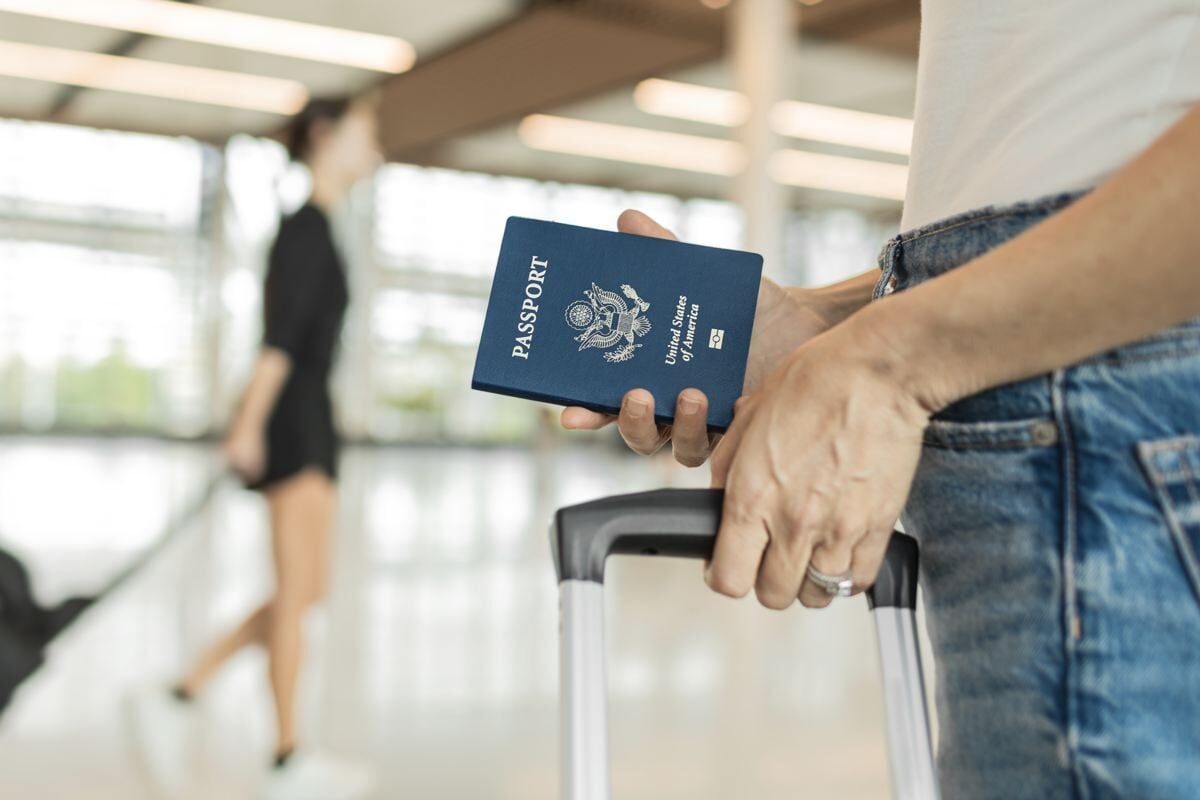
Some airports across Europe have experienced teething problems and longer queues while staff and systems settle in.
Head over to the Entry Requirement Checker and make sure you have all your documentation in order before flying to avoid unnecessary delays.
Tallinn Couldn’t Be Safer If It Tried
Speaking of safety, Estonia is one of the least crime-plagued countries in the European Union, and while I’d never reduce that to one neat explanation, this is a country that takes security extremely seriously:
By virtue of bordering Russia, the greatest geopolitical threat to the EU these days, and having had its own sovereignty challenged after being passed from one empire to another, and eventually swallowed by the Soviet Union for much of the 20th century, it’s grown fiercely protective of its national identity and independence.
In other words, it doesn’t play about when it comes to national security and ensuring legitimate threats are identified early and dealt with.
You also don’t get anywhere near as much of the street-level nonsense associated with Europe’s biggest tourist hubs, and even the usual scammers and pickpockets that other cities otherwise considered ‘safe’ simply aren’t as present here.
Next time you wonder why a small, apparently far-flung city in northeastern Europe is suddenly having a tourism boom, look at how drastically different the perceived safety picture is compared to places like Paris or London.
I guess it’s no surprise the U.S. Department of State lists Estonia as a Level 1 destination, placing it among the lowest-risk destinations Americans can visit in Europe, and that even casual travelers themselves, who don’t have a criminology degree or spend their evenings leafing through crime spreadsheets, feel overwhelmingly safe here.
The State Department even assesses terrorism risk in Tallinn as minimal.
Estonia scores 84 out of 100 on the Traveler Safety Index, a score based on reports from recent visitors:
Welcome To Your Medieval-Themed Fever Dream
Other than the fact that I was never anxiously casting looks over my shoulder or death-gripping my bag in a pickpocket-ridden metro like I would in busy-as-hell London, my favorite thing to do in Tallinn, you ask?
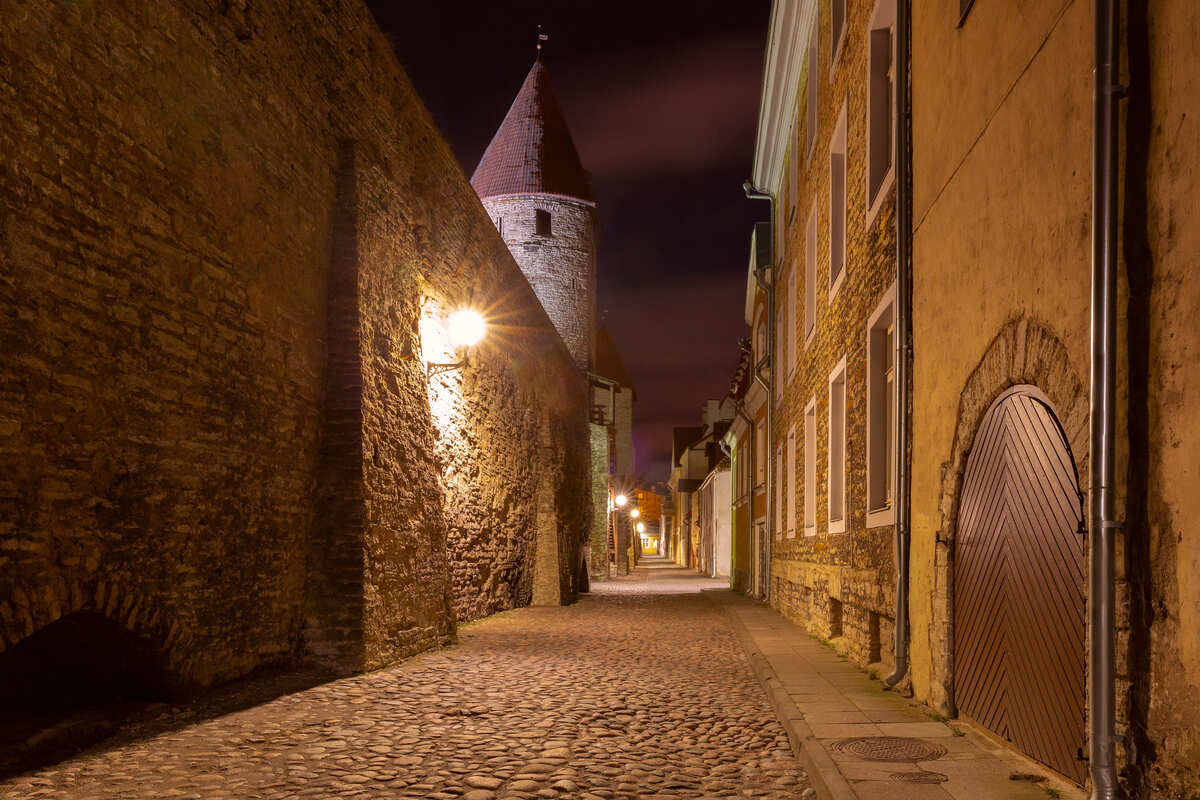
Definitely walking along the medieval ramparts that surround a good chunk of the Old Town, and looking up in awe at their stout stone towers crowned with little witch-hat-shaped roofs.
Around 1.15 miles of Tallinn’s medieval walls are still standing today, alongside 26 defensive towers, making it one of Europe’s largest surviving medieval fortifications.
Note From The Editor
Just one sec! If you enjoy reading great human-written articles, the best way to see a few more is to follow us on Google so we become one of your preferred websites. Thank you so much for reading. Now back to the story!
It is honestly one of the most atmospheric city walks you can take anywhere in Europe, particularly as the sun starts sinking and those amber street lamps flicker to life.
I’m always looking for a good vantage point to see a cityscape from above, and I’m glad to report I’ve dragged myself up enough hills and staircases around Tallinn to bring you two of the most rewarding ones:
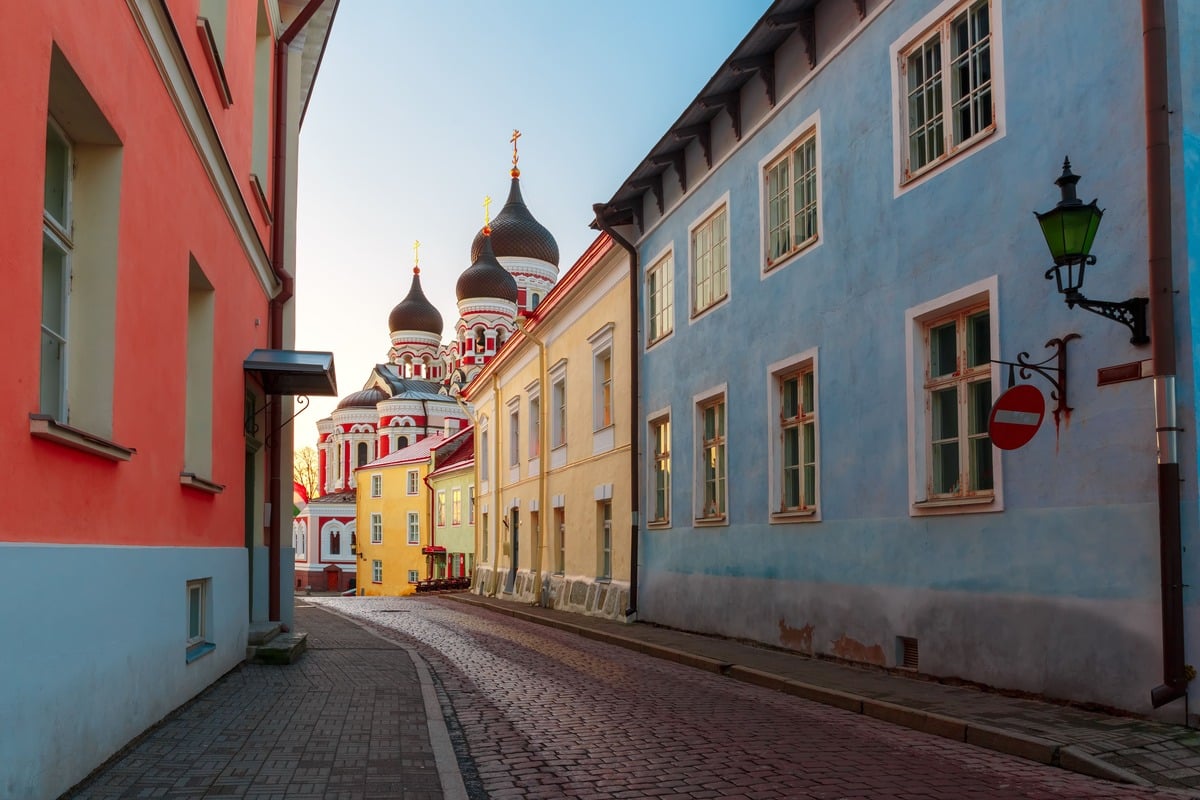
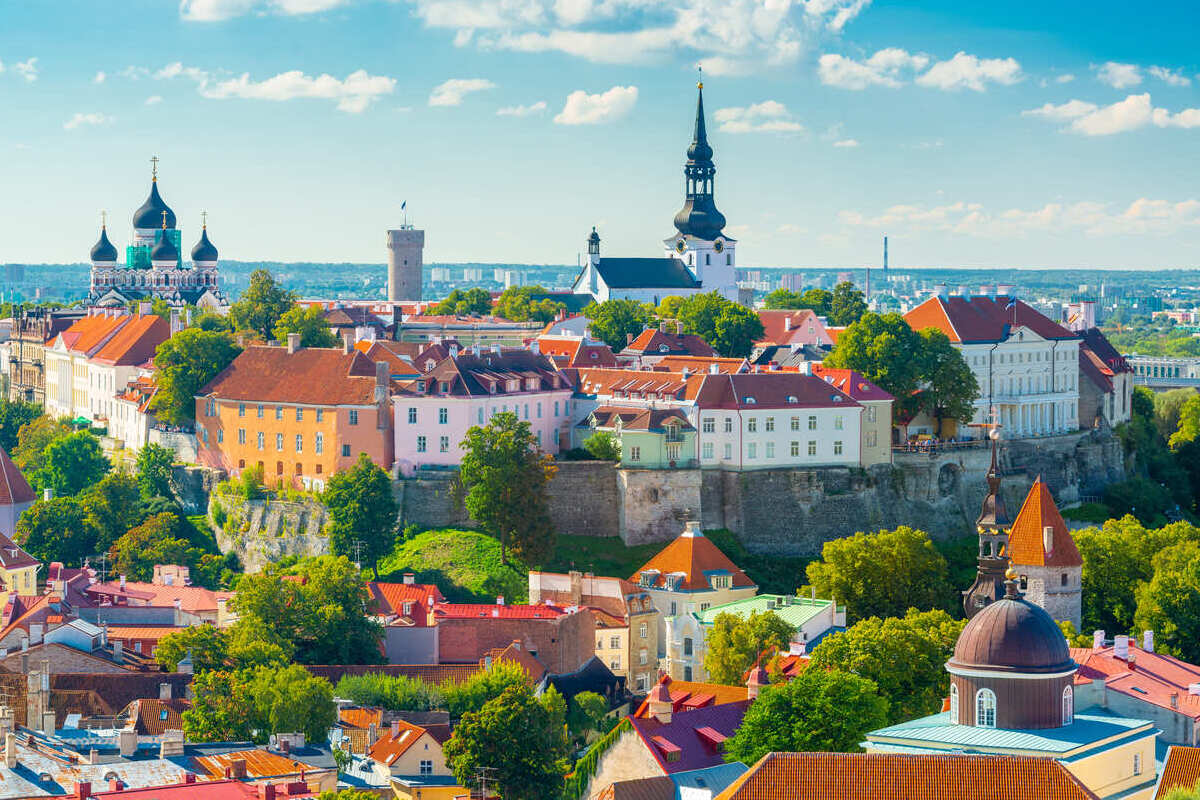
Kohtuotsa is a viewing platform in the cathedral-dominated hilltop Toompea district that offers a postcard-ready panorama of Tallinn’s red rooftops and church spires.
You know when you look up a fairytale European city on Google, and it immediately throws up that impossibly perfect, bird’s-eye shot of the skyline you can never actually replicate unless you’re flying a $1,000 drone?
This viewing platform is your poor-man’s, completely free-to-access drone shot. It’s open 24/7, too.
Then there’s St. Olaf’s Church: not only is it an enormous medieval Gothic landmark, it’s crowned by a needle-like spire, with a 258-step climb taking you to a narrow viewing platform that offers an even more close-up panorama of the Old Town’s winding lanes, hidden courtyards, rooftops, and surviving walls.
This is one of those places where you feel almost detached from reality, as if you’re hovering over a gloomy storybook dreamscape your overactive, history-obsessed brain could have only conjured up after tearing through one too many Gothic novels.
This is honestly how I feel Quasimodo would have thrived were he 1) based in Tallinn as opposed to Paris, and 2) an actual real historic character.
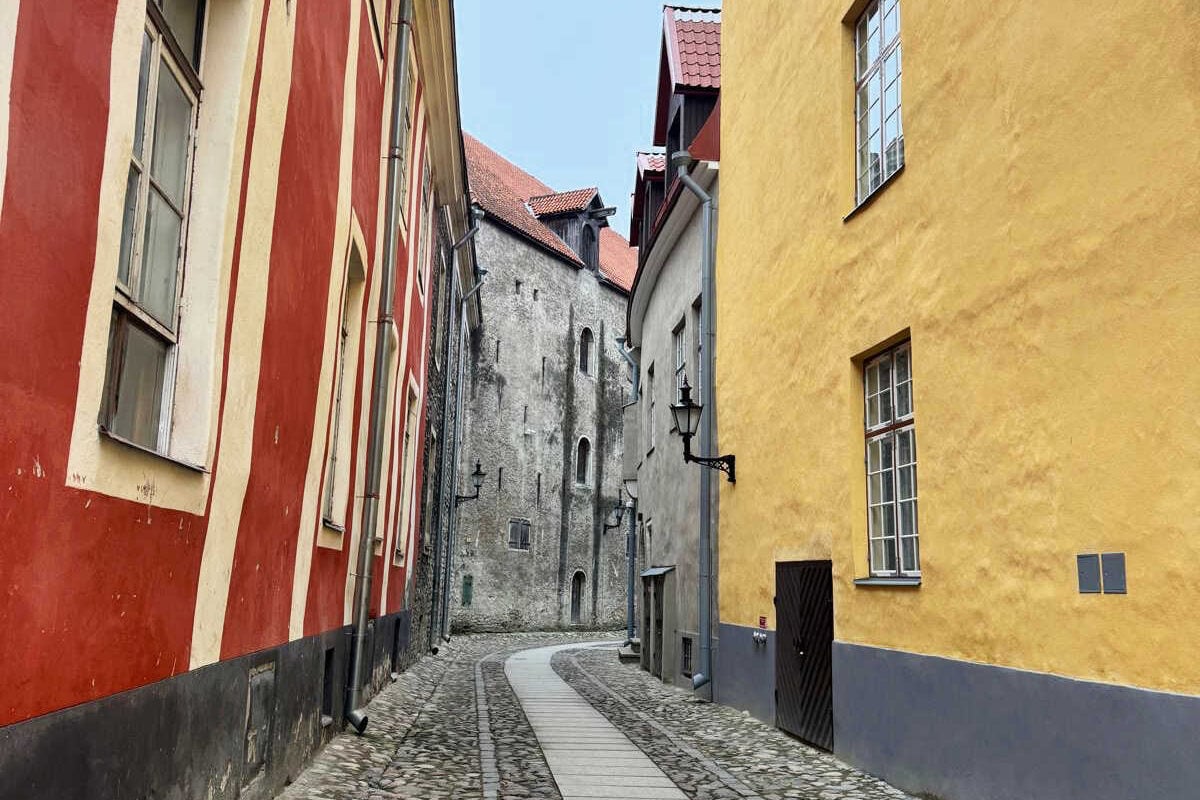
There are no hunchbacks lurking over Tallinn’s russet roofs and crooked steeples, but if you want to see something tangibly real, and undoubtedly historical, St. Catherine’s Passage is arguably the most haunting, visually striking street in the Old Town.
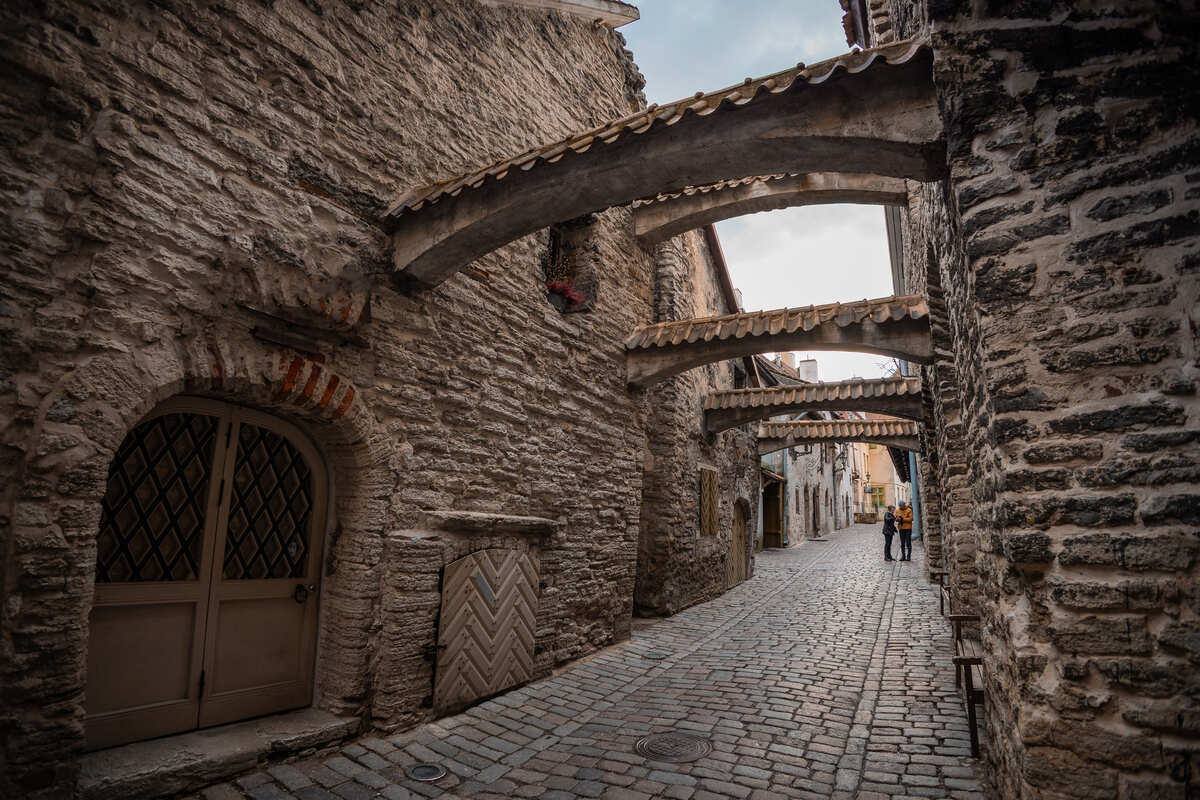
It’s a narrow medieval lane framed by old stone arches and lined with weathered tombstones and artisan workshops, with much of the surrounding architecture dating back to the 15th to 17th centuries.
Whether you’re here at 5 in the morning or smack-bang in the thick of the afternoon rush, those pictures will turn out great, babes, ’cause Tallinn is just that kind of place.
Lighting’s always epic, those stone arches are doing half the composition work for you, and crowds rarely get properly unbearable.
How Actually Affordable Is Tallinn?
Of course, safety and pointy-roofed medieval towers aren’t the only things drawing visitors from all over Europe and beyond.
Though I’ve definitely had cheaper meals elsewhere in the Baltics, particularly Vilnius, Tallinn is relatively affordable by European standards.
Now, I’m not gonna sit here and spin you a yarn that it’s some dirt-cheap Eastern European wonderland where your 20-euro bill will cover breakfast, a hearty lunch, a museum entry, and three pints later in the evening.
Those days are long gone, but that doesn’t mean you can’t find great value here.
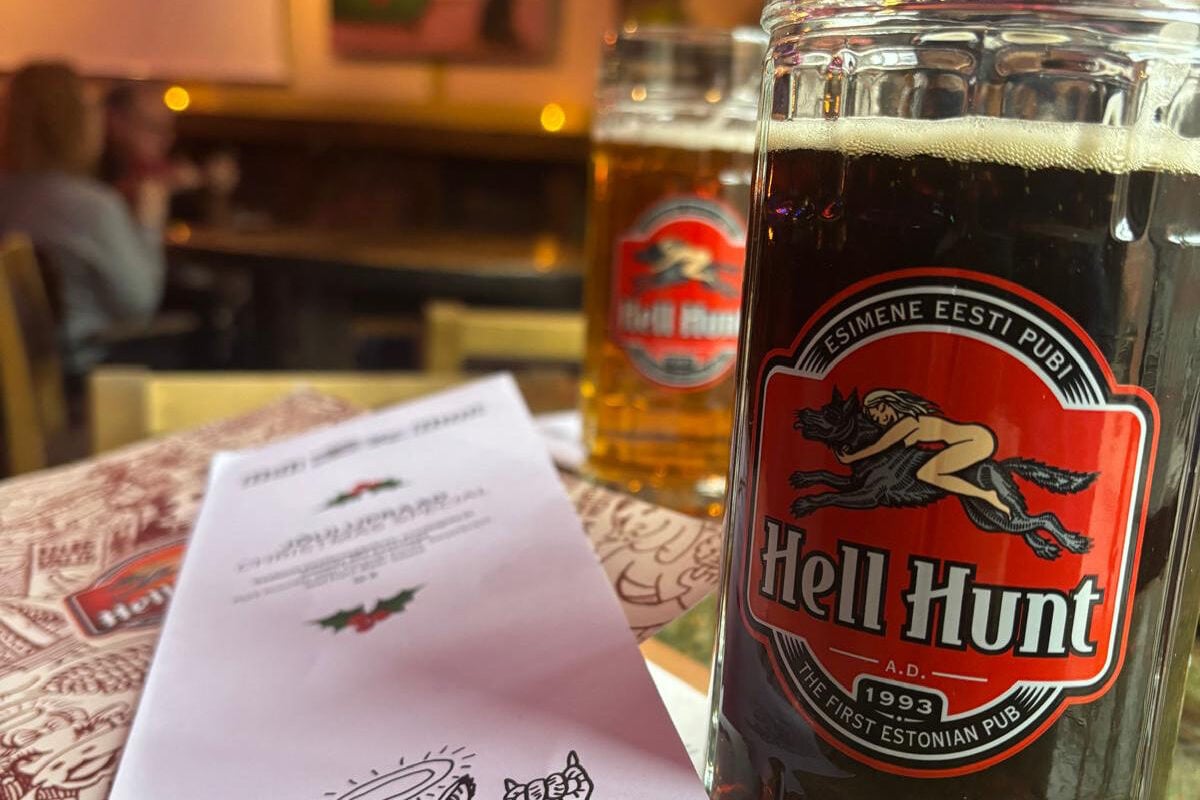
Sit down at Kompressor, this legendary, unfussy pancake pub right in the Old Town, order one of their enormous savory pancakes stuffed with bacon and smoked cheese for around €8, throw in a beer, and watch the bill come back at roughly $15–18 tops.
It’s the kind of place where portions are borderline comical and you don’t feel like you’ve accidentally walked into a tourist trap simply because you’re two streets away from Town Hall Square.
Average Prices In Tallinn, Estonia
- Takeaway lihapirukas: around $3–5 (for a traditional meat-filled Estonian pastry)
- Cappuccino: around $4.50
- Half-liter local draft beer: around $7
- Main dish at an inexpensive restaurant: around $17–18
- 3-course meal at a mid-range restaurant: around $45–50 per person
- Hostel dorm bed in or around the Old Town: around $15–25/night
- Comfortable 3-star hotel: around $110/night on average
- 5-star hotel: roughly $275/night on average, with upscale spa properties commonly landing in the $200–300 range
Estonia’s sort of the black sheep of the Baltics as far as prices go.
Amateur travel writers with no on-the-ground experience will be quick to lump Estonia alongside cheaper countries like Lithuania and Latvia because, well, they’re neighbors, and they all form the ‘Baltic trio’, but believe it or not, Tallinn’s restaurant prices are increasingly more aligned with Milan or Berlin than Vilnius.
It’s not quite Finland-expensive; equally, don’t come here expecting to live like a king on pocket change.
Tallinn At Its Most Effortlessly-Cool
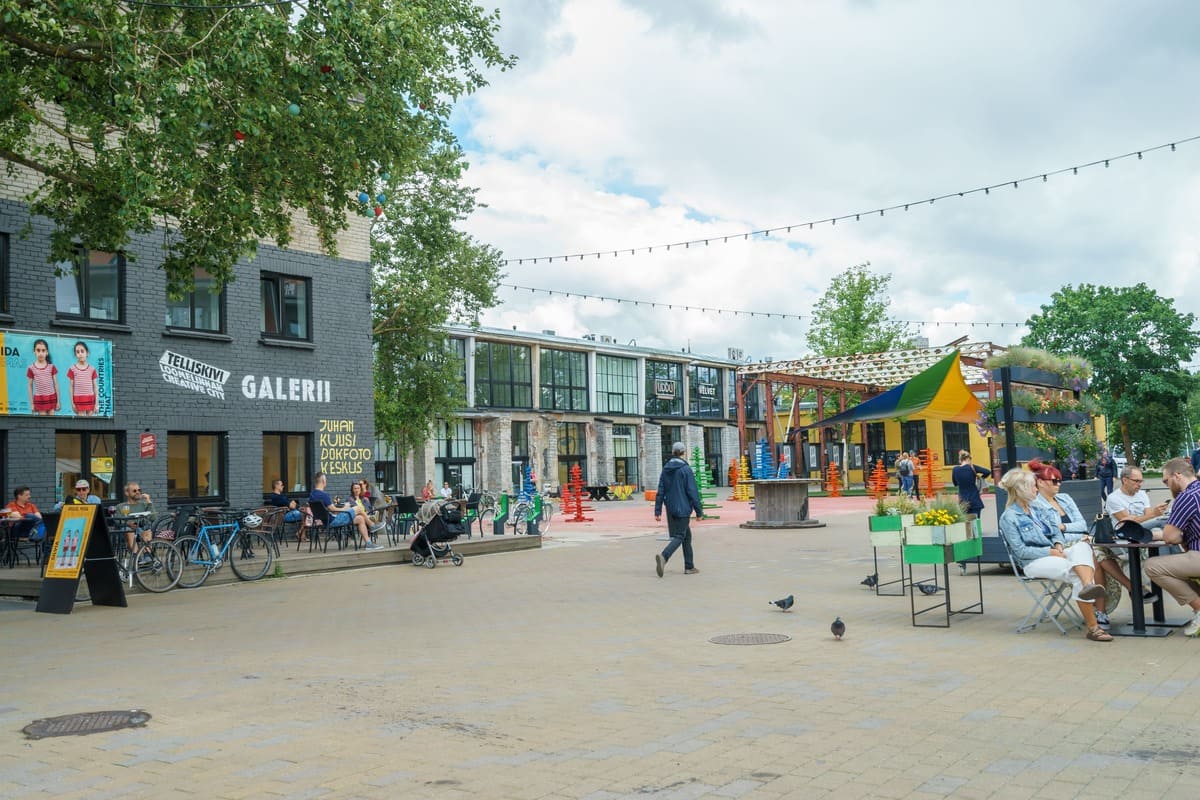
Remember that creative district outside the medieval Old Town I promised we’d circle back to?
It’s called Telliskivi Creative City, or Telliskivi Loomelinnak if you fancy flexing your Estonian, and it’s basically what happens when you take an old railway-industrial complex, hand the keys over to artists, designers, restaurateurs, and people who own suspiciously tiny sunglasses, and tell them to go absolutely bonkers with it.
Think former factory buildings are plastered in gigantic murals, old warehouses now house galleries, independent shops, and bars, and string lights hang across courtyards.
The whole place feels like Tallinn took off its medieval cloak, got a few tattoos, and moved to Berlin for six months.
Medieval ramparts and gigantic street-art murals within a short tram ride of one another? Yeah, Tallinn just gets it.
Enter your email address to subscribe to Travel Off Path’s latest travel news, straight to your inbox
