
Switzerland is probably the last European country on your list if you’re budget-savvy, but 6 visits to Europe’s most sought-after Alpine retreat later, I’ve realized that how far your money goes—and sometimes, how much you enjoy your trip—depends entirely on where you go.
Most visitors head to Zurich for the city buzz, or the Lauterbrunnen Valley for the waterfalls and larger-than-life mountain views, but this early fall, I ventured out to Chur:
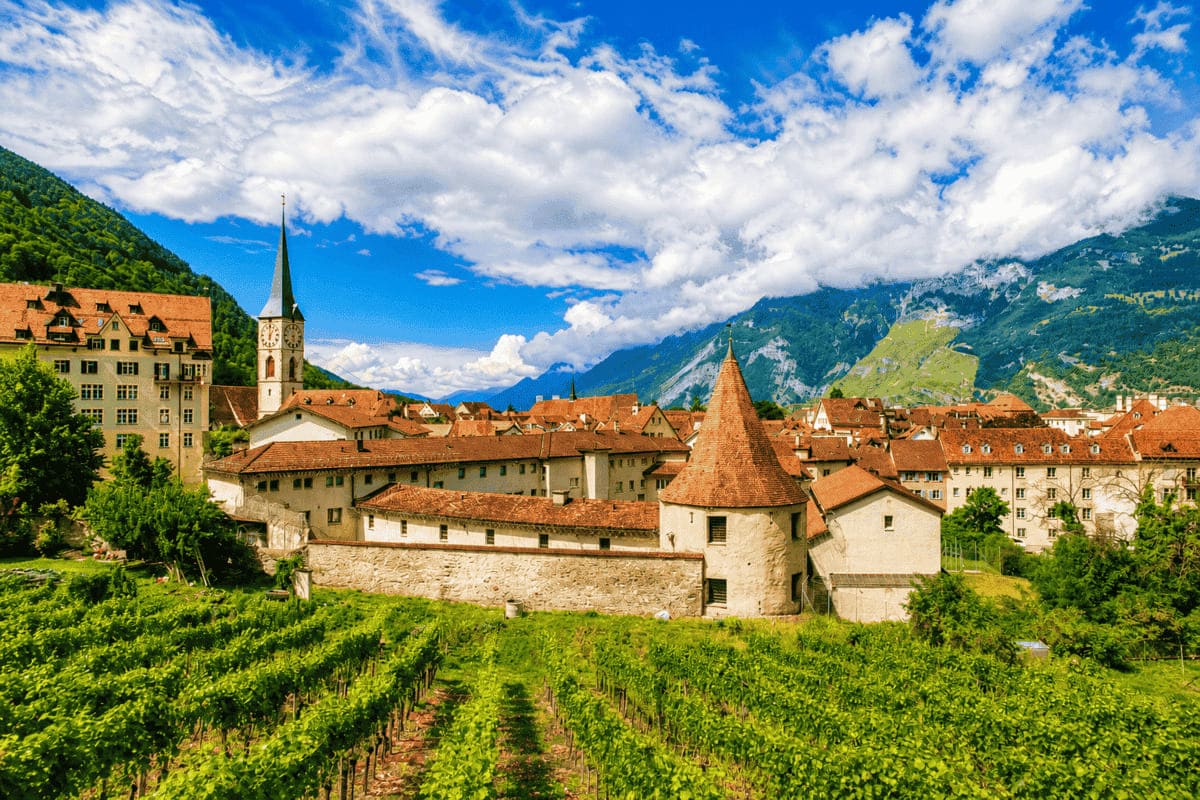
A small city in eastern Switzerland that lays claim to the title of the country’s oldest city.
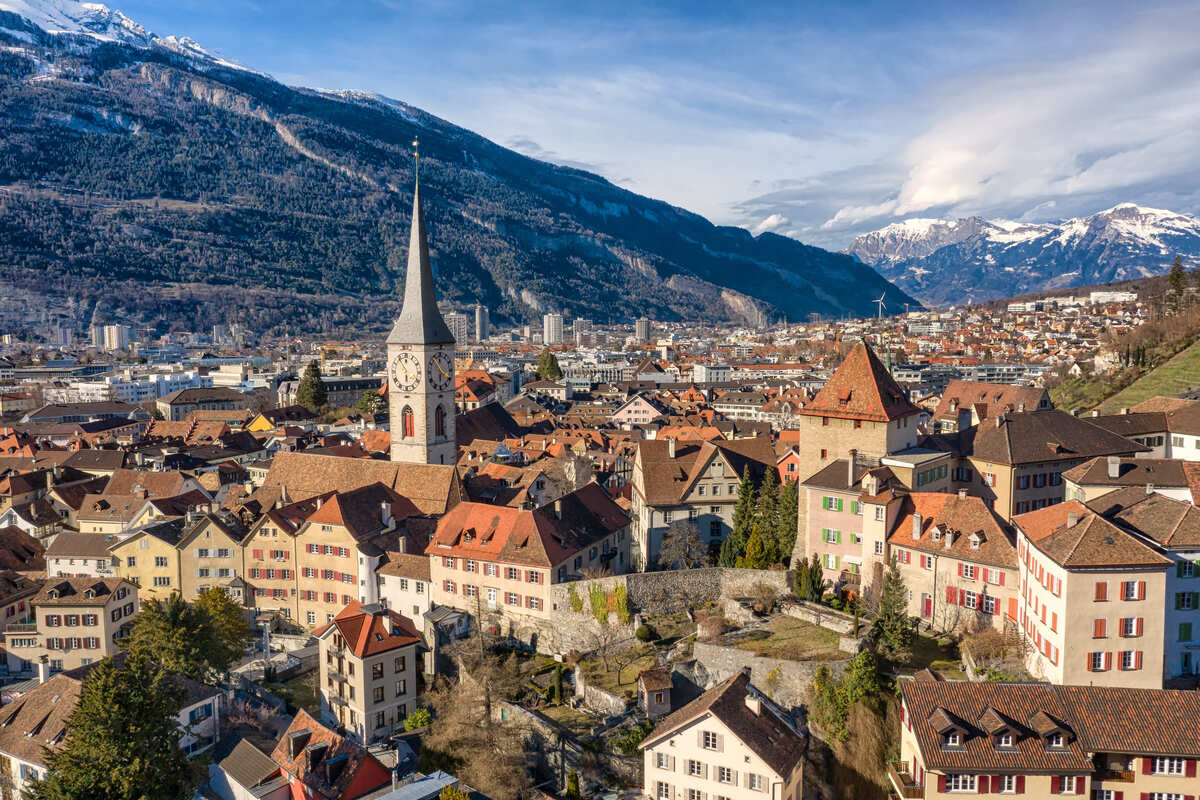
Very few international tourists linger here, yet I was surprised to find a compact, picture-perfect Old Town where pedestrians rule, centuries-old buildings come painted in every color imaginable, and ordering that plate of rösti with gooey Emmental doesn’t actually burn a hole through your wallet like Zurich (just try our calculator below to see for yourself):
The Alpine Gem The Swiss Have Kept Under Wraps For Thousands Of Years
I’ve been to possibly every medieval town you can name across the pond, and from turreted castles to chiming clocks, I’ve seen them all, including a fair few around Switzerland itself, so it’s not often I’m genuinely impressed by painted façades and cobbled lanes.
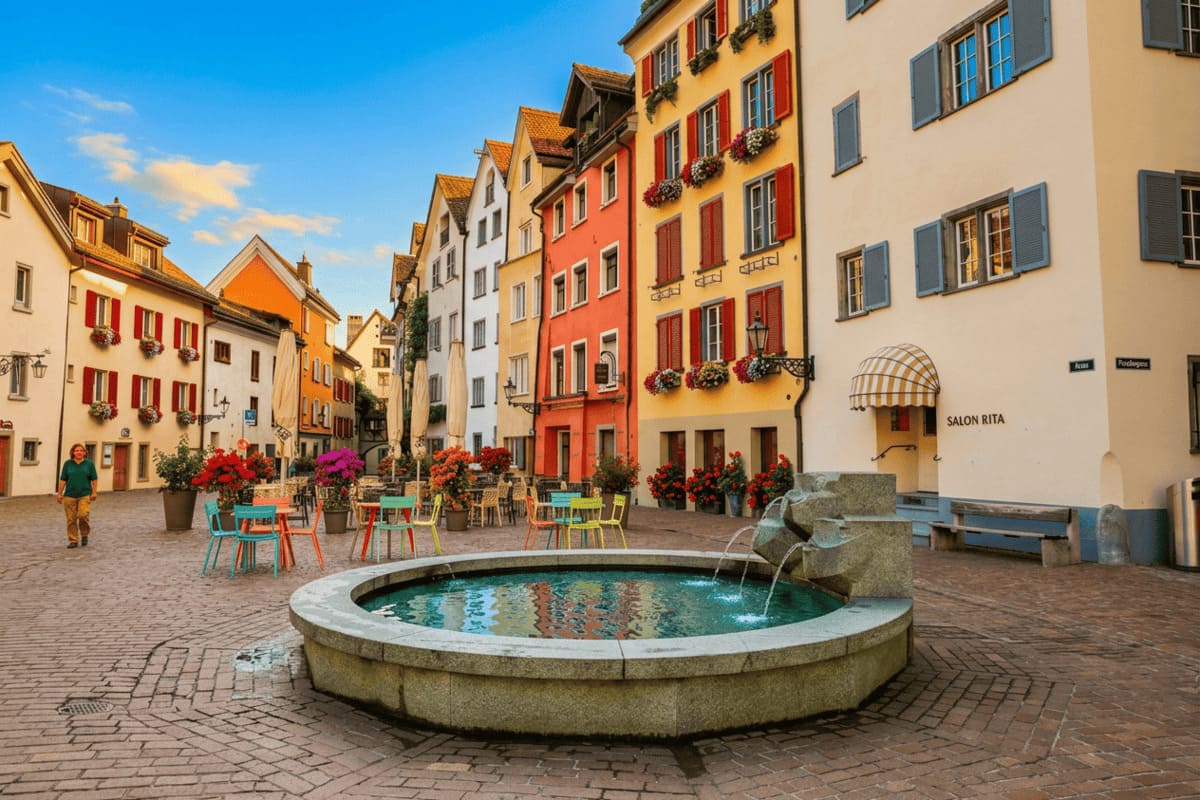
Yet somehow, Chur completely snuck up on me.
I was only stopping there to catch the Bernina Express later that day, but I ended up wishing I could have stayed longer.
Maybe it’s the fact I was knackered after a couple of days dashing and weaving around a surprisingly jam-packed Basel, or the fact I desperately needed a breather from the big-city bustle, but taking the escalator up from the underpass at Chur railway station, straight into a broad square fringed by jagged mountains, instantly took my breath away.
Well, the roughly 1,950-foot elevation may have contributed to that effect, but you get the gist.
Chur is Switzerland’s oldest city, with evidence of human settlement stretching back more than 13,000 years. From a rural, Bronze Age alpine settlement, it later grew into Curia Raetorum, a Roman road station, though what you see standing today is largely medieval in character.
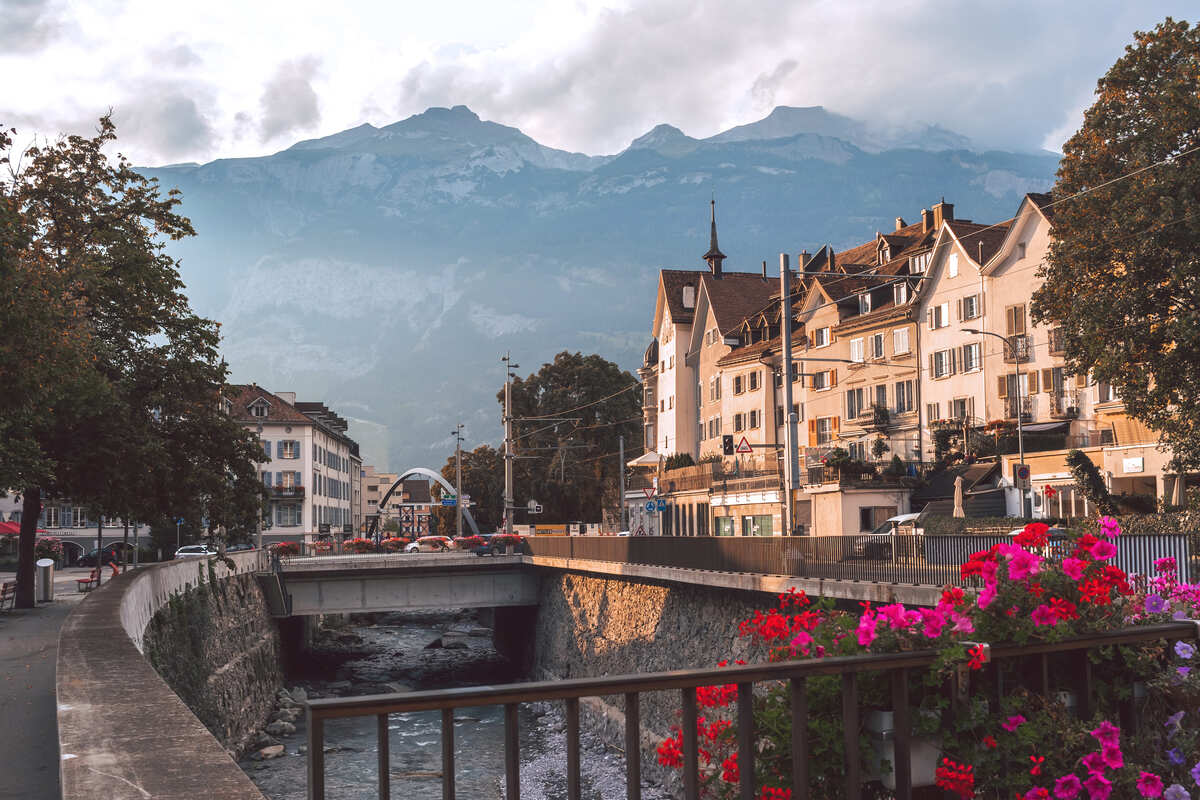
Not that I’m complaining, mind: save the temples and amphitheaters for Aosta, an equally underrated Alpine gem over in Italy, and leave the painted façades and storybook townscape for pretty little Chur.
A Fairytale Medieval Center Without The Buzzing Traffic
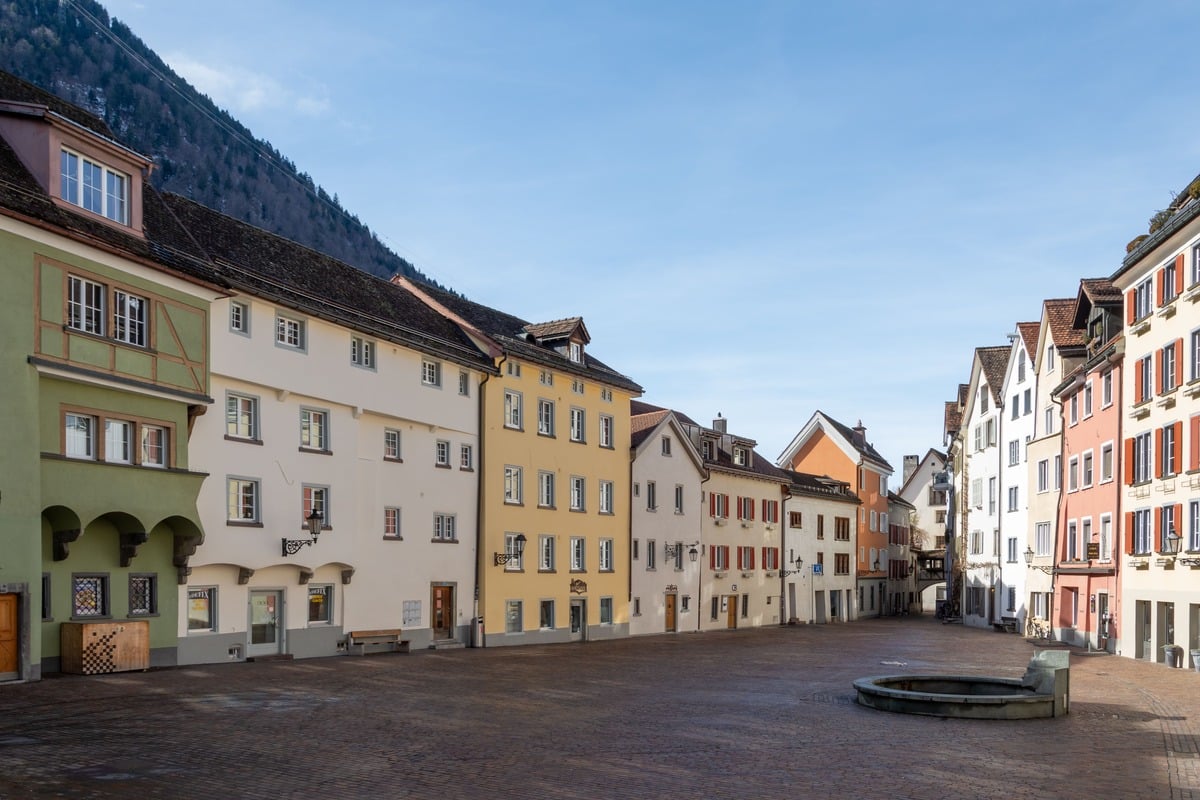
The entire Old Town oozes historic charm, and the sheer number of cute, cozy coffee shops on offer will give you a caffeine rush just looking at them. Oh, and zero traffic within the boundaries of the historic core.
Arcas Square is one of Chur’s prettiest corners, and a traffic-free plaza flanked by colorful, tightly-packed houses. Café Arcas serves strong coffee, cakes, and light bites on its sunny terrace.
Tucked away on the eastern edge of town, the Cathedral of Saint Mary of the Assumption is one of the city’s most fascinating medieval monuments, an 800-year-old marvel topped with a stout bell tower.
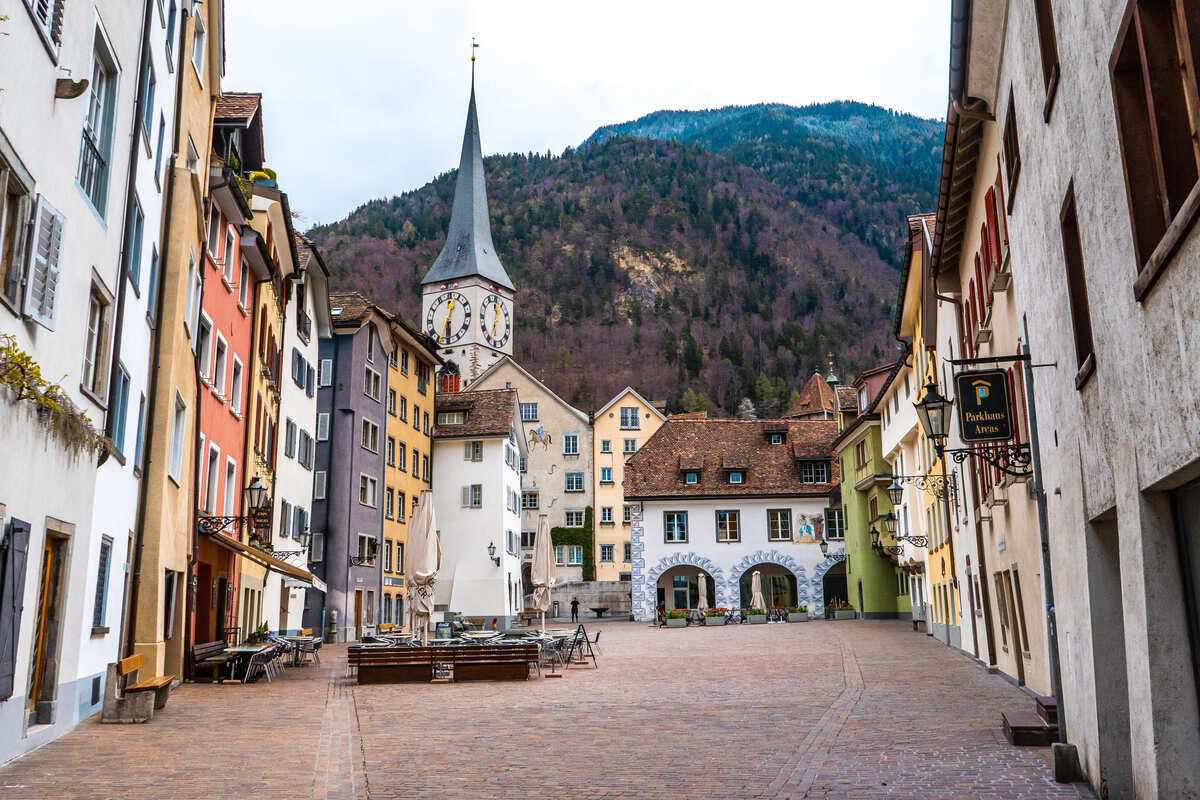
The exterior doesn’t look nearly as ornate as some other Swiss cathedrals you might pass on your way here, especially compared with Bern or Basel, but wait until you see that elaborate, late-Gothic golden high altar inside.
The kicker? Despite being an absolute pocket-sized fairytale of a place, Chur sees far fewer tourists than other Swiss heavyweights.
Last year, it logged roughly a quarter-million hotel nights, a fraction of Bern’s, Zurich’s, Geneva’s multi-million counts, and you can’t blame it on some supposed remoteness or poor transport links, either:
It may not have an airport, or sit on one of Europe’s headline international rail corridors—you’re unlikely to wind up here by accident on a Paris-to-Rome run—but it’s surprisingly easy to reach from a gateway like Zurich.
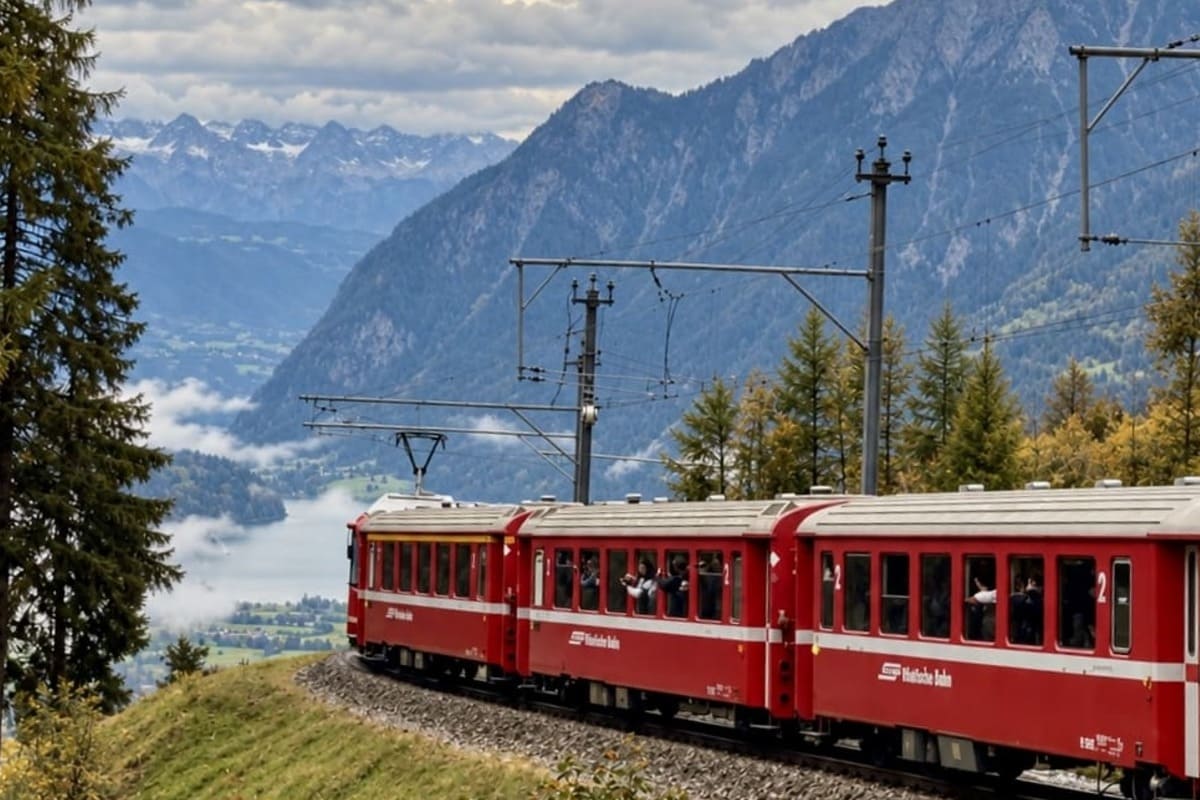
The direct train ride from Zurich to Chur takes as little as 1h14, and advance one-way tickets can start from around $29.
Your Chur Mini Guide
What Not To Miss
- Old Town: car-free lanes and painted façades
- Arcas Square: Chur’s prettiest pastel-coloured corner
- Cathedral of Saint Mary of the Assumption: Romanesque cathedral and golden high altar
- Bishop’s Court: fortified quarter above the Old Town
- Obertor: Chur’s landmark medieval city gate
- Rhaetian Museum: local history museum housed in a Baroque mansion
Where To Eat
- Rätushof: rösti, pizokel, and hearty regional comfort food
- Franziskaner: capuns, fondue, and Grisons barley soup
- Veltliner Weinstube zum Stern: polished Grisons classics and local wine
- Café Arcas: coffee, cake, and other light bites on Arcas Square
How To Get To Chur
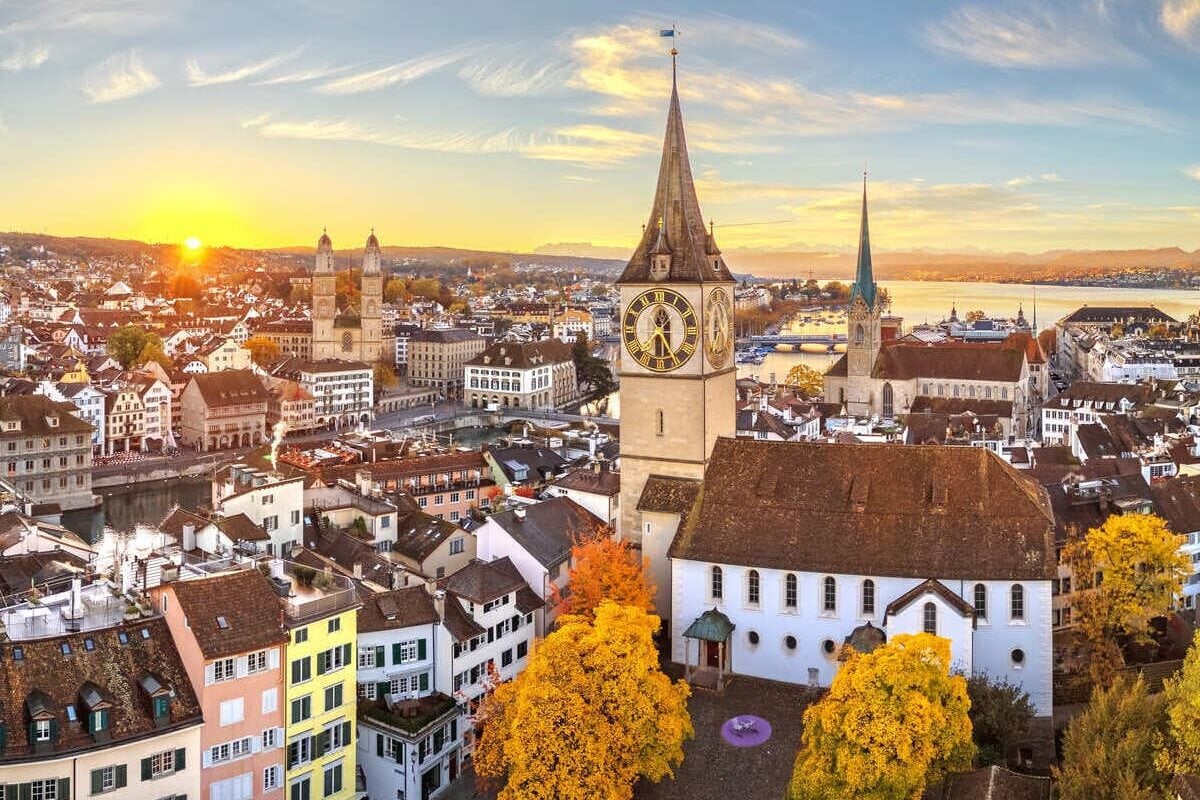
- From Zurich (the most convenient): direct InterCity train in about 1h14, roughly $29
- From Basel: direct or one change, taking about 2h15, roughly $54
- From Bern: direct services or one change in Zurich, taking about 2h21, roughly $63
- From Geneva: usually one change, taking about 4h10, roughly $73
- From Milan (Italy): EuroCity towards Zurich, followed by an onward train to Chur, taking about 4h40, roughly $82
Note From The Editor
Just one sec! If you enjoy reading great human-written articles, the best way to see a few more is to follow us on Google so we become one of your preferred websites. Thank you so much for reading. Now back to the story!
What Language Is Spoken In Chur?
German is the city’s official language, while locals generally speak Swiss German day to day.
You may also hear Romansh, the Latin-descended fourth national language of Switzerland, and Italian. As a matter of fact, Grisons is Switzerland’s only trilingual canton, with 3 of the aforementioned languages sharing co-official status.
Lucky for casual visitors who don’t exactly fancy dabbling into regional dialects, English is widely understood in hotels and restaurants.
How Many Days Should You Stay In Chur?
Chur is ideal for an overnight stop before catching the Bernina Express, though 2 or 3 days make more sense if you want to slow down and explore the surrounding nature before moving on.
The Safest Corner In Europe These Days
It probably goes without saying, but the reason I love Switzerland so much, and have now been back 6 times, is how orderly and safe it feels compared with much of Europe these days.
Granted, I live in France, so anywhere remotely calm and visibly clean will score points, but even the U.S. Department of State will back me up: the good old Franco-German-Italian-and-Romansh Confederation remains at a solid Level 1, its lowest advisory level.
This means Americans should exercise normal precautions when visiting.

Crime can occur, especially in crowded stations, on trains, and around larger urban hubs like Zurich or Geneva, but the main visitor-facing risk is opportunistic theft rather than violent altercations.
Travelers agree with U.S. government experts on this one: Switzerland scores 85 out of 100 on the Travel Off Path Traveler Safety Index, a tool based on on-the-ground reports from recent visitors.
Before you go barrelling around and hopping across these European borders like it’s nobody’s business, make sure you’re up to date with the continent’s latest sweep of travel regulations on the Entry Requirement Checker.
Back to Chur, in a sense, it can feel like Switzerland at a rare discount compared with what you get elsewhere in the country.
Probably The Only Canton Capital In Switzerland Where You Can Find Normal-Priced Wine & Eats
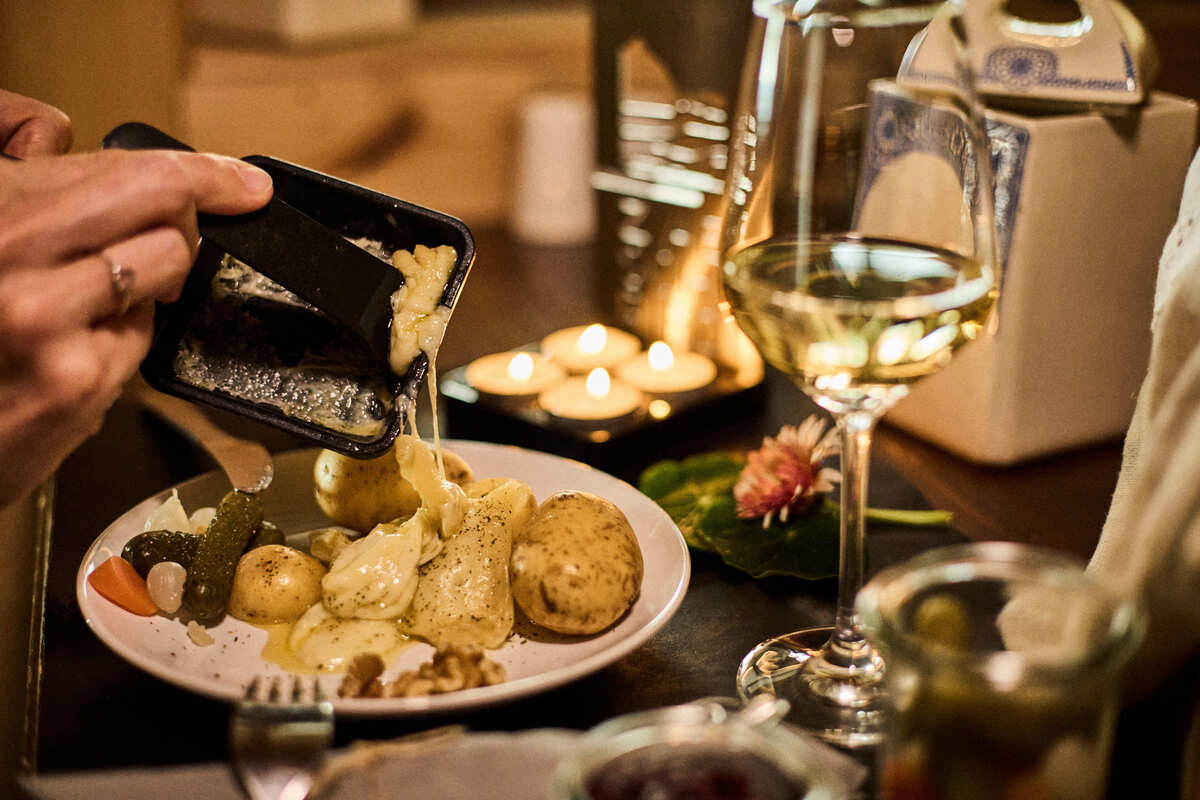
Chur is one of Switzerland’s most underrated gateways for oenophiles.
I’m not a devoted wine buff myself, but the fact I couldn’t tear myself away from that silky, berry-rich glass of Bündner Pinot Noir tells you all you need to know.
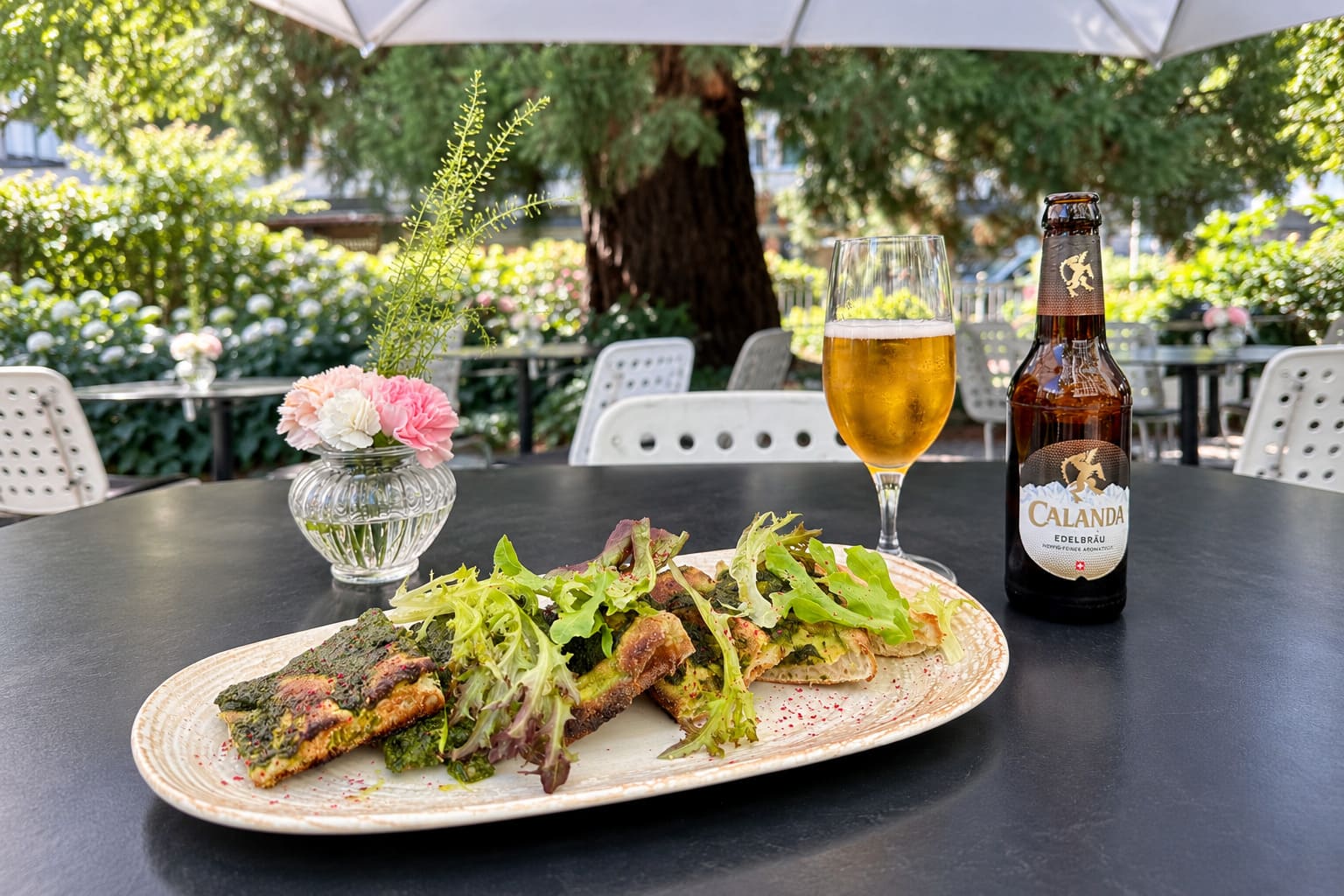
For a hearty, no-frills dinner in downtown Chur, preferably in a place locals themselves pile into at the weekend, make a beeline for Rätushof, a traditional restaurant on Bahnhofstrasse, at the edge of the Old Town, serving some killer rösti and pizokel.
Full-sized mains range from $22 to about $25, while a hearty house rösti comes to around $32.
If you don’t mind stepping it up a notch for a special evening—this is Switzerland, after all—but you don’t want to go full-blown fine dining, try Franziskaner: a large plate of capuns costs CHF27.50, or roughly $34.
Chur is the capital of the Swiss canton of Grisons, and despite being home to only 41,700 residents, it is the largest city in what’s a vastly rural, overwhelmingly mountainous area.
This doesn’t mean you should expect local prices to be cut in half, but it still has that low-key, local-market-town feel, and prices can feel somewhat more moderate.
Not Exactly A Big-Savings Kind Of Destination, But Not A Daylight Alpine Robbery Either
Accommodation is where you’re most likely to save compared with somewhere like Zurich or Geneva:
Current booking platforms list Chur hotels from around $160-a-night, while KAYAK places Zurich’s average double room rate at a jaw-dropping $395.
If you’re eating out, lunch specials and no-frills local mains can also be slightly cheaper, but the gap quickly narrows once you start adding wine and dessert.
Think of Chur as Switzerland with the financial sting dialed down: it’s far from being cheap, or even conventionally affordable by any metrics, not at all, but you won’t leave here rethinking your entire travel budget.
Average Prices In Chur, Switzerland
- Takeaway snack, such as a slice of Bündner Nusstorte or a bakery sandwich: $6–12
- Pizza in a casual restaurant: $21–31
- Main Swiss dish in a local restaurant: $30–55
- Cappuccino: $6–7.50
- Glass of local wine: $10–17
- Local draught beer: $8–11
- Three-course dinner with one glass of wine: $70–115 per person
- Local public transport ticket: $3.50–5.50
- Budget hotel or guesthouse: $160–220 per night for two
- 4-star hotel: $270–360 per night
Explore Eastern Switzerland Beyond Chur
Chur is a beautiful medieval town that looks as if modernity took a polite detour around it, and it’s far better value budget-wise than other Swiss tourism hotspots, but that’s not the only reason why you should venture out here.
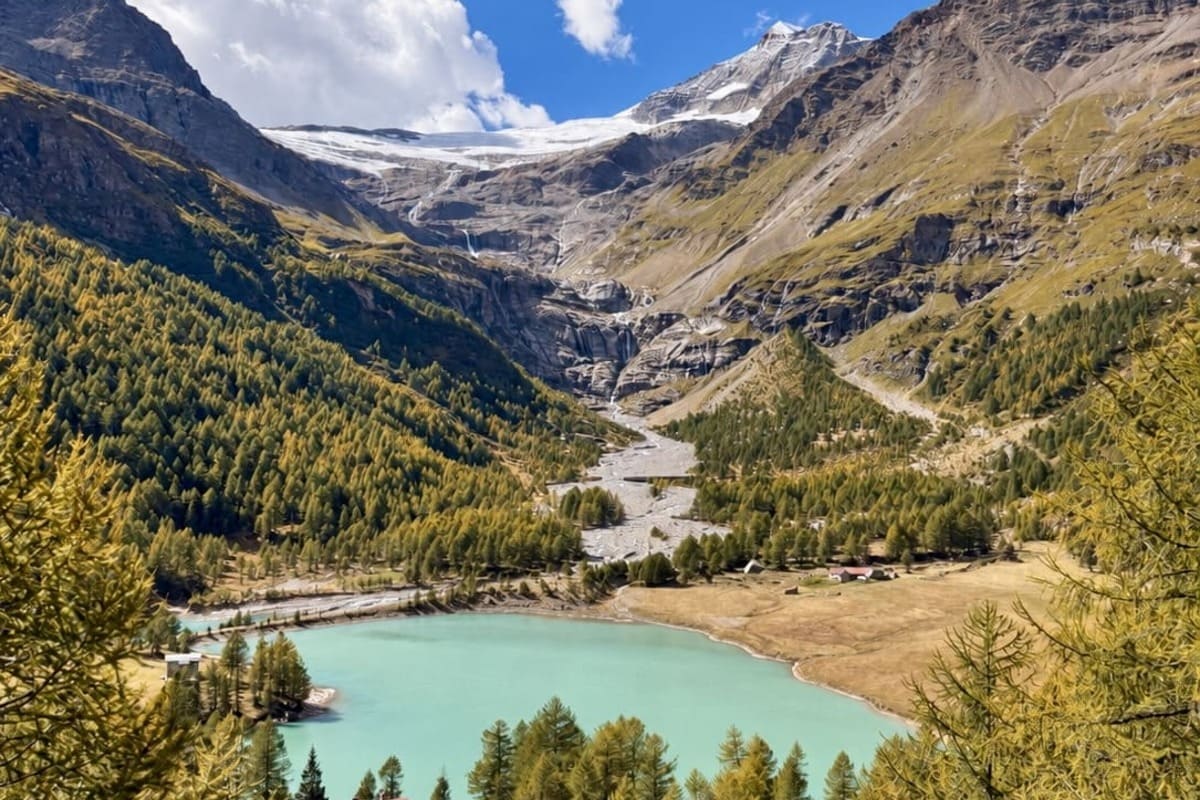
The Alpine playground surrounding Chur is a destination in its own right, and you could easily spend an entire weekend here hiking and lake-hopping:
- Viamala Gorge: a narrow, sheer-walled canyon near Thusis
- Brambrüesch: Chur’s cable-car mountain and easiest Alpine escape
- Dreibündenstein: panoramic ridge trail above Brambrüesch
- Rhine Gorge: pale cliffs, forest, and the turquoise Rhine
Of course, Chur is also the starting point of the Bernina Express, the most scenic alpine railway crossing in Europe.
Traveling on the Bernina Express from Chur to Tirano, Italy? Read our full Tirano town guide here.
Enter your email address to subscribe to Travel Off Path’s latest travel news, straight to your inbox
