
I knew I had hit the authenticity jackpot. The thick, humid air of the Sierra Nevada mountains hits you the second you roll down the windows on the drive out of the airport. You are not pulling into a Americanized resort zone. Instead, the two lane road winds directly through dense emerald rainforest until it abruptly spills out onto the coastline. I recently spent a week navigating this exact stretch of the Colombian Caribbean, and the contrast is absolutely jarring. You can stand ankle deep in perfectly clear, warm ocean water while listening to howler monkeys moving through the jungle canopy right behind you. It is raw, it is untamed, and it feels entirely removed from the standard, prepackaged vacation experience.
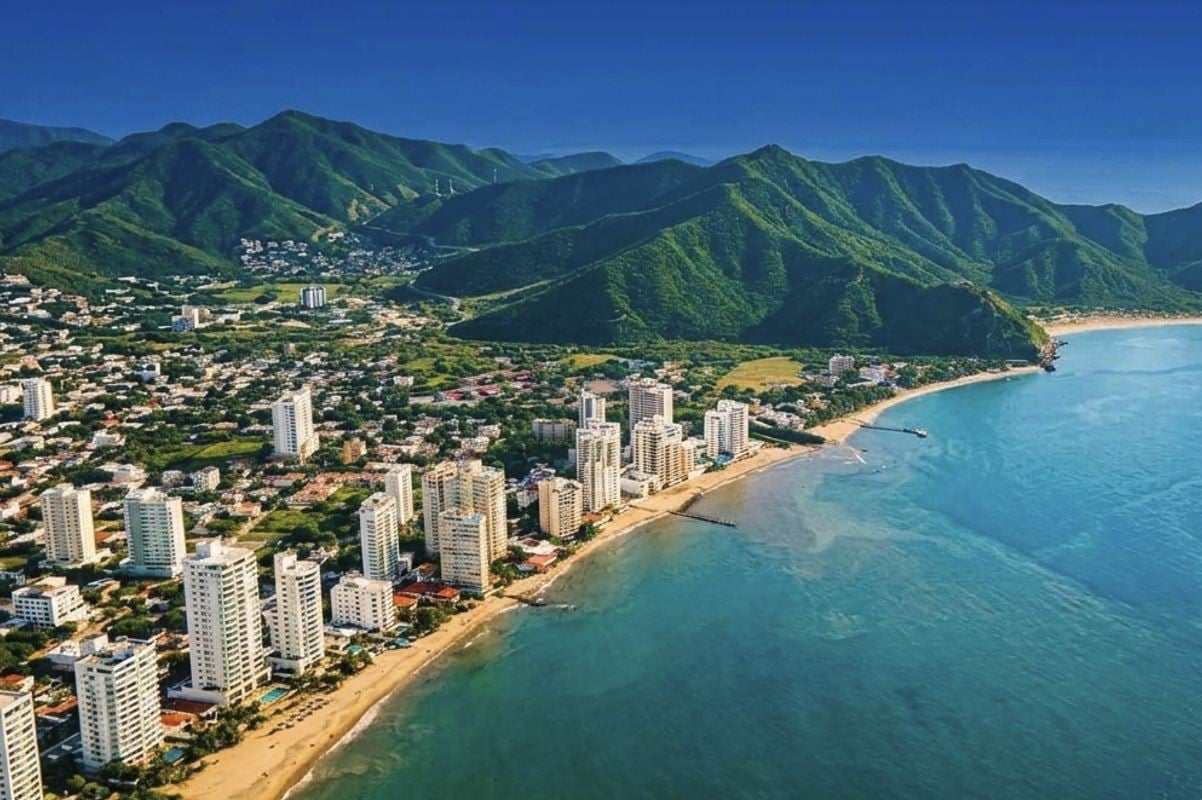
While the majority of North American travelers are currently packing themselves into the heavily commercialized hotel zones of Mexico or the standard Caribbean islands, the northern coast of Colombia is quietly writing a completely different story. Savvy travelers are bypassing the crowded tourist streets of Cartagena and heading further up the coast to Santa Marta and its surrounding jungles. They want eco tourism, rich culture, and unbelievable value for their dollar, and this region delivers all three flawlessly.
The South American Tourism Surge
A massive part of this record breaking surge comes down to a global shift in what travelers actually value. Colombia is gaining massive momentum as an international destination, with recent statistics showing international visitor flows to Santa Marta specifically growing by 19.7 percent in 2025. The momentum is undeniable.
Travelers are actively seeking more than just a generic beach chair. They are exhausted by paying premium prices for manufactured resort experiences that feel exactly the same no matter what country they are in. Because Santa Marta sits at the foothills of the Sierra Nevada mountains and faces directly into the Caribbean Sea, the water is warm, the backdrop is dramatic, and the climate stays at a flawless 85 degrees all winter long. You get the pristine ocean experience combined with actual towering rainforests.
The Hyper Specific Price Breakdown
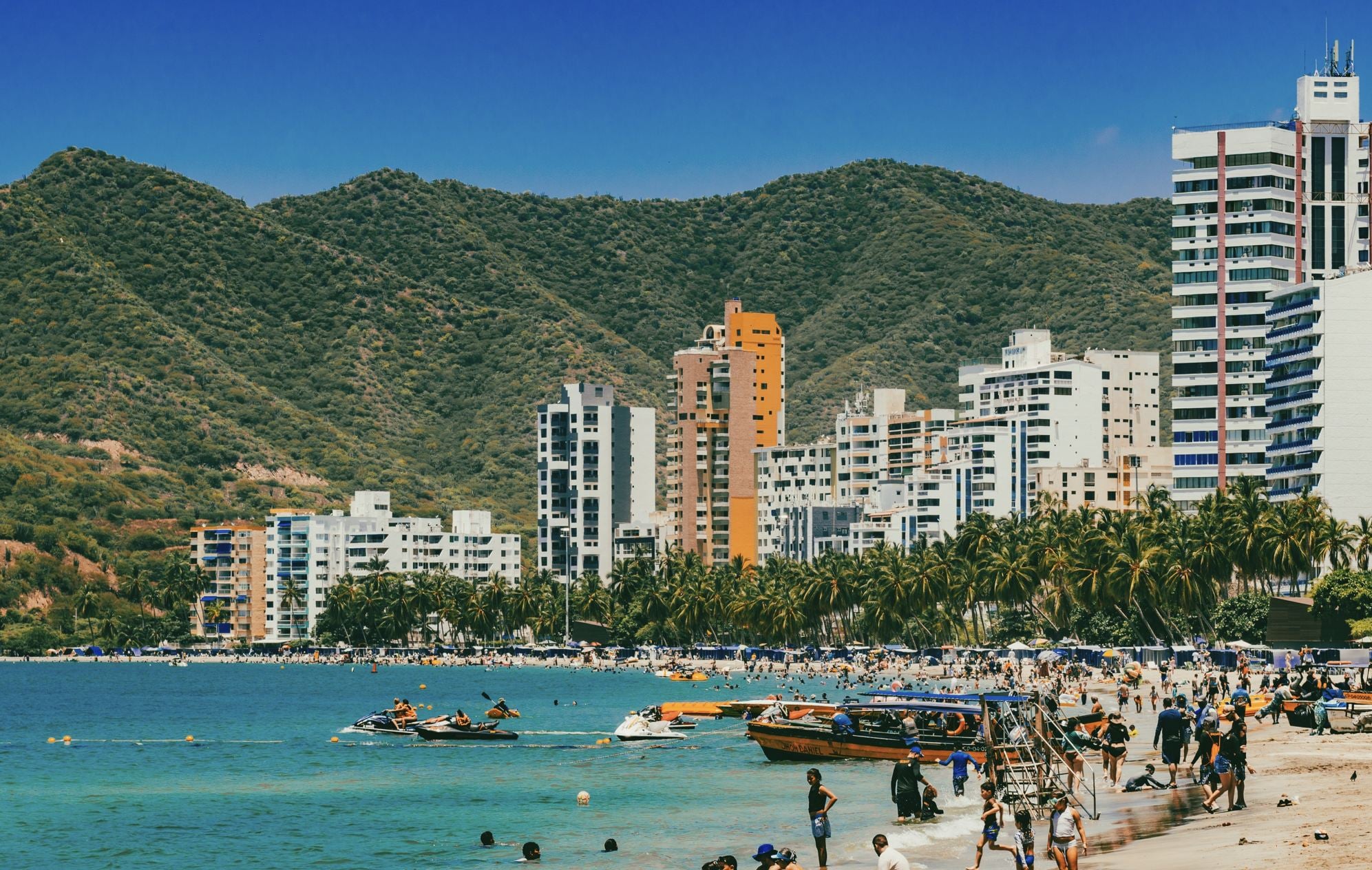
The cost of a standard tropical vacation has skyrocketed over the past three years, but Santa Marta operates on a totally different financial frequency. Because this is an actual working coastal city rather than a corporate tourist compound, a localized economy thrives right alongside the visitors. You do not need to drop half your savings account on a luxury all inclusive package to spend a week soaking up the sun here.
When you bypass the major commercial travel portals and book directly within the eco lodges, your dollar stretches to unbelievable lengths.
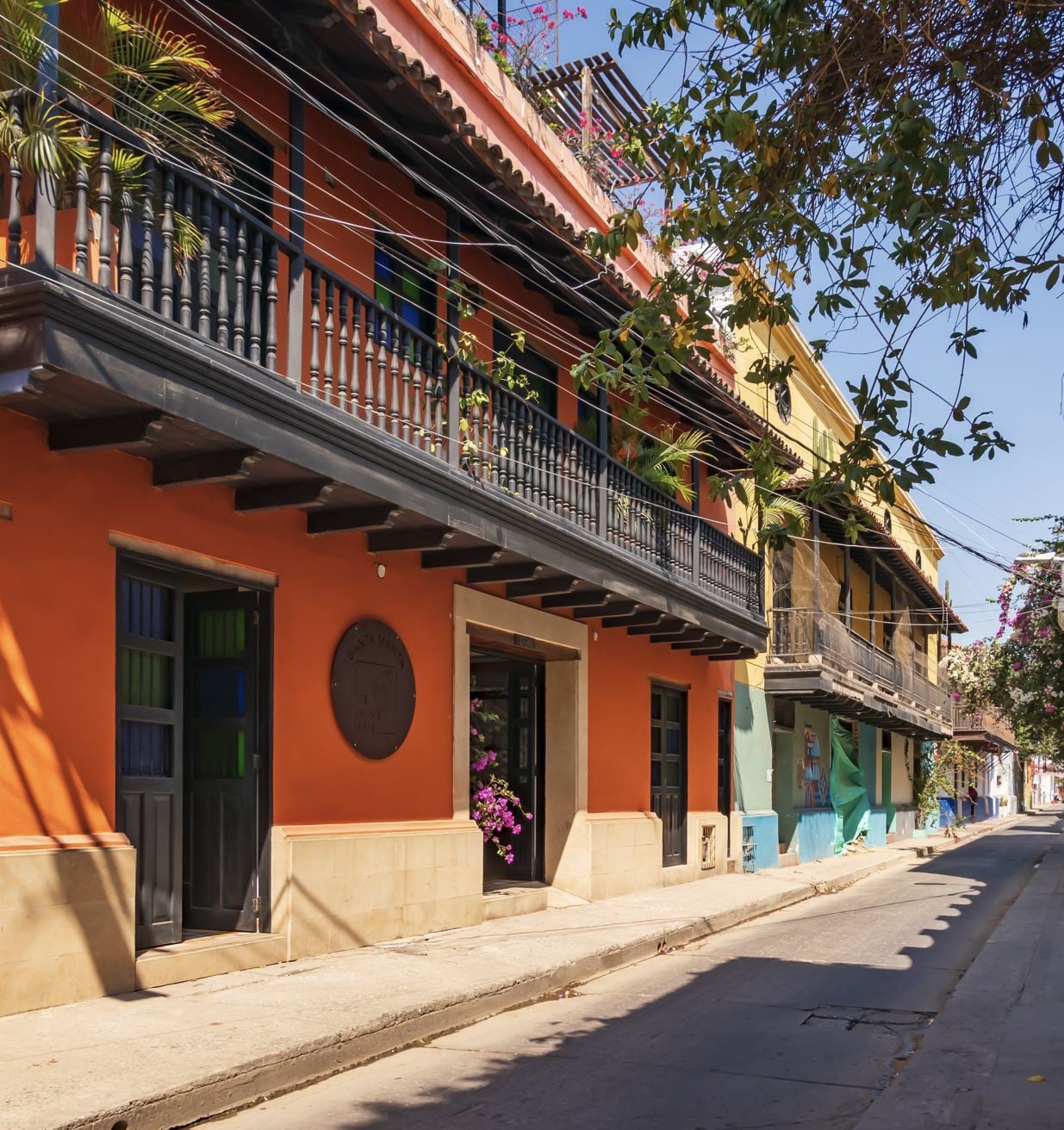
- Boutique Jungle Eco Lodge: $45 to $80 USD per night, completely surrounded by nature where you wake up to the sounds of the forest.
- Whole Fried Red Snapper Feast: $12 to $15 USD, served directly on the beach with sweet coconut rice, fresh salad, and crispy plantain patties.
- Ice Cold Local Aguila Beer: $2.00 to $2.50 USD at any casual beach bar or corner store.
- Fresh Arepas or Empanadas: $1.50 USD each for a hot, incredibly filling street food breakfast.
- Full Day Boat and Hike Tour: $25 to $35 USD to reach the secluded beaches hidden further down the coast.
- Fresh Catch Ceviche: $5.00 USD, prepared with fresh lime right on the sand for a light afternoon snack.
Note From The Editor
Just one sec! If you enjoy reading great human-written articles, the best way to see a few more is to follow us on Google so we become one of your preferred websites. Thank you so much for reading. Now back to the story!
Ancient Ruins And Protected Jungles
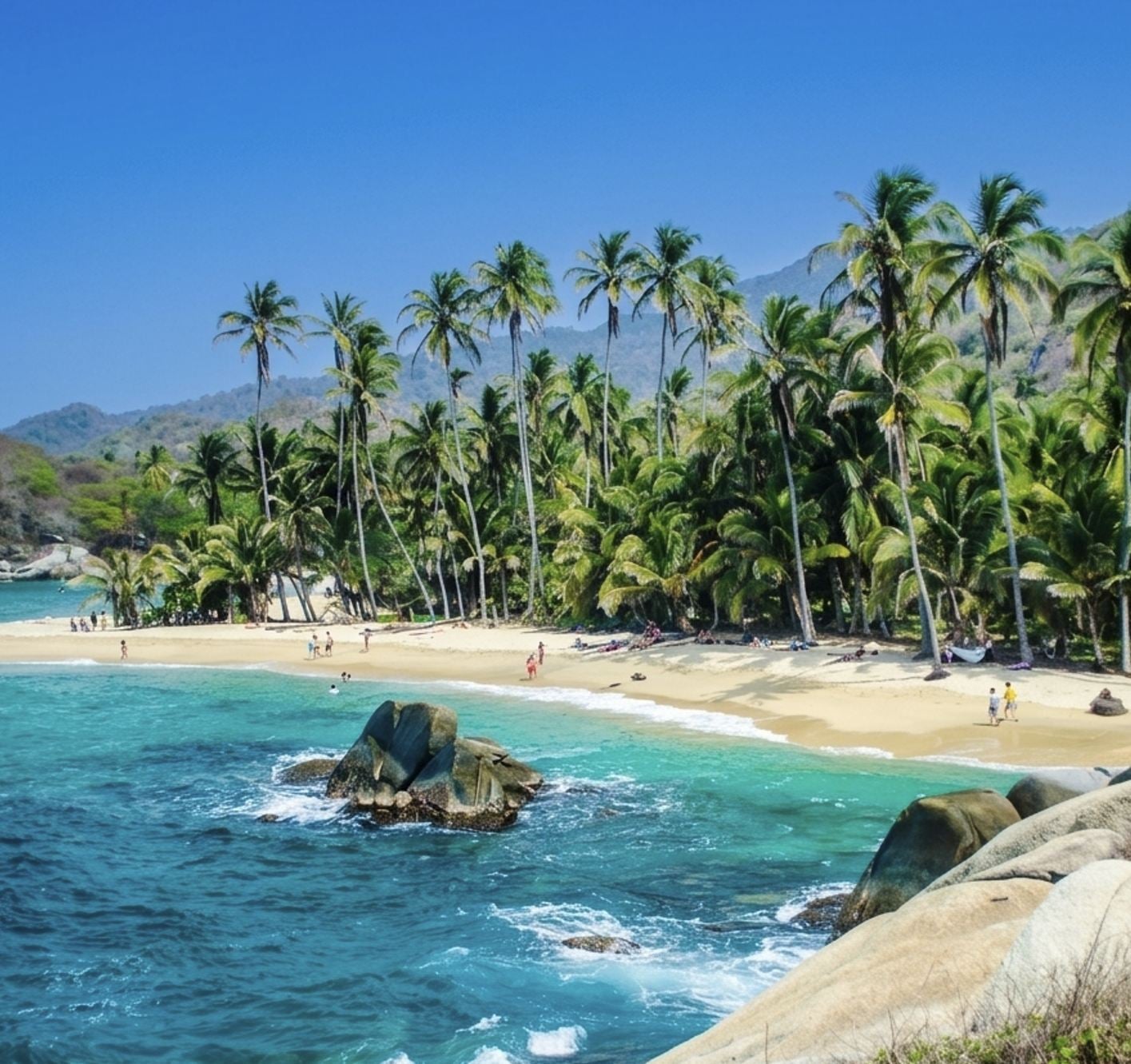
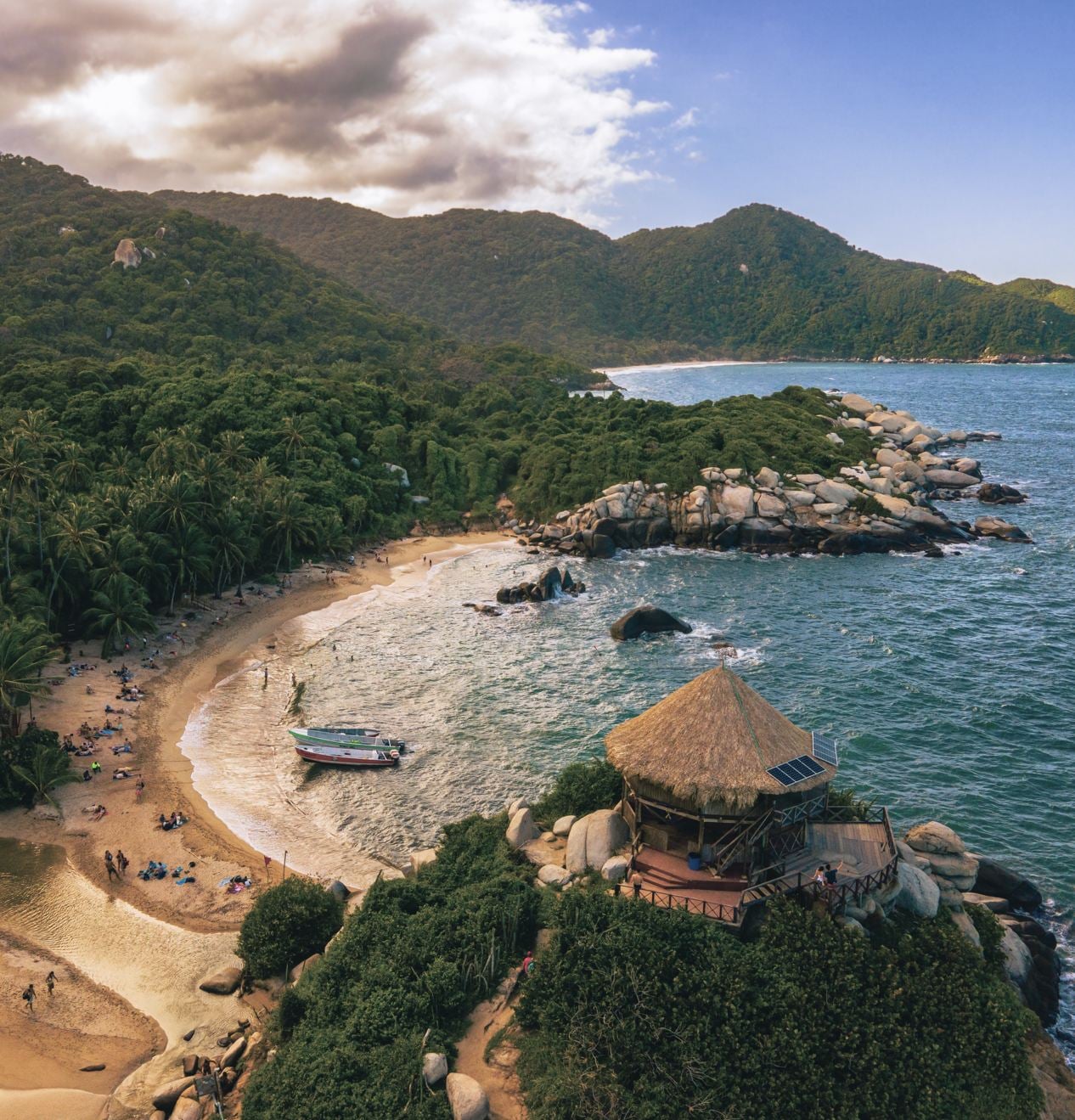
When you finally want to step away from the beach, absolute adventure is waiting literally right behind you. Santa Marta serves as the ultimate gateway to Tayrona National Park, a massive protected ecological reserve packed with coastal dry forests and wildlife. You can hike deep into the jungle to discover hidden bays like Cabo San Juan, where massive ancient boulders separate perfectly clear swimming coves.
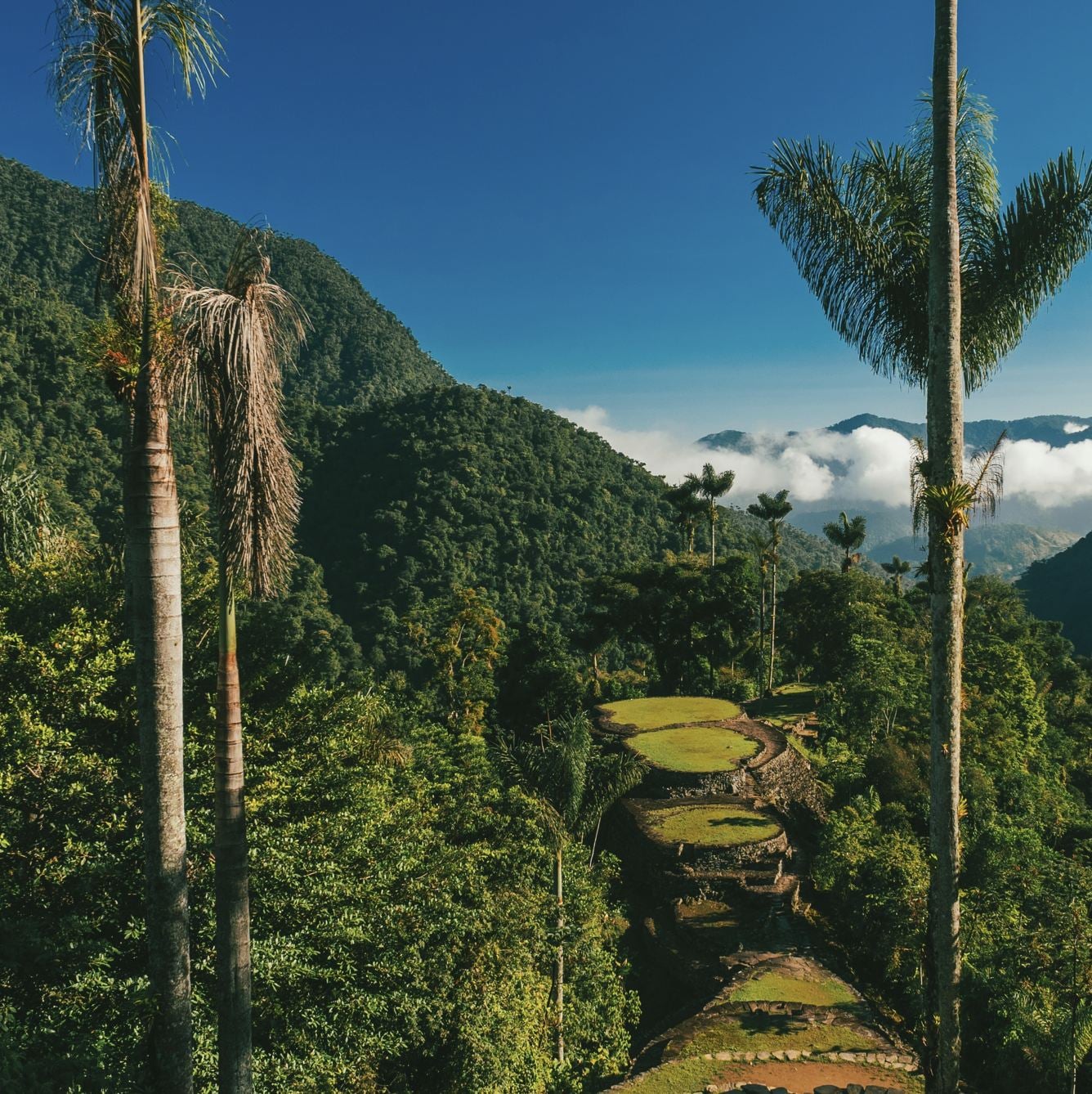
Beyond the immediate beaches, this region is the starting point for the trek to the Lost City. These ancient indigenous ruins are tucked high up in the Sierra Nevada mountains, predating Machu Picchu by several centuries. Hiking through the dense jungle to reach these terraced stone structures is an otherworldly experience. It is the perfect adventurous reset, and it feels a million miles away from the crowded tourist buffets found on standard island getaways.
Dismantling The Travel Logistics
The logistical reality of traveling the Colombian coast is part of what makes it so incredibly rewarding. Exploring the deep jungle and hidden bays requires a true sense of adventure, authorized local guides, and a willingness to step off the paved roads. While the initial flight into Santa Marta via Bogota or Medellin is remarkably easy, reaching the pristine beauty of Tayrona National Park or trekking up to the Lost City is not a simple stroll from a resort lobby. You will be navigating authorized off road vehicles, understanding local transit schedules, and hiking through intense tropical environments.
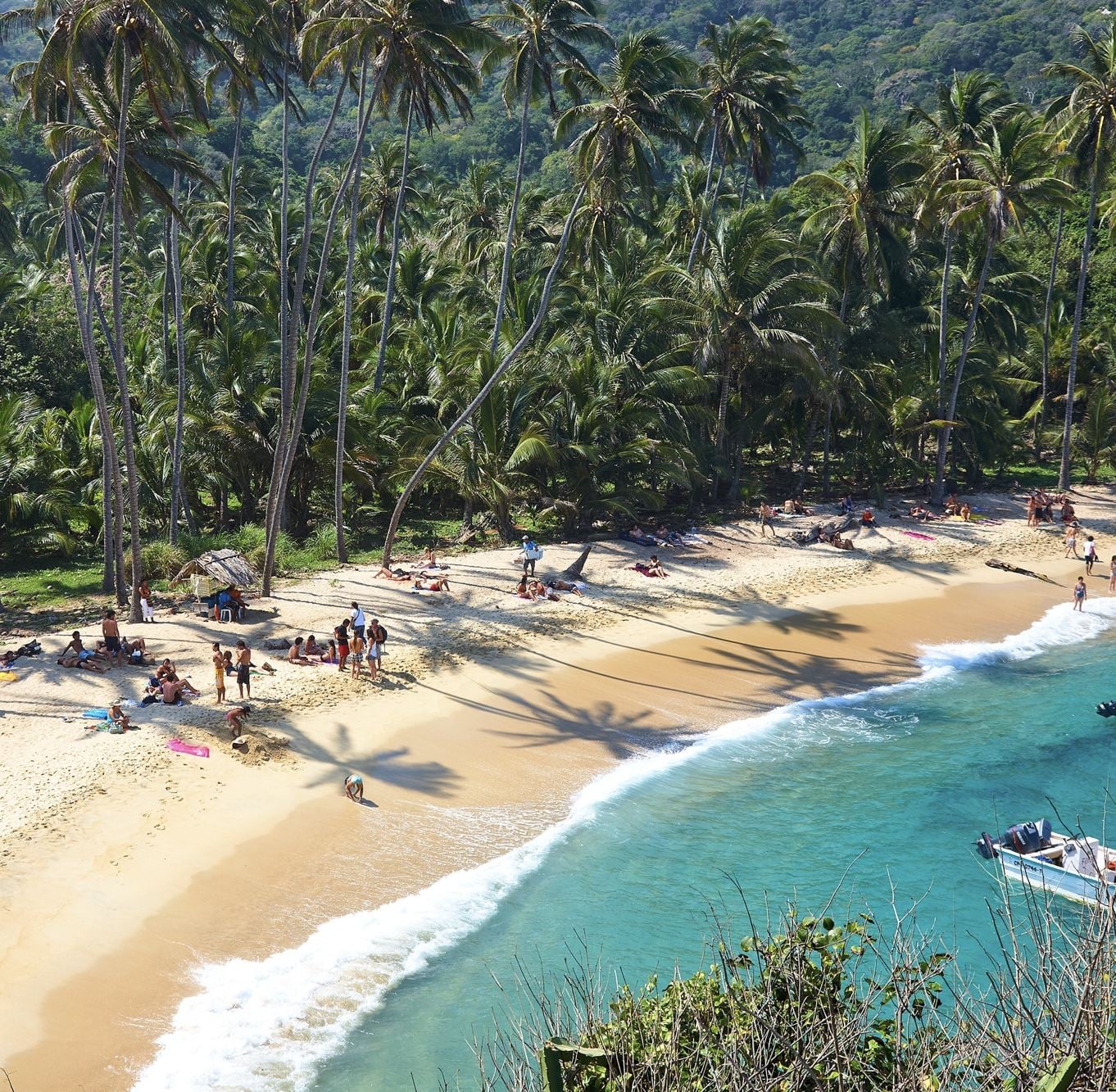
This slightly rugged terrain is the exact reason the destination remains so lush and culturally intact. The extra effort naturally filters out the massive crowds that flock to highly commercialized islands. To fully enjoy this region, you simply need to apply standard street smarts. The eco tourism corridors are heavily monitored and incredibly welcoming to visitors, but maintaining situational awareness is key. You should leave flashy jewelry at home, book official transit instead of hailing random cabs on the street, and always hire certified local guides for deep jungle excursions.
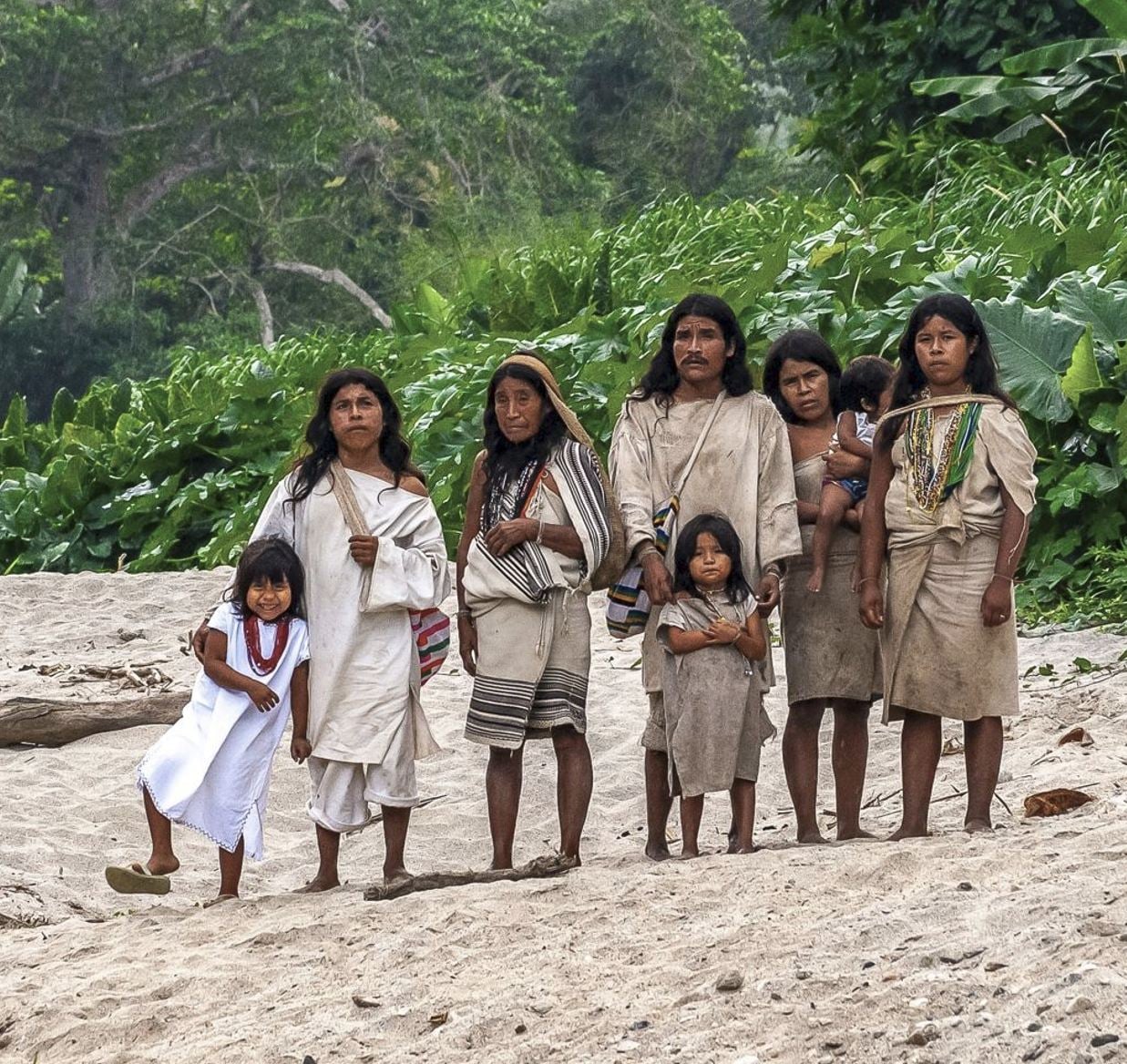
Embracing this localized, authentic way of traveling unlocks a side of the Caribbean coast that most people never get to see. The local communities are fiercely protective of their home and exceptionally hospitable to visitors who respect the environment. You get to step out of the tourist bubble and experience genuine South American hospitality, all while keeping your travel budget entirely intact.
Santa Marta Travel Guide
Enter your email address to subscribe to Travel Off Path’s latest travel news, straight to your inbox