
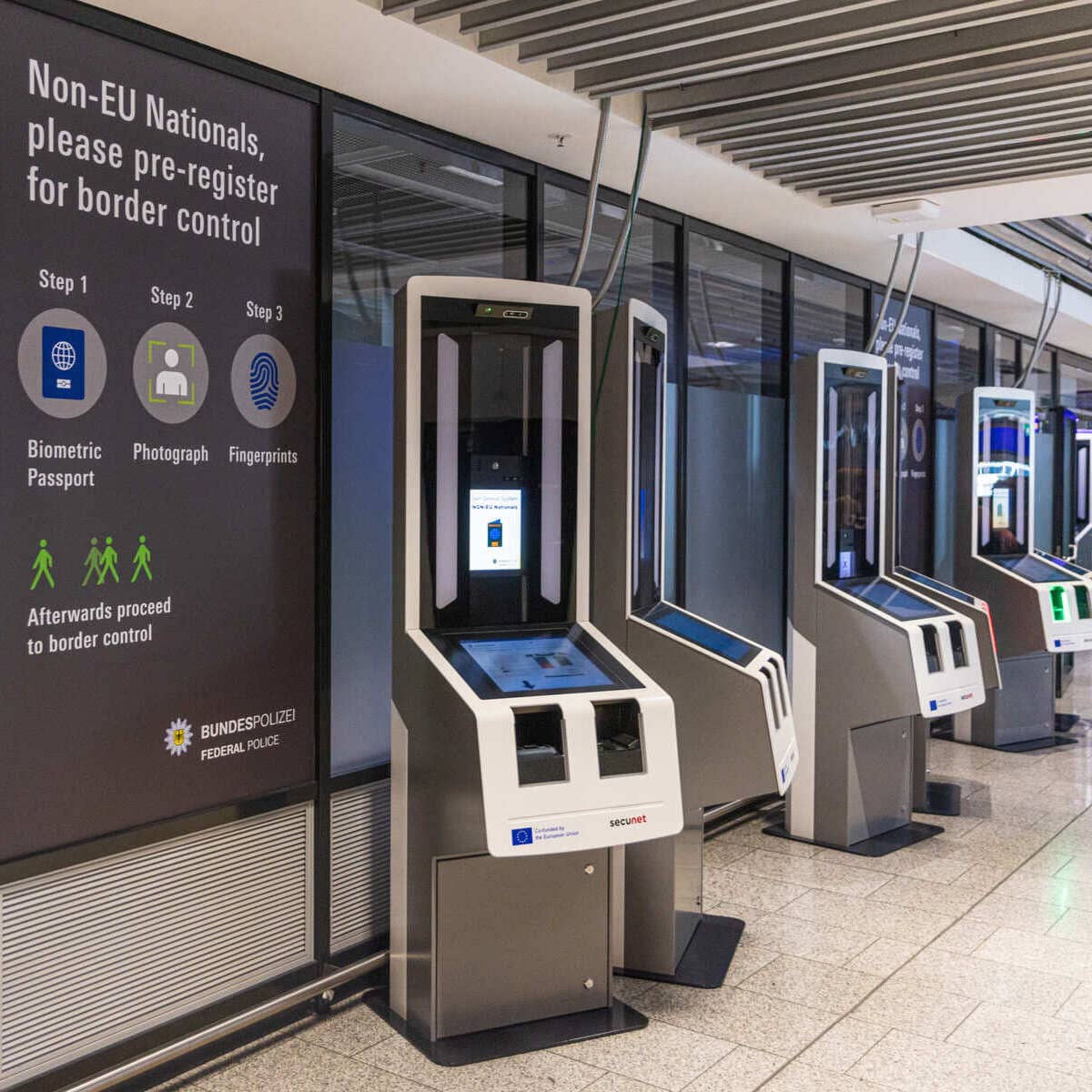
Whether you’re OK with the European Union collecting your fingerprints and taking a facial image upon arrival, or you’re completely averse to that idea, one thing is clear: everyone’s annoyed about the crazy-long border queues and airport chaos seen across the pond lately.
From passengers missing their flight connections to waits of up to 4–6 hours at certain airports, the rollout of the new Entry/Exit System, or EES, has been anything but smooth.

If you think things are bad now, wait until they introduce their upcoming ETIAS travel authorisation, currently scheduled to launch in 2027. Yep, soon enough, U.S. travelers will require mandatory pre-travel approval to visit much of Europe.
Perhaps it’s not a surprise, then, that Ireland is looking increasingly attractive: it’s the only EU country where the whole EES faff won’t apply, and the only one that will also sit out ETIAS.
The Fingerprinting-Free Emerald Isle
Enter Ireland.
Historically an incredibly popular destination for Americans, despite the gloomy weather, the $9 pints of Guinness, and the tough-to-understand accents.
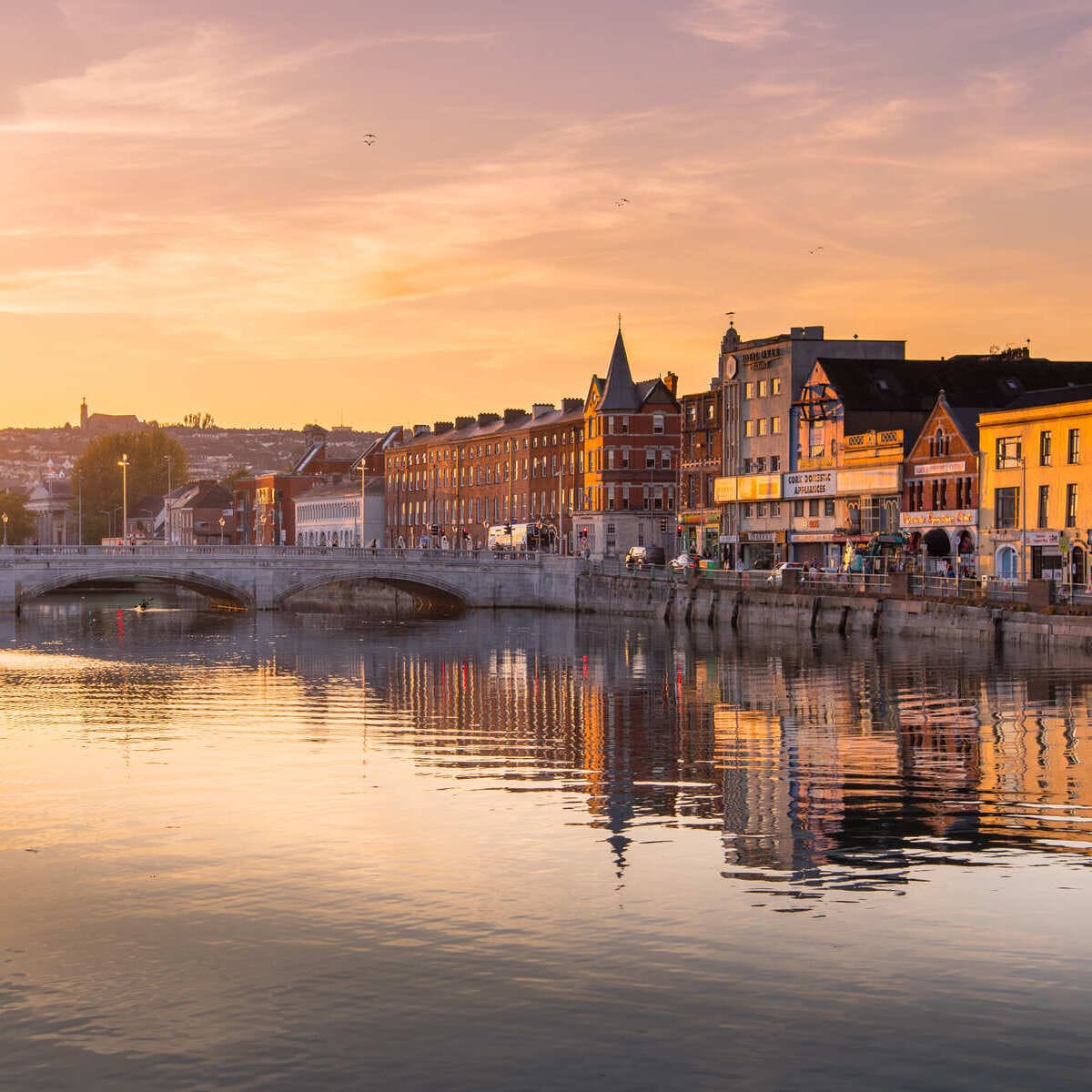
There are around 32.4 million Americans claiming Irish ancestry Stateside, and if there’s one thing many of them are proud of, and feel strongly attached to, it’s their ancestral land, even if they’ve never been there before.
Back in April, U.S. visitors to Ireland surged 12% compared with the same month in 2025, while visitors from the U.S. and Canada accounted for 21% of all foreign arrivals that month.
In practical terms, around 104,300 U.S. residents completed a trip to Ireland in April alone.
Fáilte Ireland data also indicated that seat capacity on U.S. routes would increase by 7% over summer 2026 compared with the previous year. Right, you get the gist: everyone wants a bite of that jam-splattered Irish soda bread.

- It’s the land of leprechauns and Guinness
- It is strewn with medieval castles, tower houses, and fortified ruins
- Dublin and Galway are two of Europe’s top city breaks for a booze-filled night out
- The Wild Atlantic Way delivers colorful villages and epic rugged coastlines
- English is spoken everywhere (allegedly haha), so there’s no language barrier to contend with
- Millions of Americans have deeply personal family connections to the island
- Natural wonders like the towering Cliffs of Moher and the Giant’s Causeway in Northern Ireland are a huge part of Ireland’s appeal
Why is Ireland breaking ranks with its EU counterparts, though?
Why Is Ireland Exempting Americans From EES?
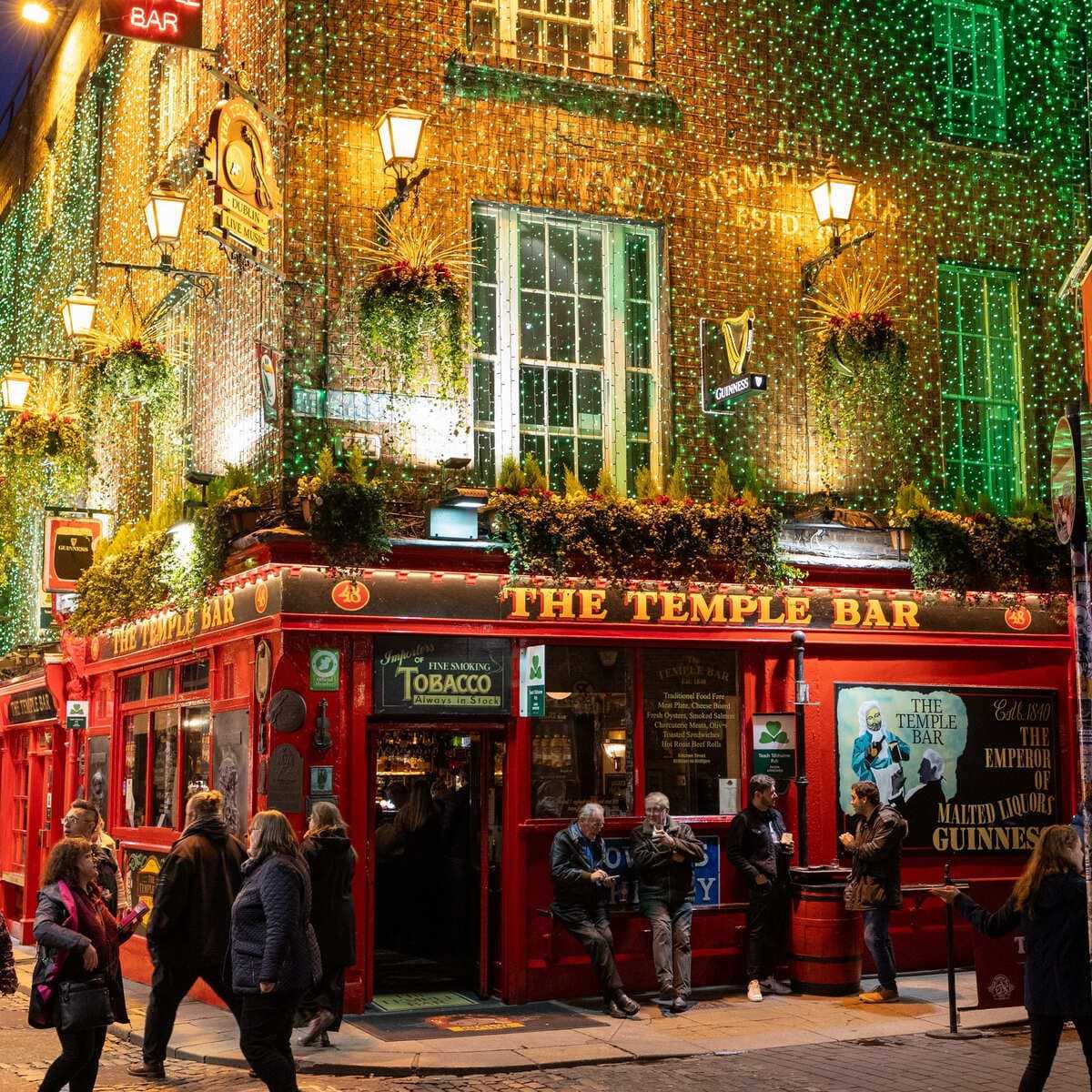
You may be wondering whether it’s because they’re keen on protecting their beloved U.S. tourism market, whereas other European countries apparently couldn’t give a flying flamingo.
While the familial ties here do run deep, America and Ireland’s kinship isn’t the reason why the country is not implementing the new Entry/Exit System.
The motive is a lot more pragmatic, and not at all romantic.
You see, unlike the 29 European countries using EES, Ireland isn’t part of that border-free Schengen Area. You know, the vast travel zone where internal border checks have largely been abolished, and where most short-term visitors can stay for only 90 days out of any 180-day period?
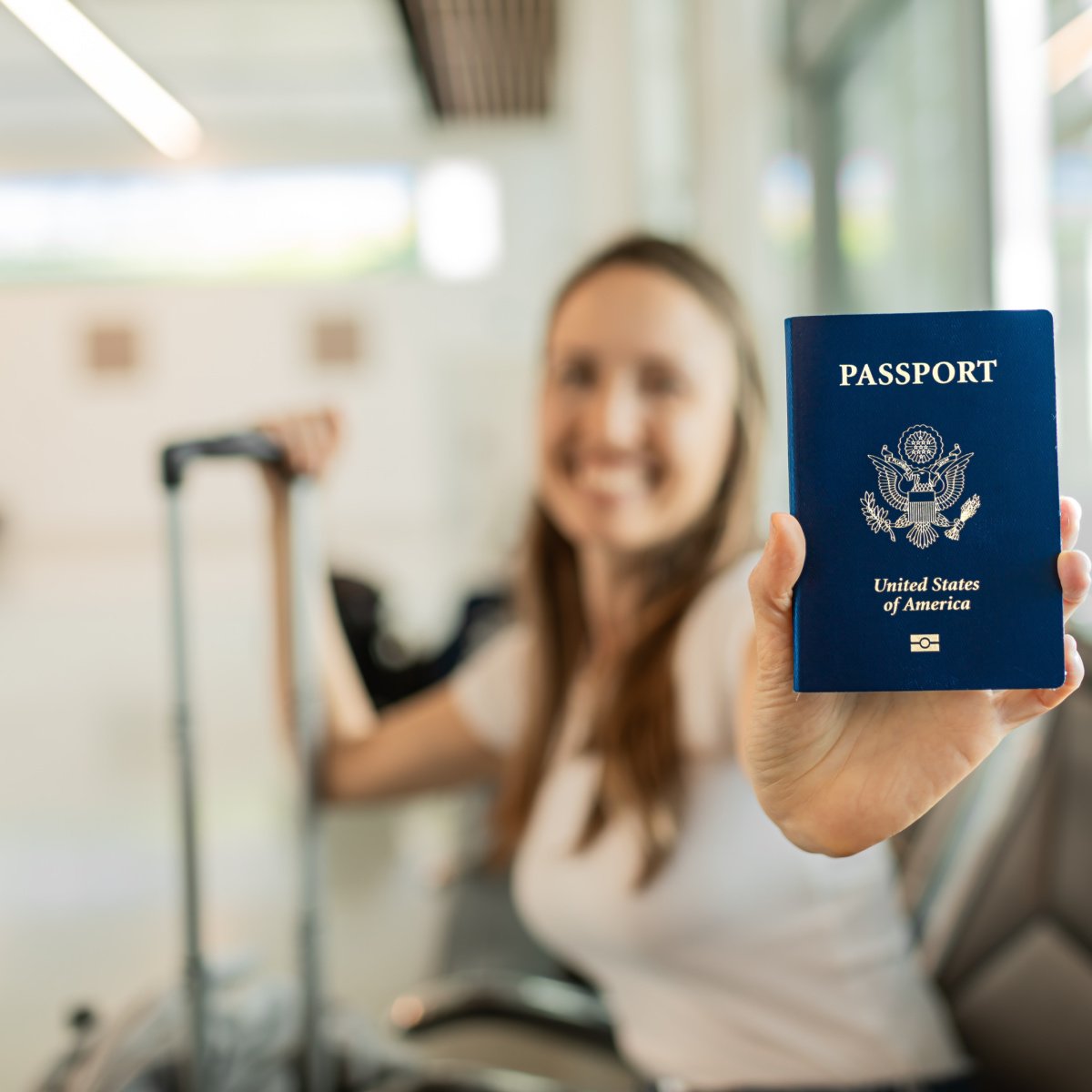
If you’re unsure what all this even means, maybe now’s the time to head over to the Entry Requirement Checker before you get slapped with an entry refusal in Europe in the near future.
Back to the topic at hand, EES applies across the Schengen countries and their associated members, including popular destinations like France, Italy, Spain, Croatia, and Greece.
Ireland may well be a full member of the EU and the Eurozone, but it stayed out of Schengen primarily to preserve the Common Travel Area with the United Kingdoman arrangement that predates both Schengen and Ireland’s EU membership.
The Good Friday Agreement would later make avoiding a hard border on the island even more politically critical:
The Shortest History Of Ireland In The 20th-Century
To all our fellow Zillennials who were born near, or at the turn of the century, you might have only vaguely heard of the bloody sectarian conflict that tarnished Irish history throughout much of the 20th century.
Or maybe you only know it from shouting The Cranberries’ timeless tune Zombie at the top of your lungs at Thursday-night karaoke. Who knows.
No place on the island suffered more deeply from the fallout than… Northern Ireland.
The one-sixth, north-easterly bit of the island that, surprise, surprise, doesn’t belong to the Republic of Ireland at all. It’s part of the United Kingdom.
Protestants in Northern Ireland have traditionally leaned towards British identity and remaining in the UK, while Catholics have generally identified more strongly as Irish and supported reunification.

Between republican paramilitaries such as the IRA, loyalist armed groups, bombings, and street violence in cities like Belfast and Londonderry (ahem, Derry), that was the perfect recipe for disaster.
Long story short, back in 1998, the Good Friday Agreement was signed by the British and Irish governments and most of Northern Ireland’s main political parties.
It established the principle of consent: Northern Ireland would remain part of the United Kingdom (unless a majority of its people voted otherwise), and one of the practical foundations of that peace? There would be no return to security fences, army checkpoints, or an intimidating hard border between Northern Ireland and the rest of Ireland.
Note From The Editor
Just one sec! If you enjoy reading great human-written articles, the best way to see a few more is to follow us on Google so we become one of your preferred websites. Thank you so much for reading. Now back to the story!
The UK’s Role In All Of This
The main issue with Ireland’s place in the EU, and any future Schengen prospect?

The UK had already chosen to remain outside Schengen, with both countries securing formal opt-outs so they could maintain the already-established Common Travel Area.
Naturally, in order to preserve that arrangement and avoid introducing immigration checks along the Northern Irish border—something that could have reignited old tensions—Ireland simply had to… sit Schengen out.
If you’re worried about sectarian violence and bombers in Ireland, just know the darkest days of the Troubles are well behind us, and your main headaches in Dublin these days are late-night antisocial behaviour and pickpockets.
The Irish capital scores 82 out of 100 on the Travel Off Path Traveler Safety Index, based on live reports from recent visitors.
To this day, even after the UK has left the EU, Ireland has kept its end of the bargain and stayed in the Common Travel Area.

In other words, it’s shown no interest in joining Schengen’s border regime in order to keep an open border with Northern Ireland, and, by default, it completely avoided the new EES bureaucracy.
The Timeline
- 1923: The Common Travel Area begins taking shape between the Irish Free State and the United Kingdom
- 1985: Five European countries sign the original Schengen Agreement
- 1995: Internal border checks disappear between the first Schengen members
- 1997: The Treaty of Amsterdam folds Schengen into EU law, with Ireland and the UK securing opt-outs to preserve the Common Travel Area
- 1998: The Good Friday Agreement establishes the principle of consent and strengthens cross-border cooperation
- 2020: The UK leaves the European Union, while Ireland remains outside Schengen to preserve the Common Travel Area and open land border
The Northern Irish Question

As a result, Ireland is now one of only two EU member states outside EES. For the moment, fellow EU member Cyprus isn’t in Schengen either, but it’s expected to join soon, so EES will apply there as well.
As for the ongoing UK dilemma, when the UK rolled out its own travel permit affecting U.S. passport holders last year, tourism officials on both sides of the Irish border were quick to raise concerns about the newly created inconsistency.
After all, in order to enter the UK—including Northern Ireland—Americans are now required to apply for an ETA online, pay the £20 fee, and receive approval before travelling.
Except there are no routine immigration checkpoints when travelling from Dublin by bus or train into Belfast. You still legally need the ETA, mind: there just isn’t a passport booth sitting directly on the land border.

But we digress. That’s a border-control headache for another time.
Here’s the full checklist of what you need to bring as an American visiting Ireland:
- A passport valid for the duration of your stay
- At least one blank passport page
- Proof of sufficient funds and accommodation, if requested
- Proof of onward or return travel within your authorized stay, which can be no longer than 90 days
Americans can receive permission to stay in Ireland for up to 90 days, at the discretion of the border officer.
One important caveat: if you connect through a Schengen airport on your way to Ireland, EES may still enter the picture during that connection, with 9 noteworthy exceptions for the time being.
Bottomline

The reality on the ground is this:
Yes, there’s plenty of genuine American affection for Ireland and Irish history, and that alone would continue driving visits.
At the same time, let’s not sit here and pretend Ireland’s exemption from both EES and ETIAS won’t make it even more attractive to travelers who are fed up with added airport friction.
Now, Ireland may be the only EU country exempt from both systems, but that doesn’t make it the only European destination where EES won’t apply.
Here are 4 more European countries, all outside the EU, where you won’t need to get fingerprinted either.d either.
Enter your email address to subscribe to Travel Off Path’s latest travel news, straight to your inbox
