
Looking for a genuinely underrated European city that is yet to be completely overrun by the masses?
The capital of Serbia, Belgrade is dominated by a mighty riverside fortress, boasts plenty of hearty dinner outings that won’t set you back over $17 on most occasions, and most importantly, requires zero EES biometric checks this season.
If you’re unsure what we mean, that’s the EU’s new Entry/Exit System, which requires Americans to submit their fingerprints and facial image when entering the 29 European countries using it.
Well, not if you fly straight into lively, rough-edged Belgrade—and better yet, you can get there nonstop from the States.
Europe’s Most Underrated Major Capital
Belgrade is one of the most vibrant city breaks a Europhile with a penchant for history and nightlife could ask for, and though it crowns the small Southeastern European country of Serbia, only a select few Americans dare venture into.
Surprisingly, it remains well-connected to America thanks to flag carrier Air Serbia’s Transatlantic reach.
You can fly there direct, with no tedious Frankfurt or London layovers, from either New York (JFK) or Chicago (ORD). Flights operate year-round, with multiple departures per week, and current nonstop round-trip fares typically ranging from $750 to $1,300 in Economy.
Already a decent-enough deal, but wait until you see how much of a proper bargain this sprawling, criminally overlooked city is for the actual punch it delivers.
Why Visit Belgrade Instead Of The Usual Paris–London–Rome?
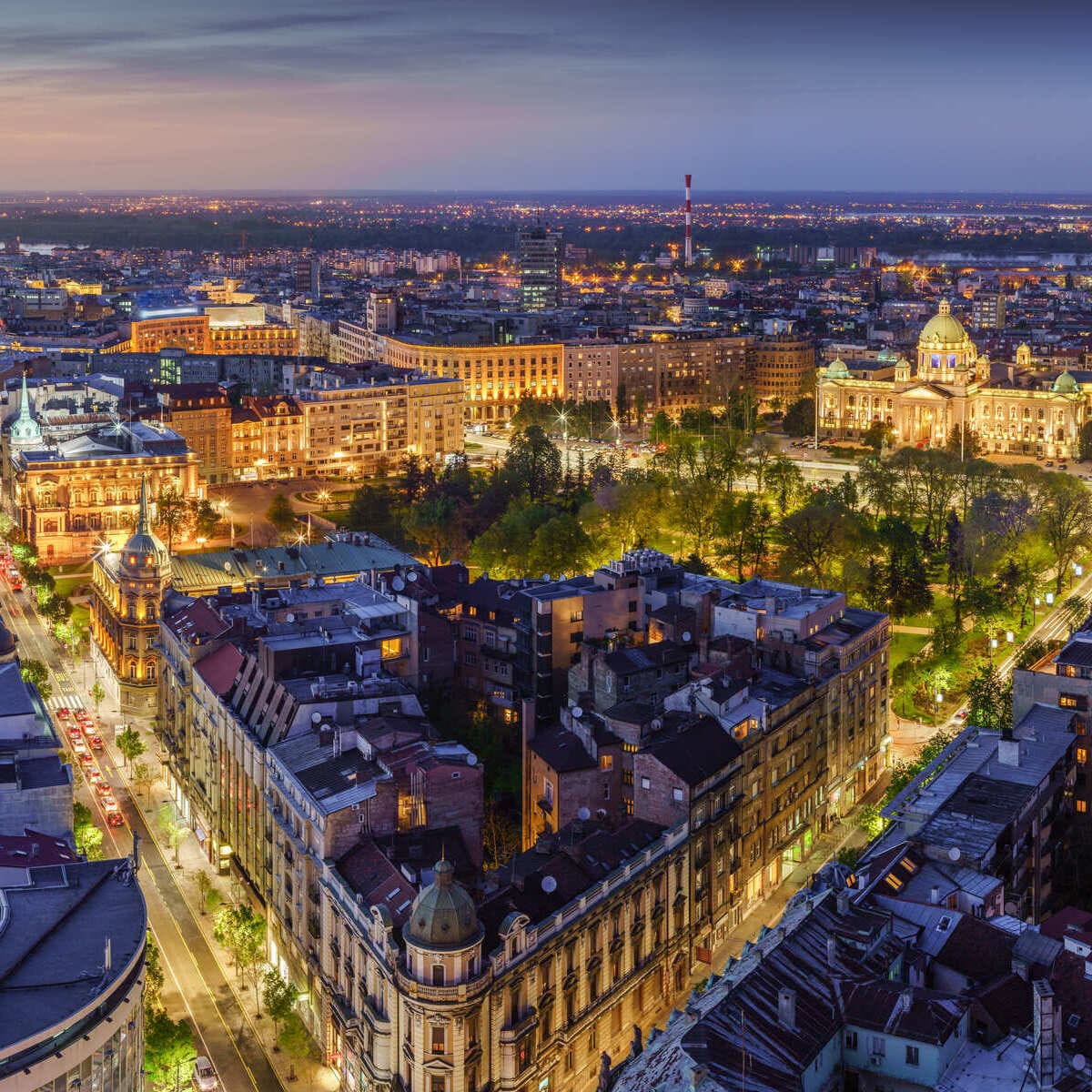
Belgrade is a mishmash of Belle Époque façades, leafy boulevards, crazy-old monuments, like a 2,200-year-old riverside fortress, and hulking slabs of Brutalist architecture that serve as a permanent reminder that, no, this isn’t the Europe of pistachio gelatos and immaculate piazze.
It’s something way edgier, and arguably… better?
Belgrade’s got soul, and there’s nowhere better to feel it than its historic centre.
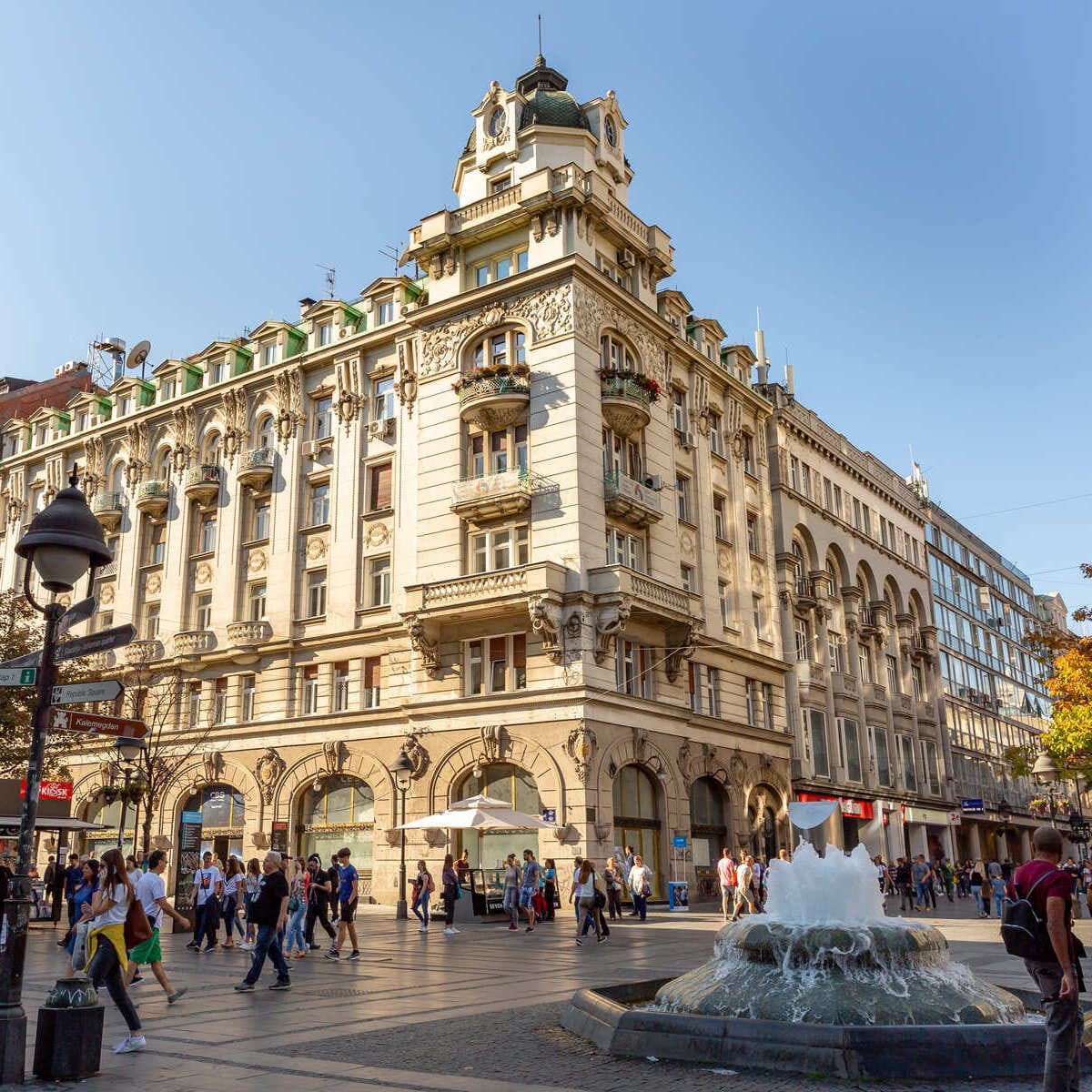
Starting from the designer and high-street shops of Knez Mihailova, arguably the prettiest pedestrian street in the Balkans, down the sloping cobbled stretch of Skadarlija:
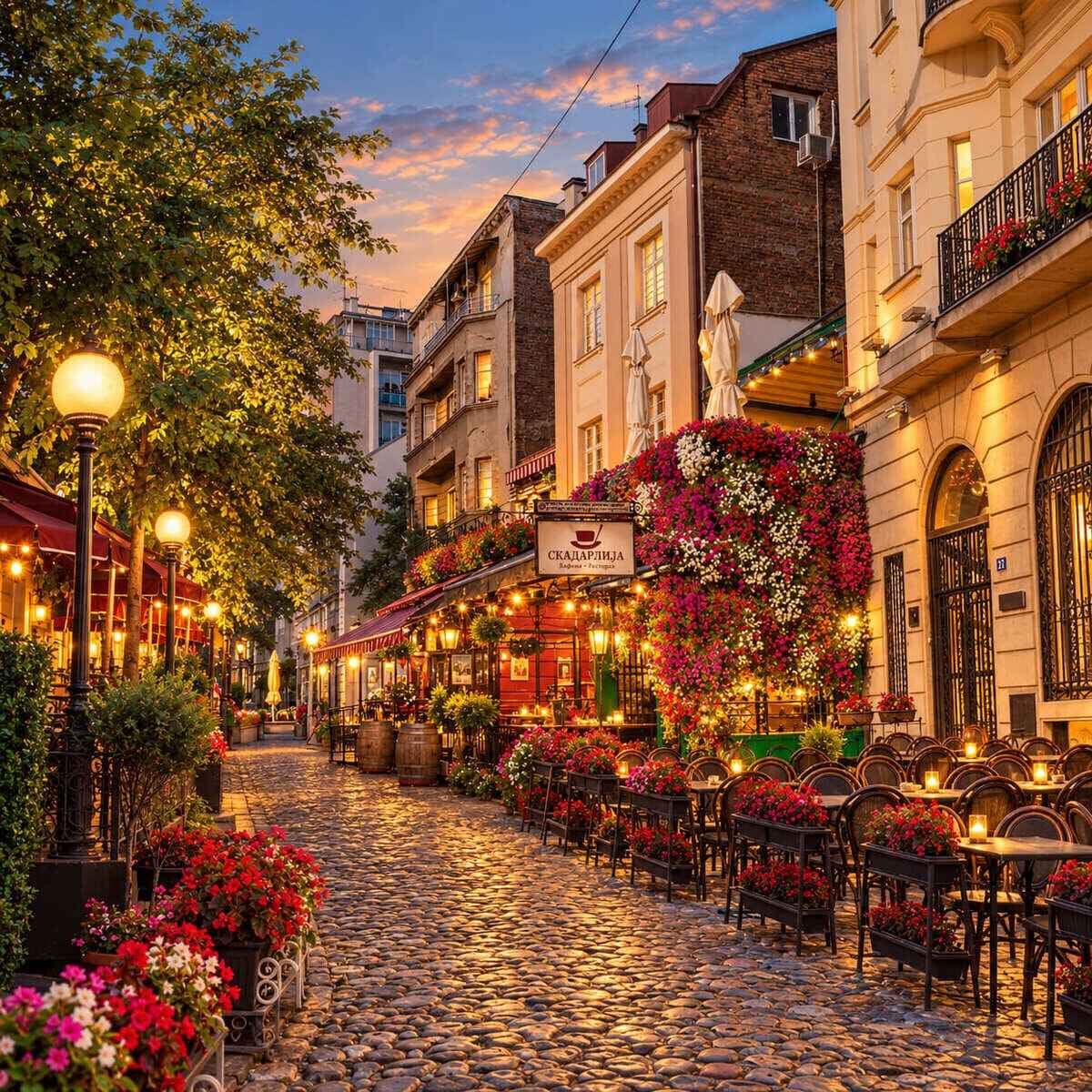
It’s lined with bohemian taverns and buskers, and though this is undoubtedly the heart of the gritty, rough-around-the-edges Balkans, being here feels like strolling up one of those Central European postcards.
Add to that every grand square with ceremonial statues, and tram-busy thoroughfare in between, and Belgrade suddenly feels surprisingly alive for a city often kicked to the kerb as some last-resort Eastern European alternative.
It has Paris-level pretty, tree-lined streets. And they’re probably better swept, if we’re honest, given how the French have a knack for rioting and torching things. Trust me, I’d know. I live there.
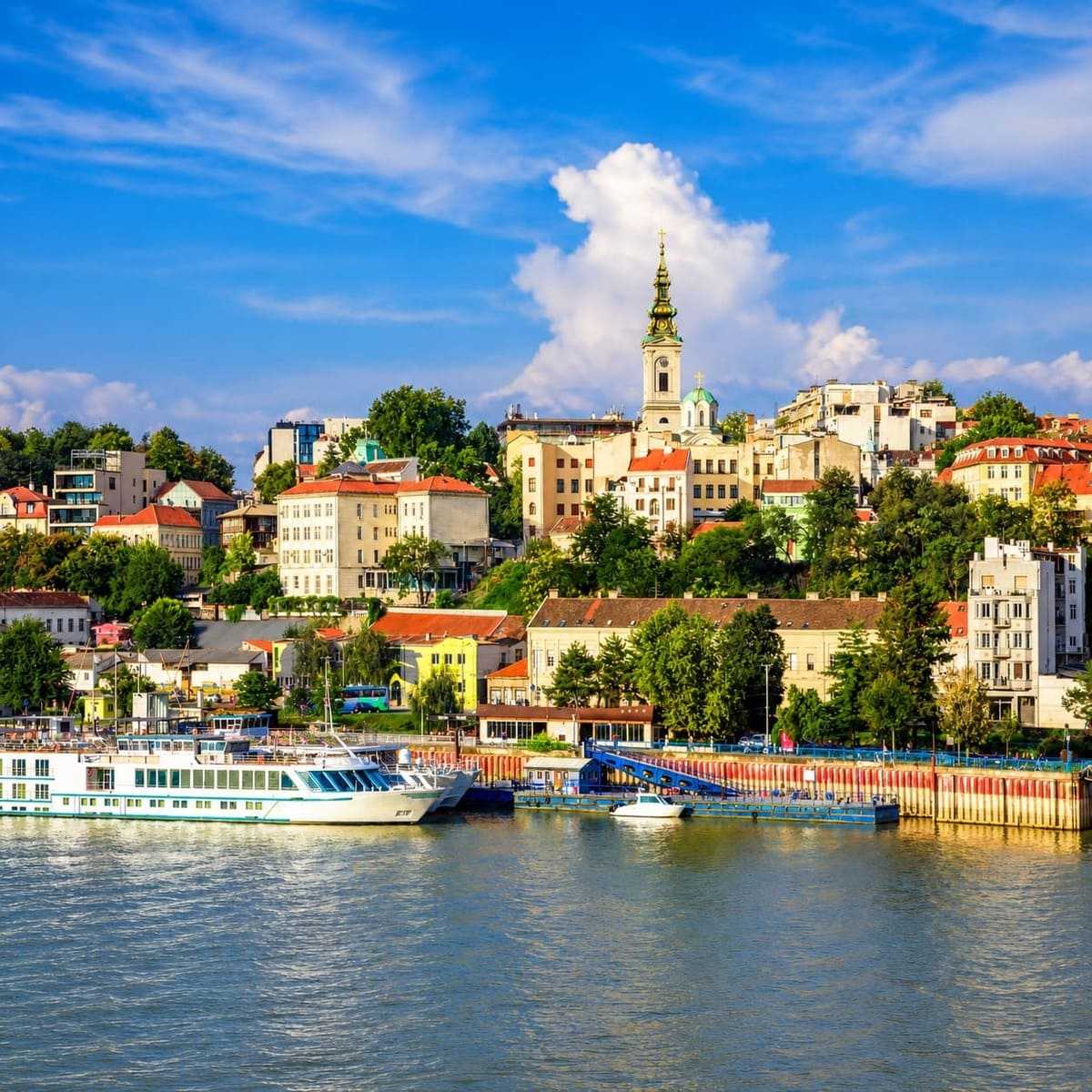
The Sava riverside, framed by modern high-rises and open-air café terraces, could put Budapest‘s own stretch of the Danube to shame.
Nightlife here is on a par with Berlin. Just check out the cavernous, techno-loving haven that is Drugstore, a repurposed slaughterhouse-turned-EDM-sanctuary.
Did we mention there’s a fortress?
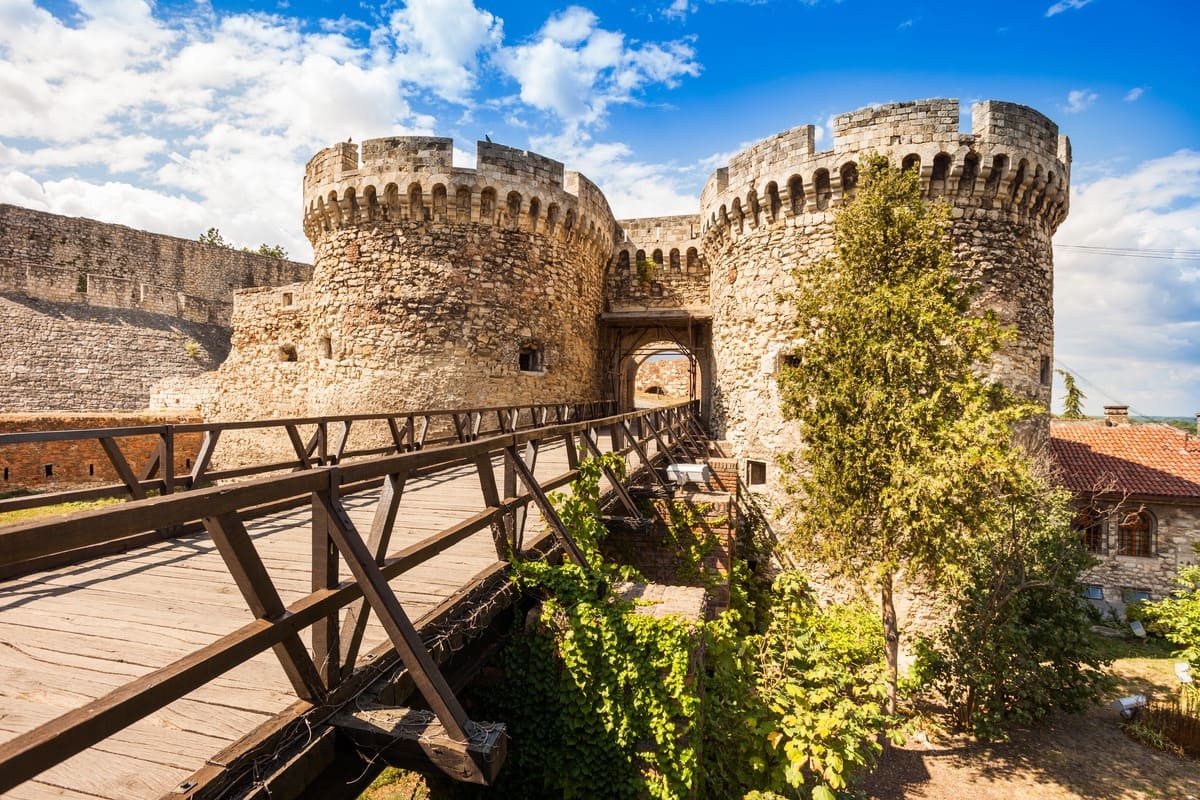
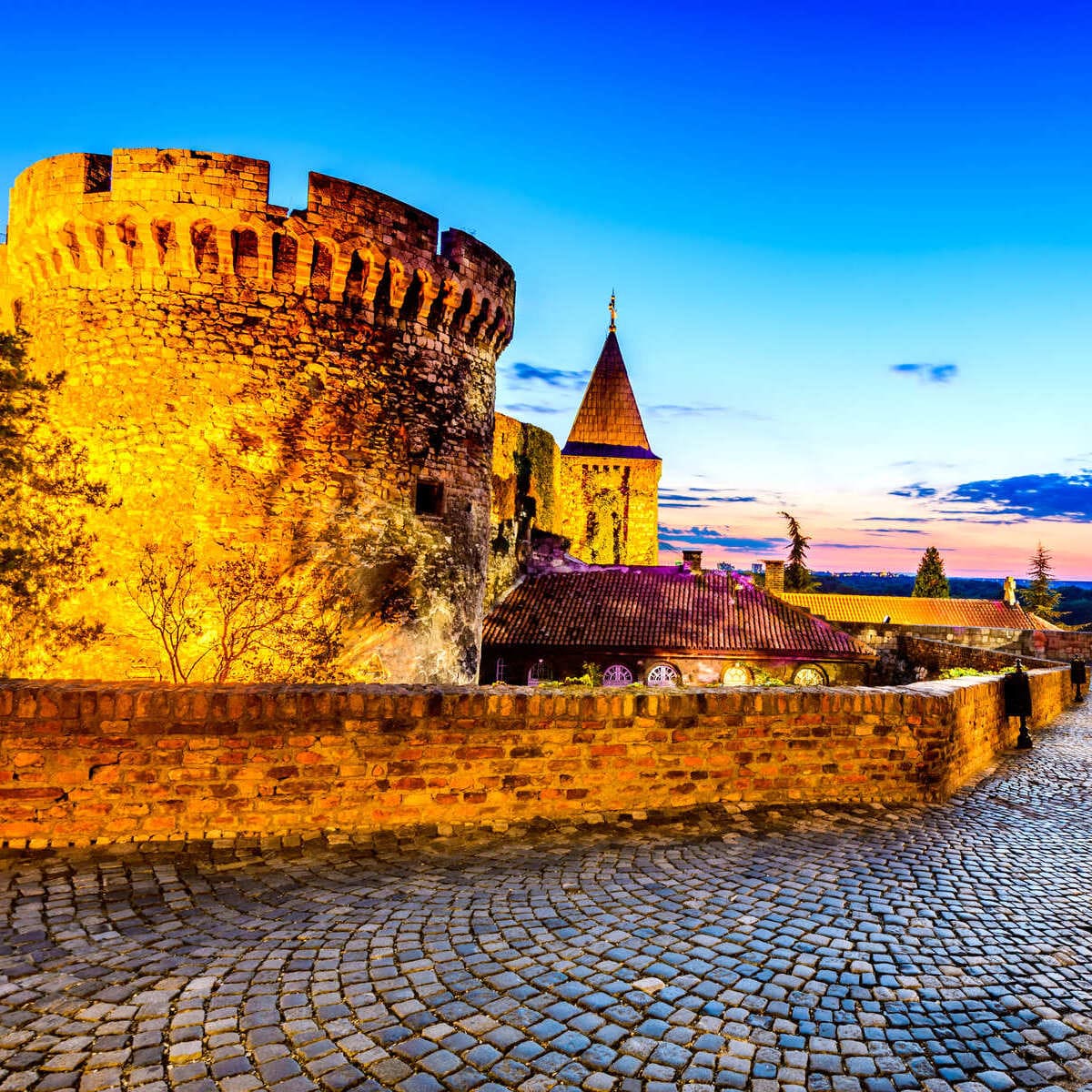
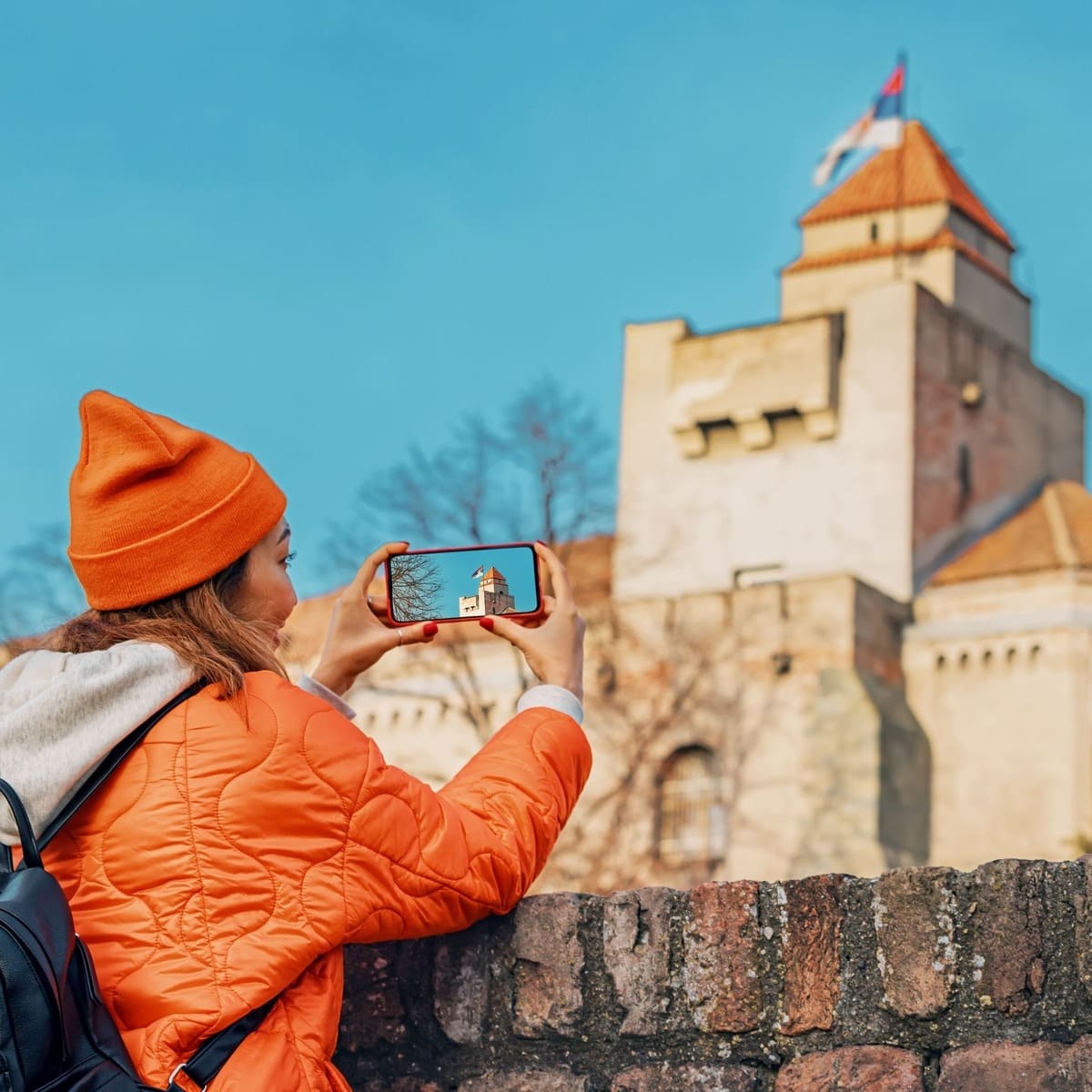
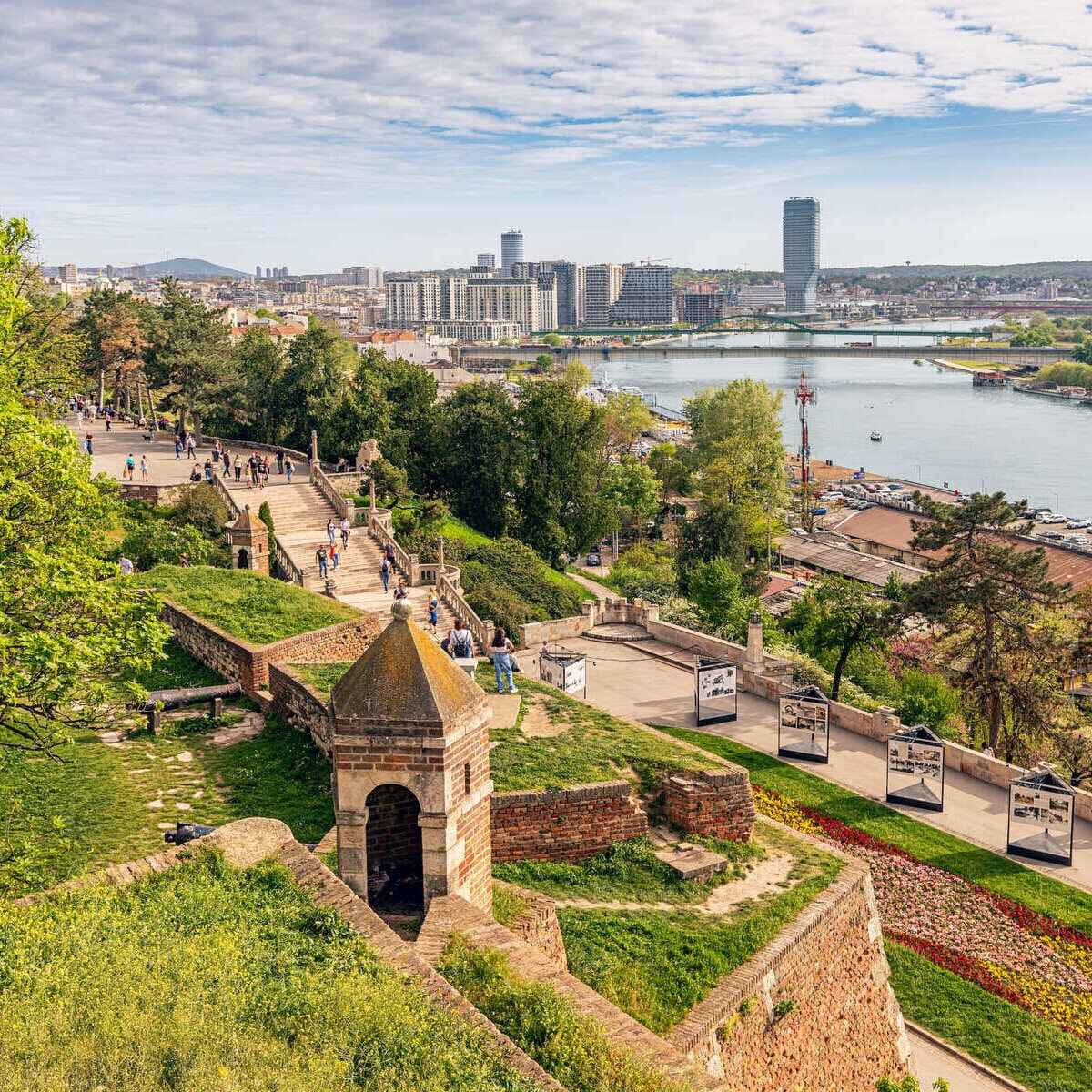
Belgrade Fortress, rising out of Kalemegdan Park, is a defensive complex whose roots stretch back around two millennia, perched right at the confluence of the Danube and Sava rivers.
It’s complete with deep moats, mighty stone gates, storybook-like arched bridges, and broad terraces overlooking the New Belgrade skyline.
The best part? The park, ramparts, and outdoor fortress grounds are free to stroll around for as long as you wish.
What I Love About Belgrade
1) No Fingerprinting Upon Arrival
Other than the fact Serbia lies outside both the EU and Schengen, and thus non-EU travellers arriving directly aren’t required to undergo the bloc’s increasingly bureaucratic EES border checks? Plenty of small, unexpected wins that I’ll get into.
But let’s first address the elephant in the room:
No, you won’t get fingerprinted under EES, at least if you fly directly from the U.S. to Serbia with Air Serbia.
Touching down at Belgrade Nikola Tesla Airport (BEG), you’ll normally only be required to present your U.S. passport, though border officials may also ask for proof of onward or return travel, accommodation, or sufficient funds.
I’ve never been asked for any of that myself, but always bring it just in case.
After 5 different visits to Serbia, 4 of those entering through Belgrade, the longest border wait took around 30 minutes to clear, and that’s because I was coming in overland from Kosovo once—that’s a whoooole ’nother ball game you can read all about here.
Americans get a whole 90 days within a 6-month period to visit Serbia visa-free, counted separately from any time spent in Schengen—Serbia isn’t part of it, so the Schengen day count doesn’t apply—and the whole process is pretty straightforward.
That’s point one.
By the way, if you’re visiting Europe soon, make sure you stay up to speed with those fast-changing travel regulations by running a little destination-check on the Entry Requirement Checker.
2) Authentic, Lively Communities
I’ve been to Belgrade something like five times now myself, and it’s one of those wild-card cities that keeps on giving.
I’m yet to tick off every museum, I’m still uncovering new low-key, artsy districts home to cool grungy bars, and I’ve yet to exhaust my appetite for Orthodox church domes and that fiery rakija.
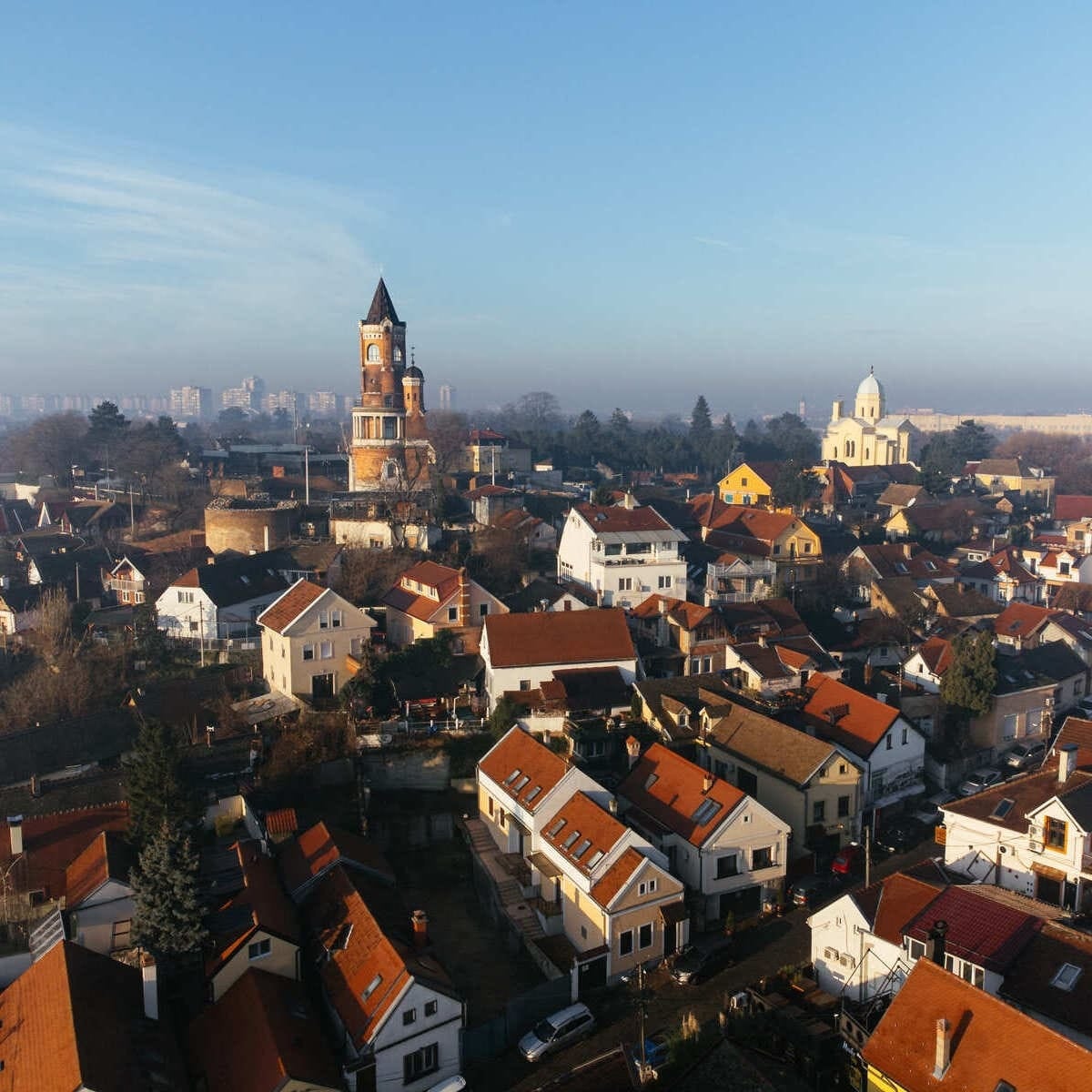
Wanna know a little secret? The most authentic part of Belgrade, where all the local restaurants and prettiest riverside strolls are, is not in the centre, but rather the riverside borough of Zemun.
Topped by the 19th-century Millennium Tower, and criss-crossed by narrow lanes tumbling straight towards the Danube, it’s an outer Belgrade subject that feels like its own small town, and a permanent fixture on my repeat visits.
Note From The Editor
Just one sec! If you enjoy reading great human-written articles, the best way to see a few more is to follow us on Google so we become one of your preferred websites. Thank you so much for reading. Now back to the story!
3) It’s Surprisingly-Safe For Such A Sprawling Metropolis
Though it definitely joins equally-mysterious Bratislava or Vilnius in the rising-capital department, it’s no sleepy, mid-size backwater you can wrap up in an afternoon.
It’s a whole metropolis, with a real capital-city feel, and that fascinating sense of a city with layer upon layer of history.
On top of that, you get the same big-city pulse as you would in a major German hub, minus the religious extremism threat, and the cultural weight of a well-established Central European capital like Vienna, minus the hefty price tags.
Serbia is a Level 2 destination as per the official U.S. Department of State advisory, which means Americans are welcome to visit, so long as they exercise increased caution due to crime.
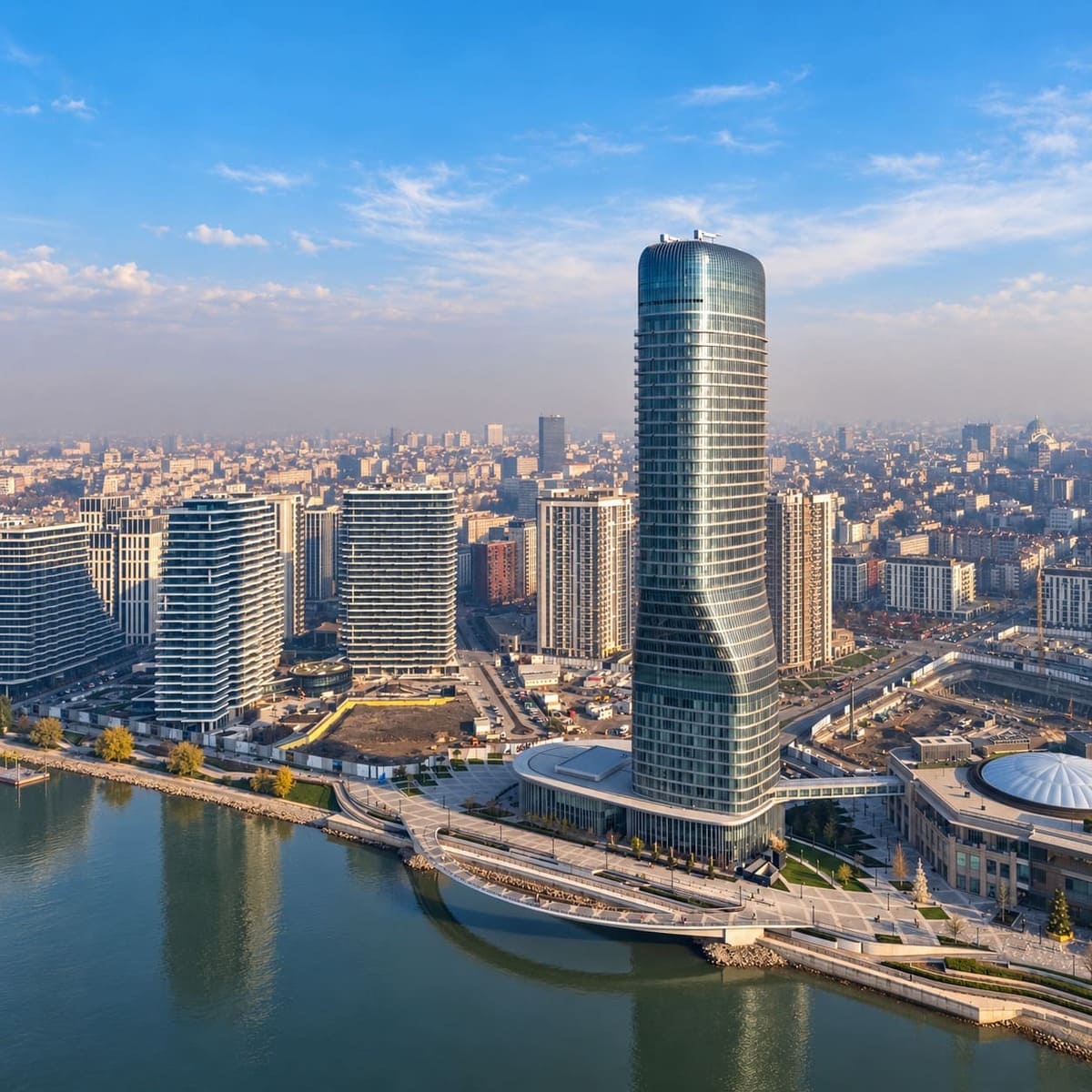
For real, though, that advice is broad and perhaps a touch overcautious.
While there is crime, similarly to any metropolis of its stature, Belgrade feels remarkably safer and more orderly than its reputation suggests.
Serbia scores 84 out of 100 on the Travel Off Path Traveler Safety Index, an online tool used by travelers to report on, and measure their safety perception across different countries and global cities.
That’s a certified ‘green’ level of safe, and actually higher than Paris’ 82 average, and London’s 74.
The main concerns for visitors are opportunistic pickpocketing and potential violence around high-profile football matches or political events.
How can we put this? Keep your bag zipped on Knez Mihailova, use licensed taxis, and don’t accidentally wander into a Red Star–Partizan clash.
Your Tourist Dollars Can Go Faaaaaaaaar Here
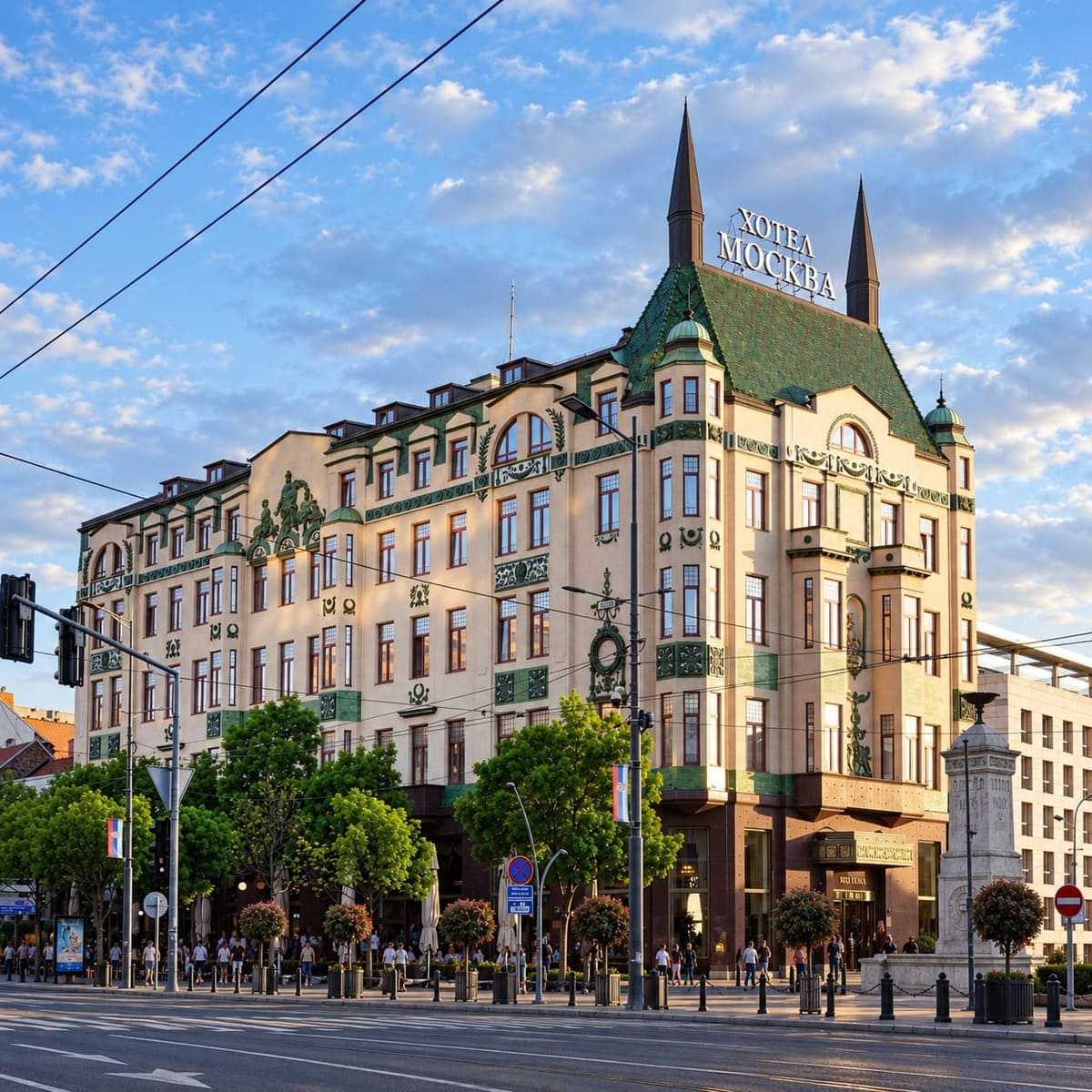
Belgrade is one of the most affordable European cities with well over one million residents left.
A plate of ćevapi in a downtown eatery will cost you $5–10, or around $15 if you’re absolutely ravenous and adding on a side of fries and Šopska salad.
Bakery bites like proja, or the unmistakably Balkan burek, can cost as little as $2 straight from the counter, and if you’re wondering about international cuisine, Belgrade has a whole plethora of options on offer at reduced prices compared with euroised European hubs.
Majstor i Margarita is an Italian-inspired pizzeria slinging wood-fired pizzas for $10–16, and you can pair those with a glass of house wine for as little as $3.50.
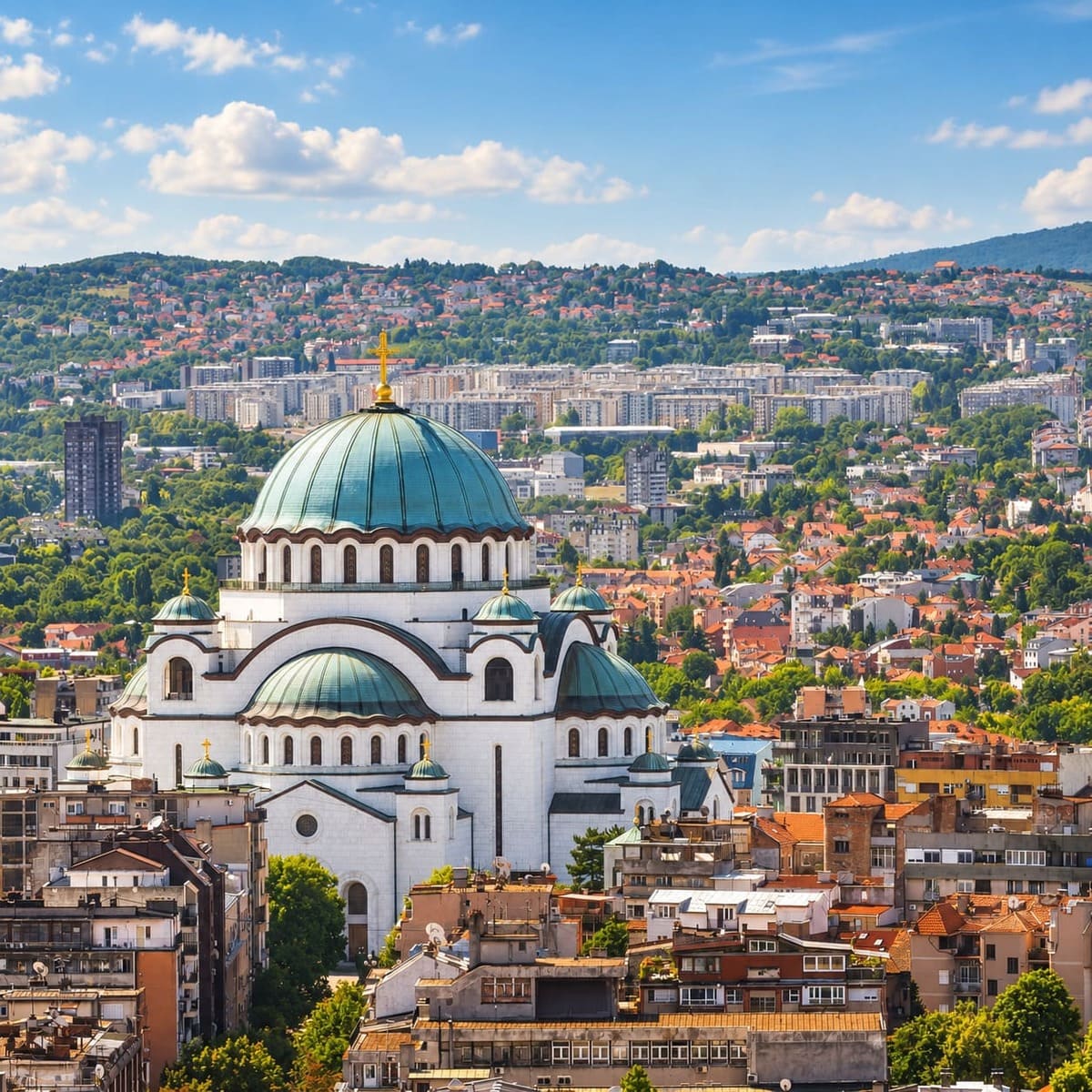
Craving that comfort ramen fix? Marukoshi is a highly rated Japanese spot in Dorćol, and those steaming, hearty bowls come at a cheap $11–13.
Oh, and if you’re wondering about the taxi fare, how does around $1.60 per mile during the day sound? There’s a starting fee of roughly $3, mind.
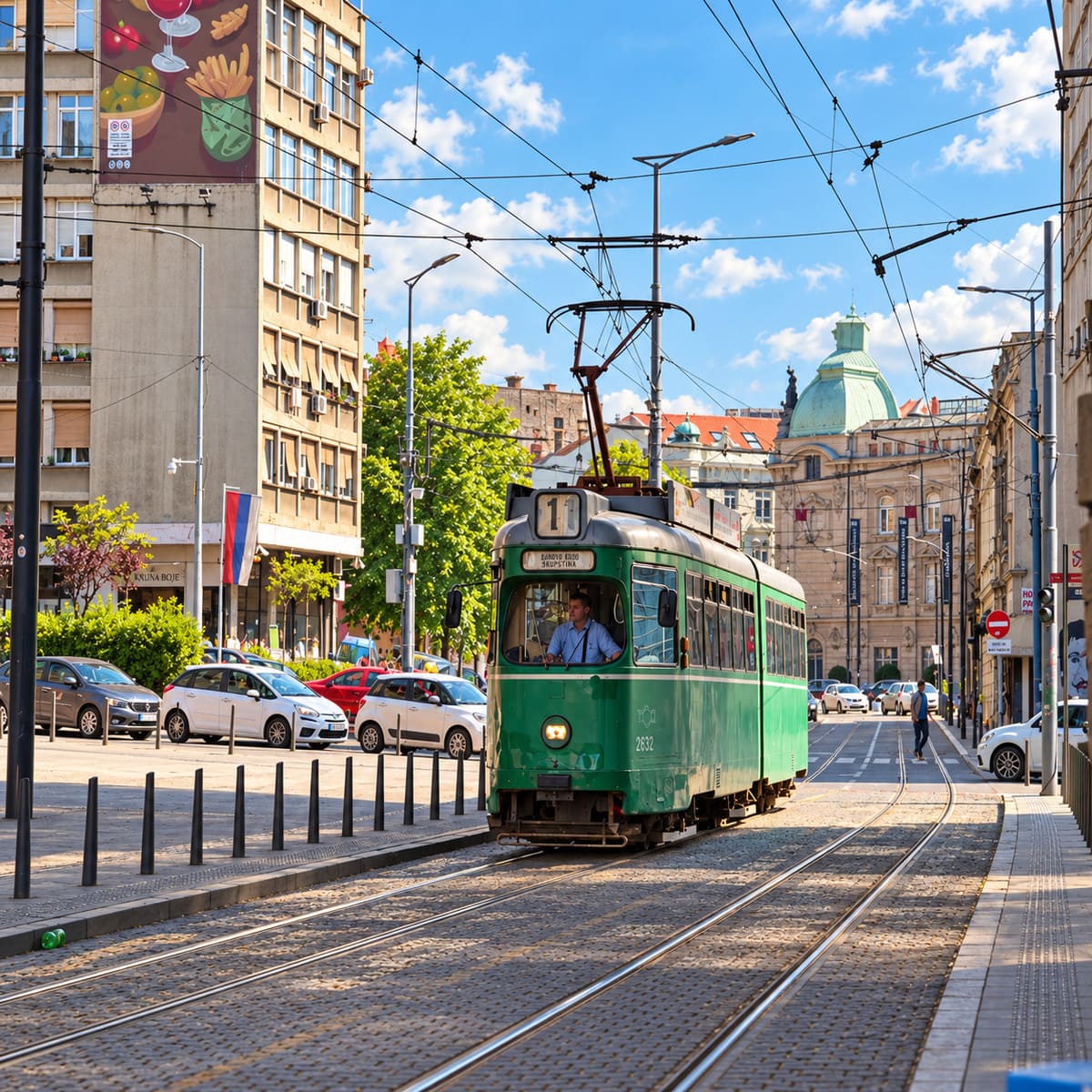
Public transport? Unless you’re one to dart from point A to B with taxis, the entire public transport network across Belgrade is actually free to use.
You see those cute little vintage trams rattling through the tightly-packed Yugoslav-era apartment blocks in central Belgrade? You won’t pay a single Serbian dinar to hop on one. Not a dime. Niente. Everything’s city-funded, like in Luxembourg.
Average Prices In Belgrade, Serbia In 2026
- Bakery snack, such as burek or proja: $2–4
- Portion of ćevapi: $5–10
- Pizza in a casual restaurant: $10–16
- Casual Serbian main: $9–18
- Three-course meal in a mid-range restaurant: $24–38 per person (excluding drinks)
- Cappuccino: $2–3.50
- Local draught beer: $2.50–4
- Glass of Serbian wine: $3.50–5
- Cocktail in a downtown bar: $7–10
- Public transport: free
- Taxi: around $3 starting fee, plus $1.60 per mile during the day
- Simple guesthouse or apartment: $45–60
- 3-star hotel: $65–95
- 4-star hotel: $130–180
- 5-star hotel: $220–400+
Bottomline
Had your fill of the Parises and Londons of the world?
Listen, Europe’s main tourist hotspots are famous for a reason, and far be it from me to discourage you from watching the Eiffel Tower sparkle, or retracing the steps of gladiators in the Colosseum, however comma…
There’s just way more to Europe than the casual, first-time tourist who sticks to the well-laid-out Western circuit will ever know. And no, Serbia isn’t in the European Union, and yes, it’s not as highly-developed, but that doesn’t make it one bit less European, or worthy of attention.
People tend to picture non-EU European cities as this gray, post-communist blob of concrete blocks, potholed roads, and general chaos.
That may weeeell be the case in certain corners, but Belgrade is every bit as grand, stately, European, and cosmopolitan as your average capital farther West, and it’s past time we put some damn respect to its name.
Enter your email address to subscribe to Travel Off Path’s latest travel news, straight to your inbox
