
Sitting by the water, drinking a cheap local beer, and exploring ancient history… that’s really all I want when I head to the Med.
But if you book a flight to Santorini, Capri, or Mallorca in 2027, that vision turns into a sobering reality of $20 cocktails, traffic, and fighting tour groups just to see a single historic ruin.
The good news is that the authentic Mediterranean still exists. Just look past the overcrowded hubs.
If you want to trade the crowded hotspots for $4 pints, ancient architecture, and quiet coastlines, here are 6 underrated Mediterranean islands to add to your 2027 short list.
1. Gozo, Malta
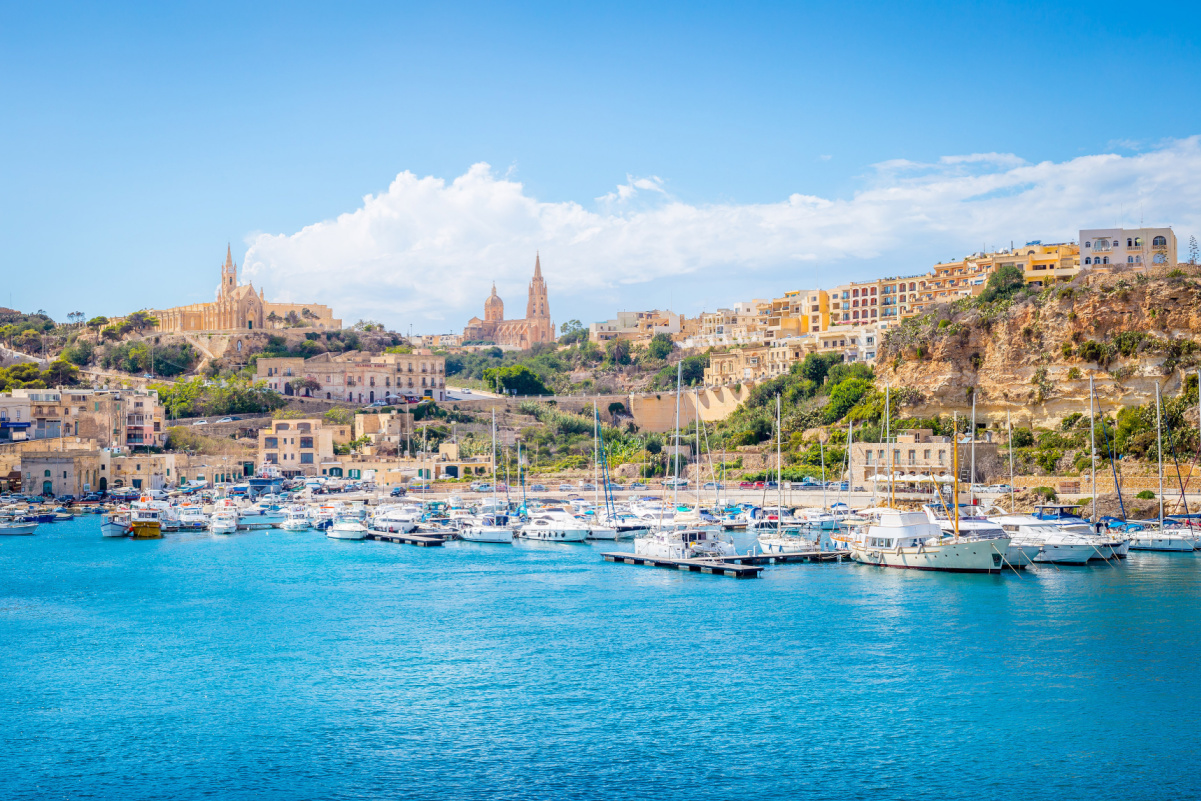
While the main island of Malta gets super busy during the summer, its smaller sister island, Gozo, operates on different frequency. It’s a quick 45-minute ferry ride from the northern tip of Malta, but stepping off the boat feels like stepping back in time.
- The Vibe: Sleepy, agricultural, and deeply historic. It is characterized by steep limestone cliffs, rolling hills, and quiet farming villages.
- The Highlight: Exploring the Ġgantija temples. These sprawling megalithic stone structures are older than the Egyptian pyramids and Stonehenge, and you can walk right up to them without waiting in a long ticket line.
Tip From The Editor (me): As an avid scuba diver, I can tell you that Gozo has some of the best underwater topography in the Mediterranean, specifically the Blue Hole. But the rocky entry is sharp and unforgiving. Don’t attempt the walk down to the water in flip-flops. After your dive, head to a local cafe in Victoria and order a pint of ice-cold Cisk, which should run you about $3.
2. Samos, Greece
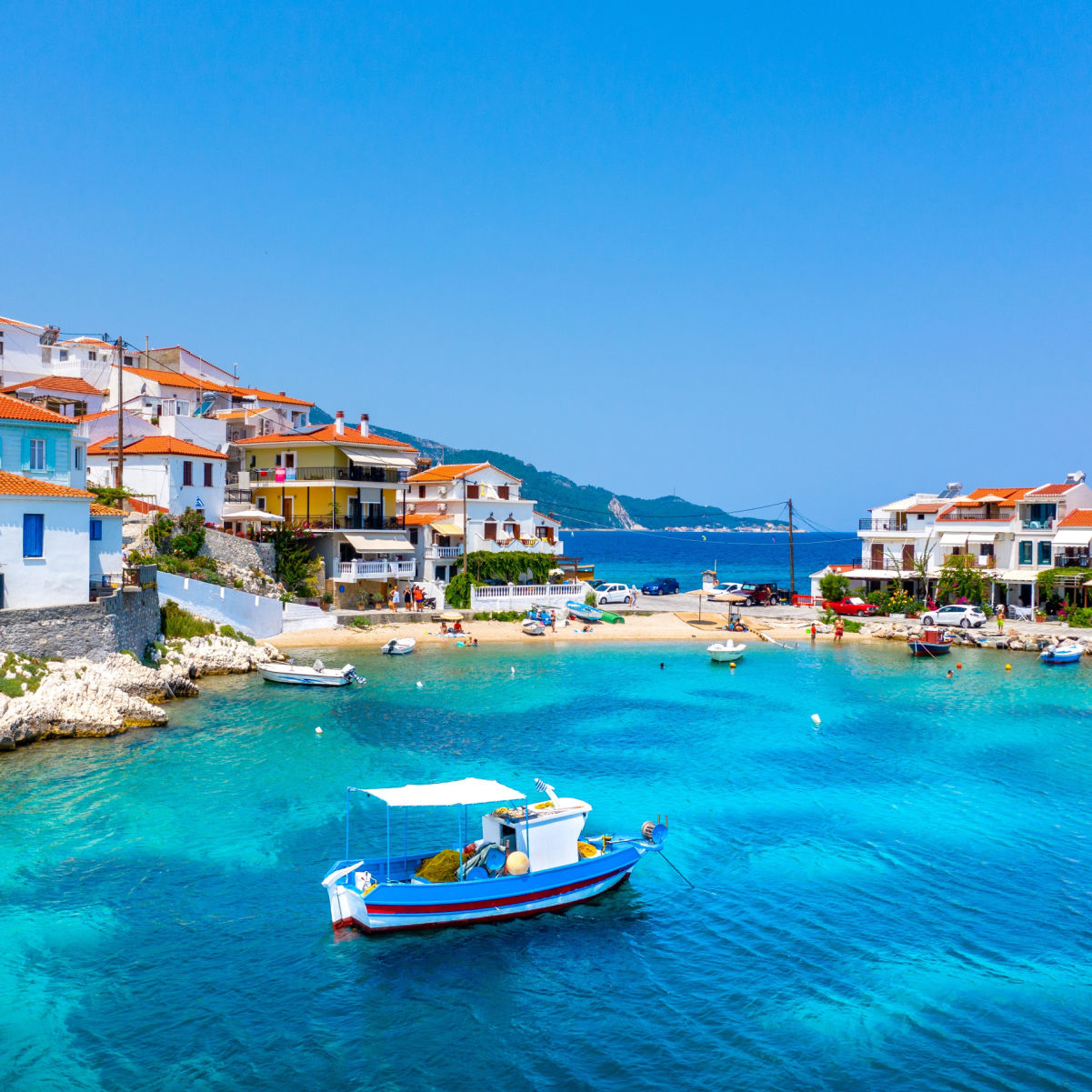
If you want the Greek island experience without paying Mykonos prices, you need to head to the eastern edge of the Aegean Sea. Samos sits just a mile off the coast of Turkey, and because it’s further away from Athens, it acoids the typical tourist traffic.
- The Vibe: Lush, mountainous, and heavily forested. Unlike the rocky islands in the Cyclades, Samos is green and famous for its sweet Muscat wine.
- The Highlight: The Heraion of Samos. It is a sprawling UNESCO World Heritage site featuring the ruins of a massive ancient temple dedicated to the goddess Hera, complete with a single standing column that gives you a true sense of scale.
Tip From The Editor (me): Rent a car and drive up into the mountain villages like Manolates. The narrow, winding roads are beautiful, and the family-run tavernas up there serve a pint of Alfa or Mythos beer for about $4. The hiking trails around Mount Kerkis are steep and loose, so pack some good hiking shoes!
3. Vis, Croatia
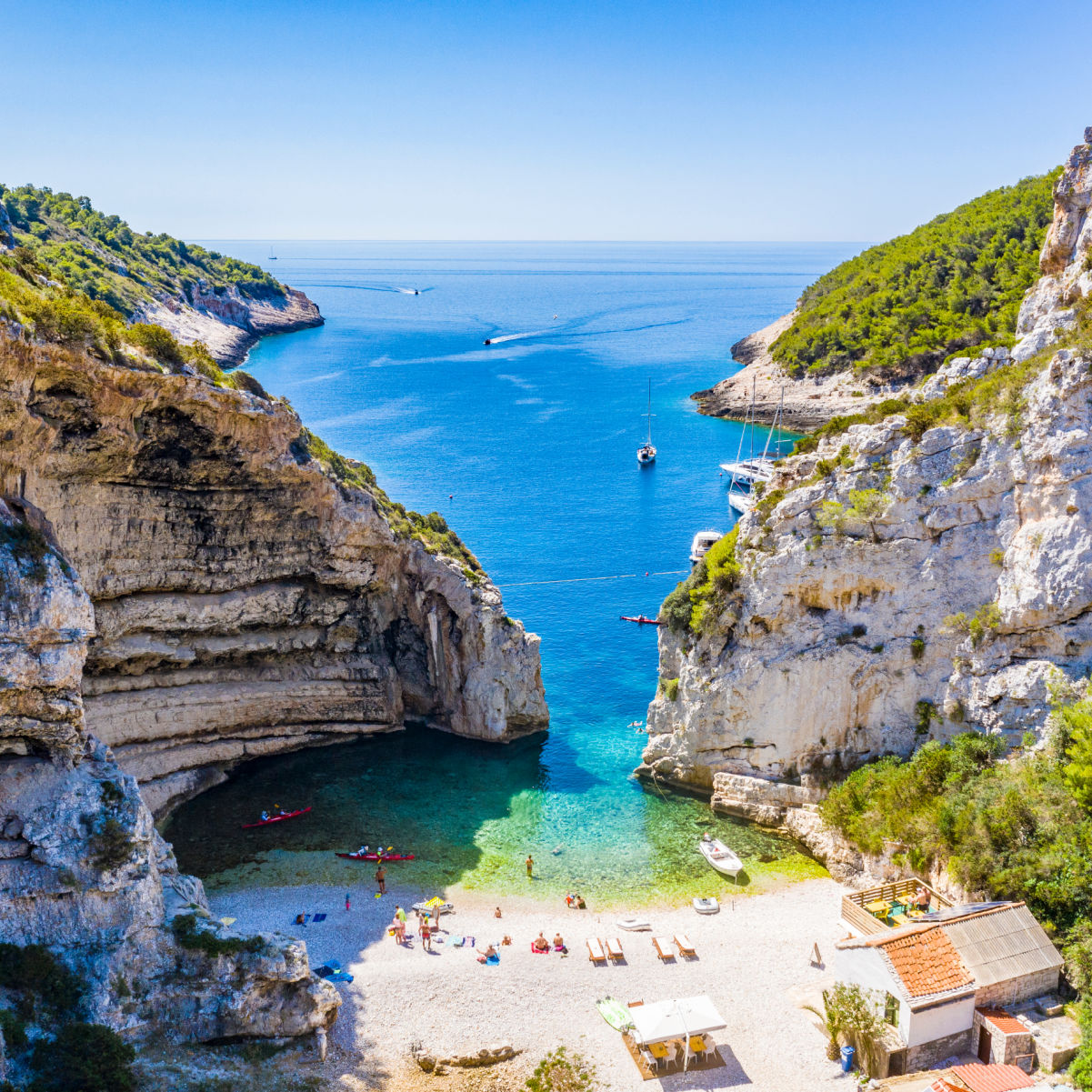
For decades, the island of Vis was used as a secret Yugoslav military base and was closed off to foreign visitors until 1989. Because of this isolation, it missed the wave of commercial development that swept over other Croatian islands like Hvar and Brač.
- The Vibe: Untouched, rugged, and historically fascinating. It is the furthest inhabited island from the Croatian mainland, making it a true escape.
- The Highlight: Walking through the ancient Greek and Roman ruins of Issa, tucked right behind the modern town, or exploring the abandoned submarine tunnels carved directly into the coastal rock.
Tip From The Editor (me): You HAVE to take a small panga boat out to the neighboring island of Biševo to see the Blue Cave. The boat ride is choppy, and the sea spray will soak everything you own (but it’s worth it!). I always transfer my wallet, phone, and passport into a heavy-duty dry bag before stepping onto the dock. When you return, grab a half-liter of local Karlovačko beer by the harbor for under $4.
Note From The Editor
Just one sec! If you enjoy reading great human-written articles, the best way to see a few more is to follow us on Google so we become one of your preferred websites. Thank you so much for reading. Now back to the story!
4. Menorca, Spain
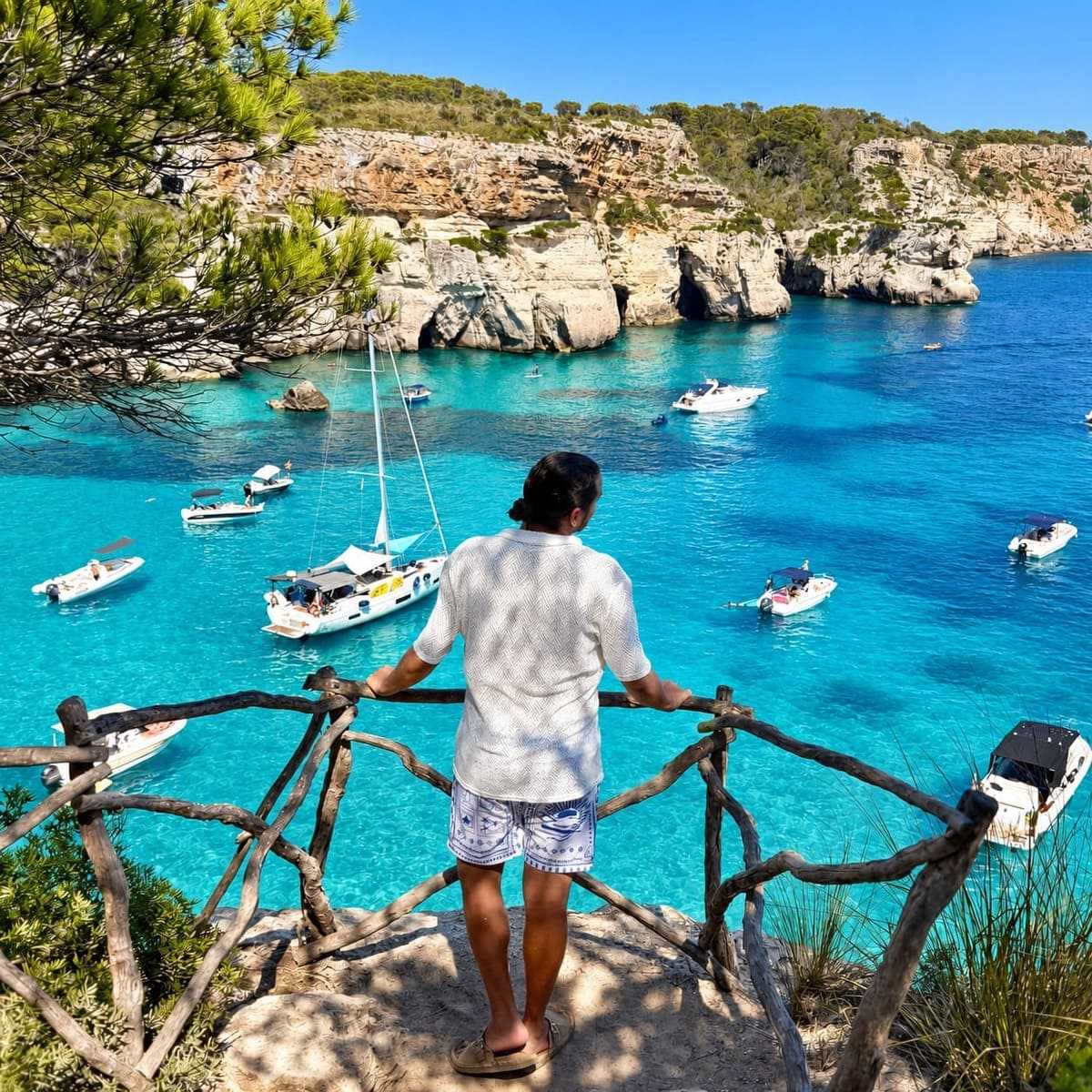
The Balearic Islands are famous globally, but while Ibiza brings the party and Mallorca brings the luxury resorts, Menorca quietly holds onto the history. In fact, the entire island is designated as a UNESCO Biosphere Reserve, meaning the coastline is strictly protected from overdevelopment.
- The Vibe: Calm, earthy, and perfectly preserved. The beaches—known locally as calas—are tucked into deep, pine-backed coves with striking turquoise water.
- The Highlight: The Talayotic culture ruins. The island is scattered with hundreds of ancient stone towers and monuments dating back to the Bronze Age, sitting quietly in open fields.
Tip From The Editor (me): Menorca is circled by the Camí de Cavalls, an ancient 115-mile coastal path. It is one of the best spots in Europe for trail running. When you finish a section of the trail, find a local beach bar (chiringuito) and order a pint of Estrella Damm. It is cheap, cold, and exactly what you need after a run in the sun.
5. Sant’Antioco, Italy
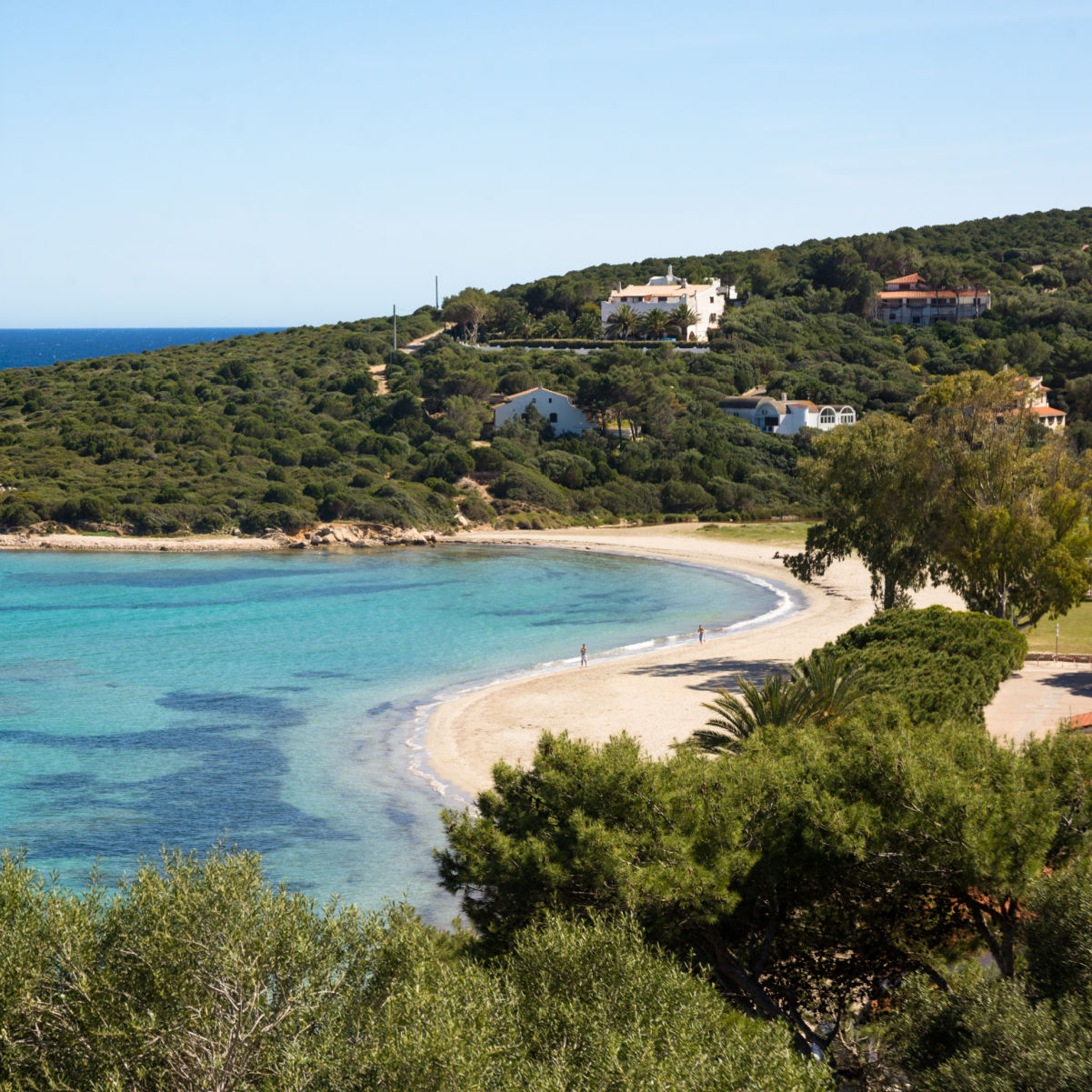
Sardinia is a sprawling, popular island, but very few international travelers know about Sant’Antioco. It’s a smaller island connected to the extreme southwestern tip of Sardinia by an artificial isthmus and a bridge originally built by the Romans.
- The Vibe: Deeply authentic, unpretentious Italian coastal living. It is a working fishing community where tourism is secondary to the local rhythm.
- The Highlight: The Carthaginian Tophet and the underground Roman catacombs. You get layers of ancient Phoenician, Punic, and Roman history all stacked within a short walk of each other.
Tip From The Editor (me): The pastel-colored houses and the dramatic coastal cliffs on this island are a dream for analog photography. I always pack a few rolls of 35mm film because the afternoon light hitting the stone ruins has a warm, grainy texture that digital sensors struggle to replicate. For dinner, sit by the water, order a plate of fresh seafood pasta, and pair it with an Ichnusa—the iconic, cheap local beer of Sardinia.
6. Ithaca, Greece
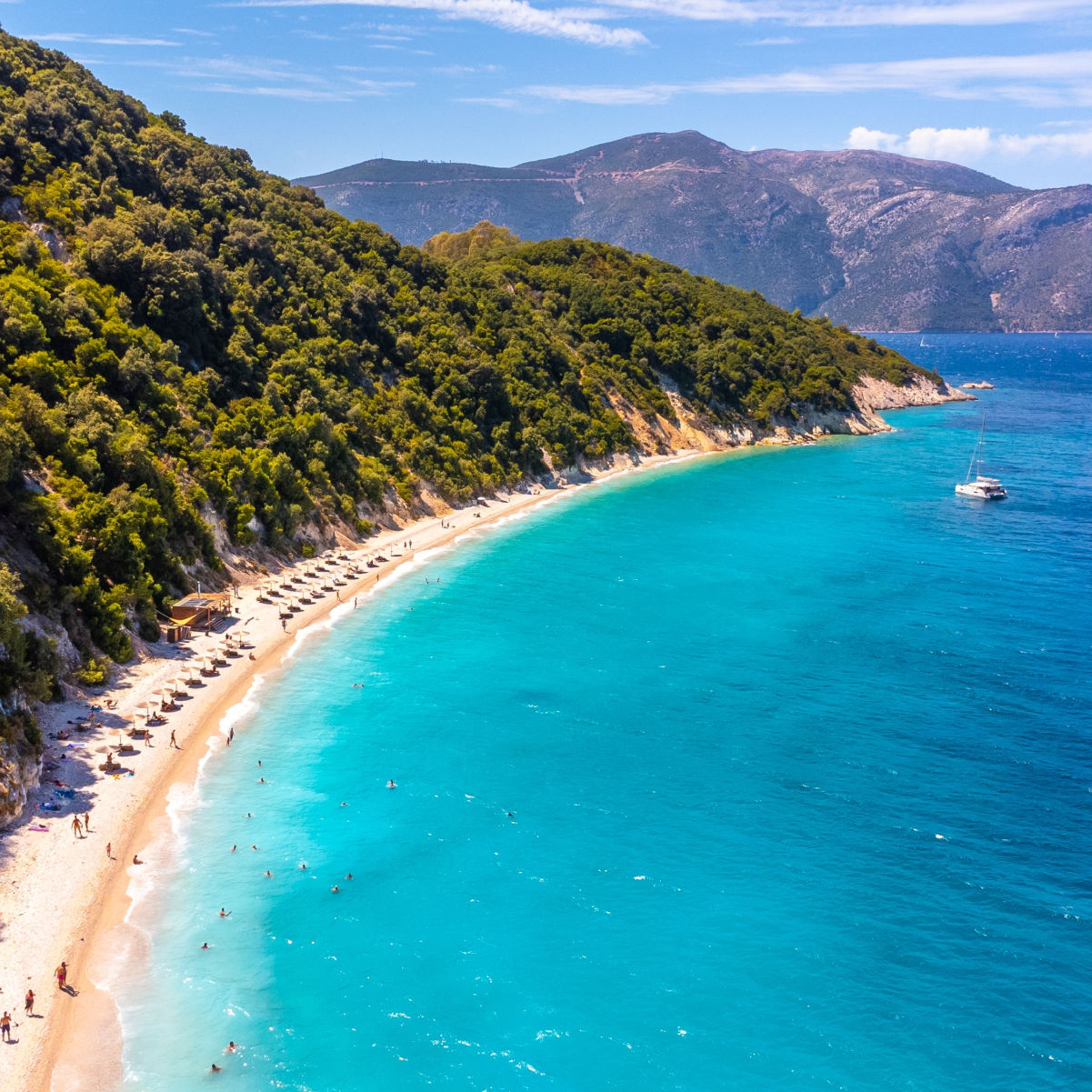
Famous in mythology as the home of Odysseus, Ithaca is remarkably difficult to reach, which is exactly why it remains so pristine. There is no airport on the island; you have to fly into neighboring Kefalonia and catch a ferry across the strait.
- The Vibe: Mythological, quiet, and deeply romantic. It features steep, olive-tree-covered hills plunging directly into the Ionian Sea.
- The Highlight: Hiking up to the School of Homer. While archaeologists still debate the exact history, wandering through these ancient, uncrowded stone ruins overlooking the ocean feels completely surreal.
Tip From The Editor (me): The coastal village of Kioni is one of the most picturesque harbors in Greece. My wife Liz and I love spending the afternoon here, watching the small sailboats come in. You can grab a table right on the edge of the water, order a pint of Mythos for $4, and enjoy a Mediterranean evening exactly the way it used to be.
Discovering the quiet side of the Mediterranean just requires a little extra effort. By taking the longer ferry or booking the connecting flight, you can easily bypass the crowds and find the authentic, affordable islands that still define the region.
Enter your email address to subscribe to Travel Off Path’s latest travel news, straight to your inbox