
Why would you go to a beach town with almost no street lights, few paved roads, and a strict ban on night-time beach parties? Wait, hear me out, because it is time to let you in on a little secret.
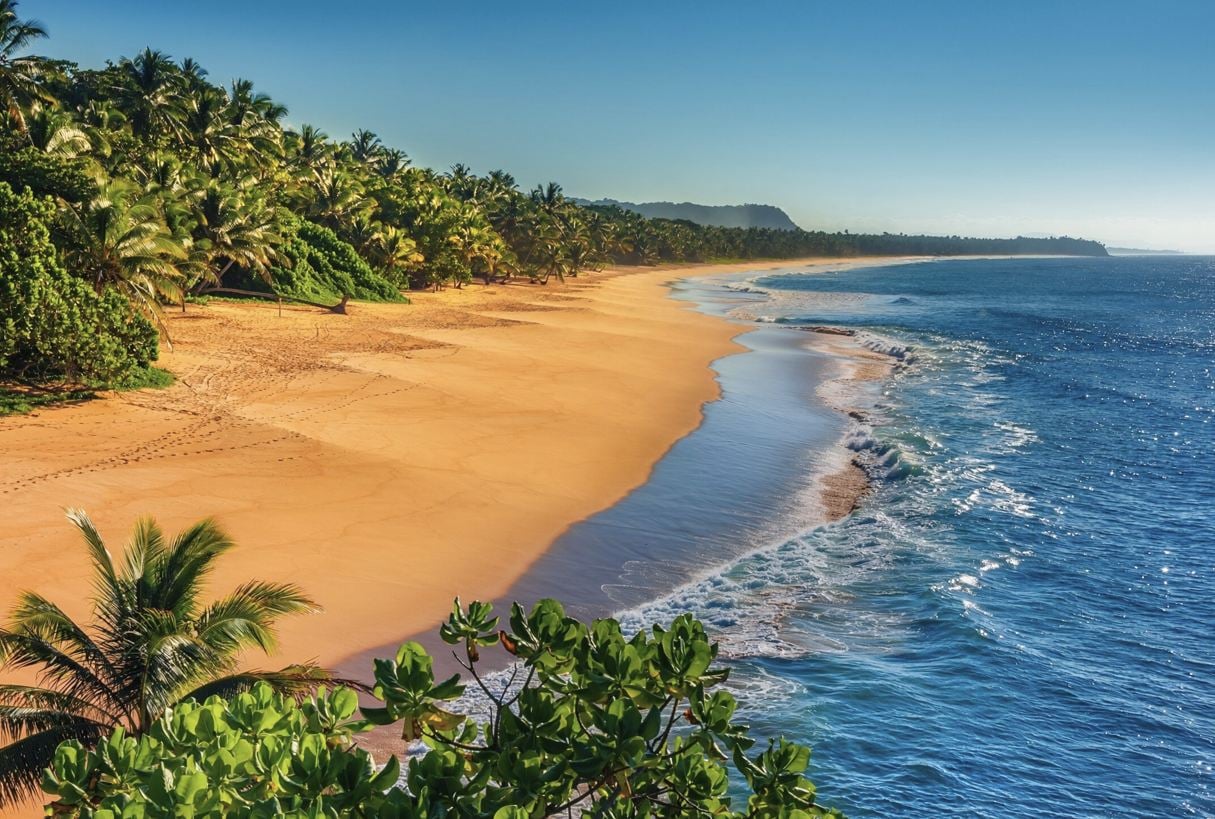
When travelers book a vacation to Costa Rica, they are usually chasing a specific daydream. They want to find a quiet stretch of pristine golden sand, sleep in a boutique eco lodge tucked under a jungle canopy, and spend their days swimming in warm water with zero crowds.
But the reality is often very different. Travelers typically end up stuck in massive traffic jams, fighting for space on a crowded beach, and trying to relax next to loud tourist bars.
Finding an undiscovered, safe, and peaceful beach town feels almost impossible these days. But there’s a secret hiding right on the Pacific coast.
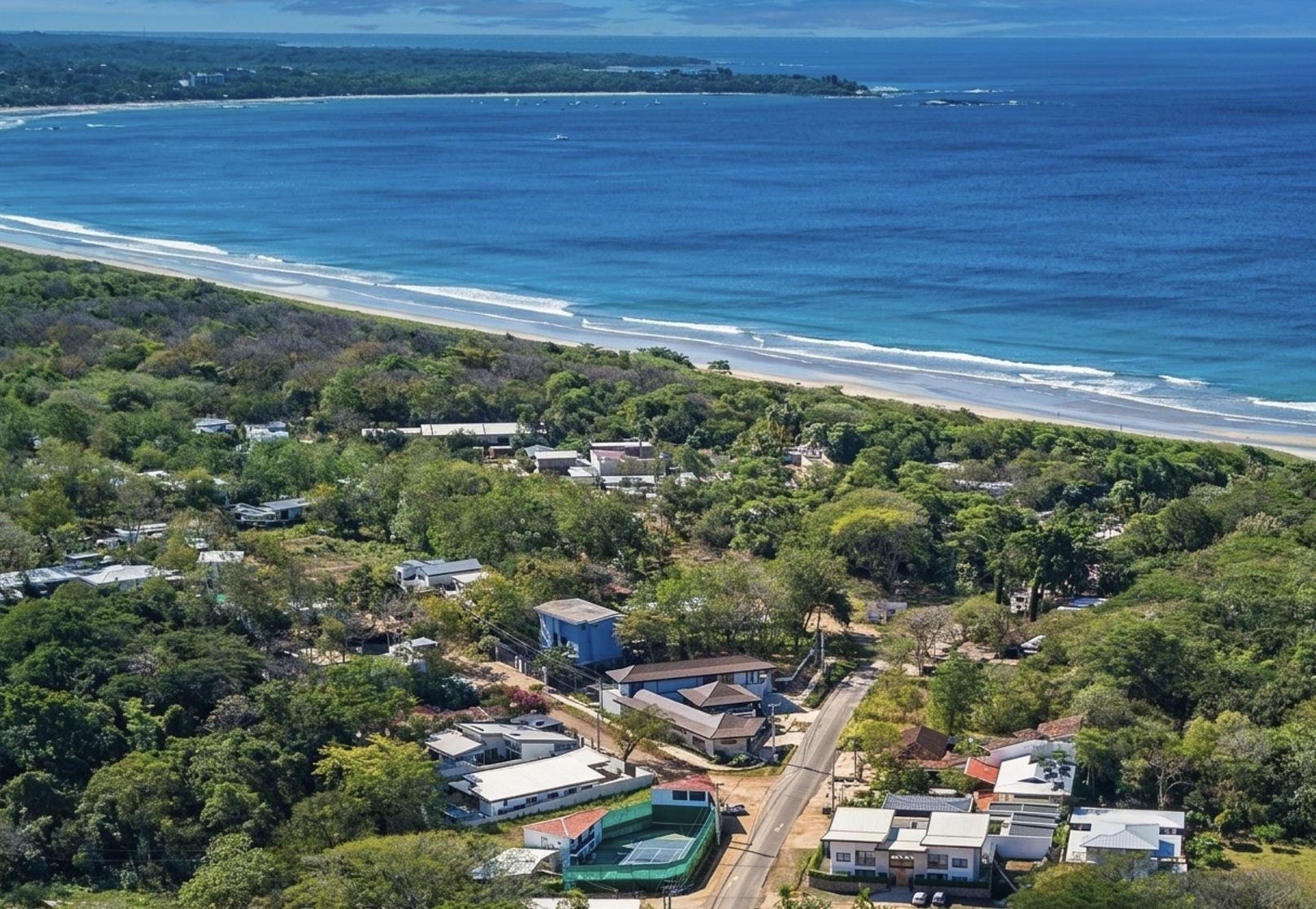
Welcome to Playa Grande. This secluded paradise offers a fascinating geographic paradox. It sits directly next to Tamarindo, which is one of the most heavily developed and crowded tourist hubs in the entire country. Yet, because of a stroke of environmental luck and some fiercely enforced local laws, Playa Grande remains completely untouched by mass tourism.
If you want the ultimate slow travel escape this winter, this is the blueprint for experiencing the authentic, secret side of Costa Rica.
The Two Dollar VIP Pass
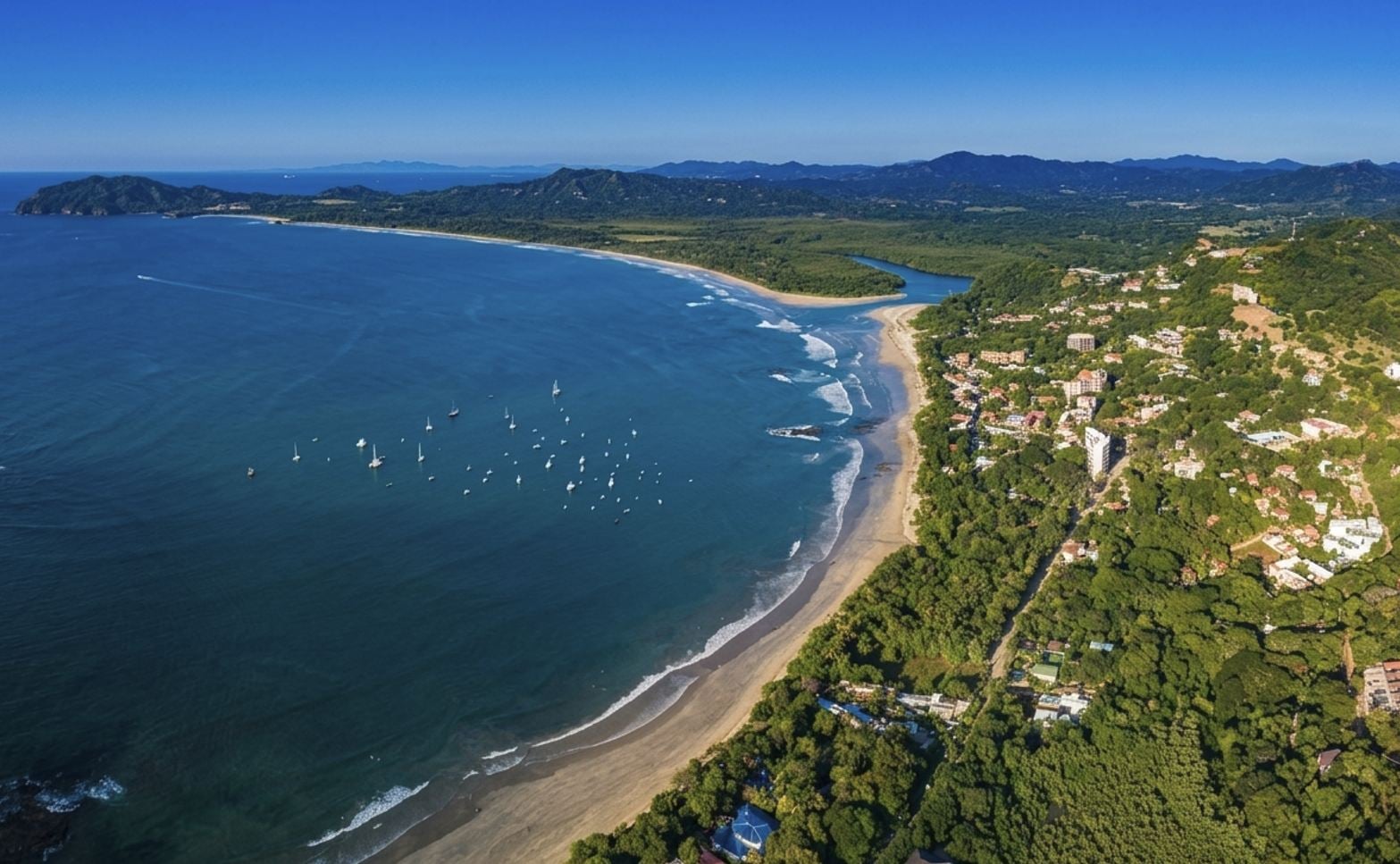
Looking at a map, Playa Grande and Tamarindo appear to share the same stretch of coastline. However, they are physically separated by a wide saltwater river estuary.
There is no walking bridge connecting the two towns. To get from the quiet, sleepy sanctuary of Playa Grande into the bustling commercial center of Tamarindo, you have to pay a local fisherman roughly two US dollars, which is about one thousand local colones. You hop into a small wooden boat, and they ferry you safely across the estuary in about five minutes. To make things even more memorable, you might even spot one of the river’s famous resident crocodiles sunbathing on a distant mudbank along the way. Don’t worry, the boatmen have been doing this safely for decades.
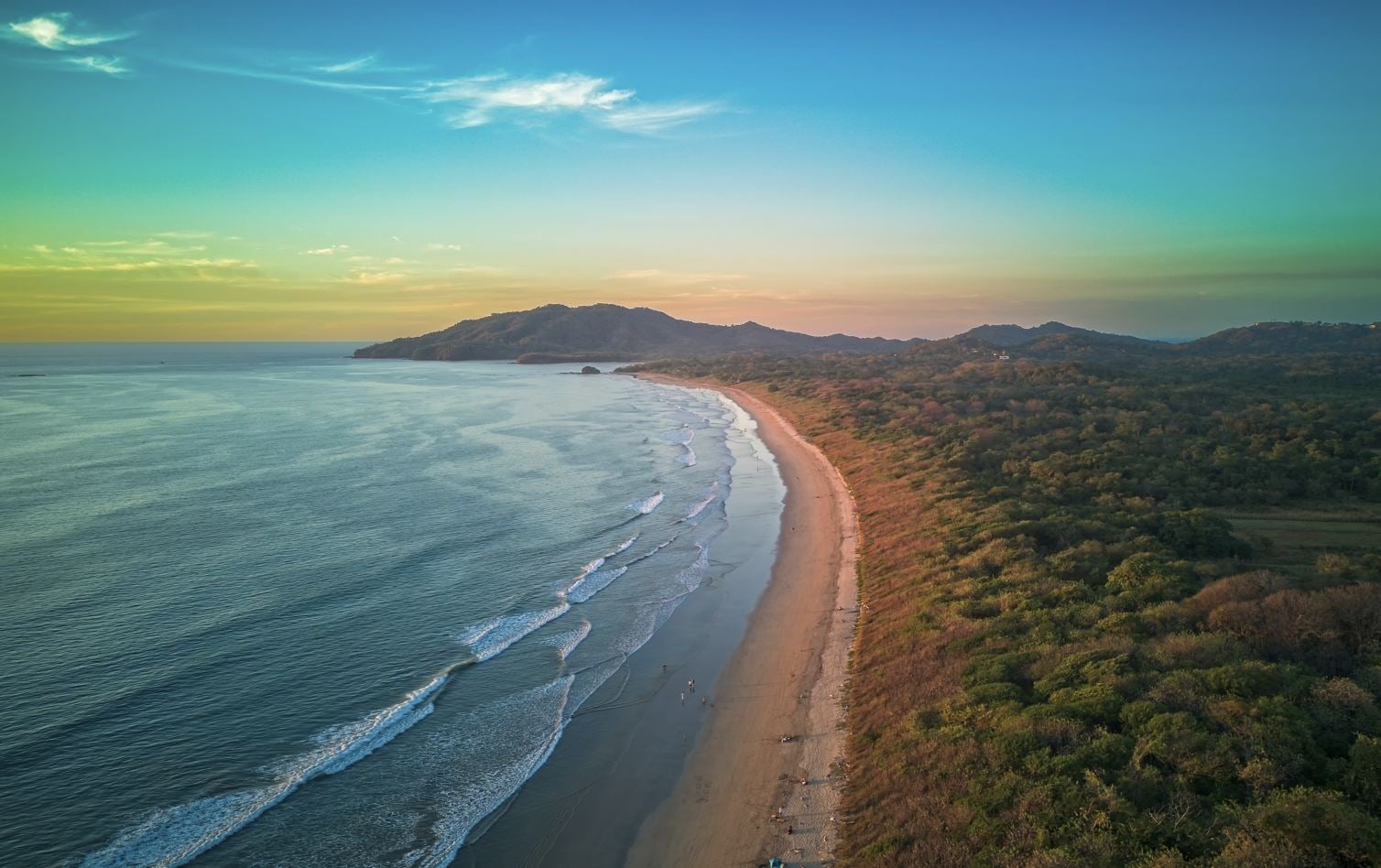
This wide water barrier acts as an incredible natural filter: the ultimate VIP velvet rope. It completely stops the heavy foot traffic, the aggressive souvenir vendors, and the loud party crowds from ever reaching Playa Grande. Whenever you want high end medical care, large banks, or a crazy night out at a bustling restaurant, you just take the quick water taxi across the river. When you are done with the chaos, you pay your two dollars, cross back over the water, and retreat to total silence.
While cars can still make the thirty minute drive around the estuary on the main roads, the lack of a direct foot bridge keeps the casual party crowds firmly trapped on the Tamarindo side.
Pitch Black Beaches And A 1000 Pound Secret
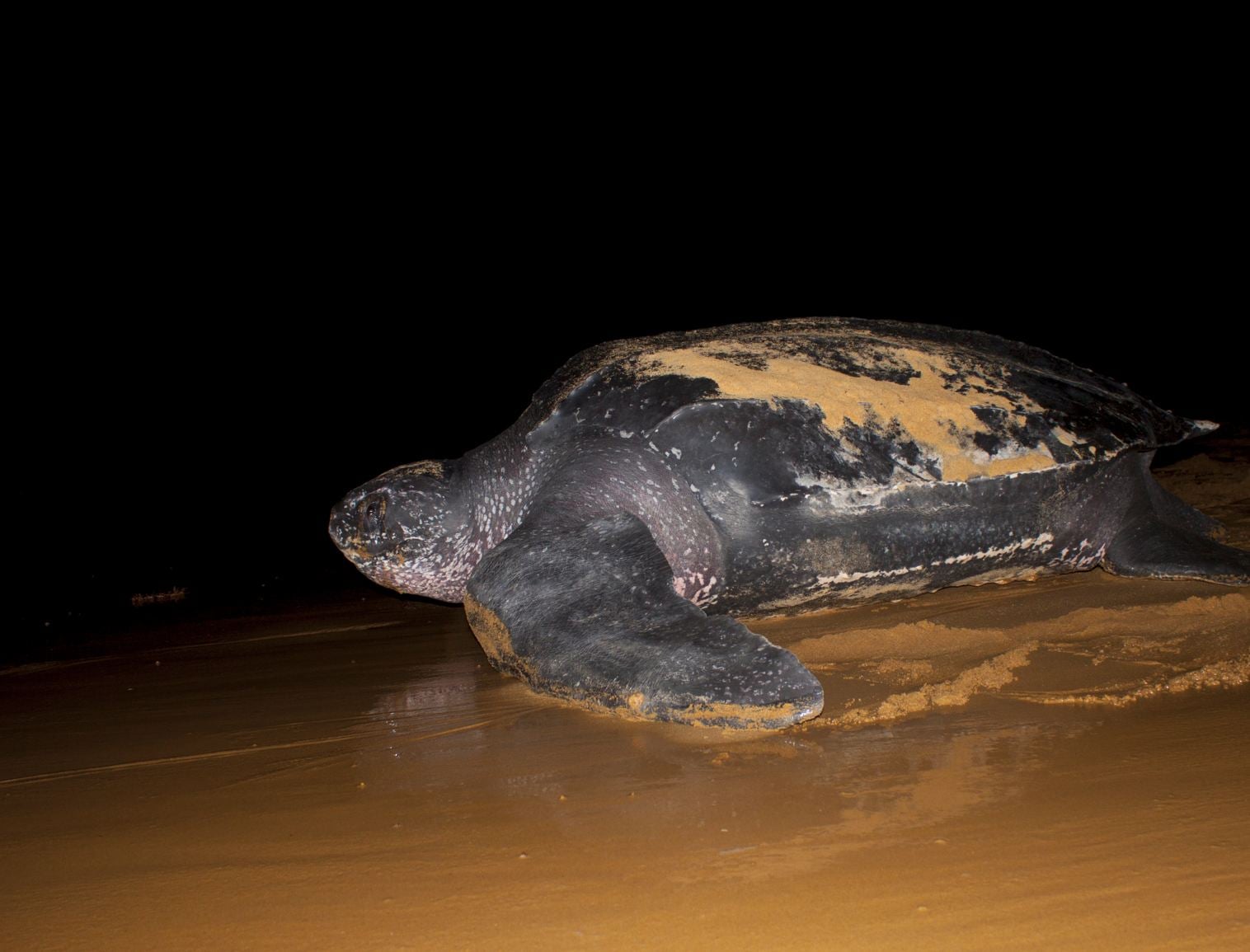
A modern expat and tourist town with very few streetlights sounds absolutely crazy. It almost sounds like a survivalist camp. But in Playa Grande, the coastal darkness is a strict legal requirement, and it is the exact reason the town is so magical.
The entire beach belongs to Las Baulas National Marine Park. This massive sanctuary was established to protect the nesting grounds of the highly endangered Leatherback sea turtle. These majestic creatures are absolute giants that can weigh up to one thousand pounds. Artificial light completely disorients the baby turtles trying to find the ocean by following the moonlight.
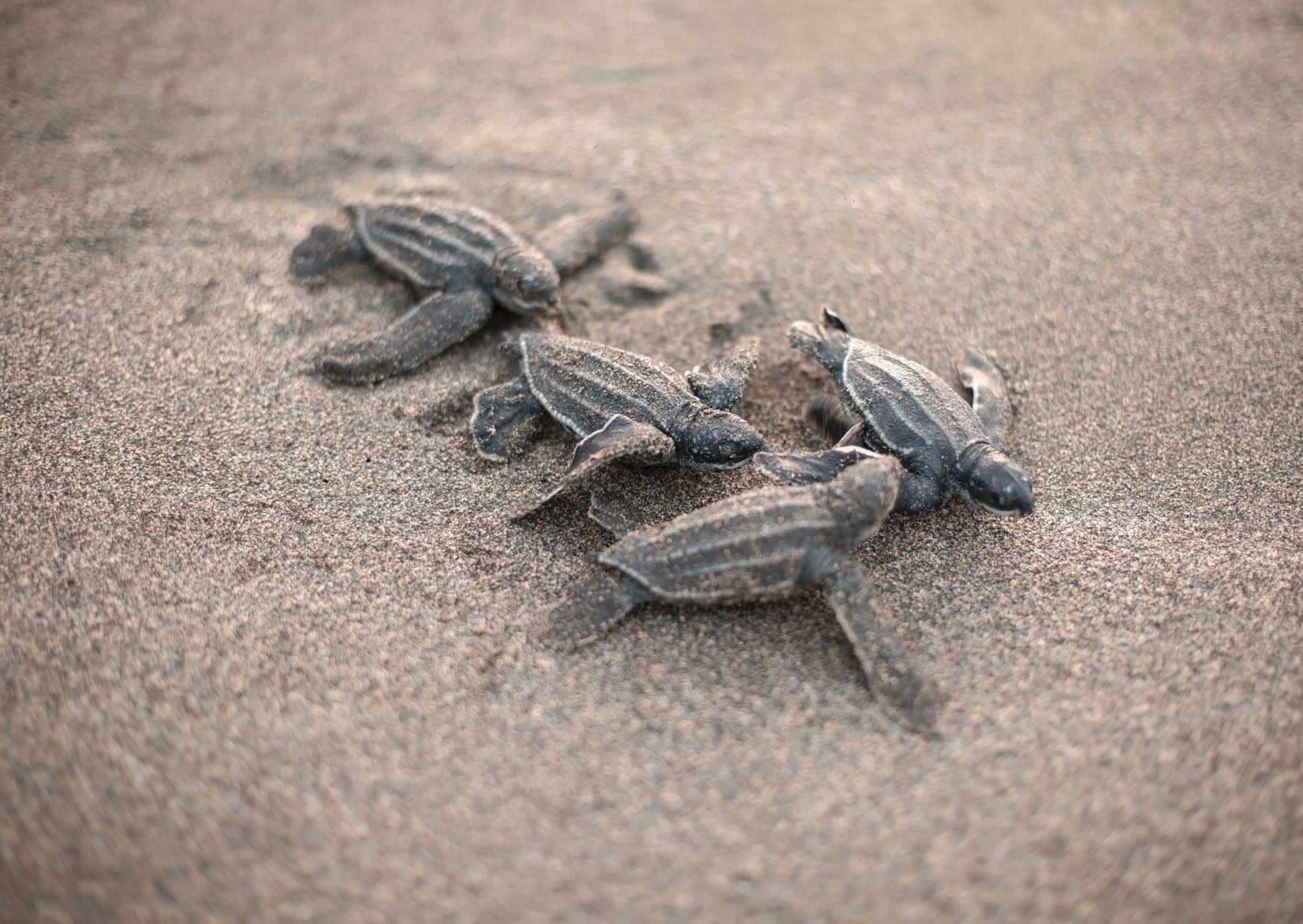
To protect the turtles, the community has fiercely resisted massive commercial development on the sand. The town itself has very few streetlights, and strict dark sky architectural codes are heavily enforced along the coast. Oceanfront villas must use heavy tinted glass, blackout curtains, or thick green curtains of jungle trees so that absolutely no interior artificial light spills onto the sand.
The beach is completely closed to the public from six in the evening until five in the morning between October and March. There are no late-night beach parties or late night bonfires. Everyone simply retreats to their boutique jungle lodges, listens to the sound of the crashing waves, and goes to sleep early. It is the ultimate reset button for your brain.
Bathwater Waves, Dirt Roads, And Wilmart
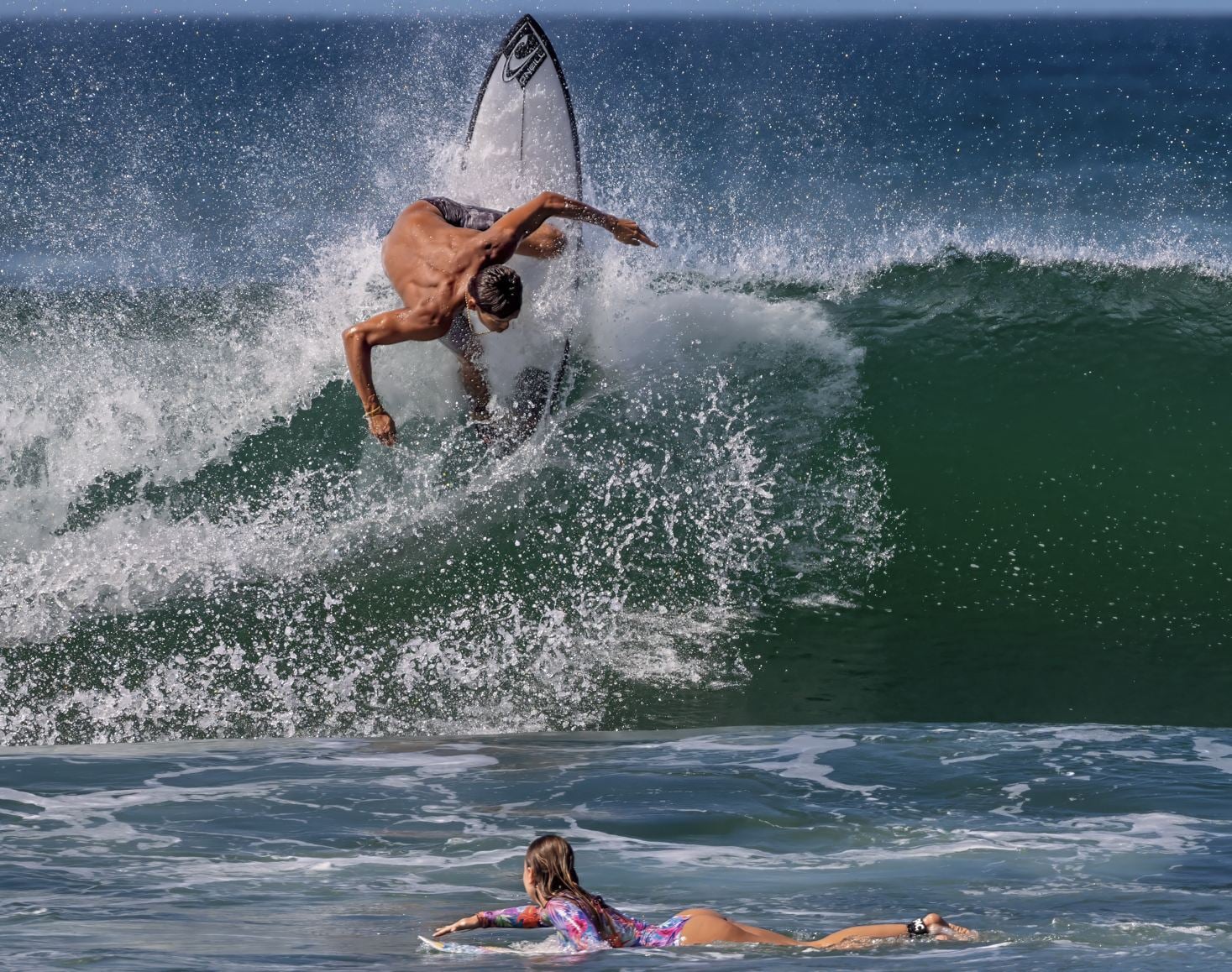
Playa Grande attracts a very specific, cool crowd made up of nature lovers, expats, and seasoned surfers. The ocean water here is incredibly pristine, clear, and exceptionally warm. The temperature consistently hovers around 83 degrees Fahrenheit all year round, making it feel exactly like a massive heated swimming pool.
Because there are absolutely no high rise condos or neon signs blocking the tree line, the coastline feels vast and completely infinite. If you want a calm wading pool experience rather than an intense surfing session, you can simply take a short walk to the northernmost end of the beach known as Playa Ventanas. Here, rocky reefs naturally block the incoming swells, creating completely peaceful snorkeling tide pools.
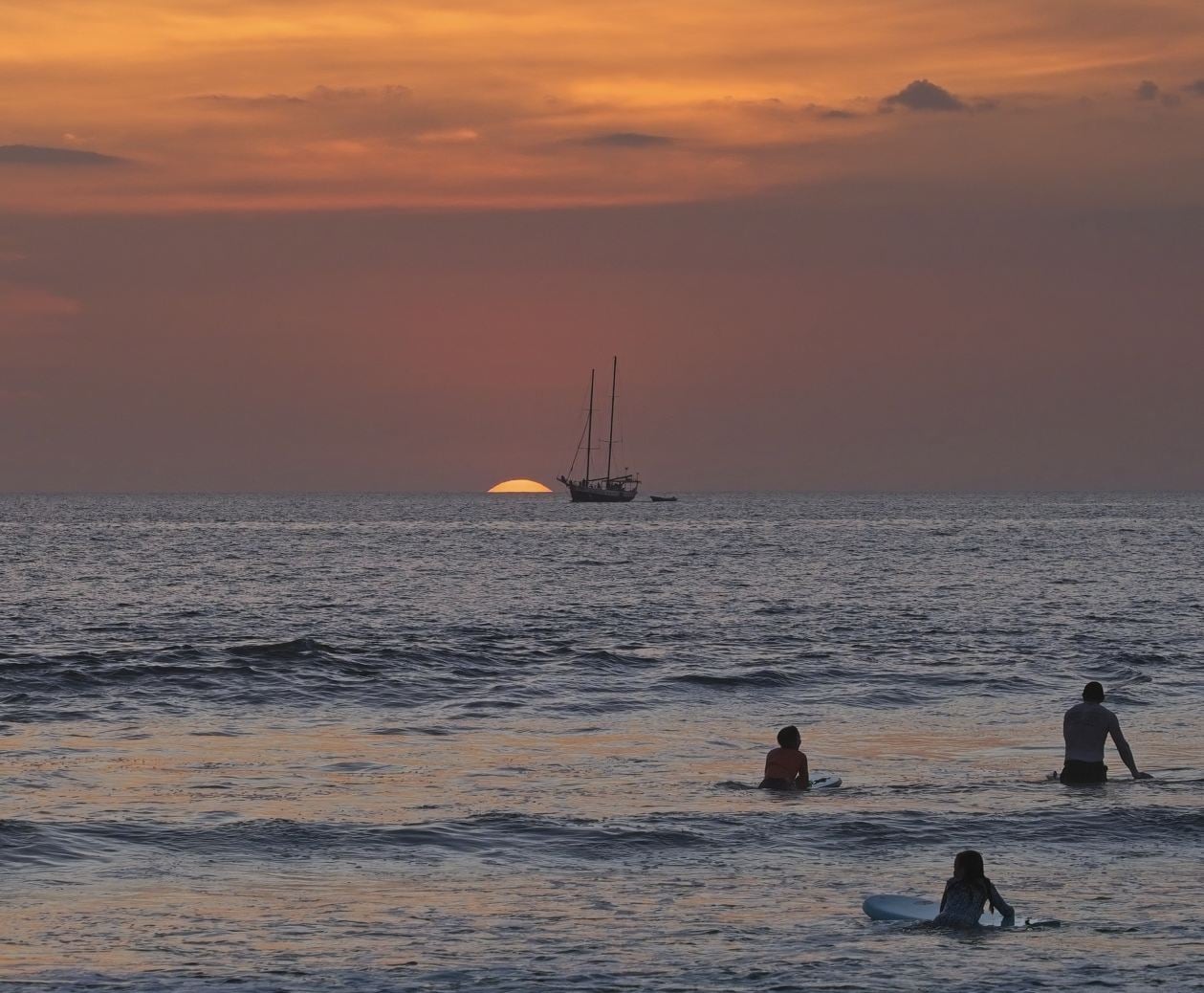
Back on land, there is finally a smooth paved route bringing you directly into town, which makes getting there incredibly easy. However, almost all the actual residential avenues and side streets remain unpaved gravel dirt paths. Traffic moves incredibly slow on these back roads, and residents prefer to get around using golf carts or bicycles.
The absolute best part about this community is its cheeky, anti corporate vibe. The closest thing Playa Grande has to a commercial town center is a tiny dirt road intersection. Here, you will find a couple of surf shops, some open air restaurants, and the premier boutique grocery store of the town. While it recently rebranded to officially be called The Store, it was originally and affectionately named Wilmart. Yes, you read that correctly. Wilmart, not Walmart. Some locals still call it that today, and it is the perfect hilarious nod to the fact that you are miles away from fluorescent lit mega stores.
The Hyper Specific Price Breakdown
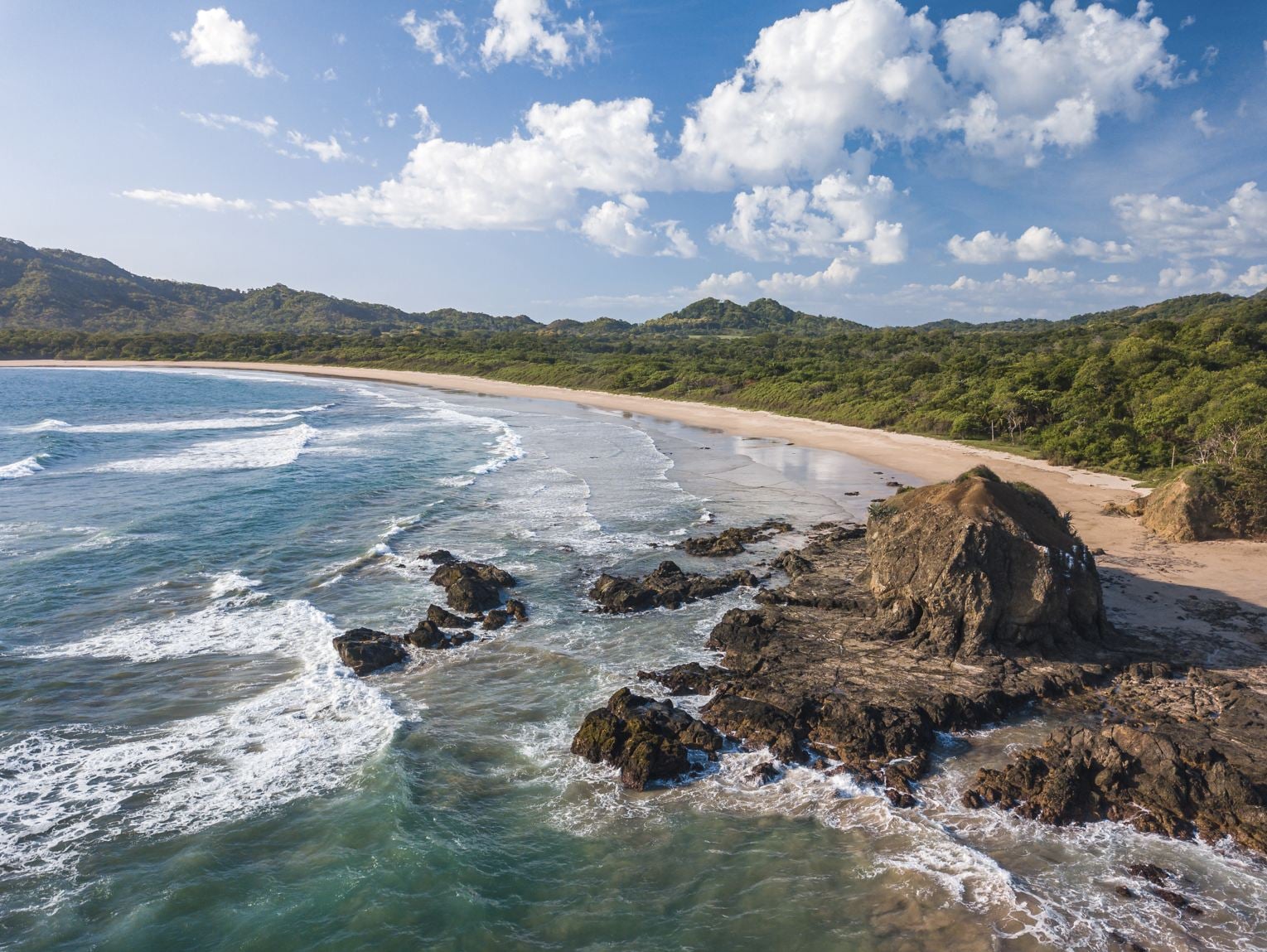
Because Playa Grande lacks massive mega resorts, everyday travelers can easily find incredible value by booking smaller eco lodges and eating at local spots tucked into the trees.
Here is exactly what you can expect to pay while living the quiet life during the high winter season:
- Boutique surf lodge or jungle guesthouse: $150 to $250 USD per night for highly rated spots.
- The wooden water taxi ride to Tamarindo: $2.00 USD or 1,000 colones each way.
- A massive plate of traditional Casado (rice, beans, plantains, and local fish): $7 to $10 USD at a local open air soda.
- Fresh fruit smoothies or incredible local Costa Rican coffee: $3.00 to $4.00 USD.
- Ice cold Imperial beer: $2.00 to $3.00 USD at a local dirt road cafe.
- Transportation rentals: $20 USD per day for a bicycle, or $50 to $80 USD per day for a street legal golf cart to navigate the dusty side roads.
Dismantling The Travel Logistics
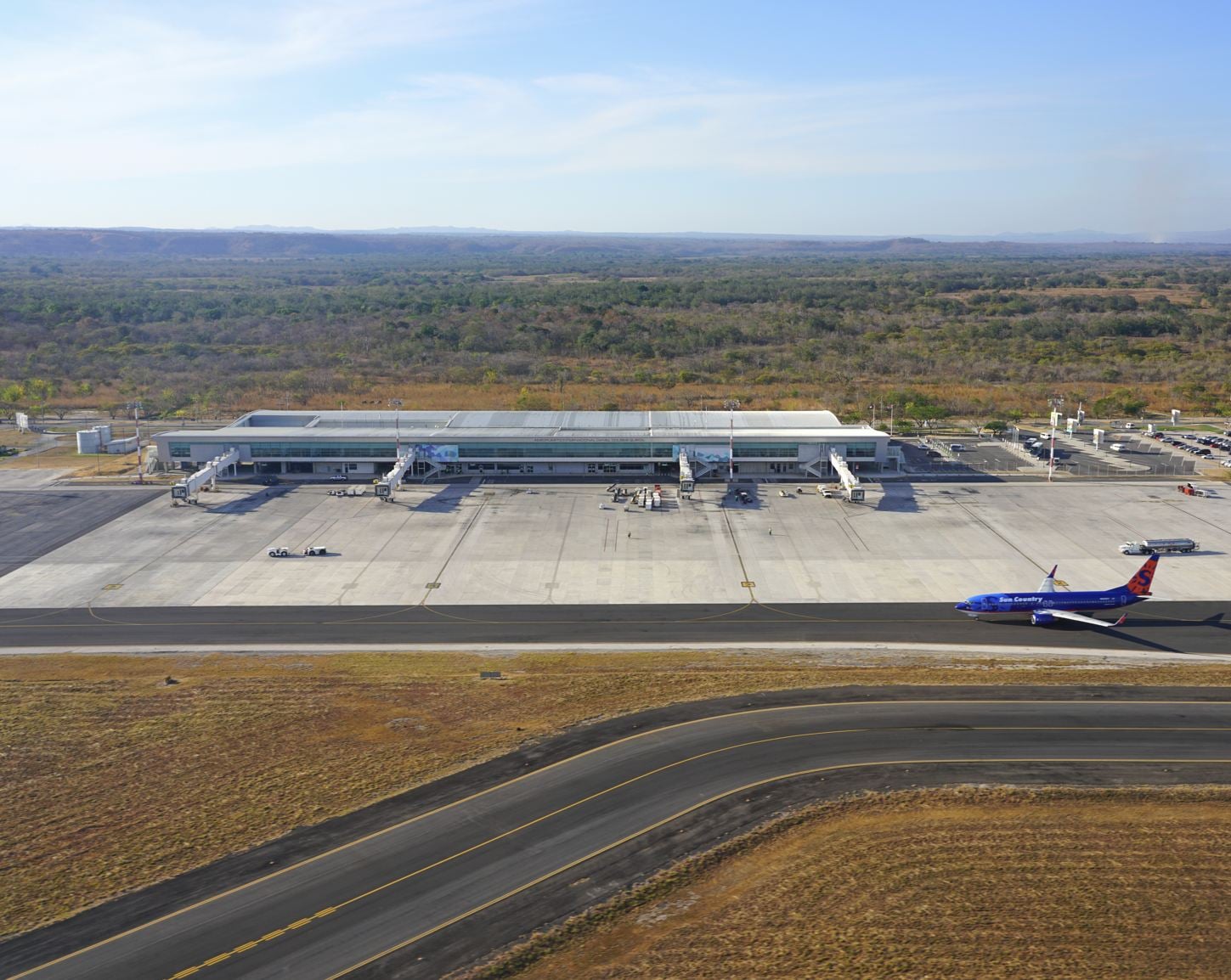
Getting to this hidden sanctuary is surprisingly easy and stress free. You do not have to fly into the chaotic capital city of San Jose and endure a brutal five hour drive. Instead, you can book a direct flight straight into Liberia International Airport. From the airport, Playa Grande is only a smooth, highly scenic one hour drive away on fully paved highways.
The town is incredibly safe, boasting a tight knit expat and local community that looks out for one another. You do not have to settle for overpriced resorts and overcrowded tourist traps this winter. Grab your two dollars for the water taxi, pick up some snacks at Wilmart, enjoy the eighty three degree water, and experience the completely untouched magic of Playa Grande before the rest of the world finds out about it.
Playa Grande Secrets
Enter your email address to subscribe to Travel Off Path’s latest travel news, straight to your inbox