
If you’re keen on a little culture-loaded getaway to Italy this winter, but you’re not exactly too thrilled about lining up to toss a coin into the Trevi Fountain, or paying upwards of $120 for a mid-at-best canal-facing dinner in Venice, maybe you should be considering stopping in Ravenna instead:
A lesser-known gem in Northern Italy, this is truly one for the books:
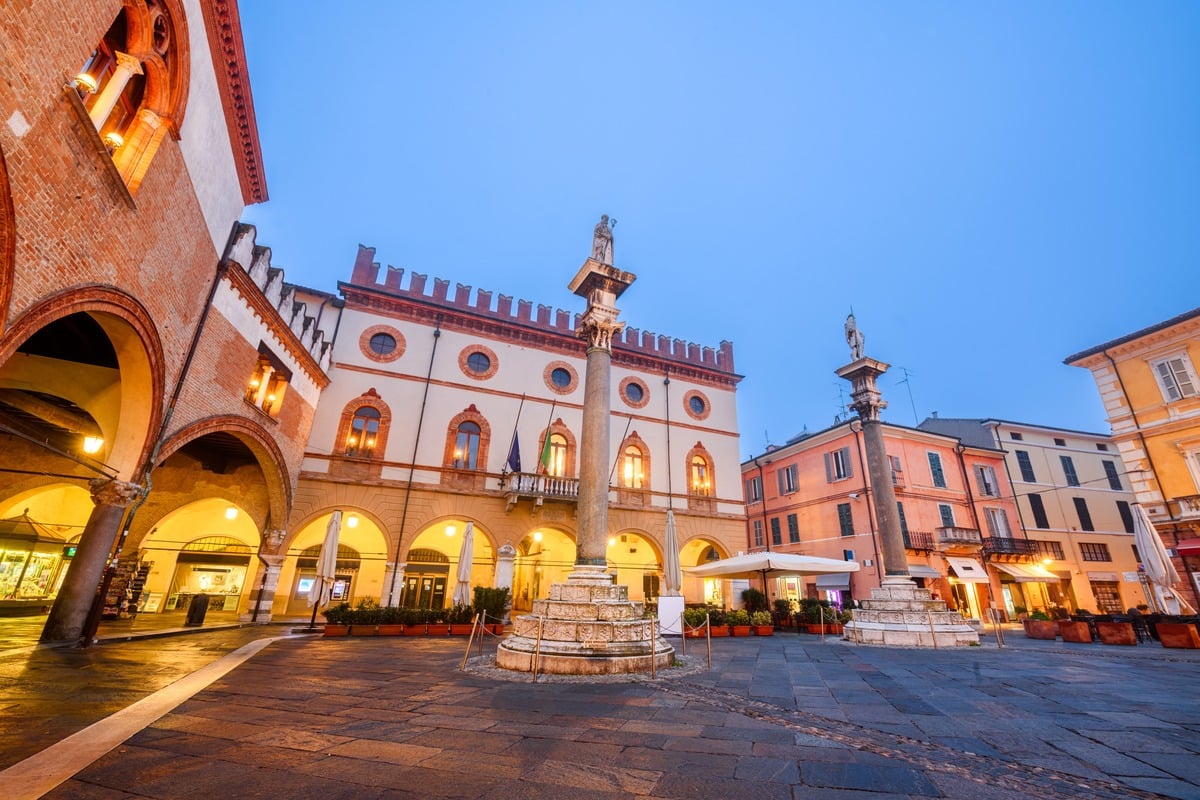
Think ancient basilicas adorned with colorful mosaics, an extraordinary concentration of UNESCO-listed monuments, and beautiful little squares fringed by family-owned trattorias where sitting down for a hearty dish of pasta can cost you as little as $14.
It’s no wonder Ravenna is seeing record-breaking tourism right now, having hosted over 300,000 overnight visitors in its historic city area last year, and numbers keep climbing in 2026, with arrivals up 9.1% through August.
Now’s the time to go before it, too, gets invaded by the masses:
Visit UNESCO Darling Ravenna Before It’s Too Late
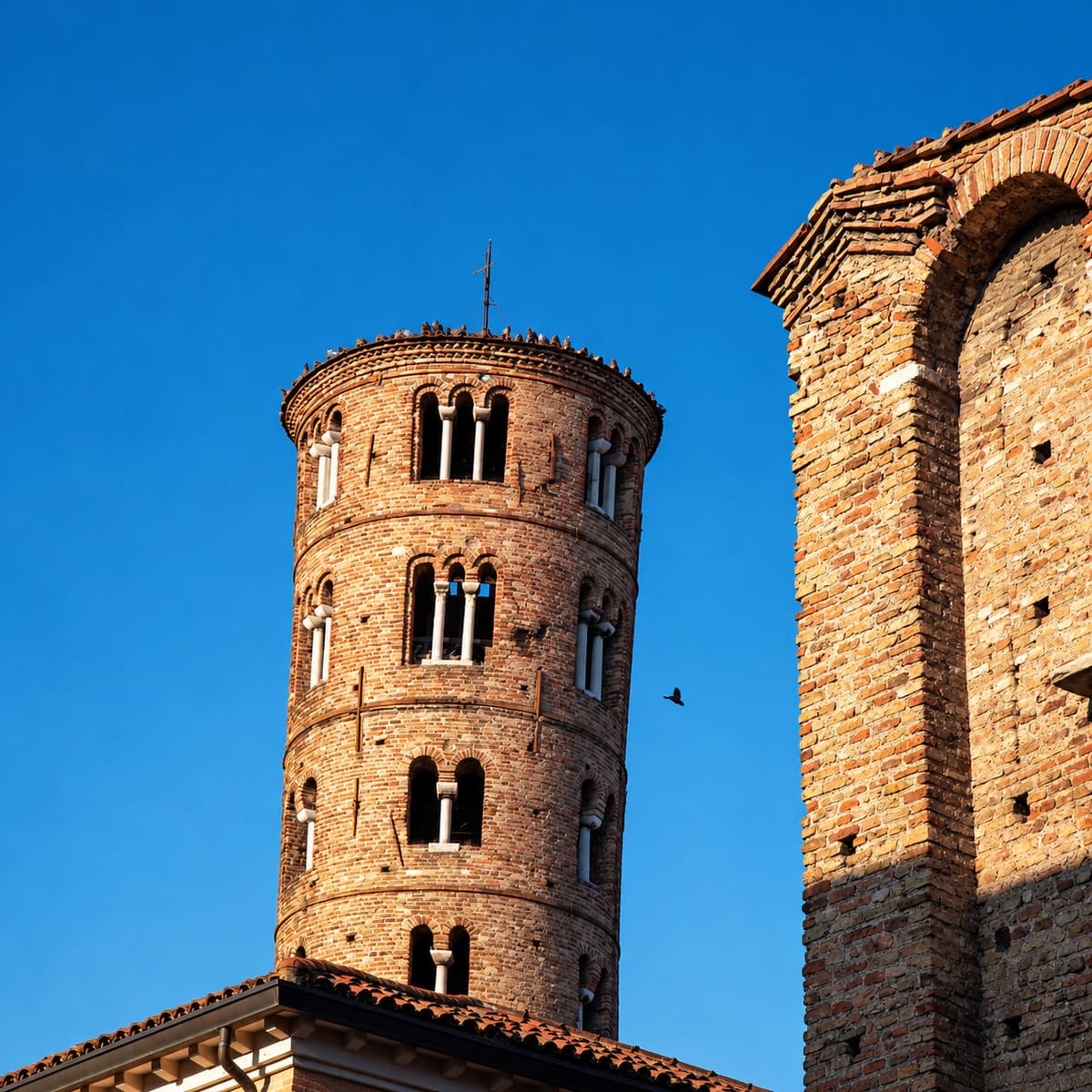
One of the oldest cities in Emilia-Romagna, a region you might know for its tower-dotted capital Bologna, Ravenna is easily one of Italy’s most underrated cultural hotspots:
I mean, the fact it’s home to a whopping 8 UNESCO-listed monuments, and it’s only just breached the 300,000-visitor mark in its historic city area tells you everything you need to know.
While a majority of tourists flock to Rome for been-there-done-that Colosseum selfies, line up for Florence‘s now-gourmetized wine windows, and spend a jaw-dropping $300-a-night on boutique Positano stays, Ravenna has stayed quietly off the radar.
Although it’s one of Italy’s most historically important cities, formerly the capital of not one, but three powerful states—from the Western Roman Empire to the Ostrogothic Kingdom to Byzantine Italy—it’s followed a very different path from that of Rome.
It remains a manageable, fully walkable city, with around 156,000 residents within its municipal boundaries, rather than your usual sprawling metropolis.
If you’re drawn to smaller Italian cities, this one might just be the ultimate mid-size hub.
Ancient World Wonders At Every Unassuming Turn
Of course, the main appeal here is the insane concentration of ancient landmarks, to the point UNESCO couldn’t help but bring eight of them under their fold:
Ravenna’s 8 UNESCO World Heritage Monuments
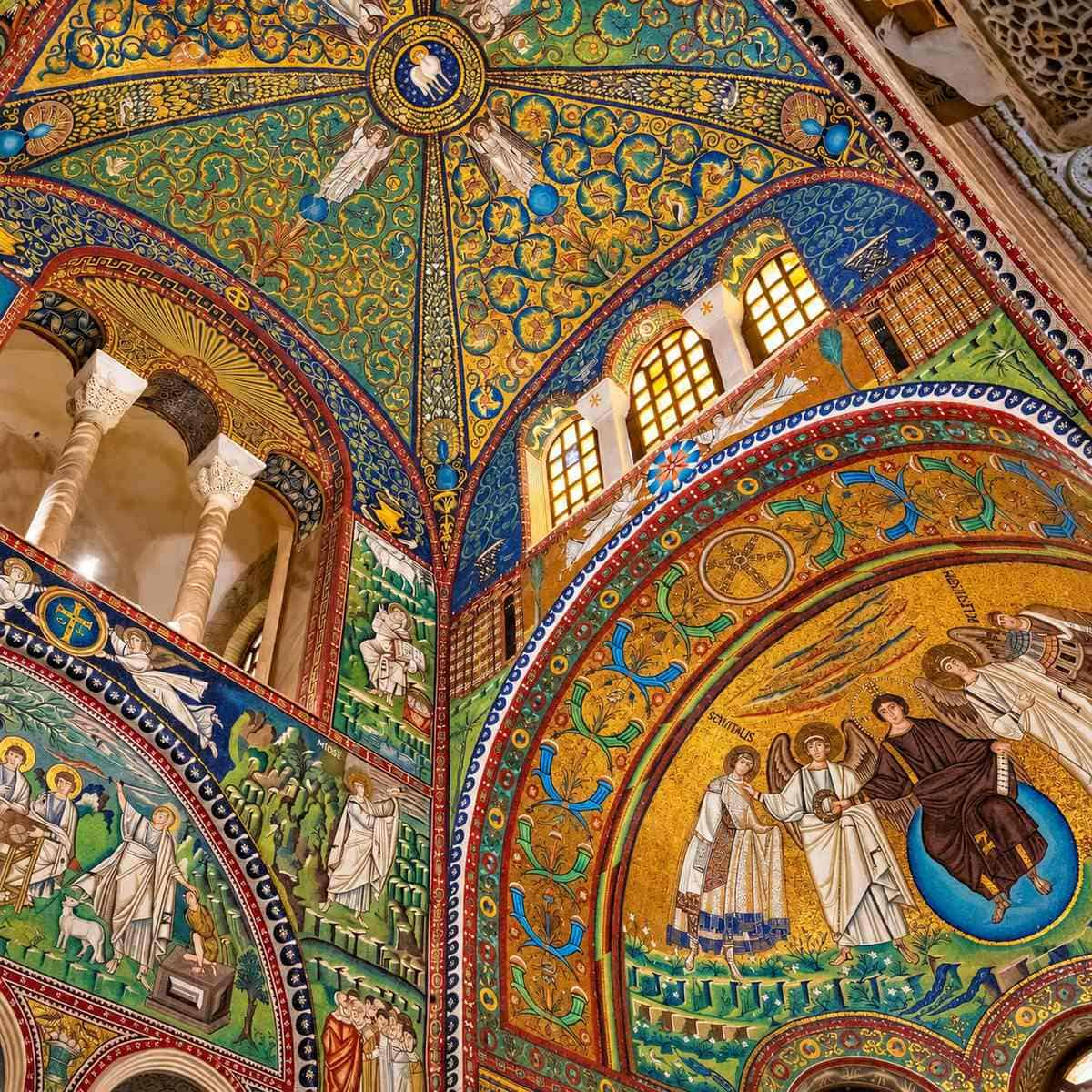
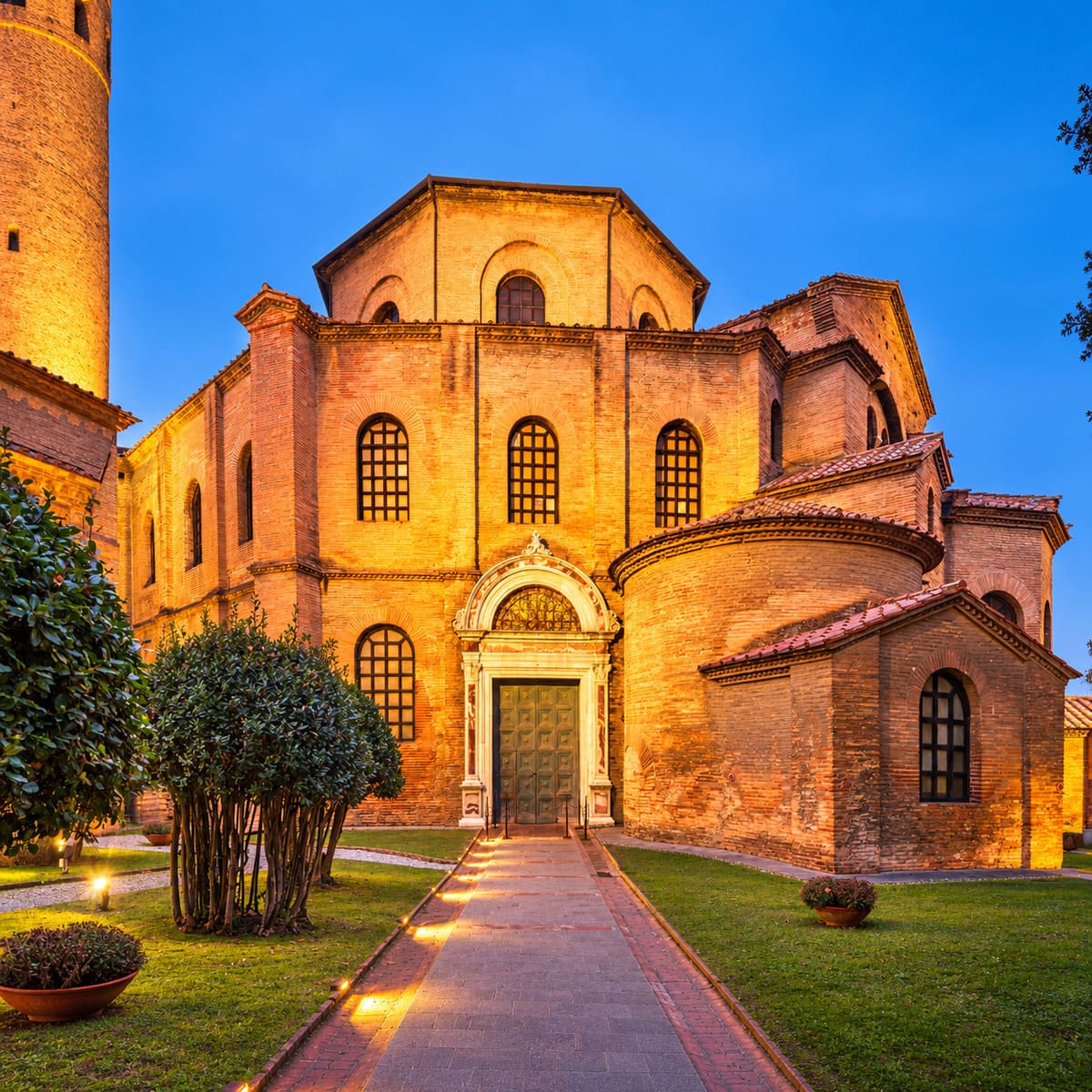
- Basilica di San Vitale: a spectacular 6th-century gem clad in golden Byzantine mosaics, including famous portraits of Emperor Justinian and Empress Theodora.
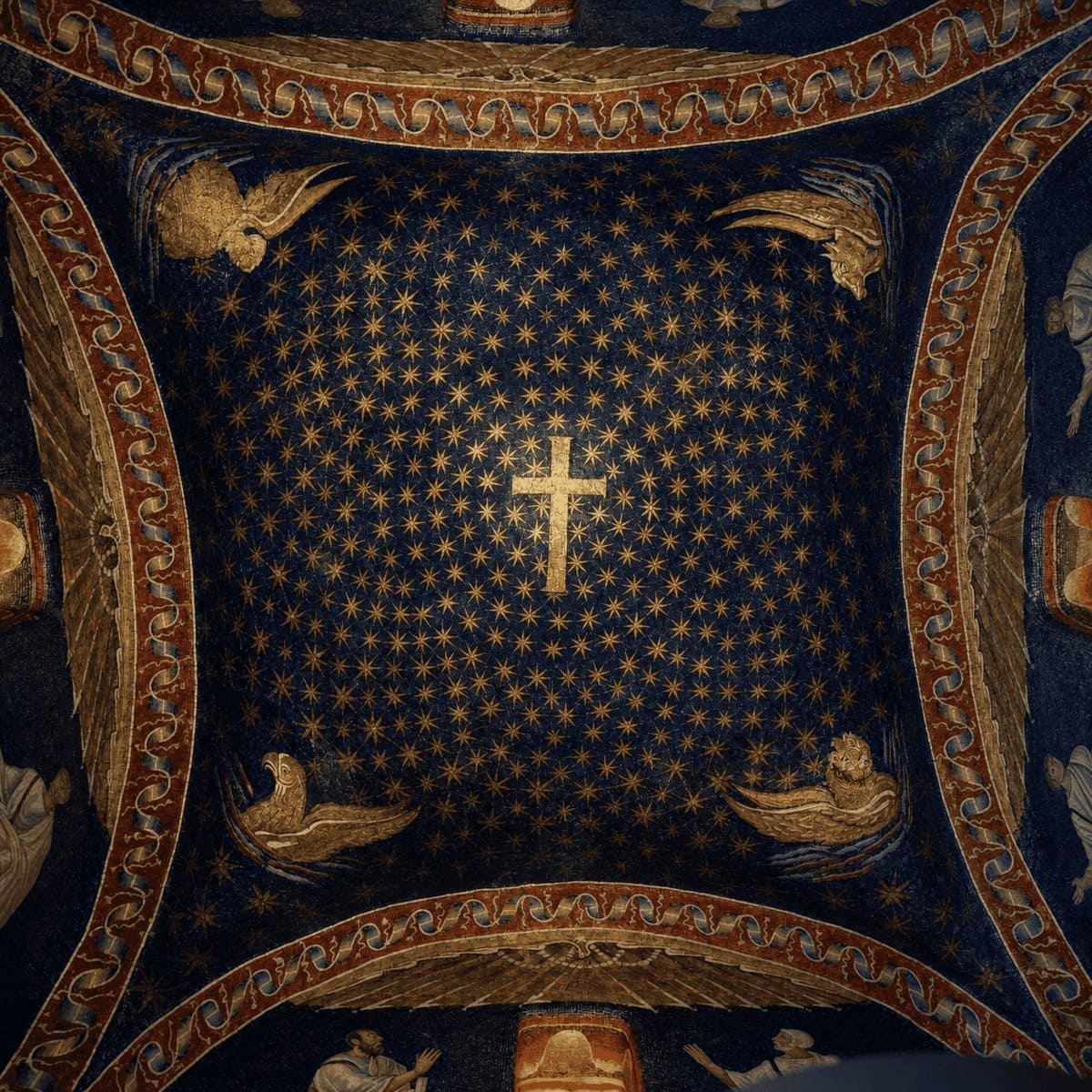
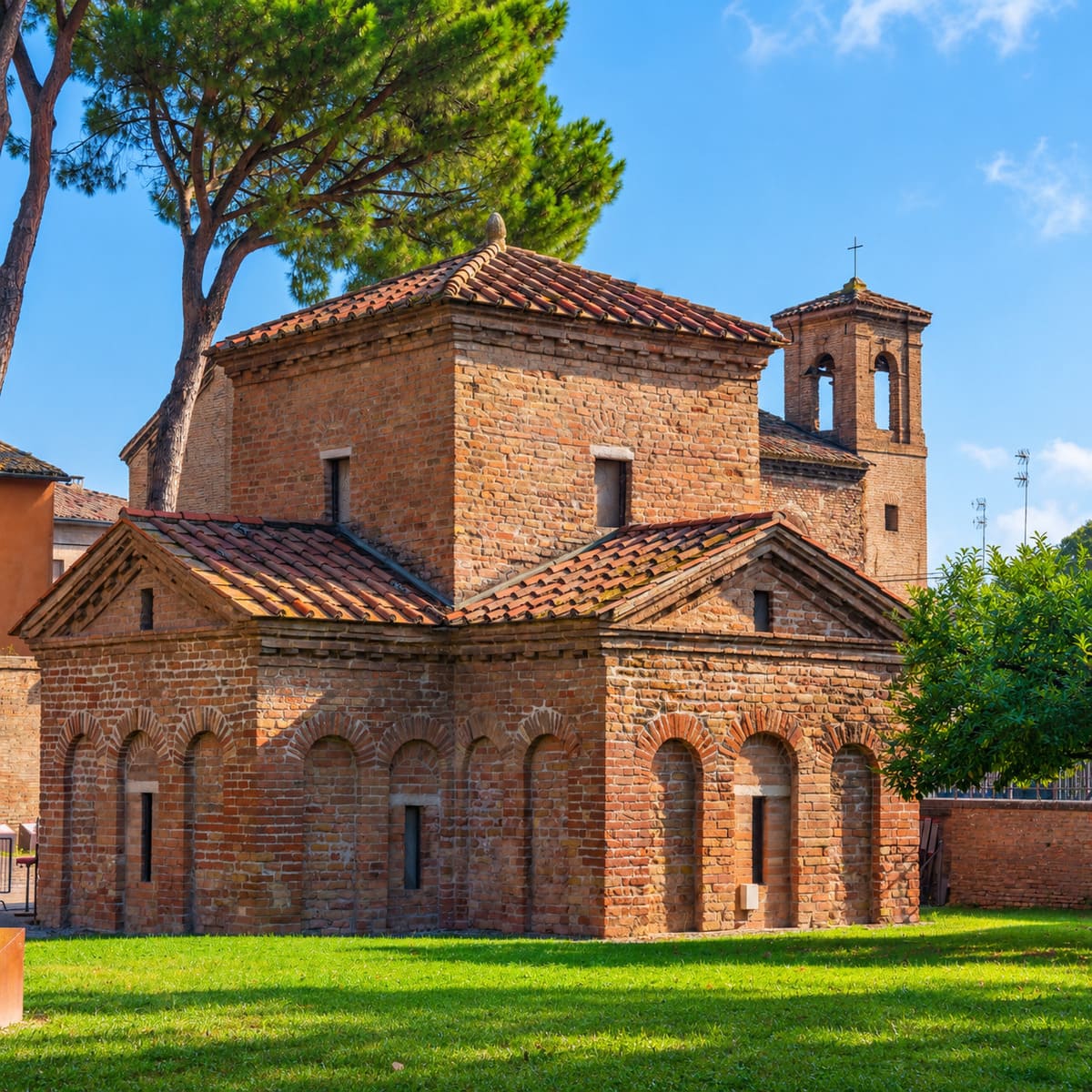
- Mausoleum of Galla Placidia: a 5th-century mausoleum with a breathtaking midnight-blue mosaic ceiling covered in golden stars.
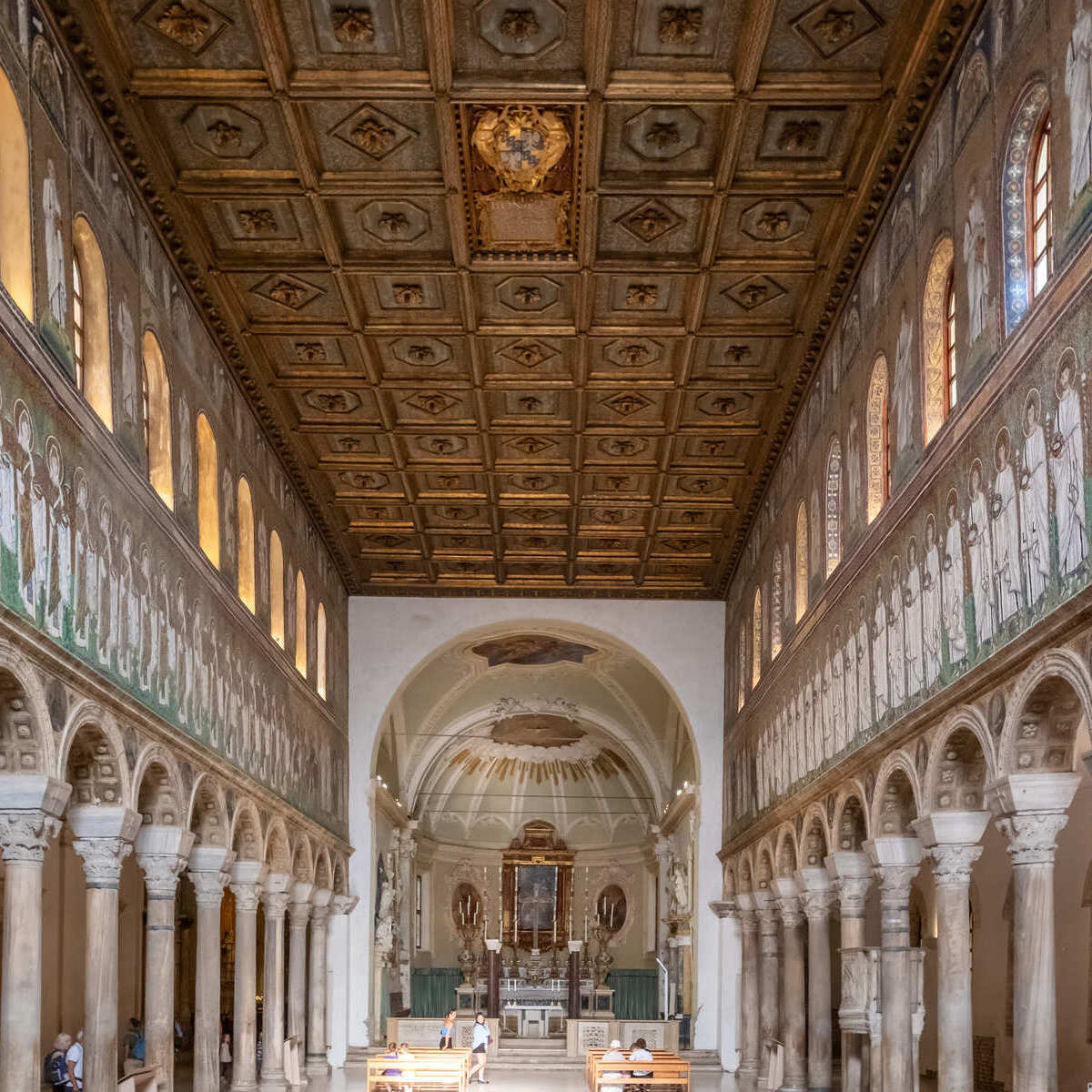
- Basilica di Sant’Apollinare Nuovo: a 6th-century basilica depicting long processions of saints and martyrs in glittering colors.
- Neonian Baptistery: one of the best-preserved early Christian monuments in Italy, featuring an extraordinary mosaic dome depicting the baptism of Christ.
- Arian Baptistery: a smaller, 6th-century octagonal edifice built during the Ostrogothic period, with an impressive mosaic ceiling.
- Archiepiscopal Chapel: a tiny, richly-decorated late-5th-century chapel adorned with early Christian mosaics, including one showing Christ dressed as a warrior.
- Mausoleum of Theodoric: built around 520 AD for Ravenna’s Ostrogothic king, topped with an impressive, single-piece limestone dome.
- Basilica di Sant’Apollinare in Classe: one of the most monumental early Christian basilicas, home to colorful pastoral mosaics, though this one lies about 3 miles outside the center.
Check The Updated Travel Rules Before Flying To Europe
Planning on visiting Italy this winter?
U.S. passport holders can generally stay in the Schengen Area visa-free for up to 90 days within any 180-day period, though Europe’s new biometric Entry/Exit System is already changing the way Americans cross its external borders… including leading to over 40,000 entry refusals due to travelers not being familiar with the rules.
With the additional ETIAS travel authorization also on the horizon for 2027, it’s worth double-checking the latest rules before you fly.
Never just assume you can just wing it at the boarding gate. Use our Entry Requirement Checker to find out which documents and authorizations you may need as a U.S. citizen.
Ravenna Beyond Its UNESCO World Heritage
Byzantine basilicas and tombs are only the UNESCO-protected stuff. If you think that sums up Ravenna, you’re in for a big surprise:
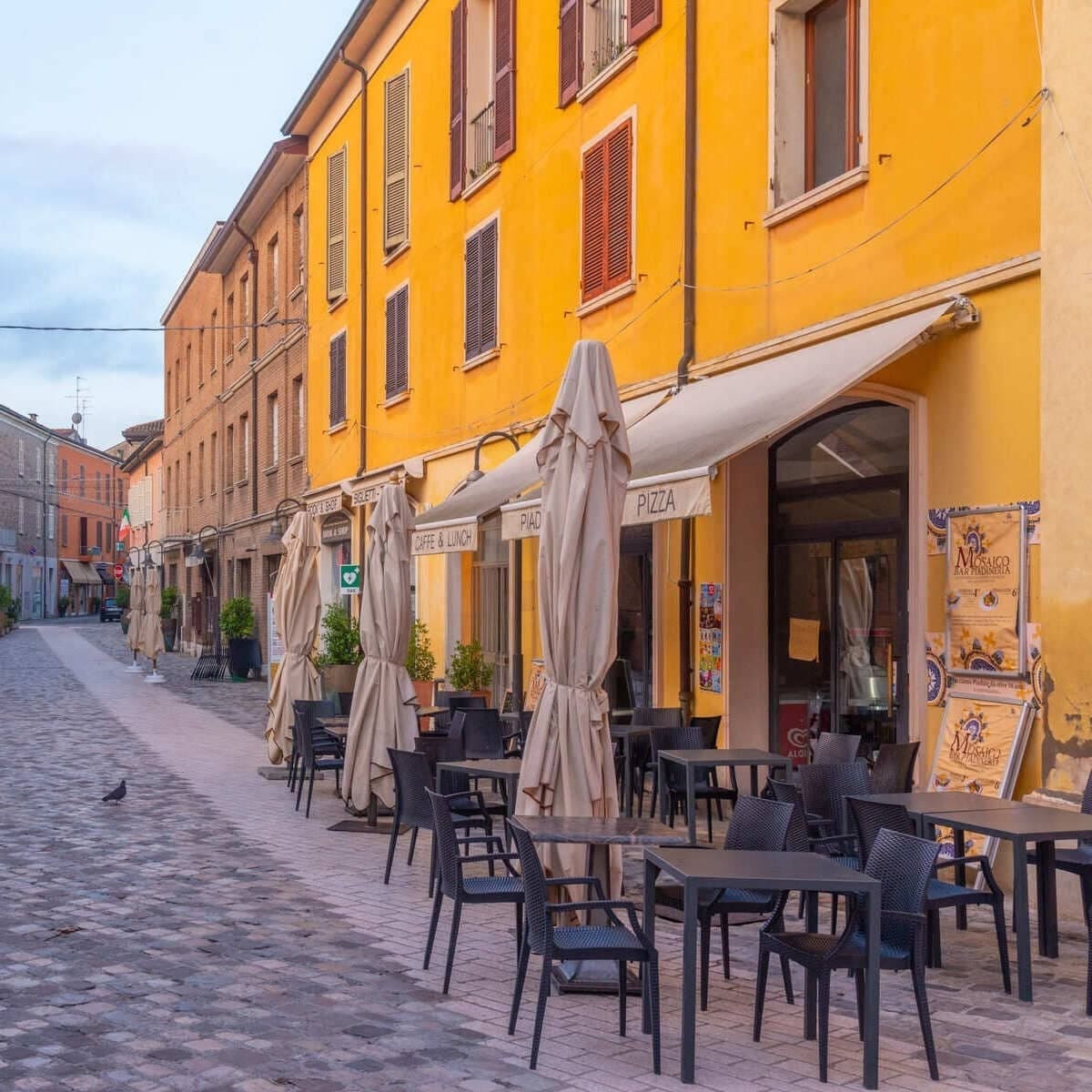
There’s a whole centuries-old city to discover, with winding cobblestone-paved lanes running alongside those typically Italian, pastel-hued, skinny buildings, piazzette ringed by old-school cafés, and historical treasures hiding around practically every corner.
For instance, did you have any idea Dante Alighieri—as in, the same guy who wrote Inferno in the 14th century—died here in 1321?
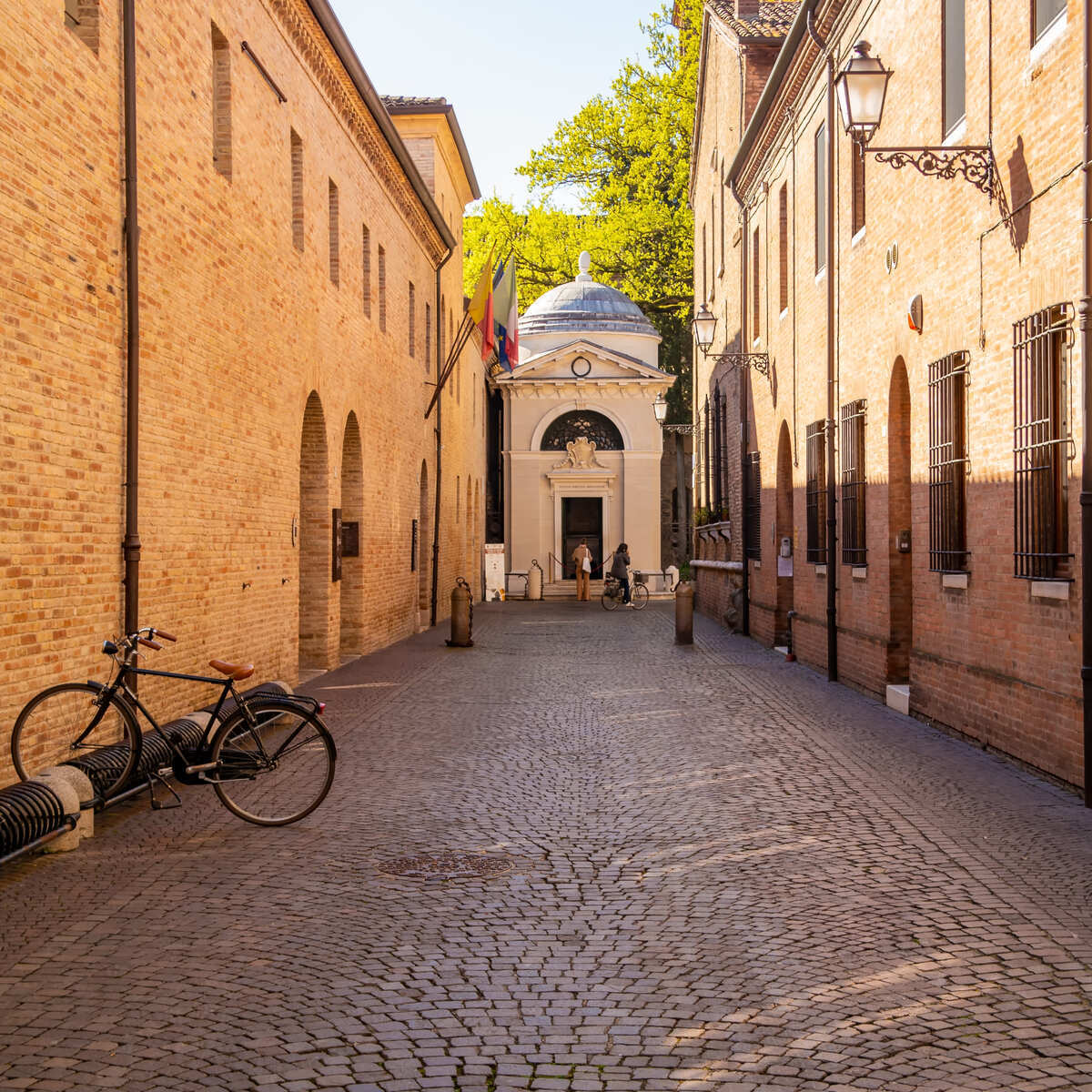
Not entirely sure why UNESCO skipped over this one, but you can actually visit his final resting place, the Tomb of Dante, for free.
It’s marked by this beautiful marble-built mausoleum, tucked inside a pedestrianized area known as the ‘Zone of Silence’, right next to the imposing Basilica di San Francesco, the same one where Alighieri’s funeral took place.
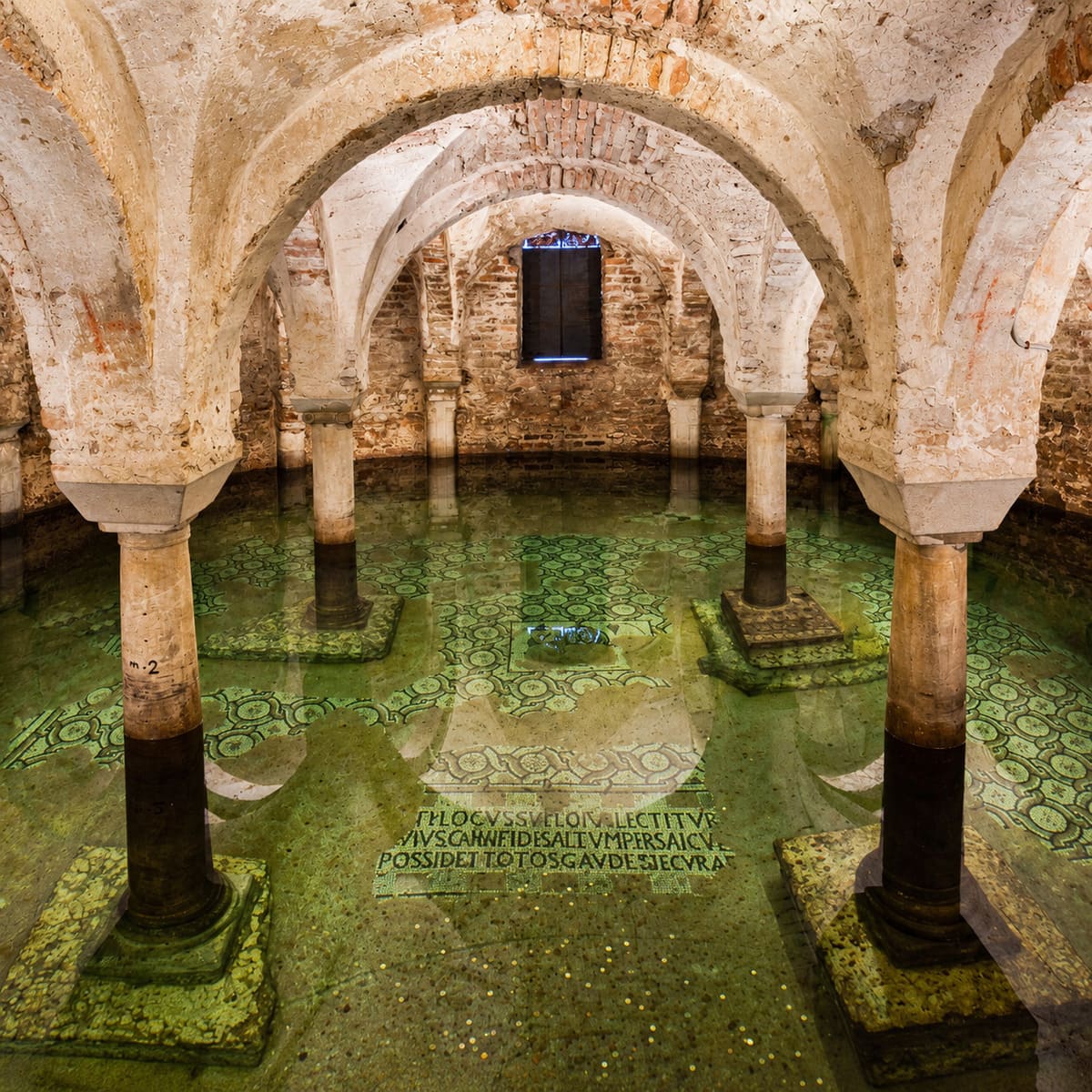
Something even cooler to see around here is the basilica’s underground crypt, a beautiful flooded chamber with sturdy columns supporting the weight of the church above, and a mosaic-covered bottom, where actual goldfish swim over the submerged ancient floor.
A bit like Istanbul’s Basilica Cistern, just way more intimate and atmospheric, with a mere fraction of the crowds.
Historic Gems Hiding In Plain Sight
As you’ll come to realize, some of Ravenna’s best gems are kept indoors… or underground.
Domus dei Tappeti di Pietra is yet another archaeological complex underneath the earth, with remarkably preserved Roman and later Byzantine mosaic floors.
Biblioteca Classense is this magnificent historic library housed inside a former monastery, with the kind of frescoed ceilings and ornate wooden interiors that will have the bookworm in you gasping, and to my fellow castle lovers, Rocca Brancaleona is the local 15th-century fortress.
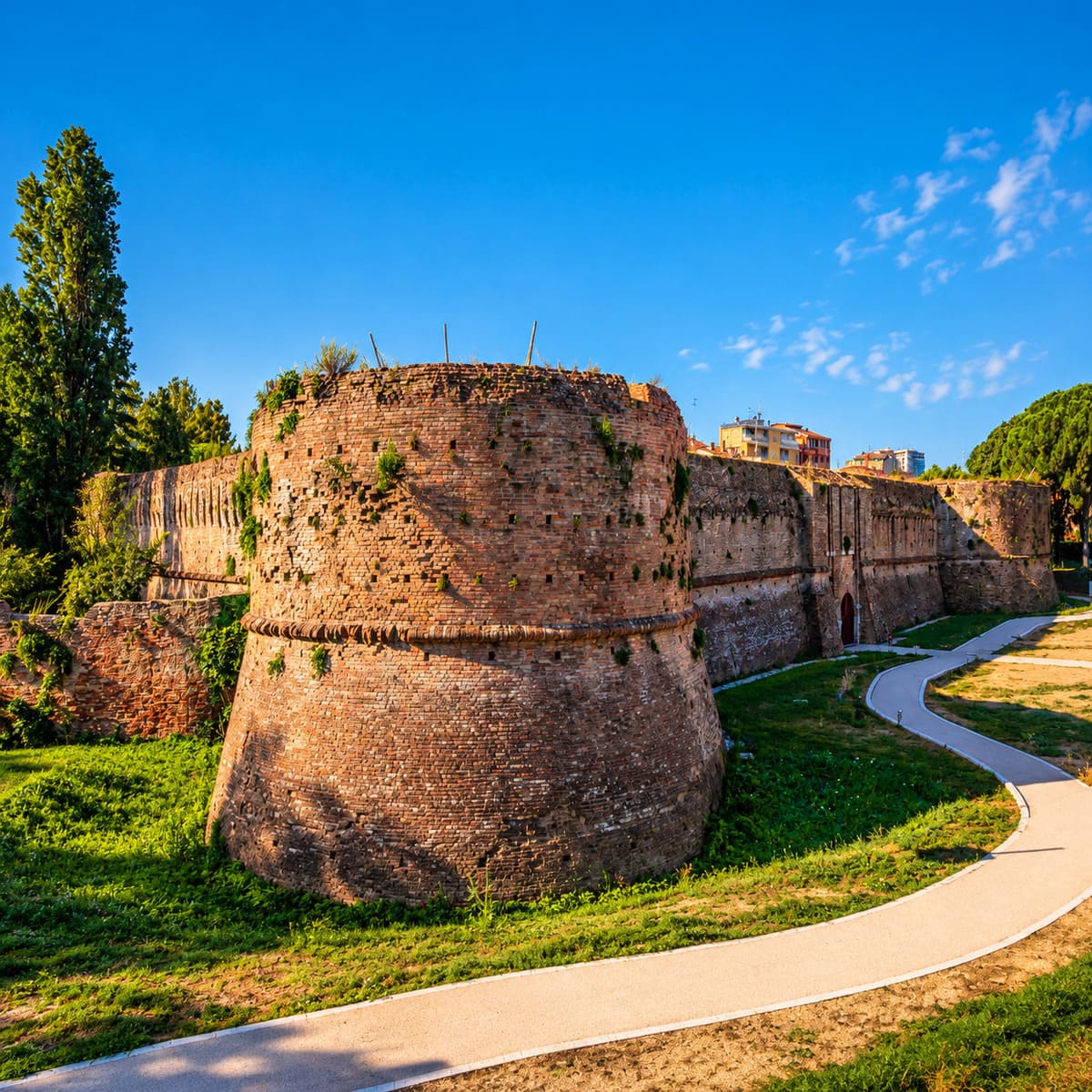
Think thick medieval brick towers built by none other than the Venetians themselves, imposing defensive walls, and even lush green gardens to top it off.
Given Ravenna still gets its fair share of crisp, sunny days even during the colder months, though, you might as well stick your head out the door and go for a stroll in Piazza del Popolo: that’s the heart of social life, those Venetian columns, and historic palaces that frame it are a whole vibe.
Note From The Editor
Just one sec! If you enjoy reading great human-written articles, the best way to see a few more is to follow us on Google so we become one of your preferred websites. Thank you so much for reading. Now back to the story!
How Safe Is Ravenna Right Now?
You’ve probably been watching the situation in Italy closely lately, after violent altercations erupted in Milan, Turin, and a handful of other Italian cities.
Although some demonstrations have escalated into violence, most of the country remains calm, especially away from the major metropolitan hotspots.
Ravenna hasn’t seen the same widely reported scenes of violent unrest as Milan, though that doesn’t mean it’s entirely protest-free.
A peaceful demonstration involving truck drivers and farmers took place in Piazza del Popolo on October 21, for instance, but it didn’t result in the kind of serious disturbances seen elsewhere in Northern Italy.
The U.S. State Department currently classifies Italy as Level 2, advising Americans to exercise increased caution due to terrorism, though most tourist visits remain trouble-free.
And the latest crime figures offer an interesting perspective:
Whereas Milan ranks 1st in Italy for reported criminal offenses per capita in 2025, Florence 2nd, Rome 3rd, and even Emilia-Romagna’s regional capital Bologna 4th in the country, Ravenna is placed at a much-more comfortable 16th.
Florence has the highest provincial rate for street-level crime in Italy, with 78.71 reported robberies per 100,000 residents. Ravenna posts 25.27.
The Travel Off Path Traveler Safety Index, a tool used by travelers to self-report their perception of safety across different destinations, shows Italy currently scores 92 out of 100, one of the highest averages in the continent.
Where’s All That $14 Cappelletti?
Now, for that affordable pasta we promised.
Listen, Ravenna is one of Italy’s most underrated destinations for food, probably second only to Pantelleria for me—and I’ve been to over 30 Italian cities at this point myself.
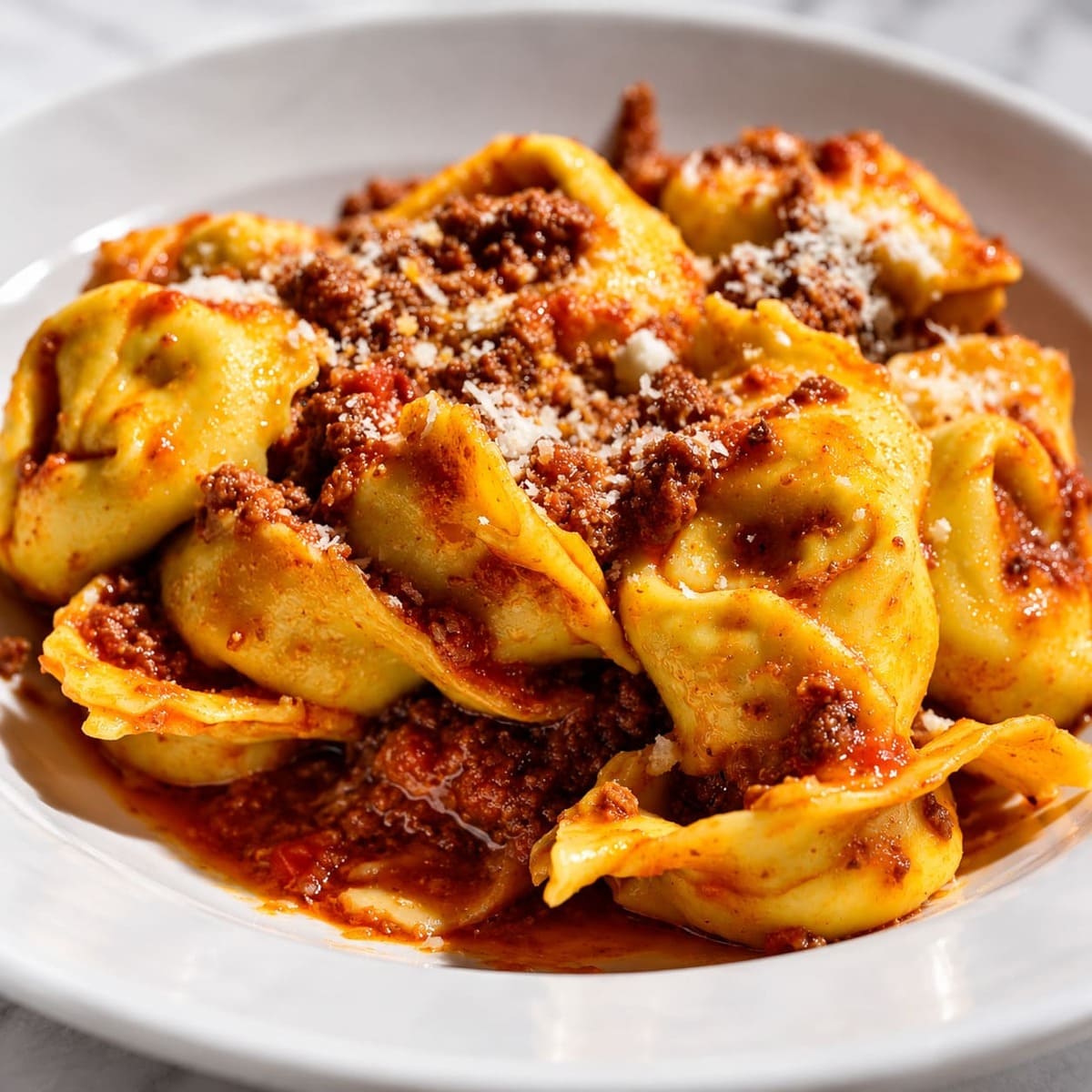
It belongs to Romagna, a region known for its handmade cappelletti pasta, passatelli, a traditional pasta-like dish made with breadcrumbs, eggs, and Parmesan, my own go-to Italian curbside snack piadina, and a whole plethora of rich ragù-based dishes.
Ristorante Ottonove, up the quieter Via Le Corbusier, is one of many small, informal restaurants outside the tourist-frequented center.
They’re highly regarded for their affordable lunch deals and homemade food, with an average spend of around $11–22 per person.
If you’re coming here, make sure you look out for their fresh pasta specials, particularly the passatelli.
Alternatively, another Ravenna foodie spot I absolutely adore is Trattoria La Rustica. The clue is in the name: expect cozy, rustic interiors, traditional Romagnolo recipes, and a small dining room managed by a local family.
It’s a little pricier than Ottonove, with an average spend ranging from $25 to $40 per person, once you include drinks and dessert, but if you’re sticking to their cappelletti al ragù alone, and a glass of house wine, your check should come in around $22–27.
And believe me, that’s a pretty good deal for actual handmade pasta in Italy these days.
Average Prices In Ravenna, Italy In 2026
- Bakery snack, such as a pistacchio-filled cornetto or sweet pastry: $2.25
- Traditional piadina with cheese and cured ham: $6.50
- Serving of cappelletti al ragù in a casual trattoria: $14
- Three-course meal in a mid-range restaurant: $36 per person
- Cappuccino: $2.05
- Public transport: $2.25 per single-zone bus ticket
- Taxi: around $10–15 for a short local ride
- Simple guesthouse or private room: $70 per night
- 3-star hotel: $105 per night
- 4-star hotel: $170 per night
Why Ravenna Is Worth Visiting
- Despite its relative anonymity, it’s one of Italy’s most culturally rich cities.
- It is the former capital of the Western Roman Empire, Ostrogothic Kingdom, and Byzantine Italy.
- It remains a lived-in city, with fewer international tourists than Florence, Rome, or Venice.
- Home to a whopping 8 UNESCO-listed monuments, most dating back roughly 1,500 years.
- Some of the finest surviving Byzantine mosaics in the world are here.
- It’s Dante Alighieri’s final resting place.
- The city center is compact, walkable, and noticeably less crowded than Florence or Venice.
- Traditional Romagnolo cuisine is worth the northern detour alone.
Oh, and if you needed any further convincing, there are beautiful Adriatic beaches only a 20-minute drive outside the city.
The popular Romagnola resort town of Pinarella, still somewhat undiscovered by the foreign masses, with its long, pine forest-backed sandy beaches and traditional Italian beach clubs, is a mere half-hour drive away from central Ravenna.
It might not exactly be sunbathing weather in winter, but with miles of sandy coastline to walk, a plethora of seafood restaurants to try, and peaceful seaside scenes, it’s the perfect place to round off your Ravenna visit.
8 UNESCO Sites
Explore an extraordinary concentration of monuments, including the 6th-century Basilica di San Vitale and Galla Placidia’s blue mosaic ceiling.
Tomb of Dante
Visit the final resting place of Dante Alighieri, tucked inside a pedestrianized area right next to the historic Basilica di San Francesco.
14 Dollar Cappelletti
Sit down at family-owned trattorias like Ottonove or La Rustica to enjoy fresh handmade cappelletti al ragù and passatelli without tourist markups.
Flooded Crypts
Discover San Francesco’s flooded underground crypt where actual goldfish swim over a submerged ancient mosaic floor.
Fewer Crowds
Enjoy a fully walkable, mid-size city with significantly lower street-level crime rates than Milan or Florence and a high safety index.
Enter your email address to subscribe to Travel Off Path’s latest travel news, straight to your inbox
