
You probably know Croatia only for the walled coastal city of Dubrovnik, or if you took the alternative United transatlantic route this year, the bustling resort hub of Split, famous for its palm-lined Riva and maze-like Old Town branching out from inside a literal Roman palace.
Those are epic Croatian getaways already, don’t get us wrong, but if avoiding the crowds and sudden summertime price surges is paramount for you, you might want to give them a miss in 2027.
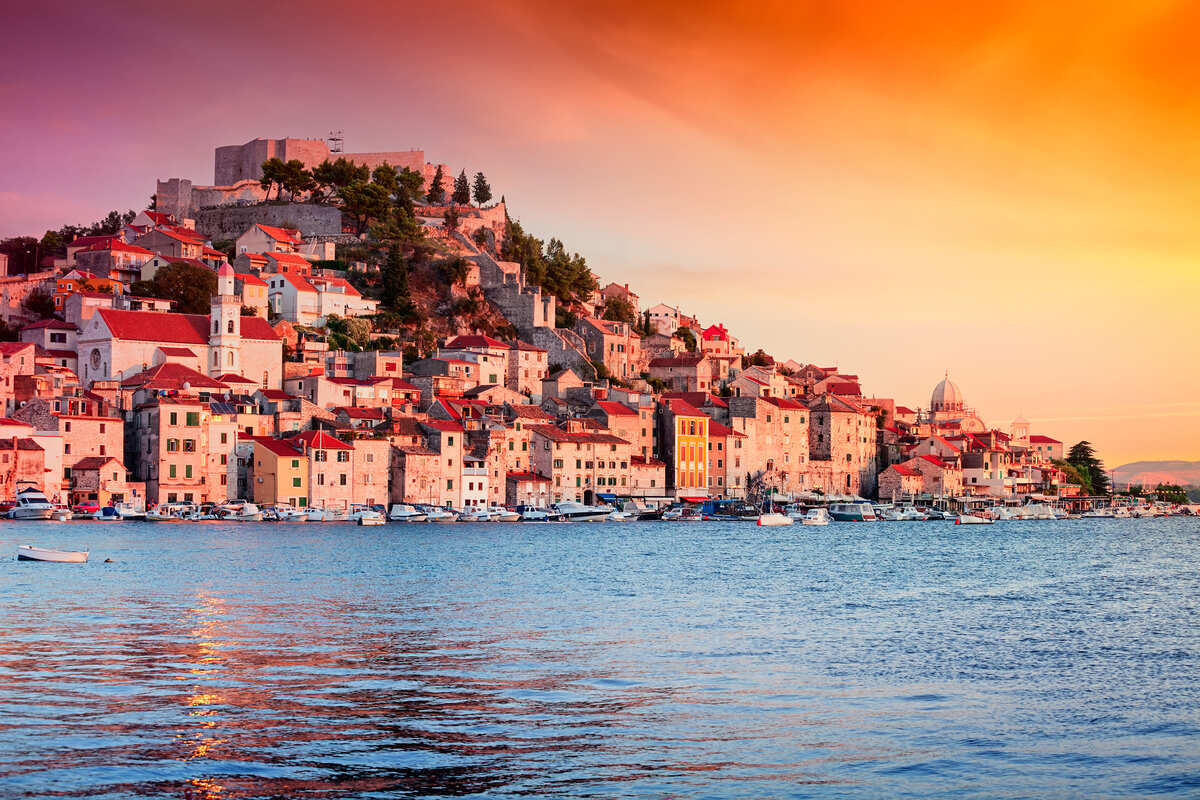
Tucked away on the quieter central Dalmatian coast, effectively halfway between Split and the equally fast-rising Zadar, Šibenik is that somewhat undiscovered Croatian gem with not one, but a whopping 4 historic fortresses, traditional tavernas serving $15 pasta, and peaceful streets.
You might wanna get those bookings in, though: between January and August 2026, tourist arrivals reached 238,796, or a year-on-year increase of 6.37%, according to the City of Šibenik Tourism Board.
The Clock Is Ticking: Get There Before It’s Too Crowded
Here at Travel Off Path, we’ve got a knack for identifying rising hotspots before they’re completely overtaken by mass tourism.
It’s been the case with Albania, which we’ve been covering in depth since the pandemic years, Galicia in Spain, which has only recently started hosting flights from America, and even Palermo, in Sicily, formerly a Mediterranean escape most U.S. travelers blissfully slept on… until it exploded in popularity in 2025.
So heed our warning: the same fate could await Šibenik, and though its growth is steady rather than explosive, you’d be wise to get there before the ‘Dubrovnikization’ takes hold.
You see, I’ve been to Croatia something like 6 times myself, and Šibenik has always been a permanent fixture on my itinerary.
It’s easily one of the country’s most fascinating coastal spots, combining Romanesque and Renaissance architecture with Venetian fortresses, beautiful beaches, and easy access to two spectacular national parks.
Everyone comes to Croatia for the ocher-colored Old Town maze where buildings are slender and tightly packed, tucked into narrow cobbled lanes, and medieval walls overlook turquoise seas.
In that respect, Šibenik might just be the ultimate Dubrovnik dupe without the added hefty price tag.
The Ultimate Dubrovnik Alternative
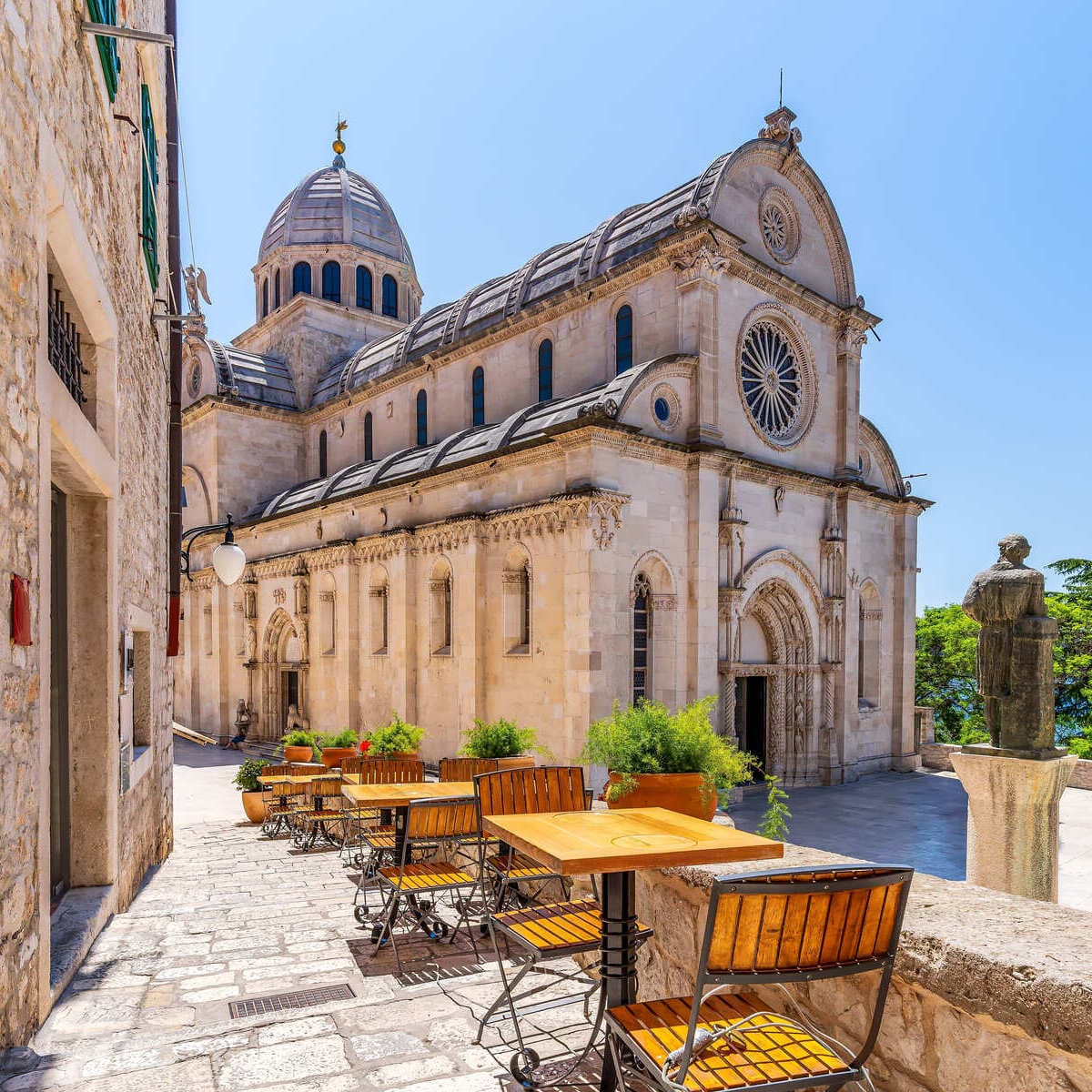
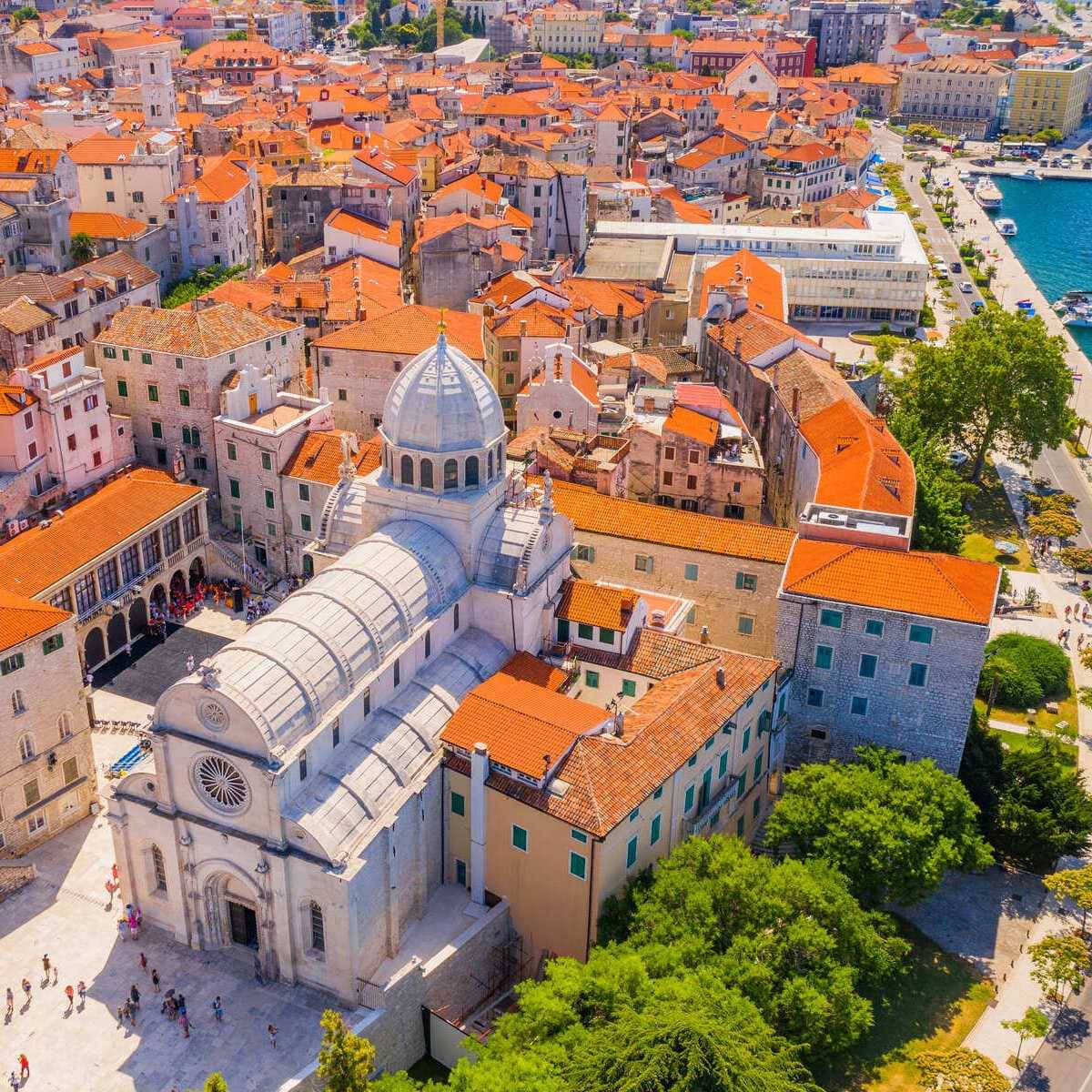
It boasts two UNESCO World Heritage Sites, the 15th-century Gothic-Renaissance masterpiece that is St. James’ Cathedral, eerily adorned with 71 sculpted human heads, and… wait for it…
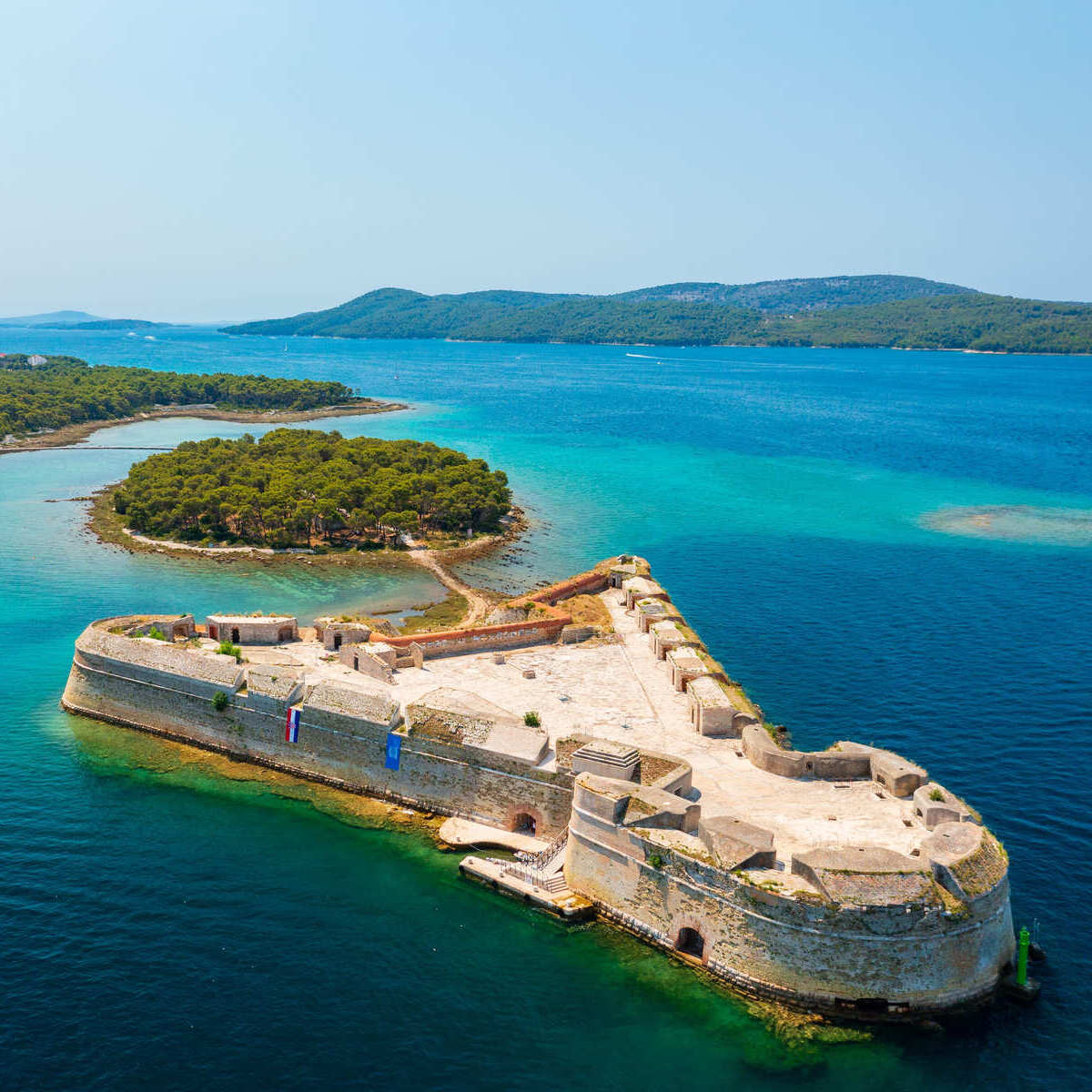
St. Nicholas Fortress, this extraordinary 16th-century Venetian stronghold guarding the sea entrance to town, that could give good ol’ Ragusa’s ramparts a run for their money.
Well, speaking of which, Dubrovnik’s city walls cost a whopping $45 to visit.
Wondering how much it costs to access St. Nicholas Fortress, including a scenic boat ride through the channel, a guided tour, and a chance to explore its imposing defensive walls overlooking the sea? A much-cheaper $22 in the shoulder season.
There is one catch: unlike Dubrovnik’s walls, you can’t just turn up and wander around independently. As it’s in the middle of the sea, this fortress can only be visited on an organized boat tour, lasting around 2 hours, with departures typically operating between spring and October.
Wait, we’re not finished yet.
Šibenik’s 3 Additional Hilltop Forts
There’s a whole three additional historic fortresses overlooking the city, bringing the total of individual fortifications to four.
While St. Nicholas Fortress used to control access to the harbor, the other three surveilled the city from above:
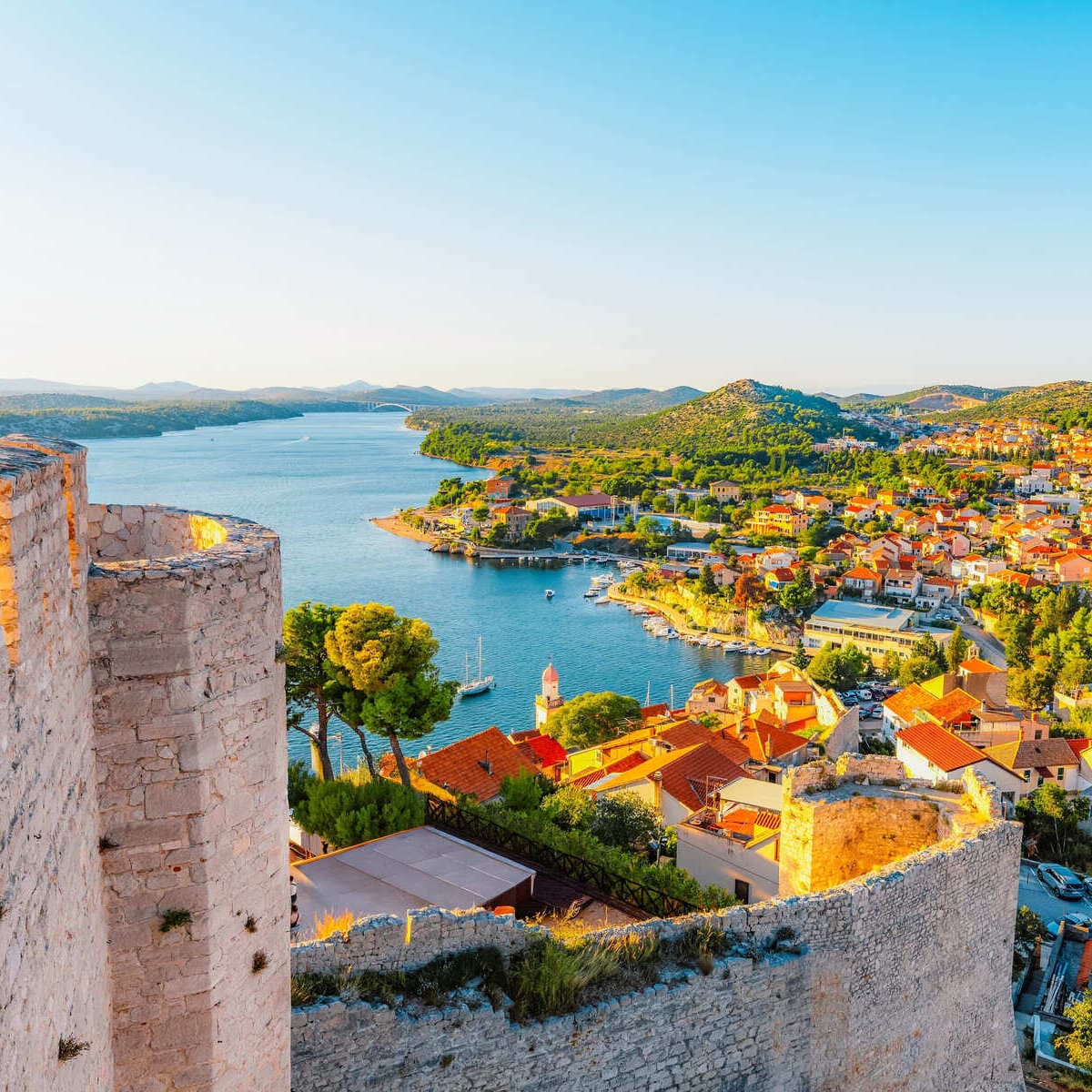
We have St. Michael’s Fortress, an old medieval fort with breathtaking Adriatic views that now doubles as an open-air concert venue—if you’re coming in summer and there’s a live event scheduled, make sure you grab a seat as it’s a once-in-a-lifetime experience.
Then there’s Barone, a 17th-century fortress featuring more panoramic views and historical exhibits. This one is also home to a laid-back sunset bar, where you can sip local Dalmatian wine and enjoy the fiery Adriatic sun sinking behind the islands in the distance.
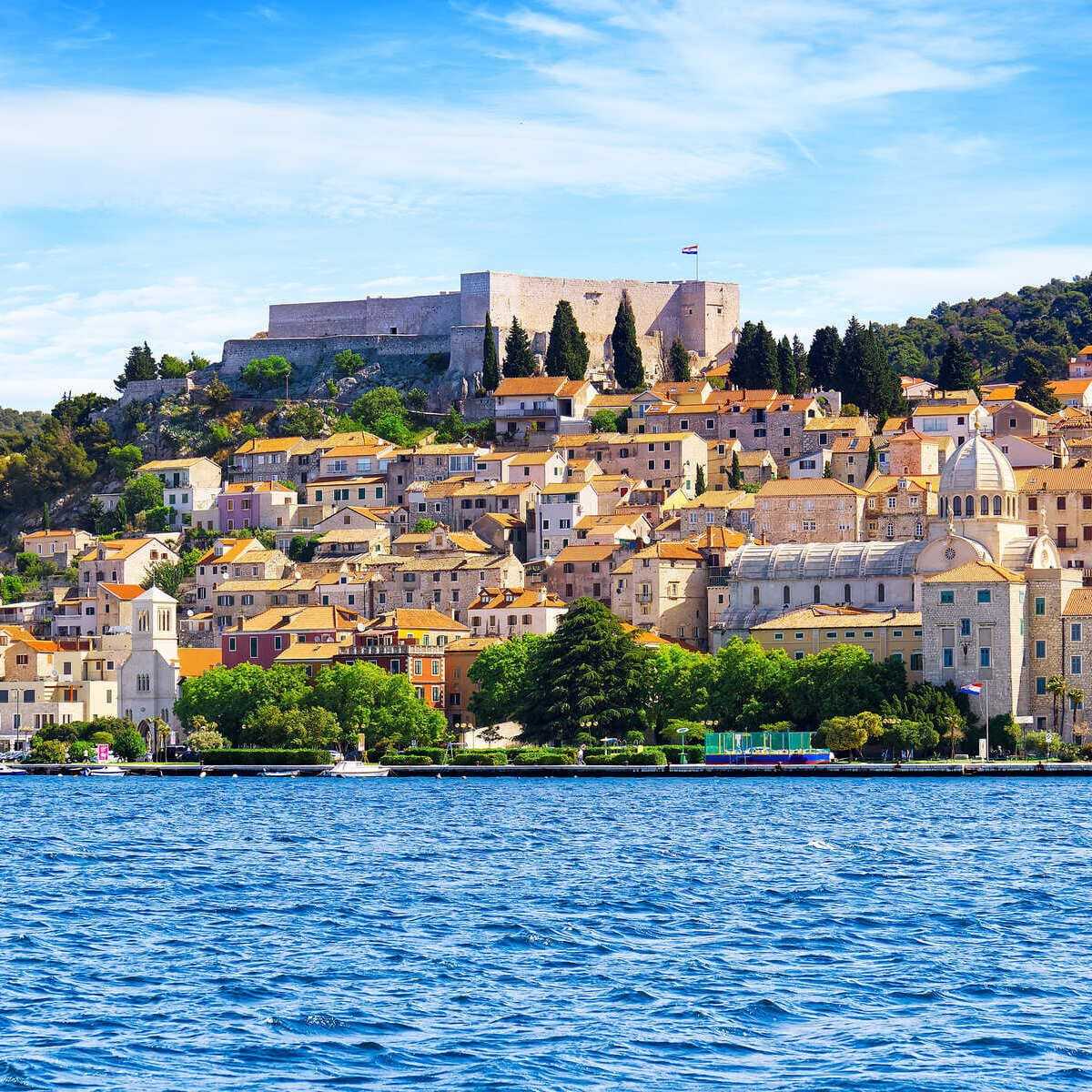
The last, largest, and most imposing fortress of all, St. John’s sits at the highest of the fortified peaks, and believe it or not, this one was constructed in just 58 days to defend Šibenik against Ottoman assaults.
How Affordable Is Šibenik
The best part? You can visit all three hilltop fortresses on a combined ticket costing only $17 during the main tourist season.
Add St. Nicholas’ separate boat tour, and visiting all four would set you back around $47 in summer, or about $38 in the shoulder season, only $2 more than it would cost to just walk Dubrovnil’s Old Town walls.
That’s not the only steal of a deal you’ll find in Šibenik next year:
Average Prices In Šibenik, Croatia
- Traditional Dalmatian pastry or small savory snack: $3.50
- Main dish in an inexpensive local restaurant: $15
- Serving of black risotto in a casual konoba: $17
- Three-course meal in a mid-range restaurant: $27 per person
- Cappuccino: $2.35
- Half-liter draft beer: $3.10
- Public transport: $1.40 per local bus ride
- Taxi: around $9–13 for a short local ride
- Simple guesthouse or private room: $75 per night
- 3-star hotel: $95 per night
- 4-star hotel: $170 per night
Note From The Editor
Just one sec! If you enjoy reading great human-written articles, the best way to see a few more is to follow us on Google so we become one of your preferred websites. Thank you so much for reading. Now back to the story!
One Of The Prettiest Old Town Areas In Croatia
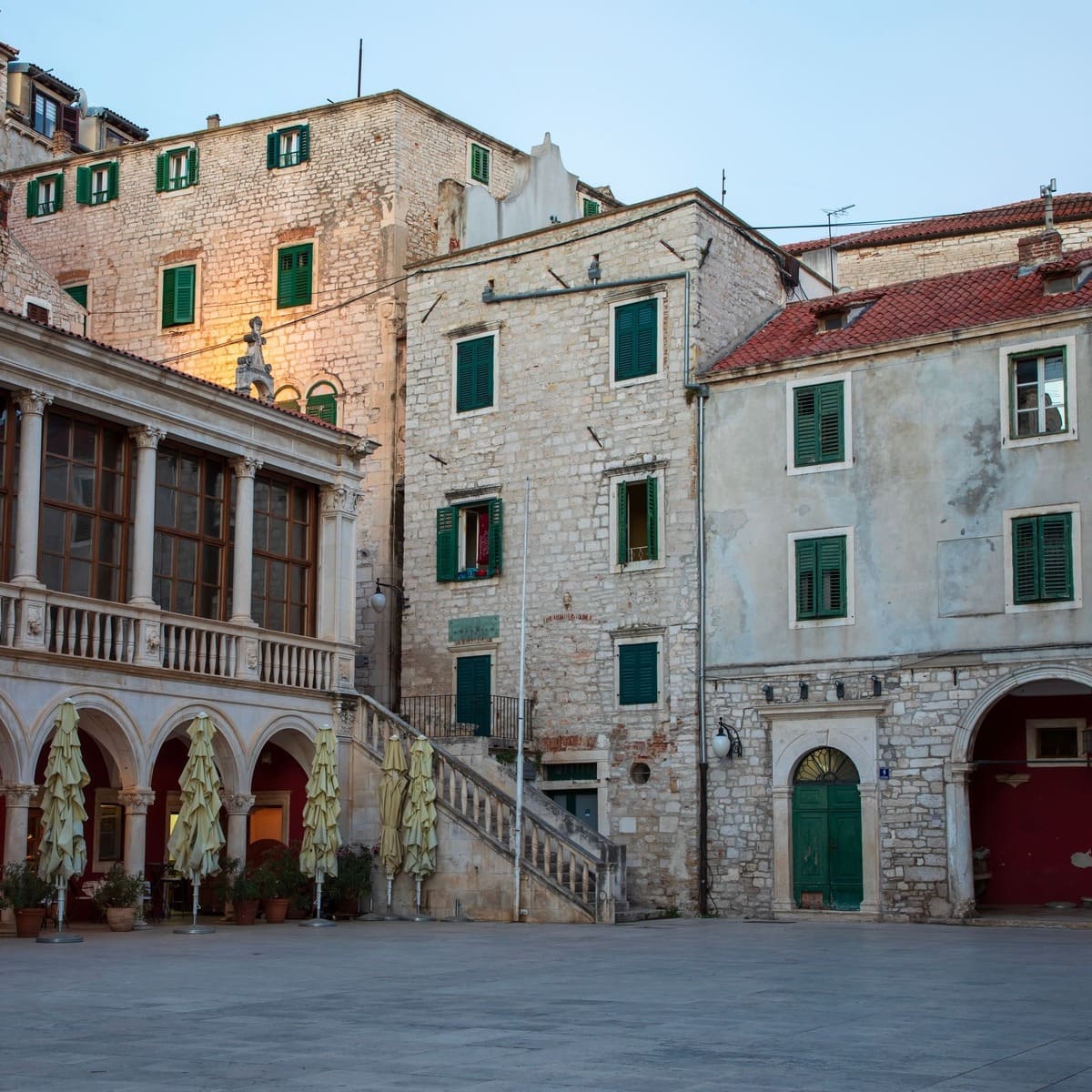
Castle-hopping aside, Šibenik Old Town is one of the most atmospheric and best-preserved historic townscapes you could explore in Croatia.
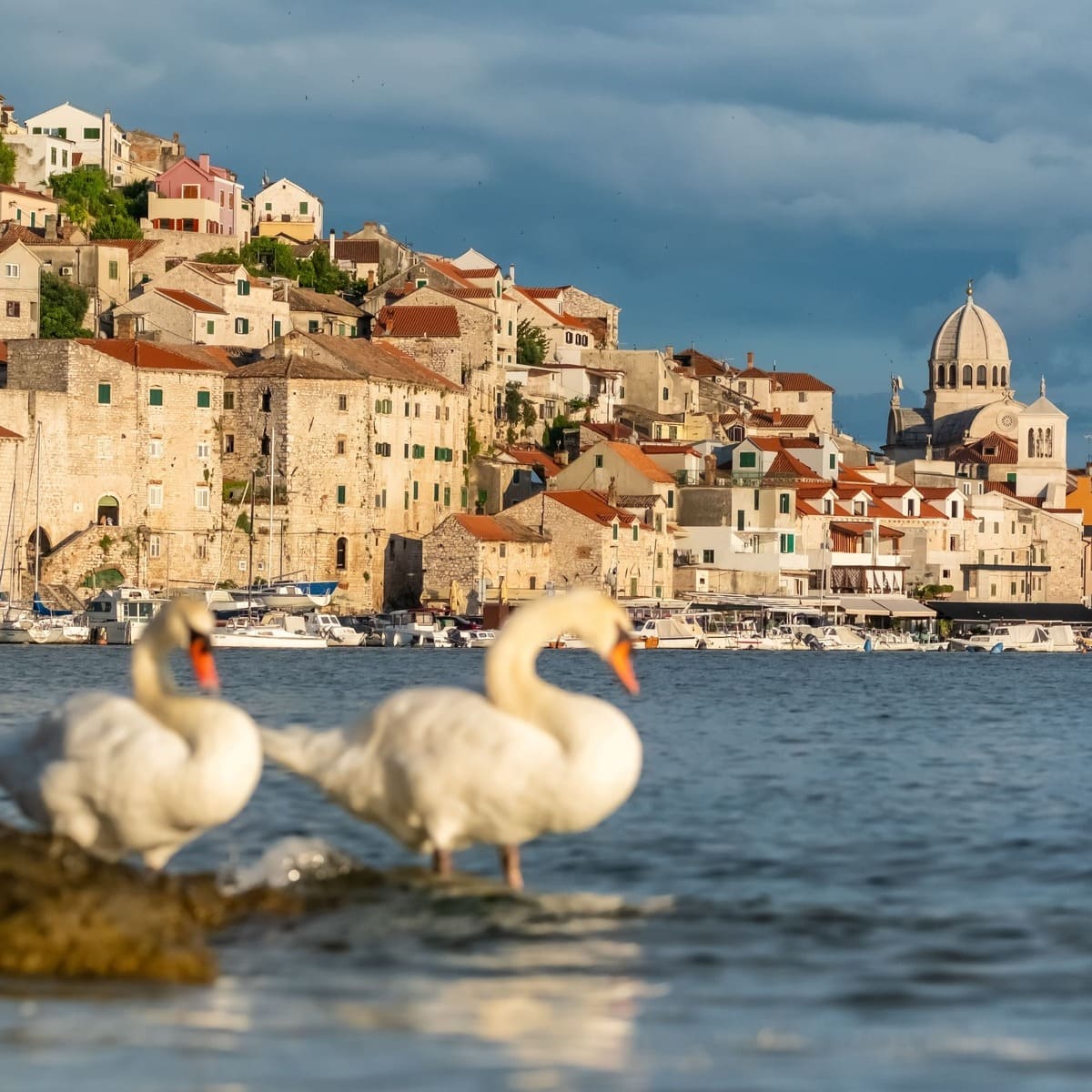
Think winding cobblestone-paved lanes, steep stairways leading up to forts, centuries-old stone buildings doubling as tavernas, and charming squares.
The Square of the Four Wells, centered around a 15th-century public cistern, is so beautiful and moody I’m not yet sure why House of the Dragon skipped over it when scouting Europe for filming locations.
Then there’s St. Lawrence’s Mediterranean Garden: attached to a historic Franciscan monastery, it’s a lush garden filled with aromatic herbs, medicinal plants, and peaceful, shaded corners.
Even the cathedral square is a sight to behold, with its elegant Renaissance Town Hall and the imposing St. James’ Cathedral towering above the surrounding stone buildings.
My favorite thing about coming to Šibenik, though? Well, other than the fact you can gorge on traditional Dalmatian black risotto for as little as $17 and there’s a whole quartet of castles to explore: walking the scenic 2.7-mile coastal trail running along St. Anthony’s Channel.
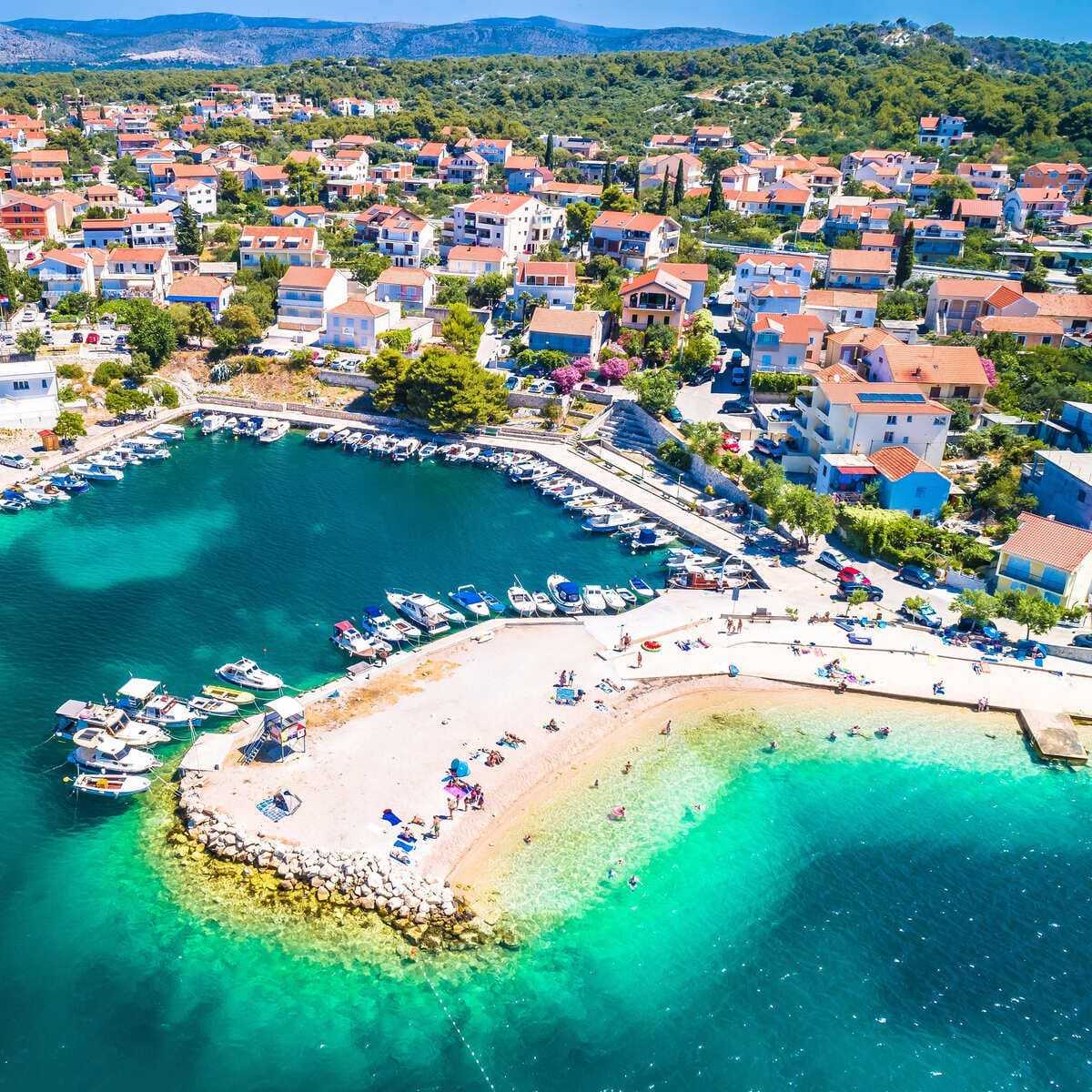
Stunning Adriatic views, panoramic viewpoints, and narrow footpaths leading down to hidden coves away from the main beaches.
As a matter of fact, Šibenik might just be Croatia’s top contender for combining Old World architecture and easy access to nature:
It’s a mere 15–20-minute drive to Krka National Park‘s nearest entrance, home to a string of spectacular waterfalls you can explore on wooden boardwalks, and the Kornati archipelago, home to 89 protected islands, is within reach on a full-day boat excursion.
Planning on visiting Croatia in 2027?
As a member of the Schengen Area, Croatia allows U.S. passport holders to visit visa-free for up to 90 days within any 180-day period, though Europe’s new biometric Entry/Exit System means there are additional procedures to keep in mind when entering from outside Schengen.

With the upcoming ETIAS authorization in 2027 also expected to change entry requirements, it’s worth double-checking the latest rules before you go.
Use our Entry Requirement Checker to find out which documents and authorizations you may need as an American traveler, based on your destination.
Is Šibenik Safe?
Yes, Šibenik is generally a very safe destination for tourists.
- Croatia is rated Level 1: Exercise Normal Precautions, as recommended by the U.S. State Department.
- Violent crime against tourists is rare.
- Petty theft and pickpocketing are possible in busy tourist areas, yet those are far from being a major daily concern.
- Normal precautions are advisable when swimming, driving, or exploring isolated areas.
On the Travel Off Path Traveler Safety Index, Croatia scores 86 out of 100, based on reports from recent visitors, indicating a generally positive perception of safety and a reassuring experience for most travelers.
Where Are The Best Swimming Spots In Šibenik?
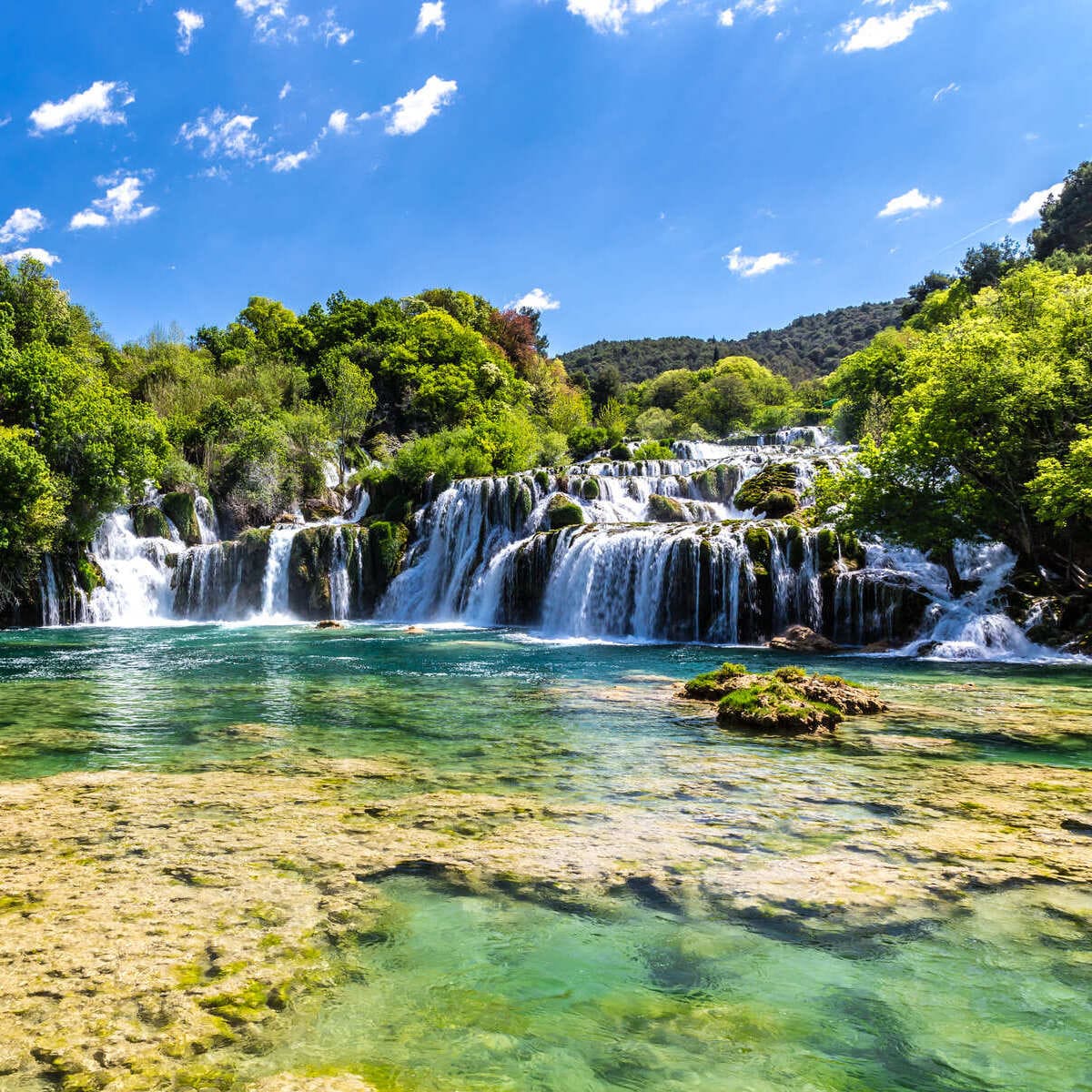
The turquoise water and Adriatic sunshine are probably the main reasons why you’re flying all this way, but do keep in mind this is still Dalmatia, after all.
Starting next spring, around late May or June, you’ll have a plethora of secluded coves and pebbly, pine-backed beaches and increasingly warm, crystal-clear seas at your doorstep:
- Banj Beach: the easiest-to-get-to beach, with postcard-perfect views of St. James’ Cathedral, St. Michael’s Fortress, and the Old Town skyline.
- Amadria Park White Beach: a rare sandy beach with turquoise waters, resort facilities, and sun loungers costing roughly $11–17 per day.
- Jadrija Beach: a laid-back historic bathing spot famous for its colorful changing cabins, clear water, and old-school Dalmatian seaside atmosphere.
- Minerska Beach: a quieter pebble strip backed by fragrant pine trees, set along St. Anthony’s Channel, with natural shade and a more secluded feel.
Where To Eat In Šibenik Old Town
Pro tip?
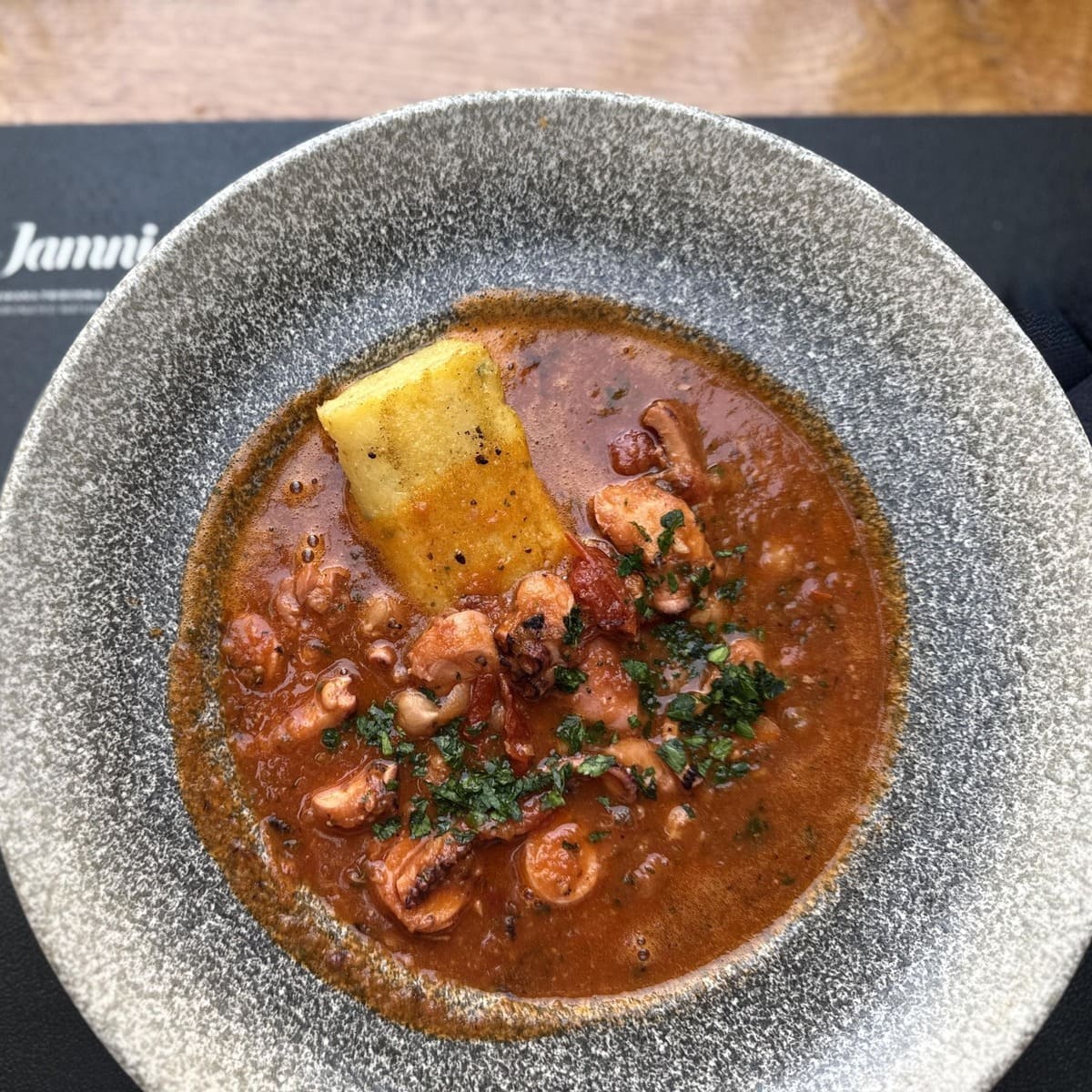
If the way to your heart is fresh seafood and a generous glass of local Dalmatian wine, then you can’t miss Konoba Centar, tucked away in a narrow Old Town street away from the main waterfront.
This is not some overpriced, tourist-oriented restaurant with laminated menus and pushy waiters standing outside beside AI-made outdoor menus.
It’s a small, family-run konoba opened dishing out hearty portions in a genuinely-homey atmosphere. Think fresh shellfish cooked in buzara sauce, grilled squid, and seafood dishes prepared with the kind of care you usually associate with a family Sunday lunch.
It’s not the cheapest konoba in town, mind you, but the portions are generous, and the food is as comforting as it gets.
A proper three-course meal here, with a glass of local wine, should set you back around $50–65 per person.
Getting To Šibenik From America
Now, here’s the best part: getting to Šibenik from the U.S. is becoming a whole lot easier, even if the city doesn’t have its own airport.
Your best bet is flying into Split Airport (SPU), roughly 34 miles south of Šibenik, which is connected to the New York area by United Airlines’ seasonal nonstop service from Newark (EWR).
Launched this past summer, the route is confirmed to return for summer 2027. Once you’ve landed, Šibenik is an easy 45–60-min drive north along the Dalmatian coast.
If you’re not planning on renting a car, you can travel from Split Airport to Trogir, yet another overlooked Dalmatian gem, or central Split, then continue to Šibenik by intercity bus. The bus journey from Split itself takes around 1h30min.
4 Medieval Fortresses
Explore four distinct fortifications including the sea-guarding St. Nicholas Fortress, St. Michael’s concert venue, Barone, and St. John’s.
St. James’ Cathedral
Marvel at the 15th-century Gothic-Renaissance cathedral famous for its unique frieze adorned with 71 carved human heads.
15 Dollar Dinners
Dine on traditional Dalmatian black risotto for 17 dollars and main dishes in local konobas starting around 15 dollars.
Fly Into Split
Take United Airlines’ nonstop service from Newark to Split, then enjoy a short 45-to-60-minute drive north up the coast.
Dubrovnik Alternative
Experience winding cobbled lanes, medieval stone buildings, and stunning Adriatic coves without the hefty price tag of Dubrovnik.
Enter your email address to subscribe to Travel Off Path’s latest travel news, straight to your inbox
