
Nothing kills the magic of a dream vacation faster than spending thousands of dollars to get somewhere iconic, only to spend half your trip stuck in traffic, breathing in exhaust, or waiting in a 45-minute line just to take a photo of a street sign.
That’s reality hitting some of the most famous places on earth right now. Every year, the travel experts at Fodor’s release their closely watched “No List”.
Before you panic and cancel your flights, Fodor’s makes one thing clear: this isn’t a boycott. These places are still stunning (that’s kind of the whole problem actually). Instead, the 2027 list is a nudge to give stressed-out communities and fragile ecosystems some breathing room.
Here are the 8 iconic destinations travel experts say you should rethink in 2027, what’s actually happening on the ground, and where you should go instead for an even better vacation.
1. The Albanian Riviera, Albania
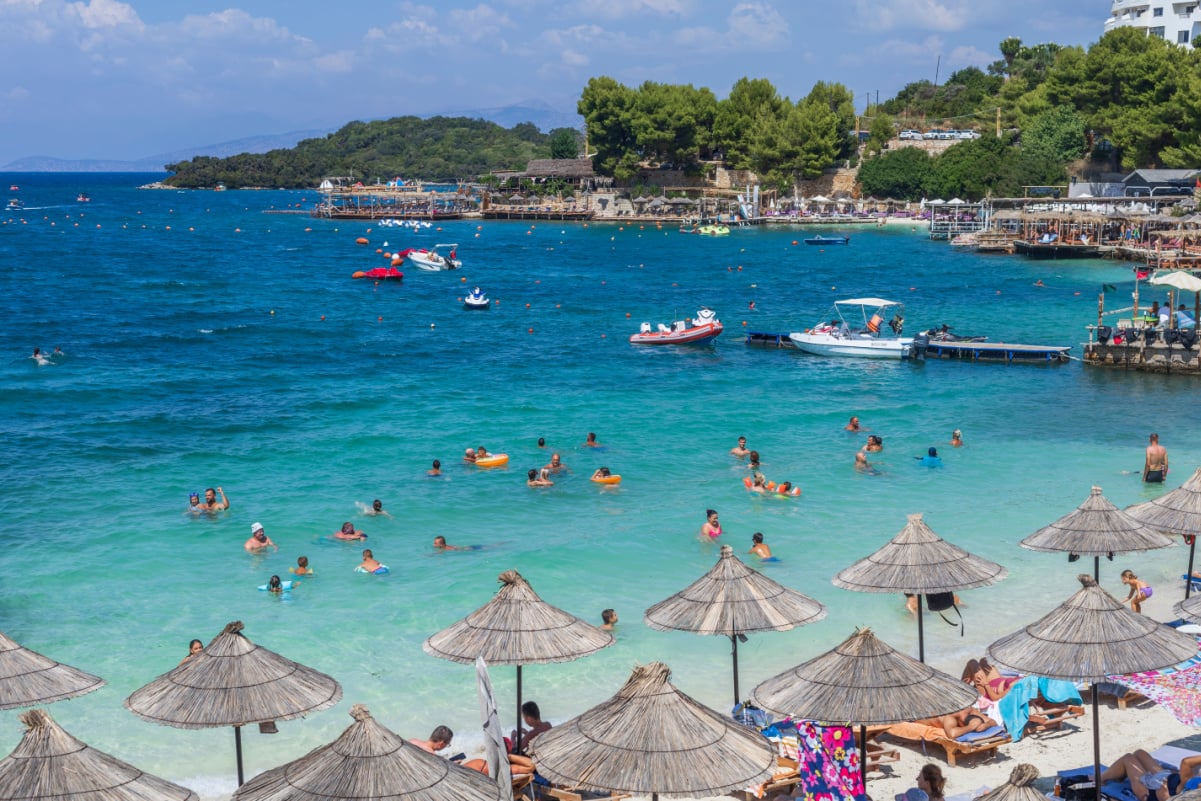
If your social media feed has been telling you that southern Albania is the “undiscovered Maldives of Europe,” your algorithm is officially a few years behind. Albania pulled in a record 12.47 million visitors in 2025—and grew another 5.3% in the first eight months of 2026.
The result? Once-pristine beach towns like Ksamil and Dhërmi are packed with hastily built summer hotels and apartment blocks, yet they still lack basic infrastructure like proper waste management and wastewater treatment. Prices are climbing fast, beaches are shoulder-to-shoulder from June through September, and controversial multi-billion-dollar luxury developments near Vlorë and Sazan Island have even sparked nationwide protests over environmental damage.
- Where To Go Instead: You don’t have to skip Albania—just head inland and north. Trade the congested beaches for the jaw-dropping Albanian Alps (the Accursed Mountains) around Theth and Valbona, or go rafting down the Vjosë Wild River, Europe’s first protected wild river national park. If you still want Mediterranean beach time, look toward Greece’s quieter Peloponnese peninsula.
- How To Beat The Crowds If You Still Go: Skip staying in Ksamil completely and base yourself in the stone-built hillside village of Upper Qeparo or laid-back Himara instead, aiming for late May or late September. You dodge the peak-summer wastewater strain and $50 sunbed markups, pay half the price for a boutique stay, and can still hit the turquoise coves at sunrise before the day-trippers roll out of bed.
2. The Amalfi Coast, Italy
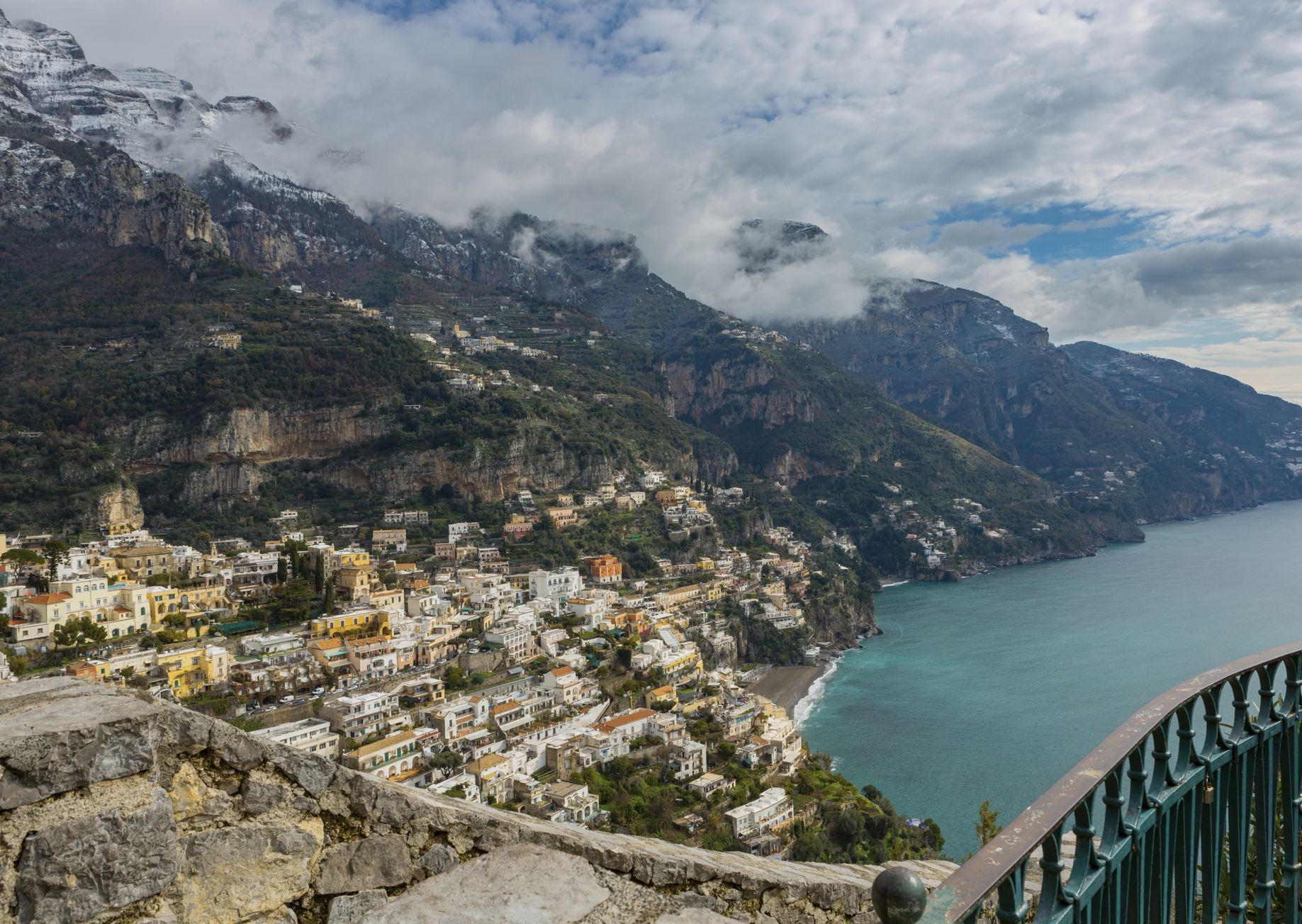
The Amalfi Coast is postcard perfection, which is why the math here has gone completely off the rails. In Positano alone, more than 132,000 tourists have crowded into a cliffside village of fewer than 3,800 residents—and a newly opened regional airport is funneling even more people toward the exact same stretch of coastline.
Everything on the coast relies on one narrow, winding two-lane road (the SS163). In peak season, traffic turns into a daily parking lot, public buses are so packed that drivers literally skip stops because they cannot fit another person onboard, and sky-high short-term rental profits are pricing local families straight out of the towns they grew up in.
- Where To Go Instead: Head south to Puglia (the sun-drenched “heel” of Italy’s boot) or hop a quick ferry from Naples to the volcanic island of Ischia. You still get dramatic coastal cliffs, unreal pasta, and sparkling blue water—minus the two-hour bus queues and triple-digit beach club chairs.
- How To Beat The Crowds If You Still Go: Never rent a car or rely on the SITA bus along the SS163 between 9 a.m. and 6 p.m. Instead, book your hotel in Salerno—a real, lively, high-speed-train-connected Italian port city at the eastern edge of the coast—and use the Travelmar fast ferries to hop between Amalfi and Positano by sea. You bypass the two-lane gridlock entirely, get better cliffside views from the boat deck, and pay normal local prices for dinner at night.
3. Bali, Indonesia

Bali is still one of the most talked-about dream trips on the planet, welcoming nearly 7 million foreign visitors in 2025 (plus 26.6 million domestic trips) on an island of roughly 4.4 million people. Behind the dreamy infinity pools, though, the island’s infrastructure is buckling.
Community air-quality sensors in southern Bali recorded air pollution breaking World Health Organization safety guidelines every single day between June and September—largely driven by open trash burning because the island’s landfills are overwhelmed. At the same time, Bali is losing around 1,000 hectares of natural farmland and rice paddies every year to new villas and beach clubs, wiping out natural flood defenses while tourism consumes an estimated 65% of the island’s water supply.
- Where To Go Instead: Hop just one island east to Lombok or Flores. You get the same lush volcanic peaks, dramatic waterfalls, and world-class surf and diving, with a fraction of the traffic and a much calmer, more authentic pace.
- How To Beat The Crowds If You Still Go: Draw a hard line north of Ubud and stay completely out of the Canggu–Seminyak–Kuta concrete triangle. Base yourself in Sidemen (East Bali) or Munduk (North Bali), where mountain air stays crisp, traditional subak rice terraces are still intact, and you avoid the daily southern smoke spikes. Also, make sure you actually pay the IDR 150,000 (~$9) foreign-visitor levy online before you land so your trip directly helps fund local waste and conservation programs.
4. Corsica, France
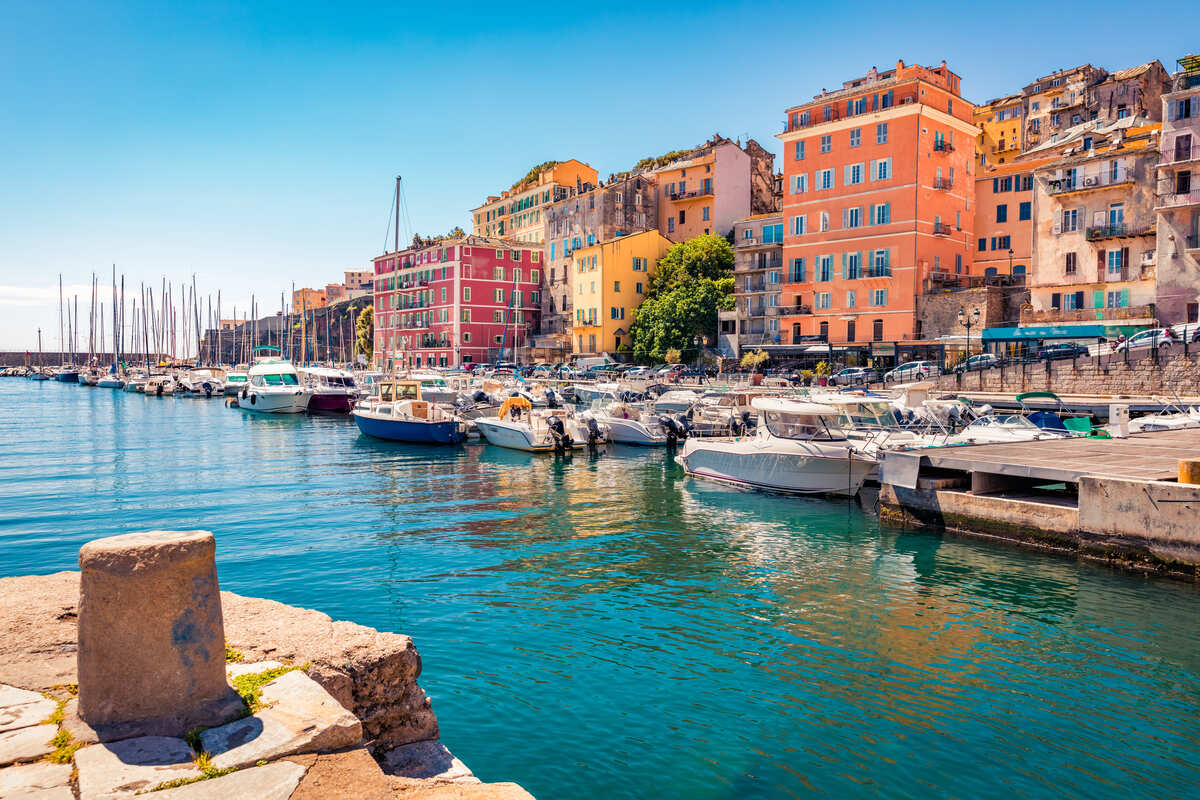
Tucked between France and Sardinia, Corsica is rugged, sun-soaked, and fiercely independent—and right now, tensions over tourism are boiling over. More than a third (36.7%) of all homes on the island are now second homes or vacation properties, and the island’s population roughly doubles every summer, with 72% of visitors cramming in between May and September.
That seasonal crunch hits locals hard. Grocery shelves and local markets get wiped out faster than shops can restock, leaving year-round residents competing with summer crowds for basic household supplies. On top of that, militant separatist groups have escalated warnings—and even targeted unoccupied vacation homes in the past—protesting what they see as outsiders pricing Corsicans off their own island.
- Where To Go Instead: Look to Menorca, Spain. This UNESCO Biosphere Reserve in the Balearic Islands delivers the exact same crystal-clear turquoise coves, coastal hiking trails, and Mediterranean charm, with strong preservation rules that keep the island peaceful and welcoming.
- How To Beat The Crowds If You Still Go: Shift your calendar to April or October. Because nearly three-quarters of visitors pile in between May and September, visiting in shoulder season flips the entire experience overnight—the sea is still warm enough to swim in October, the winding mountain roads empty out, and you are supporting year-round local restaurants instead of draining summer grocery shelves. Skip investor-owned villas and book family-run chambres d’hôtes (guesthouses) instead.
5. Edinburgh, Scotland
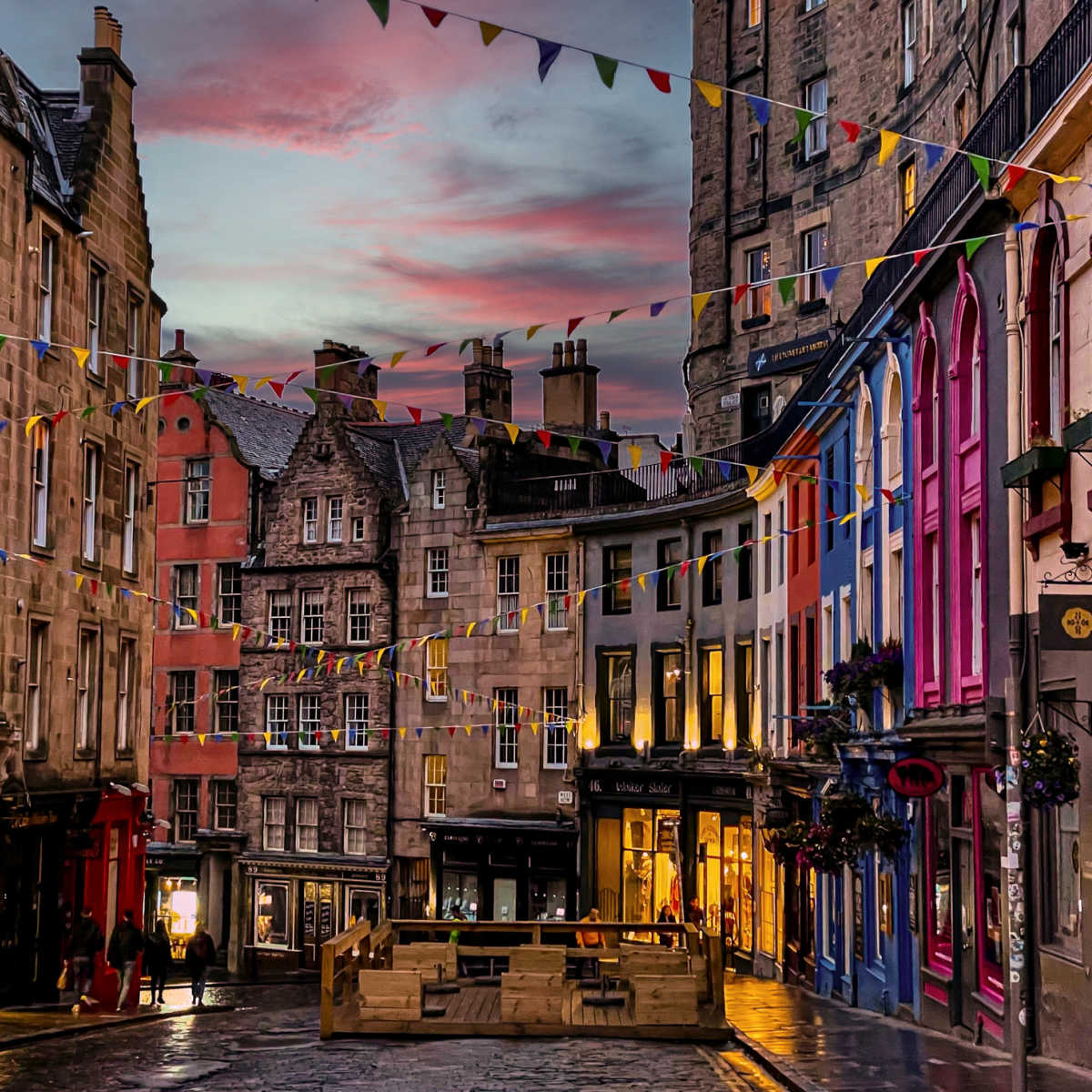
Edinburgh’s Gothic skyline and cozy pubs make it one of Europe’s easiest cities to fall in love with, but locals say the historic heart of town is turning into a theme park. A recent count along the famous Royal Mile turned up 72 souvenir gift shops—and zero post offices, pharmacies, or doctor’s offices for the nearly 9,000 residents living there.
With more than 3 million people flooding in for the Edinburgh Festival Fringe alone (in a city of just 530,000), housing has hit emergency levels and prices have soared. Edinburgh is now the third most expensive city break in Europe—costing more for a two-night weekend stay than London or Dublin—and the city just rolled out a new 5% overnight visitor levy to help fund local housing.
- Where To Go Instead: Take the 50-minute train west to Glasgow. It has arguably the best live music scene in the U.K., world-class free museums, killer restaurants, and friendlier hotel rates—plus you are right on the doorstep of Loch Lomond and the Scottish Highlands.
- How To Beat The Crowds If You Still Go: Steer clear of August unless you are specifically flying in for the Fringe, and sleep outside the Old Town tourist bubble. Book a locally owned hotel in Leith (now seamlessly linked to downtown by the extended tram line) or leafy Stockbridge—you get real neighborhood bakeries, proper Scottish pubs, and far better room rates while keeping the castle just a 15-minute ride away.
6. Kyoto, Japan

Between pent-up travel demand and a weak yen, Japan’s cultural capital has turned into a full-blown bottleneck. Kyoto shattered its all-time record in 2025 with 62.79 million sightseeing visits, and most international travelers funnel straight into the exact same handful of spots—Kiyomizu-dera, Fushimi Inari, Arashiyama, and Gion.
The strain is visible everywhere. More than 70% of locals report being inconvenienced by tourist congestion, and city buses are so jam-packed that university students and commuters often cannot even squeeze onboard. Authorities have already banned tourists from private alleys in the historic Gion geisha district, hiked hotel taxes, and are rolling out tiered bus fares and higher attraction fees in 2027.
- Where To Go Instead: Ride the bullet train up to Kanazawa. Often nicknamed “Little Kyoto,” it boasts beautifully preserved samurai and geisha districts, one of Japan’s three greatest landscape gardens (Kenroku-en), incredible seafood markets, and deep gold-leaf craft traditions—without the elbow-to-elbow chaos.
- How To Beat The Crowds If You Still Go: Flip your alarm clock and boycott the city buses. Hit Fushimi Inari or the Arashiyama Bamboo Grove before 6:30 a.m.—both are open 24/7 and feel eerily magical before the tour buses arrive at 9:00 a.m. During the day, stick to trains, subways, or a rental bike instead of commuter routes like Bus 28, and use Japan’s cheap Takkyubin luggage-forwarding service from your Tokyo or Osaka hotel so you aren’t hauling rolling suitcases onto packed local transit.
7. Ngorongoro Conservation Area, Tanzania
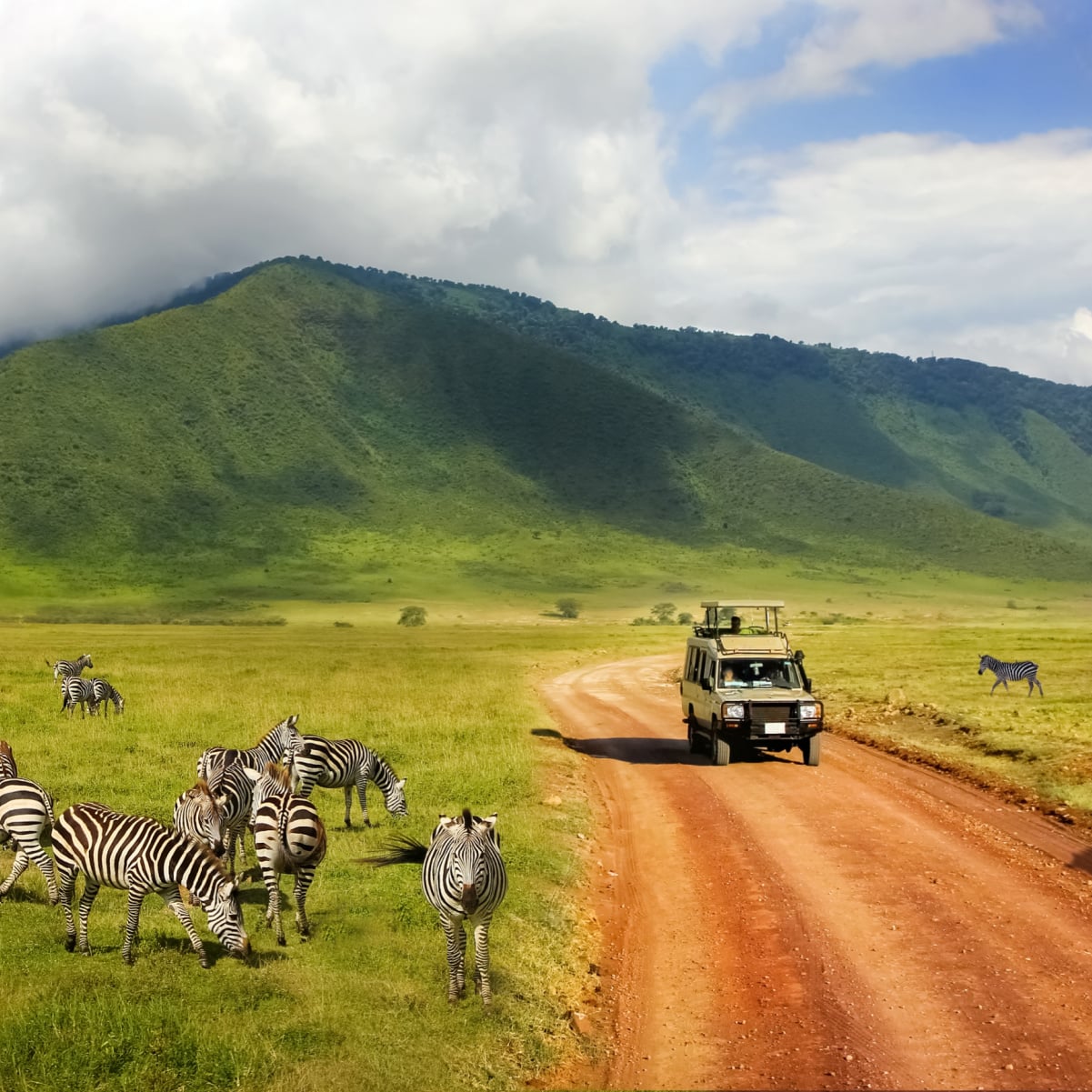
Seeing lions and elephants roam the floor of the Ngorongoro Crater is a bucket-list safari dream, drawing more than 1.06 million visitors in 2024–25. However, Fodor’s flags a serious ethical dilemma unfolding behind the scenes.
When the conservation area was created in 1959, it was designed as a shared landscape for wildlife and the Indigenous Maasai people who have lived and grazed cattle there for generations. Today, human rights advocates report that roughly 100,000 Maasai residents face mounting pressure to leave their ancestral lands—including cuts to local healthcare and grazing restrictions—even as the government actively pushes to expand tourist lodge capacity by roughly two-thirds. Local Maasai advocates are asking travelers to pause visits until evictions stop and safari revenue actually benefits the people living there.
- Where To Go Instead: Plan your safari in Zimbabwe’s Mana Pools National Park or Zambia’s South Luangwa National Park. Both offer extraordinary wildlife encounters, walking and canoe safaris, far fewer safari vehicles crowding sightings, and strong community-driven conservation models.
- How To Beat The Crowds If You Still Go: If your flights into Kilimanjaro International Airport (JRO) are already non-refundable, ask your safari outfitter to swap your Ngorongoro Crater days for Tarangire National Park paired with a community-owned Wildlife Management Area (like Randilen WMA), or hop a short bush flight south to Ruaha National Park. You still get huge elephant herds and big-cat sightings, while ensuring your safari fees directly fund local community conservation instead of the disputed crater expansion.
8. Sedona, Arizona
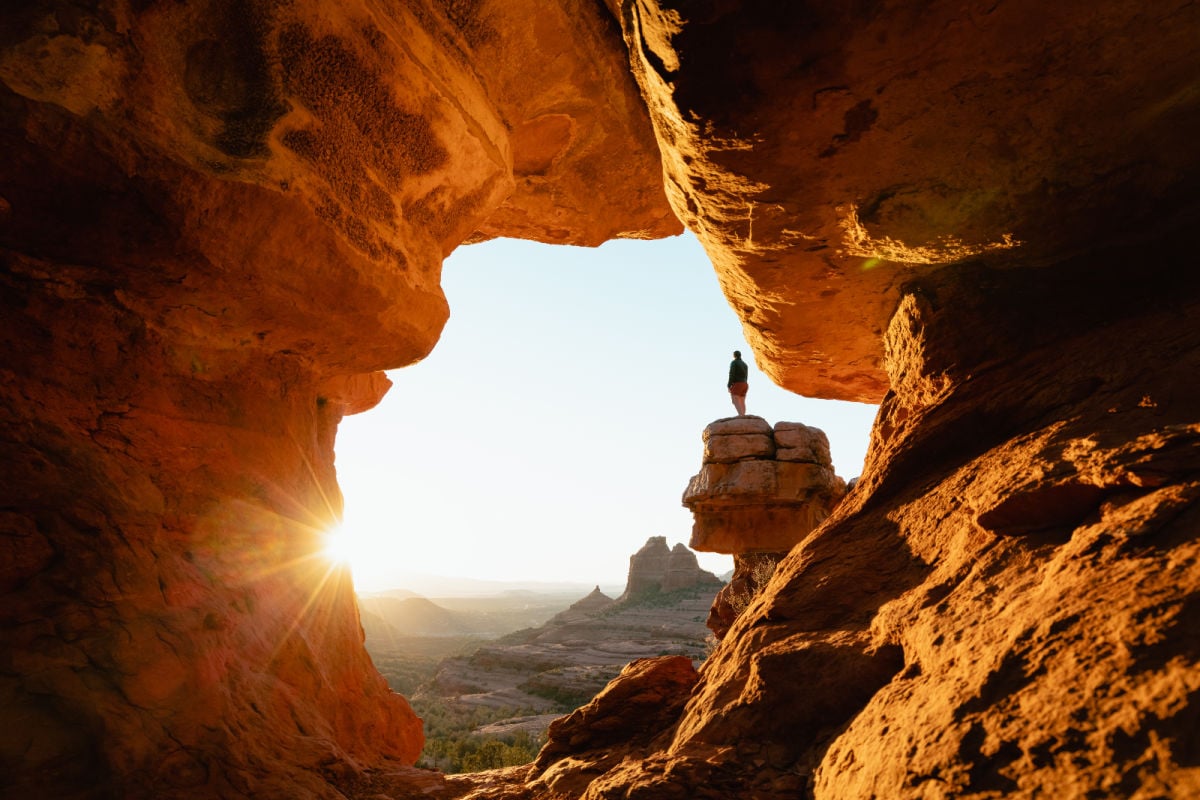
It might surprise you to see a beloved American desert town sitting right next to Bali and Kyoto, but Sedona is facing a textbook housing crisis. This tiny city of fewer than 10,000 residents hosts roughly 3 million visitors every year—and because a 2016 Arizona state law prevents cities from regulating short-term rentals, investment-owned Airbnbs and VRBOs have swallowed whole neighborhoods.
Roughly 20% of Sedona’s residential housing stock is now permitted as short-term rentals, with some residential blocks sitting at 70% vacation homes. Home prices have jumped to an average of $891,000, forcing teachers, firefighters, and restaurant workers out of town—even while Sedona’s 1,800 traditional hotel rooms sit with plenty of open availability most of the year.
- Where To Go Instead: Swap the traffic circles for Kanab, Utah (an underrated red-rock basecamp surrounded by slot canyons and national parks) or Tucson, Arizona for jaw-dropping Sonoran Desert hikes and UNESCO-recognized food. And if your heart is still set on Sedona, you can help locals right away by booking a traditional hotel instead of a whole-home Airbnb.
- How To Beat The Crowds If You Still Go: Treat Sedona strictly as a Tuesday-through-Thursday trip and leave your rental car parked at your hotel. Use the free Sedona Shuttle to access headline trailheads like Cathedral Rock and Soldier Pass (where parking lots routinely close to private cars anyway), and book a traditional hotel or resort instead of an entire-home Airbnb—cutting off out-of-state investment profits while putting your travel dollars straight back into local hospitality jobs.
1. The Albanian Riviera
Ksamil and Dhermi face packed beaches and wastewater strain—trade them for Theth, Valbona, Vjose Wild River, or Greece’s Peloponnese.
2. The Amalfi Coast
Positano sees 132,000+ visitors clogging one narrow two-lane road—head south to Puglia or ferry from Naples to Ischia instead.
3. Bali
Southern Bali faces air pollution, landfill strain, and water shortages—hop one island east to Lombok or Flores for calmer peaks and surf.
4. Corsica
With 36.7% vacation homes and summer population spikes straining grocery shelves, look to UNESCO-protected Menorca for turquoise coves.
5. Edinburgh
With 72 souvenir shops on the Royal Mile and steep weekend rates, ride a 50-minute train west to Glasgow for live music and free museums.
6. Kyoto
Beat packed city buses, Gion alley bans, and higher 2027 fees by taking the bullet train to Kanazawa’s samurai districts and Kenroku-en.
7. Ngorongoro Conservation Area
Support community-led conservation and enjoy uncrowded walking or canoe safaris in Zimbabwe’s Mana Pools or Zambia’s South Luangwa.
8. Sedona
With 20% of homes turned into vacation rentals, swap Sedona Airbnbs for Kanab, Utah, Tucson, or traditional locally owned hotels.
Tip From The Editor (me): The easiest way to dodge overtourism in 2027 without giving up incredible trips is to follow the “one-step-over” rule. Whenever a destination goes viral on social media, look one island over, one train stop further, or one month outside peak season. You will spend less money, skip the stress, and actually meet locals who are genuinely excited to welcome you.
Enter your email address to subscribe to Travel Off Path’s latest travel news, straight to your inbox
