
It’s not a trip to Europe if you haven’t had your fair share of cross-border travel fun.
‘Cause let’s face it, it takes longer to drive from Phoenix in Arizona to Los Angeles over in California than it would to hop on a train from Paris to Frankfurt in Germany, and even then, the biggest giveaways you’ve crossed into another U.S. state are a different speed limit and a new welcome sign.
What most people don’t realize, however, is that hitting multiple European countries doesn’t have to involve hopping on a 2-hour flight and bouncing around the continent like crazy. Definitely won’t be us with the craaaaazy-long queues we’ve seen in some of these airports lately.
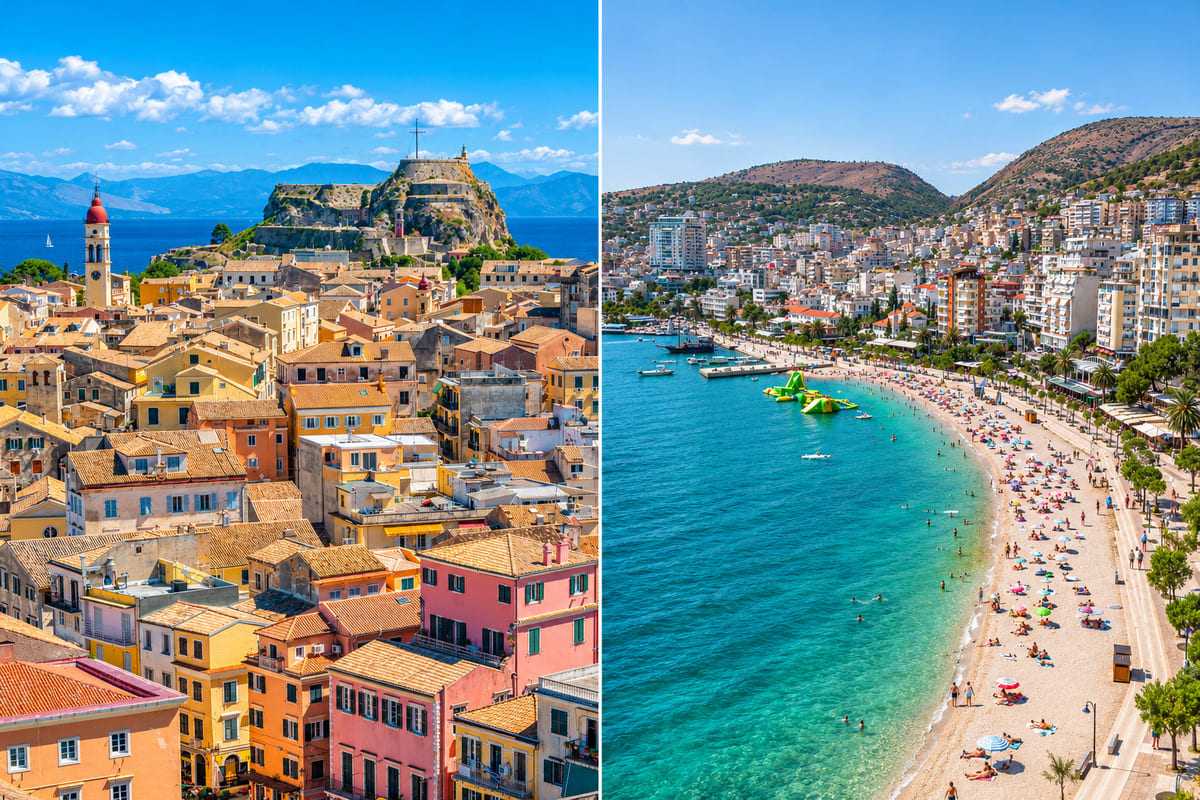
You can experience 2 different European nations in under 30 minutes with these 4 easy border runs.
No checking bags, waiting endless hours in security lines, nor squeezing yourself into a cramped, rock-hard Ryanair seat required:
Sarandë, Albania to Corfu, Greece


The Albanian Riviera is one of the trendiest destinations in Europe right now, and it’s not hard to see why.
Between the white-sand beaches and turquoise seas that look like you’re somewhere in the Maldives, and the surprisingly affordable hotel rates, some starting from only $40 per night, you can live out your Eurosummer dreams here without breaking the bank.
Sarandë is a vibrant coastal town with its own pebbly beach, lively bars and hotels lining the waterfront, and a plethora of seafood eateries to pick from—not to mention the stunning beaches in nearby Ksamil, and the fascinating Greco-Roman ruins in Butrint.
Butrint is easily one of my favorite archaeological sites I’ve ever visited:
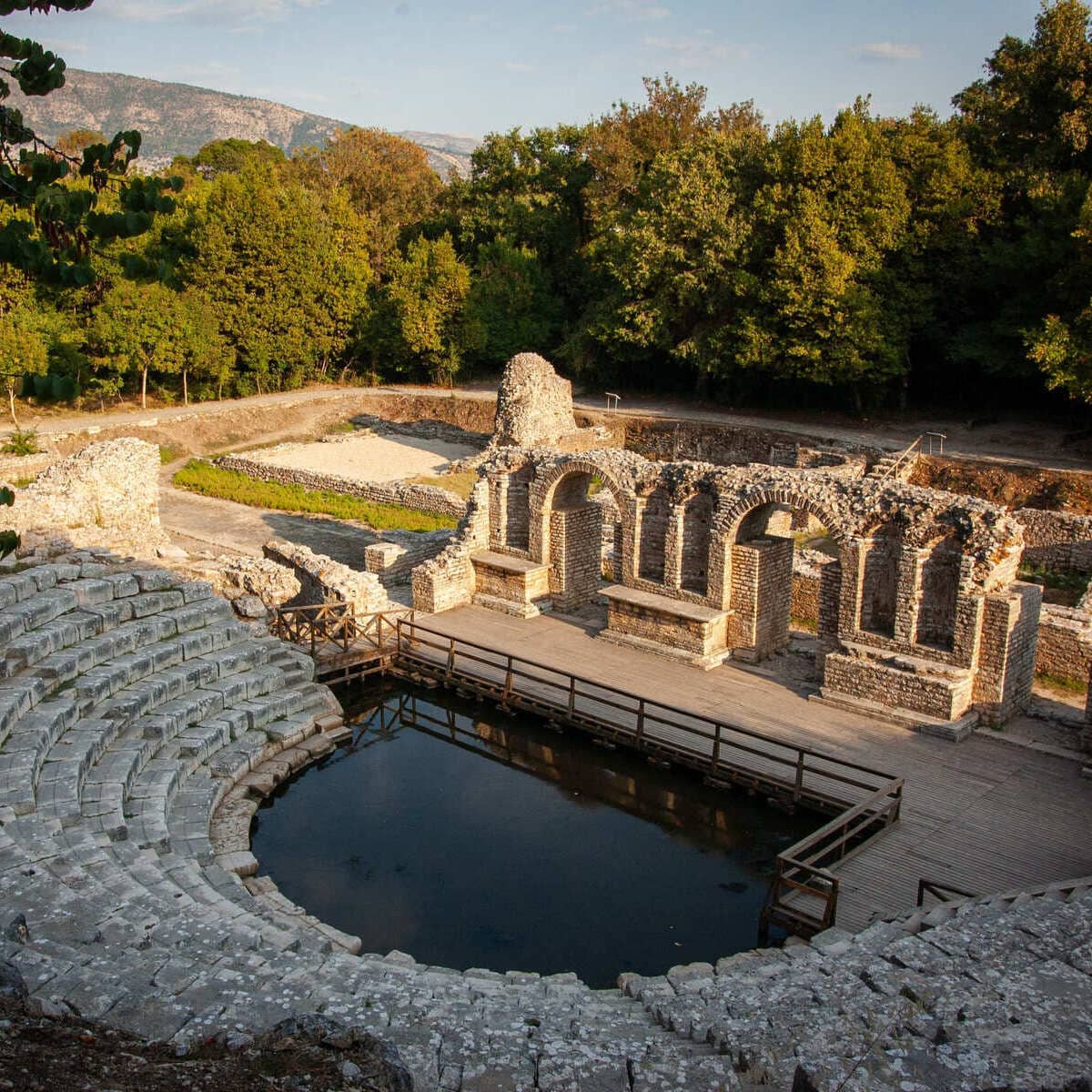
Far cheaper than many of the big-name Greek or Italian sites, at around $12 to enter, and with fewer crowds even in summer. You can explore a partially-sunken ancient theater, wander temple ruins, and hike up to a hilltop castle without constantly running into queues.
But what most tourists don’t realize is that the lush, mountainous island you see from your hotel window in downtown Sarandë is not another piece of Albania.
That’s the Greek island of Corfu, located only a few miles off the Albanian coast at its closest point, and it takes only 30 minutes by high-speed ferry to travel from the Port of Sarandë to Greece.
Why Visit Corfu, Greece?
The ferries pull up to Corfu Town, the administrative center and largest settlement on the island, and a gorgeous destination in its own right.
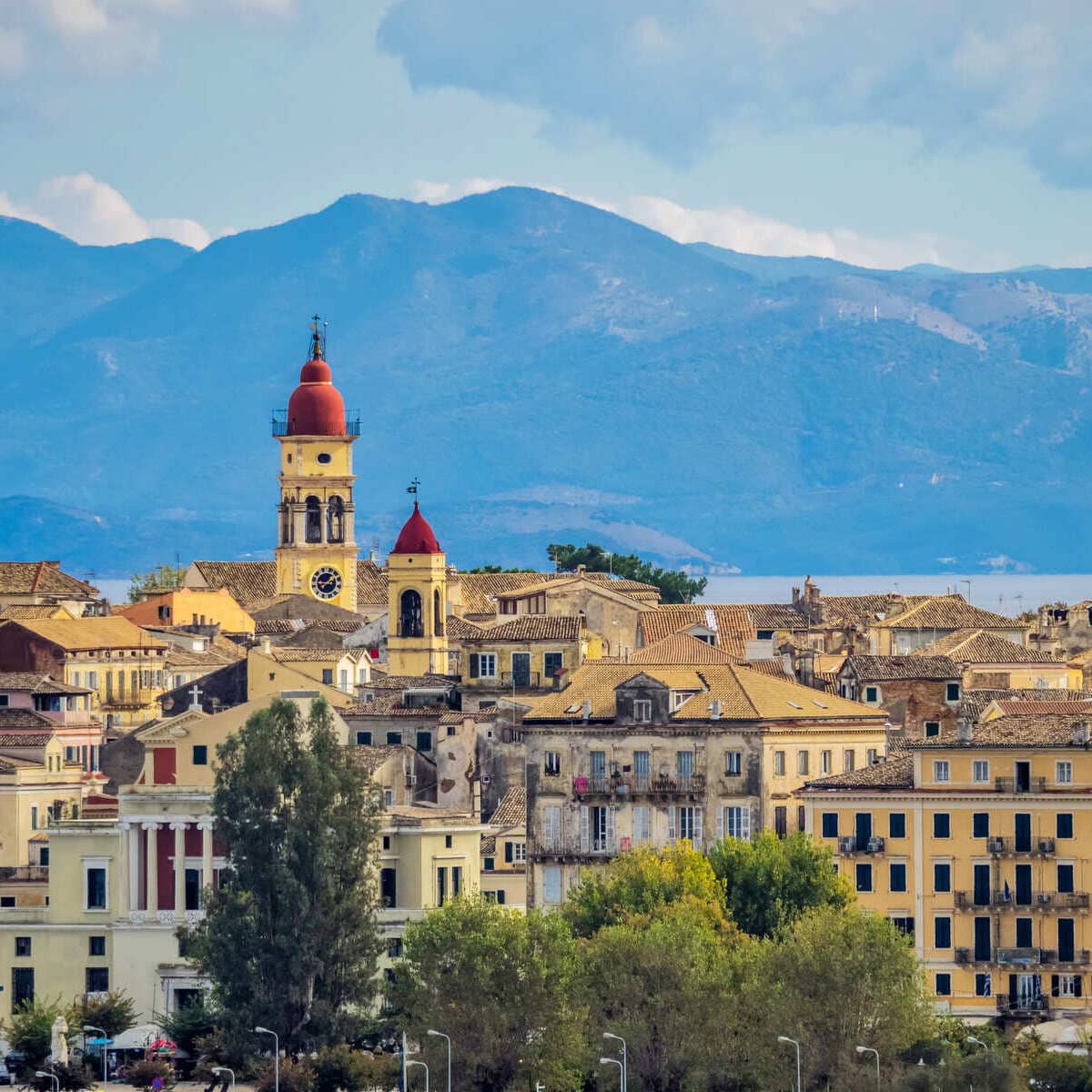
A gorgeous Venetian-era port with typically Italian-looking, slender pastel buildings lining cobbled lanes, colorful bell-towered churches, and two massive fortresses overlooking a maze of winding streets, it’s one of Greece’s prettiest island capitals.
Corfu Town is easily visited from Sarandë as a day trip:
Walking the Old Town’s main highlights won’t take you longer than 2 hours, and you could even swing by Mouragia, this traditional, family-run taverna by the water for a plate of souvlaki and a glass of local Corfiot wine, and you’ll still have plenty of free time before the ferry back.
Corfu’s best enjoyed, however, as a slow destination.
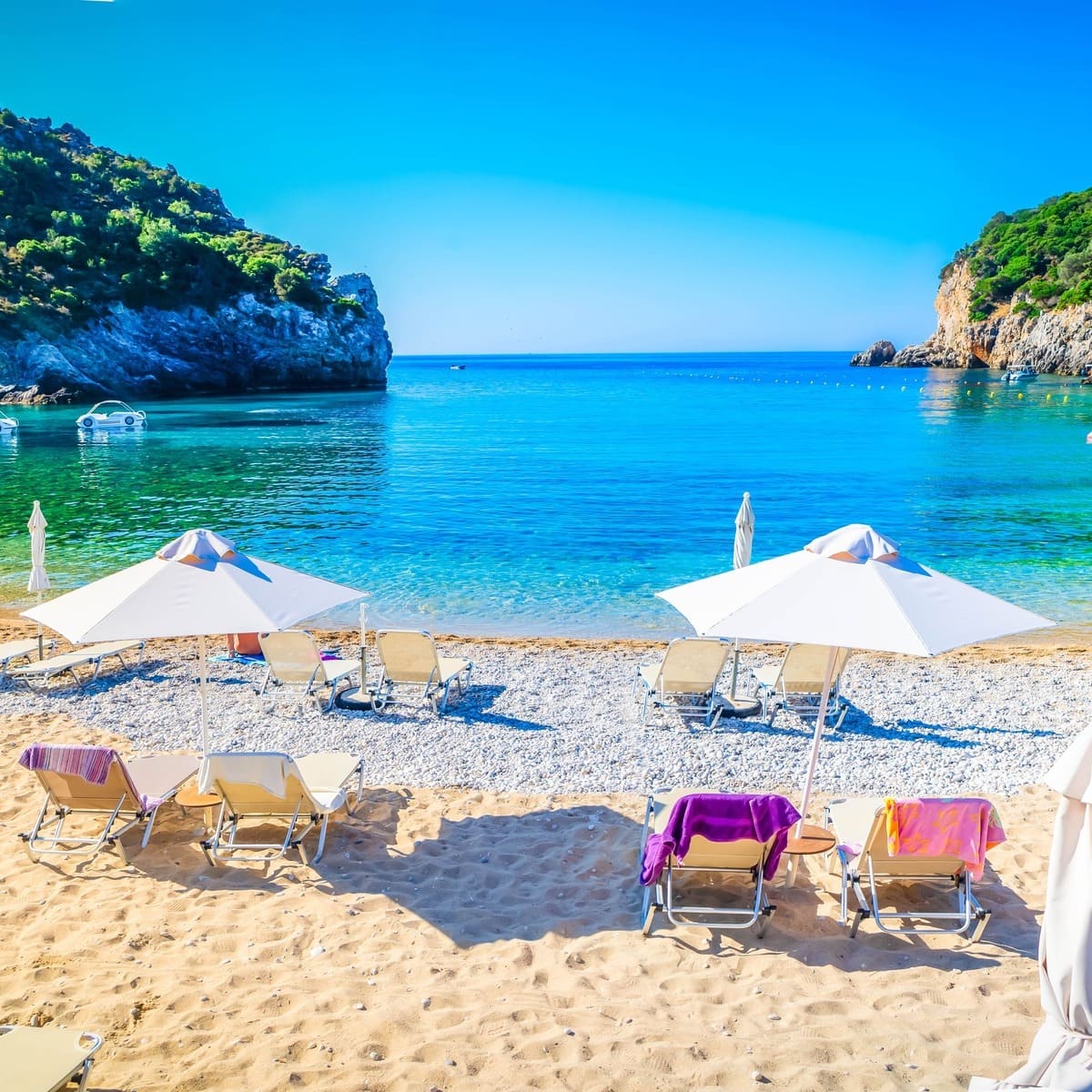
Stay the weekend, and you can get a 50-minute bus from Corfu Town to Palaiokastritsa, this gorgeous sand-and-pebble beach area on the western coast of the island you can’t see from Albania. The waters are crystal-clear, and it’s significantly less crowded than the Town’s urban swimming spots.
Or then, you can rent a car and hit up Corfu’s quieter, more remote villages, like Nymfes, best known for its olive oil production, or the sleepy, undeveloped Lefkimmi in the far south.
How to travel from Sarandë, Albania to Greece
- Head to the Port of Sarandë.
- Book a ticket with one of the ferry operators, with one-way fares ranging from $21 to $27, depending on the boat’s speed and season.
- Clear customs and passport checks on the Albanian side. Make sure to arrive at least an hour before departure.
- Enjoy a breezy 30-minute ride to Greece on a high-speed ferry, or roughly an hour on a conventional one.
- Clear customs and passport checks again once you arrive in Corfu.
- Enjoy the island!
Albania is not a member of the Schengen Area, while Greece is, thus you will need to undergo border control traveling between both. Greece also has stricter rules than Albania in regards to the length of stay authorized, and new fingerprinting-on-arrival requirements affecting all Americans.
Make sure you’re up to speed with the different travel regulations using the Entry Requirement Checker.
Nice, France to Monaco


Nice is probably France’s second most sought-after spot after Paris, and given the fact I’m checking in there summer in, summer out myself, I can’t deny the appeal.
It’s just wildly different from the more northern, Haussmann-style aesthetics of the French capital.
Instead of grand boulevards lined with stately Belle Époque palais, you get an Italian-esque fever dream of winding pedestrianized lanes flanked by multistory ocher buildings, quaint Baroque churches with lavish interiors, and tiny squares with café terraces spilling onto the cobblestones.
Oh, don’t forget the 4.3-mile-long Promenade des Anglais, a sweeping, half-moon-shaped waterfront promenade hugging the turquoise waters of the Baie des Anges, with a picturesque pebbly beach within meters of the city’s busiest streets.
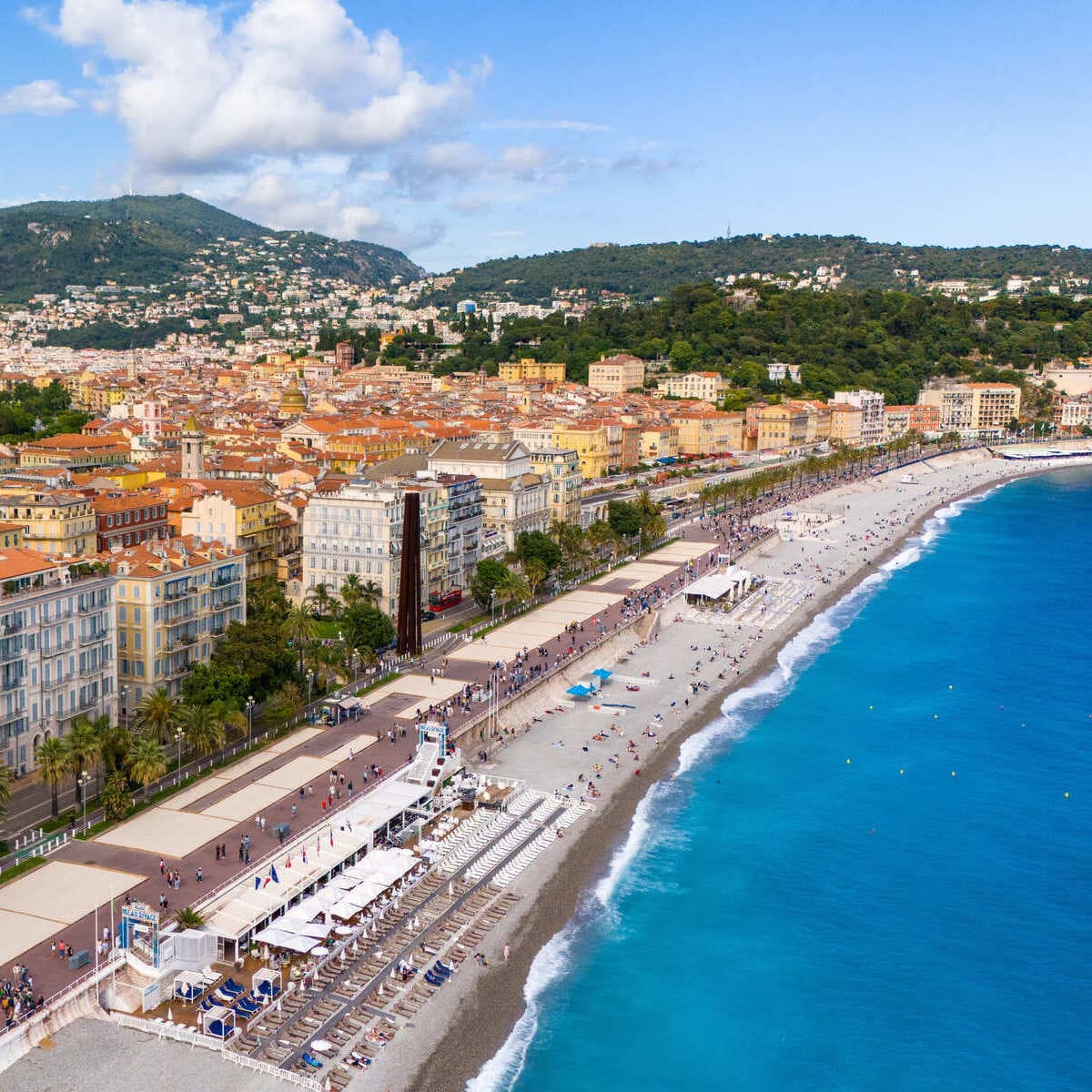
Going for a dip in the newly opened Seine swimming areas is not quite the same as swimming in Nice’s clear, warm Mediterranean waters, see, so the appeal gap keeps on widening.
There’s something else about France’s glorious Riviera city that often gets overlooked: the fact it’s a literal 20-minute train ride away from another country, and you don’t even need to present a passport to cross the border this time.
Why Visit Monaco?
I can’t tell you the number of times I’ve had to correct a not-so-geo-savvy tourist on the train from Nice to Monaco by reminding them they’re not going to just another ‘city’ in France, but a full-fledged country with its own laws, separate legal system, tiny military force, and even its own passport.
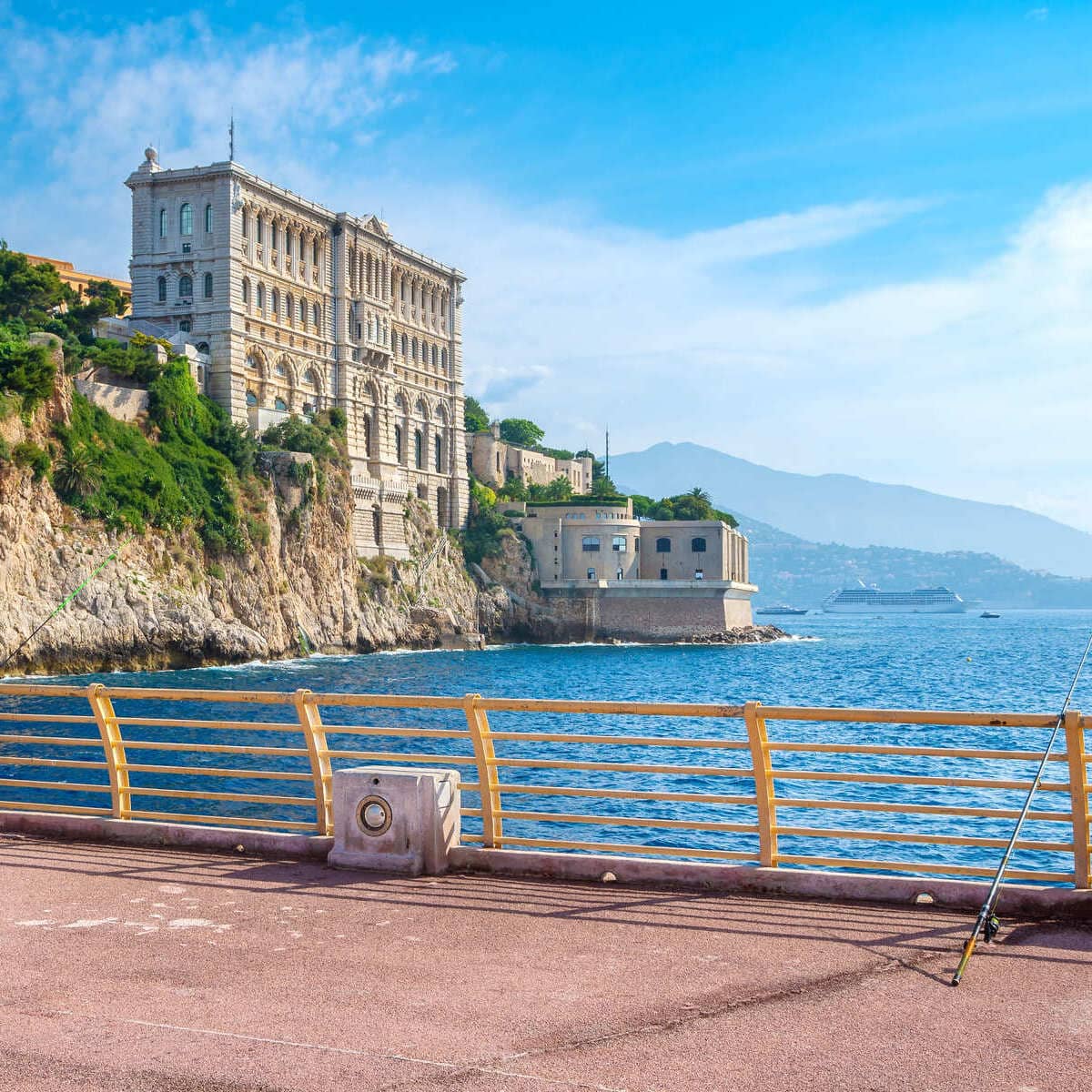
I guess I can understand why some wouldn’t seriously consider Monaco a different country. After all, pulling up to Monaco-Monte-Carlo from Nice-Ville feels just like a regular suburban train commute, and there are no border control posts or security officers waiting to check your documents at either end.
That doesn’t make Monaco one bit less independent from France.
This is one of Europe’s tiniest states, with a reigning prince as its head of state, and a grand total of around 39,000 residents (many of whom are millionaires).
You’ve probably heard of Monte Carlo, Monaco’s glitzy district topped with an opulent, landmark casino, and the yacht-filled Port Hercule, where you can marvel at superyachts you could never afford, but I’m not sure you’ve ever been properly introduced to Monaco’s charming Old Town district?
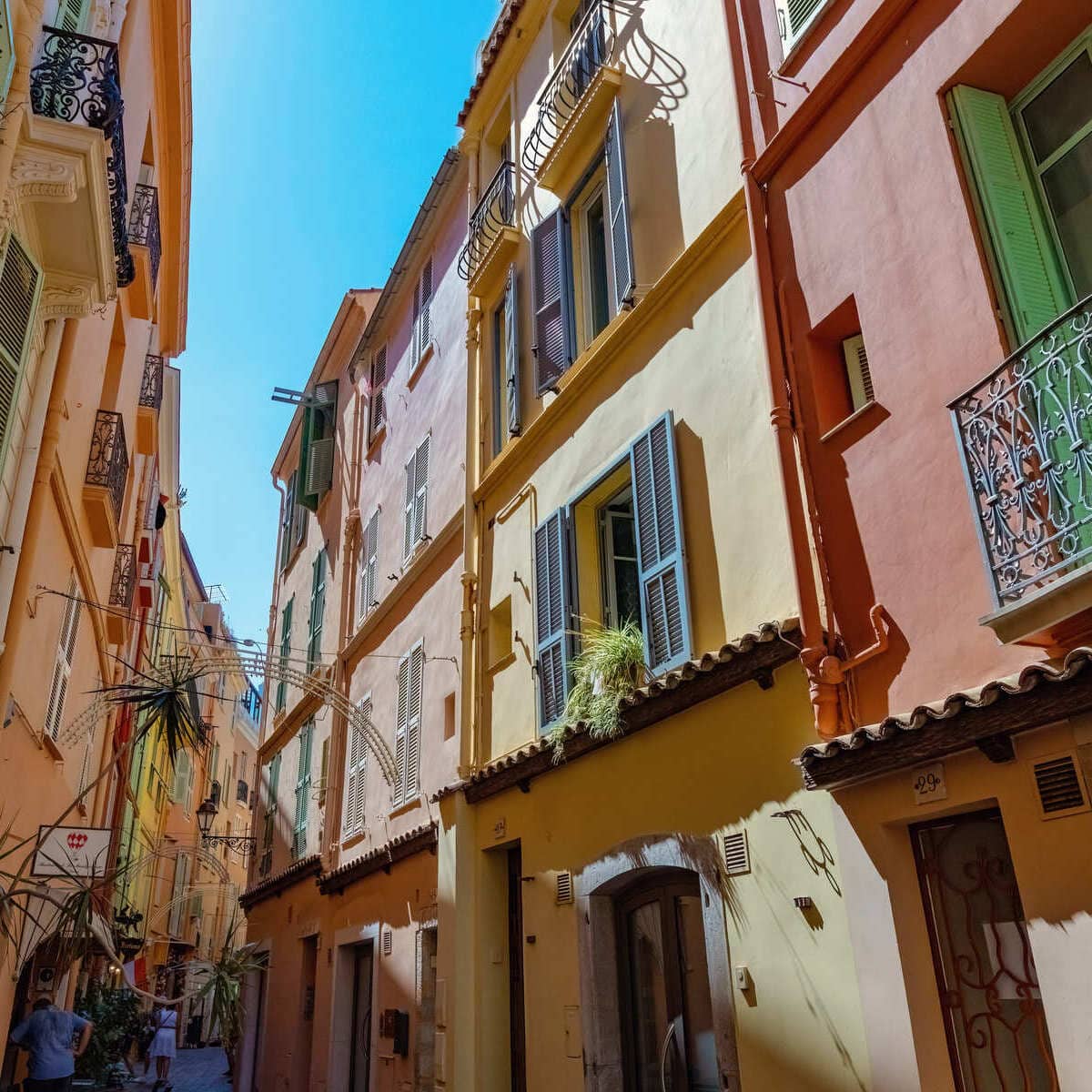
Tucked away on the hill opposite Monte Carlo, it feels like a mini Vieux-Nice with its narrow cobbled lanes, colorful townhouses, and traditional restaurants slinging fresh seafood and local barbajuan pastries.
A quick stop by the Prince’s Palace at 11:55 a.m. will get you front-row views of the Changing of the Guard, and if you really want to uncover a local secret, head on over to the Chapelle de la Miséricorde: a tiny, 17th-century Baroque with a beautiful historic interior most day-trippers overlook.
How to travel from Nice, France to Monaco
- Head to Nice-Ville station
- Take a direct TER regional train to Monaco-Monte Carlo (no prior reservation required, tickets cost around $8 one-way)
- Enjoy the scenic 23-minute ride along the Mediterranean coast (you’ll want to sit on the right side of the carriage for views)
- Leave at Monaco-Monte Carlo
- Monaco maintains an open border with France so there’s normally no passport checks, though you should always carry a valid travel document as it’s still an international border
Note From The Editor
Just one sec! If you enjoy reading great human-written articles, the best way to see a few more is to follow us on Google so we become one of your preferred websites. Thank you so much for reading. Now back to the story!
Trieste, Italy to Koper, Slovenia


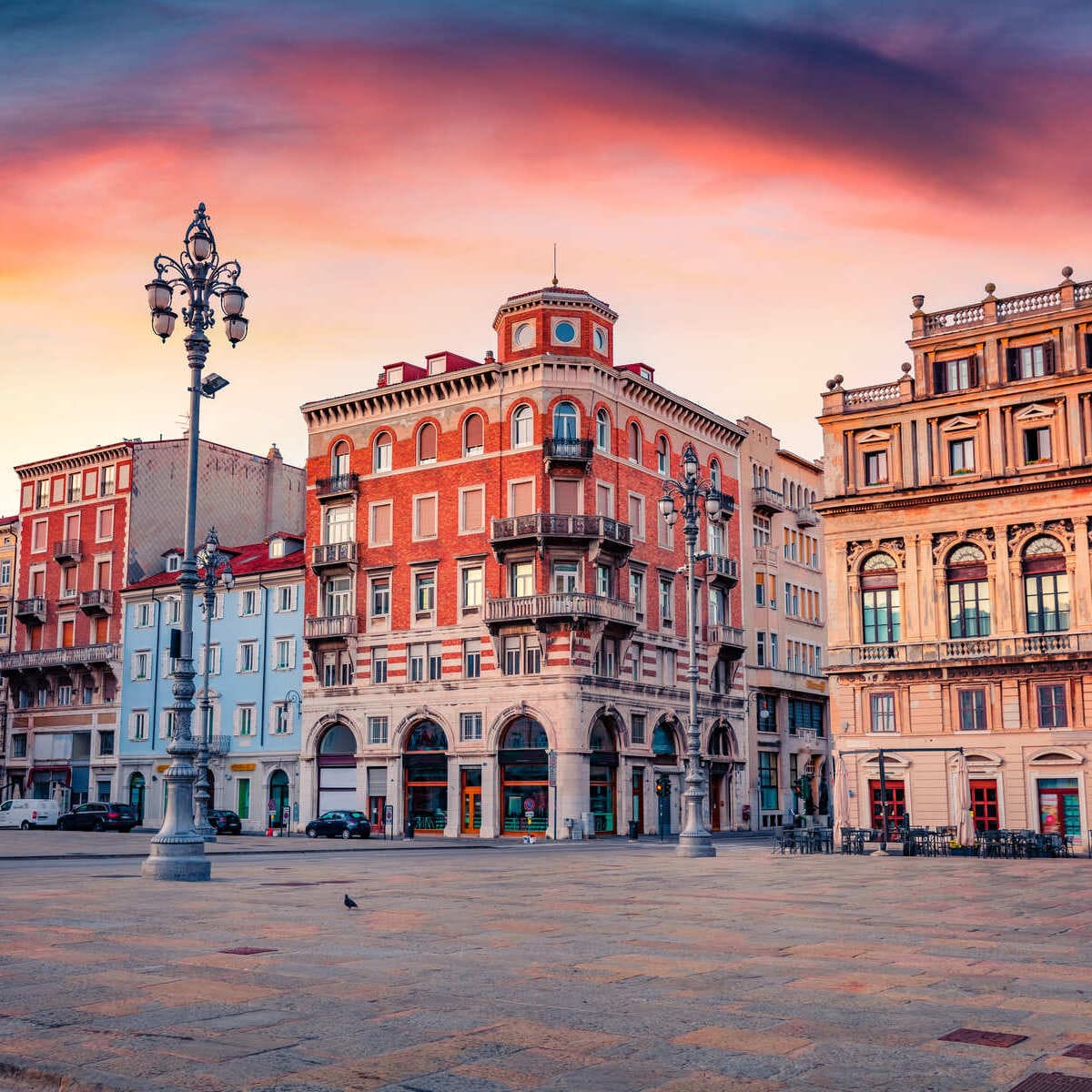
Out of all the gorgeous, underrated Italian cities you could visit, Trieste is probably the most unique of them all, because it barely feels like you’re still in Italy.
It’s located on a narrow sliver of land, almost squeezed shut from the rest of Italy by the looming mountains of Slovenia, and it has a fascinating history shaped not only by its Ancient Roman heritage, but hundreds of years spent under Austrian rule.
And perhaps that’s where the city still feels its strongest at heart: less of the buzzing Vespas weaving past a throng of shoppers in chaotic street markets, more stately Habsburg-era edifices that could easily belong in Vienna.
My favorite thing about visiting Trieste is aimlessly wandering around its Old Town, going up to the hilltop San Giusto Castle for sweeping views of the port and the glitzy Adriatic Sea, and stopping by a family-owned trattoria to eat half my body weight in jota.
That’s Trieste’s signature, Slavic-influenced hearty soup, made with sauerkraut, beans, and potatoes, by the way, and it’s absolutely delicious.
Speaking of Slavic traditions, remember I said Trieste sits on a narrow stretch of coast basically pressed against the sea by Slovenia?
The nearest Slovene border to the east is a short 15-minute drive from downtown Trieste, and if you really wanna make it into a full cross-border day trip, the Slovene resort town of Koper is a 35-minute bus ride away:
Why Visit Koper, Slovenia?
If Trieste is the most Habsburg city in Italy, then Koper is the most Italian city in Slovenia.
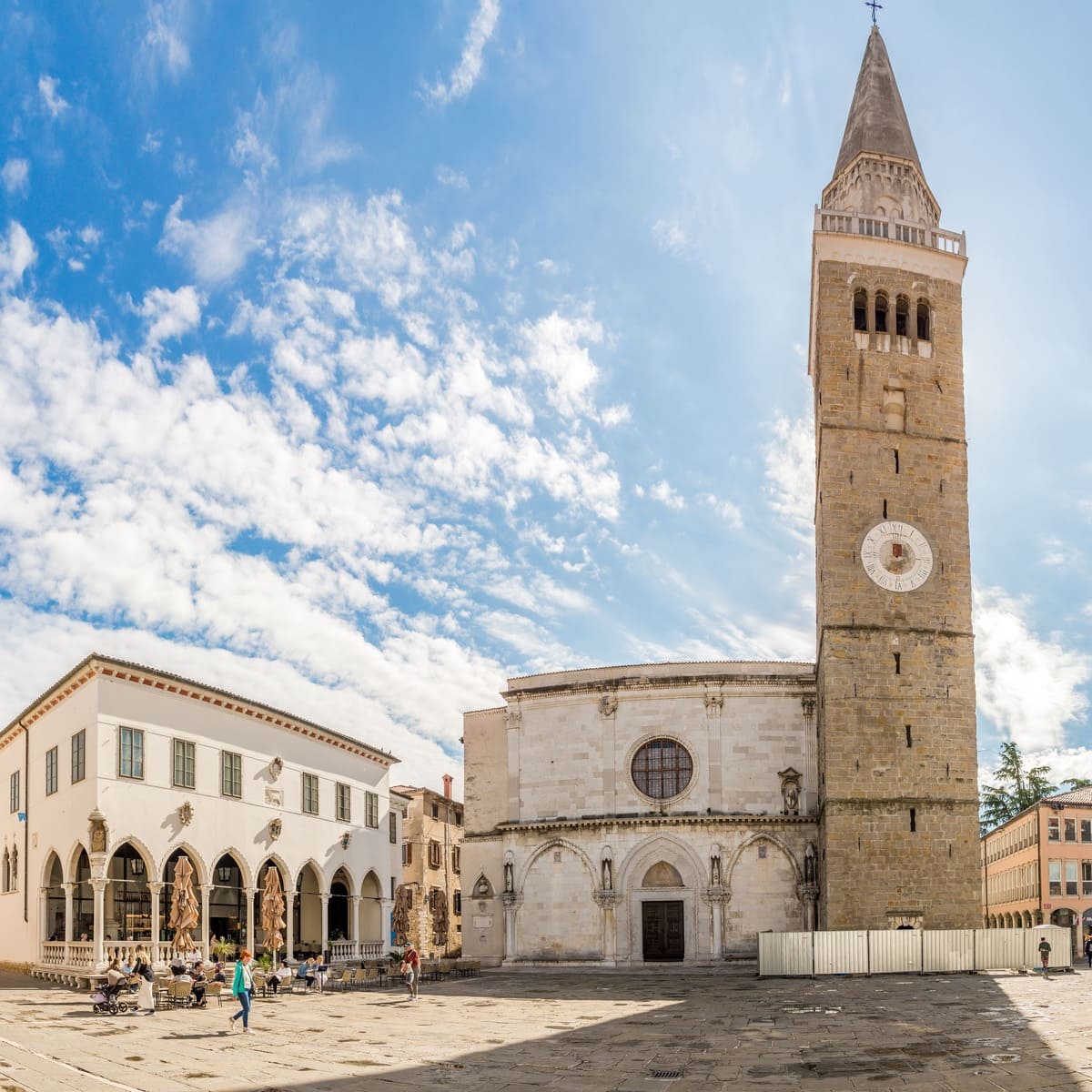
One of the prettiest Slovene Riviera towns, it has a picture-perfect Old Town dotted with the kind of pastel-hued townhouses you’d typically associate with Italy, rather than a Slavic country, and countless Venetian-built landmarks.
Because, go figure, Koper was actually Venetian at some point, and in fact, it was under Italian rule as recently as World War II! Don’t let history’s unexpected twists and turns mislead you, though:
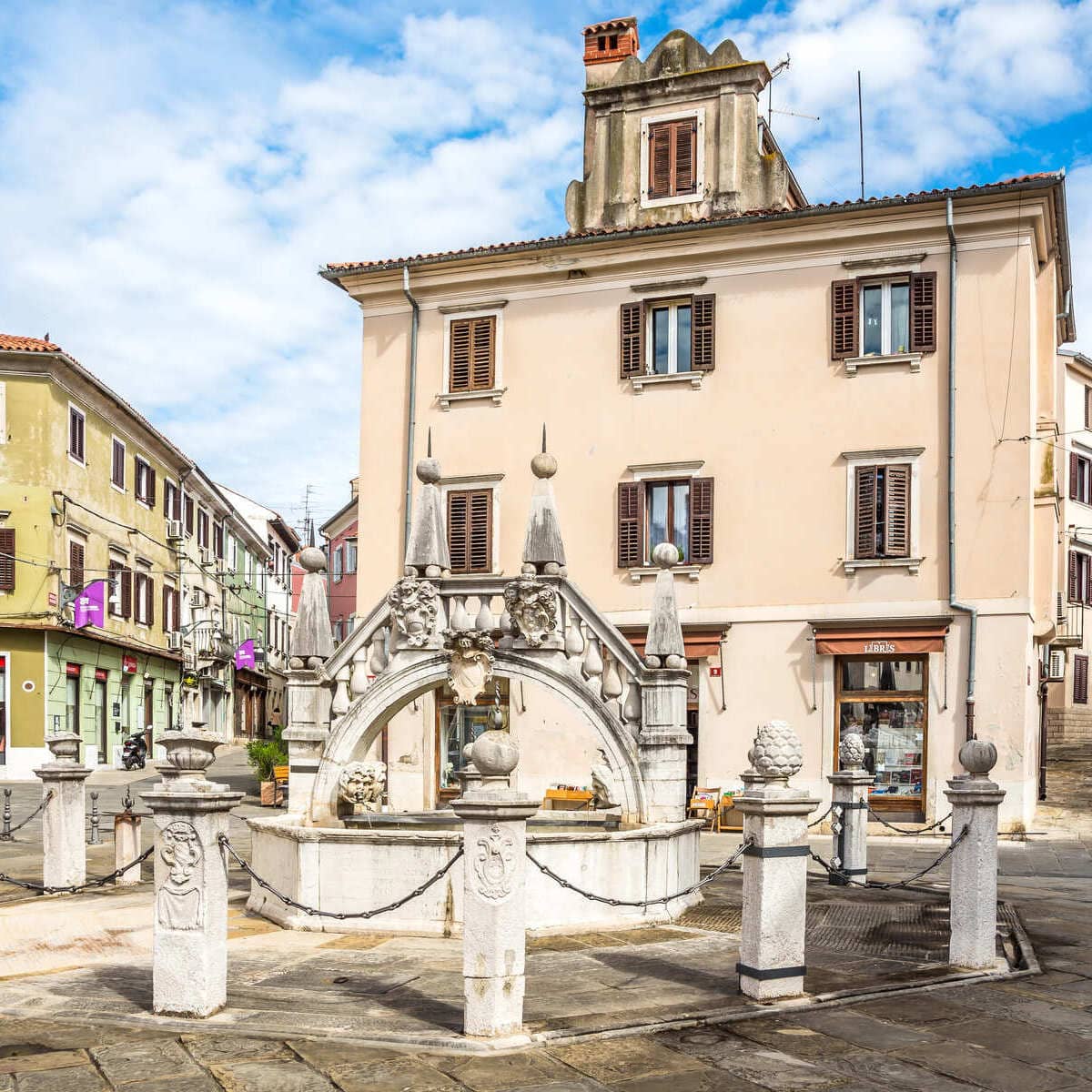
The Gothic loggia here could well belong somewhere in Verona, and the tiny Da Ponte Fountain may be a perfect pocket-sized tribute to Venice’s world-famous Rialto Bridge, but it’s now the Slovene tricolor flag that flies atop civic buildings, and pasta here has a real Istrian twist.
Don’t miss the centuries-old Cathedral of the Assumption, featuring one of the tallest bell towers in Slovenia. You can actually climb its 204 steps for sweeping bay views, and the interior of the church is worth the short detour from Trieste alone.
If you’re not short on time, grab a beach towel and lounge by Mestna Plaža, Koper’s main beach. It feels just like Trieste’s Barcola waterfront, just on a much smaller scale, and the water is wonderfully clear on calm summer days.
How to travel from Trieste, Italy to Koper, Slovenia
- Go to Trieste Autostazione, the bus station right next to Trieste Centrale railway station
- Buy a ticket for Koper (no advance reservation required)
- Arriva operates regular buses on this route in around 35–40 minutes (the driving distance is an even shorter 31 minutes)
- One-way tickets cost only $5
- You’ll be arriving in Koper Bus Station, a 15-minute walk from the Old Town
Copenhagen, Denmark to Malmö, Sweden


Copenhagen sits among Europe’s most popular city breaks regardless of season. Colorful harborfront, historic red-brick buildings topped with copper spires, and art galleries galore: what’s not to like?
Of course, Nyhavn is the main reason why millions of tourists hop on transatlantic flights to get here. The row of pastel-colored, 17th-century townhouses straddling a picturesque canal is an epic photo op you can’t skip over, but that’s only a fraction of what Copenhagen has to offer:
Right in the heart of the Historic Center, a mere 15-minute walk from the touristy bustle of Nyhavn, Rosenborg is a fairy-tale moated castle you’d expect to find tucked away in the Danish countryside somewhere, rather than in the middle of the capital.
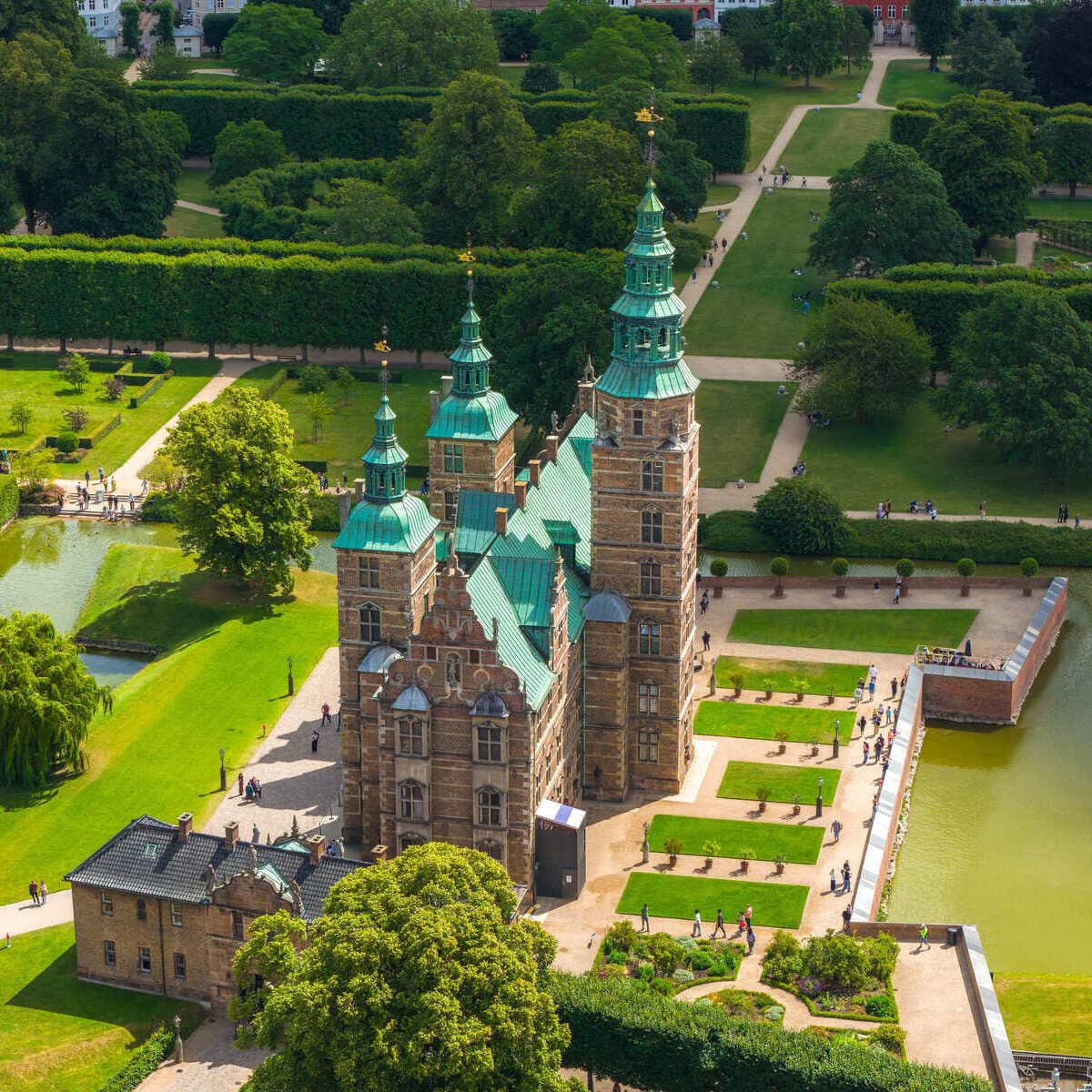
The King’s Garden in the vicinity is gorgeous, especially if it’s a sunny day out, and if you love medieval-style fortresses, a 20-minute walk further north will take you to Kastellet.
This is a star-shaped stronghold doubling as a lush public park, with scenic waterside walks, historic red barracks, and even an old-fashioned windmill! If you can’t get enough of iconic selfie spots, the famous Little Mermaid sculpture is right next to Kastellet.
Coolest thing about Copenhagen’s location, you ask?
It’s only a short train ride from Malmö in Sweden, and getting there involves crossing a remarkable bridge-and-tunnel link, part suspended over the sea, part underwater:
Why Visit Malmö, Sweden?
The Øresund Bridge is a modern marvel of engineering that starts as an underwater tunnel on the Danish side, diving beneath the Øresund Strait—Eurostar vibes, anyone?—before emerging onto Peberholm, an artificial island, and continuing along the spectacular suspended bridge section.
You’ll be crossing into Sweden at the far end of the bridge, and from the Swedish shoreline, it’s only around 15 minutes to Malmö Central:
Malmö is the third-largest city in the country—after Stockholm and Gothenburg—so it doesn’t feel like a cheat border-hop to a tiny, backwater town just to tick off a country.
This is a whole city, one of Sweden’s most important ones, at that, complete with a major commercial port, a beautifully-preserved Historic Center, and a fast-developing business district.
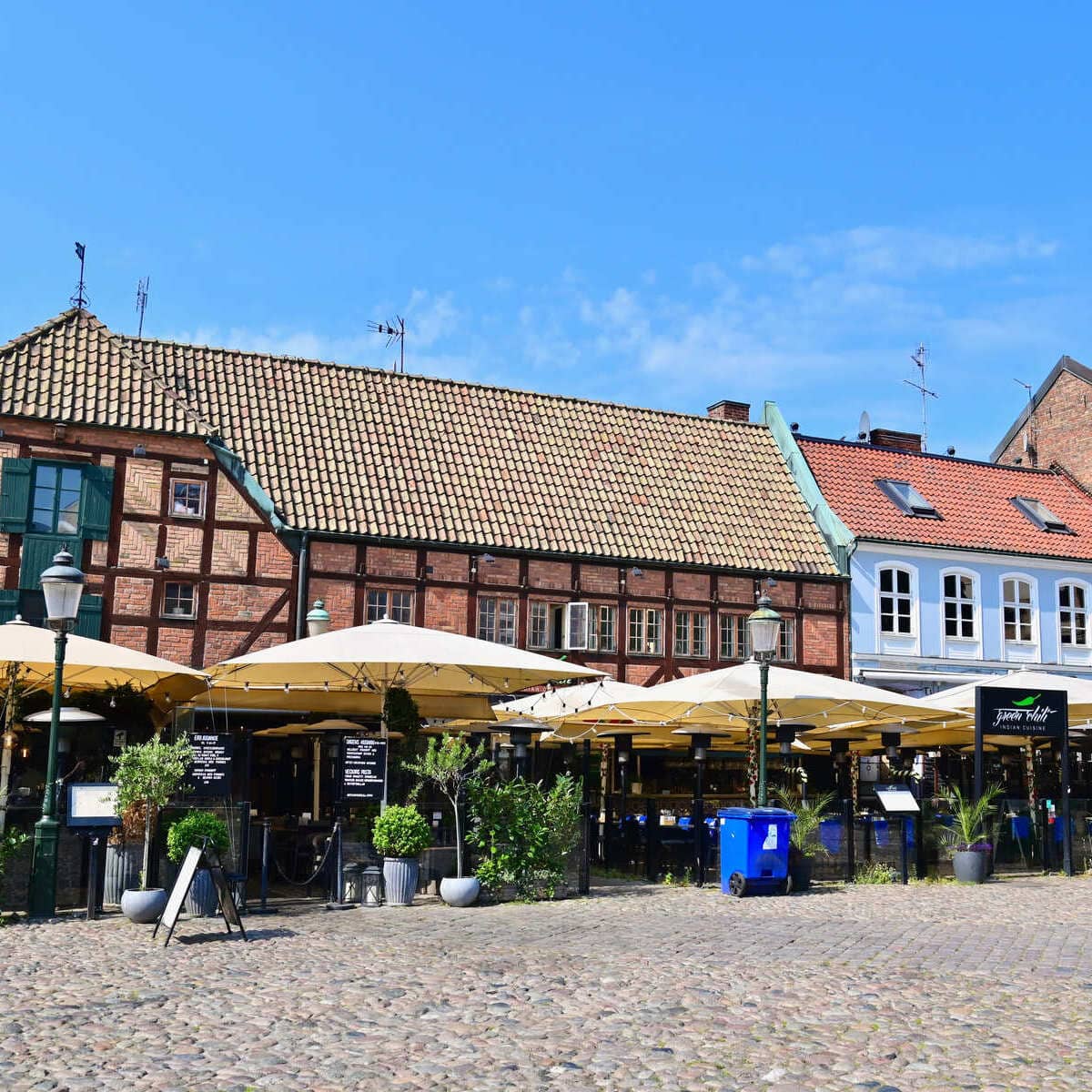
Malmö’s skyline of futuristic skyscrapers along the waterfront, including the iconic twisting Turning Torso, are cool, sure, but I’m taking a wild guess here and assuming you haven’t flown all the way out here to look at modern waterside developments. In this case, Malmö’s Historic Center is where you should spend most of your visit:
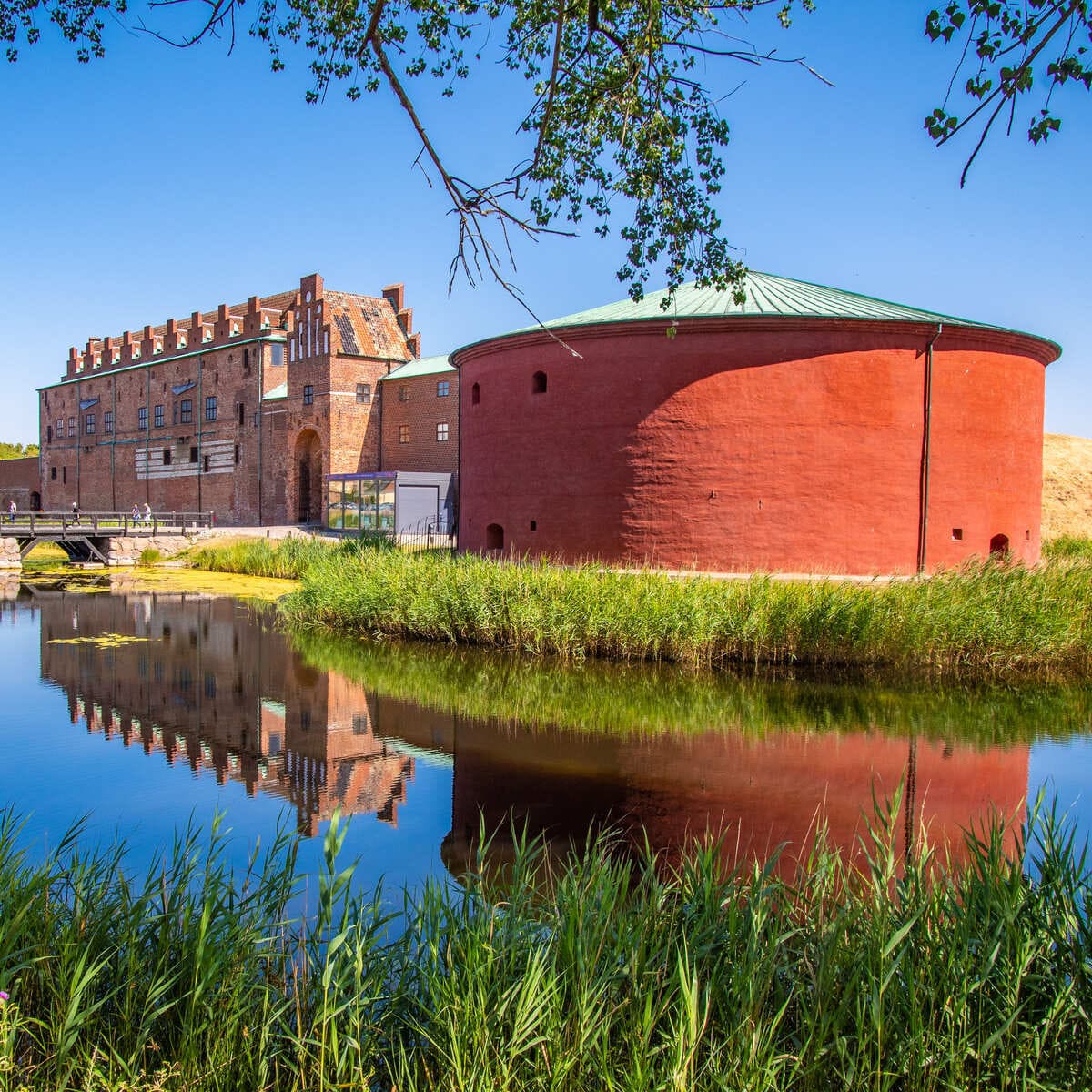
Think cobblestone streets, half-timbered houses dating back centuries, cozy restaurants serving Swedish meatballs with mashed potatoes and lingonberry jam, and an impressive red-brick castle surrounded by a deep moat.
Malmö truly feels like the perfect laid-back, Swedish counterpart to a Copenhagen city break, and you get to cross one of Europe’s most iconic bridges while you’re at it.
How to travel from Copenhagen, Denmark to Malmö, Sweden
- Go to København H (Copenhagen Central Station)
- Book a ticket for Malmö C (Malmö Central Station) from one of the Öresundståg vending machines
- One-way fares average $14
- There are departures scheduled every 15 minutes during much of the day
- The average journey time is 35 minutes
- Malmö C is 15 minutes on foot to Gamla stan, the Old Town
Sarande to Corfu
Hop across the Ionian Sea for $21–$27 to explore Venetian fortresses in Corfu Town, clearing customs at both ports.
Nice to Monte Carlo
Ride a direct TER train from Nice-Ville for around $8 (sit on the right for sea views) to see Port Hercule and the Prince’s Palace.
Trieste to Koper
Catch an Arriva bus from Trieste straight into Koper’s Venetian-style Old Town, Gothic loggia, and Adriatic beaches.
Copenhagen to Malmo
Board an Oresundstag train for ~$14 through the underwater tunnel and suspended bridge straight to Malmo’s cobblestone Gamla stan.
Schengen vs. Non-Schengen
Albania-to-Greece requires full border control and EU fingerprinting checks, while intra-Schengen trips may still have spot checks.
Enter your email address to subscribe to Travel Off Path’s latest travel news, straight to your inbox
