
Watching in dismay as European cities are looted and their beautiful historic buildings torched?
It’s been one heck of a week on this side of the pond. Trust me, I live in Paris, one of the worst hotbeds for violent protests right now, and heartbroken as I may be, I understand why tourists would reconsider coming.
I’m not here to argue against that. The vibes are definitely off in my neck of the woods, but that doesn’t mean that’s the case in sunny, generally way-more-chill Spain.
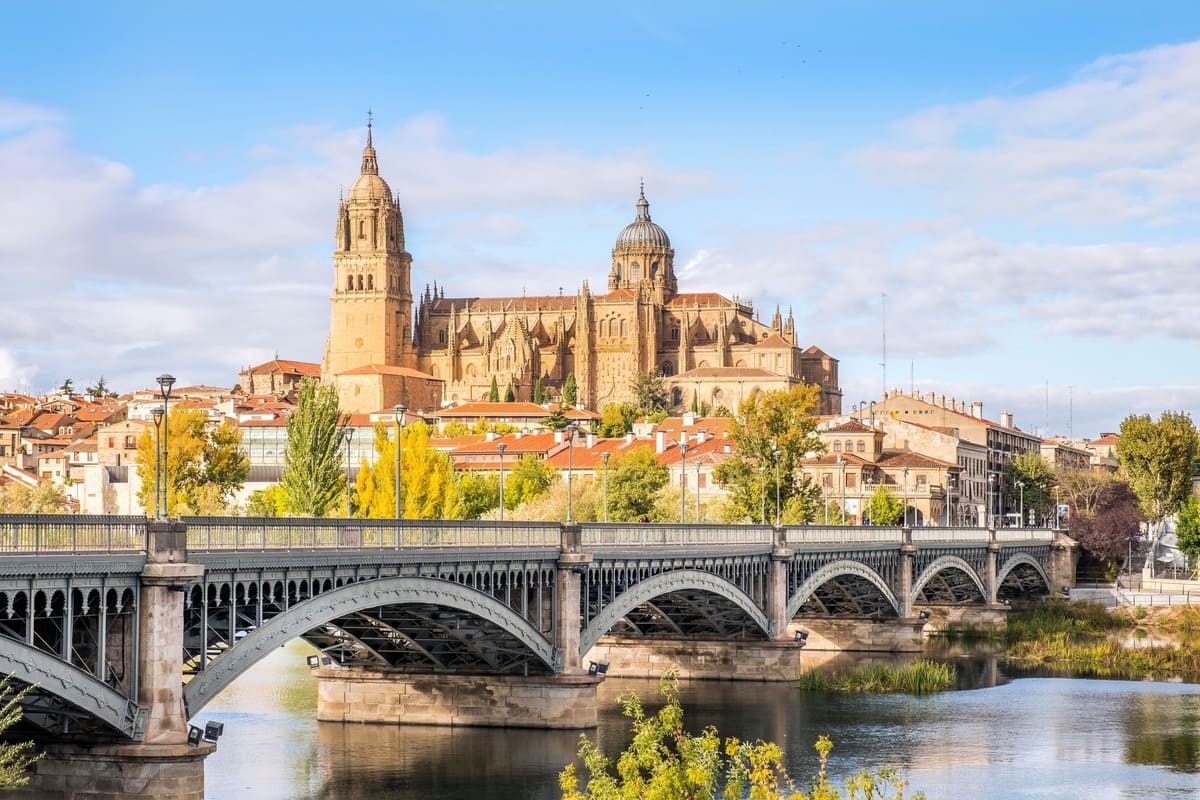
Keen on a moody, centuries-old Old Town with cobbled lanes and medieval walls, traditional tapas bars slinging $4 tapas, and most importantly… none of the metropolitan fuss?
By that I mean, fewer crowds, none of the big-city chaos, and, in these lesser-known corners of Spain, even limited anti-tourism action.
Then these 5 historic Spanish jewels might just do the trick:
Salamanca
This one’s a real hidden gem I’m pretty sure most people miss unless they’re driving from Porto, or somewhere else in Northern Portugal, into Spain for some reason.
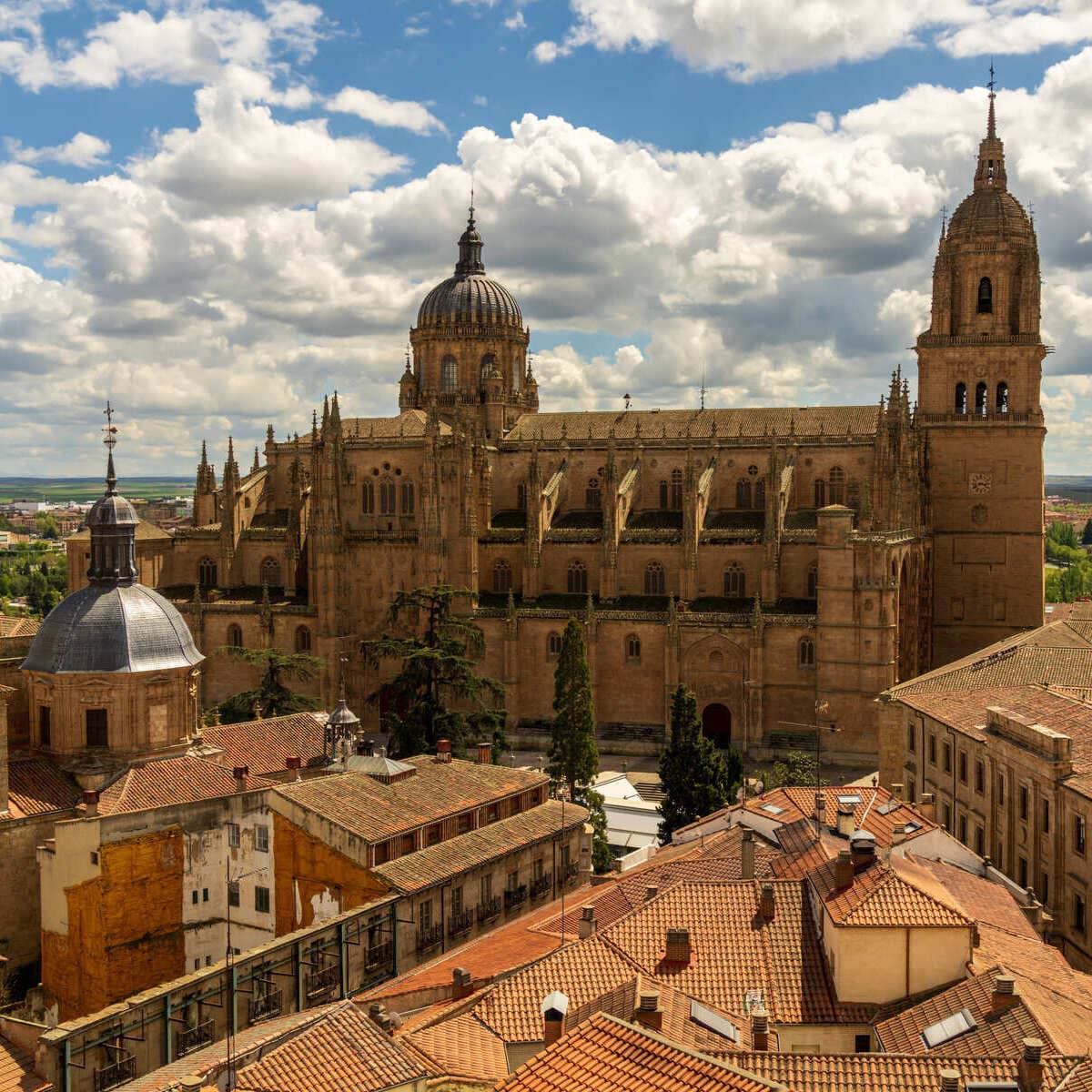
Salamanca sits in northwestern Spain, not too far from the neighboring Iberian country, and it’s one of Europe’s most ornate sandstone cities: nearly every edifice in its UNESCO-listed center seems to be built from the same ocher-hued material, and the sheer number of landmarks will give you cultural whiplash.
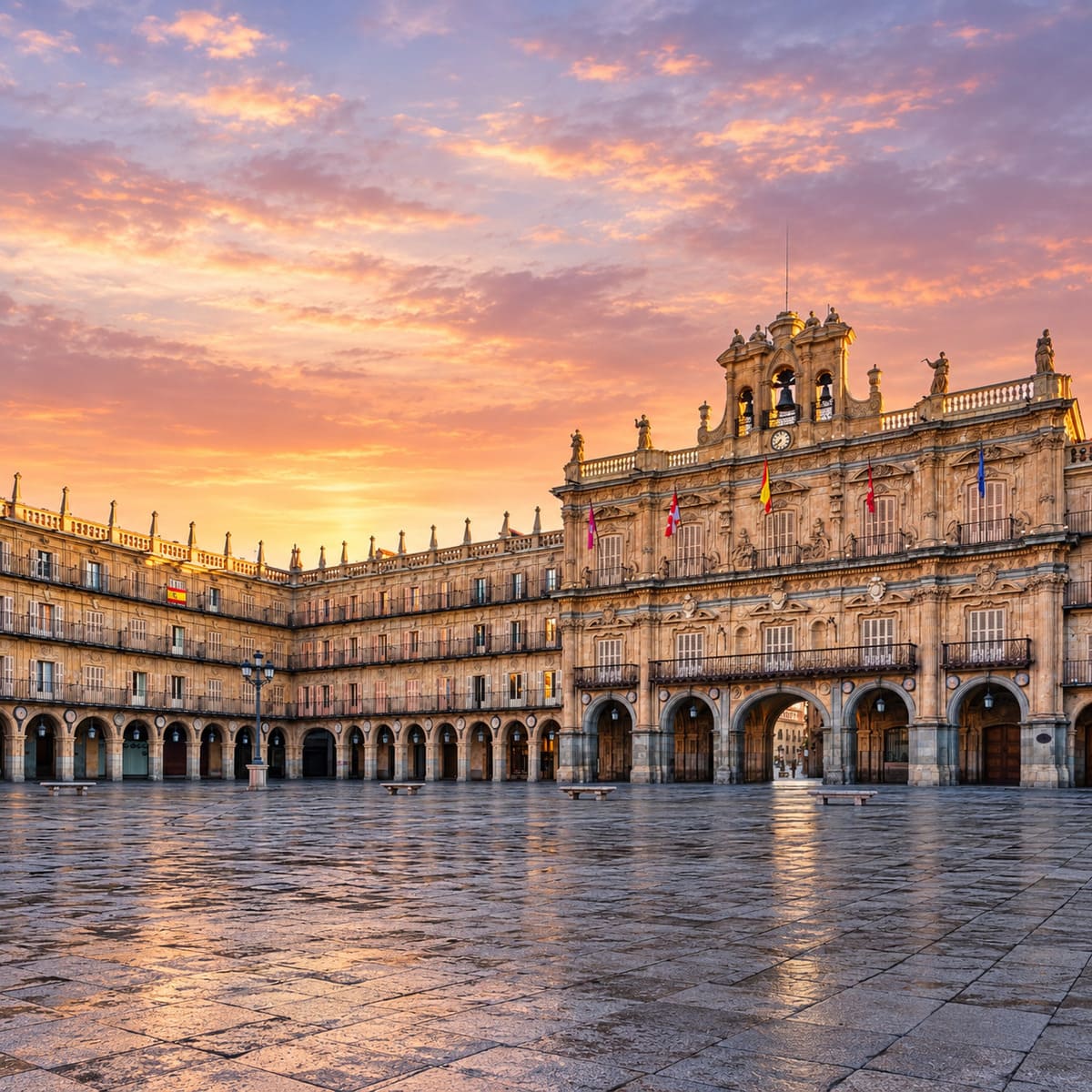
Start from Plaza Mayor, a magnificent Baroque square surrounded by arcades and cafés, and make your way to Salamanca’s two interconnected cathedrals: one is Romanesque-Gothic, the other largely Gothic with a splash of Baroque.
The local University, founded in 1218, is Spain’s oldest still operating, and even if we’re not privileged enough to wander its halls as students, you can still soak in its richly carved, palatial-looking façade, and stroll the atmospheric gardens nearby.
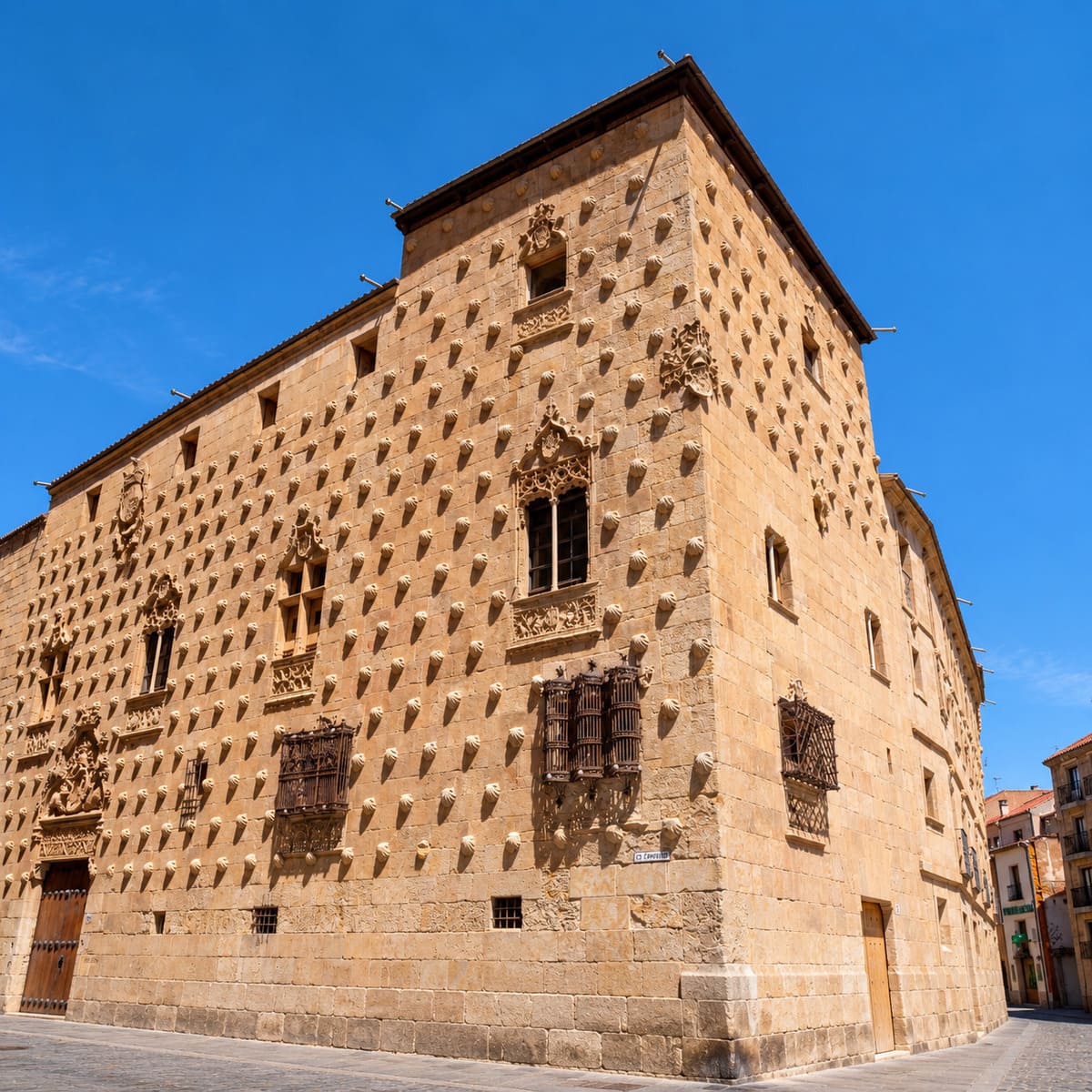
Wanna see something truly unique? Casa de las Conchas is a 15th-century palace decorated with hundreds of carved scallop shells, and that double-gallery courtyard is the stuff fairy tales are made of.
Top 5 Must-See Landmarks
- Plaza Mayor: a grand, 18th-century Baroque square lined with elegant arcades, traditional cafés, and sandstone buildings.
- Salamanca Cathedrals: two interconnected medieval cathedrals showcasing centuries of Romanesque, Gothic, and Baroque architecture.
- University of Salamanca: Spain’s oldest university, best known for its exquisitely-carved Plateresque façade.
- Casa de las Conchas: a striking Gothic palace adorned with hundreds of stone scallop shells and a beautiful inner courtyard.
- Convento de San Esteban: a magnificent Dominican convent boasting an delicately-carved Renaissance façade and peaceful cloisters.
Is Salamanca Safe Right Now?
Salamanca is generally a safe city to visit, especially compared to larger Spanish metropolitan areas, and its compact, pedestrian-friendly Old Town is easy to explore.
Serious violence against tourists is uncommon, though you should still watch out for pickpockets around busy squares and popular landmarks.
Spain as a whole remains under a Level 2 U.S. travel advisory due to terrorism and unrest, but that doesn’t mean visitors should expect trouble on every street corner. Just exercise normal common sense, avoid demonstrations, and keep an eye on local updates.
Average Prices In Salamanca, Spain
- Bakery snack, such as a chocolate napolitana: $2.50
- Serving of hornazo, a traditional meat-filled pastry, in a tapas bar: $4
- Main dish in an inexpensive local restaurant: $15
- Three-course meal in a mid-range restaurant: $28 per person
- Cappuccino: $2.35
- Half-liter draft beer: $3.10
- Public transport: $1.35 per bus ride
- Taxi: around $7–10 for a short local ride
- Simple guesthouse or private room: $55 per night
- 4-star hotel: $120 per night
Cuenca
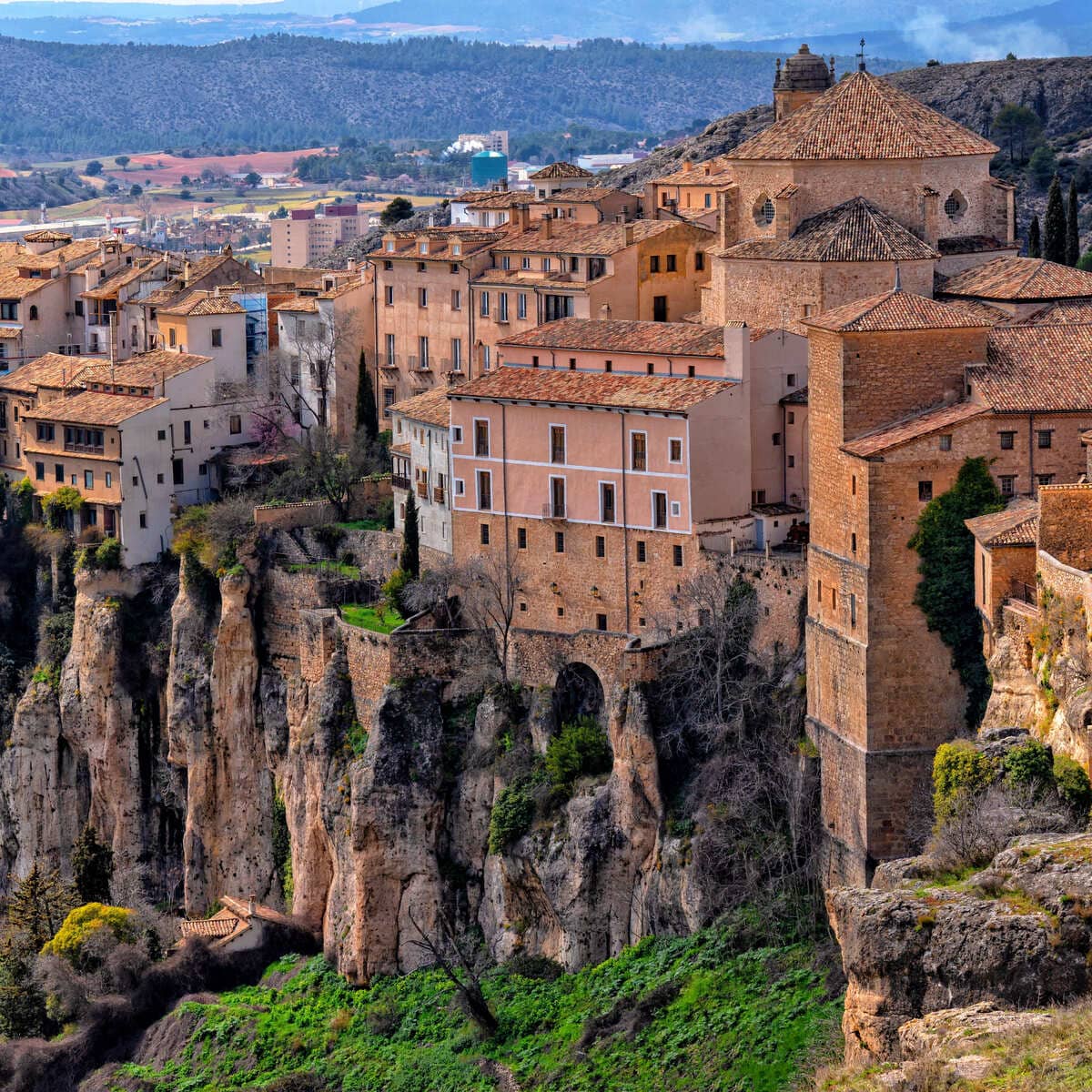
Take a detour southeast, toward the heart of Spain, and you’ll find a timeless medieval city perched atop rugged cliffs, with timber-balconied houses that seem to almost project above vertiginous drops: welcome to Cuenca. The original one, not the equally stunning colonial namesake in Ecuador.
The main draw here are the UNESCO-listed Casas Colgadas, those iconic hanging houses that will make the acrophobe in you tremble as you peer past their wooden balconies, looking over the winding Huécar Gorge, a dizzying distance below.
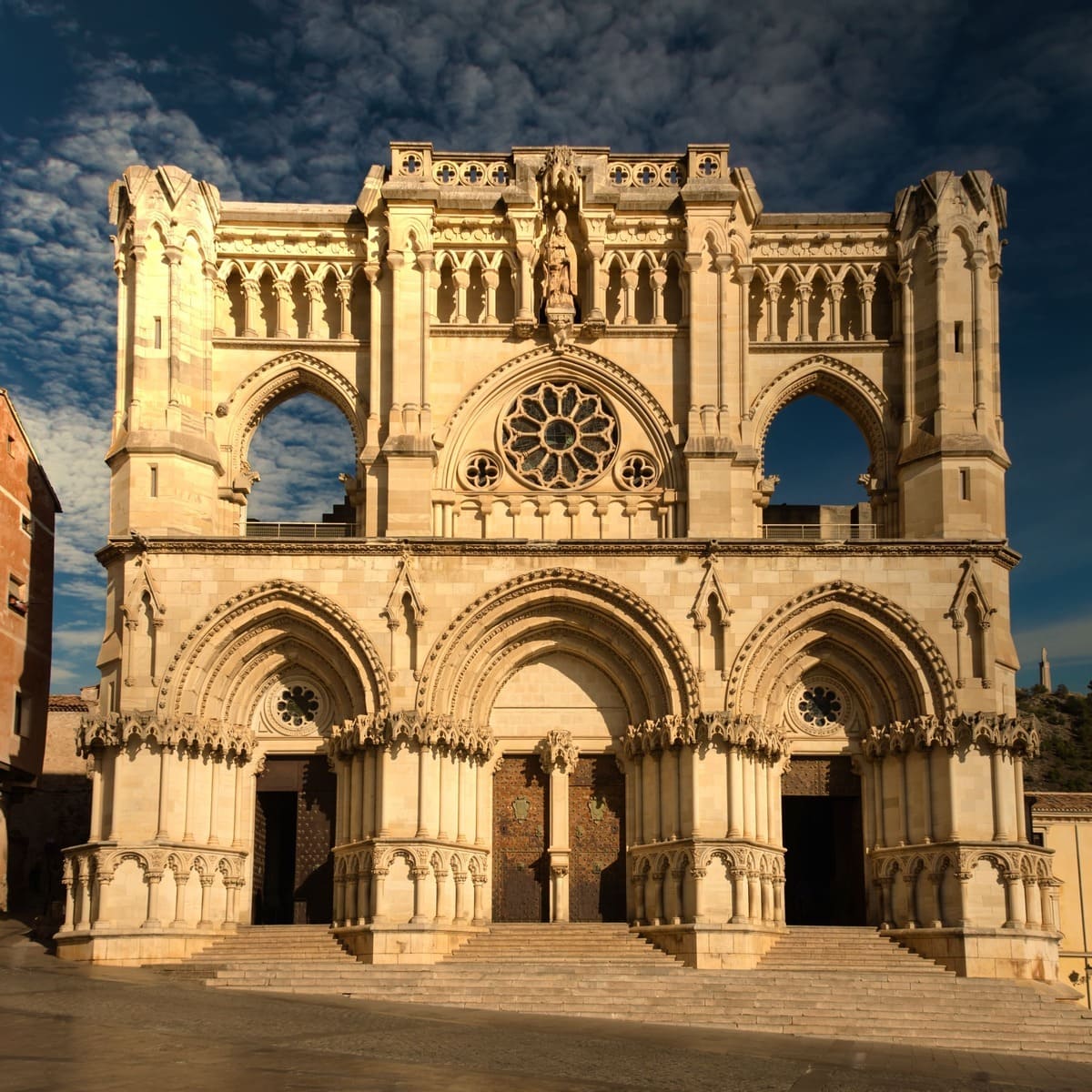
However, that’s not the only Old World wonder in town: Catedral de Santa María y San Julián, built all the way back in the 12th century, is one of Spain’s most intriguing, with a one-of-a-kind Gothic façade featuring three elaborate pointed arches, a beautiful rose window, and two unfinished towers.
The interior is even more haunting, with striking stained glasswork and a soaring Gothic nave lined with ornate chapels.
A short walk from the cathedral square, Torre de Mangana is that imposing clock tower you simply must check out for the sweeping views of the terracotta roofs and the surrounding countryside, and to my foodies out there, La Ponderosa is that family-run tapas bar locals themselves swing by after work.
Savoring a warm serving of morteruelo, a rich, traditional meat spread, in between gulps of teeth-chatteringly cold Spanish beer, standing up at the busy counter is the whole point.
Top 5 Must-See Landmarks
- Casas Colgadas: medieval houses dramatically clinging to the edge of the Huécar Gorge, with wooden balconies seemingly suspended over the abyss.
- Cuenca Cathedral: an impressive Gothic cathedral with a distinctive Neo-Gothic façade, colorful stained glass, and soaring vaulted ceilings.
- Puente de San Pablo: a towering iron-made, rusty-red footbridge spanning the gorge, offering postcard-perfect views of the hanging houses.
- Torre de Mangana: a historic clock tower surrounded by scenic viewpoints overlooking Cuenca’s Old Town and surrounding hills.
- Plaza Mayor: a colorful central square lined with traditional houses, charming cafés, and the cathedral’s imposing façade.
Is Cuenca Safe Right Now?

Cuenca is generally a safe, laid-back city where tourists can explore without many of the concerns associated with Spain’s busiest urban destinations.
Violent crime against visitors is virtually unheard-of, and there are no indications of recent unrest significantly affecting its main attractions.
Spain’s nationwide Level 2 travel advisory still applies, but for most visitors, the more immediate concern here is navigating the steep cobblestone streets and cliffside walkways. Just wear comfortable shoes, mind your footing around exposed viewpoints, and avoid poorly-lit paths after dark.
It’s a looooooooooooooong way down.
Average Prices In Cuenca, Spain
- Bakery snack, such as a chocolate croissant: $2.50
- Serving of zarajos, a traditional local tapa: $5
- Main dish in an inexpensive local restaurant: $17
- Three-course meal in a mid-range restaurant: $23 per person
- Cappuccino: $2.25
- Half-liter draft beer: $2.25
- Public transport: $1.35 per regular bus ride
- Taxi: around $7–10 for a short local ride
- Simple guesthouse or private room: $60 per night
- 4-star hotel: $115 per night
Check The New Travel Rules Before Flying To Europe This Season
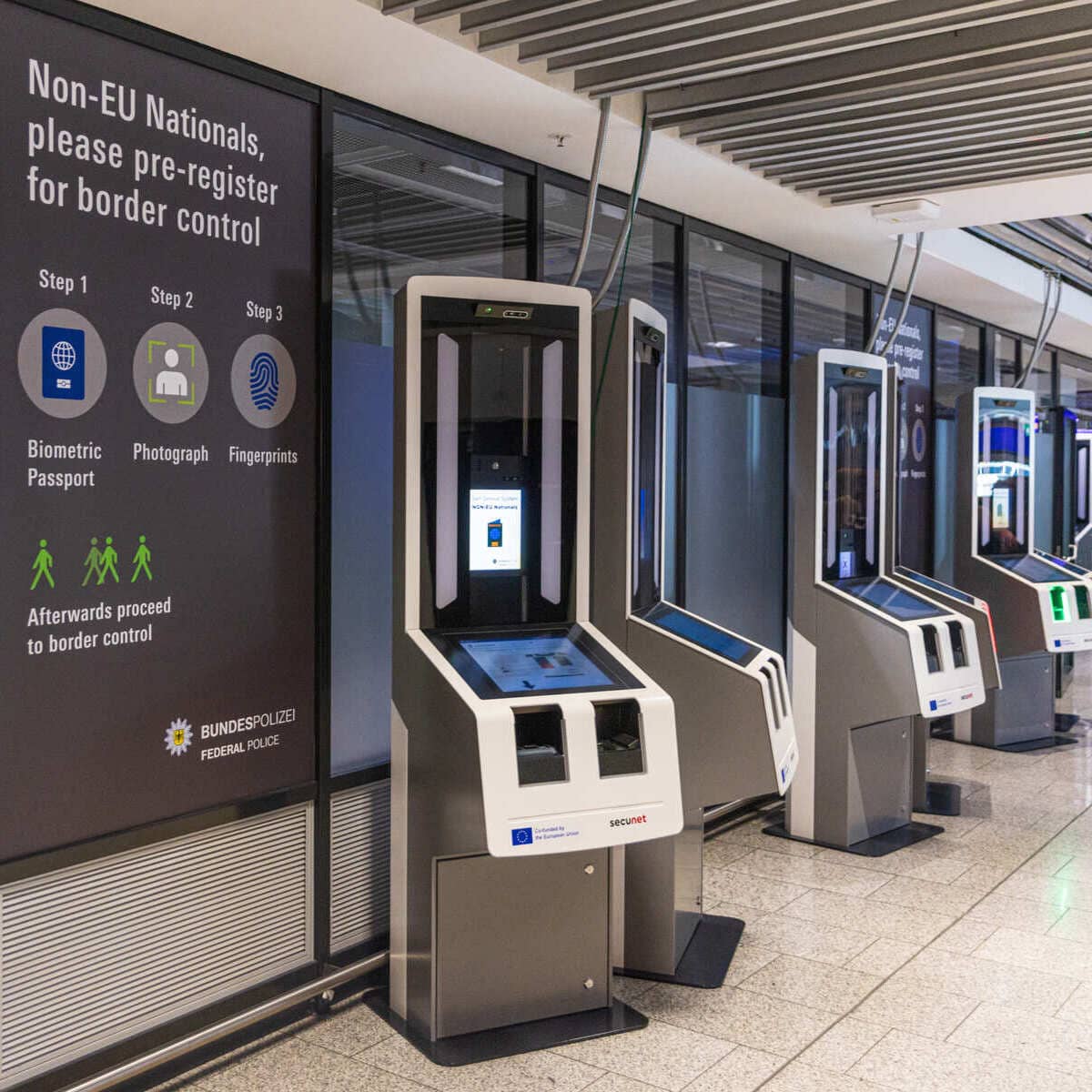
Before you start packing your bags and dreaming of Spanish tapas, there’s one little detail you shouldn’t overlook: entry requirements.
Spain is part of the Schengen Area, and while U.S. passport holders can generally visit visa-free for up to 90 days within any 180-day period, there’s more to entering Europe than simply flashing your passport at the border these days.
With Europe’s new biometric Entry/Exit System already in operation, and ETIAS expected to follow, keeping track of the latest rules can be a bit of a headache, especially if you don’t wanna follow those ill-fated 44,000 travelers who got denied entry.
That’s where Travel Off Path’s Entry Requirement Checker comes in handy: just select your nationality and destination to find out what documents and authorizations you may need before your trip.
Teruel

A high-altitude, 12th-century gemstone nestled in mountainous Aragon, Teruel is the place you go for hearty Spanish highland food, a wealth of Mudéjar architecture, a mind-bending style that combines Gothic and Islamic elements, and an absolute stunner of a cathedral.
Let’s start with that, shall we.
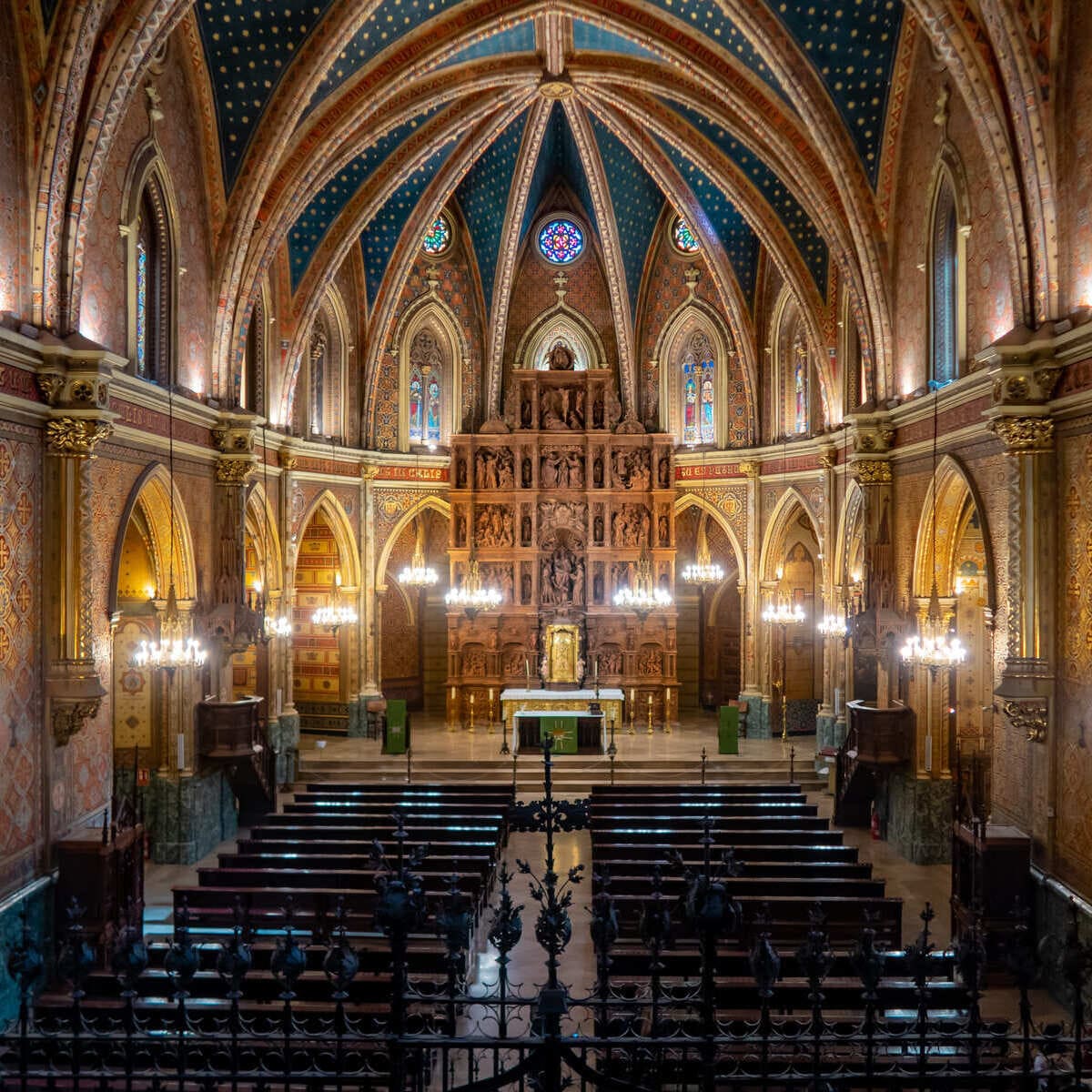
Santa María de Mediavilla is the main church building in town, with origins dating back to the 1100s, and the elaborately painted wooden ceiling, covered in geometric patterns, medieval figures, and religious imagery, will justify the roughly 2.5-hour train ride here from Valencia alone.
The cathedral’s the main event, but definitely don’t skip over Iglesia de San Pedro (and its adjacent Mausoleo de los Amantes):
This Islamic-inspired church houses the marble-topped tombs of Diego de Marcilla and Isabel de Segura, two star-crossed lovers who, according to local legend, died of heartbreak after a failed romance, and whose tragic love story literally defined Teruel’s identity.

Think of them as the town’s answer to Verona’s Romeo and Juliet, except their story is rooted in a centuries-old local tradition, rather than Shakespearean fiction.
My absolute coup de cœur here, though? That has to be Torre del Salvador: built in the 14th century, it’s decorated with intricate brickwork, an insanely elaborate patchwork of colorful glazed tiles, and the views from the top? Oof. Not a sight you’ll be forgetting anytime soon.
Top 5 Must-See Landmarks
- Cathedral of Santa María de Mediavilla: a remarkable Mudéjar cathedral famous for its richly painted medieval wooden ceiling and beautiful brick tower.
- Torre del Salvador: a UNESCO-listed Mudéjar bell tower featuring intricate geometric brickwork, green-and-white tiles, and panoramic city views.
- Iglesia de San Pedro and Mausoleo de los Amantes: a spectacular medieval church and adjoining mausoleum dedicated to Teruel’s legendary tragic lovers.
- Torre de San Martín: an imposing 14th-century Mudéjar tower adorned with decorative brickwork and colorful ceramic tiles.
- Plaza del Torico: the town’s picturesque main square, surrounded by elegant historic buildings and centered around a tiny bull statue.
Note From The Editor
Just one sec! If you enjoy reading great human-written articles, the best way to see a few more is to follow us on Google so we become one of your preferred websites. Thank you so much for reading. Now back to the story!
Is Teruel Safe Right Now?
Teruel is one of those smaller Spanish cities where the atmosphere is generally relaxed, and where visitors can wander the historic center without too much fuss.
Serious crime targeting tourists is truly uncommon, and the city isn’t known for the large-scale anti-tourism demonstrations associated with some of Spain’s coastal hotspots.
As elsewhere in Spain, the Level 2 U.S. advisory remains in place, so basic precautions still apply. Do keep an eye on your belongings in busy squares and transportation hubs, but there’s little reason for the average visitor to feel particularly concerned about exploring these medieval streets.
Average Prices In Teruel, Spain
- Bakery snack, such as Mudejar braid: $2.25
- Serving of Jamón de Teruel in a tapas bar: $5
- Main dish in an inexpensive local restaurant: $15
- Three-course meal in a mid-range restaurant: $28 per person
- Cappuccino: $2.25
- Half-liter draft beer: $3
- Public transport: $1.45 per bus ride
- Taxi: around $7–10 for a short local ride
- Simple guesthouse or private room: $65 per night
- 4-star hotel: $115 per night
Lugo
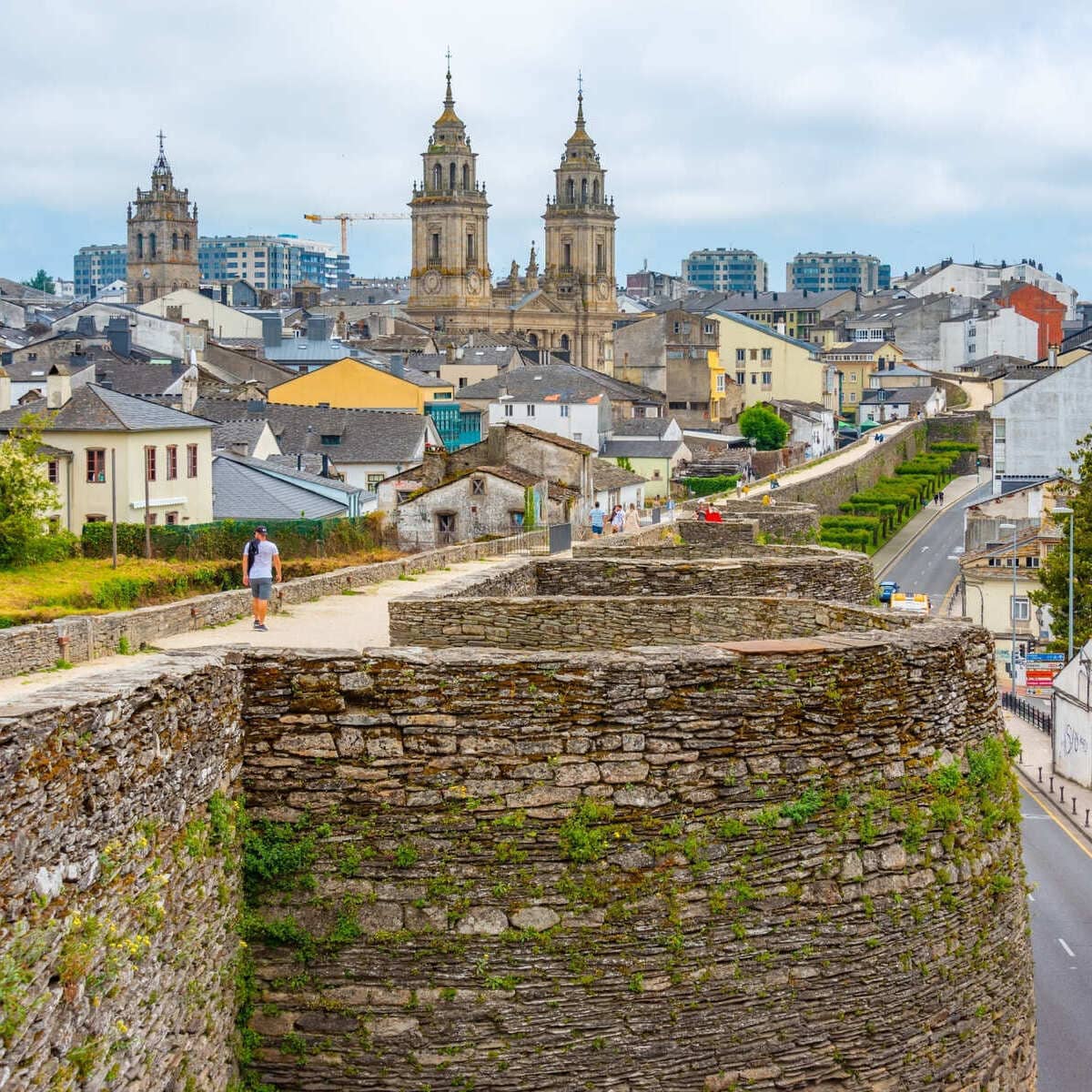
This was one of my all-time favorite finds hopping across northwestern Spain. Lugo is that ancient, fully encircled town Camino de Santiago pilgrims will know if they’re following the less-traveled Camino Primitivo, but that most other tourists will almost certainly bypass.
Nevertheless, it must be Spain’s end-all, be-all model for a fortified city, and it’s not just medieval either:
Those sturdy city walls that completely surround the cobbled old center are not some 14th-century defensive marvel, but rather Ancient Roman. Yep. Those imposing stone ramparts, imposing battlements, and countless defensive towers have been standing here since the 3rd century.
You can actually walk the full loop of the UNESCO World Heritage wall, admiring views of Lugo’s soaring, twin-towered cathedral, the maze of historic streets and plazas inside, and looking out toward the lush, evergreen hills of rural Galicia beyond the walls.
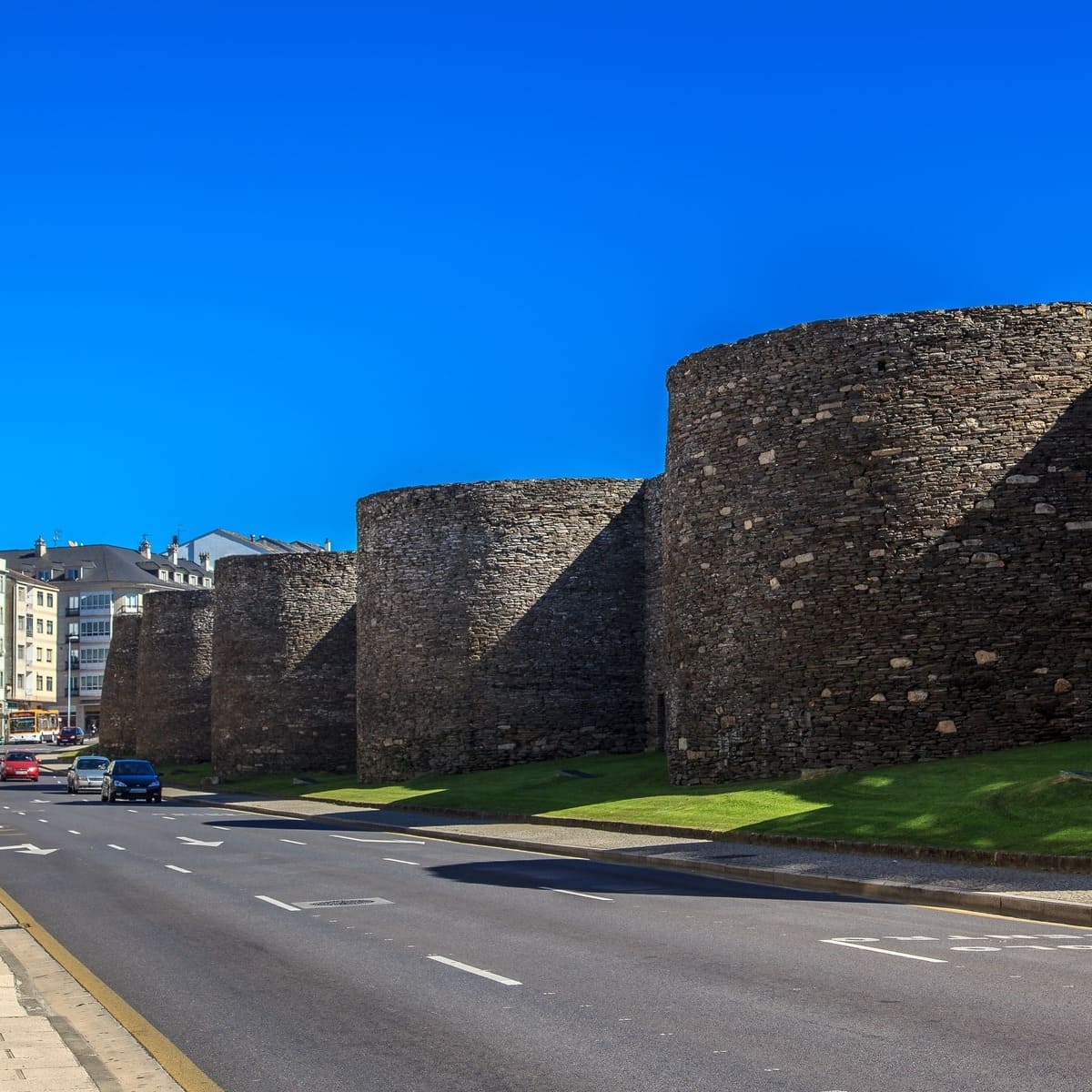
The Roman Walls are the one true showstopper here, but don’t be missing out on that big, twin-towered church that dominates the skyline:
Easily one of Galicia’s most underrated cathedrals, blending Romanesque, Gothic, and Baroque details, perhaps overshadowed only by Santiago’s own landmark cathedral, it’s one of the best $11 I’ve spent.
Top 5 Must-See Landmarks
- Roman Walls of Lugo: remarkably preserved Roman fortifications completely encircling the Old Town, with a free, walkable circuit stretching just over 1.3 miles.
- Lugo Cathedral: a magnificent cathedral hosting Gothic chapels, an impressive Baroque interior, and a monumental twin-towered façade.
- Roman Bridge: an ancient bridge with Roman origins spanning the Miño River, rebuilt over the centuries and offering beautiful riverside views.
- Praza Maior: the historic heart of Lugo, lined with elegant arcaded buildings, cafés, and the imposing City Hall.
- Roman Baths: ancient bathing facilities preserved beneath a modern hotel complex, offering a fascinating glimpse into Lugo’s Roman past.
Is Lugo Safe Right Now?
Lugo is generally a safe, peaceful Galician city, with a laid-back atmosphere that’s a world apart from the hustle and bustle of Madrid or Barcelona.
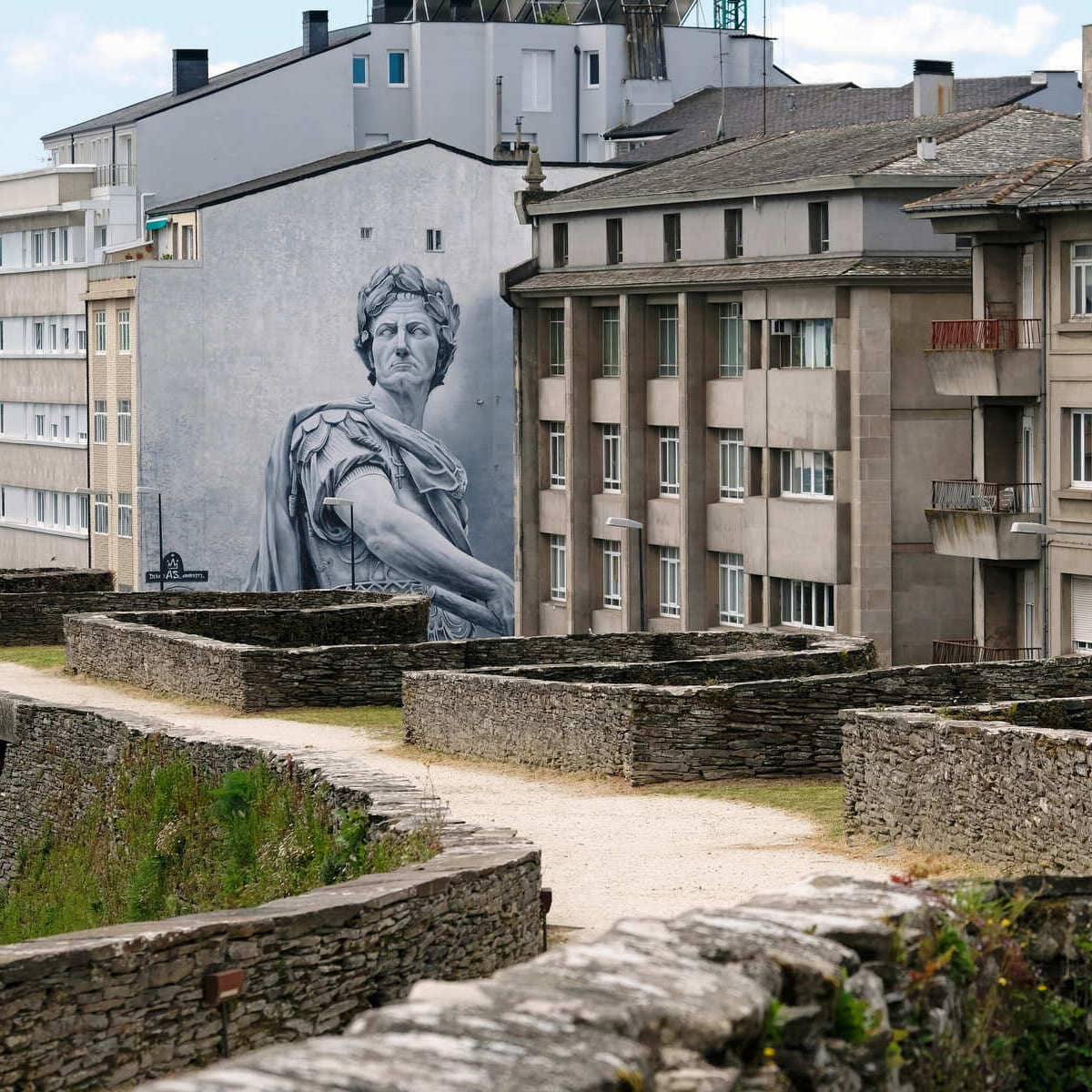
Violent crime against tourists is not at all a thing, and the walled historic center is particularly pleasant to explore on foot, even during the evening.
Spain’s Level 2 advisory applies here, too, but Lugo is not currently known for any major violent unrest affecting tourists.
The usual precautions against petty theft are advisable, particularly around crowded squares and during local festivals, and definitely watch your footing atop the wall when Galicia’s famously rainy weather kicks in, especially in sections where parapets are inexistent.
You don’t want to slip here, either.
Average Prices In Lugo, Spain
- Bakery snack, such as an empanada gallega: $3
- Small serving of polbo á feira in a tapas bar: $7
- Main dish in an inexpensive local restaurant: $13.50
- Three-course meal in a mid-range restaurant: $28 per person
- Cappuccino: $2.05
- Half-liter draft beer: $3.35
- Public transport: $0.75 per bus ride
- Taxi: around $7–10 for a short local ride
- Simple guesthouse or private room: $55 per night
- 4-star hotel: $110 per night
Alcúdia (Mallorca)
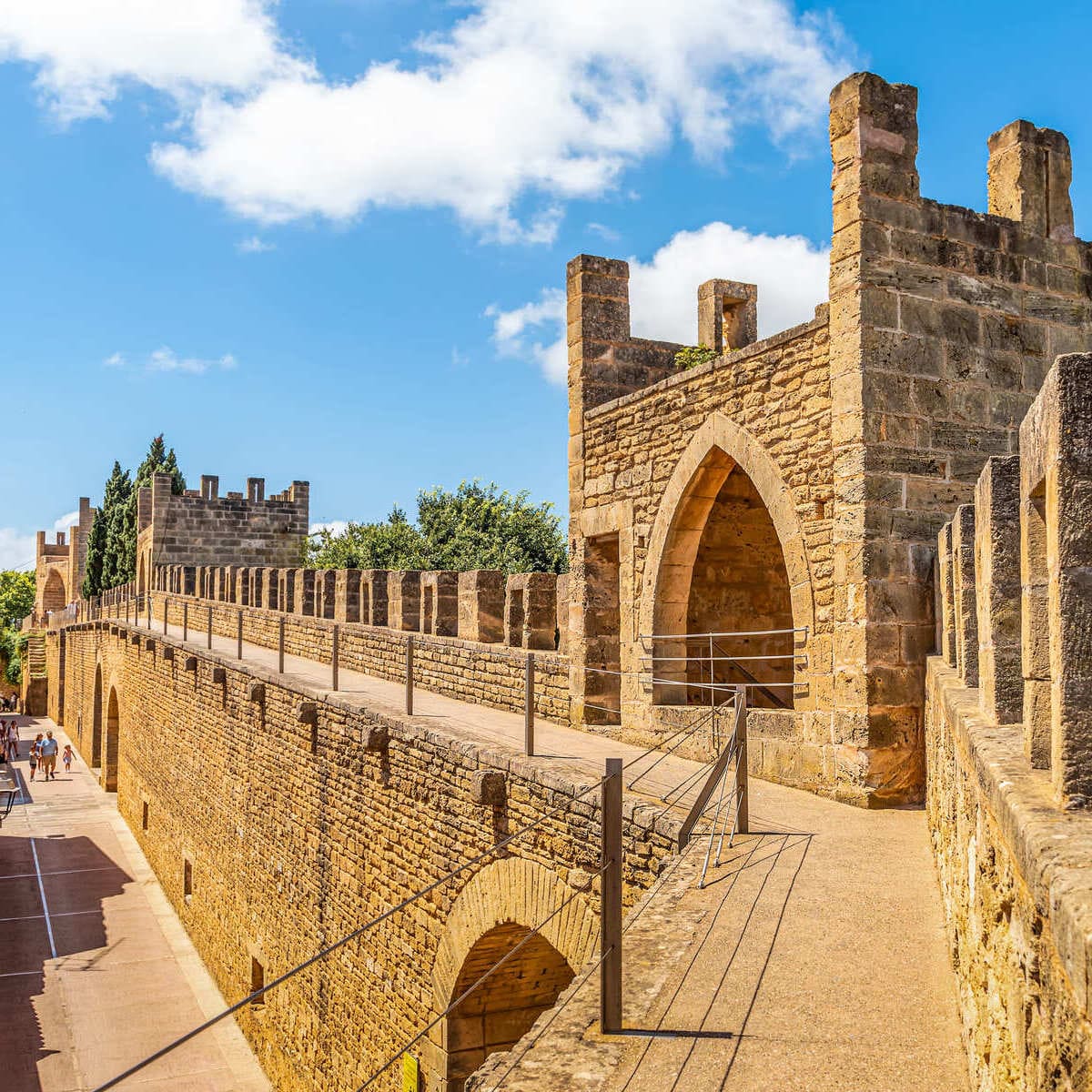
Mallorca is one of Spain’s most overtouristed destinations, and the island everyone goes to for those turquoise calas, glitzy resort zones, and of course, picture-ready Palma de Mallorca, with its fortress-like cathedral and palm-lined streets.
It’s only a shame, or maybe it isn’t, that quaint little Alcúdia, a roughly 50-minute drive northeast from Palma itself, gets far less attention from international visitors than the island’s famous capital and beach resorts.
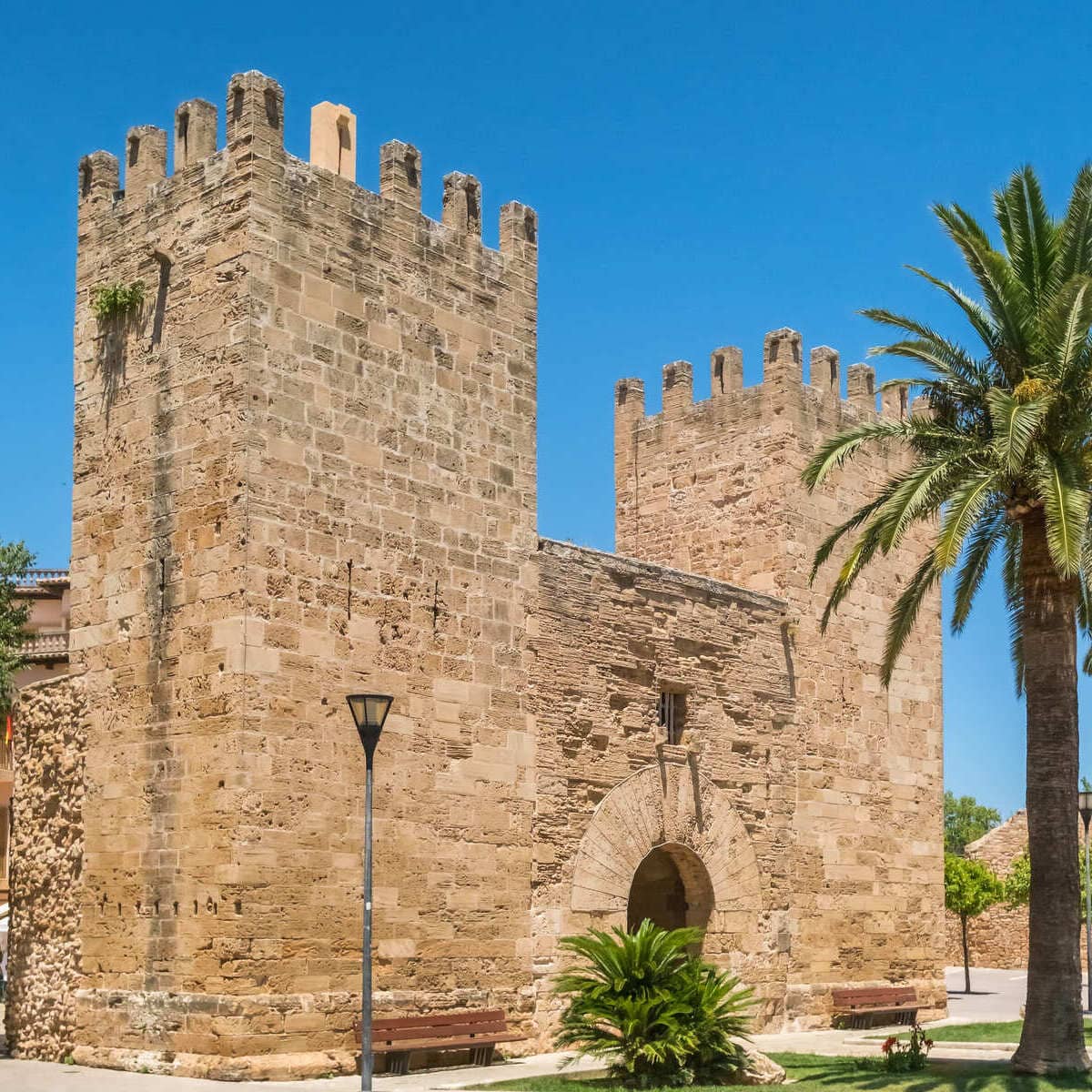
This is Mallorca’s original blueprint of a fortified inland town, with a cobbled center encircled by walkable medieval walls, and the treasure chest of narrow alleyways and terracotta-roofed stone houses it encloses?
That’s the kind of dreamy Old Europe stuff that makes you forget there’s a whole beach-resort island just outside those gates.
At the heart of it, Restaurante Celler Ca’n Costa is a family-run restaurant housed inside a beautifully maintained, honey-colored townhouse dating from 1594—stuff you can only find in Europe—and other than just museum-worthy interiors, they serve the best frit mallorquí in town.
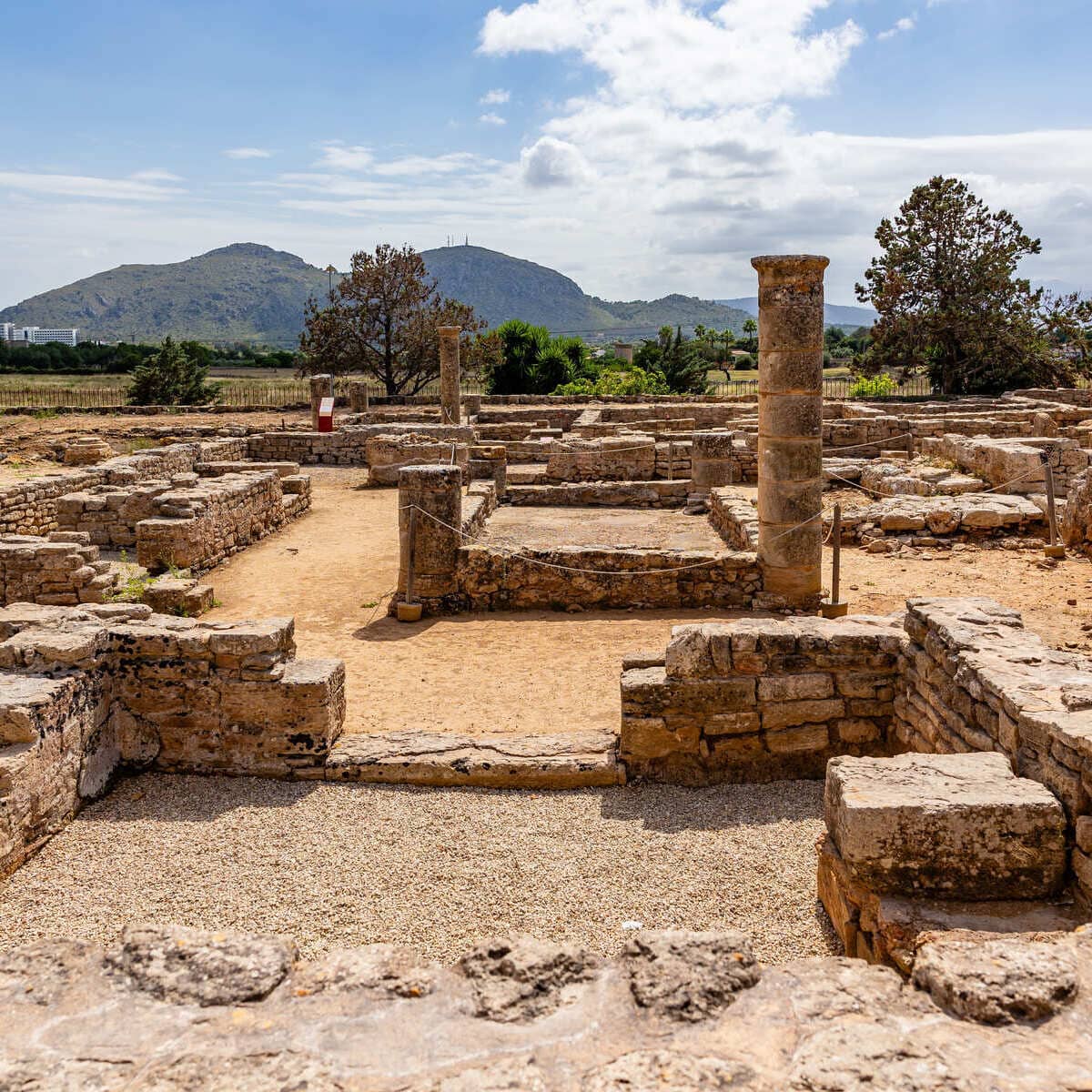
On the edge of town, make sure you explore the Roman City of Pollentia, possibly the most important Roman archaeological site in Mallorca:
It was founded following the conquest of the island by our toga-wearing friends all the way back in 123 BC, and the well-preserved Roman theater partly carved into natural bedrock is a marvel to look at.
Oh, this is Mallorca, after all: Platja d’Alcúdia just happens to be one of the island’s prettiest, with that long stretch of powdery white sand, shallow turquoise seas, and views toward the distant Tramuntana mountains. Save that for when you’ve had your fill of Ancient Roman history for the day.
Top 5 Must-See Landmarks
- Medieval Walls of Alcúdia: imposing 14th-century fortifications encircling the Old Town, with walkable sections overlooking the cobbled center.
- Porta del Moll: a striking medieval gateway flanked by two defensive towers and one of the most picturesque landmarks in Alcúdia.
- Roman City of Pollentia: Mallorca’s most important Roman archaeological site, featuring ancient streets, residential ruins, a forum, and a partly rock-carved theater.
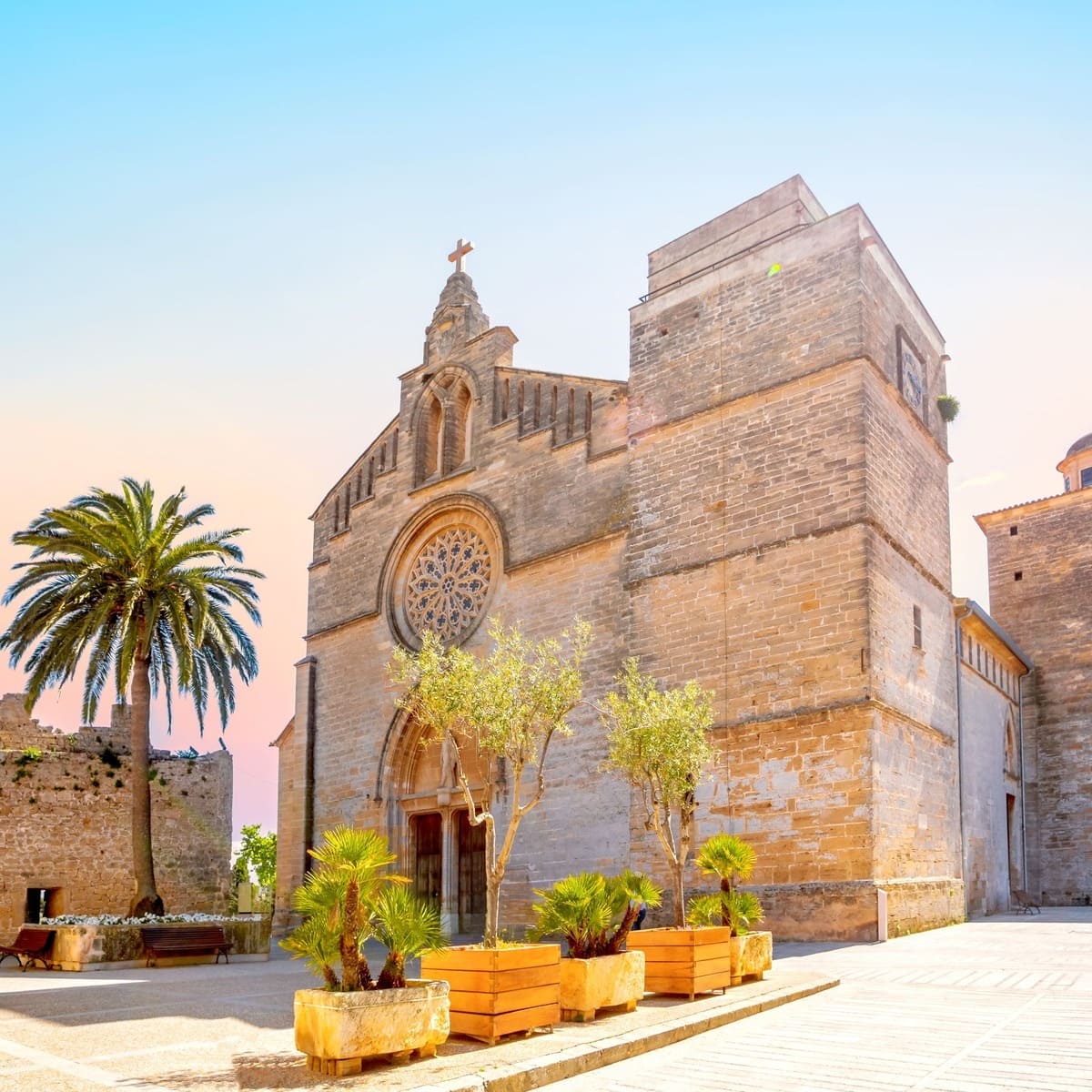
- Church of Sant Jaume: an impressive church built along the medieval walls, with a beautiful stained glass interior.
- Platja d’Alcúdia: a long, sandy Mediterranean beach famous for its crystal-clear, shallow water and beautiful mountain-backed surroundings.
Is Alcúdia Safe Right Now?
Alcúdia is a very safe destination for tourists, particularly within its historic walled center, where the atmosphere is more relaxed than in Mallorca’s busier coastal resort zones.
No violent crime here, though petty theft can occur around crowded beaches, restaurants, and public transportation.
That said, unlike the other four regions covered here, Mallorca has seen plenty of anti-tourism action in 2026, particularly in Palma, but that doesn’t usually spill over into Alcúdia.
Protests have largely focused on overcrowding and housing pressures, too, and they don’t mean Mallorcaitself is unsafe.
Average Prices In Alcúdia (Mallorca), Spain
- Bakery snack, such as an ensaïmada: $3
- Serving of pa amb oli in a traditional tapas bar: $7
- Main dish in an inexpensive local restaurant: $19
- Three-course meal in a mid-range restaurant: $34 per person
- Cappuccino: $3.15
- Half-liter draft beer: $4.50
- Public transport: $2.25–$4.50 per bus ride, depending on the route and payment method
- Taxi: around $8–12 for a short local ride
- Simple guesthouse or private room: $110 per night
- 4-star hotel: $250 per night
Salamanca
Explore Spains oldest university, two interconnected cathedrals, and a 15th century palace decorated with carved scallop shells.
Cuenca
Marvel at iconic wooden balconies suspended over the Huecar Gorge and a soaring Gothic cathedral with colorful stained glass.
Teruel
Discover a mind bending blend of Gothic and Islamic elements, intricately glazed tiles, and the tomb of Spains tragic lovers.
Lugo
Walk the full loop of a beautifully preserved third century defensive wall that completely encircles this safe, peaceful Galician old town.
Alcudia
Escape the coastal resort crowds in this quiet medieval walled town featuring cobblestone streets and ancient Roman ruins.
Enter your email address to subscribe to Travel Off Path’s latest travel news, straight to your inbox
