
Every fall, while the rest of the travel industry is busy pumping out sugar-coated “Where To Go” lists, the travel experts at Fodor’s drop the reality check we all need: The No List.
It’s one of the most important pieces of travel journalism published all year. The No List isn’t a permanent ban or a malicious boycott, but a spotlight on the places that are buckling under the weight of their own popularity. These are destinations where unchecked tourism is causing tangible harm… whether that means a collapsed local housing market, a destroyed ecosystem, or residents being pushed to their limits.
Sometimes, the best thing a traveler can do for a destination they love is to give it some breathing room. According to Fodor’s deep dive into the state of global overtourism, here are the 8 destinations you should reconsider visiting in 2027:
1. The Albanian Riviera
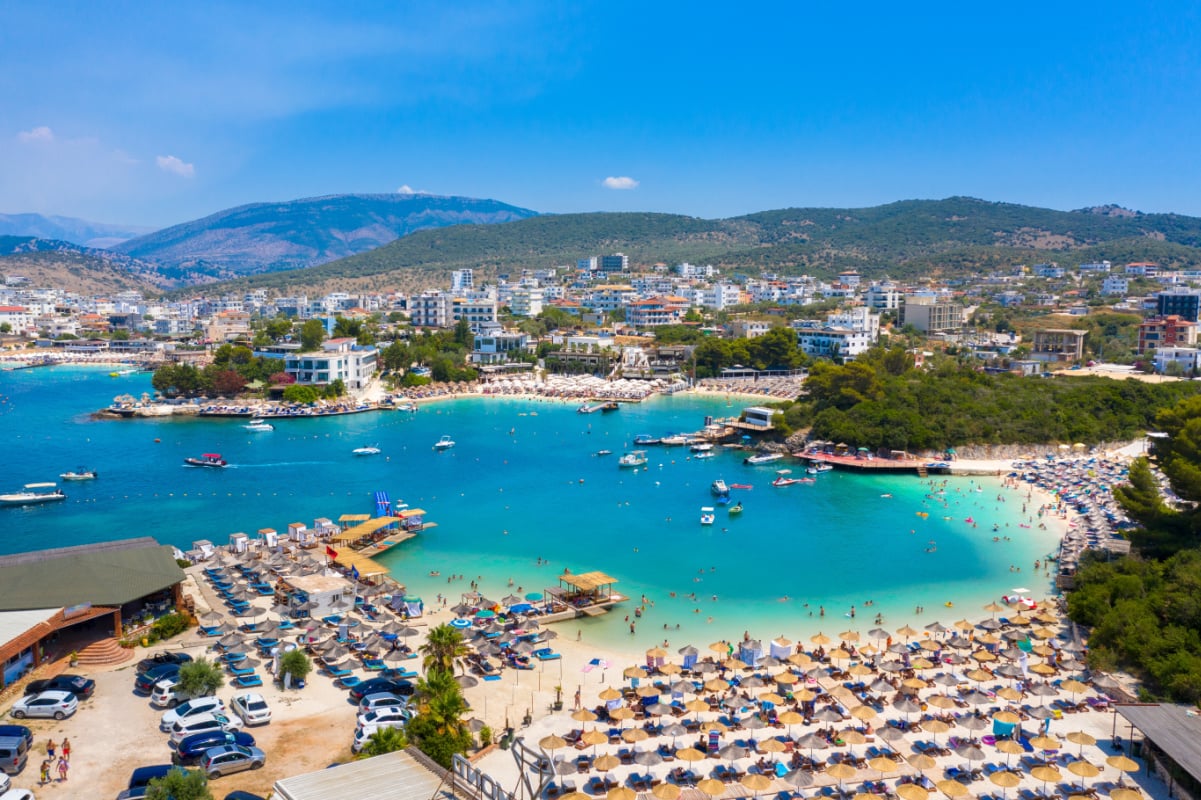
Over the last few years, TikTok and Instagram have pushed the Albanian Riviera as the “cheaper Maldives” or the “next Greece.” Well, the secret’s out, and it’s destroying the very thing that made it special. Albania saw record-shattering numbers in 2025 and 2026, and the southern beach towns just don’t have the infrastructure to handle it. That’s why it made #1 on Fodor’s list.
- Why Experts Say To Skip: Unregulated hotels and apartment blocks are being thrown up on pristine coastlines without adequate waste management or wastewater treatment. Worse, luxury resort developments are currently pushing directly into protected national marine parks, putting local wildlife at serious risk and sparking nationwide anti-corruption protests.
- Where To Go Instead: Head inland and north. Raft the Vjosë Wild River (Europe’s first wild river national park) or hike the stunning Accursed Mountains.
- Strategy If You Decide To Go Anyway: Skip the peak summer months of July and August entirely. Book accommodations with locally owned guesthouses rather than giant new coastal resort developments.
2. The Amalfi Coast, Italy

Italy’s Amalfi Coast has been grappling with overtourism for years, but the situation has reached a breaking point. The region is serviced by a fragile two-lane cliffside road (the SS163 Amalfitana). It’s gridlocked by buses, taxis, and rental cars, leaving locals stranded and emergency vehicles trapped.
- Why Experts Say To Skip: Positano recently saw over 132,000 visitors descend on a town of just 3,700 residents. The housing market has completely collapsed for locals as landlords convert every available square inch into short-term vacation rentals. It has gotten so bad that families are forced to pack three kids onto a single scooter just to navigate the stalled traffic to get to school on time.
- Where To Go Instead: Head south to the rugged and far less-crowded coastline of Calabria or explore the pristine beaches of the Cilento Coast.
- Strategy If You Decide To Go Anyway: Don’t rent a car! Rely on the ferry systems to move between towns, travel in the winter off-season, and stay in the higher mountain villages rather than down on the water.
3. Bali, Indonesia

Bali was on the No List two years ago, and the pressure has only intensified. The island is drowning in its own waste. Because the local infrastructure can’t handle the influx of garbage generated by the booming tourism sector, the island resorts to burning it, creating a very real public health crisis.
- Why Experts Say To Skip: Trash burning causes toxic fine-particle air pollution spikes every single morning. Unregulated construction is rapidly paving over Bali’s ancient, UNESCO-recognized rice terraces to build more villas. This has destroyed the island’s natural flood defenses, leading to deadly floods and severe water shortages.
- Where To Go Instead: Find untouched beaches, lush jungles, and a laid-back surf culture on the Philippine island of Siargao, or head to the neighboring Indonesian island of Lombok.
- Strategy If You Decide To Go Anyway: Avoid the congested southern hubs of Canggu and Seminyak. Book eco-lodges in the north or east, aggressively limit your water consumption, and make sure you actually pay the mandatory foreign-visitor levy upon arrival.
4. Corsica, France
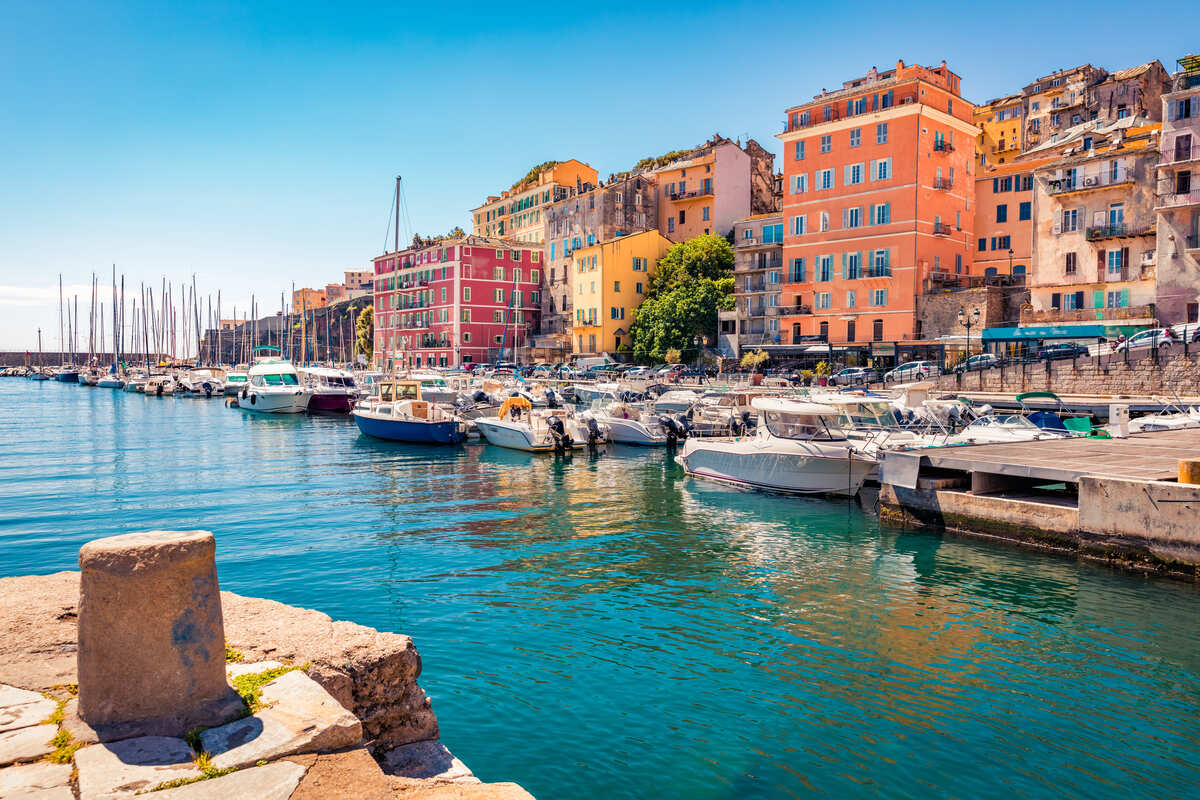
The Mediterranean island of Corsica is experiencing a housing crisis driven by second-home buyers and seasonal tourists, and local separatist groups are going to extreme, violent lengths to protect their homeland.
- Why Experts Say To Skip: Separatist groups have literally bombed unoccupied vacation homes and construction sites to send a message to foreigners to stay away. Over 36% of residences on the island are now second homes, pricing actual Corsicans out of the market. During the summer, the influx of tourists is so severe that local grocery stores are emptied out, leaving year-round residents unable to buy basic household necessities.
- Where To Go Instead: Take the short ferry ride south to the Italian island of Sardinia, which has a much larger infrastructure designed to handle mass summer tourism.
- Strategy If You Decide To Go Anyway: Do NOT book a short-term apartment rental. Stay in a traditional, locally staffed hotel to avoid contributing to the housing crisis, and visit in October when the supply chains can actually support the local population.
5. Edinburgh, Scotland

Edinburgh’s historic Royal Mile is one of the most famous streets in Europe, but you won’t find a single post office, pharmacy, or general practitioner left on it. The historic center has been hollowed out to cater to vacationers.
- Why Experts Say To Skip: Short-term rentals like Airbnb have decimated the city’s housing supply. During the famous Edinburgh Festival Fringe in August, the city’s population basically sextuples. The city is now so expensive that the very artists, performers, and working-class residents who create Edinburgh’s famous cultural identity can no longer afford to live or perform there.
- Where To Go Instead: Jump on a quick train over to Glasgow, which boasts an incredible, gritty arts and music scene, world-class museums, and far more reasonable prices.
- Strategy If You Decide To Go Anyway: Book a traditional hotel room instead of an Airbnb to keep residential apartments on the local market. Avoid the month of August at all costs, and spend your money in the neighborhoods outside of the Old Town.
6. Kyoto, Japan

When Japan reopened its borders, pent-up demand collided with a weak yen, turning the ancient city of Kyoto into an overnight bottleneck along the famous “Golden Route.”
- Why Experts Say To Skip: The city was never designed to hold 62 million annual visitors. The crushing crowds have made the city’s public bus network unusable for residents trying to commute to work. Bad tourist behavior has also forced authorities to ban entry to certain private alleyways in the historic Gion district to protect local geisha from being harassed and photographed.
- Where To Go Instead: Explore the well-preserved samurai districts, geisha teahouses, and pristine gardens of Kanazawa, which offers all the historical charm with a fraction of the foot traffic.
- Strategy If You Decide To Go Anyway: Get out of bed before the sun comes up. If you want to see the famous shrines, you need to be there at 6:00 AM. Use the subway system exclusively instead of the local buses to avoid blocking daily commuters.
7. Ngorongoro, Tanzania

This is the dark side of international eco-tourism. The Ngorongoro Conservation Area is world-famous for its concentration of wildlife, but it is also the ancestral home of the Indigenous Maasai people.
- Why Experts Say To Skip: Under the guise of “conservation,” the Tanzanian government has been actively restricting grazing rights and cutting healthcare to force the Maasai out of their homes. Human rights groups argue the real goal is to clear the land for highly profitable luxury safari lodges. Local Maasai leaders are explicitly asking travelers to stop coming, warning that tourist dollars are actively funding their displacement.
- Where To Go Instead: Look into community-owned conservancies in Kenya (like those bordering the Maasai Mara) that actively share revenue with Indigenous communities and protect their land rights.
- Strategy If You Decide To Go Anyway: It’s highly advised by Indigenous rights groups to skip it entirely until forced evictions stop. If you must go on an African safari, heavily vet your tour operator to ensure a direct, transparent percentage of your fees goes to the local communities.
8. Sedona, Arizona

Sedona is a tiny desert city of less than 10,000 residents that is forced to absorb roughly 3 million visitors a year. The problem here is rooted in the explosion of the short-term rental market.
- Why Experts Say To Skip: A controversial Arizona state law prohibits cities from regulating Airbnbs and VRBOs. As a result, approximately 20% of Sedona’s entire residential housing stock has been converted into short-term rentals. The median home price skyrocketed to nearly $900,000, meaning teachers, firefighters, and nurses can no longer afford to live in the city they serve.
- Where To Go Instead: Check out the dramatic red rock canyons of Snow Canyon State Park in Utah, or base your trip out of Flagstaff, Arizona.
- Strategy If You Decide To Go Anyway: Don’t book an entire-home short-term rental. Sedona has over 1,800 traditional hotel rooms available. Use your buying power to help the locals where you can.
The Albanian Riviera
Unregulated hotels and wastewater issues are threatening marine parks, making inland wild rivers or off-season visits wiser choices.
The Amalfi Coast, Italy
Mass short-term rentals and single-road gridlocks have squeezed locals out, making winter ferry travel or Calabria better alternatives.
Bali, Indonesia
Unregulated construction and garbage burning are destroying rice terraces and water supplies, while Lombok and Siargao offer pristine escapes.
Corsica, France
Second-home buyers have triggered extreme housing tensions, making traditional hotels or neighboring Sardinia preferable options.
Edinburgh, Scotland
Airbnbs have decimated residential housing during summer festivals, whereas Glasgow offers gritty arts and reasonable prices.
Kyoto, Japan
Crushing crowds overwhelm public buses, requiring 6:00 AM shrine visits or exploring Kanazawa for equal historic charm.
Ngorongoro, Tanzania
Government restrictions are pushing Indigenous Maasai off ancestral lands, making Kenyan community conservancies more ethical choices.
Sedona, Arizona
State laws preventing local rental regulations have priced out local workers, making traditional hotels or Flagstaff better bases.
Enter your email address to subscribe to Travel Off Path’s latest travel news, straight to your inbox
