
From someone who lives in Paris myself, how surprised I was when I landed in this somewhat-secret, fairytale-like, charming Eastern European town that feels like a pocket-size version of my hometown… minus the hefty price tags and beret-clad Instagrammers.
Paris seems to be everyone’s go-to destination when they cross the pond, and though I live here myself and sometimes feel numb to the whole magic and glamour of it, I do understand the hype.
Yes, Montmartre is romantic as hell, those museums lining the River Seine are world-class, and the Eiffel Tower truly looks magical when it sparkles at the strike of the hour at night, but I won’t judge you for not buying into the whole Paris fantasy, especially with the way it’s been flogged to death all these years.
If it’s the cheaper, less-touristy version you’re looking for, here’s my Parisian-approved dupe:
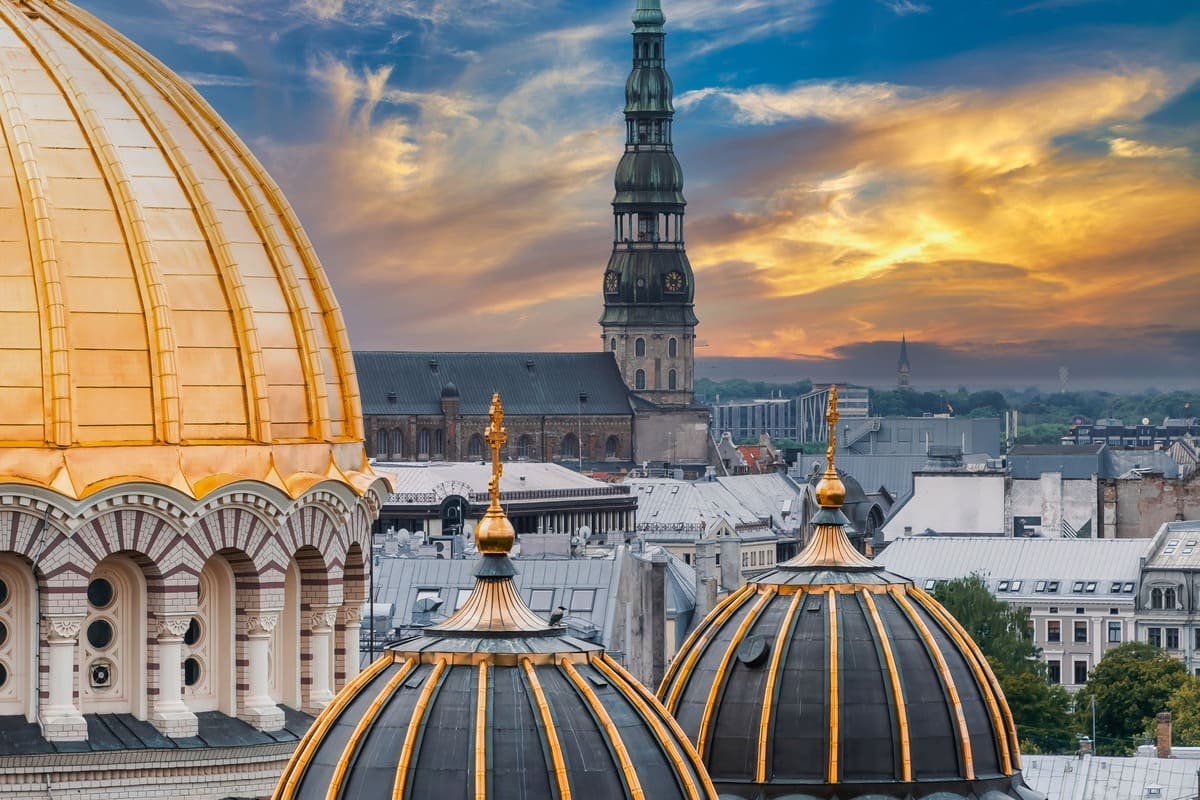
Is Riga Eastern Europe’s Most Elegant City?
The capital of Latvia, one of those backwater European countries you’ve only vaguely heard of, probably in tandem with terms like the Iron Curtain and the USSR, Riga is one of the Old Continent’s fastest-rising destinations, and for good reason.
Last year, it welcomed 1.1 million tourists, already a 15.8% increase over the preceding year, and it’s not shown any signs of slowing down in 2026.
For a relatively-small city with 588,000 residents, tucked away on the permanently-frosty Baltic Coast, sandwiched between two equally overlooked countries—that would be Lithuania and Estonia for you—that’s no small feat.
I was a bit skeptical myself until I went and saw it with my own eyes, but the hype is warranted: this has to be Eastern Europe’s most effortlessly elegant, cultured, photogenic capital, so it’s no wonder it’s earned the ‘Eastern Paris‘ title.
Ahem, sorry, Bucharest.
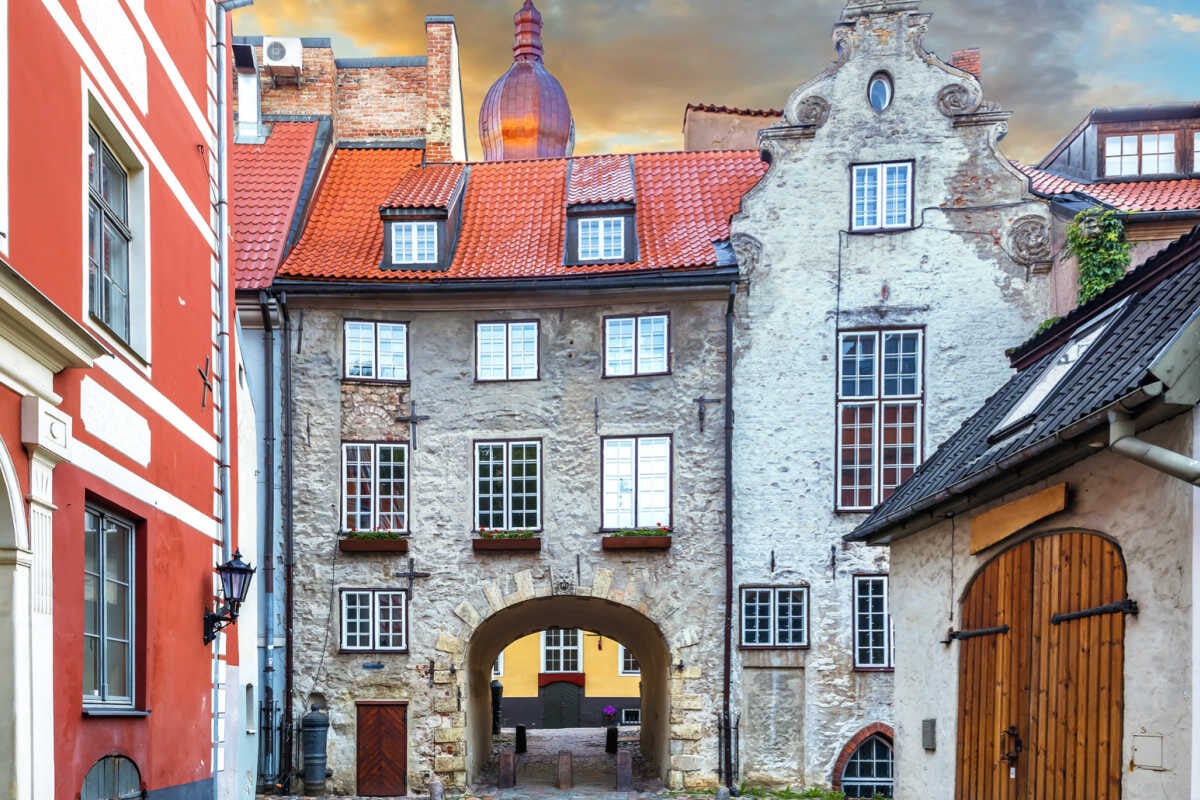
Not The Perfect Replica. Better.
Now, similarly to the ‘Venice of Eastern Europe‘, you’ll do well to manage your expectations. This is more about overall vibes and loose aesthetic similarities, rather than a full-fledged, near-identical Paris look-alike.
Riga wasn’t redesigned in the 19th century by Baron Georges-Eugène Haussmann, after all, but it does take a page out of Paris’ book… to write its own.
It has wide, tree-lined boulevards, verdant parks right in the city center, and grand civic buildings just as imposing as they are in scale. Riga’s biggest trump card, you ask?
It boasts one of the world’s largest collections of Art Nouveau architecture: take a stroll down the famous Alberta iela, and you’ll come across majestic buildings with ornate façades, sculpted niches, and cream-colored exteriors that are arguably evocative of Paris’ sand-colored, perfectly symmetrical edifices.
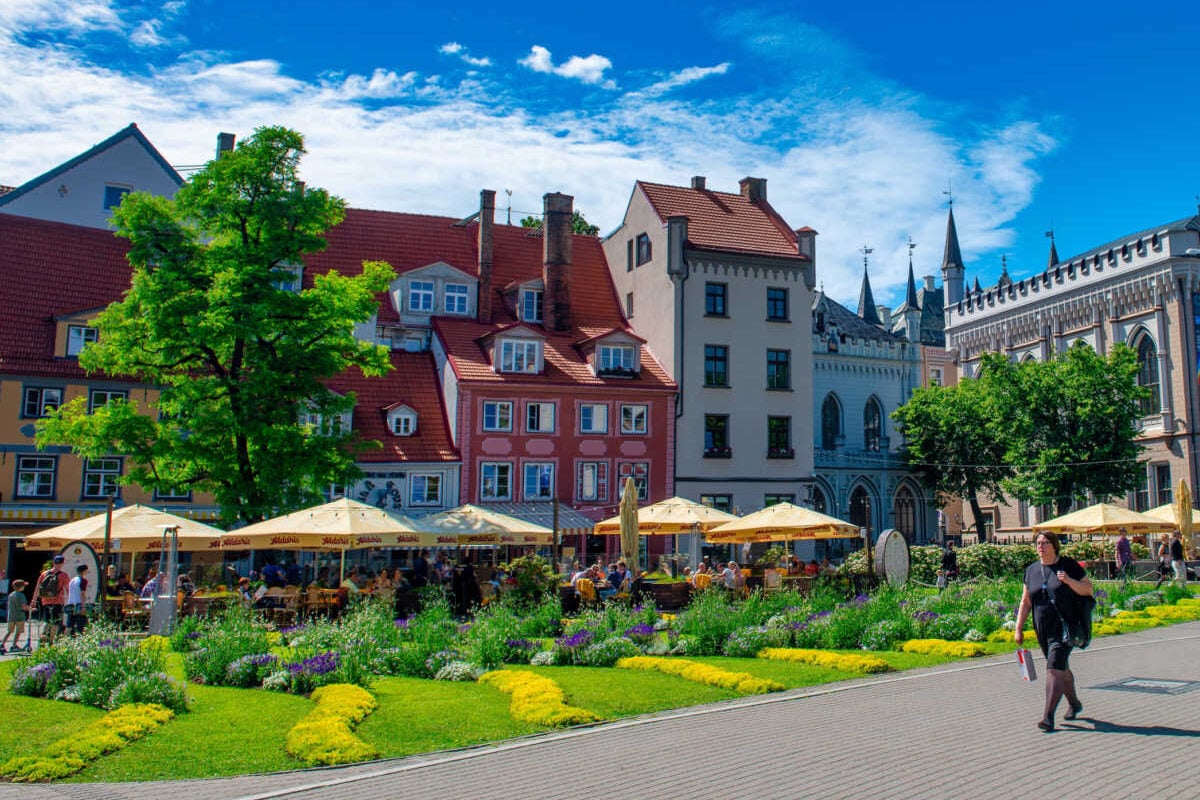
Add to that the thriving café scene, best experienced around the cobble-paved Old Town, and the surprisingly cosmopolitan feel for a mid-size city of around 600,000 residents, and you get the gist of it.
This is Paris’ more laid-back, wayward sister.
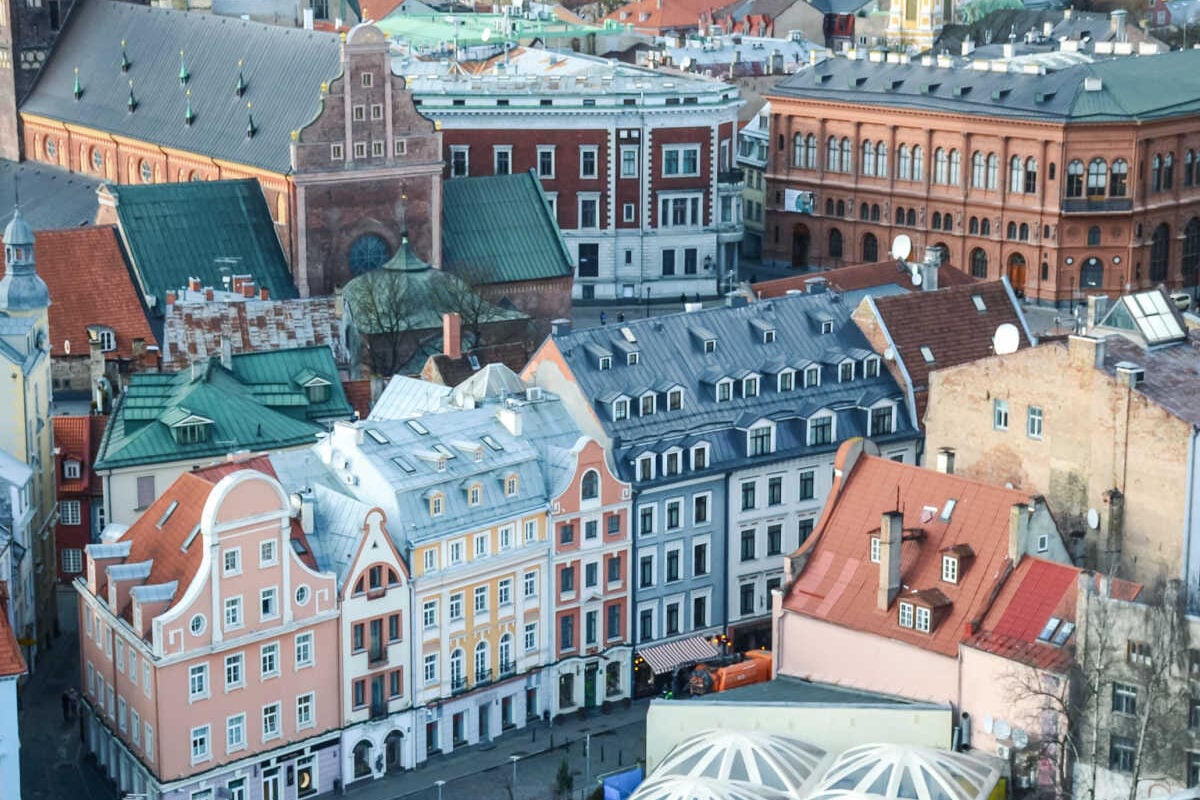
Not The Eastern Europe You’d Expect
And listen, I’ve been to a fair few Eastern gems myself in my day, and Riga instantly stood out from the rest due to the lack of drab Soviet eyesores, and how it looks, well, typically European.
I’m not the biggest hater of Soviet city-building and brutalist architecture, but there’s no doubt if you’re flying all the way from the States, it just feels a little nicer to have something more picturesque to lay your eyes on, and something of a café culture, than Stalin-designed housing estates and concrete blocks.
That said, Latvia was under the USSR, so the further you stray from the picture-perfect Historic Center, the higher the chances you’ll stumble upon those giant slabs of concrete.
In fact, there is a massive Stalinist palace right on the edge of the Old Town with a soaring spire and this viewing platform you can climb for only $8. The panoramic views at the top are second to none.
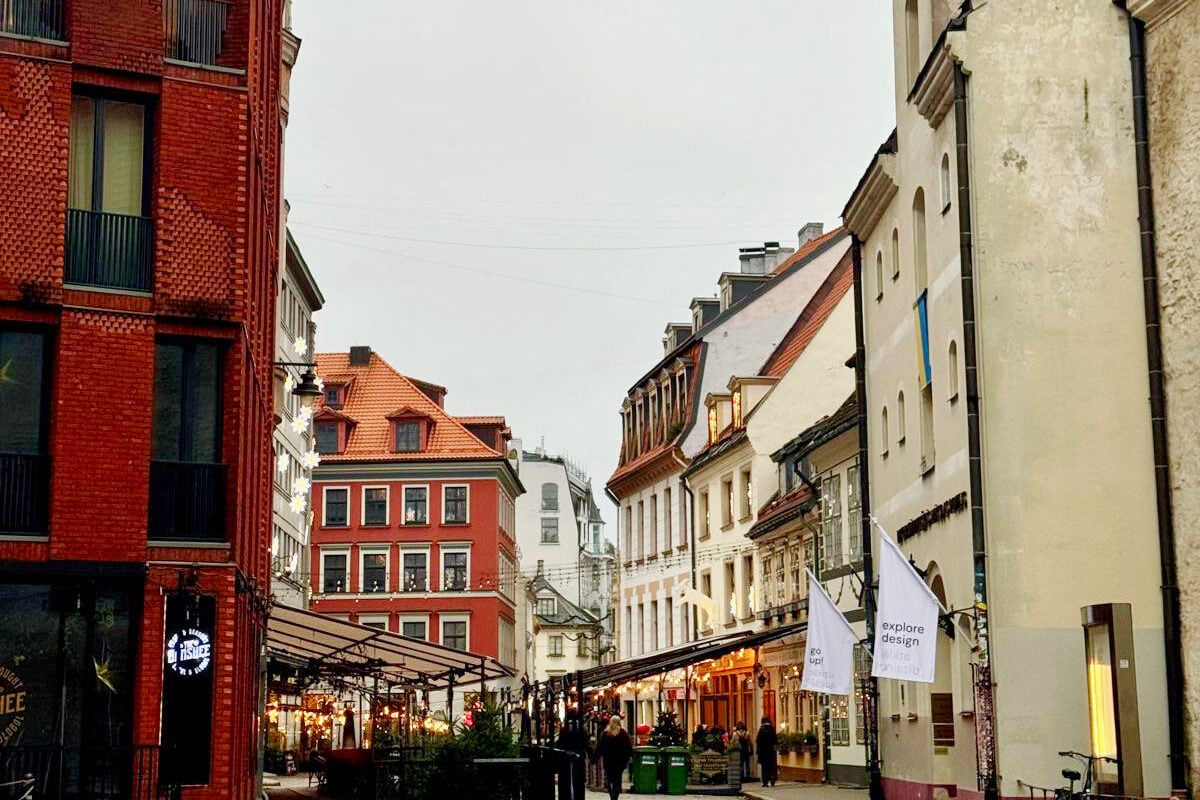
Despite its commie-leaning past, Latvia is now a full-fledged member of the European Union, and in case you’ve been wondering, yes, it also applies the EU’s new EES system.
In non-technical terms, you’ll need to get fingerprinted upon arrival, and soon enough, get a travel permit if you hold a U.S. passport… potentially from as soon as September.
Stay up to date with Europe’s fast-changing travel rules on the Entry Requirement Checker.
Riga Is Waaaay Safer Than Paris
What I say next might be a little controversial: I actually think it’s unfair to compare Riga to Paris.
I live in the heart of the City of Lights myself, where I’ve been mugged at least twice in the past 5 years, once at knife-point, and I wouldn’t dare walk into a poorly lit backstreet at night. I could honestly forget my phone on a tabletop in Riga and come back several hours later to still find it sitting there, untouched.
Violent crime is virtually nonexistent, and even pickpocketing, which seems to have become endemic across most of Europe, is not something you’d usually worry about here.
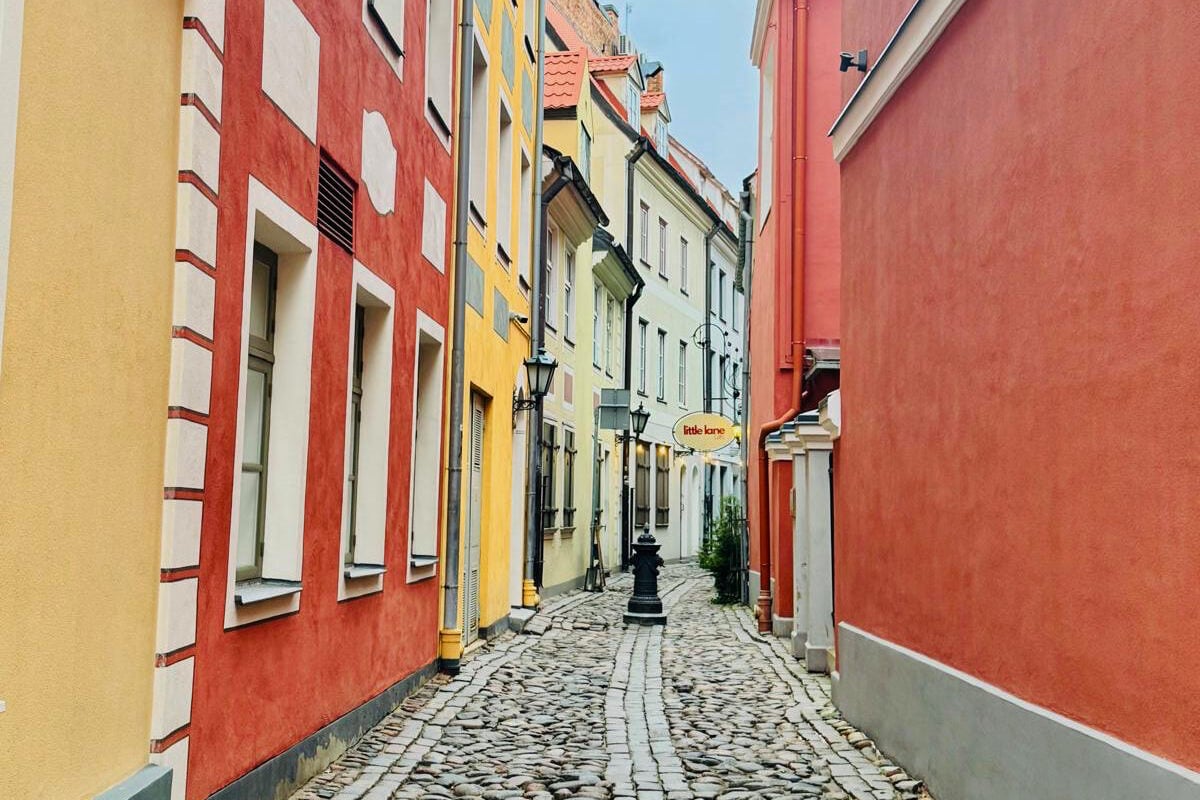
Riga still feels like the Europe of Olde, if you know what I mean, and it’s not just my impression: it scores 84 out of 100 on the Traveler Safety Index, based on reports by other travelers:
A Picture-Perfect Medieval Core
There’s something Riga has that Paris lost with the passing of time, though: a nearly intact, UNESCO-protected medieval center that wasn’t flattened or torn down during some Revolution. Take that, Frenchies.
It’s so beautiful not even the Soviets dared touch it during the occupation.
Towering above a cobble-paved main square, the House of the Black Heads is a beautiful Gothic reconstruction that’s been in use since the 14th century.
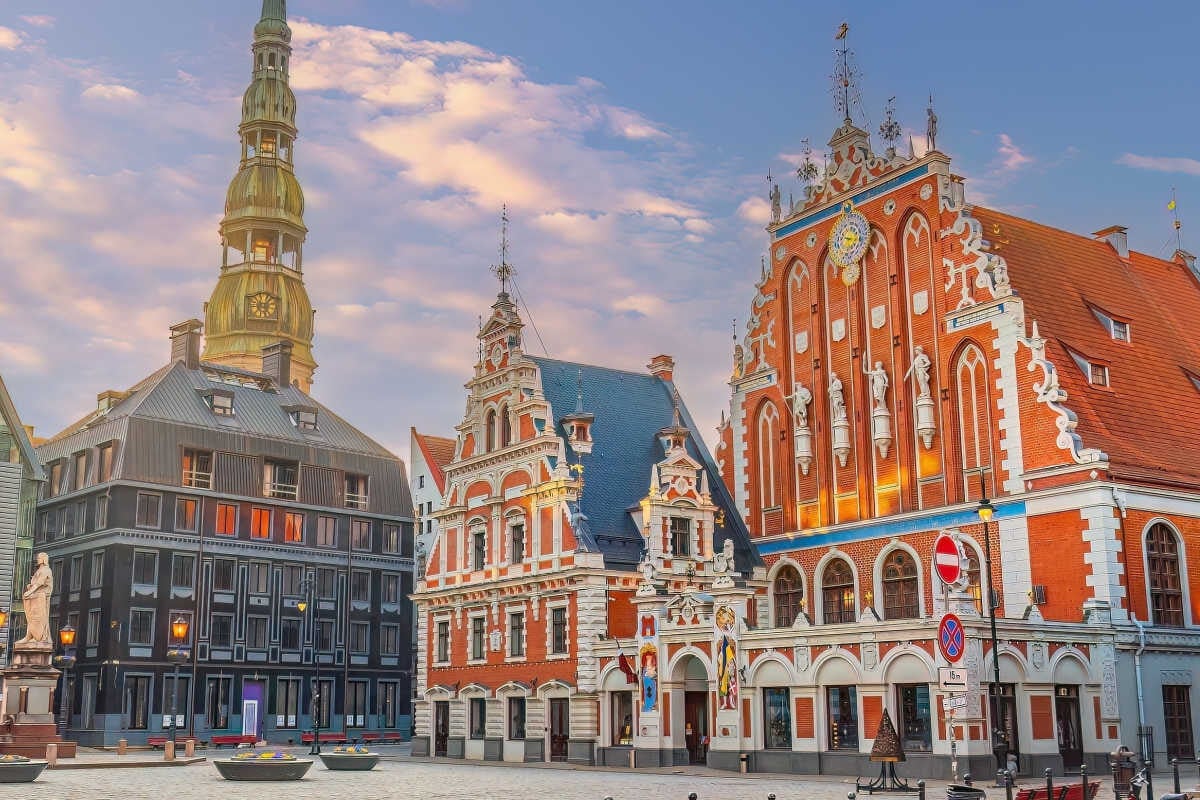
It’s one of Europe’s oldest merchant guild halls, and something I didn’t know when I visited myself, it’s where Europe’s first Christmas tree was put up back in the year 1510.
If you’re looking for some Xmas travel inspo, there’s your answer.
Only a few steps away, Riga Cathedral is the largest medieval church in the Baltics, with a wooden observation tower, and a world-famous pipe organ that fills the nave with sound that rolls for seconds.
As you walk deeper into the old town maze, some five minutes from the cathedral, past the wine bars and low-lit pubs, you’ll reach the Three Brothers.
The oldest surviving residential houses in Riga, this trio of stone dwellings are built right next to each other, though they date from different periods.
The ‘oldest’ brother is a 15th-century residence, with a plain medieval look and the typical steep gable.
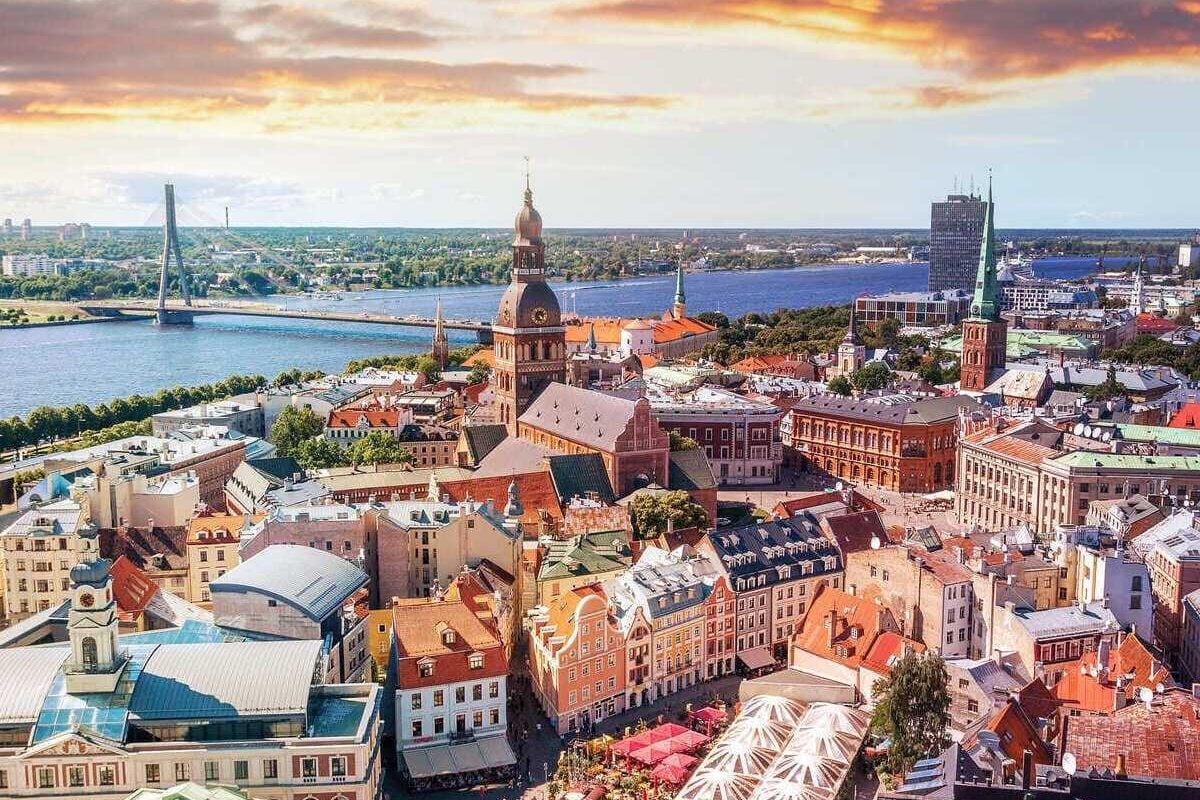
The ‘middle’ one is more decorative, reflective of the Renaissance period, and the youngest one, an 18th-century townhouse, is heavily inspired by Hanseatic architecture, with a stepped gable and ornamental detailing.
Riga Is A Steal Of A Deal… Still
For someone who’s used to Paris prices, Riga felt like an absolute steal.
If I were to give a rough estimate, I’d say it’s about 35–40% cheaper than where the French capital for a similar style of strip. Comfortable, not budget backpacking, not luxury, and without sacrificing on — or major attractions.
Accommodation
- Paris: $150–$300+ per night (3–4★, central)
- Riga: $70–$140 per night for the same room arrangements
Sit-Down Dinner
- Paris: $25–$40 per person
- Riga: $16–$25 per person
Coffee & Pastry
- Paris: $6–$10
- Riga: $3–$6
Beer/Wine Out
- Paris: $8–$15
- Riga: $4–$8
Public Transport Ticket
- Paris: $2.91 per ride
- Riga: $1.50 for a 90-minute ticket (valid across multiple modes of transport)
Museums/Sights
- Paris: $15–$25+
- Riga: $5–$12
There’s no Eiffel Tower, suuuuure… but I reckon Art Nouveau masterpieces, a storybook Old Town, higher safety levels and far higher affordability are all fair-enough trade-offs.
