
When I first started traveling, I was honestly super spoiled as an American. It was rare for me to have to get a visa, fill out extra entry forms, or get hit with massive crowds. I could show up and vacation, and that was that.
But over the past ten years, travel for Americans has shifted.
We have to navigate a different reality than we did a decade ago. Destinations worldwide are adapting to surging arrival numbers, fluctuating currencies, and serious local pushback against overtourism. You can’t simply show up expecting the same experience you had in 2016.
5 countries in particular have changed quite a bit, starting with Portugal.
1. Portugal
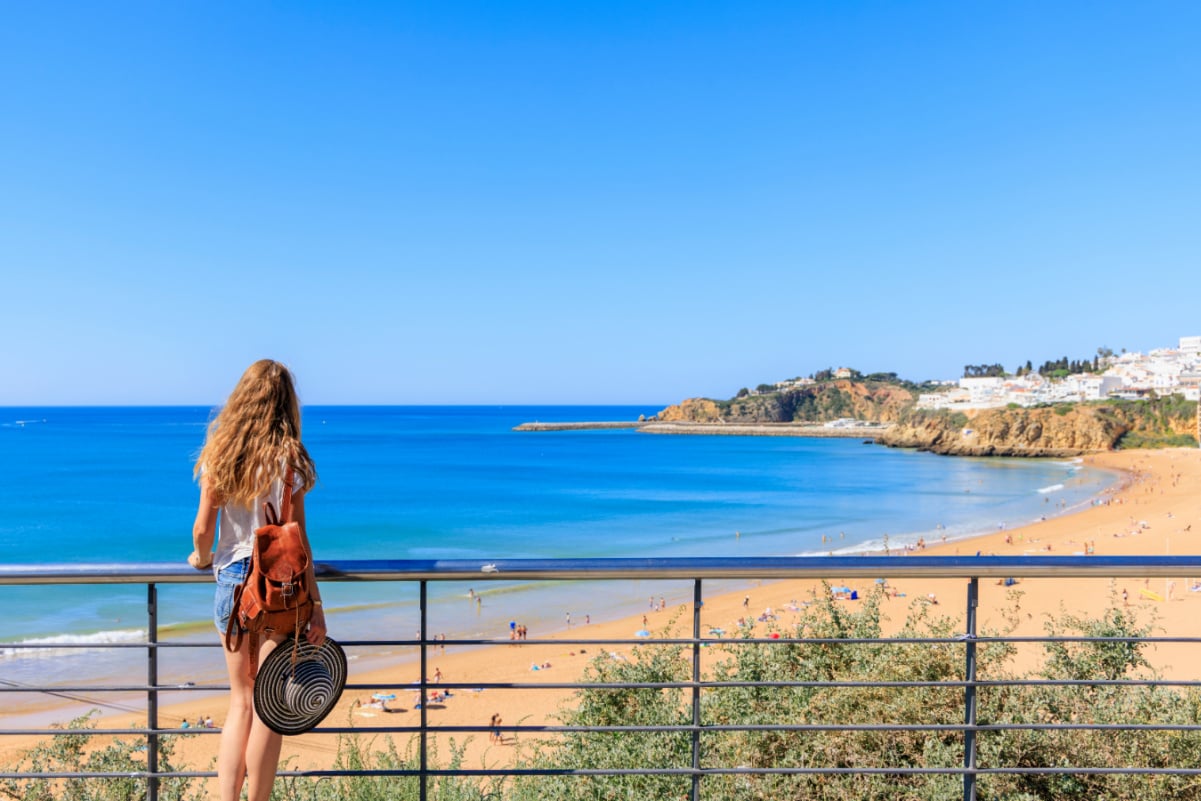
Portugal used to be the place you tacked onto the end of a Spanish vacation. Now, it’s the main event. In my travels, I’ve seen the streets of Lisbon and Porto go from sleepy, overlooked gems to bustling international hubs. The food scene has exploded, and the infrastructure has modernized rapidly to keep up with the influx of expats. It’s fantastic to see the country get the recognition it deserves, but you have to navigate it differently now.
- The Massive Boom: Over the past ten years, Portugal has experienced a massive surge in popularity, receiving nearly five times the number of American tourists in 2025 compared to a decade earlier.
- The New Status: Once considered a secondary European destination, it has completely transformed into a primary hub for U.S. travelers.
- The Draw: Americans are heavily seeking out the country for its unique blend of affordability and deep cultural roots.
Tip From The Editor (me): Keep in mind that with this massive influx of U.S. travelers, the main hubs like Lisbon and Porto are significantly busier than they used to be. Don’t be afraid to push further south to the Algarve or out to the Azores to find some of that quiet, old-school charm.
2. Greece
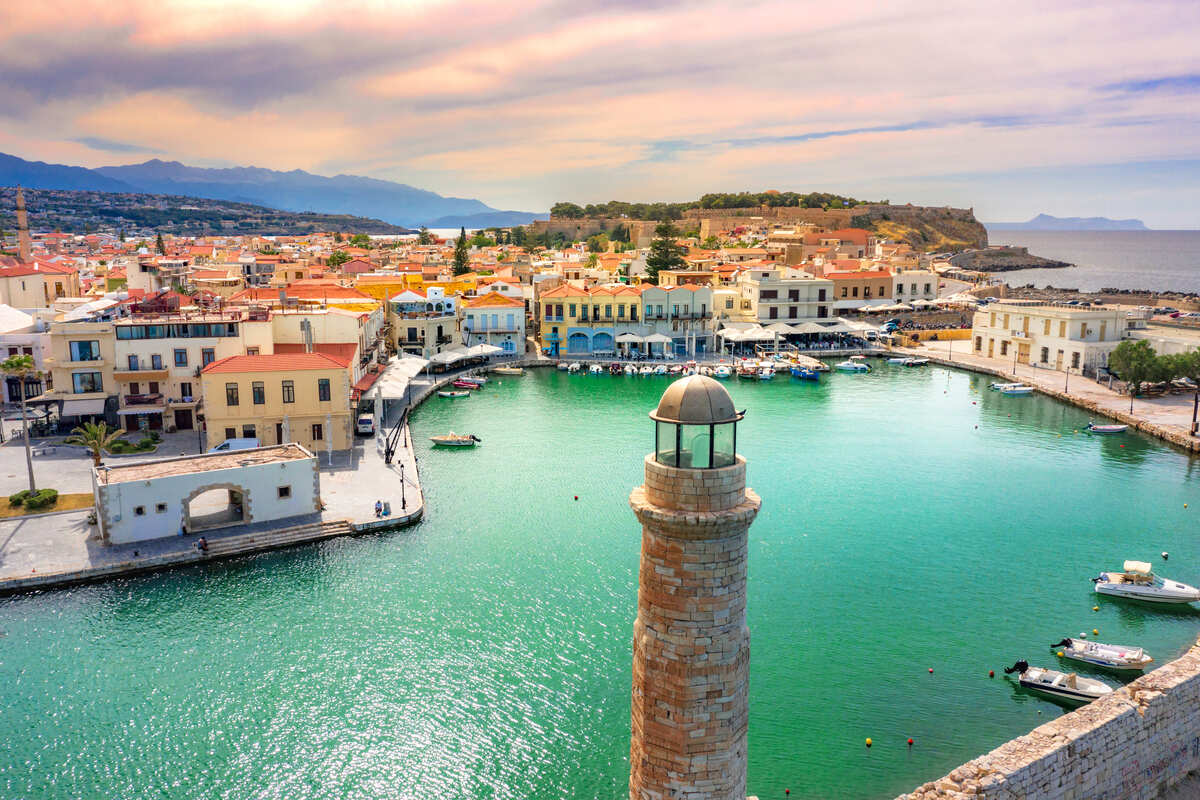
Greece has always been the ultimate Mediterranean postcard, but the days of just showing up to a random island and finding an empty beachside room are mostly gone. The entire rhythm of Greek tourism has shifted from quick island-hopping sprints to deep, localized dives.
Travelers and locals alike are recognizing the severe strain that seasonal swarms place on resources like water and housing across the popular islands. Local hospitality has evolved dramatically to meet these new demands while offering a more refined experience.
- The Surge: U.S. tourism to Greece has quadrupled over the past ten years.
- Longer Stays: The entire travel dynamic has shifted toward longer, more immersive trips, with Americans now averaging nine nights per visit compared to the U.K. average of seven nights.
- The Economic Shift: Because American tourists tend to spend significantly more money per day, local businesses and tour operators have actively pivoted their services to cater to this highly profitable demographic.
Tip From The Editor (me): Since operators are pivoting to higher-end U.S. spending habits, take advantage of the premium, tailored sailing and culinary tours that are now widely available rather than just booking a basic ferry ticket.
Note From The Editor
Just one sec! If you enjoy reading great human-written articles, the best way to see a few more is to follow us on Google so we become one of your preferred websites. Thank you so much for reading. Now back to the story!
3. Spain

Spain is currently the epicenter of the global conversation around sustainable travel, and the way you navigate its major hubs looks incredibly different today. I’ve spent plenty of time bouncing between Madrid, Seville, and the coast, and you can feel the local frustration simmering in the most crowded neighborhoods.
It’s a completely understandable reaction—Spain received nearly 94 million international visitors last year, almost double its own population. Watching these cities take aggressive legal steps to protect their housing markets and traditional culture is a massive wake-up call for how we all need to travel more responsibly.
- Local Pushback: Overtourism frustrations have dramatically altered the on-the-ground experience, particularly in hotspots like Barcelona where massive visitor influxes and rising housing costs sparked protests from residents.
- Strict New Policies: In response to the crisis, Barcelona appointed a commissioner for sustainable tourism and enacted strict policies to reclaim neighborhoods for locals.
- The Rental Crackdown: The city launched a sweeping plan to revoke 10,000 short-term tourist apartment licenses by 2028.
- Reclaiming Culture: A new mandate requires historic markets like La Boqueria to dedicate at least 50% of their space to traditional fresh produce rather than tourist-focused fast food.
Tip From The Editor (me): When you visit Spain now, you absolutely must be mindful of your impact. Stay in officially licensed, traditional boutique hotels instead of short-term rentals to support the local housing initiatives, and make a deliberate effort to buy your produce from local vendors.
4. Italy
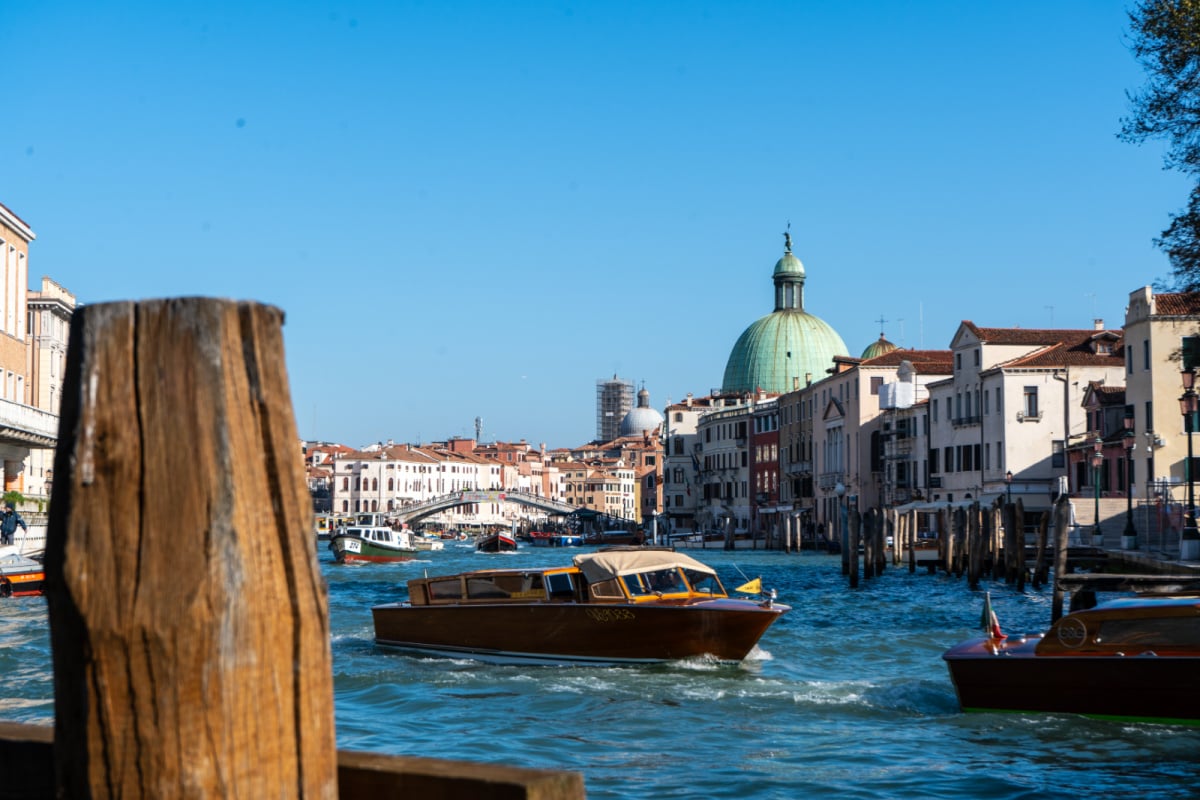
For decades, Italy was the wild west of European tourism. You could essentially wander into any historic piazza or massive cathedral with zero planning. Today, the sheer volume of global travelers—now exceeding 60 million international visitors annually—has forced Italy to treat its cities like the fragile, open-air museums they actually are.
I remember when Venice felt like a free-for-all; now, it requires military-level logistics just to get onto the island for the day. These new rules aren’t meant to punish visitors, but rather to stop these incredible cities from being loved to death.
- Crowd Control: Fragile areas across the country have been forced to implement strict crowd control measures to survive.
- The Venice Restrictions: Venice is leading the charge on this front to mitigate the daily crush of visitors, officially banning large cruise ships from passing through its historic center in 2021.
- New Rules for Visitors: Venice has also capped the maximum size of guided tour groups and, as of 2024, introduced a mandatory access fee for day-trippers. My advice? Spend at least 3 days here. The first time I went, people told me it was good to do just as a day trip and they were SO WRONG. I did not want to leave, there is so much to explore!
Tip From The Editor (me): Don’t try to wing a trip to Italy’s most famous historic sites anymore. With strict crowd caps and access fees now the norm, you have to book your entry tickets and guided tours months in advance to secure your spot.
5. Japan

If you told me ten years ago that Japan would be one of the most cost-effective luxury trips on the planet, I would have laughed. I remember when just buying a bullet train ticket or sitting down for decent sushi in Tokyo felt like a splurge.
Now, the global economic shift has completely rewritten the playbook. The historically weak yen has opened the floodgates, and everyday infrastructure—like transit signage and dining menus—is significantly easier for English speakers to navigate today. It turned a destination that used to require years of saving into a surprisingly accessible playground.
- The Exchange Rate Advantage: Favorable exchange rates driven by a historically weak yen have completely reshaped Japan’s accessibility.
- A New Travel Dynamic: The weak yen has shifted Japan from an expensive bucket-list trip into a highly sought-after destination for budget-conscious luxury travel.
- Record Numbers: Thanks to this shift, the country recently recorded a massive 15.8% surge in international arrivals.
- Affordable Luxury: For travelers spending U.S. dollars, premium accommodations, fine dining, and transportation have become dramatically more affordable.
Tip From The Editor (me): Use the strong U.S. dollar to your advantage by upgrading your experience. Instead of just booking standard hotels, spend that extra cash to book a night in a high-end ryokan (traditional inn) with a private hot spring—it’s an experience that used to cost a small fortune.
Navigating international travel today requires a lot more awareness than it did ten years ago. Whether you’re leaning into incredible exchange rates in Japan or navigating the new sustainable tourism rules in Spain, doing your homework before you board the plane is absolutely essential.
Enter your email address to subscribe to Travel Off Path’s latest travel news, straight to your inbox
