
Whether it’s the shambles at security with staffing headaches and snaking queues, or the chaotic rollout of the new Entry/Exit System, which now requires Americans to have their fingerprints and facial image collected, I can’t think of a worse place to be right now than a European airport.
The Old Continent seems to have got the memo, if not the hundreds of thousands of complaints, and for several years now, operators have been betting heavily on new train routes.
This year alone, European Sleeper revived its Paris–Berlin service and is days away from launching Brussels–Milan, while České dráhy’s roughly 530-mile ComfortJet now runs all the way from Prague to Copenhagen without a change.
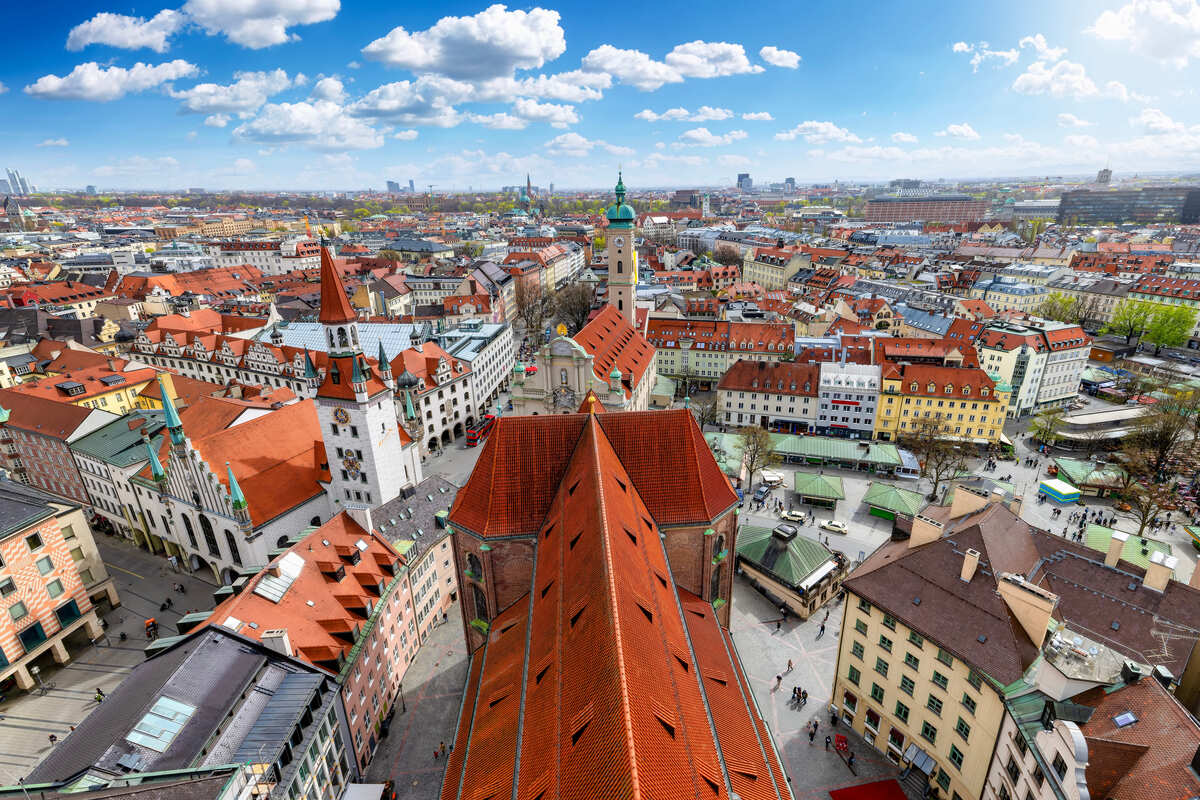
But that’s not all: starting in summer 2027, a new direct daytime service will hit the tracks, this time between Rome, the one and only Eternal City, and Munich, Germany’s southern cultural powerhouse.
You definitely don’t want to sleep on this:
Rome To Munich In Only 8h30
A new direct Frecciarossa 1000—Italy’s flashy, scarlet-red high-speed pride and joy—is set to start operating between the Italian capital and Munich, capital of Germany’s southern state of Bavaria, in summer 2027.
The exact inauguration date still hinges on the successful completion of technical approvals.
This train was initially meant to be up and running with the December 2026 timetable change, but trial runs are still underway in Germany and Austria, where nine specially modified trainsets must clear a rather lengthy certification process.
In other words, we’re clearly in the final stretch, but the ink is not quite dry yet, so I wouldn’t go booking a non-refundable Munich hotel around a guessed June launch date.
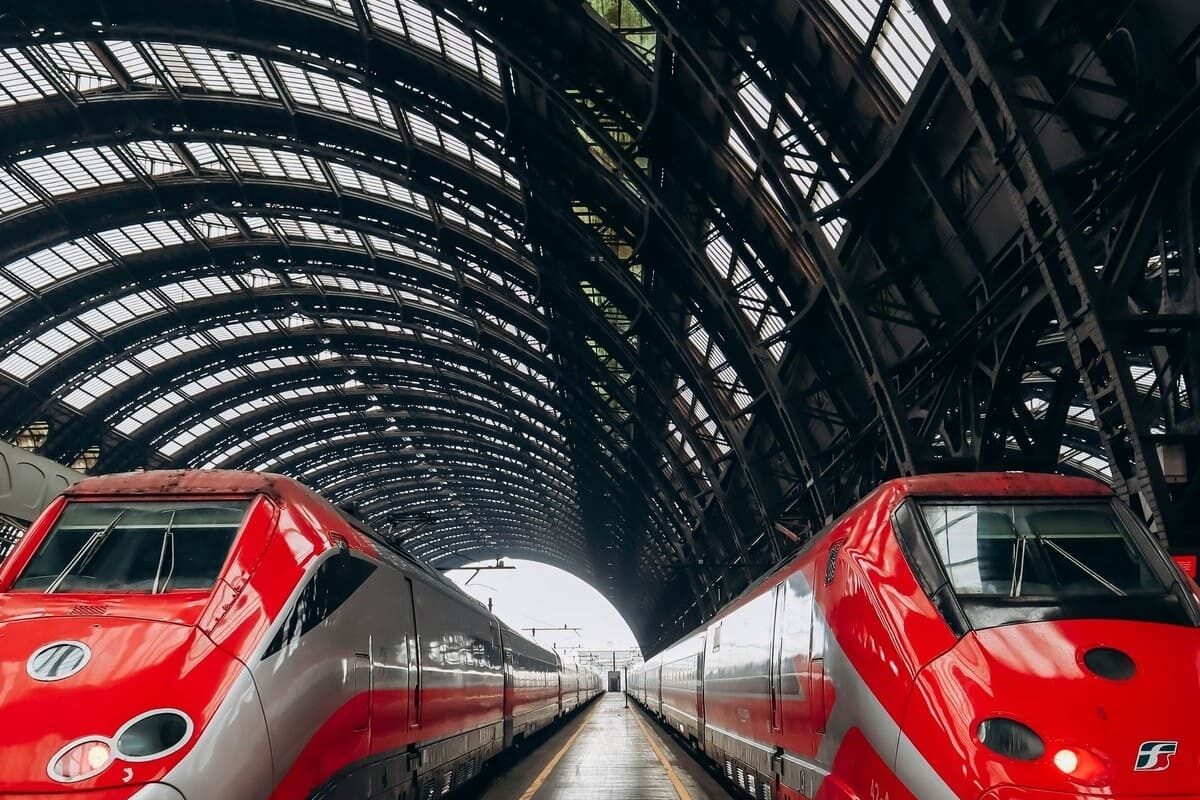
Unlike European Sleeper’s trains, the Italian ‘Red Arrow’ is a daytime high-speed service, with the journey expected to take about 8 hours and 30 minutes each way—and this time, there will be no changes.
One important distinction: Munich and Rome are already connected by a direct ÖBB Nightjet overnight, so this will not be the first direct train between the two cities, full stop.
It will, however, be the first direct daytime high-speed option.
At present, travelers making the journey during the day normally need to change at least once, most commonly in Bolzano, Verona, Bologna, or Innsbruck, depending on the itinerary.
Once the new service launches, there’ll be no more playing connection roulette halfway through the Alps.

From The Eternal City To Germany’s Southern Cultural Powerhouse
Rome is one of the most sought-after city breaks across the pond, and honestly, it more than earns the hype.
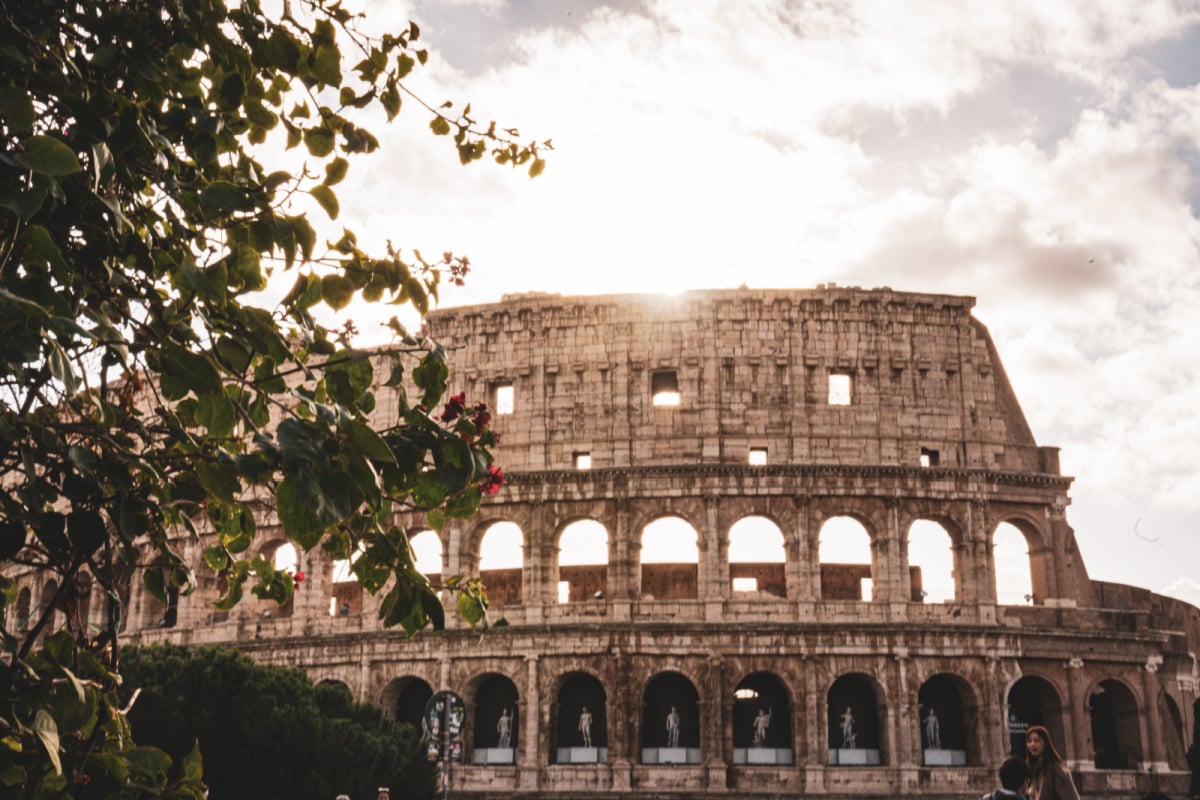
From the 2,000-year-old behemoth that is the Colosseum to the ochre-hued, winding alleys of Trastevere—home to some of the best cacio e pepe you’ll find anywhere in town—past the Trevi Fountain and into the treasure-packed Vatican Museums, there are enough layers to Rome to keep you busy for weeks, if not months on end.
By the way, in case you’re wondering how safe Rome feels these days after doomscrolling on X and coming across literal horror stories, it’s not nearly as bad as it’s sometimes made out to be.
Rome itself is not subject to a separate U.S. city-specific advisory, though Italy as a whole currently sits at Level 2, with Americans advised to exercise increased caution due to terrorism.
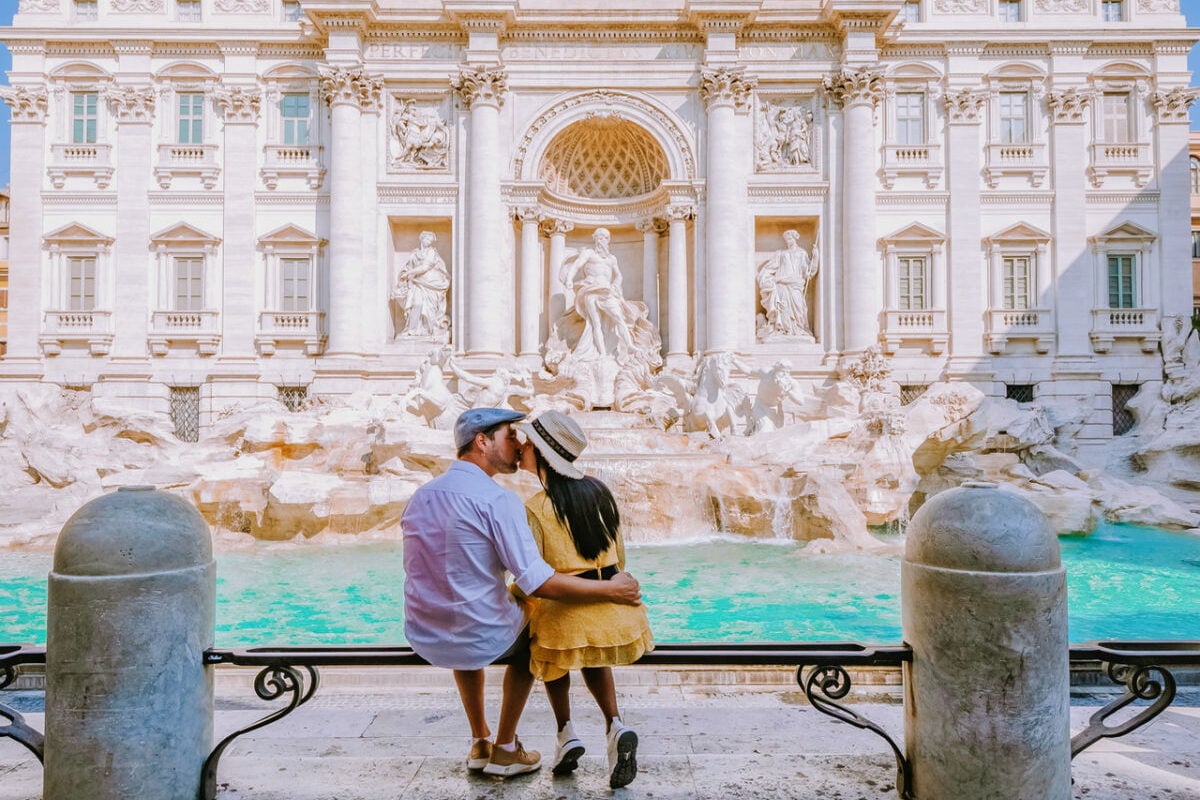
In practical terms, pickpocketing and scams in crowded tourist areas will be a far more immediate concern for the average visitor than violent crime.
The city currently scores 86 out of 100 on Travel Off Path’s Traveler Safety Index, which is based on first-person impressions of safety levels from recent visitors.
The Journey Is The Destination
At the other end of the line, Munich is the crown jewel of southern Germany:
Its Altstadt is a polished, storybook sweep of Old World façades, onion-domed churches, beer halls, and grand squares flanked by neo-Gothic monuments that look as if a nostalgia-driven architect went completely overboard with the turrets… and I mean that as a compliment.

The coolest thing about Frecciarossa’s new route, though?
The sheer number of epic, incredible destinations it will service:
Planned Route From Rome To Munich
- Rome — Roma Termini, expected terminus
- Florence — Firenze Santa Maria Novella
- Bologna — Bologna Centrale
- Verona — Verona Porta Nuova
- Rovereto
- Trento
- Bolzano/Bozen
- Innsbruck — Innsbruck Hauptbahnhof
- Munich — München Hauptbahnhof
This means that not only does it bridge Italy and Germany, but it also strings together a whole bunch of Italian heavy hitters that might rival Rome in beauty, before cutting through a third country: the alpine, impossibly polished wonderland that is Austria.
Looking for an epic first stop along the way?
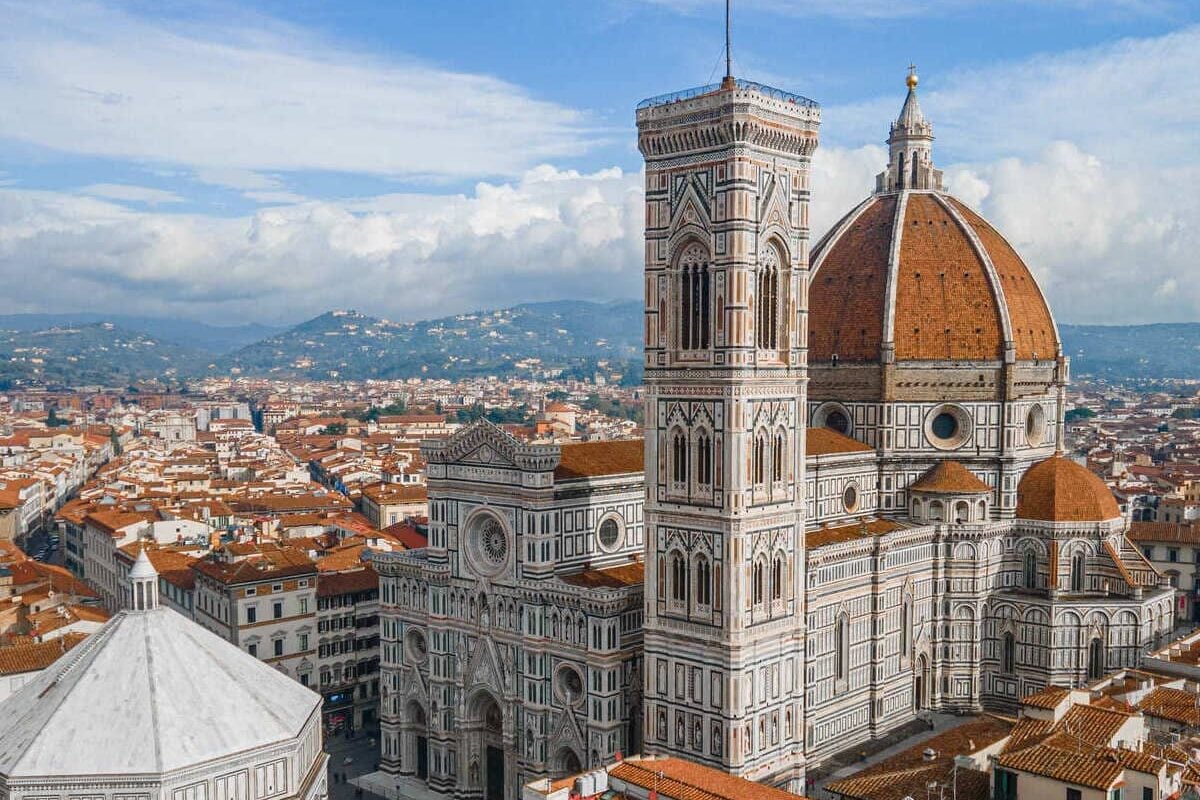
How about Florence, regularly ranked among the best city destinations in Italy, dominated by Brunelleschi’s soaring, terracotta-red dome and widely regarded as the birthplace of the Renaissance?
Then there’s Verona, where you’ll find a miniature Colosseum that still hosts operas and full-blown concerts every summer, so the timing for 2027 couldn’t be better.
Remember Lizzie McGuire’s Colosseum performance, complete with the clenched-fist choreography and that aggressively blonde wig?
Yeah, that’s not something you can really recreate inside the actual Colosseum today—much of its ancient arena floor is missing, exposing the hypogeum below—but you can watch your favorite Italian pop artist perform inside the nearly 2,000-year-old, remarkably preserved Arena di Verona next year.
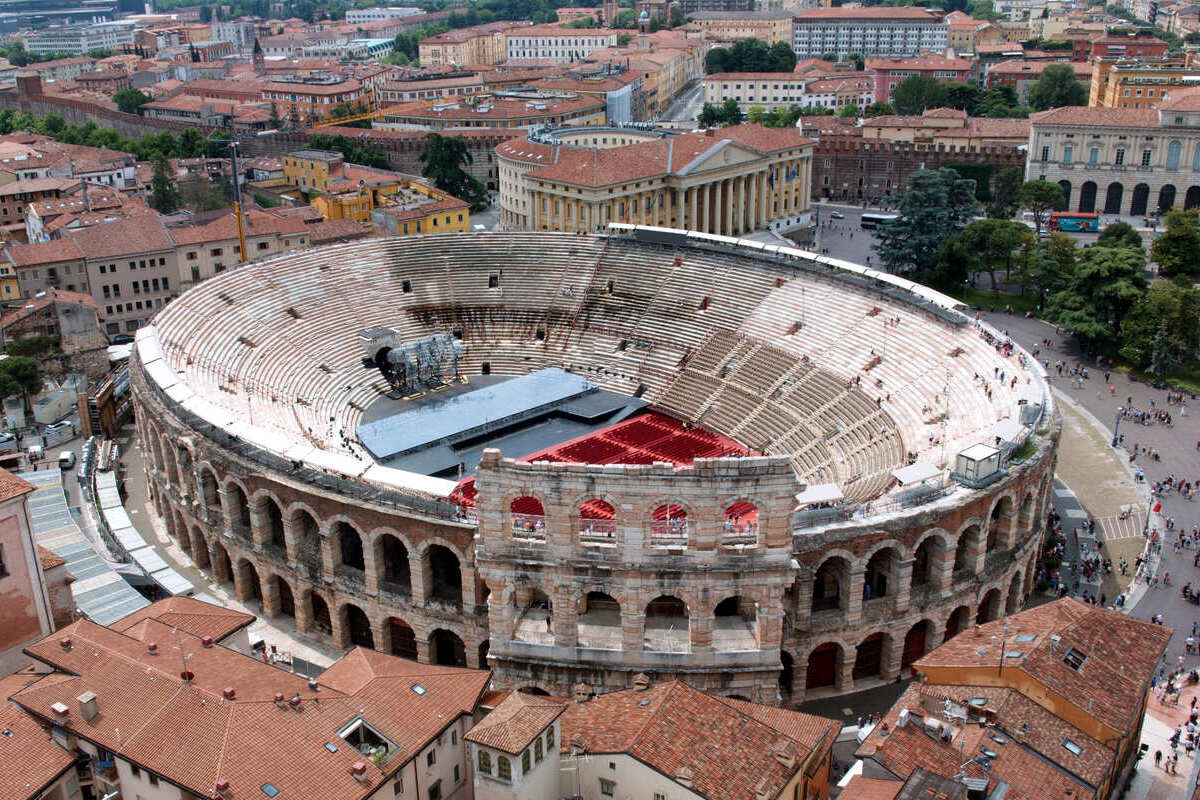
Oh, and of course, Verona is the fictional hometown of Romeo and Juliet!
Check out the ultimate luxury escape in Verona’s historic heart here
Note From The Editor
Just one sec! If you enjoy reading great human-written articles, the best way to see a few more is to follow us on Google so we become one of your preferred websites. Thank you so much for reading. Now back to the story!
Explore A Gorgeous City In Austria On The Way
Looking to add a third country to your multi-country European jaunt?
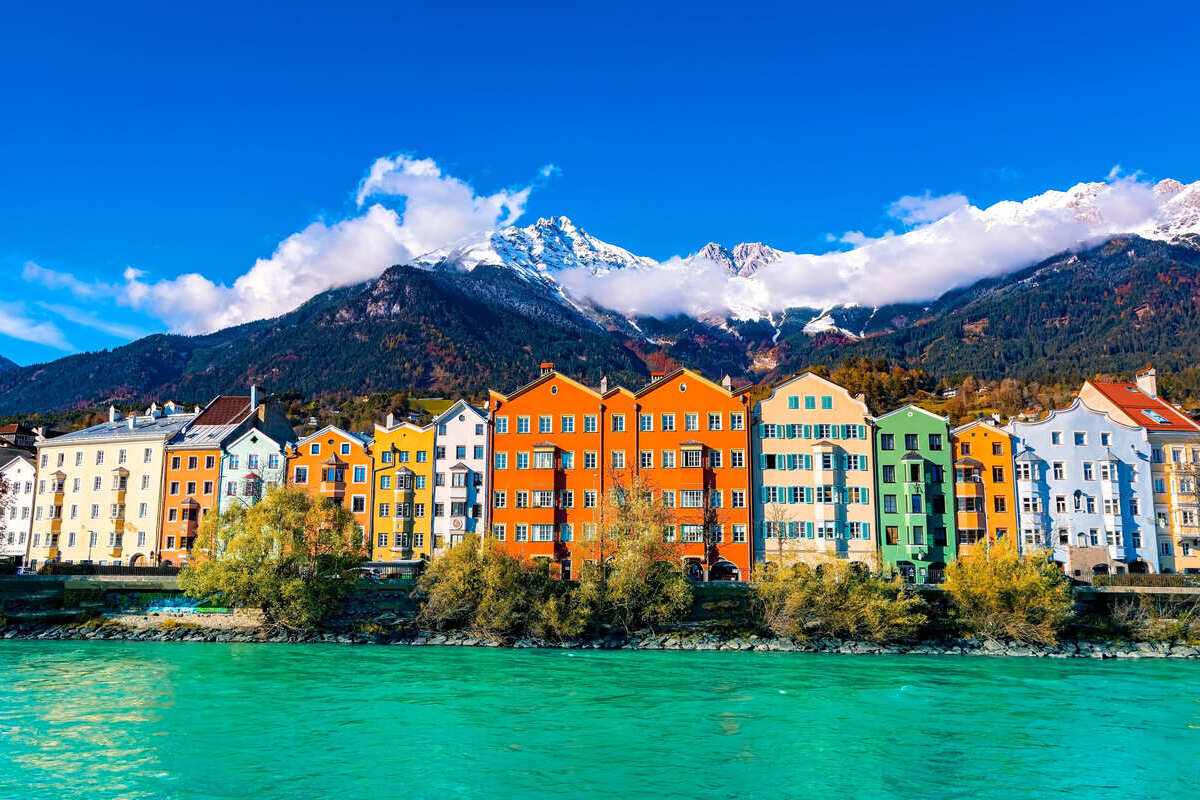
Then Innsbruck, Austria, is the perfect midpoint between Rome’s Mediterranean warmth and Munich’s Bavarian charm.
A small riverside city tucked into the heart of the Tyrolean Alps, it’s dotted with colorful, gabled houses, onion-domed belfries, and pastel façades framed by snow-capped peaks.
And let me tell you, if you think Rome’s spaghetti carbonara is the best food you’ll have on this south-to-north adventure, wait until you’ve tried schlutzkrapfen, Tyrol’s half-moon ravioli traditionally stuffed with spinach and curd cheese.
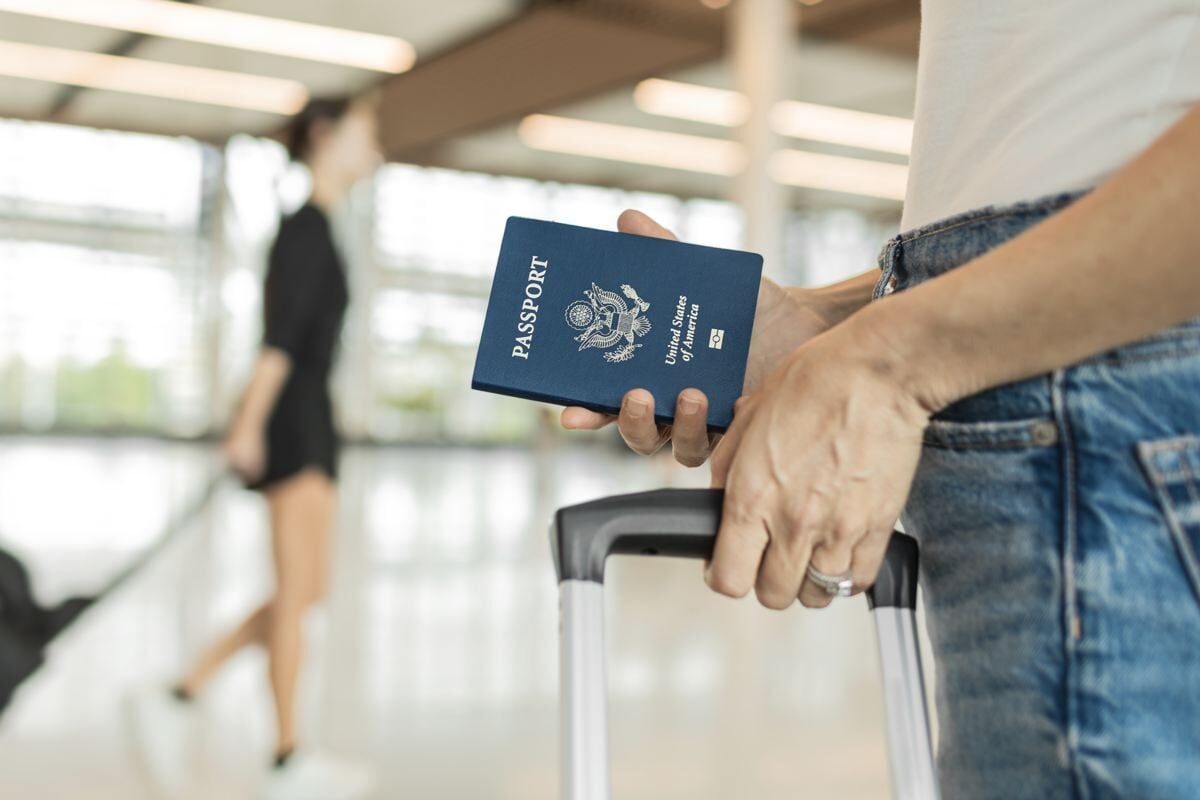
Before you go gallivanting around and crossing all those European borders like it’s no big deal, make sure you have your documentation in order and familiarize yourself with the Schengen Area’s travel rules.
Americans can generally stay for only 90 days within any rolling 180-day period across the entire Schengen Area, and that includes Italy, Austria, and Germany, usually without getting checked at every border.
However, Schengen countries can temporarily reintroduce internal checks, and police may occasionally board international trains to inspect identification, so keep your passport handy.
Unsure what to bring along for the ride? Use the Entry Requirement Checker to double-check what applies to you.
More On The Train Itself
There is initially expected to be one Rome–Munich train in each direction daily, alongside a separate daily Milan–Munich round-trip.
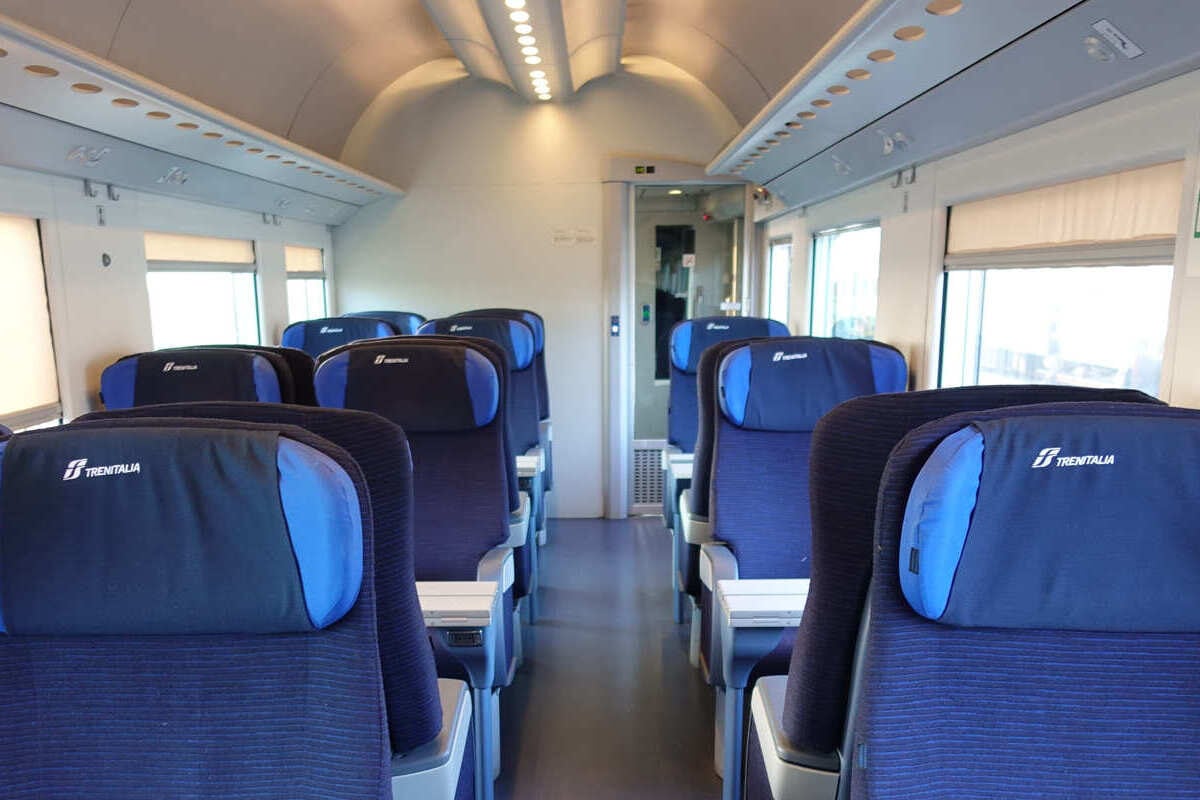
If you’re wondering about seat configuration and all that, this is an eight-car, fully electric Frecciarossa 1000 capable of operating at up to 186 mph.
The standard Italian configuration offers 457 passenger places, including two wheelchair spaces, across four comfort levels: Standard, Premium, Business, Executive.
Route Information
- Route: Rome, Italy, to Munich, Germany, via Austria
- Expected terminals: Roma Termini and München Hauptbahnhof
- Launch: Summer 2027, pending final certification
- Frequency: One train in each direction daily is planned
- Journey time: Approximately 8 hours and 30 minutes
- Main stops: Florence, Bologna, Verona, Rovereto, Trento, Bolzano, and Innsbruck
- Departure and arrival times: Not yet announced
As for ticket prices? At this point, no official rates have been announced, as it’s still far too early in the planning and certification process.
Based on existing long-distance Frecciarossa services such as Paris–Milan, current Rome–Bolzano prices, and daytime Rome–Munich itineraries already on sale, my best working estimate would be around $70–110 one-way for a Standard ticket booked well in advance.
A tad pricier than a $30 easyJet flight, yet still, eight and a half hours straight through Florence, Verona, and the Tyrolean Alps, with no airport security line, baggage carousel, or mad dash to make a connection?
The Red Arrow sounds like a right belter.
Enter your email address to subscribe to Travel Off Path’s latest travel news, straight to your inbox
