
As of September 7, the European Union’s grace period for its new, controversial Entry/Exit System is officially over.
Under the rules, border authorities no longer have the same freedom to suspend biometric collection simply because queues are getting out of hand, though enforcement may still vary somewhat while certain airports iron out their remaining technical problems.
For those unfamiliar with the measure, Europe now requires most non-European visitors—and this includes U.S. passport holders traveling as tourists—to register their passport details, fingerprints, and a facial image when first entering the Schengen Area.
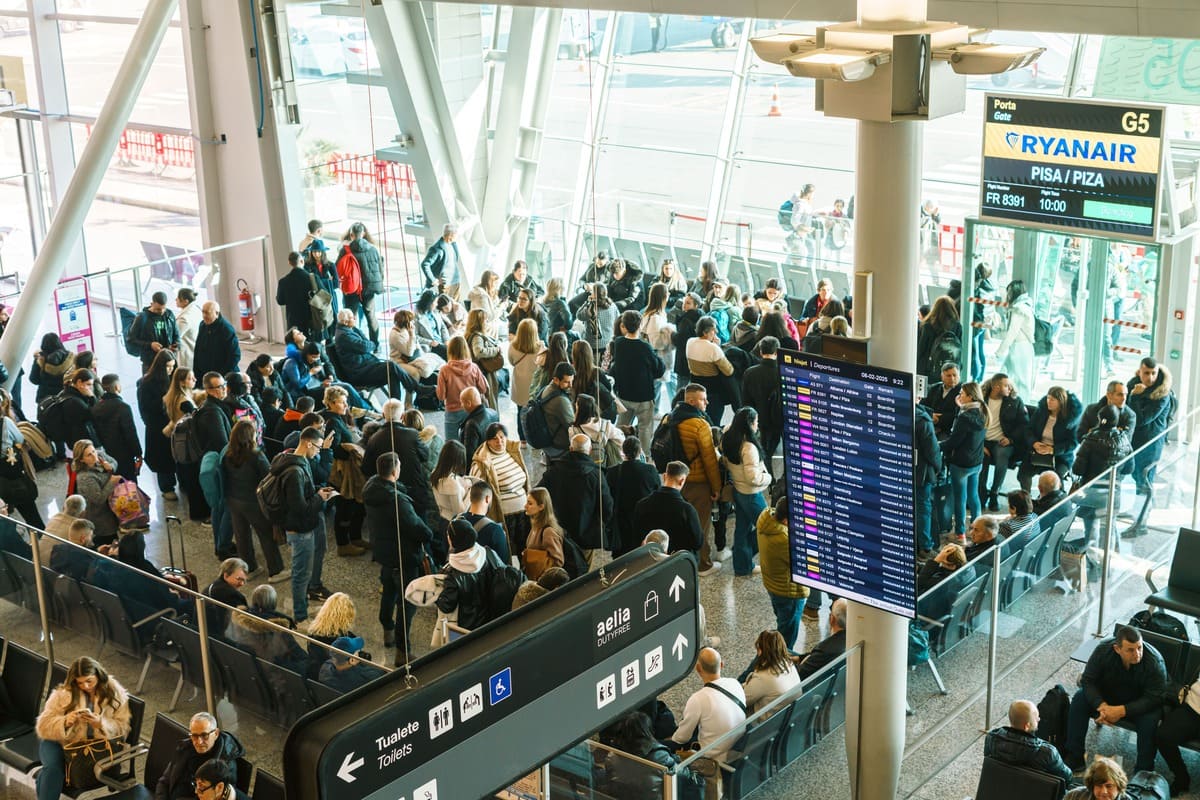
If you haven’t been across the pond since EES came into force, you may not be fully aware of the major teething problems during its rollout.
From 122 passengers being left behind by a single flight at Milan Linate earlier this year to six-to-seven-hour border queues reported in Lisbon during the early rollout, the introduction of biometric checks has been anything but smooth.
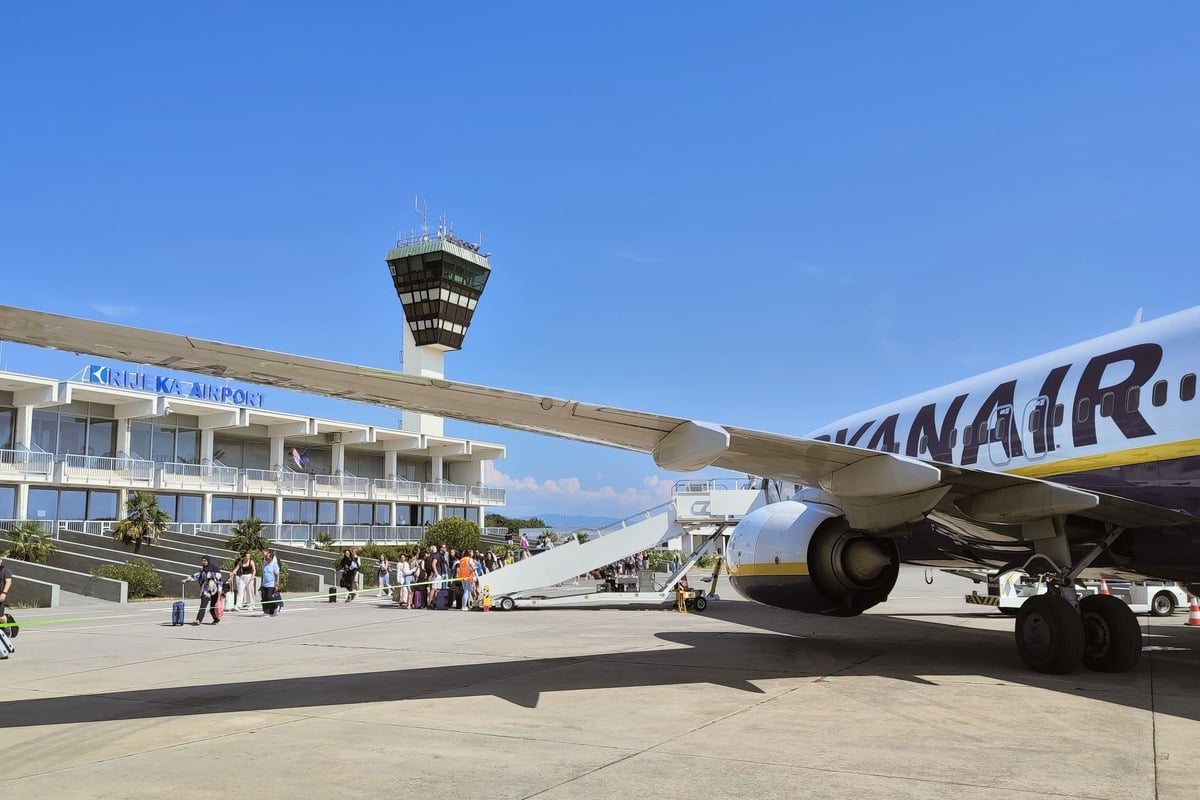
Now, thanks to Ryanair, we know which EU hubs the carrier considered the most overwhelmed this summer—and which ones you may want to approach with a little extra caution as we head into fall:
Top 7 Airports Ryanair Flagged For EES Delays This Summer
Tenerife South Airport, Spain

Tenerife South Airport (TFS) is the main international gateway serving the Canary Island of Tenerife.
Tenerife is a hugely popular off-season destination for Europeans, thanks to its moderate fall weather, mix of golden and volcanic beaches, and numerous resort strips.
Summer was nothing short of hectic, and given the fact the Canaries are pretty much a year-round destination, the border hiccups aren’t necessarily going to vanish once September rolls around.
Ryanair listed TFS among the seven European airports experiencing ‘major disruptions’ during the summer, particularly for passengers traveling to or from destinations outside the Schengen Area.
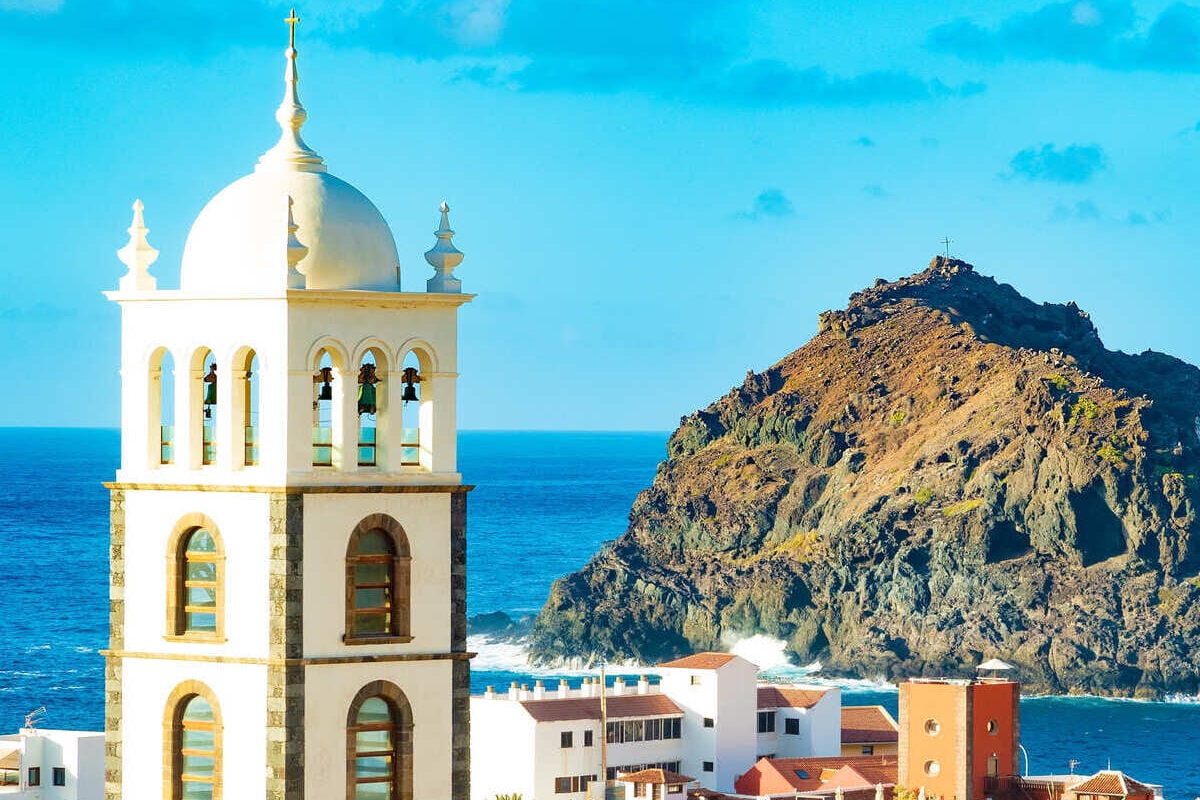
Separate reports have described passport-control waits exceeding 90 minutes during particularly rough periods, while Tenerife’s hotel association, Ashotel, has repeatedly complained about insufficient border staffing and faulty biometric equipment.
It’s worth saying that not every arrival has been a horror show, with some travelers reporting that they sailed through passport control in under half an hour.
That’s the real problem here: the wait times can be wildly unpredictable.
Palma de Mallorca, Spain
If you’re flying directly to Mallorca from outside the Schengen Area this fall, you might want to allow for some extra buffer time to clear passport control, as EES queues here have been… ahem, considerable.

Some of the worst reported waits have reached three hours, according to local media, though that’s a reported peak, not a typical wait or an official airport average.
Other travelers have reported far smoother experiences, with some completing the EES process in around 20 minutes.
This only goes to show how unpredictable Europe’s new border controls can be.
Mallorca remains a busy off-season destination, as it is a sun-drenched Mediterranean island with a prolonged warm season, and as late as October, there’s still a high frequency of non-Schengen flights into the island, particularly from the United Kingdom.
Bottlenecks can’t be ruled out, especially if you’re arriving directly from Newark, so prepare accordingly.
Alicante, Spain
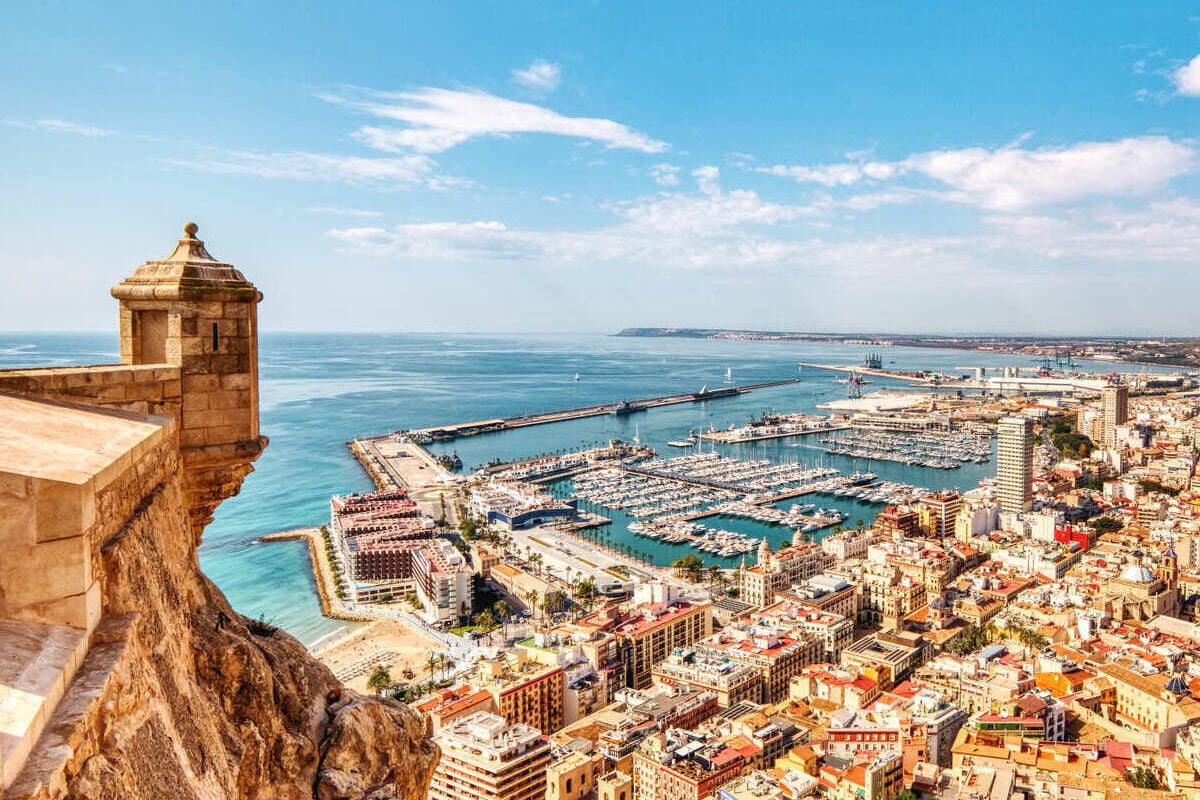
Third time’s the charm for Spain.
Alicante doesn’t currently host nonstop transatlantic flights from the U.S., but you can absolutely undergo EES here if you arrive on a non-Schengen service, particularly from Britain or Ireland.
In other words, Americans connecting through London, Manchester, Dublin, or another airport outside Schengen will normally complete their EES entry formalities after landing in Alicante.
As the overwhelming majority of non-Schengen traffic here comes from the United Kingdom, the heaviest pressure tends to coincide with waves of British arrivals and departures.
Peak waits of one to two hours have been reported, and police union SUP previously warned that particularly rough days could see passport-control queues swell to around 500 people.

The main culprits? The same old story: insufficient border-police staffing, malfunctioning EES kiosks, and large batches of flights arriving within a very short window.
At this point, it’s unclear whether Alicante’s EES troubles will be fully resolved this fall.
Similarly to both Tenerife and Palma, it enjoys an extended season thanks to average October highs hovering around 77°F and off-season getaway deals that continue drawing hundreds of thousands of visitors.
Check Travel Rules Before Flying To Europe This Fall
Before you head to Europe this season, make sure you have your documentation in order to avoid any additional border scrutiny.
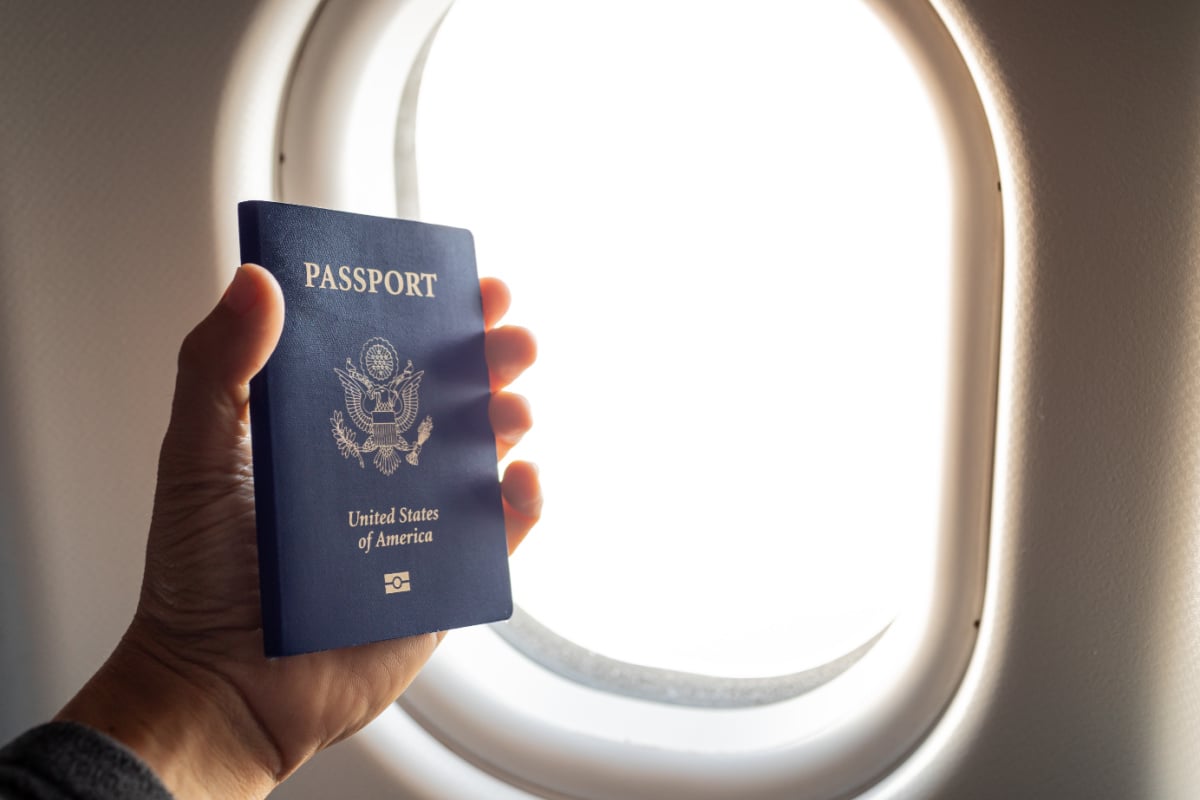
Americans can generally stay for only 90 days within any rolling 180-day period across the entire Schengen Area, and that includes countries like Spain, France, Italy, and 26 others.
However, Schengen countries can temporarily reintroduce internal checks, and police may occasionally be waiting at the arrival hall or onboard international trains to check IDs, so keep your passport handy.
Unsure what to bring along for the ride? Use the Entry Requirement Checker to double-check what applies to you.
Málaga, Spain
We probably sound like a broken record at this point, but the fourth European airport to make Ryanair’s naughty list is, once again, Spanish.
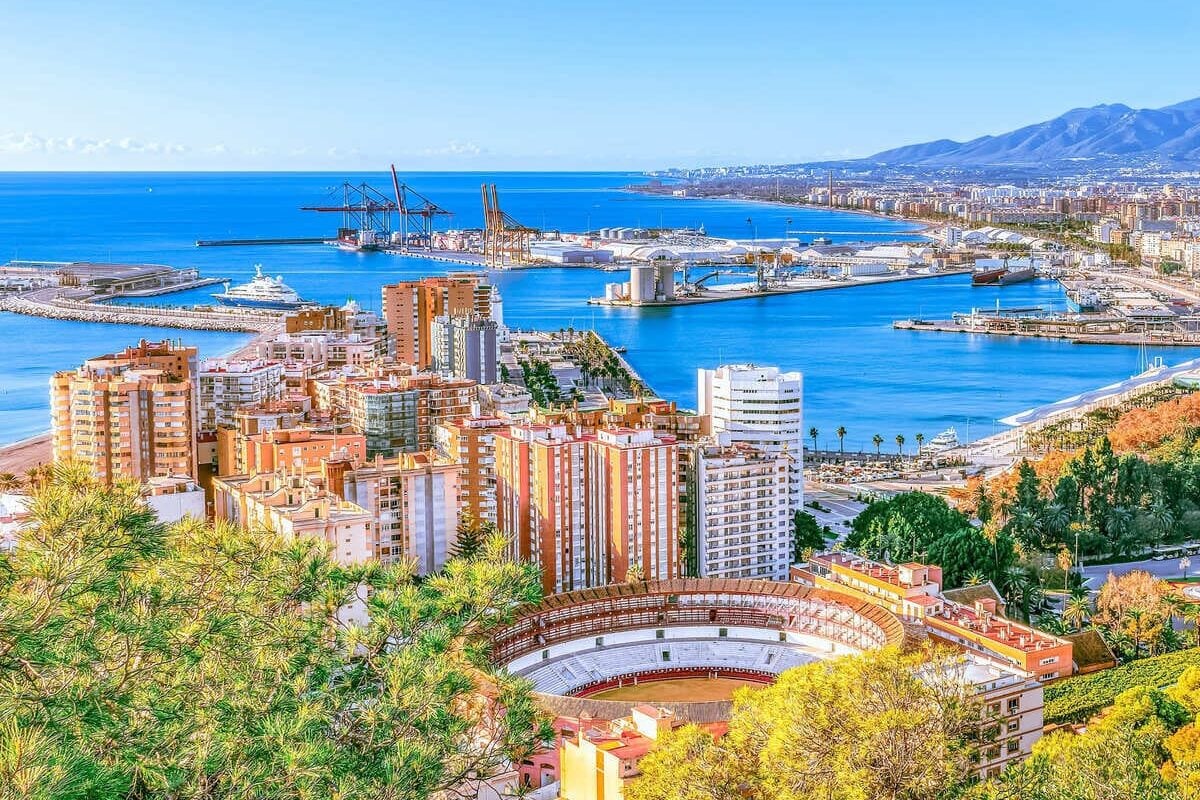
We don’t know what it is with Spain and suboptimal border management this summer, if you catch our drift, but here we are.
For those touching down in Málaga from outside the Schengen Area, you might need to exercise a little patience before making a beeline straight for the nearest beach, as EES waiting times can be substantial.
Ryanair cited lines exceeding an hour, passengers missing departures, and recurring system malfunctions during the earlier stages of the summer.
Setting our favorite low-cost carrier we love to hate aside, travelers have continued reporting wildly inconsistent experiences: some breeze through in minutes, while others get properly caught out by slow-moving queues.
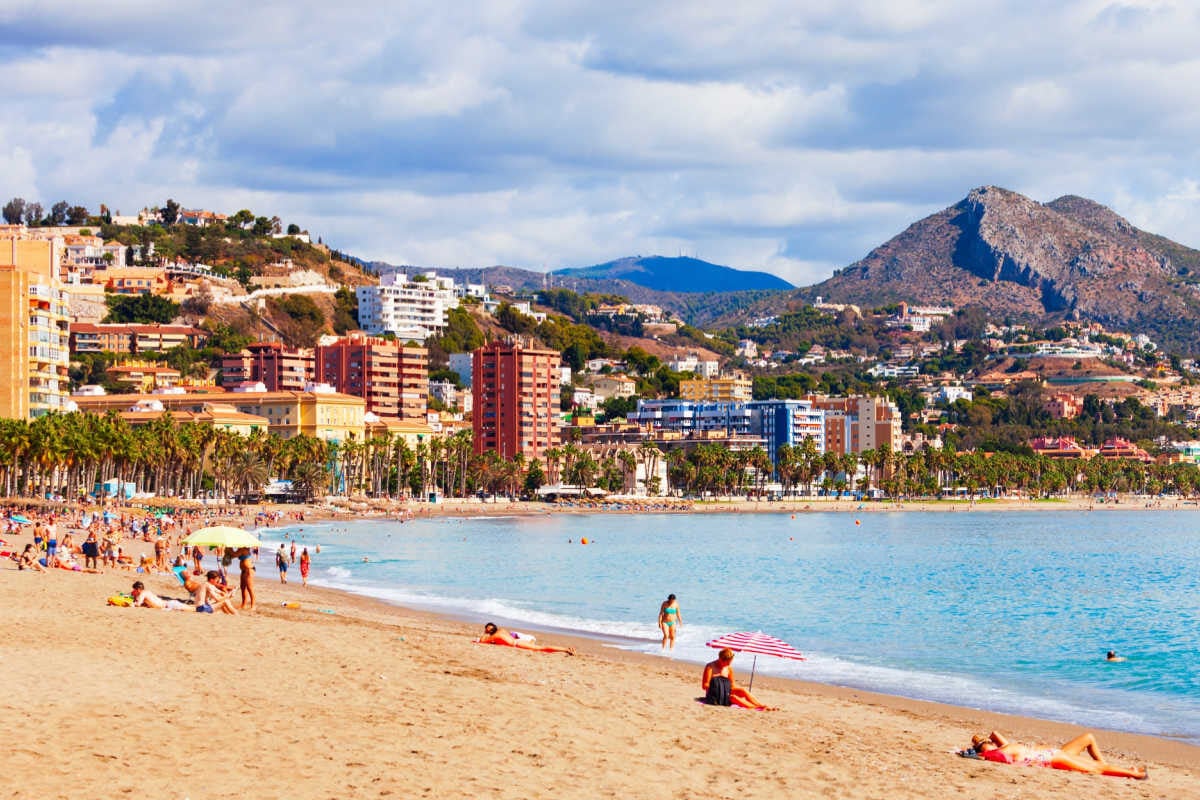
Want a concrete example of the absolute shambles this hub has seen? A British family of four missed its flight home from Málaga despite arriving three hours early, following delays at bag drop, security, and passport control.
We guess it’s not all $7 tapas and chilling at the beach at Spain’s main gateway to the toasty Costa del Sol these days, after all.
Note From The Editor
Just one sec! If you enjoy reading great human-written articles, the best way to see a few more is to follow us on Google so we become one of your preferred websites. Thank you so much for reading. Now back to the story!
Milan, Italy
More specifically, Bergamo Airport.
If you’re flying low-cost into Milan from whichever European hub, chances are you’ll be landing at Milan Bergamo Airport (BGY).

Located around 31 miles northeast of central Milan, beside the neighboring city of Bergamo—a lesser-explored Italian gem we’ve covered previously—this is one of Ryanair’s busiest Italian bases.
When the airline says there’s been serious EES disruption here, we’ll take its word for it.
There is currently no reliable, airport-wide waiting-time average for Bergamo, so throwing around an exact two or three-hour figure would be little more than guesswork.
What we do know is that Ryanair included it among the airports experiencing major disruption and warned that insufficient kiosks, staffing, and system readiness were slowing passport control.
The wider Milan region has had EES trouble of its own, too.
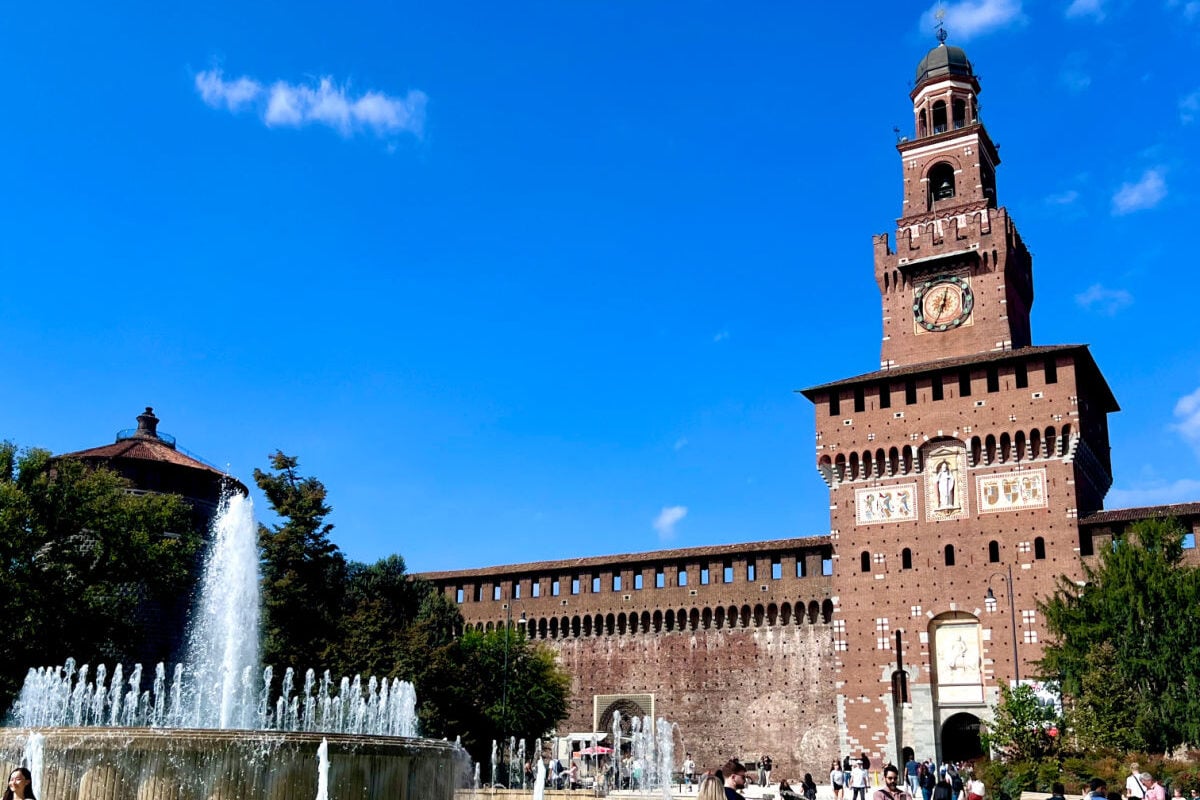
Earlier this year, a whopping 122 passengers missed a single flight to Manchester at Milan Linate Airport (LIN), despite some of them arriving nearly three hours before departure.
In other words, for those keen on bearing witness to the world-famous Gothic Duomo and experiencing Italy’s Capital of Fashion, you may want to avoid building an itinerary around a tight non-Schengen connection.
Kraków, Poland
Kraków has been on a steadfast rise as a destination in recent years, after spending far too long being criminally overlooked by most Europe-bound tourists.
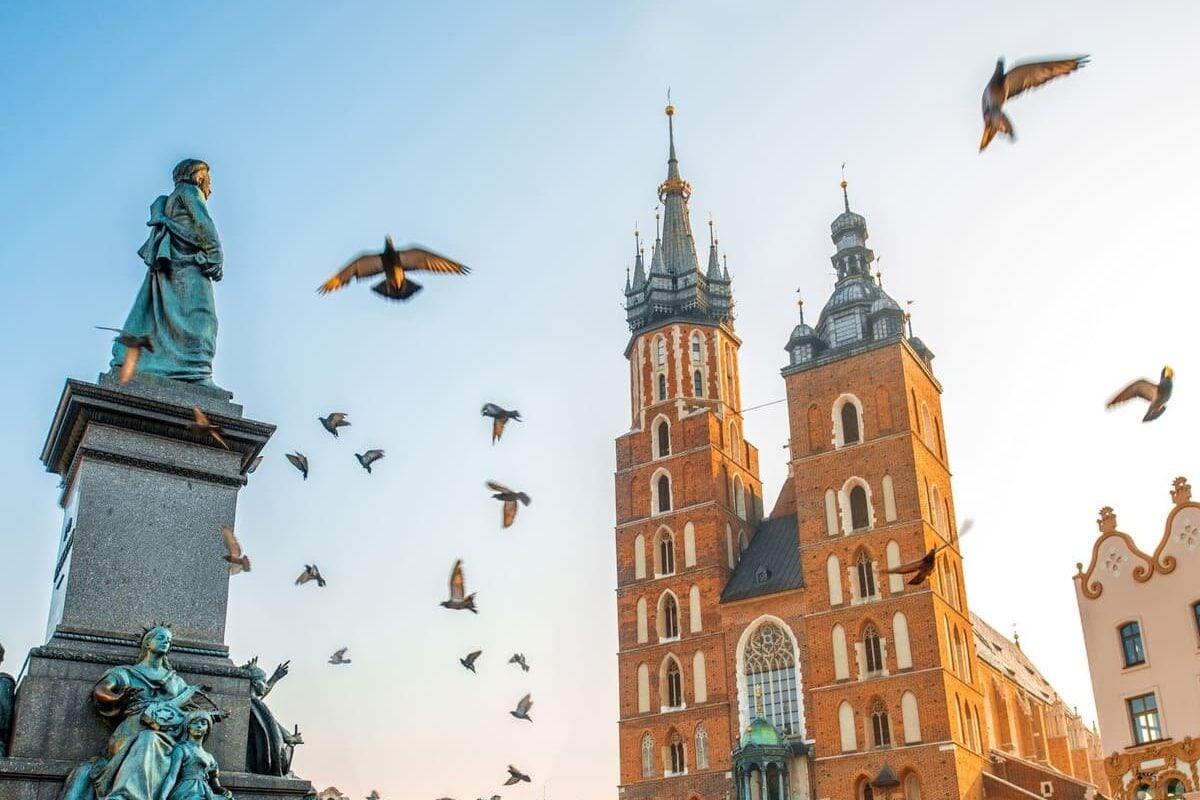
It’s not the country’s capital—that title belongs to the sprawling, rebuilt-and-reinvented metropolis of Warsaw—but it is undoubtedly Poland’s cultural heart.
Its Rynek Główny is one of Europe’s largest and best-preserved medieval town squares, whereas Wawel Castle, perched on a limestone hill overlooking the fast-flowing Vistula River, houses the incredibly ornate Wawel Cathedral, where Polish kings were once crowned and buried.
Kraków is also one of the main gateways for visitors traveling to the Auschwitz-Birkenau Memorial and Museum, so you can probably understand why it has become Poland’s most sought-after city break.
It’s also the only airport in Central Europe featured on Ryanair’s seven-airport list.

The disruption here is less consistently documented than at some of the Spanish hubs, but Kraków Airport (KRK) is far from immune to EES setbacks.
Traveler reports have ranged from roughly 40-minute waits at departure passport control to one recent account of a three-hour arrivals queue.
These are individual experiences, not official airport averages, but they illustrate just how dramatically waiting times can change according to staffing, kiosk availability, and the number of non-Schengen flights landing at once.
Paris, France
More specifically, Beauvais.
For those familiar with the Beauvais game, you know this is anything but a proper Paris airport.

It lies roughly 50 miles north of the French capital, and as we’ve covered previously, you’d be wise to leave central Paris several hours before your flight.
The official airport shuttle alone takes around 90 minutes in normal conditions and can easily get caught in traffic.
We guess it doesn’t help that, on top of being a compact, two-terminal regional airport handling millions of low-cost passengers every year, it now has the added faff of biometric border processing.
Beauvais hosts numerous non-Schengen routes, particularly to and from the United Kingdom, Ireland, Cyprus, Albania, and other destinations outside Europe’s passport-free travel zone, so the volume of passengers requiring EES checks can be considerable.

Think slow-moving passport-control lines, malfunctioning kiosks, and large groups of first-time EES users attempting to register simultaneously.
Ryanair specifically notes that Beauvais Airport (BVA) has experienced slow processing and excessive passport-control queues.
The airline hasn’t published a reliable airport-wide average, however, so take any dramatic multi-hour figure circulating online as a worst-case passenger account rather than a standard wait.
What Has Ryanair Said?
These delays primarily affect non-European short-stay visitors, who must register their passport details, fingerprints, and a facial image when first entering the EES database.
On later crossings, their identity and existing record are normally verified rather than the entire enrollment being completed from scratch.
Ryanair says slow processing has caused some passengers to miss their flights altogether, while others have reached the gate only after boarding had closed.
The carrier initially asked for the system to be suspended at the most exposed airports over summer, before calling for an emergency extension of the temporary flexibility that allowed border authorities to pause certain checks whenever terminals became dangerously congested.
The European Commission did not grant a blanket shutdown, and as of September 7, 2026, that exceptional flexibility has officially expired.
How To Avoid EES Delays

On paper, EES biometric processing can no longer be paused simply to get an ugly queue moving, though how strictly that will be applied from airport to airport remains to be seen while technical problems persist.
The good news is that on a straightforward Schengen vacation, you’ll normally encounter EES only twice: once when entering the Schengen Area and once when leaving it.
You won’t need to register again every time you cross from Spain into France or France into Italy, for example. If you fly from Newark to Madrid and then continue to Tenerife, your entry check happens in Madrid, and the domestic connection to Tenerife involves no further EES border.
Similarly, if you fly from Málaga to Madrid before continuing to the U.S., your exit is registered in Madrid. Leave Schengen midway through your trip and re-enter, however, and that’s another pair of EES crossings.

That also gives you a fairly straightforward way of avoiding biometric queues at the 7 airports above: enter Schengen through a larger connecting hub, then continue on an internal flight or train.
You could reach Tenerife, Mallorca, Alicante, or Málaga through Madrid, or travel to Kraków through Warsaw or Frankfurt, and even take the train into Milan after entering through Zürich.
As for Beauvais, just avoid it altogether and use Charles de Gaulle, Orly, or the Eurostar if coming in from London.
This doesn’t make EES disappear, as you’ll still complete it at your first entry and final exit points, but it shifts the process to a larger hub that may have more border staff and kiosks.
Enter your email address to subscribe to Travel Off Path’s latest travel news, straight to your inbox

Catherine Mehlich
Wednesday 9th of September 2026
This article is informative and the destination pictures are lovely.