
From the hustle and bustle of Rome’s ancient streets to Warsaw’s vibrant mix of modern architecture and Old World charm to small towns in Bosnia built atop cascading waterfalls with names I can’t even pronounce, I’ve seen my fair share of Europe over the years… and then some.
As you might have picked up on, not only the touristy spots, either.
40+ European countries in—yes, even Ukraine in times of war, but more on that soon—I have enough on-the-ground experience to distinguish between overhyped tourist traps and truly underrated gems that have gone unsung for far too long.
And no, Marseille ain’t one of those, ffs.
From your favorite Travel Off Path Euro correspondent, here are 5 gorgeous European cities you’ve probably never heard of that scream storybook charm, and that everyone should visit at least once:
Rouen, France
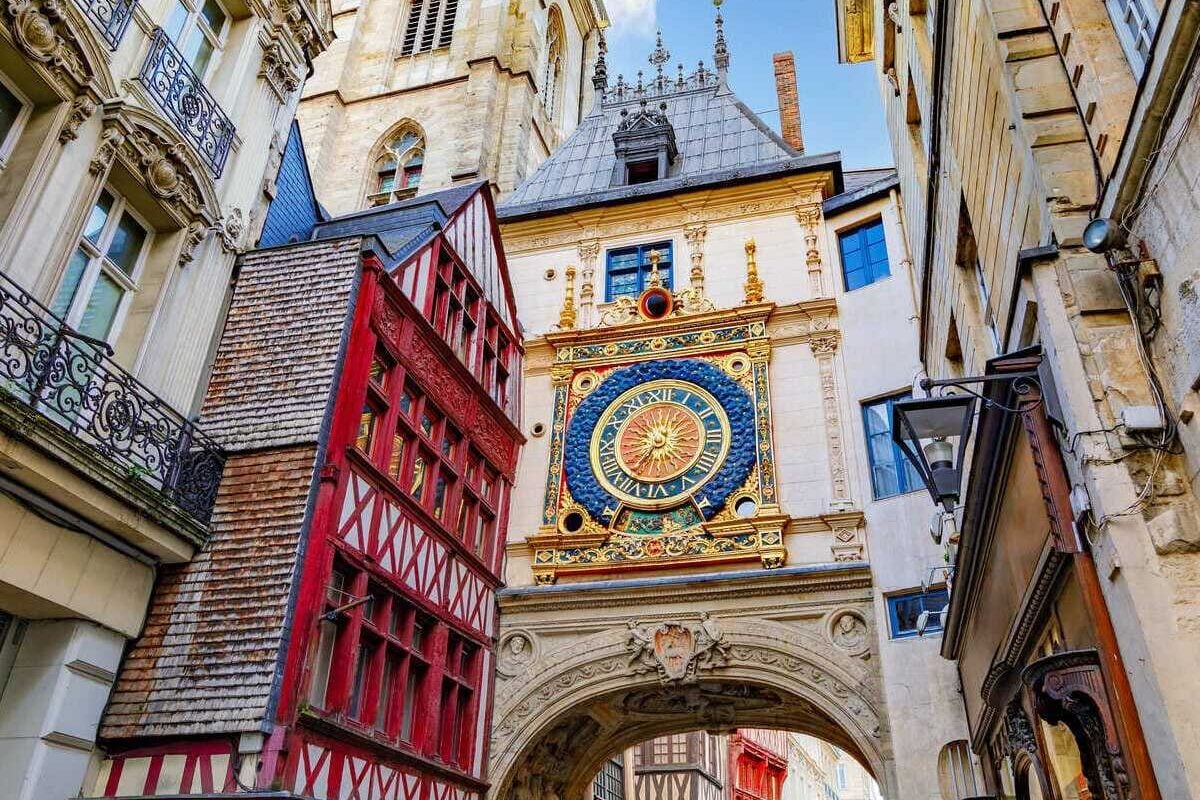
Let’s start with home. My go-to day trip in France every time I have friends visit: Rouen is where I take first-time guests when I want to dial the wow factor aaaaall the way up. I mean, look at it:
Though it’s a mere 1 hour and 15 minutes from Paris with TER NOMAD, it feels an entire world apart from my Haussmannian streets and grand Seine riverfront… though it, too, sits on the Seine.
But instead of Paris’ crowds and tourist traps, you get beautiful half-timbered buildings that come in every imaginable color, a golden-faced Astronomical Clock, cobbled lanes straight out of a Norman postcard, and a soaring cathedral that leaves Paris’ iconic Notre-Dame in the shade.
Rouen is the quintessential French medieval city, and to my absolute befuddlement to this day, it remains largely undiscovered by the Versailles day-trippers and Disneyland crew.
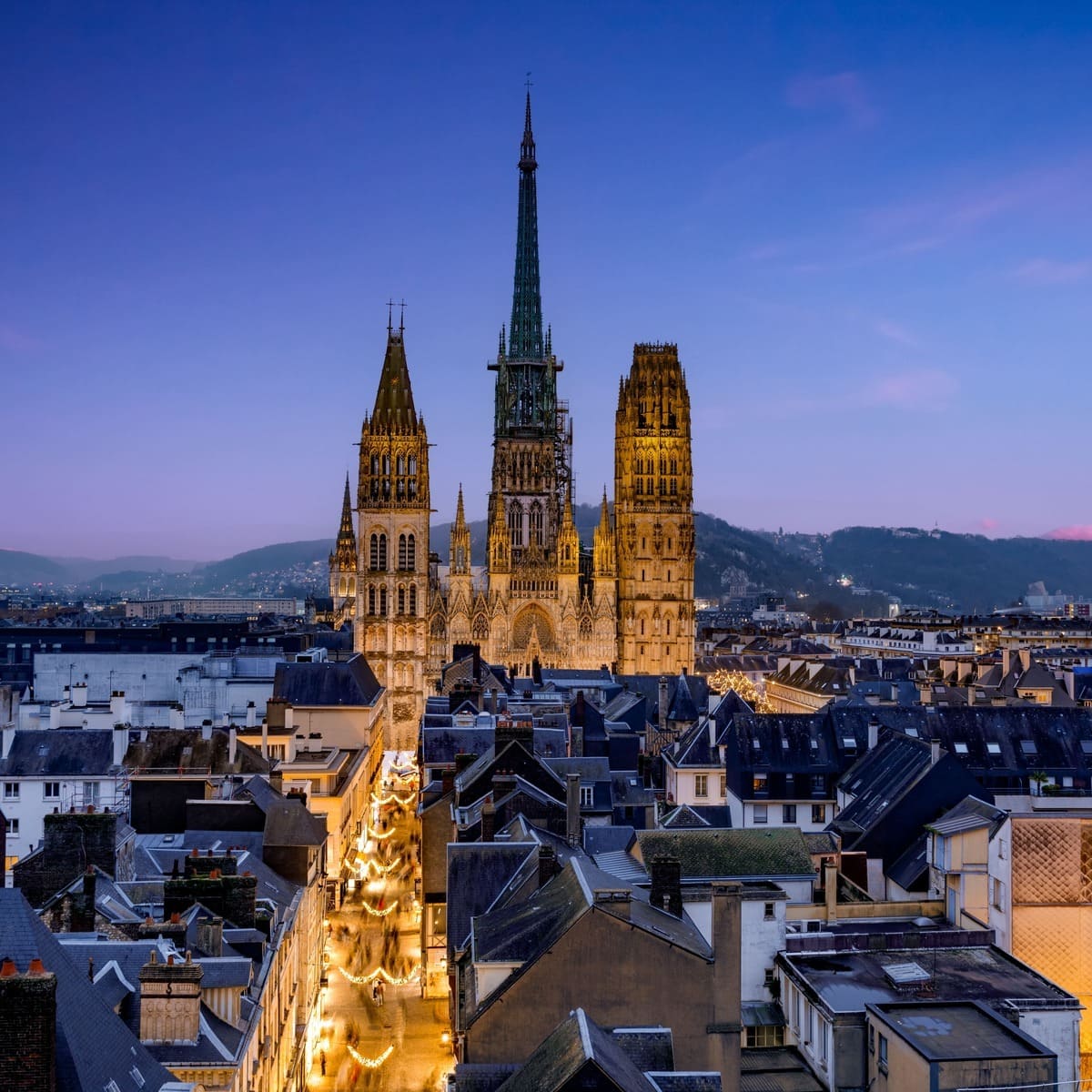
Other than being ridiculously pretty and having immense architectural value, Rouen is home to one of my all-time favorite crêperies, directly facing that stunner of a cathedral, Chez Suzette, where you can get your galette fix, Breton-style.
And to my fellow history buffs out there, you might recognize this town from the school textbooks as the place where Joan of Arc met her tragic end at the stake. You can still visit the exact spot where the pyre was set up at Place du Vieux-Marché.
Lviv, Ukraine
In the wake of Covid, a then-open Lviv was on track to become one of Europe’s hottest city breaks while most of the continent had shut its doors to Americans. Then war struck.
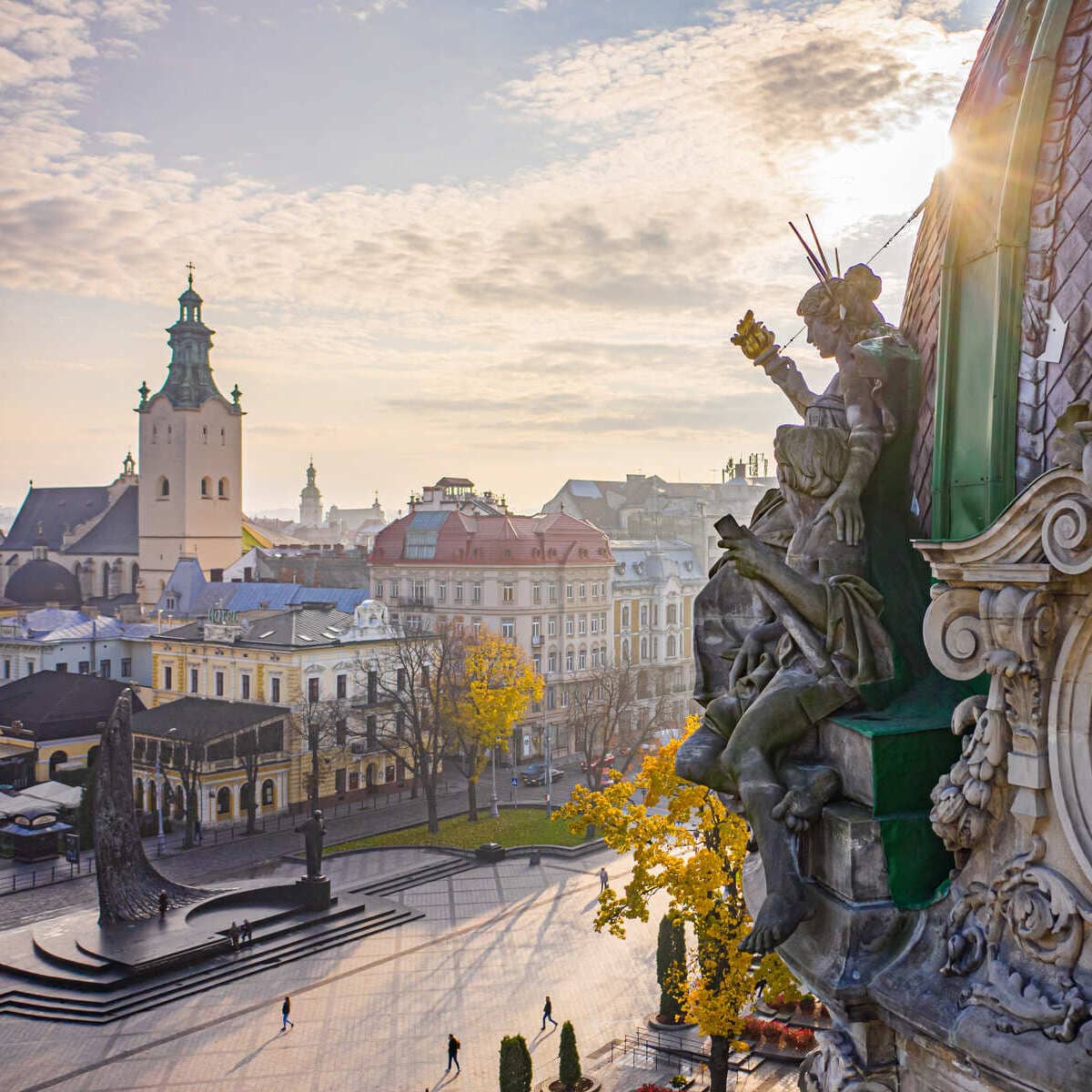
I remember covering Ukraine extensively as a restriction-light destination then, and of all the places I wrote about, Lviv stuck in my mind.
I can’t remember what exactly I was thinking as I boarded a cross-border bus in Warsaw, travelling east into a full-fledged war zone in the deadly winter of ’24, but there I was, finally setting foot in a city I’d only ever seen on a screen.
I’ve written about Lviv extensively here, but if you’re expecting a recount of shelling and trench warfare, wrong story. Ukraine’s stately western city is one of the prettiest, most atmospheric cities I’ve visited in Europe.
Not only Eastern Europe, just Europe, full stop.
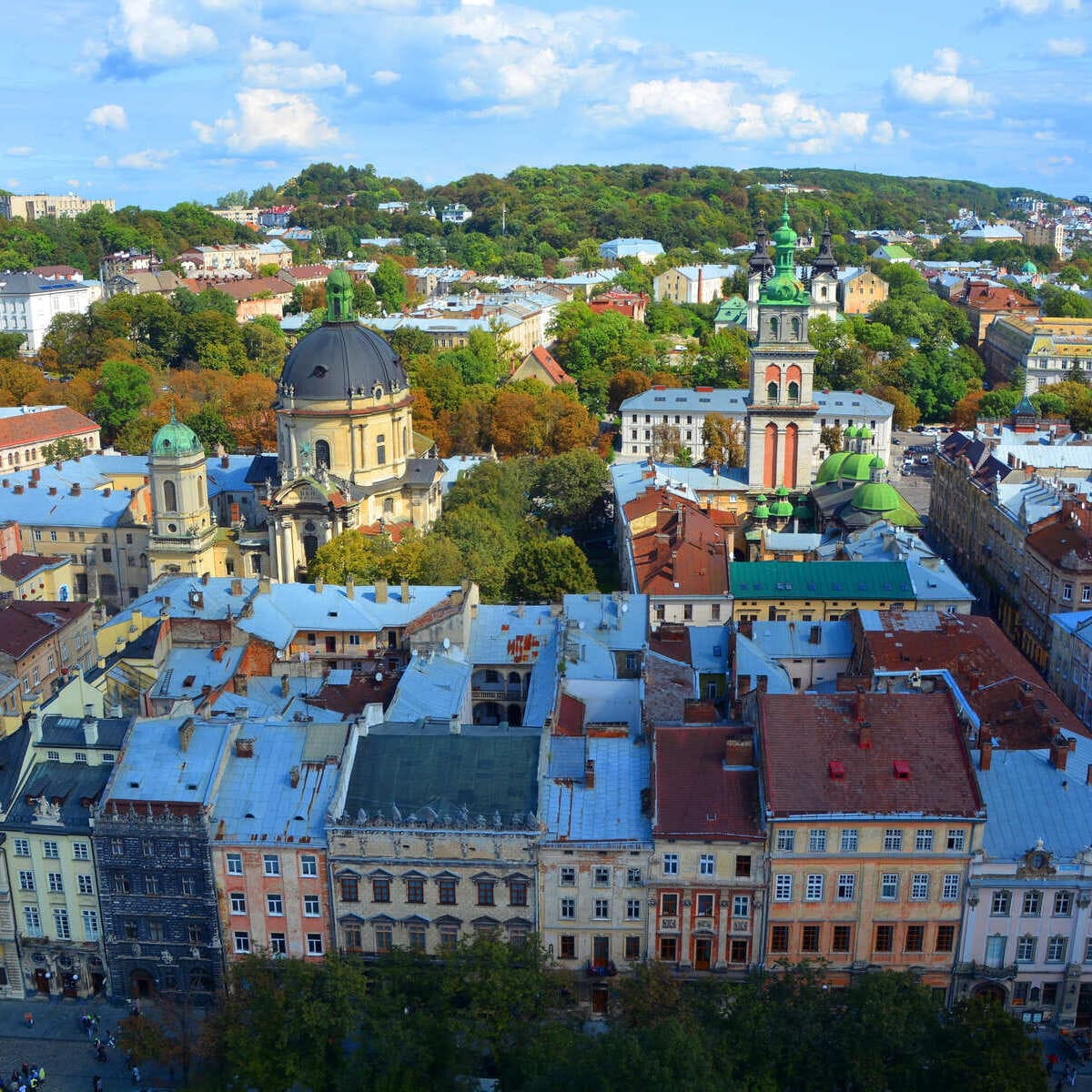
It has 100-plus churches—some flamboyantly Baroque, others broodingly Gothic—stone-paved streets shared by pedestrians and postcard-ready green trams, and characterful eateries where a plate of potato varenyky and a jug of compote cost under $10.
Just take Kryivka, a dungeon-like, Ukrainian-insurgency-themed restaurant hidden beneath Rynok Square in a cellar styled as a wartime bunker.
Lviv is gorgeous, dirt-cheap and, as far as petty theft and violent street crime go, felt oddly safe… Still, as I stressed in my full-length article, this is not encouragement to pack your bags and hightail it into Ukraine.
Lviv lies much farther from the front lines than Odesa or Kharkiv, but drones still fly overhead and air-raid sirens go off when you least expect them. Keep this one in your to-do list for when the war ends.
Palermo, Italy

The capital of Sicily, Palermo is not the pastel-hued, picture-perfect aesthetic dream travel influencers sell on Instagram—if you’re expecting Amalfi polish, you better stick to Positano—but it’s raw, gritty, chaotic, and dangerously exciting.
Yes, pickpocketing and petty theft can be an issue, and they could do with some better waste management, but nowhere else in Italy can you eat piping-hot arancine and oily sfincione straight from a market stall, then marvel at crumbling buildings that look as if the Arab and Norman worlds had a lovechild.
While you’re busy looking up, though, make sure you don’t get mown down at a zebra crossing by a horn-blaring, hot-tempered Sicilian on a scooter.
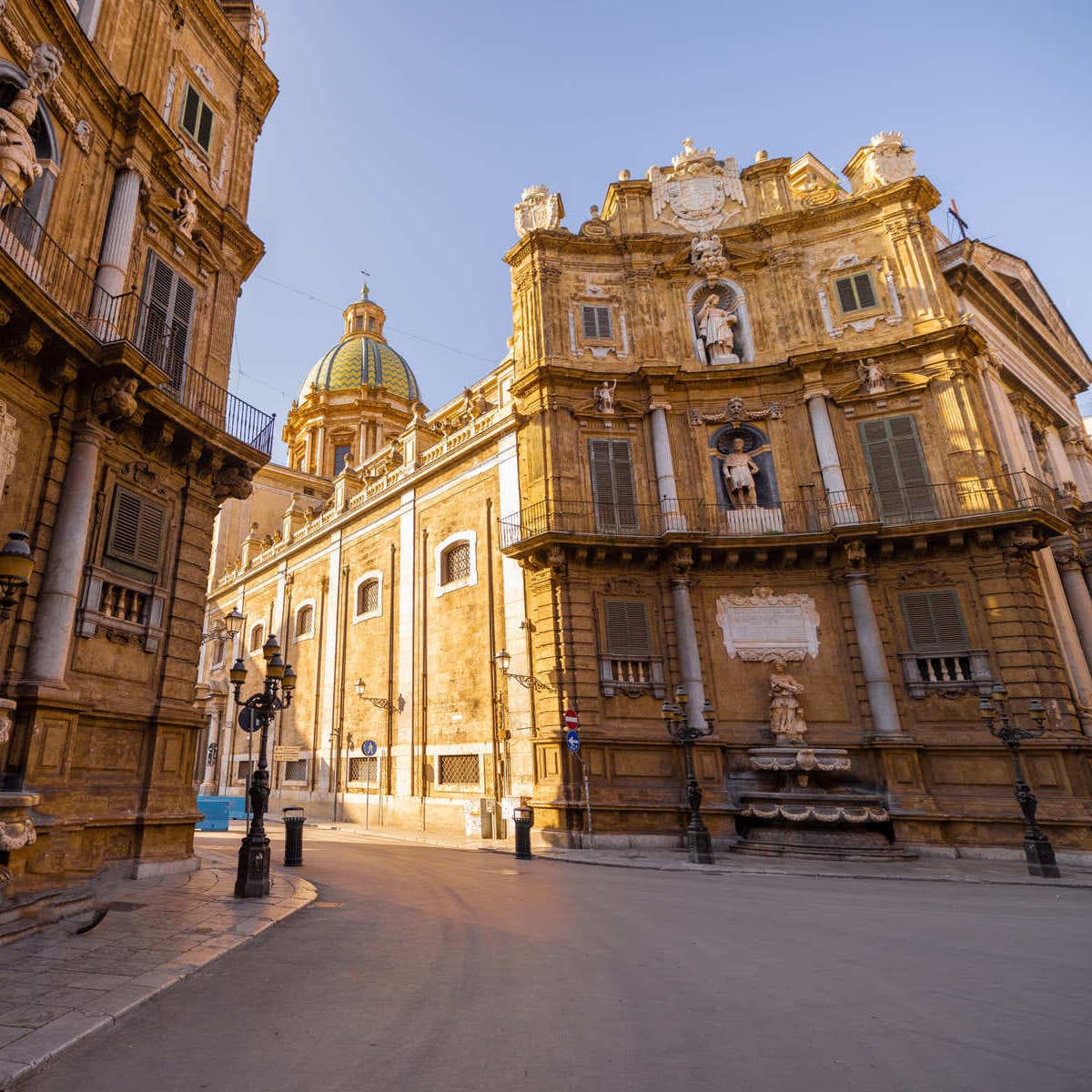
Sicily passed through the hands of countless civilizations: Phoenicians, Greeks, Romans, Byzantines, Arabs, Normans, French, and Spanish, and Palermo Cathedral is living proof of that.
Castle-like Norman towers, a typically-Catalan Gothic portico, and three rounded apses carved from warm, honey-coloured stone, with Moorish blind arches and geometric detailing. And if you find that impressive, wait until you step inside the Norman Palace and lay eyes on the Palatine Chapel.
It makes Michelangelo’s Sistine efforts look like child’s play.
Check The Entry Rules At Your Destination Before Flying
Going to Europe in the near future? Make sure you’re up to date with the European Union’s new border regulations.
Americans visiting for a short stay are now required to register their fingerprints and facial image when crossing an external border into the Schengen Area, a passport-free travel zone comprising 29 countries, and some Italian airports will be enforcing this new clause as of this fall.
Head over to the Entry Requirement Checker, type in your destination, and check what entry rules apply as a U.S. passport holder.
Tallinn, Estonia
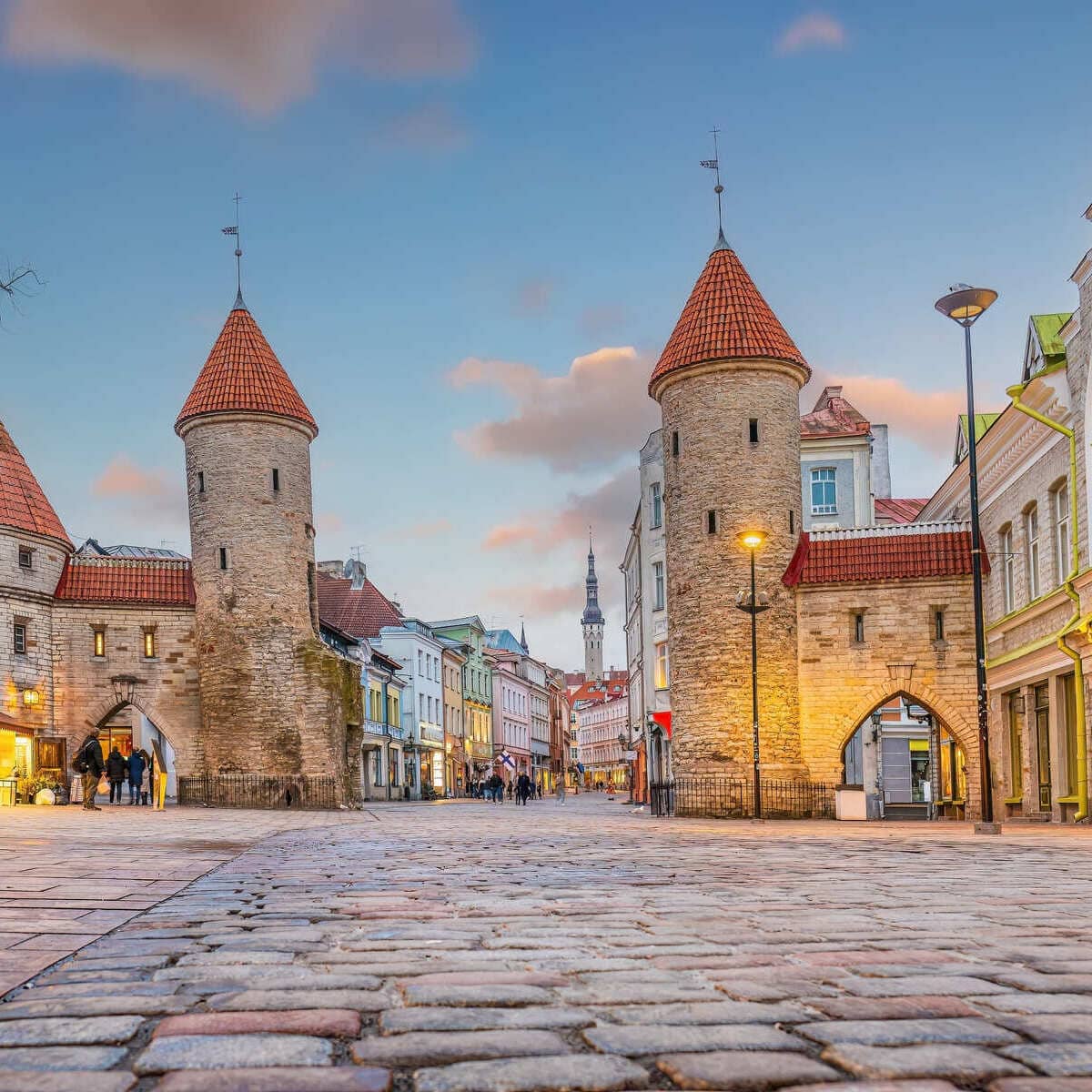
Tucked away in the far north-eastern corner of the Old Continent, literally touching Russia, Estonia is a pocket-sized gem of a country very few Americans contemplate visiting, much to their own detriment, as its capital, Tallinn, is up there with Edinburgh, Prague, and Bruges as one of Europe’s prettiest cities.
Note From The Editor
Just one sec! If you enjoy reading great human-written articles, the best way to see a few more is to follow us on Google so we become one of your preferred websites. Thank you so much for reading. Now back to the story!
You can imagine I’m not easily impressed by yet another row of medieval walls and watchtowers at this stage in life, but Tallinn’s remarkably well-preserved fortifications, spire-dotted maze of cobbled lanes, and windswept Baltic setting woke up something that’d been dormant in me for years:
That innocent, starry-eyed wonder of seeing Europe for the first time.
The UNESCO-listed Old Town is downright gorgeous. I’m talking a Gothic Town Hall completed in 1404, St Olaf’s Church, with a sky-piercing spire and viewing platform you can climb to, and the imposing Alexander Nevsky Cathedral, crowned by typically Russian, flame-shaped domes.
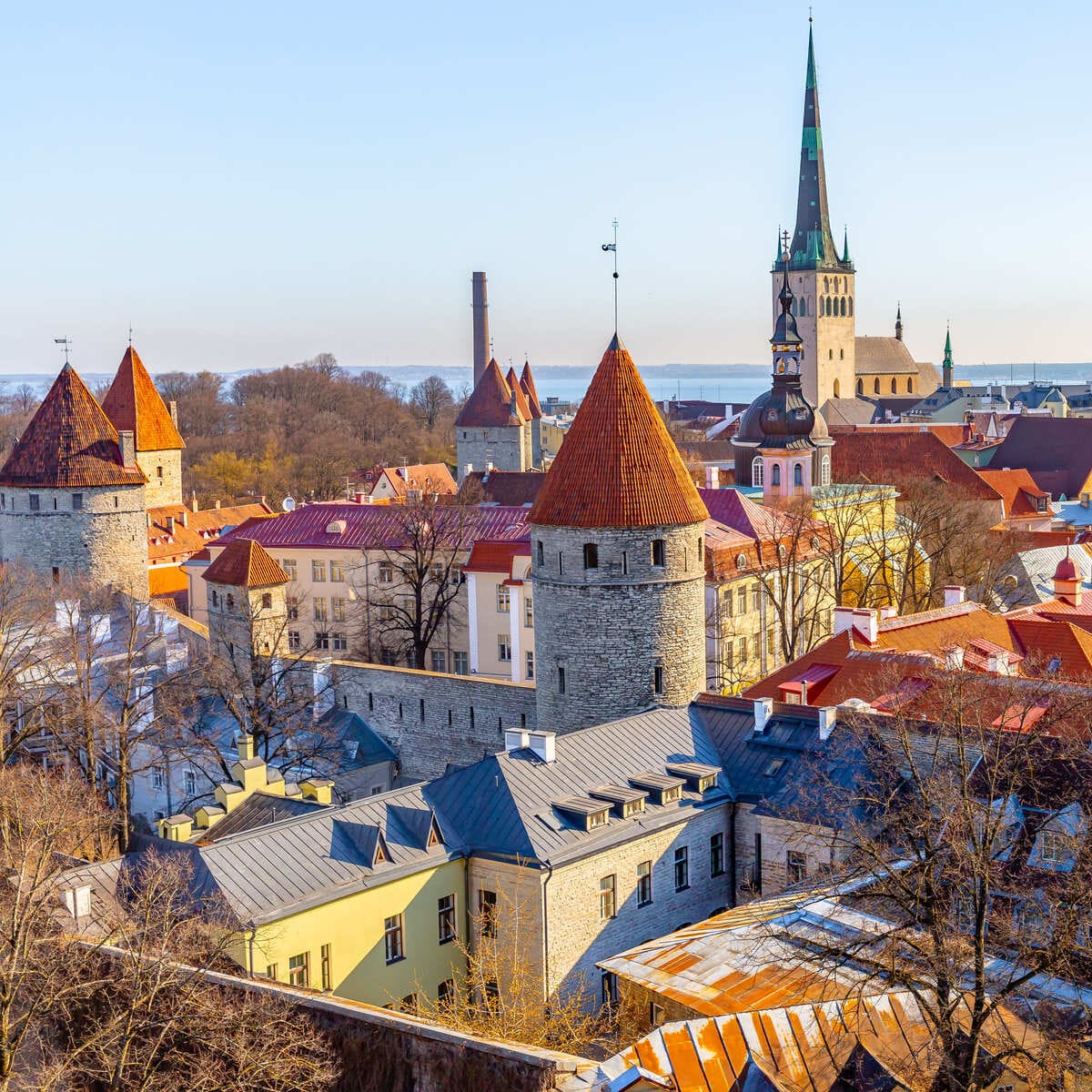
Should you fancy pushing it, Narva is 130 miles away, right on the Russian border, where an entire Russian castle stares back at you from across the river. But anyway, I digress.
If you’re concerned about safety in EU-backed, NATO-protected Estonia, don’t be: this is one of Europe’s safest, most peaceful destinations, and our on-the-ground travelers back that up.
Estonia scores a respectable 84 out of 100 on Travel Off Path’s Traveler Safety Index, proving travelers feel overwhelmingly safe while visiting.
Granada, Spain
Another valuable lesson I’ve learned from endless country-hopping around Europe?
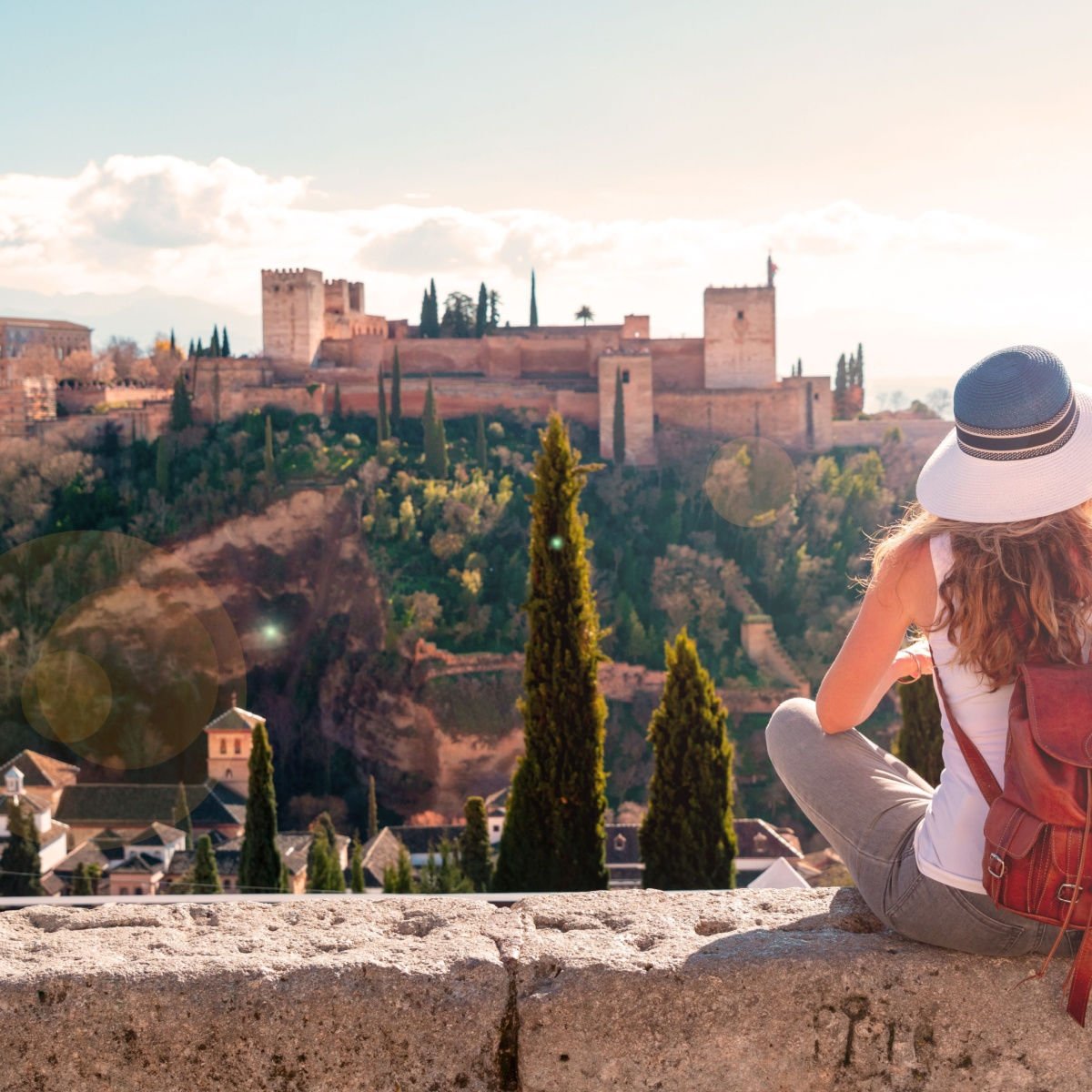
Sometimes, just sometimes, the crowds know best. Nowhere proves it better than Granada, Spain’s cultural powerhouse of a fortified city.
If you’re unfamiliar with Spanish history, maybe you don’t know that, for nearly 800 years, large swathes of the country were ruled by the Moors, Muslim peoples originating in North Africa.
They built palaces, mosques, and emirates across modern-day Spain before Christian kings chased them out.
Granada was the last emirate to fall in 1492, and its legacy is still everywhere:

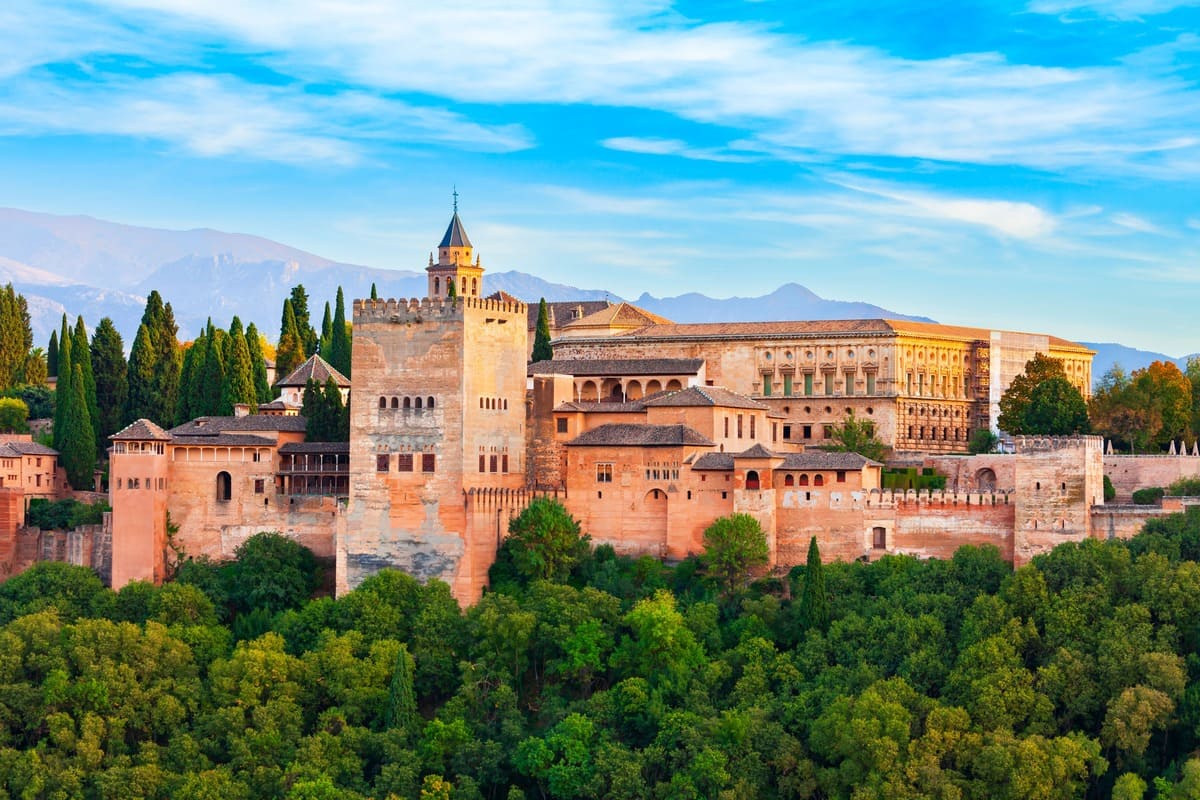
The red-walled Alhambra, a sprawling palace-citadel dominating the skyline, is one of the world’s grandest surviving Islamic monuments. Albaicín, a hilly tangle of narrow lanes and whitewashed houses, could pass for a Moroccan medina.
In the heart of the quarter, El Bañuelo is one of the Iberian Peninsula’s best-preserved medieval Arab bathhouses. Climb towards the old Zirid citadel, and you’ll find Dar al-Horra, a 15th-century Moorish residence once home to Aixa, mother of Granada’s last sultan.
We’re still firmly in Europe, mind, but Granada could just as easily sit on the fringes of the Sahara, and that’s where the magic here lies.
Enter your email address to subscribe to Travel Off Path’s latest travel news, straight to your inbox
