
Bosnia and Herzegovina is a pretty offbeat destination as it is, but if you’re part of the 0.1% of Europe-bound American tourists who end up coming here, chances are it’s the national capital Sarajevo, or the bridge-famous Mostar where you’ll be headed.
We’ve covered those Bosnian hotspots numerous times before, and though tourism has definitely increased, they’re still relatively under-the-radar and far less crowded than neighboring Croatia and Albania.
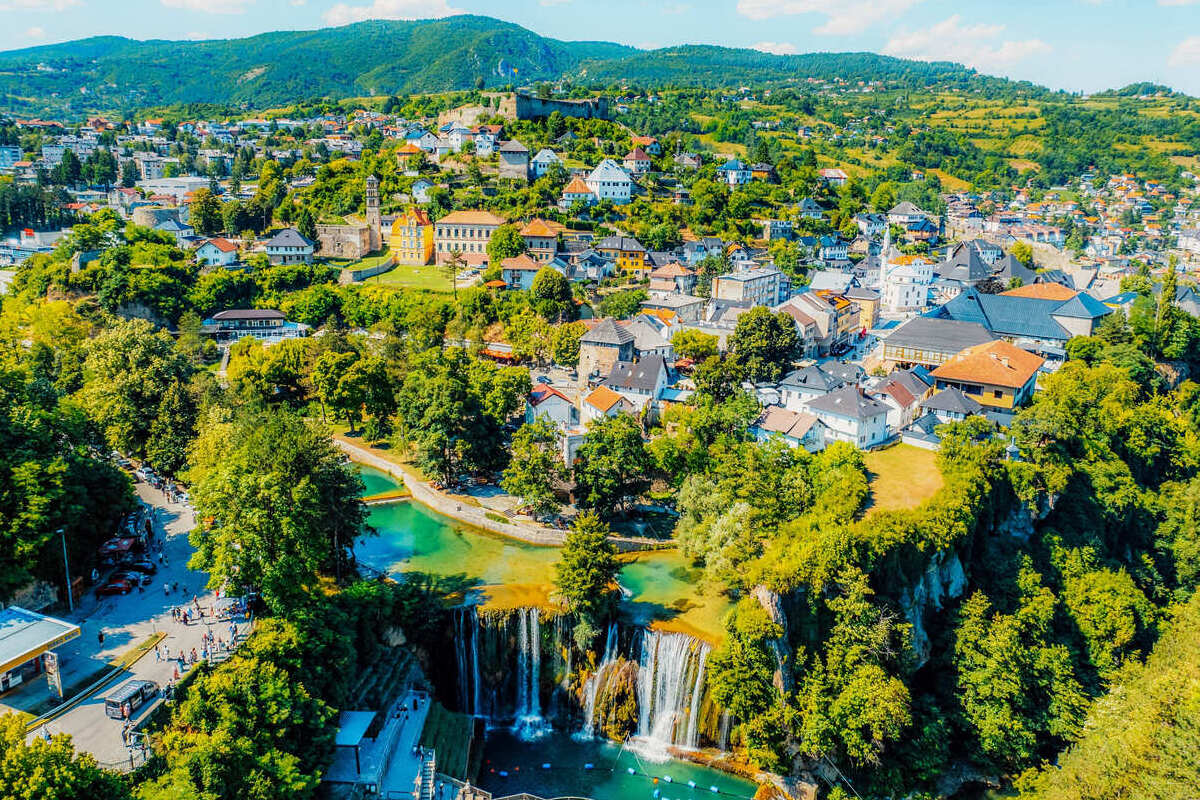
This time, however, I thought it’d be fun to shine a light on one of Bosnia’s true hidden secrets, a medieval town Bosnian locals themselves keep under wraps, and where very few tourists, even the ones who do make it to Bosnia, ever make it to.
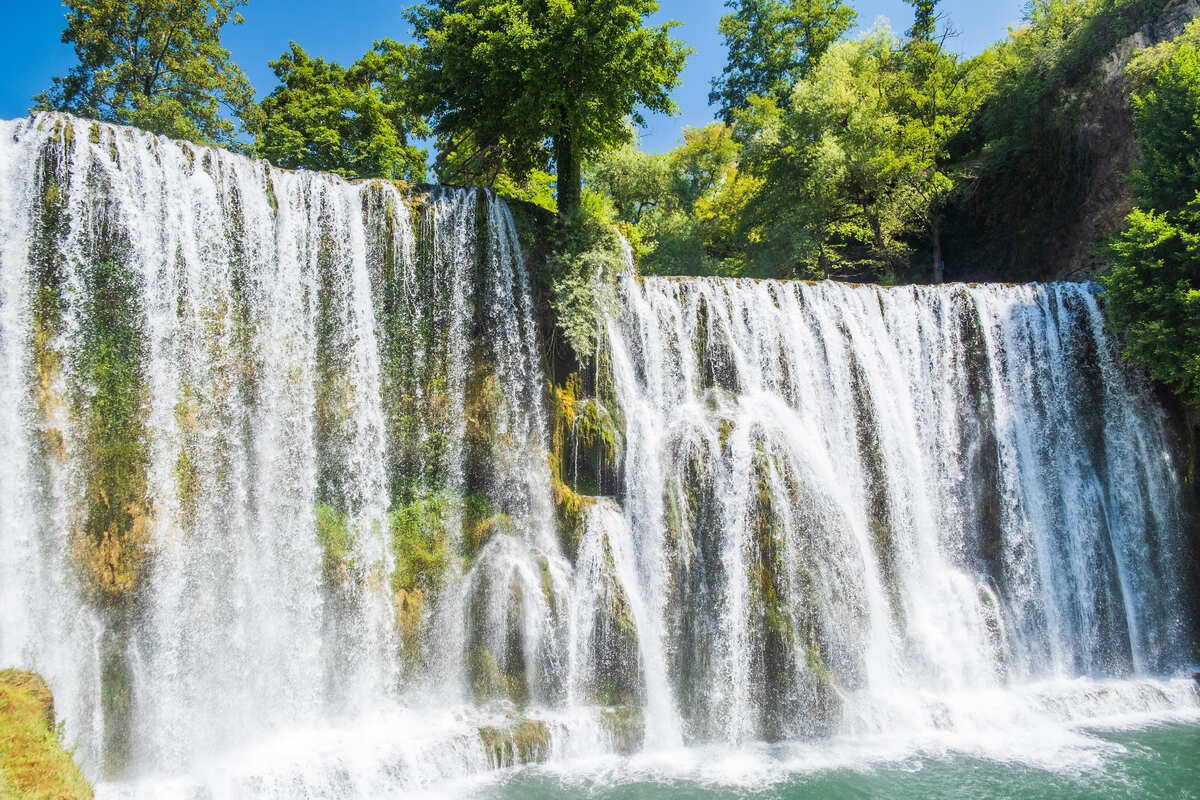
Ladies and gents, let me introduce you to Jajce, Europe’s waterfall capital, and a medieval town built on top of a series of cascading waterfalls.
This Town Is Literally Built Atop A Cascading Waterfall
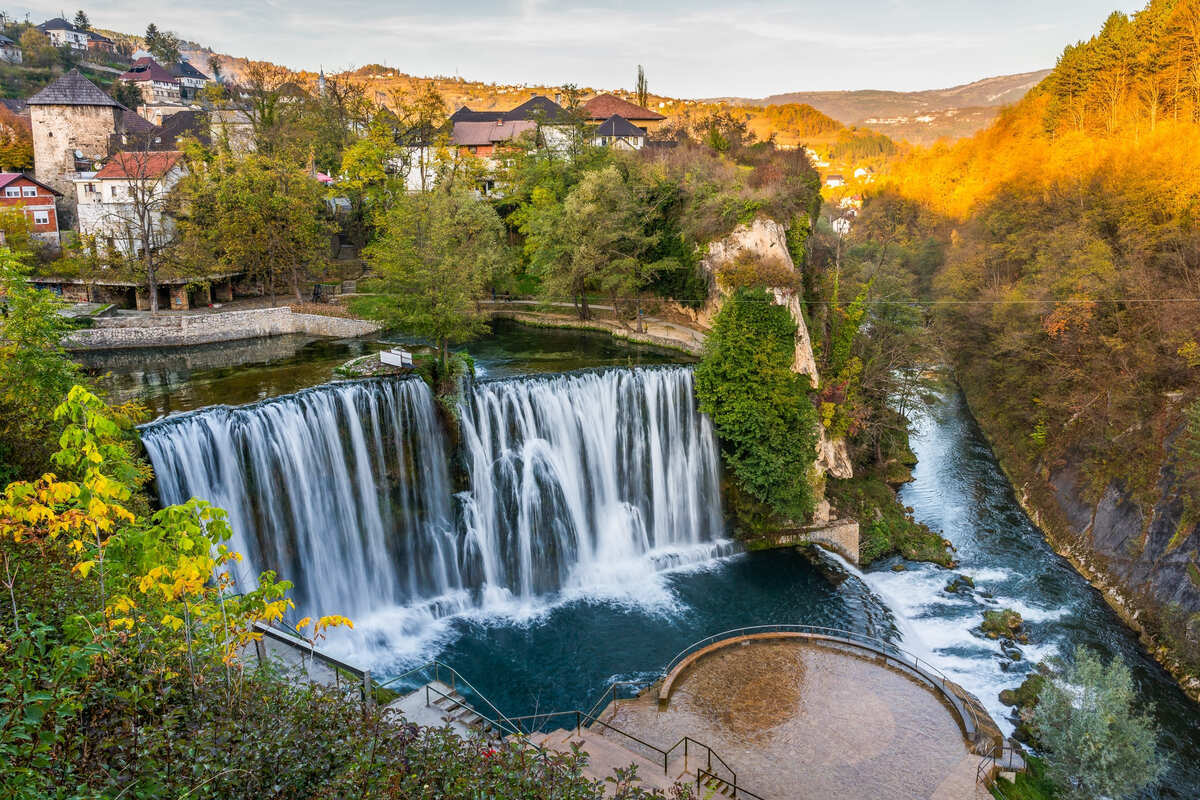
Before Sarajevo took up that mantle, Jajce was the capital of the medieval Kingdom of Bosnia, and though the royal courts and riches of King Tvrtko II are long buried in the past, the town hasn’t lost an ounce of its luster.
Built across a series of waterfalls that cascade right down to the Pliva River, the tallest of which makes a 22-meter drop, it makes for one of Europe’s most unusual postcards.
It’s one of the few cities in the world with a major natural waterfall essentially at the heart of its center, not a remote waterfall park only accessible via a shuttle bus ride or a strenuous hike. You can quite literally sit down for lunch downtown while feeling the mist of the cascades on your face.
The coolest thing about visiting Bosnia right now, though? Unlike Italy, France, Spain, and every other European tourism hotspot you can think of, it does not require Americans to get fingerprinted upon arrival.
Once Europe’s ETIAS travel permit launches in 2027, changing the way Americans travel to Europe forever, Bosnia will also be exempted from the stricter rules, as it is not yet a member of the European Union, or its associated Schengen Zone.
The one caveat is there are no nonstop flights from the U.S. to Bosnia, so unless United is planning on adding Sarajevo to their flight map as it does Zadar next year, you’ll be required to transit via a third European country, potentially one where fingerprinting is required.
Unsure what travel rules apply at your European destination, or any layover countries along the way? Use the Entry Requirement Checker to stay up to date with the latest regulations.
A Picture-Perfect Medieval Center
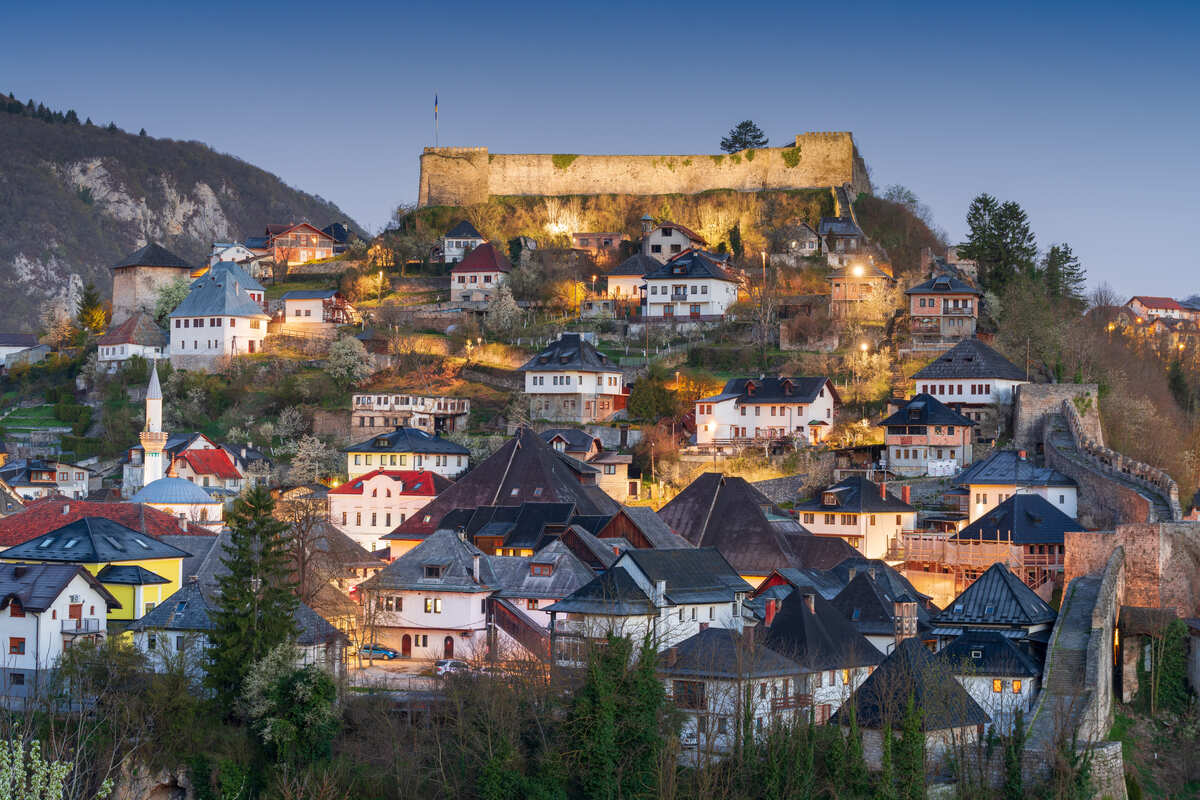
The coolest part about Jajce isn’t even the waterfall: it’s a melting pot of centuries of Christian, Ottoman, and Austro-Hungarian influences, all stacked together like a cultural layer cake.
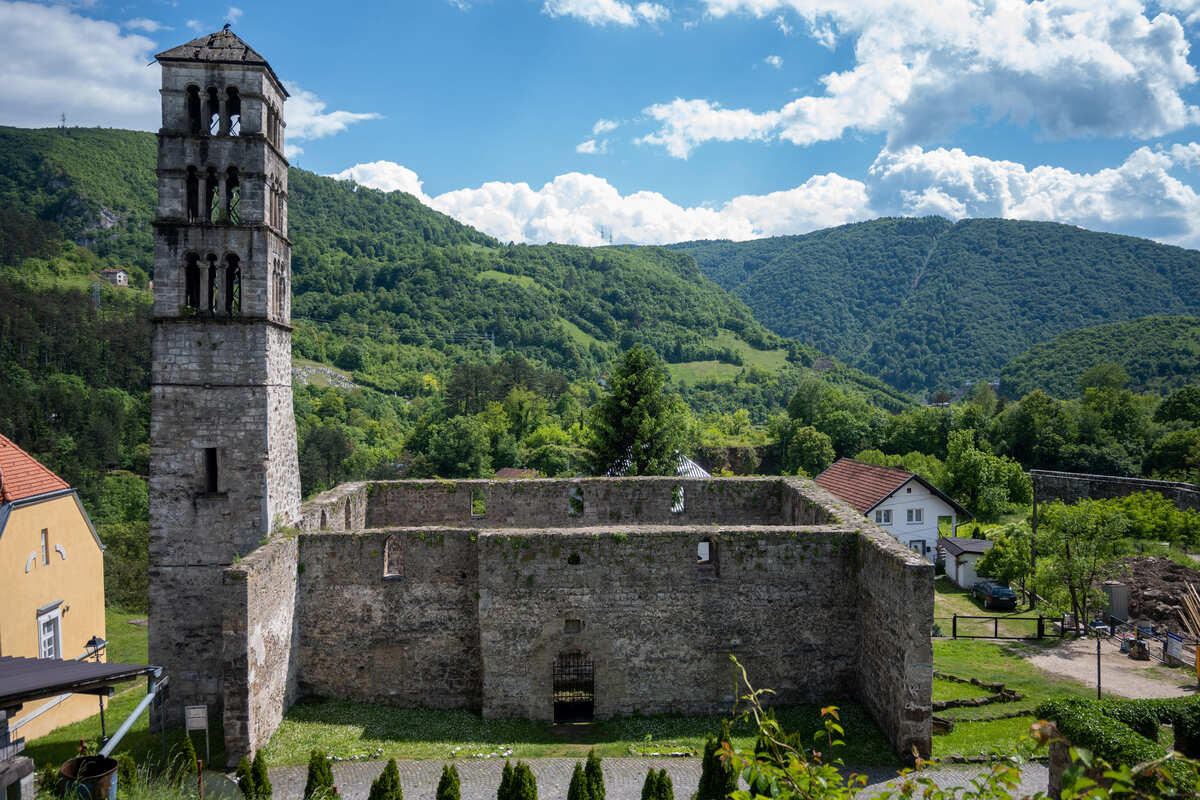
You get mosques, churches, medieval fortifications, and Turkish-style houses all in one incredibly compact area.
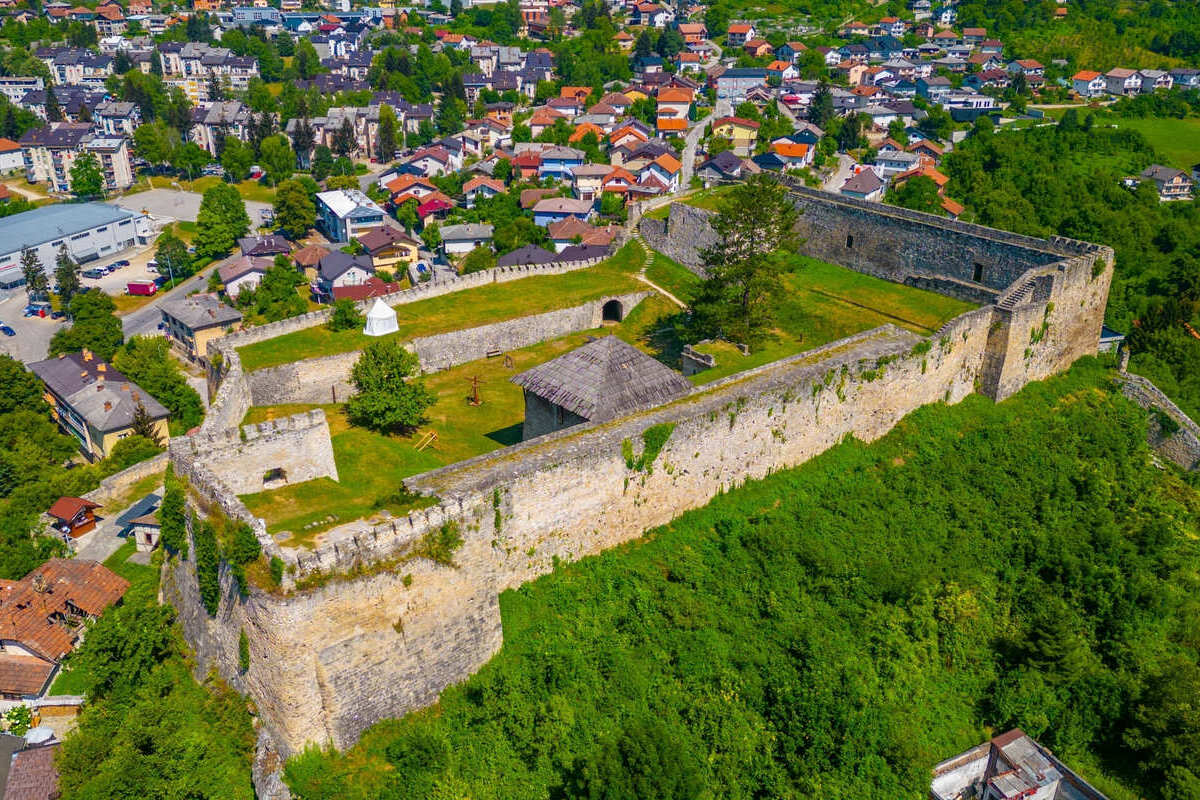
Jajce Fortress, perched above town, marks the remains of the medieval royal fortress commissioned by none other than Bosnian King Tvrtko II, and it offers the best panoramic view of Jajce and its red-roofed townscape.
Also, is it just me, or are House of the Dragon producers sleeping on Jajce as a filming location?
Forget Dubrovnik: this Old Town has steep cobbled streets winding between a medieval fortress and waterfalls, with quirky boutique shops and family-run restaurants occupying historic Ottoman houses that have barely seen the passing of time.
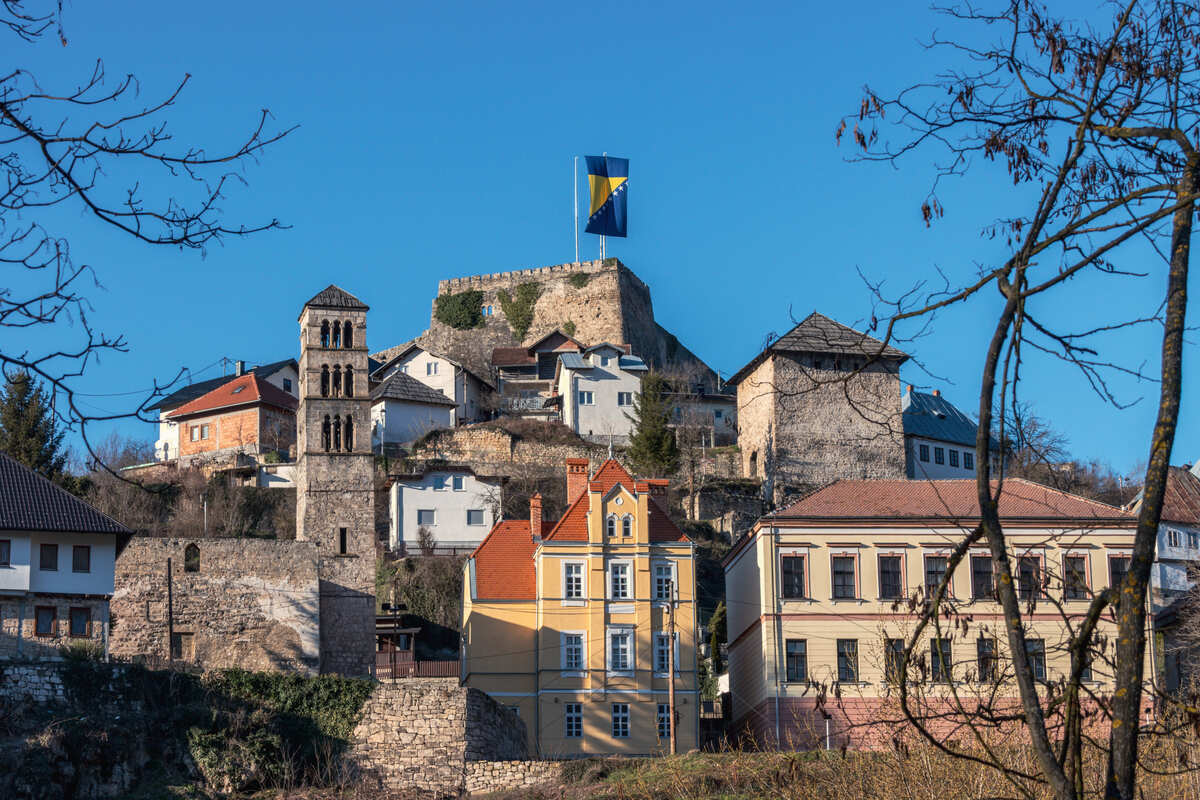
At the heart of the town, the Church of St. Mary was once the coronation church of Bosnian kings, and in case you’re wondering how far back history stretches here, how about the Roman Empire?
Jajce may have never been a major Roman outpost, but it was already settled as early as the 4th century, and the Temple of Mithras, a small underground sanctuary dedicated to the ancient mystery cult of Mithras, is a clear reminder that old civilizations never really die.
Visit A Turquoise Lake Just Outside Jajce
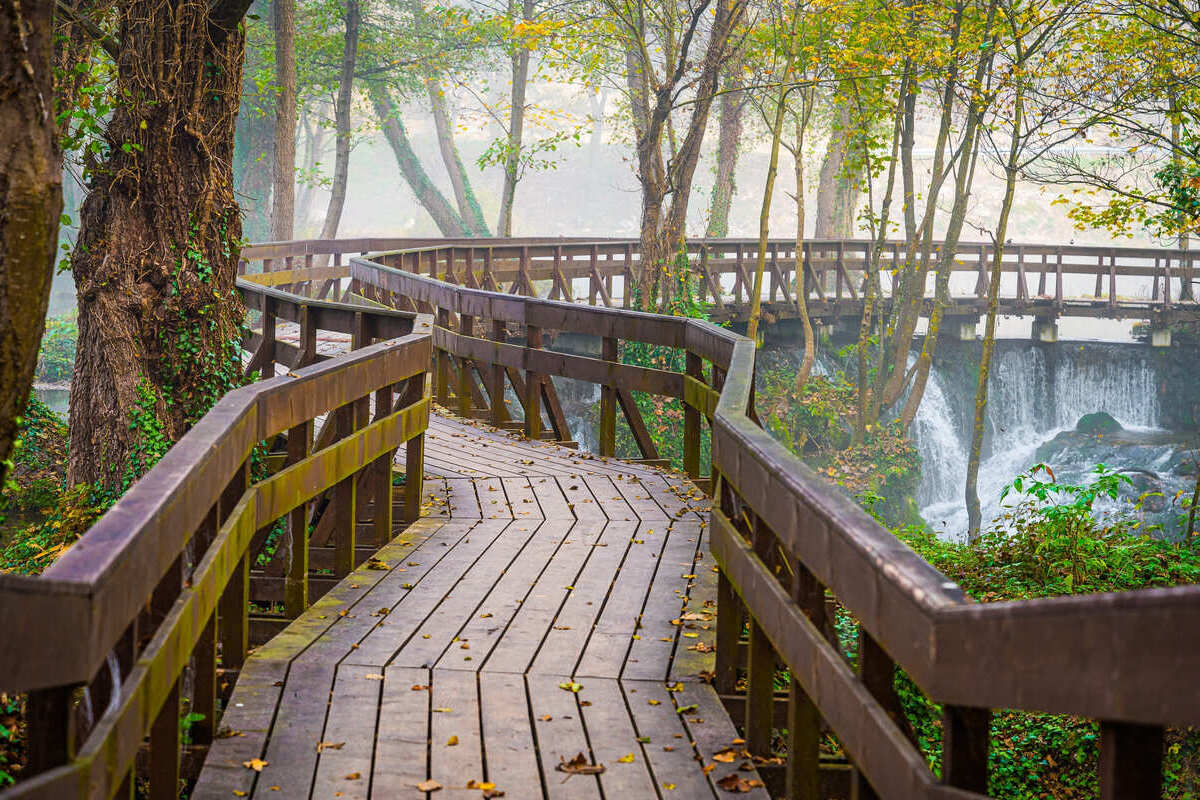
A little outside the town, but a detour definitely worth making, Pliva Lakes are the perfect contrast to Jajce’s medieval ensemble: think blue-green waters, wooded hills, tiny traditional wooden watermills, and plenty of places to stop for lunch.
You really want a car or taxi for this part, though, as buses in this region are anything but reliable.
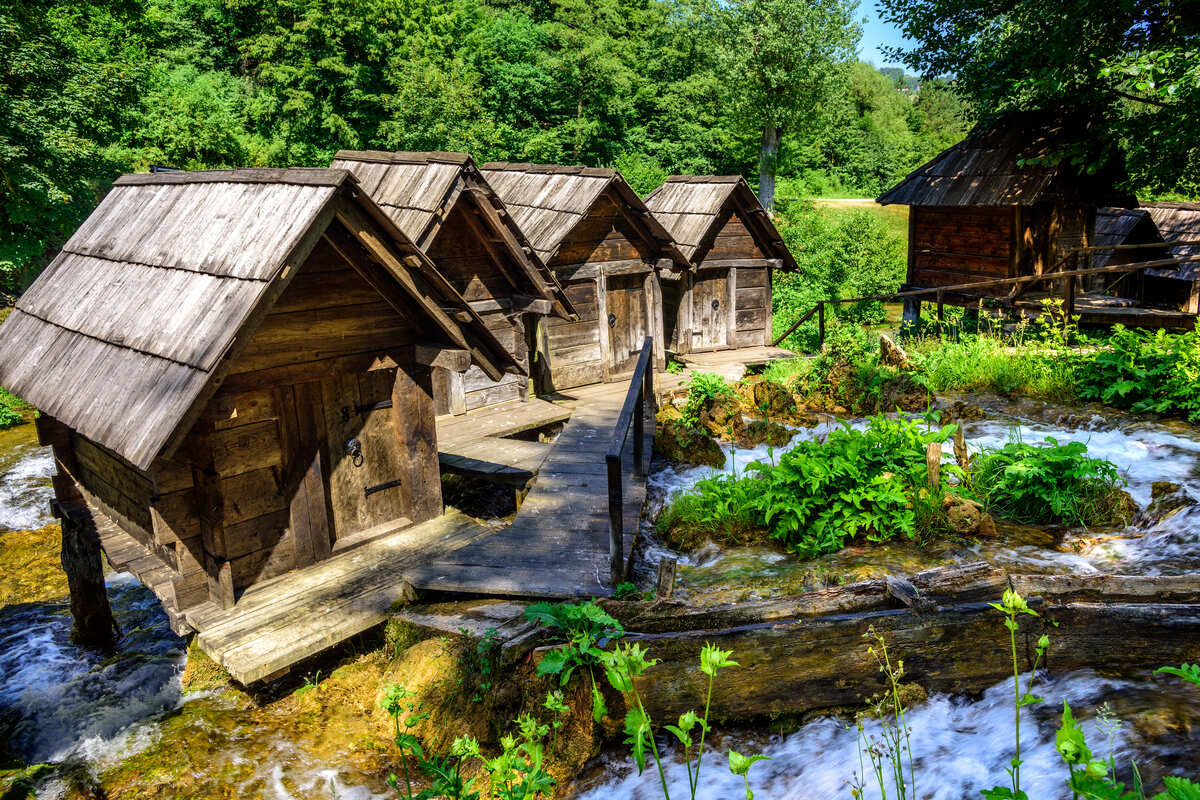
Pliva is a perfect spot for lunch, so if you ever get the munchies after swimming in the refreshingly cool waters, Konoba Slapovi is a rustic eatery right by the river. It has that laid-back, no-frills atmosphere, and they serve up a killer trout and local beer.
By no means have I exhausted the list of great restaurants in Jajce, but whenever I’m in the Balkans, I sort of know what to go for.
The more rustic, no-frills, local it looks, and the more Serbo-Croat-Bosnian you hear, the higher are the chances it’ll be authentic.
In the Old Town itself, my lucky find this time was Restoran Omerbegova kuća: hearty portions of grilled meat, fresh trout straight from the Pliva, and homemade rakija that was probably made in someone’s Uncle Ivan’s backyard.
Expect to pay roughly 10–40 KM for the meal, or roughly $15–23 for a three-course dinner in a rustic, locally frequented restaurant.
How Safe Is Bosnia And Herzegovina For American Tourists?
Wondering how safe Bosnia is in 2026?
If the first thing that pops to mind when you hear that name is the Bosnian War, just know we couldn’t be further from the horrors of the 90s.
Though you can never quite escape the past or the ethnic divisions in Bosnia, the political situation in the country nowadays is largely stabilized, and from a war-torn, poverty-stricken wasteland, it’s now an emerging tourist destination on its way to becoming a full-fledged member of the EU.
Not for another good few years, still, but the application has been put in.
In places like Jajce, your main concern is petty theft and opportunistic crime. If I’m being completely honest, even pickpocketing is relatively rare and low-level, especially compared to larger urban centers like Sarajevo or Mostar.
On the Traveler Safety Index, Bosnia and Herzegovina scores 83 out of 100 based on safety reports by recent visitors:
How Cheap Is Bosnia And Herzegovina?
Well, don’t be so impatient. Before you ask, da, Jajce is still ridiculously cheap by Western European standards.
If you’ve ever been to Mostar and practically fell over at how cheap it is, keep in mind that’s Bosnia’s most popular, heavily-touristed town. In Jajce, where it’s still mostly locals and grandmothers (nane) out for their Sunday shopping, it can feel dirt cheap.
Average Prices In Jajce, Bosnia and Herzegovina
- Takeaway burek/pita: $1–3
- Ćevapi in a local restaurant: $5–7
- Mixed grill in a mid-range eatery: $18–20
- Beer: $1.50–2.50
- Hostel dorm bed: $8–15/night
- 3-star hotel: $45–90/night
- Taxi (Jajce centre → Pliva Lakes): $6 on average, one-way
- Public transport ticket: typically under $1
Read more about Bosnia, and why it’s been surging in popularity with tourists this year, at this link.
Enter your email address to subscribe to Travel Off Path’s latest travel news, straight to your inbox
