
It seems Dubrovnik’s Golden Age of Tourism has run its course.
Well, Game of Thrones—and now House of the Dragon—enthusiasts will still flock to the real-life ‘King’s Landing’ to retrace Cersei’s steps down the Walk of Shame and walk the ‘Red Keep’ ramparts, but we have a feeling the novelty has started to wear off.
This summer, Dubrovnik Airport recorded a moderate 3.3% year-on-year growth, as reported by the Dubrovnik Times, while a much-smaller, often-overlooked airport in Northern Dalmatia posted a 8.1 percent rise.
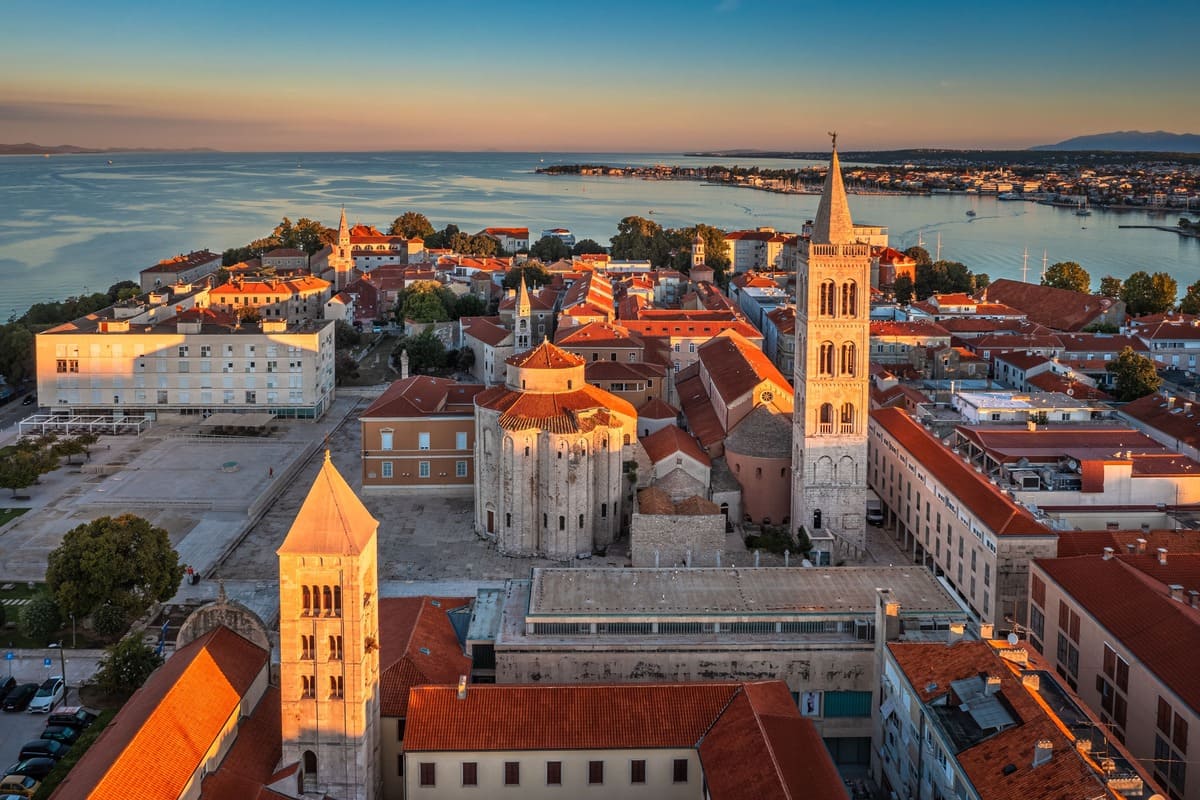
Dubrovnik still wins in overall passenger numbers, but this alternative hub that still largely hosts European routes (at least for now) has got its eyes on the prize:
Zadar: Croatia’s Next Big Thing Waiting To Happen
Zadar Airport, which serves the historic coastal city of Zadar, has recorded 595,000 passengers up to June of this year. Summer is far from over, with the high season here extending well into early October, so it could well breach the 700,000 mark by the time the year is up.
European budget carrier Ryanair is largely to thank for the rapid expansion, serving a sizable share of Zadar’s 70-plus European routes, and if the numbers aren’t convincing enough, what if we tell you United Airlines is already holding meetings with Zadar Airport officials over a potential New York flight?
If those plans come to fruition, Zadar could well become the third Croatian destination added to the United States’ fast-growing Adriatic route map in 2027, after Dubrovnik and Split.
By the way, if you’re flying to Europe this fall, make sure you check the Entry Requirements Checker to stay up to speed with the latest rules.
Back to Zadar, the question is: what is the fuss all about? How does it even compare to the other two more popular Croatian beach destinations?
One Of Croatia’s Prettiest Coastal Spot Americans Have Yet To Discover
If Dubrovink and Split are the first, or only places that spring to mind when planning a trip to Croatia, I can hardly blame you. Both are truly gorgeous, packed with incredible historical sights, and the perfect mix of Old World charm and Mediterranean relaxation.
There’s that one big caveat, of course: they’re two of the busiest destinations in the country, particularly in summer, so if you’re eager to escape the horror of the Instagram throngs, Zadar makes for a cracking alternative.
The northern stretch of the Dalmatian Coast is much more chill, and Zadar, the largest city around here, has much of the same appeal of the others, without being completely overrun.
Now, don’t get me wrong: as much as mainstream publications that know no better than to regurgitate press releases would have you believe, this is not like it’s some hidden gem waiting to be discovered—remember their own Marseille fiasco?—but it does feel like a breath of fresh air after the DBV hordes.
A Picture-Perfect Old Town Dating Back To Ancient Roman Times
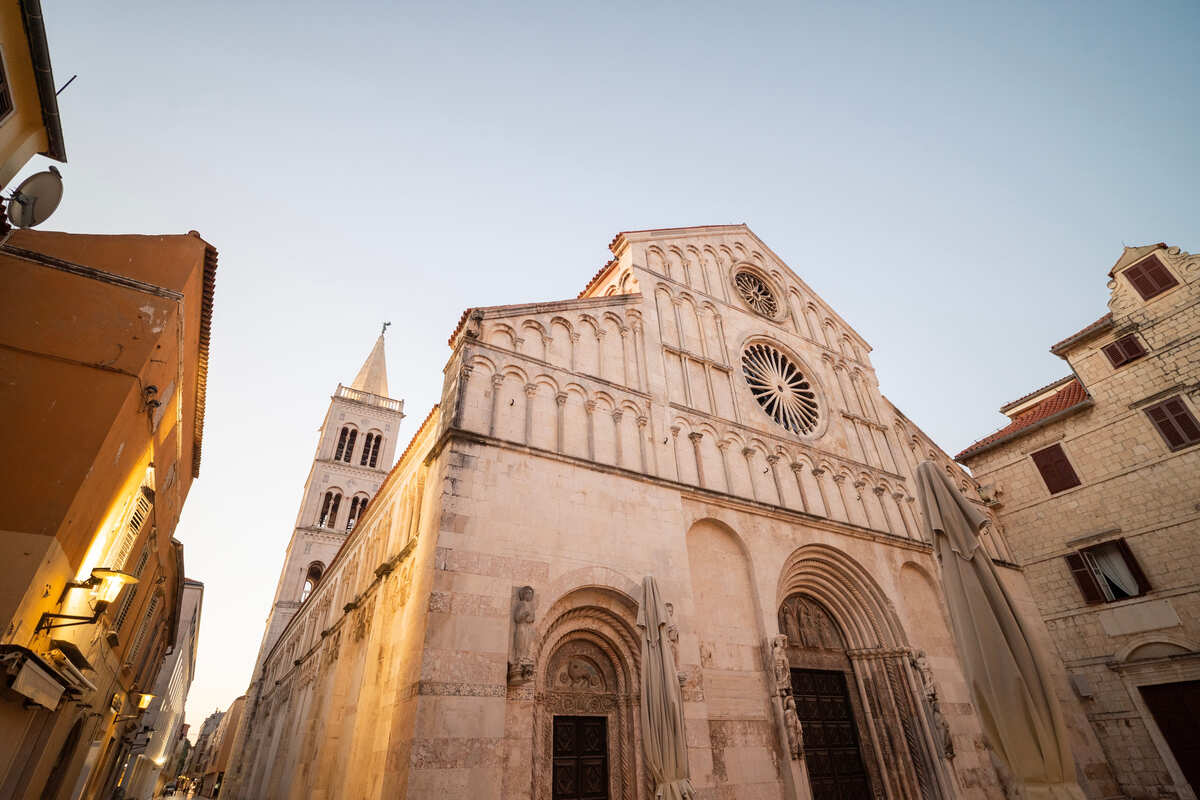
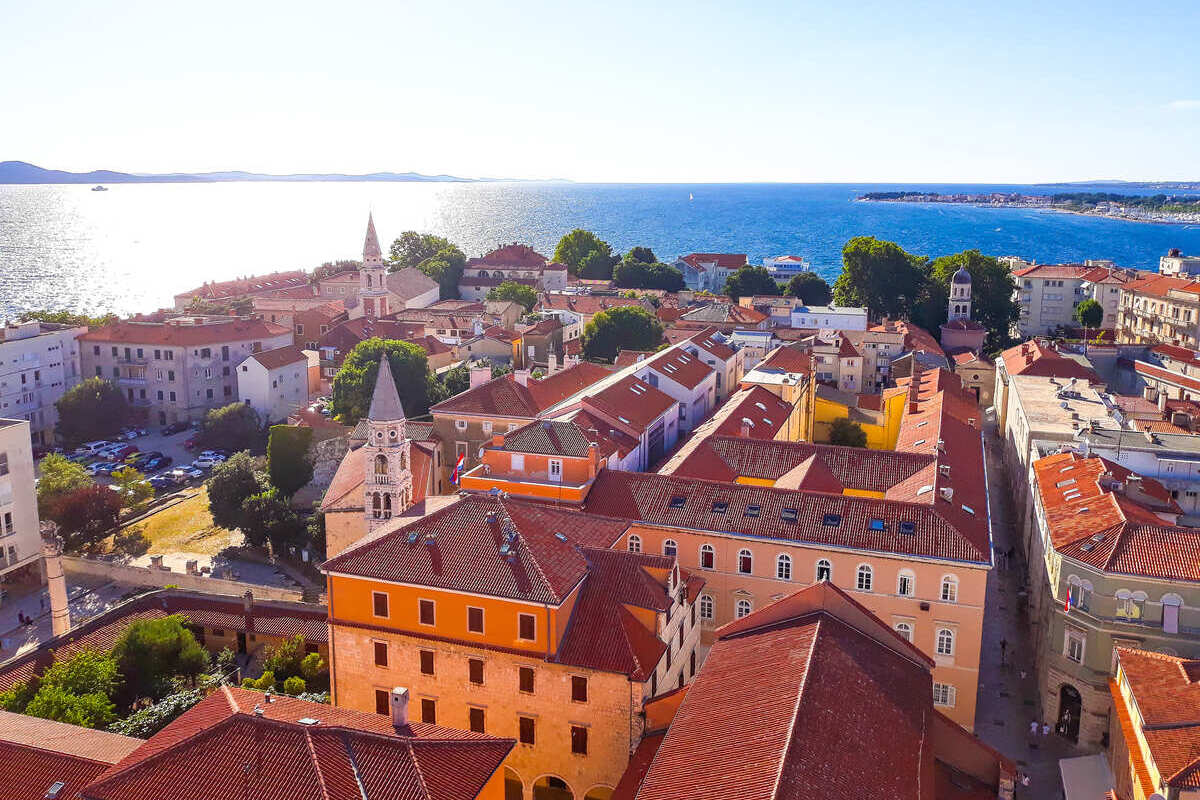
Like your average Dalmatian coastal spot, this one has a picture-perfect Old Town occupying a compact peninsula surrounded by the Adriatic, where you’ll find medieval churches, cobbled lanes lined with Venetian-era buildings, and Roman ruins within meters of each other.
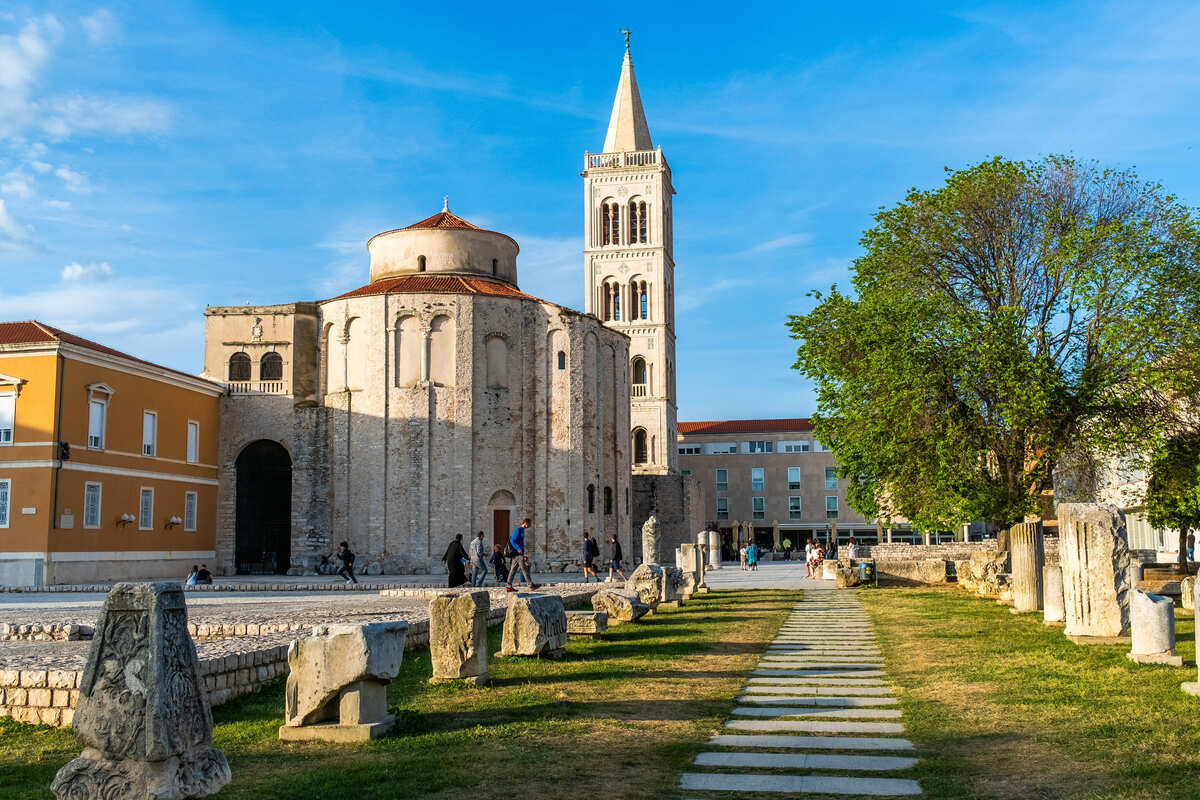
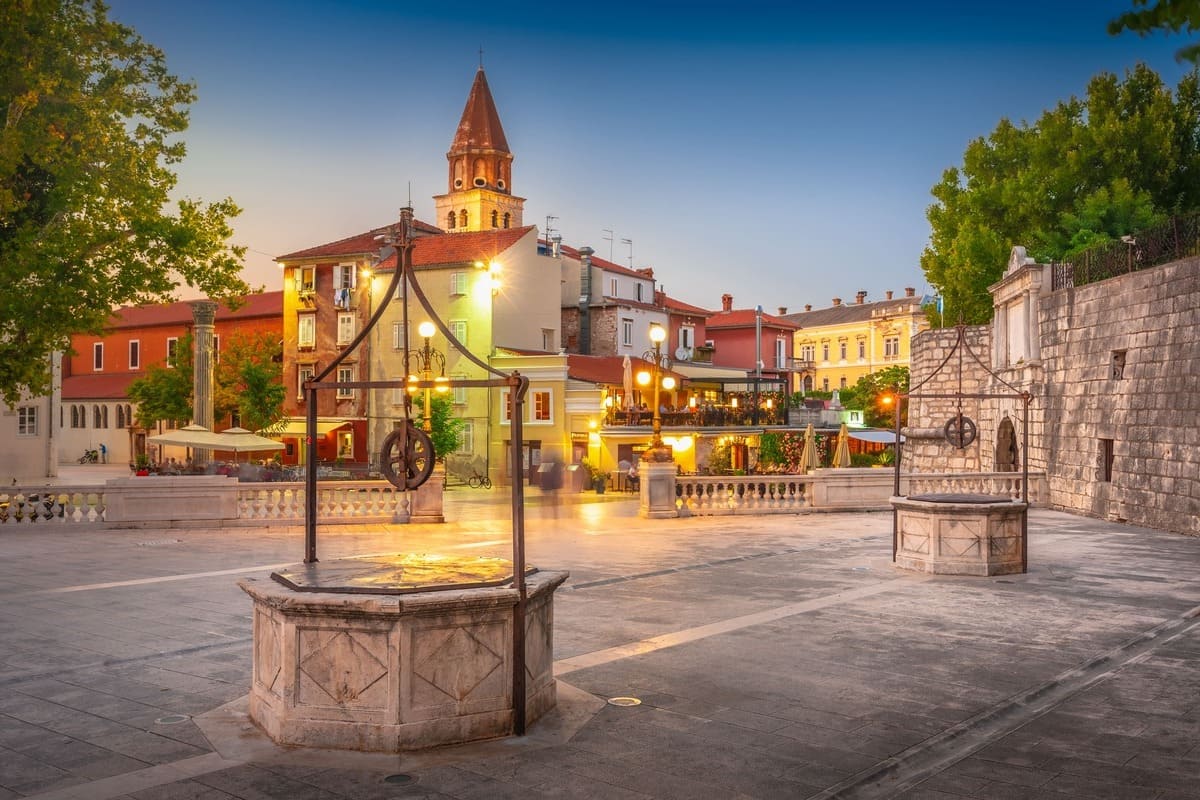
It’s the sort of place where you can spend a morning sightseeing, walking from the Five Wells Fountain to the Roman Forum, where the round-shaped Church of St. Donatus is located, then sit alongside locals at a waterfront café for a cheeky espresso and some people-watching before hitting the beach in the afternoon.
It’s less about running around like a headless chicken ticking off every possible item on a list, and more about slowing down, soaking up the vibe, and basking in the Adriatic sun.
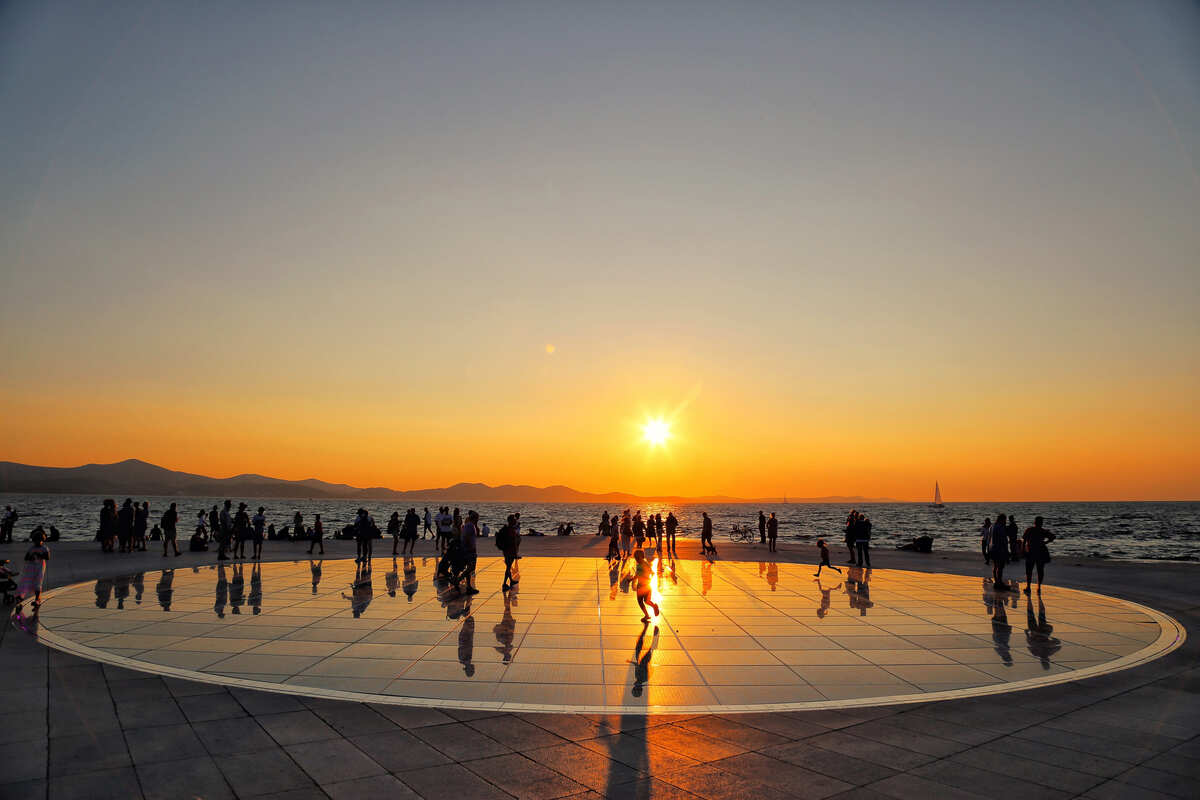
Hitchcock once claimed Zadar has the most beautiful sunsets in the world, and sitting on the steps of the Sea Organ, a bizarre waterfront installation with broad marble steps descending into the sea, its hidden pipes playing a haunting, ever-changing tune as the waves crash beneath you, watching the sun paint the sky blood-orange, I was inclined to agree.
How Safe Is Croatia In 2026?
As far as safety goes, you can leave your pickpocketing and street-crime worries behind in places like Barcelona or Naples:
Pickpocketing and violent crime are very rare occurrences in Zadar and the Dalmatian Coast as a whole. Unlike many of our Western European friends, Croats don’t play around when it comes to tackling crime, particularly opportunistic theft.
The country scores 86 out of 100 on the Traveler Safety Index, a metric based on traveler reports, and on top of that, it’s officially classed as a Level 1 destination by the U.S. Department of State.
In non-technical terms, you can travel here exercising ‘normal precautions’. Sure, don’t leave your bag unattended at Kolovare Beach, but based on my own experience, if you do, chances are it won’t be going anywhere.
Where To Eat In Zadar—If Burek Isn’t Your Forte
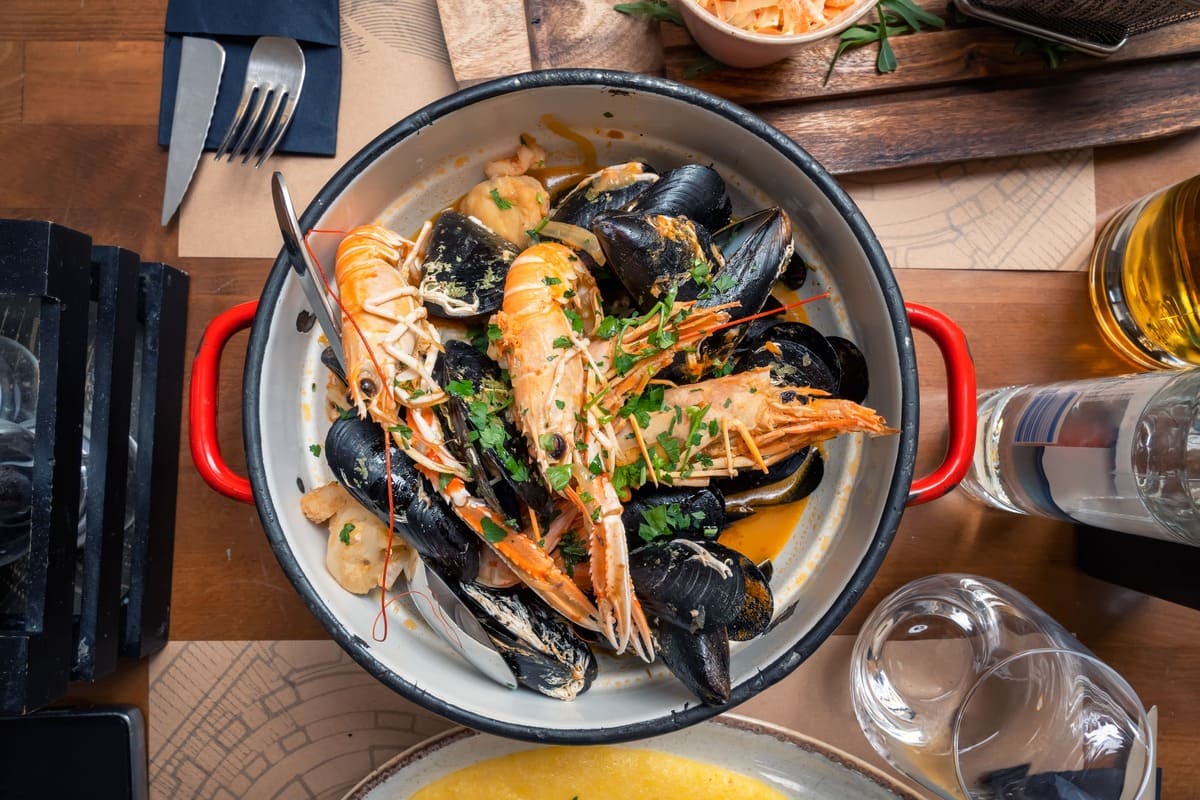
I’m not exactly crazy about Croatian cuisine—burek and ćevapi just aren’t my thing—and regarding delicious eats, Istria is probably where I’ve felt the most spoiled on my many visits to the country, but Zadar might just come a close second:
Restaurant Labrax, right in the heart of the Old Town, is a modern fish-and-wine bar with that laid-back wine-bar feel, serving up fresh fish and seafood. None of Dubrovnik’s tourist-trap nonsense, either: portions are generous, and the wine, though Istrian, pairs beautifully with the seafood.
For something more scenic and upscale, I can recommend Foša.
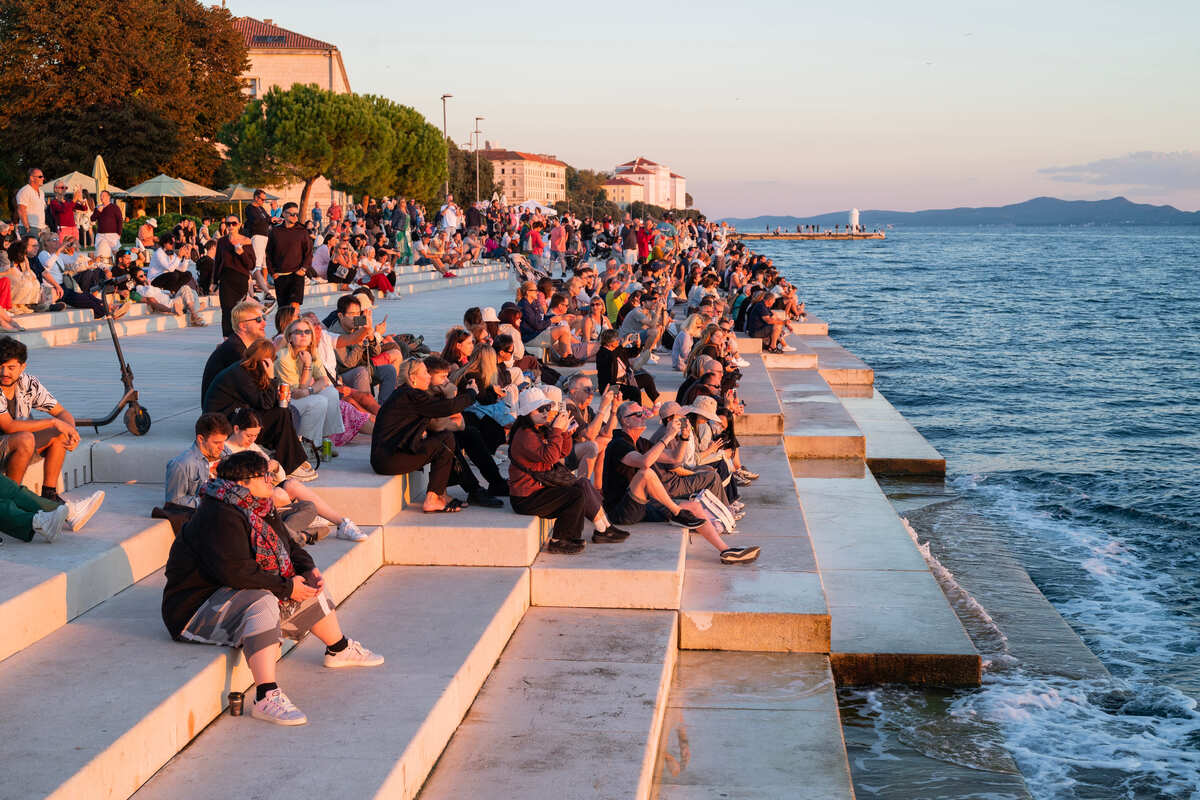
It’s beside the historic harbor, with a terrace overlooking the bobbing boats, and it’s probably your best bet at a proper waterfront sunset without battling the crowds down by the Sea Organ.
Pro tip? Go for the shellfish, if available.
Zadar Is Cheaper Than Dubrovnik/Split
Did I mention prices can be a little kinder than in Croatia’s biggest tourist magnets?
Listen, Americans, I love y’all, but whenever a new Transatlantic flight is launched to Europe, the target market sees prices spiral out of control.
Dubrovnik literally went from a budget-friendly, cheaper alternative to Venice, to one of the Mediterranean’s glossiest, most expensive destinations.
Zadar is getting there, slowly but surely, but as of this year, the crowds are very much concentrated on local and middle-income Eastern European families looking for value on their hard-earned yearly escape to the beach.
Average Prices In Zadar, Croatia In 2026
- 🏨 Average hotel night: $160
- ⭐ 4-star hotel night: $150
- 🍽️ 3-course mid-range dinner: $40/person
- 🍝 Casual restaurant meal: $15/person
- 🍺 Local draft beer: $3–5
- 🍷 Glass of local wine: $4–5
- ☕ Cappuccino: $2–3
- 🍦 Gelato: $2–3
- 🚕 Short taxi ride: $10–15
- 🏖️ Beach lounger: $10–15
Don’t Sleep On Zadar County
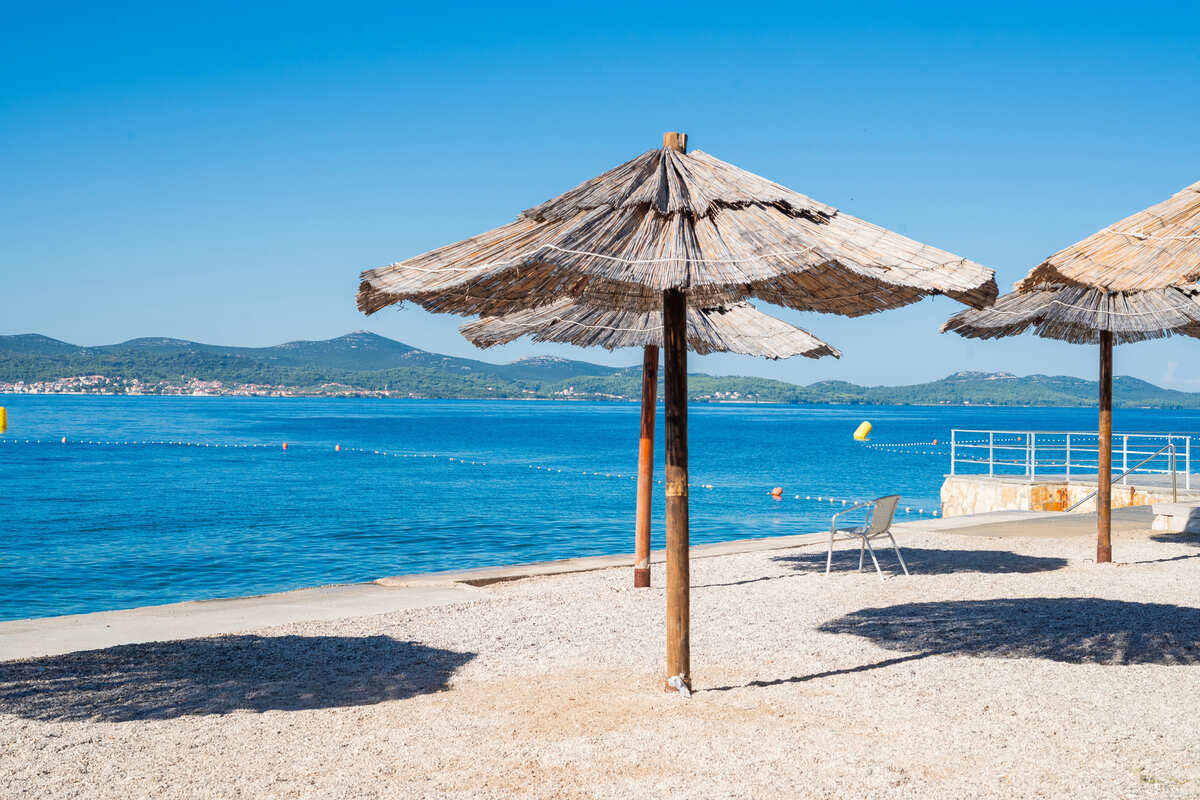
Then there are the numerous beaches and islands within easy reach of town.
Zadar is perfectly positioned for exploring the northern Dalmatian archipelago.
You can take day trips to Dugi Otok, a rugged island dotted with secluded coves and dramatic cliffs, Ugljan, a laid-back, pine-covered escape, and the wild Kornati Islands, where I’ve seen some of the clearest waters in the entire Adriatic.
A short drive outside town, Nin is a must-see if you ever come to Zadar.
A tiny, medieval walled town located on a fortified islet in a salt-water lagoon, it’s cut through with cobble-paved medieval alleys, and the solitary Church of the Holy Cross dates all the way back to the 9th century.
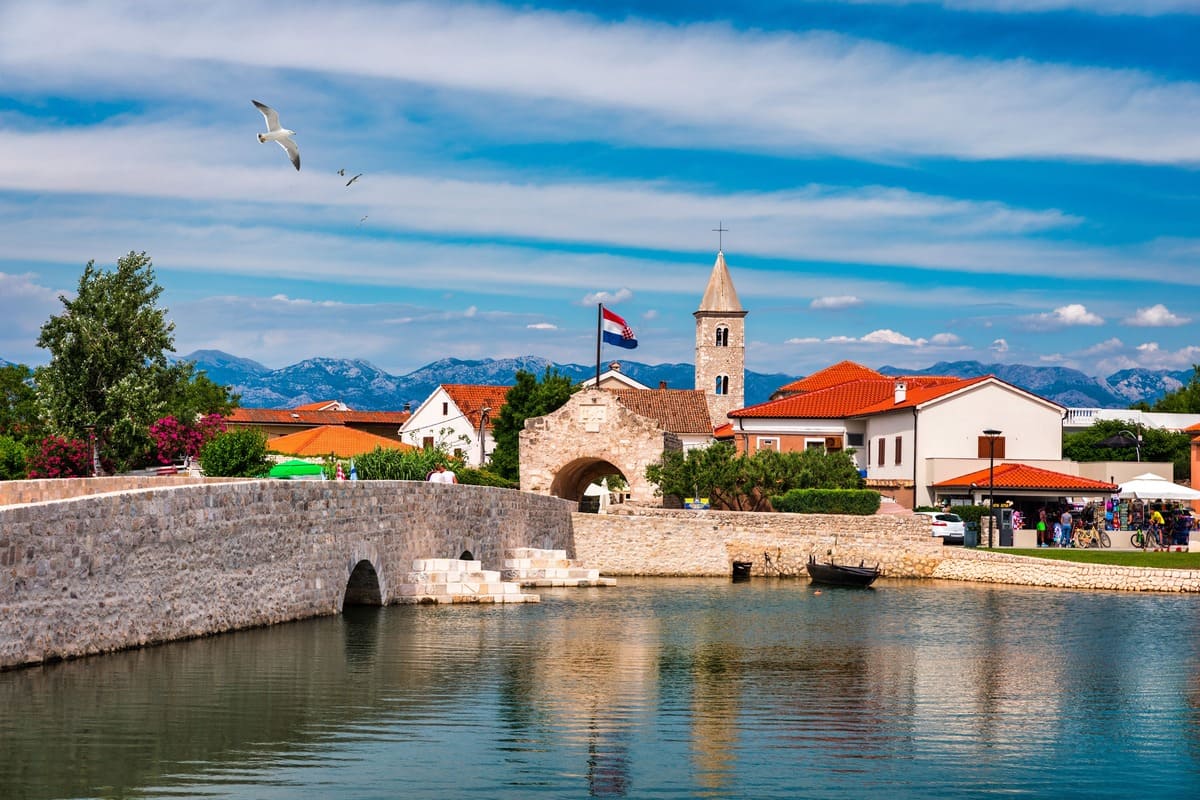
Talk about an atmospheric little detour.
The neighboring Queen’s Beach is also one of the easiest-to-access beaches in the wider Zadar area, with a long, golden-sand bar instead of the usual sharp-on-the-feet giant pebbles, and water so shallow you can walk a third of the way across the lagoon and still be standing only as far up as your hips.
Zadar may not have the same international fame, but that’s precisely the point.
It gives you much of what makes the Dubrovnik/Split duo so appealing, just with… a little more breathing room for both you and your wallet.
Enter your email address to subscribe to Travel Off Path’s latest travel news, straight to your inbox

Kalou
Tuesday 18th of August 2026
A lovely introduction to Zadar; during my visit, I was indeed able to wander through its cobbled streets and admire its churches, which are so distinctive of the Adriatic. In the evening, I also had the chance to listen to the ‘sea organ’ whilst sitting on the steps by the water’s edge, admiring the Adriatic. A lovely destination indeed.