
If you’re planning a trip abroad, especially to a country you’ve never been to before, it’s of course instinctive to start with the capital.
They are (usually) a country’s most important destination for a reason: other than mere administrative hubs, they can be the cultural heart of a nation, with its highest concentration of landmarks and museums, and simply the best city on offer in terms of activities.
But incredible as those lush parks and massive monuments may be, would you say Washington D.C. is that must-visit city if you’re visiting America for the first time?
The same applies for a number of European countries, and with 40+ of those under my belt, most of which I’ve visited more than twice now, I’ve come to the conclusion that, oftentimes, secondary cities tourists generally skip can be even better than capitals.
Here are 5 of those:
Cagliari, Italy
There’s truly nowhere like Rome, and I’d never advise anyone against visiting, but with all the suffocating crowds, growing paywalls—that €5 fee to enter a once-free Pantheon has really been pissing me off lately—and the general commercialization is sort of starting to make the Eternal City feel less like a living museum, and more like a theme park.
Cagliari, on the other hand, still has everything I love about Italy, minus the overtourism fanfare:
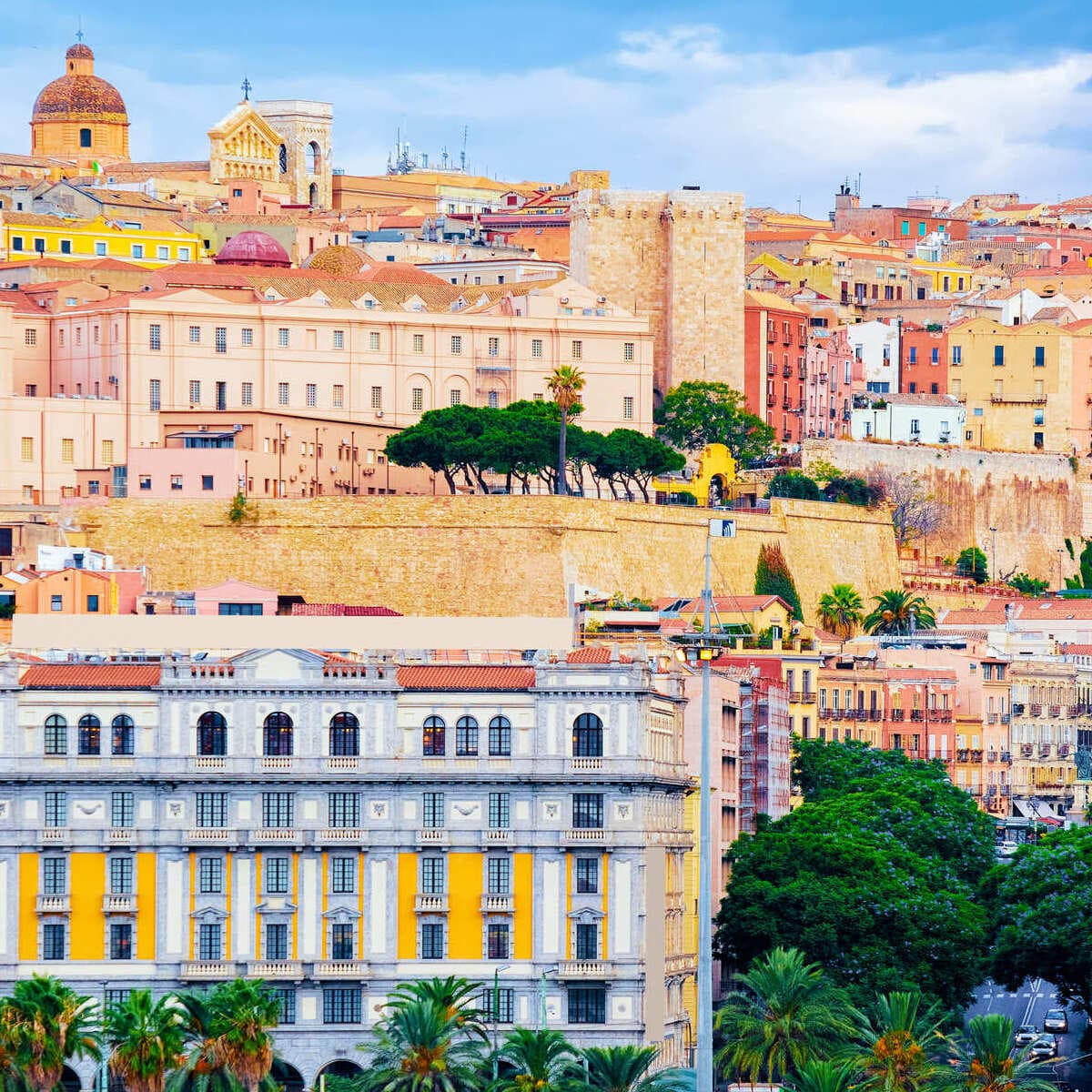
A capital in its own right, except it rules over the island of Sardinia, it’s coastal, it’s pastel-colored, it has the winding maze of cobbled lanes leading up to a fortified hilltop castle district, and it has something Rome lacks:
Actual white-sand beaches hugged by teal seas right on its doorstep. That’s Poetto for you, and it’s only a 20-minute bus ride from Cagliari city center.
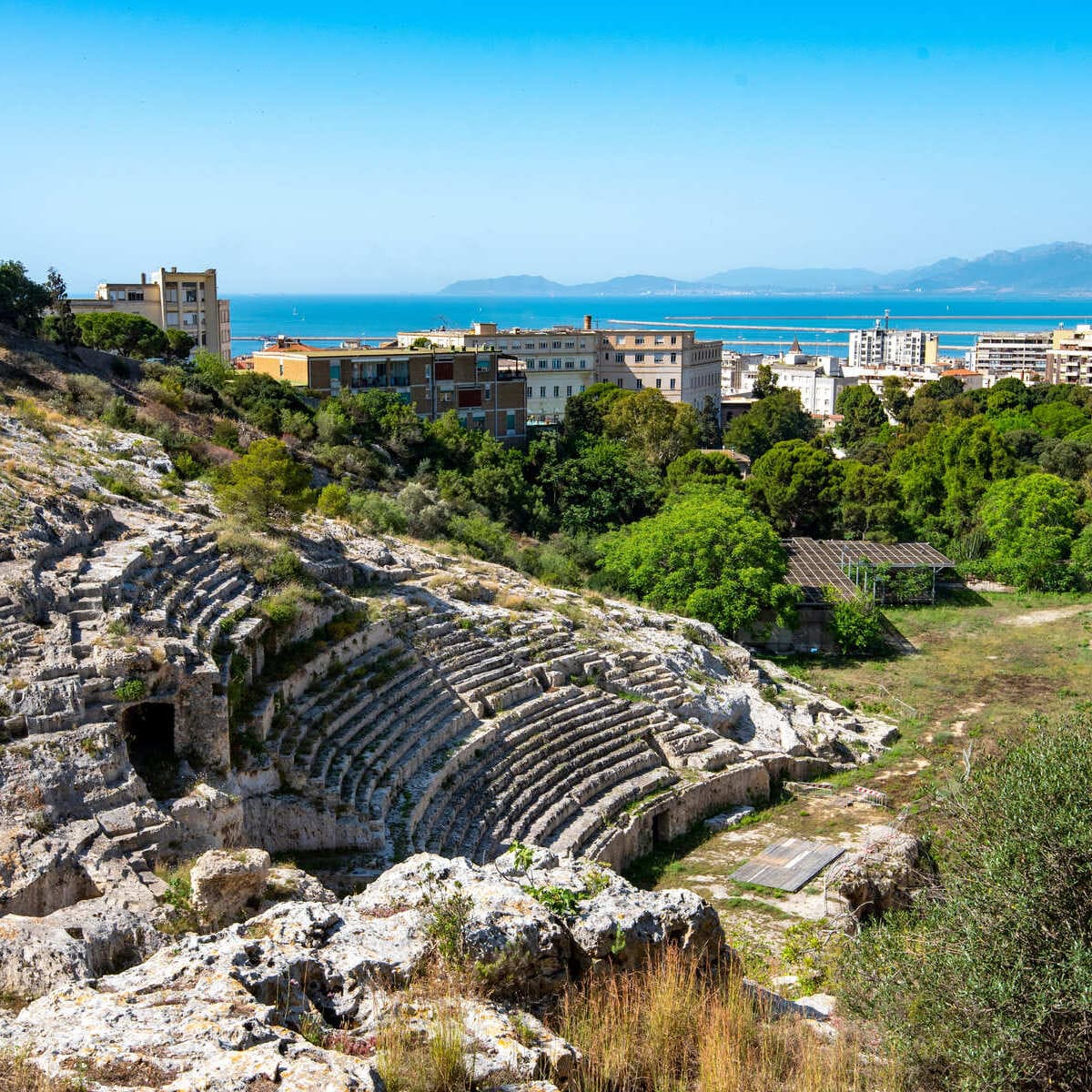
As for the city itself, I’m still unsure whether it’s the buzzing chaos of Stampace, with its Roman amphitheater and sun-soaked piazzette flanked by Baroque domes, or the epic food scene I love most, but I will say I’d come back every year for a bite of Sa Domu Sarda’s handmade culurgiones dumplings alone.
Top 5 Must-See Attractions In Cagliari
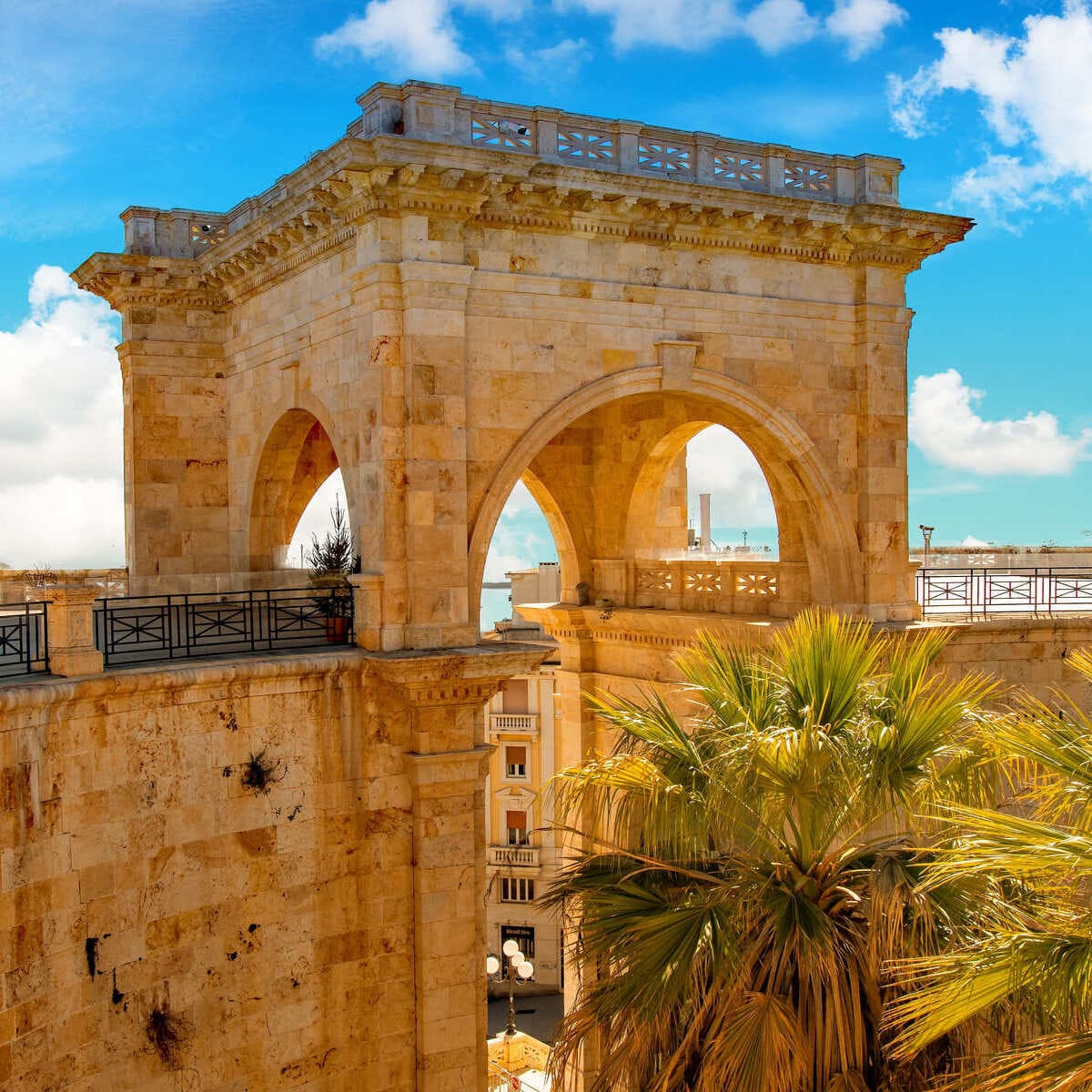
- Castello: the fortified hilltop quarter of Cagliari, entered through two surviving medieval towers
- Stampace: a lively neighborhood at the foot of Castello hill
- Roman Amphitheatre: Sardinia’s only Roman amphitheater, partly carved into the rock and still occasionally used for summer concert
- The Marina: the old fishermen’s district turned restaurant quarter, packed with narrow lanes and trattorie
- Poetto: a nearly 5-mile stretch of pale-sand city beach reachable by a short bus ride
Average Prices In Cagliari, Italy
- Takeaway snack, like a panino: $4–$6
- Cappuccino at a café: $1.80–$2.50
- Aperitivo: $5–$8
- Main dish at a local trattoria: $15–$18
- Three-course meal at a mid-range restaurant, drink included: $35–$45
- Hostel bed (per night): $35–$40
- 3-star hotel (per night): $90–$110
- Luxury hotel (per night): $185–$300+
- Public transport (one-way ticket): $1.40
- Museum entry fee: $6–$8
How long to stay: at least 3 nights
How much cheaper than Rome is Cagliari? Expect to spend roughly 30–40% less on meals and accommodation compared to Rome, without sacrificing coastal access or historic value for once.
Best day trip: Iglesias, a cute, ocher-colored medieval town with umbrella-draped streets roughly an hour’s drive west.
How to get there: fly nonstop from the U.S. into Olbia, in North Sardinia, then take a train south to Cagliari, or a short domestic flight from Rome or Milan.
Before you fly to Europe this season, use the Entry Requirement Checker to verify what documents you’ll be asked to present at the check-in gate depending on your country of arrival.
Brno, Czechia
Don’t believe these basic-ass travel bloggers still calling Prague ‘underrated’ in 2026. They’re stuck on stale, pre-EU commie-era clichés, and they’ve clearly never braved what’s now one of the most jam-packed, overhyped medieval capitals across the pond.
Skip the Charles Bridge chaos, and make a beeline for Brno instead: smaller, equally gorgeous, and blissfully untouristy… so much so the city itself is clamoring for more tourists.
Czechia’s second city is a mid-size university town of over 380,000 people—big enough to feel lively, with tram lines, a huge student population, and a proper social scene, yet small enough to still feel unmistakably Czech.
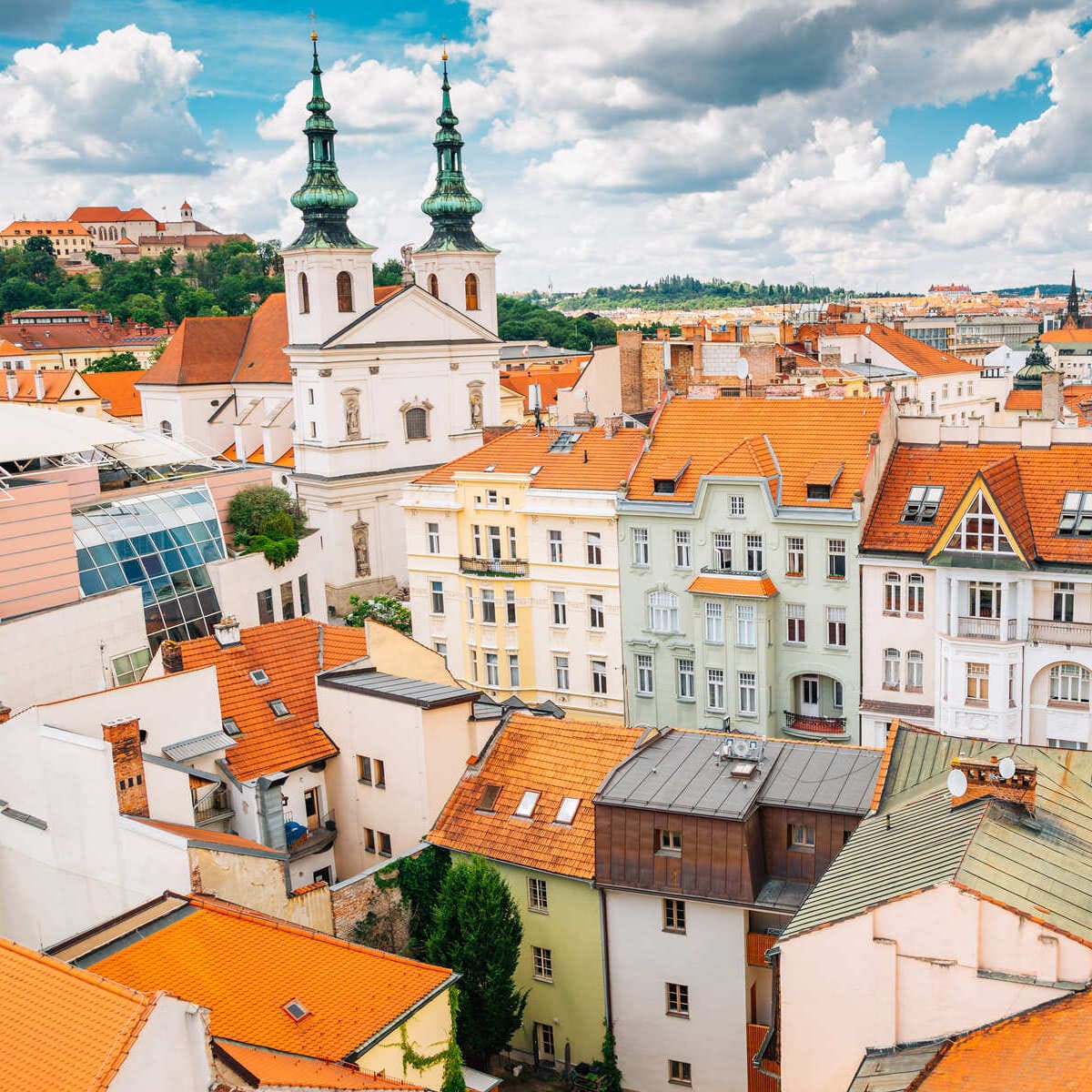
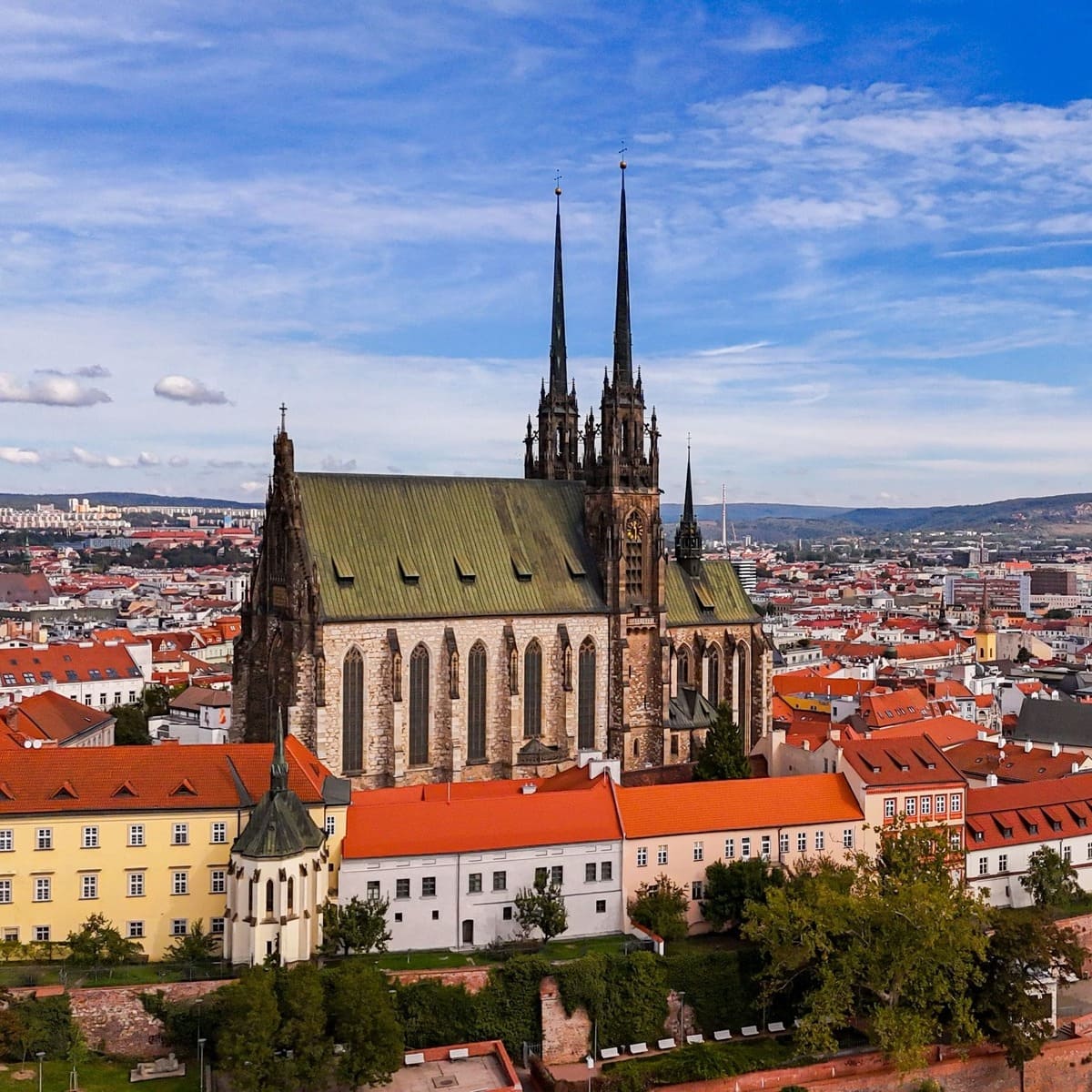
What I love most about Brno is you get everything that makes Prague great, minus the endless queues: a striking twin-spire cathedral straight out of a Gothic novel, and a compact Old Town packed with cozy cafés and bakeries slinging generously-filled trdelník for half the Prague price.
The real kicker? It sits right in the middle of Moravia, putting a whole castle-dotted wine country within easy reach. No hours-long train slog from Prague required.
Top 5 Must-See Attractions In Brno
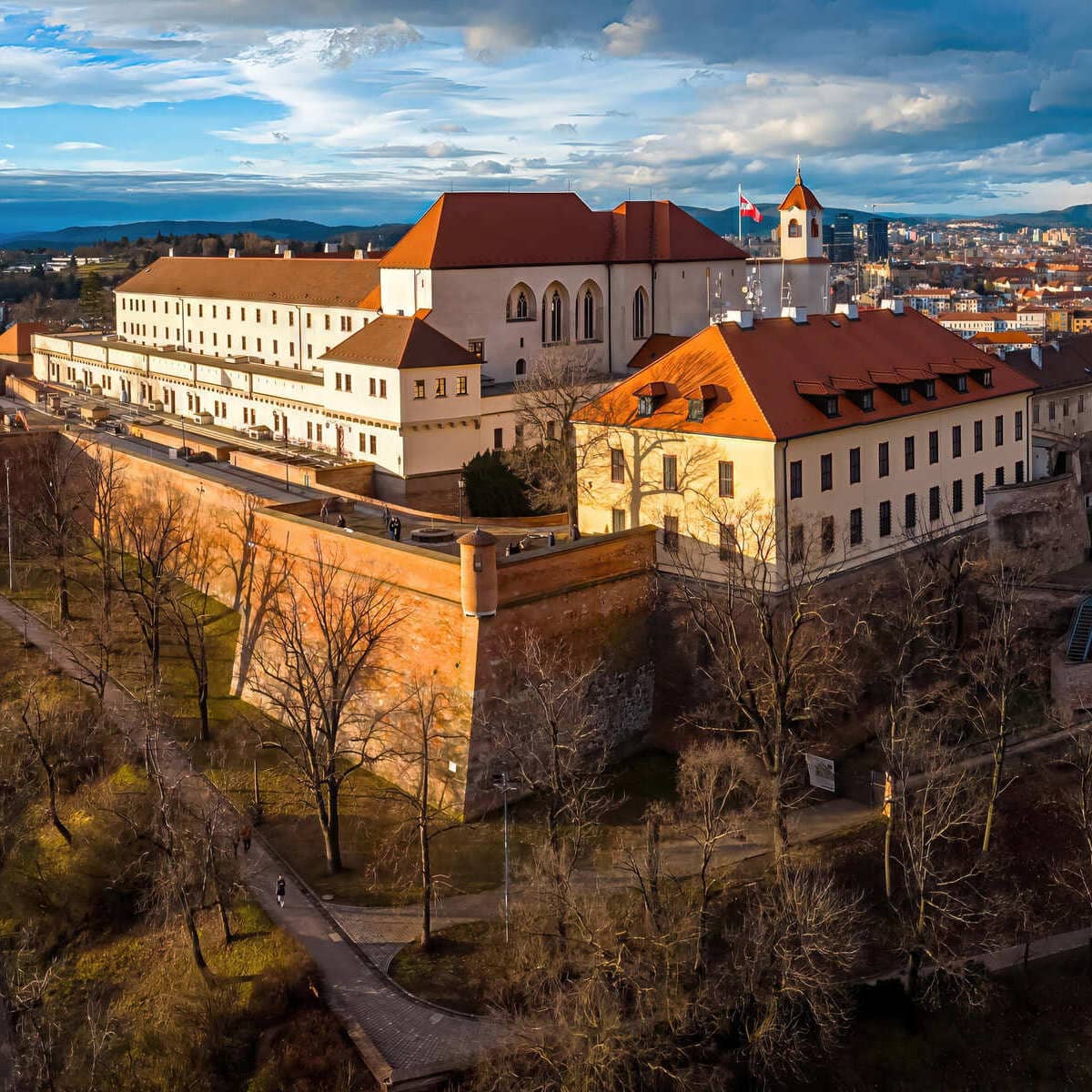
- Špilberk Castle: a hilltop fortress-turned-prison overlooking the entire city
- Cathedral of St Peter and Paul: the twin-spired Gothic cathedral crowning Petrov Hill
- Old Town Hall: a Gothic marvel hiding a legendary crooked tower
- Zelný trh: a lively open-air square/marketplace lined with historic townhouses
- 10-Z Bunker: A Cold War-era nuclear shelter turned museum
Average Prices In Brno, Czechia
- Takeaway snack, like a koláč style of pastry: $3–$5
- Domestic draft beer (0.5L): $1.60–$2.60
- Coffee at an Old Town café: $2–$3
- Main dish at a local restaurant: $12–$16
- Three-course meal at a mid-range restaurant, drink included: $27–$35
- Hostel bed (per night): $20–$30
- 3-star hotel (per night): $75–$90
- Luxury hotel (per night): $180–$300+
- Public transport (one-way ticket): $1.20
- Museum entry fee: $5–$8
How long to stay: at least 2 nights
How much cheaper than Prague is Brno? Expect to spend roughly 25–35% less on meals, beer, and accommodation compared to Prague, with a tiny fraction of the crowds.
Best day trip: Mikulov, a cobbled wine town surrounded by South Moravia’s vineyards (55 min train away)
How to get there: fly into Prague or Vienna, then take a direct train to Brno, which takes about 2.5 hours from Prague and just over an hour from Vienna.
Limerick, Ireland

I’d rather sit and cook in a pool of boiling Guinness before I willingly set foot in Dublin again. $12 pints, rowdy drunkards flooding into Temple Bar, and an overall flat, sprawling cityscape that never quite settles on a defining landmark. Been there, done that (more times than I would like, actually).
I’m not a huge fan of Irish cities, full stop, but if I was held at gunpoint and forced to pick one—no, it’s not godawful Galway, nor Cork either—that would be Limerick.
For all it’s worth, this pocket-sized city on the banks of the River Shannon packs quite the punch: a genuine medieval quarter, riverside pubs set along the fast-flowing water, and a distinctively Irish uni city vibe without the Dublin pretentiousness, or overly-international crowds.
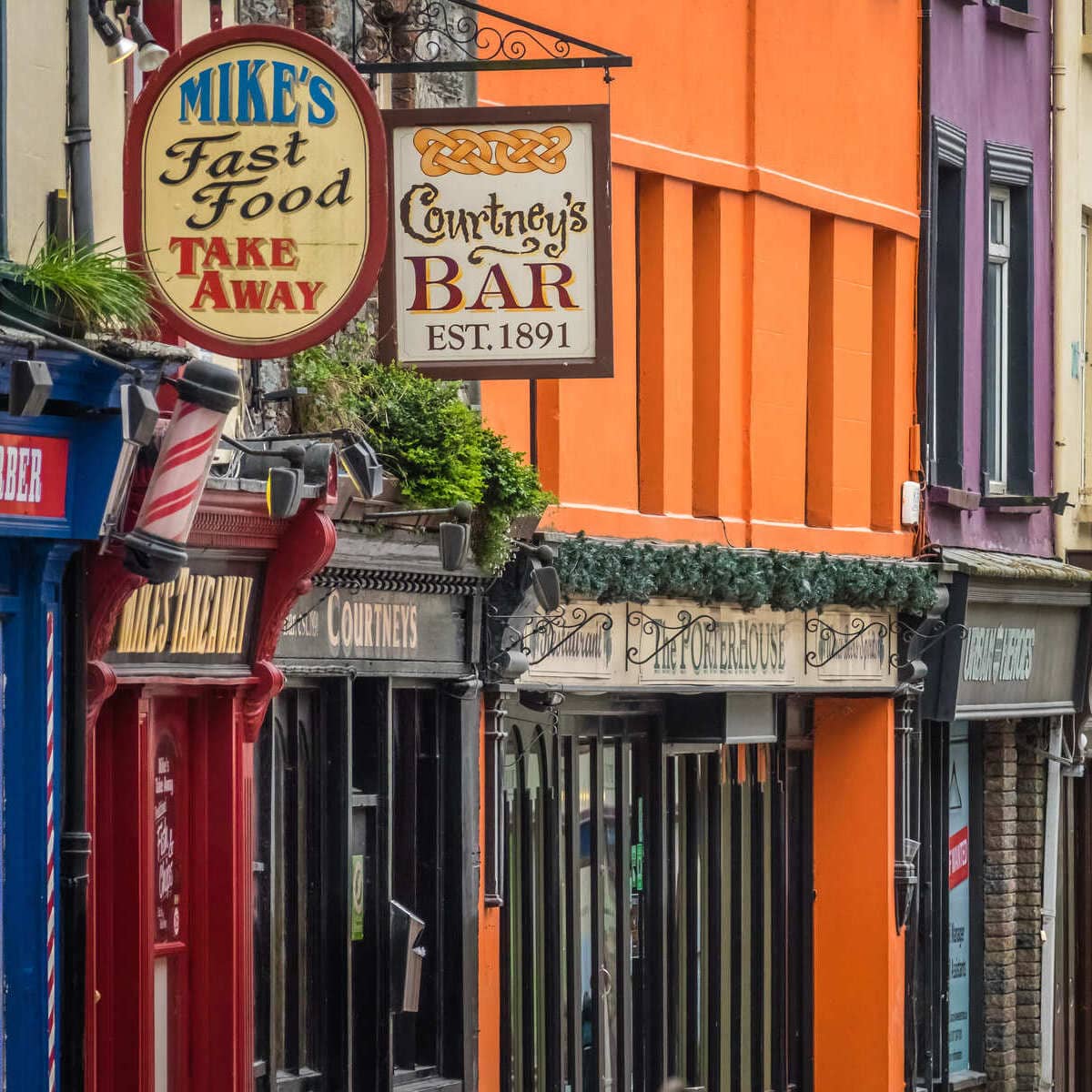
Limerick is probably the only Irish city standing where you can still wander into any regular bar, and the ratio of warm, easy-tempered Irish locals to goggle-eyed foreigners with a fixation for all-things-Celtic still tilts heavily local.
Oh, and the fact pints here cost a much cheaper $7-ish compared to Dublin will help soften the gloomy weather blow.
Top 5 Must-See Attractions In Limerick
- King John’s Castle: An 800-year-old Norman with imposing towers rising over the River Shannon
- King’s Island: the historic core surrounding the castle, criss-crossed with narrow lanes and guarded by old town gates
- St Mary’s Cathedral: A 12th-century Gothic and Romanesque cathedral built
- The Hunt Museum: a former customs house now hosting a museum
- Arthur’s Quay Park: a green lung right in the city center with views towards King John’s Castle
Average Prices In Limerick, Ireland
- Takeaway snack, like a sausage roll: $5–$7
- Pint of Guinness at a local pub: $8–$9
- Coffee at a riverside café: $3–$4
- Main dish at a local restaurant: $15–$20
- Three-course meal at a mid-range restaurant, drink included: $35–$50
- Hostel bed (per night): $25–$35
- 3-star hotel (per night): $130–$170
- Luxury hotel (per night): $290–$400+
- Public transport (one-way ticket): $2.50
- Museum entry fee: $8–$14
How long to stay: at least 2 nights
How much cheaper than Dublin is Limerick? Expect to spend roughly 20–30% less on pints, meals, and hotels compared to Dublin, minus the stag-party chaos.
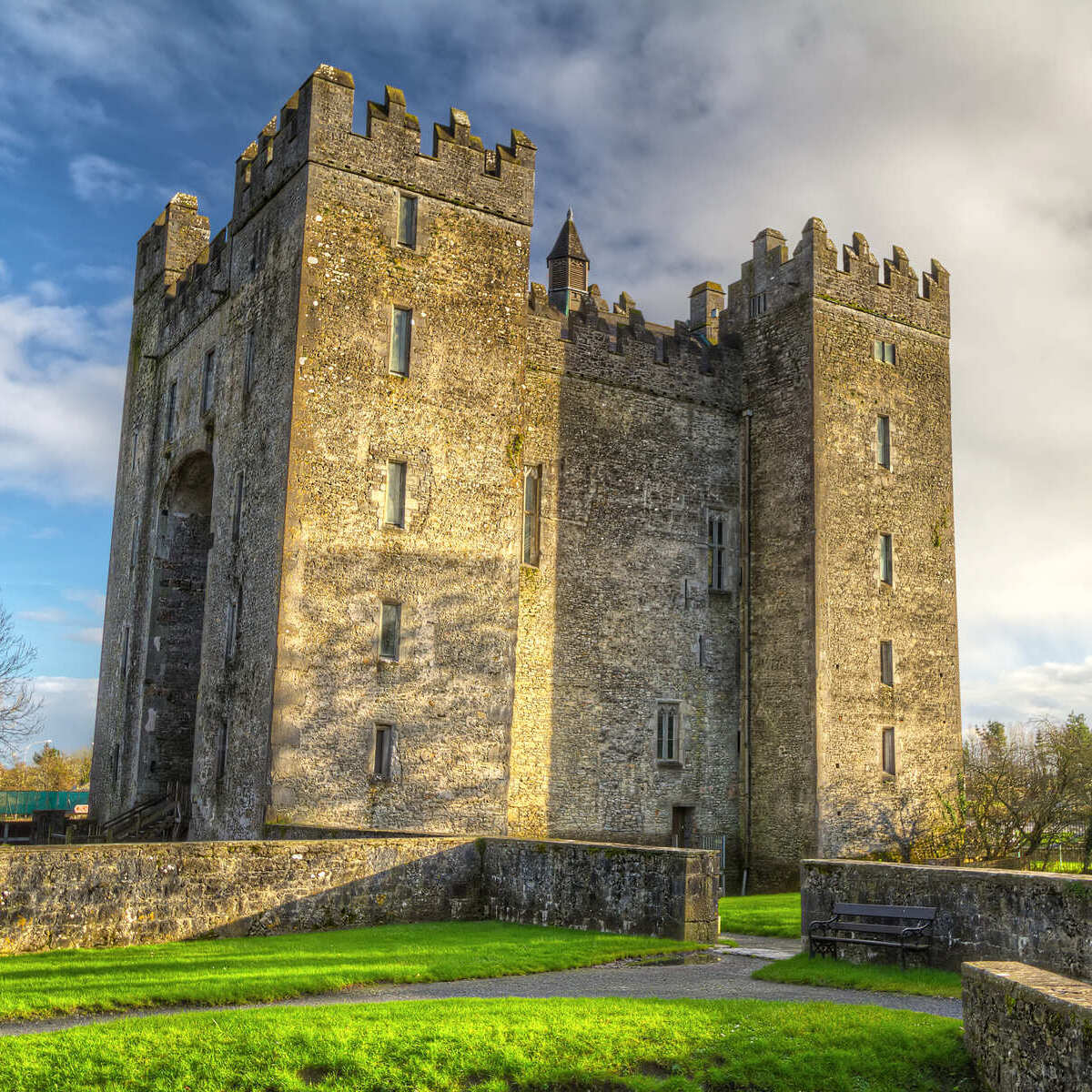
Best day trip: Bunratty Castle & Folk Park, one of Ireland’s best-preserved medieval castles.
How to get there: fly from the States into Shannon Airport, just 20 minutes from Limerick, or take a direct train from Dublin, which takes around 2 hours.
Note From The Editor
Just one sec! If you enjoy reading great human-written articles, the best way to see a few more is to follow us on Google so we become one of your preferred websites. Thank you so much for reading. Now back to the story!
Ponta Delgada, Portugal

If you want Lisbon without the crowds, phone snatchers, and the endless climb of staircases, you’ll find a mellower, even prettier sister in Ponta Delgada, thousands of miles away from the Portuguese mainland.
PD is the historic capital of the Azores, a nine-island archipelago halfway between the flight time between Europe and North America, and it’s the crown jewel in its own island, the lush, real-life Jurassic World that is São Miguel.
Cascading waterfalls, black-sand beaches, and misty forests aside, this is a city frozen at the height of the Portuguese Age of Discoveries.

The access to beaches is effortless, the friendliness and warmth of locals is contagious—even if you can’t understand their accents, and trust me, I’m a native speaker of Portuguese—and there’s nowhere quite like Ponta Delgada during the Holy Ghost festivities in summer. Seriously, bring your best appetite.
Think colonial Brazil, just neater, with whitewashed façades instead of loud, disjointed colors, less rough around the edges, and markedly safer.
In fact, Portugal as a whole is one of the safest destinations in Europe, with minimal levels of street-level crime and extremism. U.S. authorities rank it a Level 1 destination, and the country also scores 86 out of 100 on the Travel Off Path Traveler Safety Index, based on reports from recent visitors:
Top 5 Must-See Attractions In Ponta Delgada | São Miguel Island
- Portas da Cidade: an iconic 18th-century three-arched city gate built beside the old pier
- Forte de São Brás: a 16th-century coastal fortress guarding the harbor
- Sete Cidades: a twin-lake volcanic crater, one green, the other blue, ringed by verdant hills (about 30 minutes by car)
- Lagoa do Fogo: a gorgeous crater lake sitting near the island’s second-highest point, reachable in roughly 35 minutes by car
- Furnas: a geothermal valley of bubbling fumaroles and hot springs (roughly a 40 minute drive)

Average Prices In Ponta Delgada, Portugal
- Takeaway snack, like a pastel de nata: $2–$4
- Beer at a local bar: $2–$3.50
- Coffee (bica) at a café: $1.50–$2.50
- Main dish at a local restaurant, like fresh grilled fish or cozido das Furnas: $10–$15
- Three-course meal at a mid-range restaurant, drink included: $25–$40
- Budget guesthouse or hostel (per night): $30–$40
- 3-star hotel (per night): $85–$110
- Luxury hotel (per night): $220–$400
- Public transport (one-way ticket): $2
- Museum or attraction entry fee: $6–$17
How long to stay: at least 5 nights. The Azores rewards slower travel.
How much cheaper than Lisbon is Ponta Delgada? Expect to spend roughly 15–20% less overall than Lisbon, with housing costs down over 30% and restaurant meals typically 10–12% cheaper.
Best day trip: Sete Cidades, a twin-crater lake about 30–40 minutes’ drive from Ponta Delgada.
How to get there: fly direct from Boston or New York (JFK) with Azores Airlines, or connect via Lisbon on a roughly 2.5-hour hop from mainland Portugal.
Trondheim, Norway
Oslo’s cool and all, but can we be real for a sec? No one’s flying all this way to Norway to see a glassy, futuristic skyline and a sleek opera house. Where’s all the Old World charm?
I’m by no means an expert in Norway, having only briefly explored its capital and driven around the Western and Central Fjords, and down, but from the little I’ve seen, I’ve come to the conclusion nowhere feels like a proper, all-round Scandi intro to the country than Trondheim.
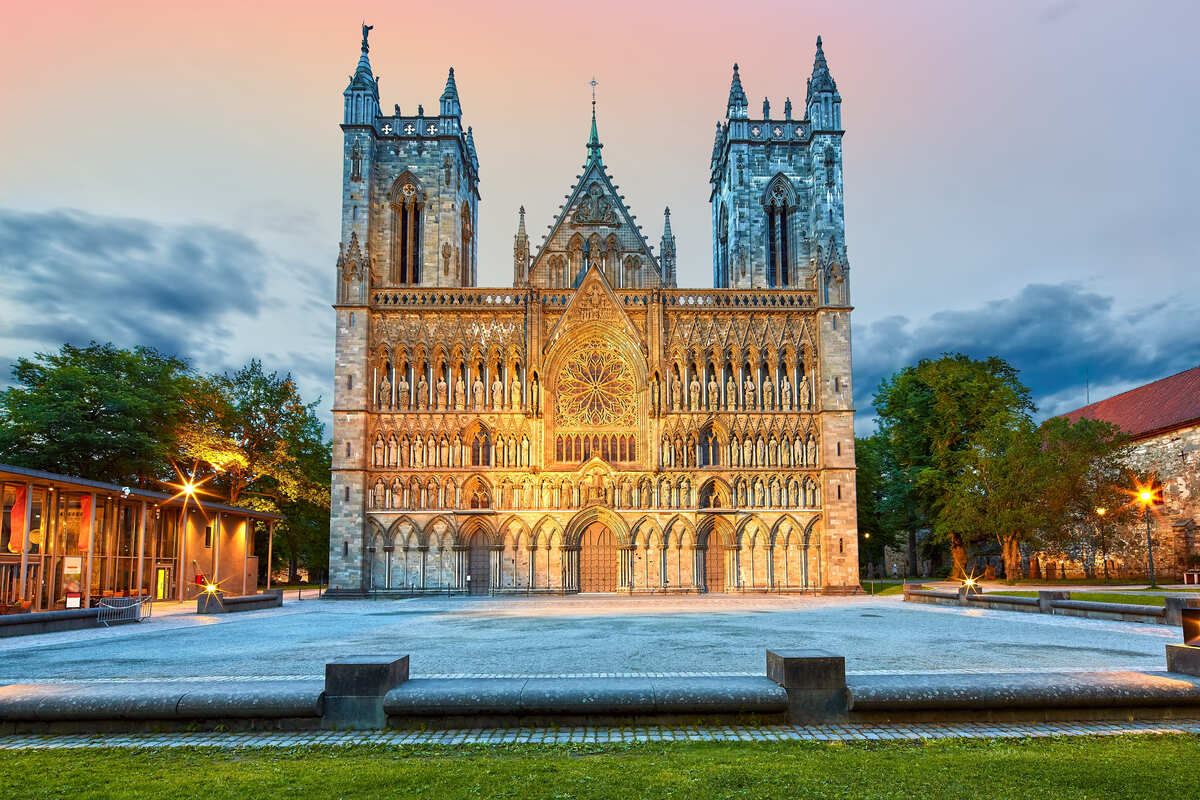
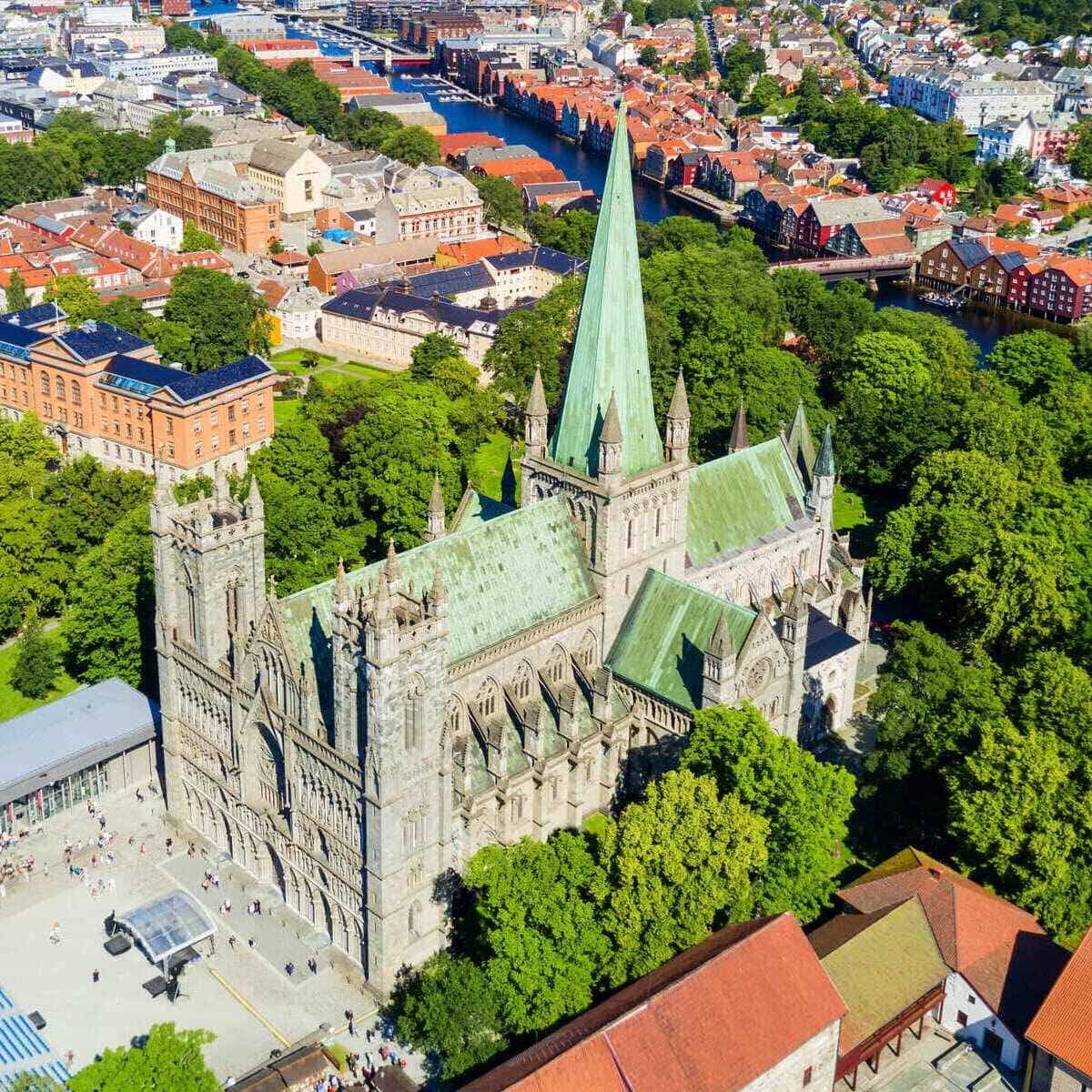
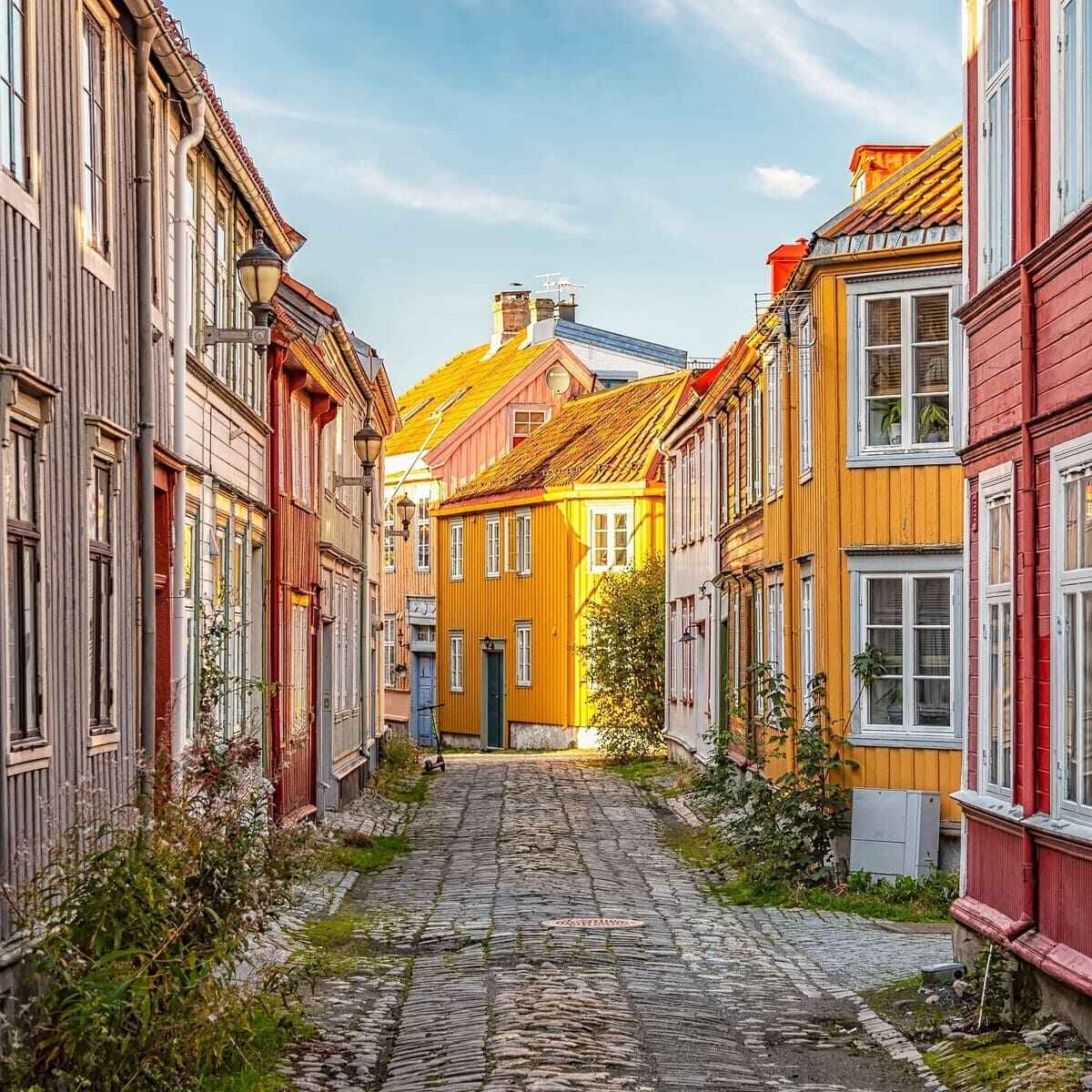
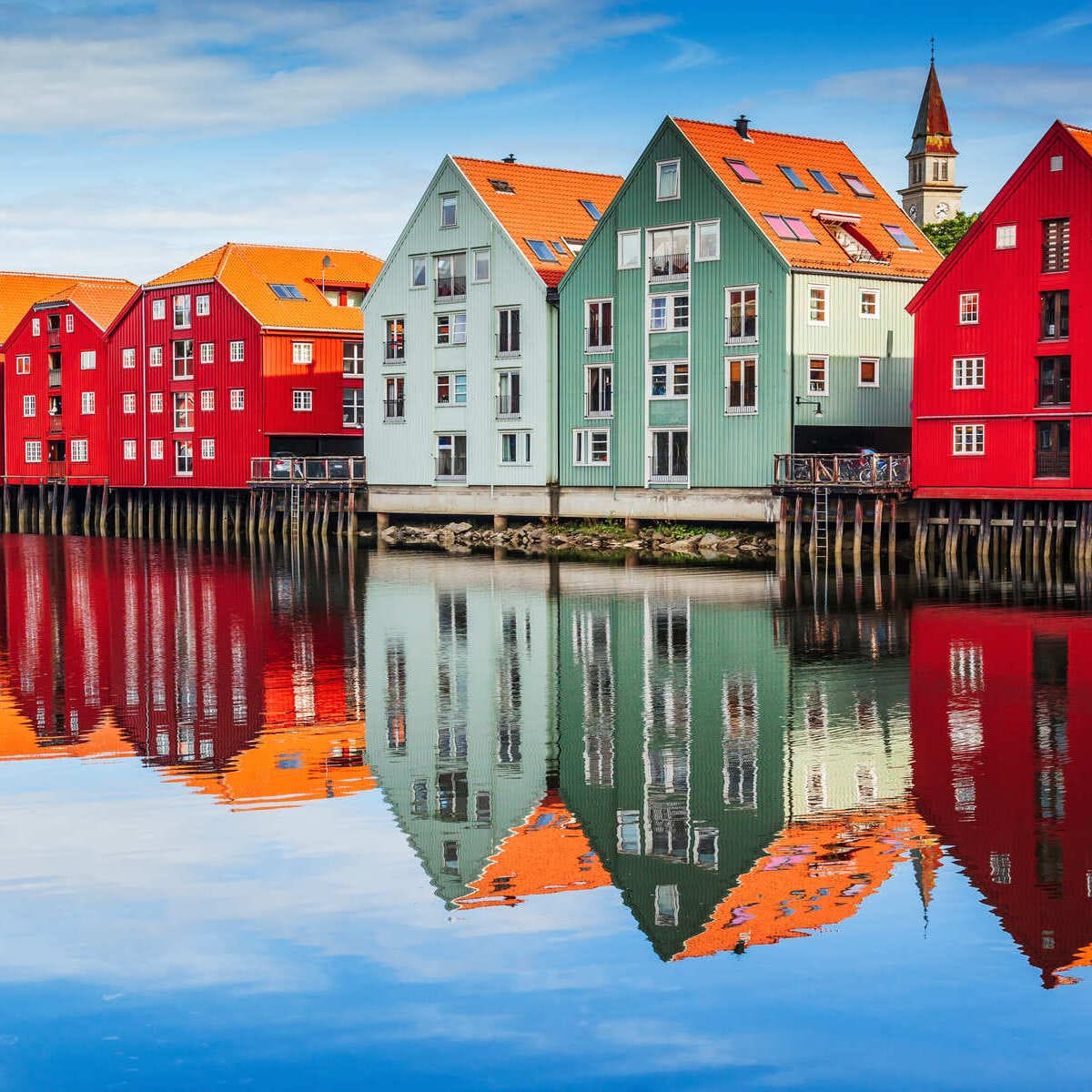
From the grandeur of a soaring cathedral, the oldest edifice of its kind standing this far north in Europe, to the charm of the cobbled lanes lined with timber-built, colorful townhouses, all the way to a glittering waterfront that looks like a living postcard, this city has it all.
Nidaros Cathedral, begun in 1070, is the world’s northernmost medieval Gothic cathedral and the largest medieval stone building in all of Scandinavia.
Let’s also not sit here and pretend the primary reason I love Trondheim so much is Kaffebrenneriet’s fluffy, buttery cinnamon buns. This cozy café sits in a historic wooden building right on the old canal port in Bakklandet, one of the prettiest districts.
Top 5 Must-See Attractions In Trondheim
- Nidaros Cathedral: the world’s northernmost medieval cathedral and the largest medieval stone building in Scandinavia
- Bakklandet: the town’s most photogenic district, all wooden houses in period colors
- Kristiansten Fortress: a historic 17th-century fortress on the hill above Bakklandet (free to enter for once!)
- Munkholmen: a small fortified island in Trondheim Fjord home to a monastery-turned-prison-turned-customs house
- Ravnkloa Fish Market: the historic waterfront fish market on the fjord
Average Prices In Trondheim, Norway
- Takeaway snack, like a kanelbolle (cinnamon bun): $7–$10
- Beer at a local bar (0.5 L draft): $10–$13
- Coffee (kaffe/kaffe latte) at a café: $5.50–$7.50
- Main dish at a local restaurant, like reinsdyr (reindeer) stew: $28–$40
- Three-course meal at a mid-range restaurant, drink included: $90–$130
- Budget guesthouse or hostel (per night): $40–$60
- 3-star hotel (per night): $120–$160
- Luxury hotel (per night): $320–$500+
- Public transport (one-way ticket, 90 min): $4.50
- Museum or attraction entry fee: $15–$18
How long to stay: at least 3 nights: one day for the cathedral and Old Town, another for Munkholmen and the fjord, and a third to wander without rushing.
How much cheaper than Oslo is Trondheim? Not that much cheaper. You’re paying similar rates for a more typically-European Old Town feel, instead of another modern capital city.
Best day trip: the Trondheim Fjord coastline and nearby islands like Munkholmen.
How to get there: fly from other European hubs into Trondheim Airport, or take the scenic train from Oslo, which takes roughly 7–8 hours (it’s one of Europe’s most beautiful rail journeys).
Enter your email address to subscribe to Travel Off Path’s latest travel news, straight to your inbox
