
When you think of France, it’s probably the Haussmann-designed boulevards of Paris and the turquoise coastline of Nice that come to mind. They’re two of the country’s leading destinations, and they draw in tens of millions of visitors every year.
With the insane level of crowding and the rising prices, however, perhaps it’s not really a shocker that some France-bound tourists are now going for a third option.
Tucked away in the Great French North, halfway between Paris and England, and literally on the border with Belgium, there’s a lesser-known city surging fast in popularity.
France’s Most Northerly Metropolis Is Finally Going Mainstream
Tourist overnight stays in the Lille metropolitan area rose by more than 10 percent in early 2026 compared with the previous year, with the city itself recording occupancy rates above 71 percent in mid-summer.
Foreign visitors now make up a growing slice of the mix, drawn by the city’s cross-border location and affordable short-break appeal.
This is no secondary, mid-size hub either: it’s a whole metropolis home to over 1.2 million residents, the second most extensive metro system in France after Paris—yep, it even beats Lyon and Marseille—and what’s arguably France’s best beer scene.
Lille is a completely different side of France than the one you’re maybe familiar with.
People often turn to Brussels when describing a multicultural, pan-European metropolis, maybe due to the Belgian capital’s status as the European Union HQ, but to us, Lille is that ultimate compact, cross-border city at the crossroads of France, Belgium, and the Netherlands.
A Major City At The Crossroads Of North And Central Europe
It lies a mere half-hour train ride from Kortrijk, a historic Flemish city in Belgium, and needless to say, it feels distinctly Flemish, with its cobbled Old Town, beer gardens, and hearty cuisine.
At the same time, it’s a short 1h22 train ride away from London, across the Channel, and an almost-equidistant 1 hour from Paris.
Oh, and if you’re keen on Brussels, a high-speed Eurostar will take you into the Tintin capital in just 35 minutes. Amsterdam? Around 2h50 away. You get the gist.

Before you go zipping across these European borders like it’s nobody’s business, make sure you check the travel rules and entry requirements that apply to you as a U.S. passport holder.
For instance, you won’t be able to board the Eurostar from Lille into London unless you apply for a UK Electronic Travel Authorization (ETA) beforehand. Use the Entry Requirement Checker to pull the full documentation and stay on the clear side of border control.
Lille is the heart of Europe, and for a French city this massive, with 1.2 million residents living in its metropolis and a two-line, 60-station metro, you’d think it’d be swarming with visitors.
Wrong: most people merely use Lille as a launching pad to reach this or that place, or briefly glimpse it on the window as the Eurostar whizzes between its more-popular stops, and to that we’ll say: this should actually be your final destination.
France’s Most Underrated Cultural Heavyweight
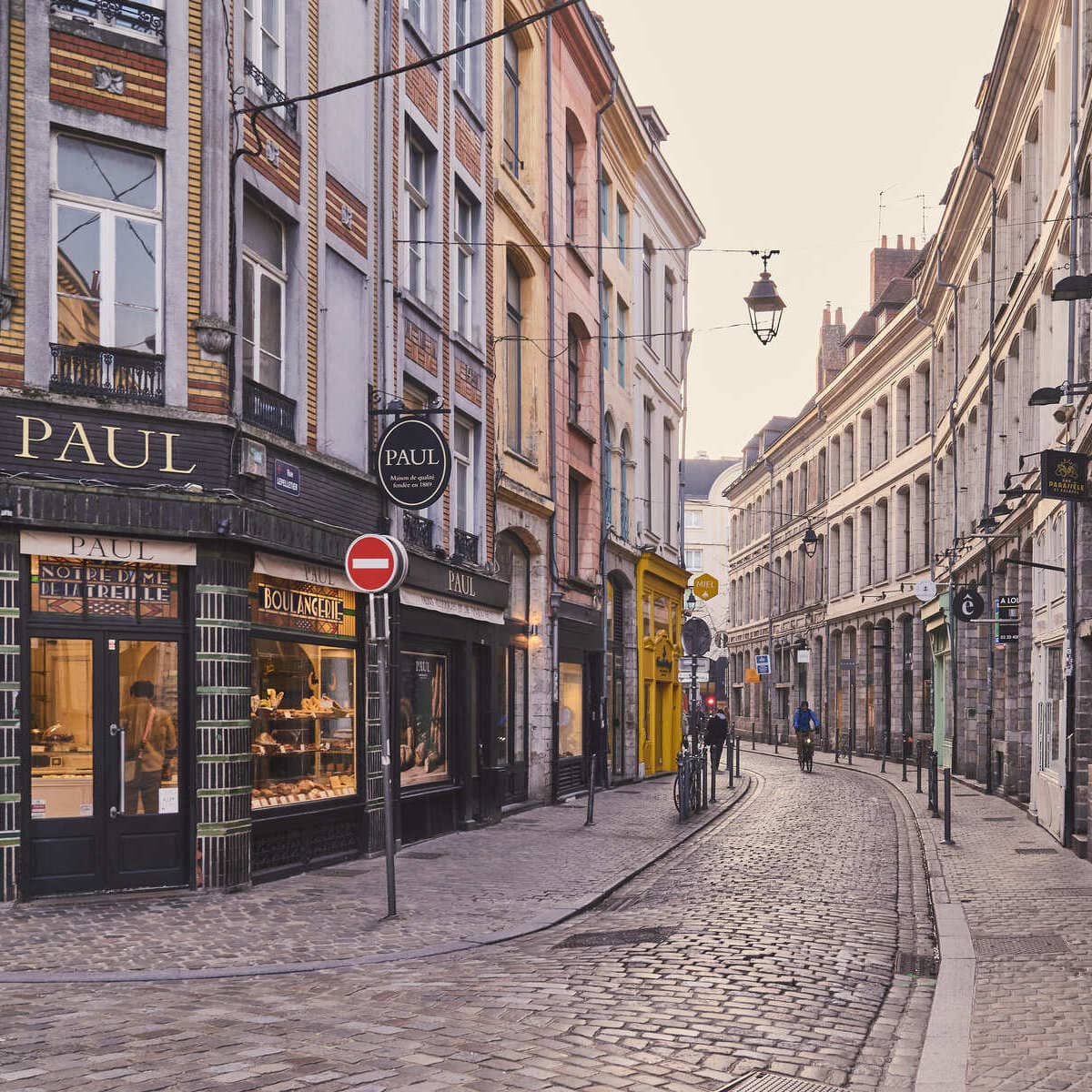
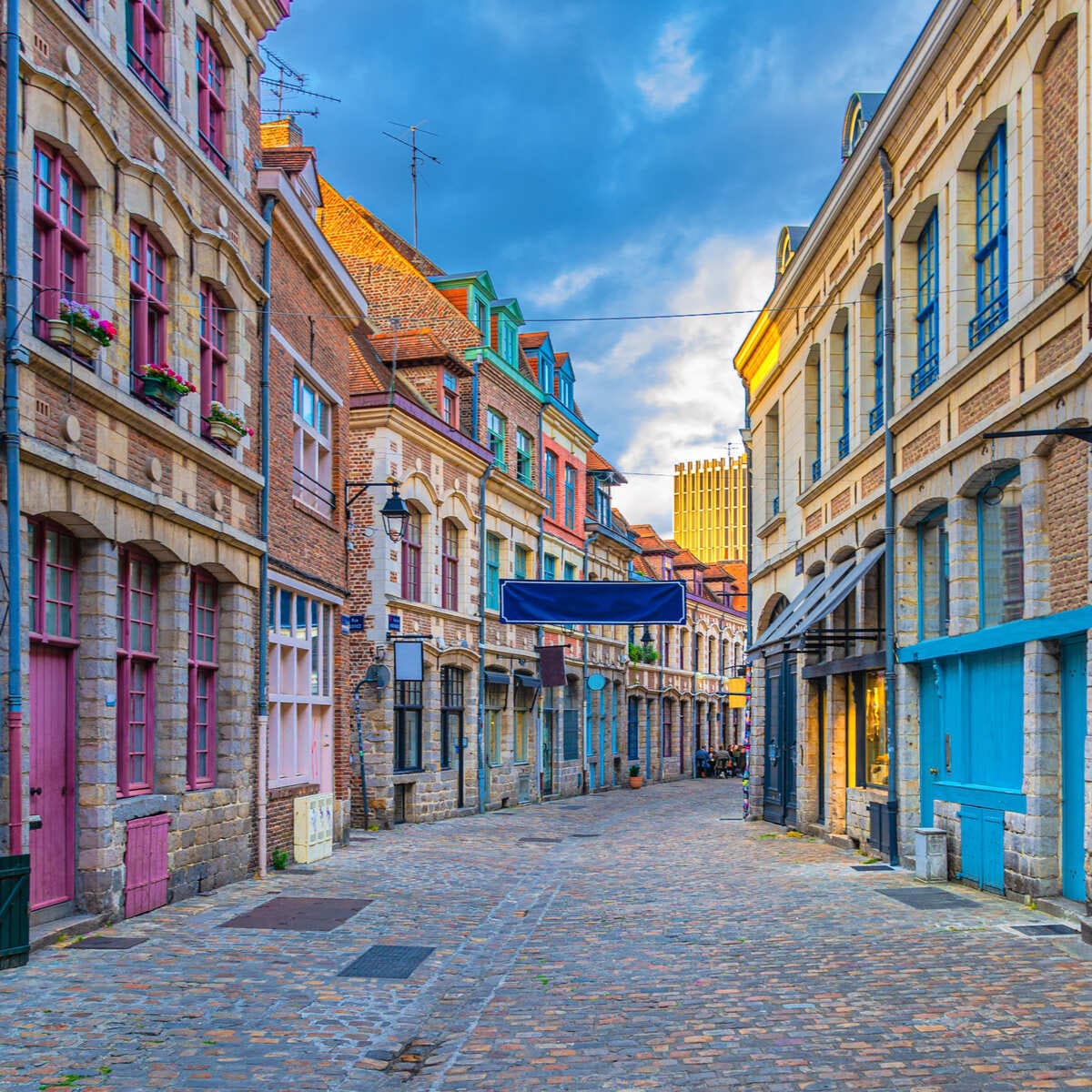
Vieux-Lille is arguably one of the liveliest Old Town quarters I’ve been to myself in France, and living here myself, I’ve been to my fair share of French gems.
It combines that northern, Belle Époque elegance, with ornate edifices and wrought-iron balconies, with a traditionally-Flemish soul (that’s a nod to Belgium’s Dutch-speaking half).
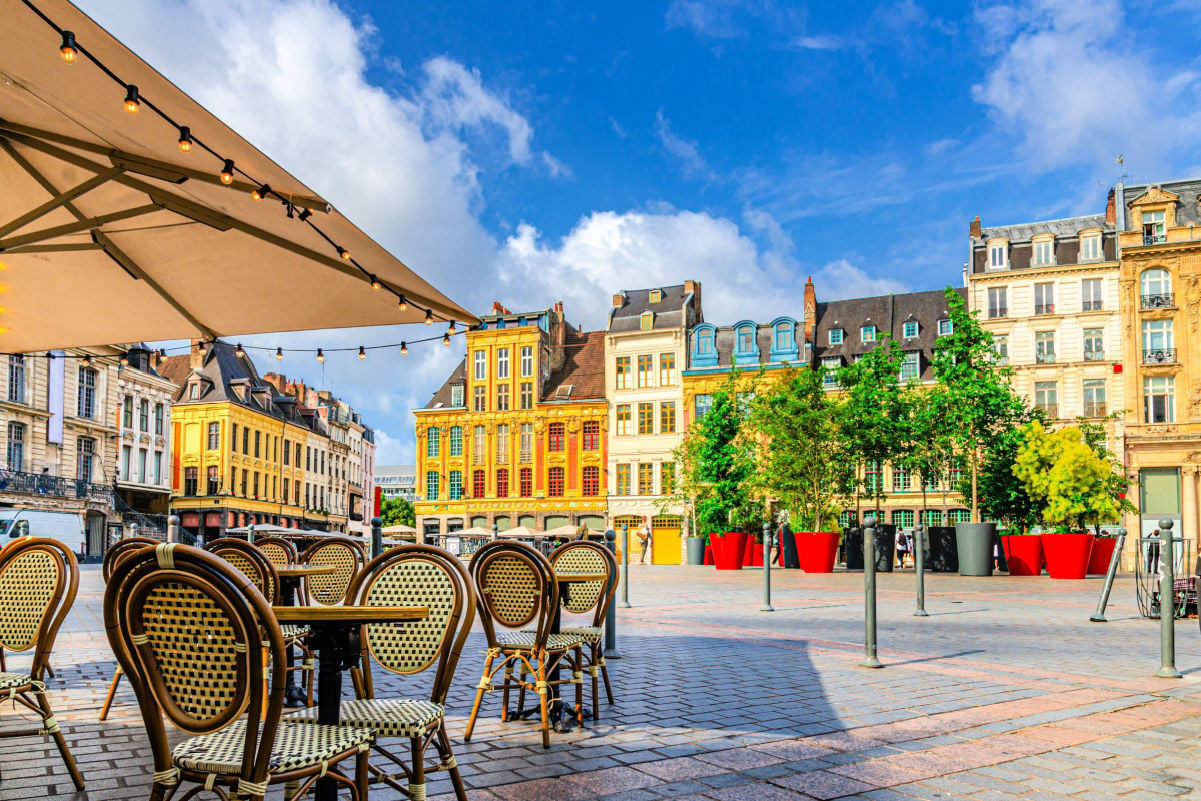
The Grand Place is the perfect place to start.
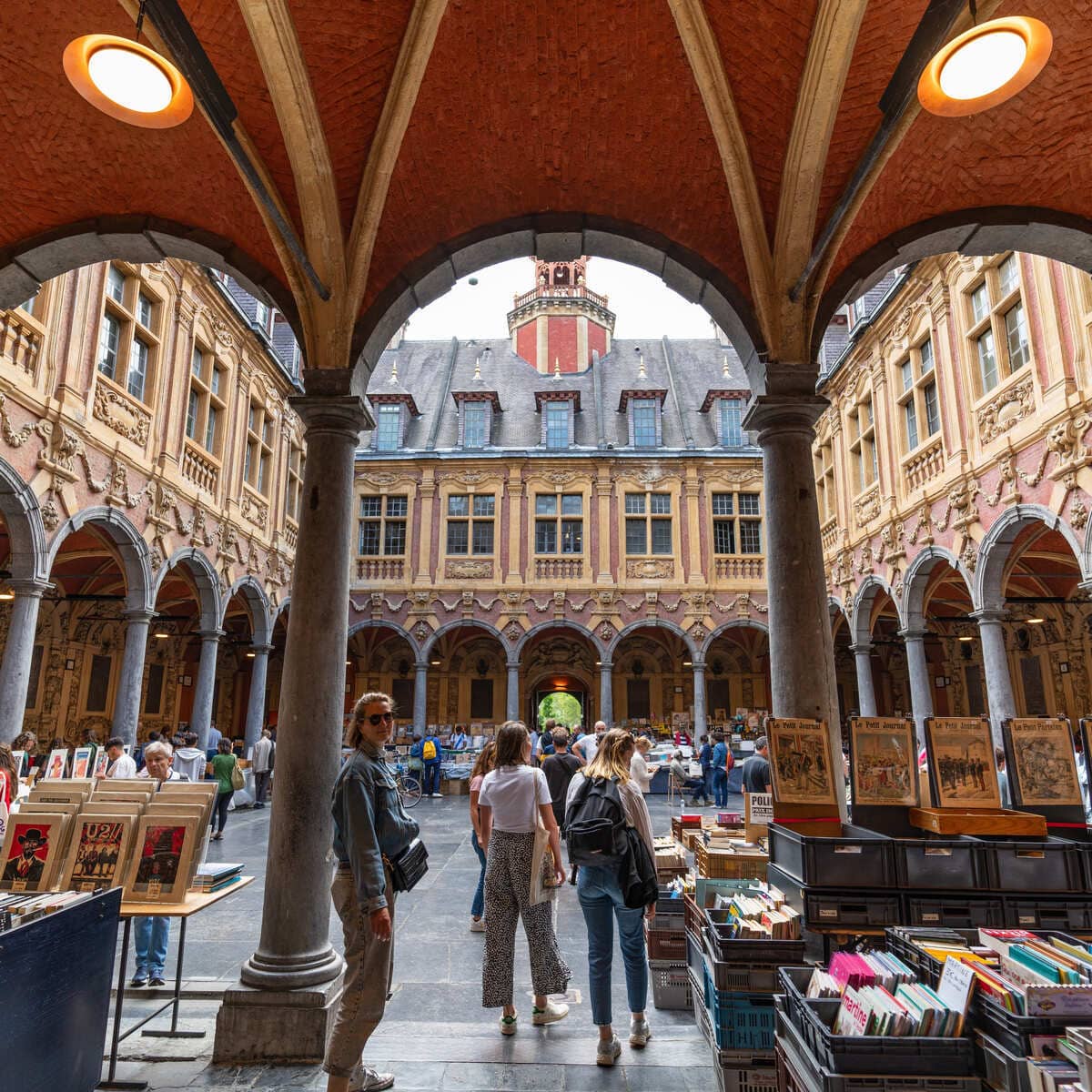
A miniaturized version of Brussels and Antwerp’s own grand plazas, it is a magnificent central square surrounded by ornate facades, café terraces, and bell towers. Right on the edge of Grand Place, Vieille Bourse is likely Lille’s most emblematic building:

Towering above the square, it has an atmospheric Renaissance courtyard, and a real storybook, Old World feel. It’s one of the most photogenic spots you can lay your eyes on, and go internally ‘yeah, I’m in Europe’.
Add to that the numerous hidden courtyards, little passageways, like the Cour Alcide, a covered arcade connecting Grand Place to Rue de la Monnaie, lined with bookshops and boutiques, and the winding cobbled lanes of the medieval quarter, with red-brick Flecomish townhouses and leafy squares galore, and you’ll start seeing why this city has won me over.
Top 10 Must-See Attractions In Lille
- Vieux-Lille: the prettiest quarter, dating back to medieval times, all cobbled lanes and Flemish townhouses
- Grand Place: a magnificent central square flanked by grandiose buildings, including the Vieille Bourse (which hosts the cutest little book market)
- Palais des Beaux-Arts: one of France’s largest fine-arts museums outside Paris (it houses works by Rubens, Monet, and even Goya)
- Cathédrale Notre-Dame-de-la-Treille: an unusual neo-Gothic cathedral preceded by a translucent marble portal and hiding stunning stained glasswork
- Le Quai du Wault: a picturesque water basin and inner port located in central Lille
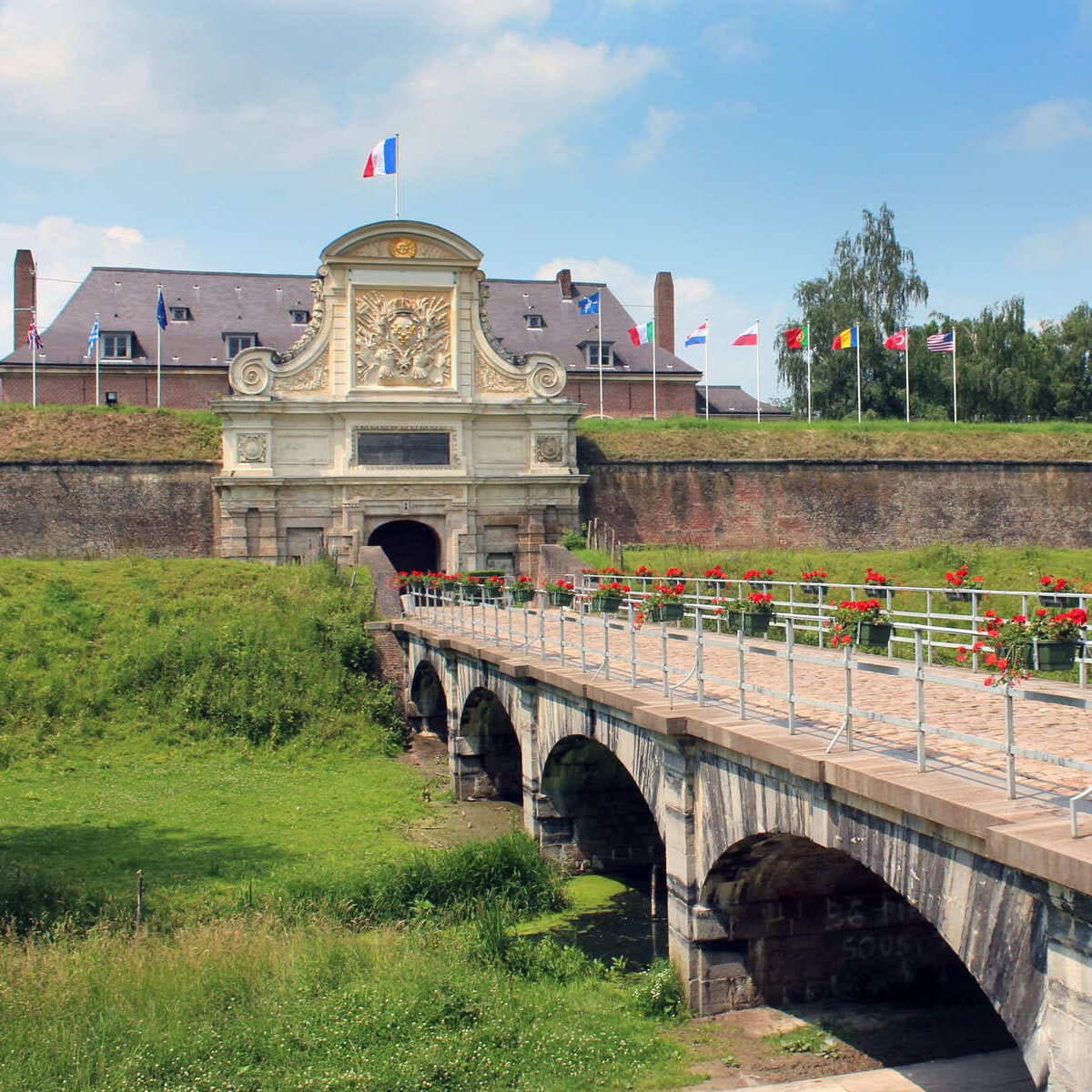
- La Citadelle de Lille: an enormous 17th-century star-shaped fortress surrounded by a verdant park—just bear in mind you can’t actually go inside it as it’s a military zone
- Maison natale Charles de Gaulle: Charles de Gaulle’s birthplace. Yep, France’s most famous 20th-century leader was born here in Lille, in a restored historic townhouse now open as a museum
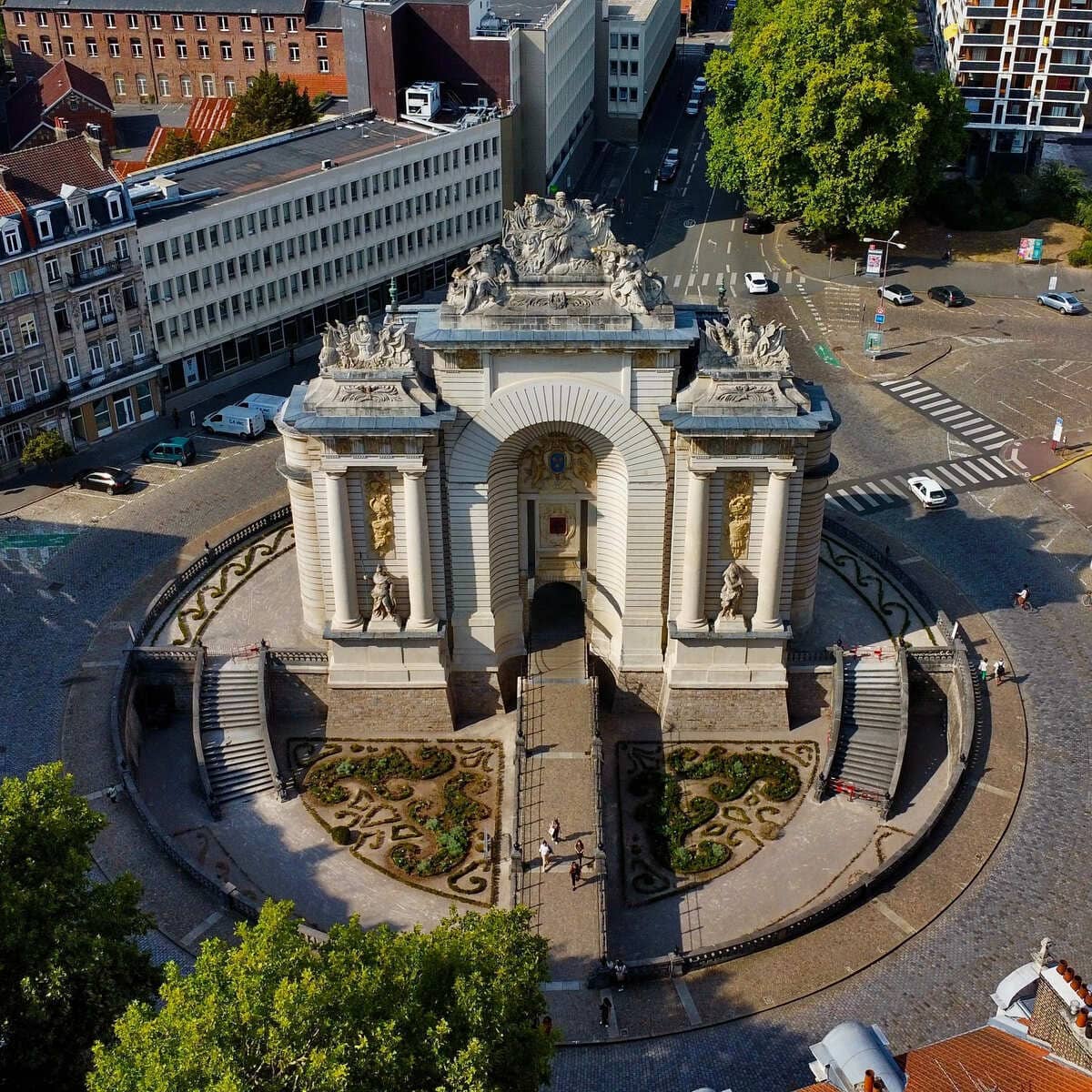
- Porte de Paris: this monumental, 17th-century triumphal arch that once marked the entrance to the city from the road to Paris
- Jardin des Plantes: Lille’s oldest public garden, a peaceful green space near the train station.
How Safe Is France In Fall 2026?
Wondering how safe France is to visit right now?
For all it’s worth, the country remains relatively stable, being classed a Level 2 destination by U.S. authorities, on a par with countries like Spain and Italy.
This means you should simply exercise ‘increased caution’ when visiting due to petty theft and other street-level crime, and maintain a high level of situational awareness in crowded spaces, as the threat of extremism can never be fully ruled out.
On the Travel Off Path Traveler Safety Index, France scores a respectable 82 out of 100, based on reports from recent visitors. This is an indication of a solidly-high level of safety perception.
France’s Mini Belgium
Lille is a mini Belgium of the sorts, so of course you can’t visit without sampling some of the local cuisine.
Marché de Wazemmes is your Sunday-morning call for a bite in a sprawling market. Must-tries include carbonnade flamande, a beef slowly braised in dark Flemish beer, topped with onions and Dijon mustard, or occasionally, brown sugar for that characteristic sweet-and-savory hit.
Potjevleesch, a Flemish staple Lille has taken under its wing, is worth the detour here alone:
It’s a cold, jellied terrine of several meats, typically served with those thick-cut Belgian frites and pickles, and to my fellow sweet fiends out there, you won’t want to miss out on Lille’s merveilleux: it’s meringue domes coated in whipped cream and chocolate shavings, a local specialty you’ll find in bakeries across town.
Ready for a gulp of Northern beer?
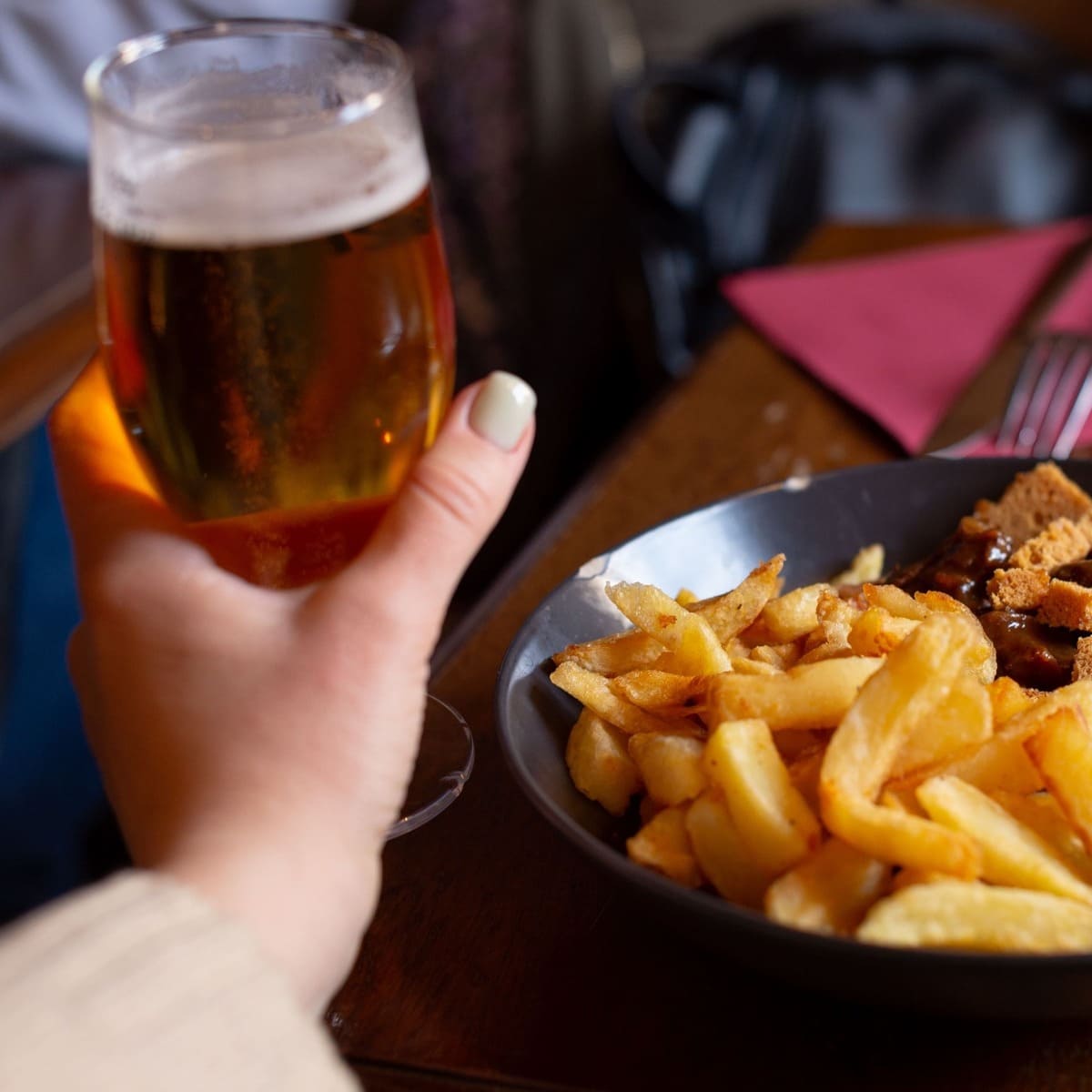
La Guinguette de la Marine is my own go-to spot in town for that relaxed outdoor vibe, and they serve a half-liter of cold, local beer for around $5.
Europe At Genuinely-Affordable Prices
Speak of the devil, the average pint price here is a surprisingly-economical $5–7, and you’ll be pleased to find out that, compared to other mainstream French destinations like Paris or Lyon, Lille is actually quite a bargain.
It just happens to be one of France’s most affordable major city breaks, and this is particularly impressive given how it sits literally at the crossroads of Central and Northern Europe, and it’s no backwater, either.
It’s the fourth-largest metropolitan zone in France, after Paris, Lyon, and Marseille, a cultural heavyweight, the birthplace of France’s most famous president, and a border city with a sprawling metro and an infinite variety of attractions.
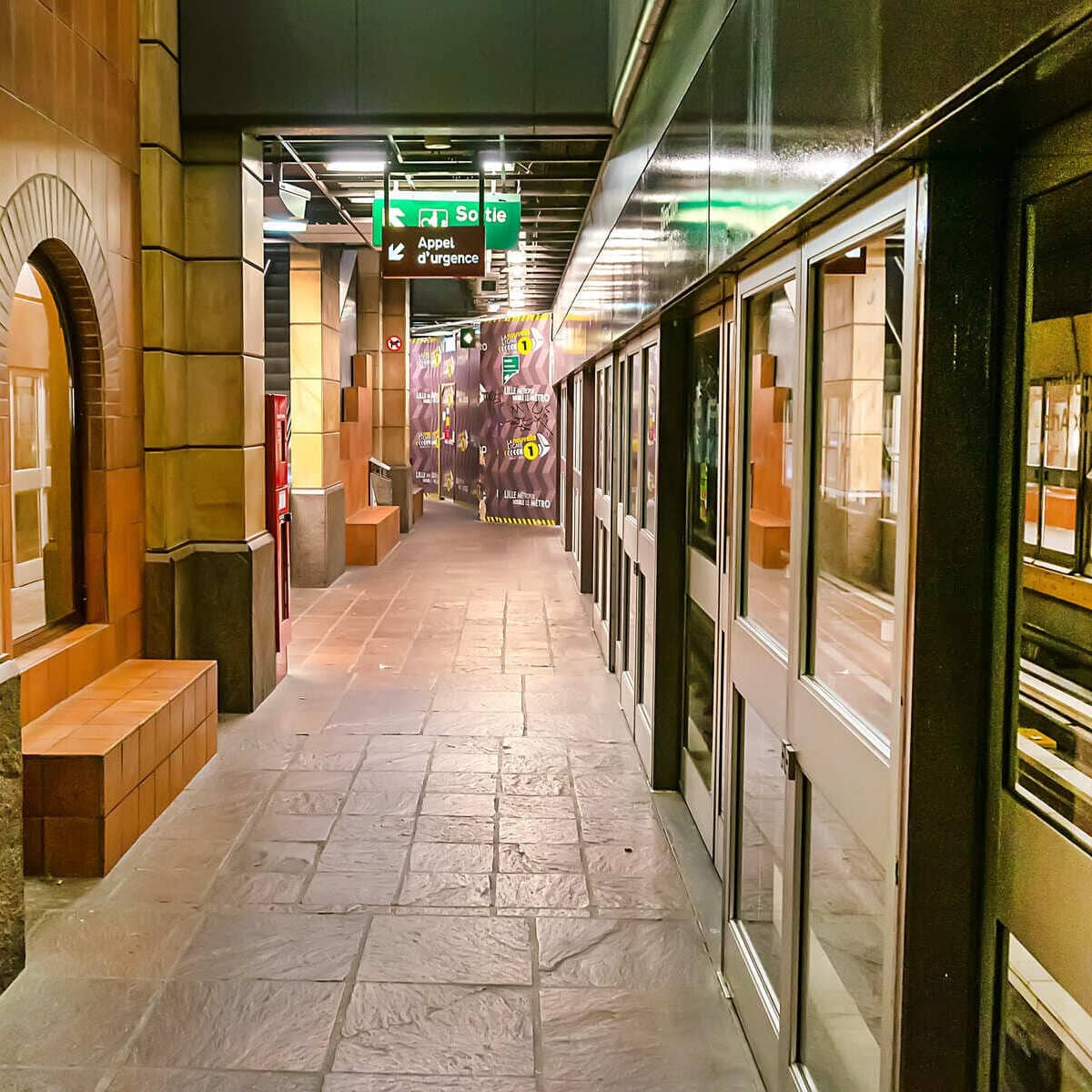
And if you think that Paris’s 16-line, 300+ station metro with routes that cross over the Seine overlooking the Eiffel Tower is the coolest thing, wait until you meet Lille’s simpler, two-carriage, driverless tube.
With lines that go both underground and overground, the latter of which offer sweeping views of the church-dotted skyline, it’s the second-longest metro network in France after the capital, with 60 stations, and it’s an attraction in its own right.
Unlike the overpriced Paris single-ticket, however, a day pass in Lille will run you back about $5.30 for unlimited travel on metro, tram, and bus.
Average Prices In Lille, France In 2026
- Takeaway snack, like a gaufre (waffle) or frites: $3.50–5.50
- Beer at a local bar (0.5 L draft): $5–7
- Coffee at an Old Town café: $3–4
- Main dish at a local restaurant, like carbonnade flamande or moules-frites: $16–23
- Three-course meal at a mid-range restaurant, drink included: $45–57
- Budget guesthouse or hostel (per night): $17–28 for a dorm bed
- 3-star hotel (per night): $99–125
- 4-star hotel (per night): $125–205
- Public transport (one-way ticket): $2.40, day pass $5.30
- Museum or attraction entry fee: $4.50–8 for major museums like the Palais des Beaux-Arts (many smaller sites are free)
The Perfect Launching Pad For Country-Hopping In Europe

Lille is also a great base for multi-country trips.
With Belgium right on its doorstep, and England and Holland a mere train ride away, you can easily combine with stops in neighboring countries without the added hassle of airport transfers and security lines.
5 Other European Destinations You Can Reach From Lille
- Kortrijk, Belgium: a charming Flemish city just 36 minutes away by train, perfect for a half-day trip
- Brussels, Belgium: the EU capital and home of Tintin, reachable in about 35 minutes by direct Eurostar
- Antwerp, Belgium: a stylish port city with a legendary diamond district, around 1 hour by train
- Ghent, Belgium: a canal city with a medieval castle, roughly 1h15 away
- London, England: Big Ben and double-decker bus rides, just 1h22 from Lille Europe with Eurostar
- Rotterdam, Netherlands: modern architecture and Europe’s largest port, around 2h30 away by train
- Amsterdam, Netherlands: the iconic canal-traversed Dutch capital, about 2h50 by direct Eurostar
Traveling south deeper into France instead? Travel Off Path has 5 underrated cities with moated castles, volcanic cathedrals, and smaller crowds picked for you, by yours truly.
Vieux Lille
Wander the cobbled lanes of the medieval quarter, blending French Belle Epoque elegance with red brick Flemish townhouses and hidden courtyards.
Grand Place
Start your journey at this magnificent central square, flanked by cafe terraces, bell towers, and the atmospheric Renaissance courtyard of the Vieille Bourse.
Flemish Cuisine
Head to Marche de Wazemmes for carbonnade flamande, a local beef dish slowly braised in dark beer, or enjoy a five dollar cold draft at an outdoor guinguette.
Massive Metro
Experience the second longest metro network in France with a cheap five dollar day pass, enjoying sweeping skyline views on the overground lines.
Border Hopping
Use Lille as a massive European launching pad, reaching Brussels in 35 minutes, London in under ninety minutes, or Amsterdam in under three hours.
Enter your email address to subscribe to Travel Off Path’s latest travel news, straight to your inbox
