
It’s been six years now since I packed my bags in London, took the Eurostar across the Channel, and settled in Paris to start a new life.
A lot has happened since, from pulling my hair out over those URSSAF filings to being baguette-order-shamed into finally speaking fluent French, but if there’s one thing I’ve learned in all these years, it’s that France is actually a hugely underrated country that has yet to get its flowers.
You’re probably raising an eyebrow right now. After all, this is one of the world’s most visited destinations—if not the most visited… right?
Well, chalk that up to the fact that a huge chunk of those 102 million annual visitors make a beeline for Paris, or go beach-hopping around Côte d’Azur, and you have a whole country left largely unexplored.
Far too many tourists who come to France never actually visit France.
That’s why, whenever I have friends over, I always tell them the same thing: yes, Paris is great, but it’s merely the tip of an Eiffel-sculpted iceberg.
If you’re asking me where you should go outside Paris for a taste of that real, lived-in France—or maybe a regional flavour you weren’t expecting—I’ll always circle back to the same five names.
Each with enough cultural weight to rival the capital, lower hotel rates, and show-stopping landmarks:
Quimper
The Celtic Heart Of France

Something I’ve learned from half a decade of traveling around France is that the best hidden gems are still kept tightly under wraps by locals. Sorry to my fellow French countrymen for spilling it out, but we have to talk about Quimper.
The historic medieval capital of Brittany, France’s northwesterly region steeped in Celtic culture, this compact riverside city is known for housing a soaring Gothic cathedral, half-timbered houses that lean over cobbled lanes, and vibrant fests.
I was only ever here once for the yearly Cornouaille, a summer event where the entire city dresses up in medieval costumes and lace, and the stone-made streets get decked with regional banners, but festival or not, I’ve been itching to go back ever since.
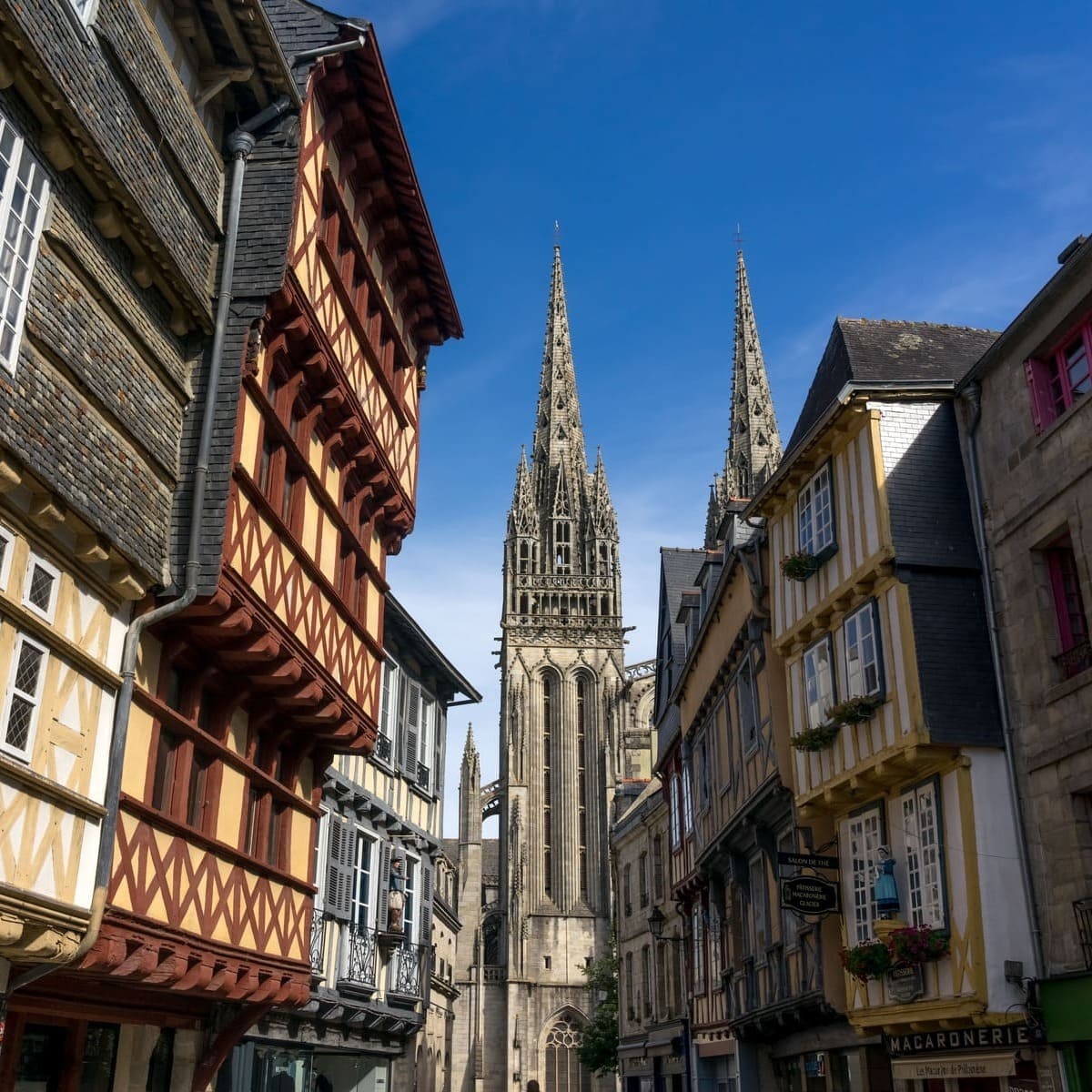
Even if you’re coming off-season, Vieux Quimper, the walled Old Quarter, is worth the three-hour train ride from Paris alone: it’s home to Saint-Corentin Cathedral, this huge Gothic church is topped with twin spires, and glows in vivid colorful stained glass.
Right beside the cathedral, the medieval Bishop’s Palace is a grand building now housing a fine arts museum, and across the banks of the Odet, the Locmaria district is dotted with Romanesque churches, quiet squares, and cozy crêperies serving traditional Breton galettes.
Just Old World charm virtually everywhere you look.
- Getting Here From Paris: 3h28 from Paris Montparnasse by train
- The Vibe: a small medieval city steeped in Celtic culture
- Average Hotel Rate: $61–72 (in a local guesthouse or standard single hotel room)
- Must-See Attraction: Vieux Quimper, the landmark-strewn medieval Old Quarter
- My Favorite Local Eat: Crêperie Brocéliande
- The Strategy: stay at least 3 nights in the area and explore other historic spots in Brittany like Dinan and Saint-Malo
How Safe Is France Right Now?
U.S. Department of State: Level 2. Exercise ‘increase caution’ due to extremist threats and civil unrest
Travel Off Path Traveler Safety Index: 82/100 based on reports from recent visitors, indicating an elevated perception of safety
Aigues-Mortes
The Medieval Castle By A Bubblegum-Pink Lake
Let me preface this by saying I don’t dislike the South of France in general, but there’s just something about the glossy attitude of Antibes frequenters, and the slick touristy sheen you get in your average promenade in Nice that makes me squirmish.
If I’m going south, it’s offbeat places like Aigues-Mortes I’d be drawn to. It’s walled, wildly photogenic, still-undiscovered, and deeply historical:
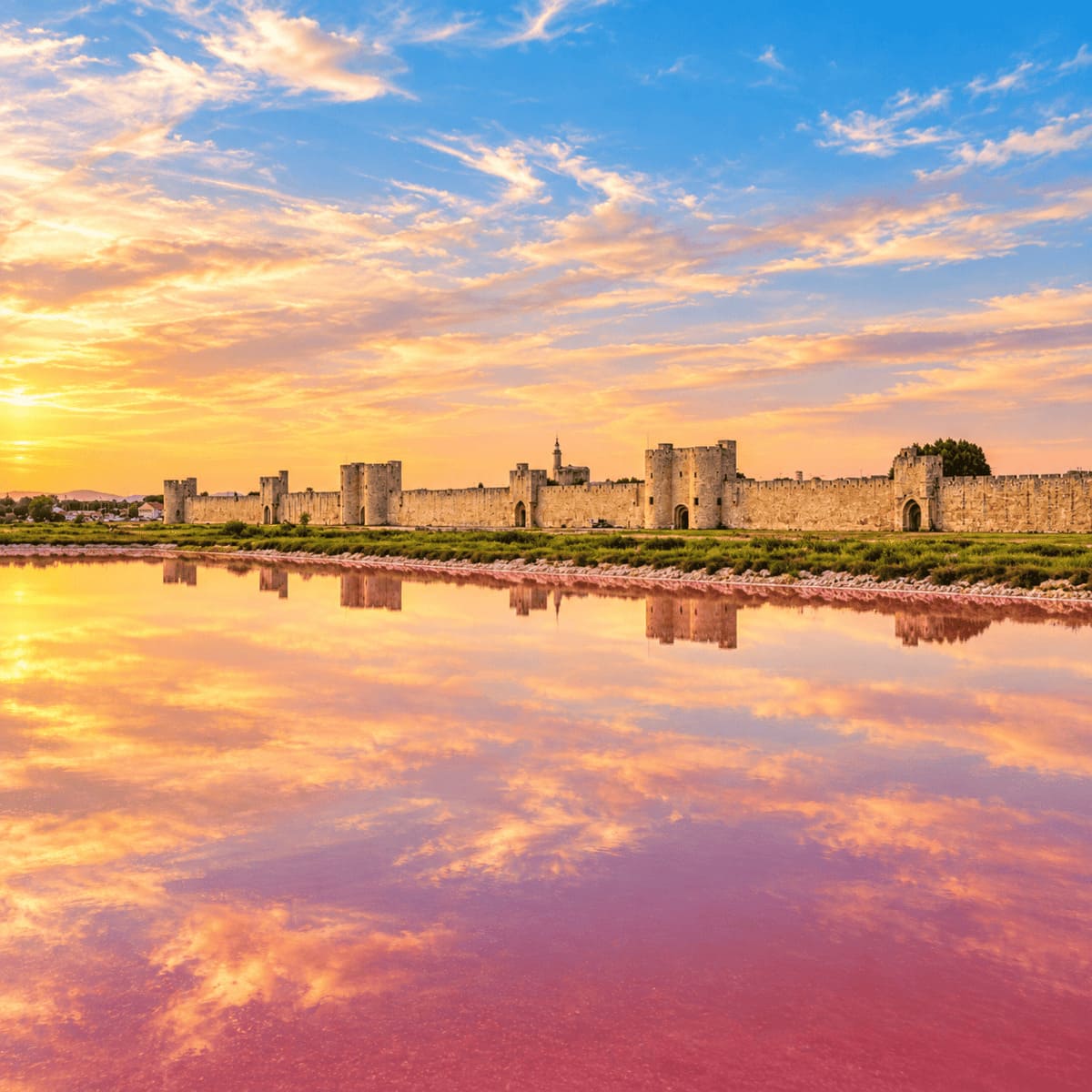
The entire town center is completely surrounded by these ramparts and embattlements. It honestly looks as if someone plucked Dubrovnik out of its sun-soaked Adriatic nook, and planted it on France’s salt-speckled Mediterranean shoreline.
The most striking thing about Aigues-Mortes, though? It’s not called ‘Dead Waters’ in vain: it sits right beside a bubblegum-pink lake, which earned its distinctive shade thanks to the pigments of the algae that thrive in it.
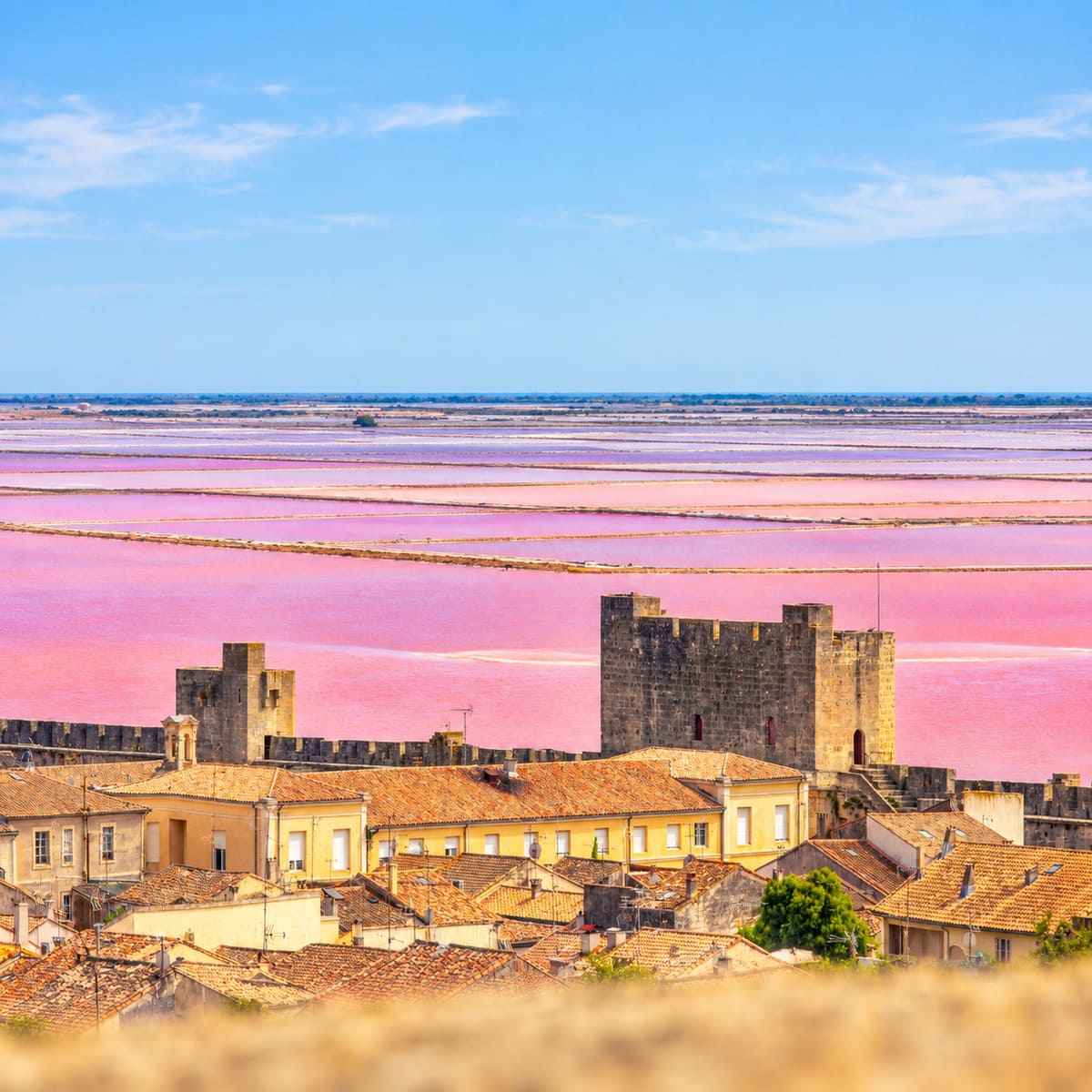
It’s NOT an Instagram filter, I’ve seen it with my own eyes. The lake is really that color, and the sight of that glossy-pink body of water, backed by what looks like an expansive medieval castle, is not something you’ll forget anytime soon.
File this under ‘Looks Like AI But It’s The Real Deal’, alongside other otherworldly French towns like Mont-Saint-Michel and Rocamadour. But hey, that’s material for part 2.
- Getting Here From Paris: Around 5 hours by train and bus, usually with a change in Montpellier
- The Vibe: Dubrovnik, but add a bubblegum-pink lake to the scene
- Average Hotel Rate: $67–83 (3-star listing)
- Must-See Attraction: the pink salt flats and the medieval ramparts
- My Favorite Local Eat: La Table du Sel, for Camargue specialties
- The Strategy: stay in nearby Montpellier or Nîmes, yet another underrated French city dating back to Roman times, and visit Aigues-Mortes by bus as a day trip
Note From The Editor
Just one sec! If you enjoy reading great human-written articles, the best way to see a few more is to follow us on Google so we become one of your preferred websites. Thank you so much for reading. Now back to the story!
Rouen
The Prettiest, Most Colorful Medieval City
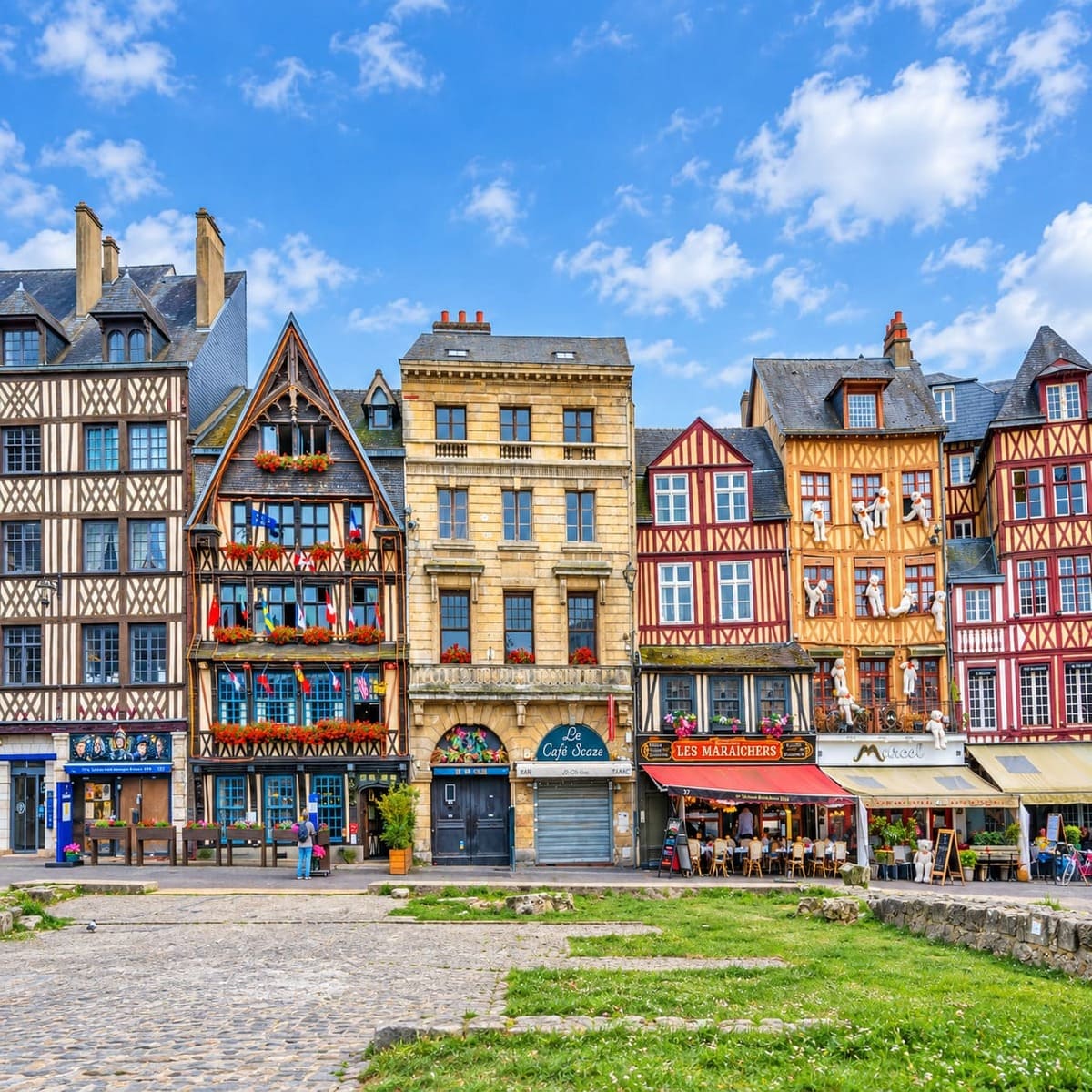
We’re going back North.
Oftentimes, you don’t even need to commit to a whole cross-country train journey to see something beautiful other than Paris. Rouen, arguably the prettiest medieval city in France full stop, is a short one-hour hop away.
It’s the capital of Normandy and a living, breathing postcard literally bursting with timbered buildings that come in every imaginable color, crooked shape, and angle and somehow never fail to form a cohesive ensemble.
It’s just downright gorgeous, and I’ve lost count of the number of times I’ve accompanied Paris guests here simply for the pleasure of seeing their pupils widen at the sight of the first row of colorful townhouses.
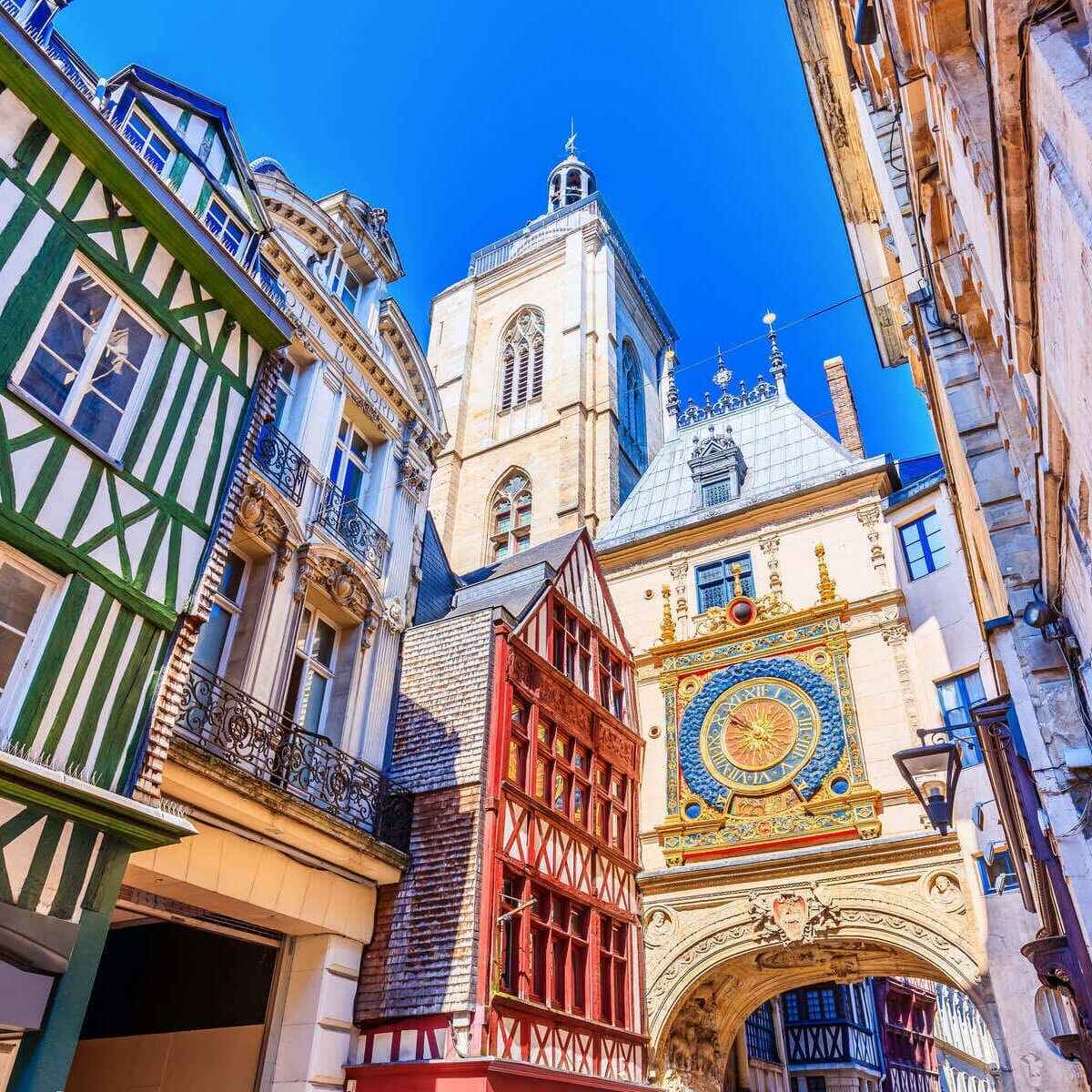
That’s only the beginning. Add to the equation a gilded Astronomical Clock, etched onto an overhead arch, and the 13th-century cathedral, with not the usual two, but a whole three uniquely-designed spires, and a crazy level of facade detail, and maaaaaybe you’ll get why everyone’s mindblown.
Including me, countless day trips here later.
Then there’s the history lore of it all. Next time trivia comes up on your pub quiz night, you’ll know the French city where Joan of Arc was burned at the stake is none other than little Rouen. You can still visit the exact spot where the pyre was set up, at Place du Vieux-Marche.
- Getting Here From Paris: 1 hour from Paris Saint-Lazare by train
- The Vibe: colorful timbered town center at the foot of a soaring cathedral
- Average Hotel Rate: $83–100 (B&B or 3-star hotel)
- Must-See Attraction: Gros-Horloge, or the Astronomical Clock
- My Favorite Local Eat: Suzette for amazing gallettes and local cider
- The Strategy: feasible either as a day trip from Paris, or an overnight stay for a more relaxed, slower-paced visit
From new mandatory fingerprinting-on-arrival that applies to U.S. travelers, to a soon-to-be-launched travel permit, going abroad to Europe is no longer as straightforward as it used to be.
Before you go country-hopping across the pond, make sure you’re up to date with the continent’s latest sweep of travel regulations on the Entry Requirement Checker.
Nantes
Paris’ Edgier Atlantic-Side Sister
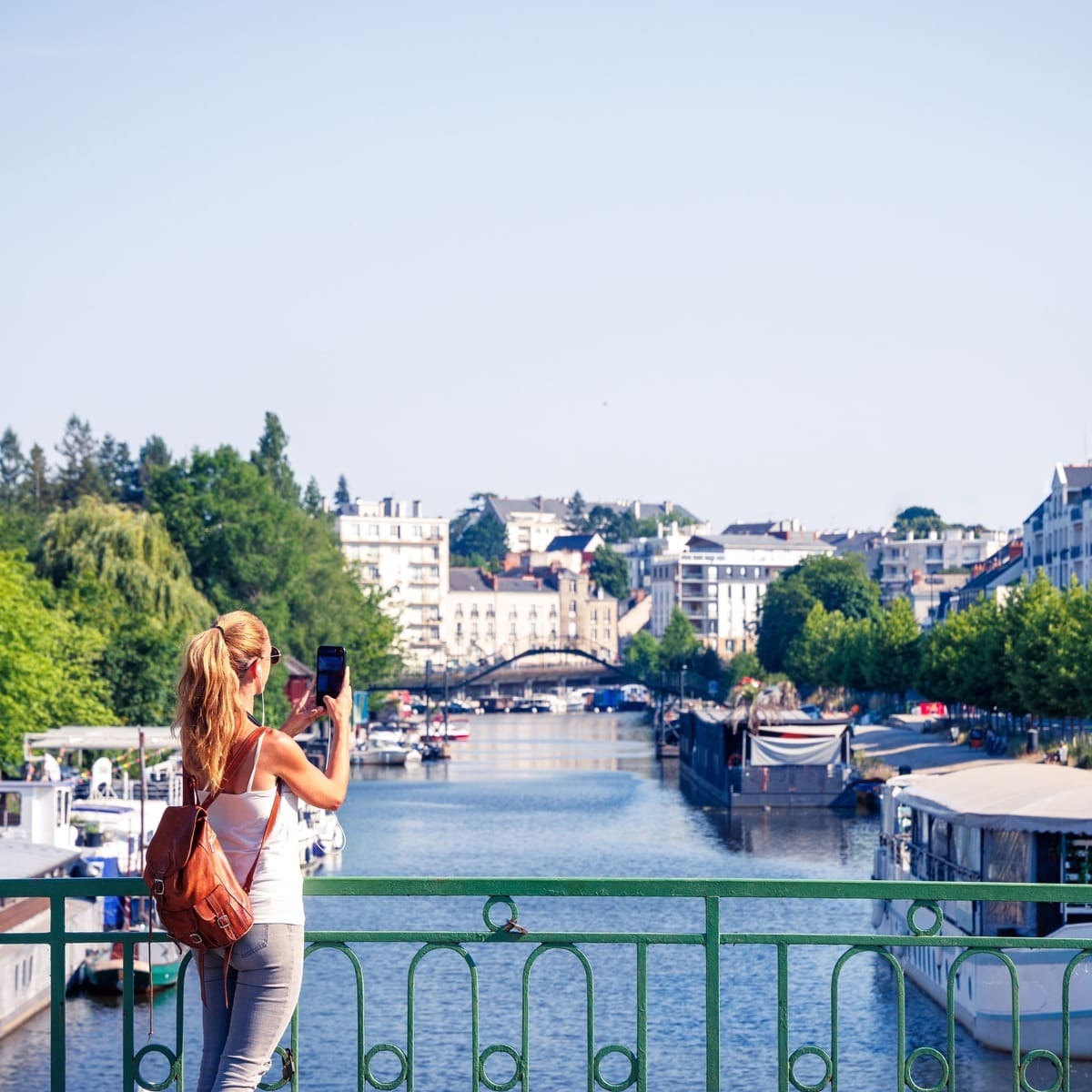
If you’re looking for a competing city break to counter Paris’ wealth of attractions, Nantes is an unlikely but surprisingly action-packed choice, lying only a few miles inland from France’s Atlantic shoreline. I’m talking winding tram lines, busy neighbourhoods, and a proper city feel.
The creative scene, especially around the student-frequented, bar-packed Bouffay district, is genuinely enticing, and there’s definitely something to be said for the nightlife—it might even rival Paris’ Le Marais for me.
But metropolitan feel aside, Nantes has its own fair share of historic sights.
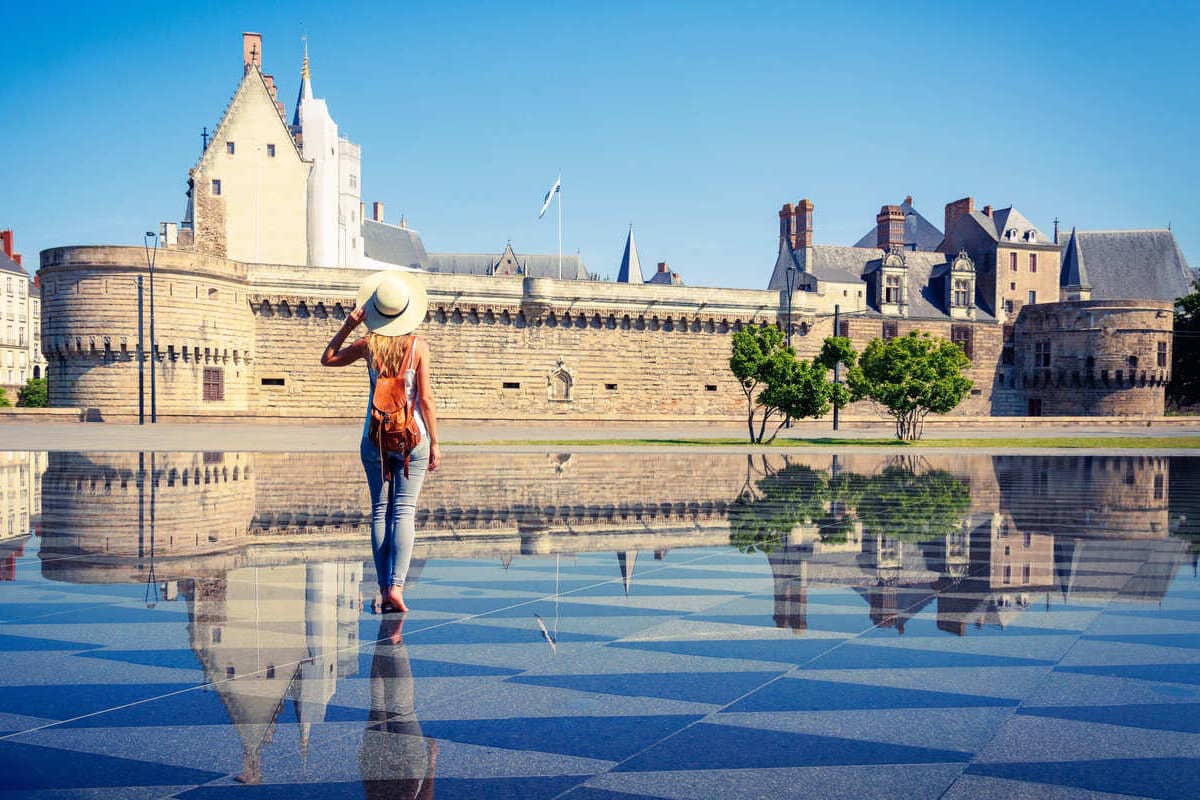
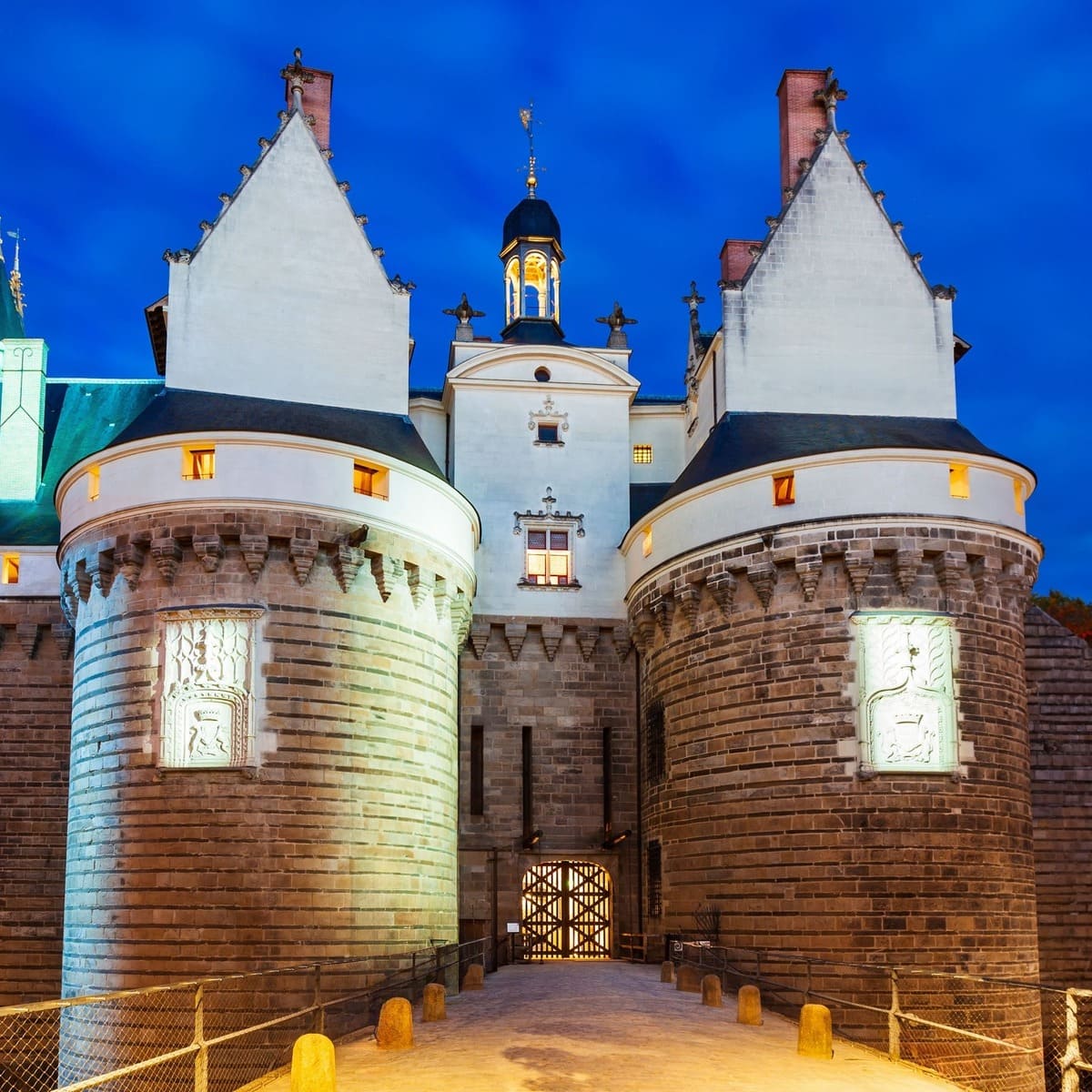
The most impressive, Château des ducs de Bretagne, is a medieval castle built by the dukes of Brittany, enclosed by a moat and surrounded by thick fortified walls. These walls surround elegant buildings, a central courtyard, gardens and a walkway boasting incredible views across the expansive skyline.
A short stroll away, Saint-Pierre-et-Saint-Paul Cathedral is yet another monumental Gothic building, except this one doesn’t have the usual time-darkened, grey stone: the façade is a striking bright white, and the cavernous, pale interior only adds to its otherworldly charm.
Add to that pretty little details, like Passage Pommeraye, an almost palatial shopping arcade, and Le Lieu Unique, a former biscuit factory turned cultural centre, and you get a well-rounded, distinctly French city that remains strangely overlooked (not among digital nomads, though, we must add).
- Getting Here From Paris: Around 2h15 from Paris Montparnasse by high-speed train
- The Vibe: Vibrant near-coastal metropolis with a lively social scene
- Average Hotel Rate: $78–94 (lower-end hotel room)
- Must-See Attraction: Château des ducs de Bretagne
- My Favorite Local Eat: La Fossette, a small, local-frequented brasserie with modest prices
- The Strategy: Stay at least 3 nights and take a day trip out to Clisson, a pretty medieval town surrounded by vineyards
Clermont-Ferrand
The Lava-Built ‘Inland Island‘
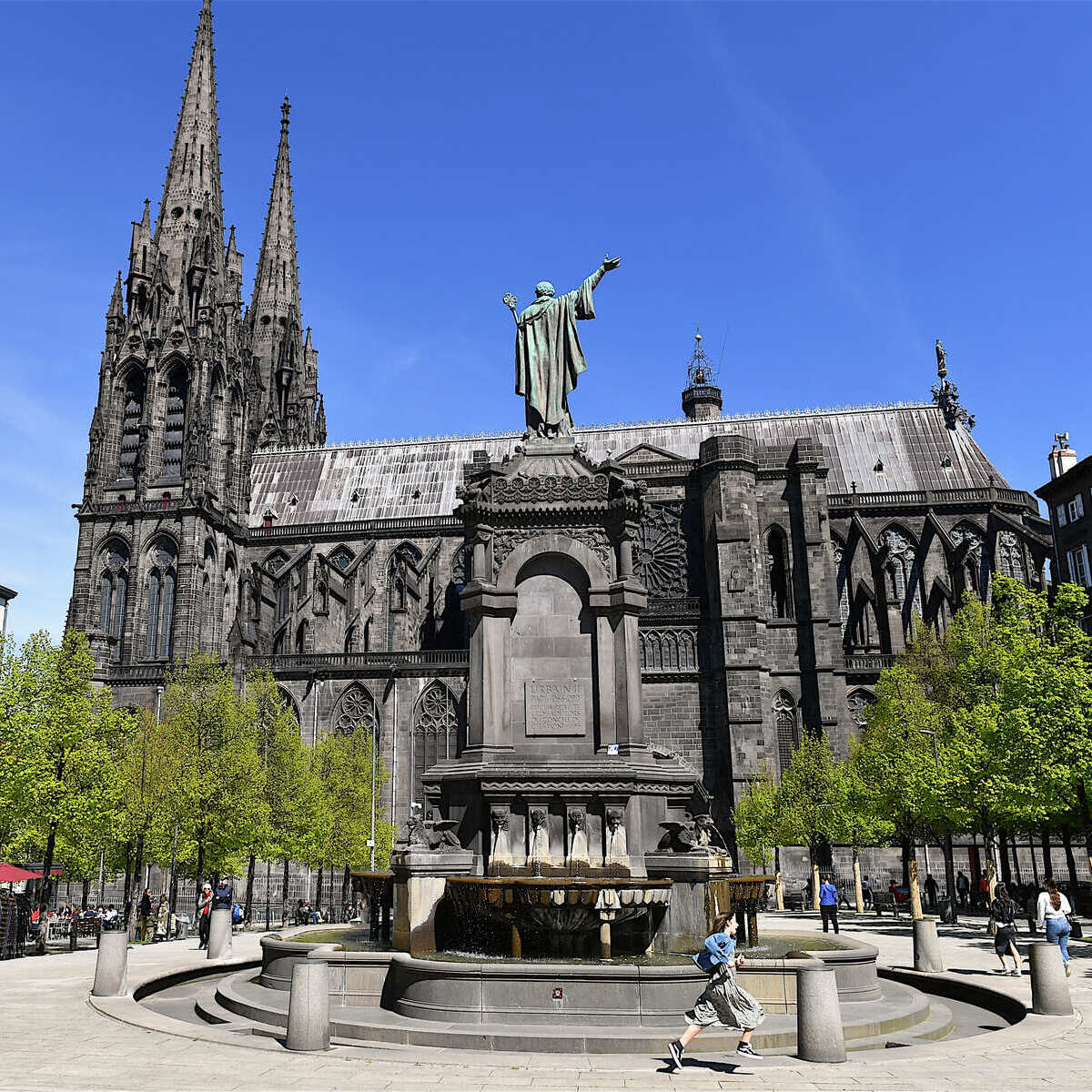
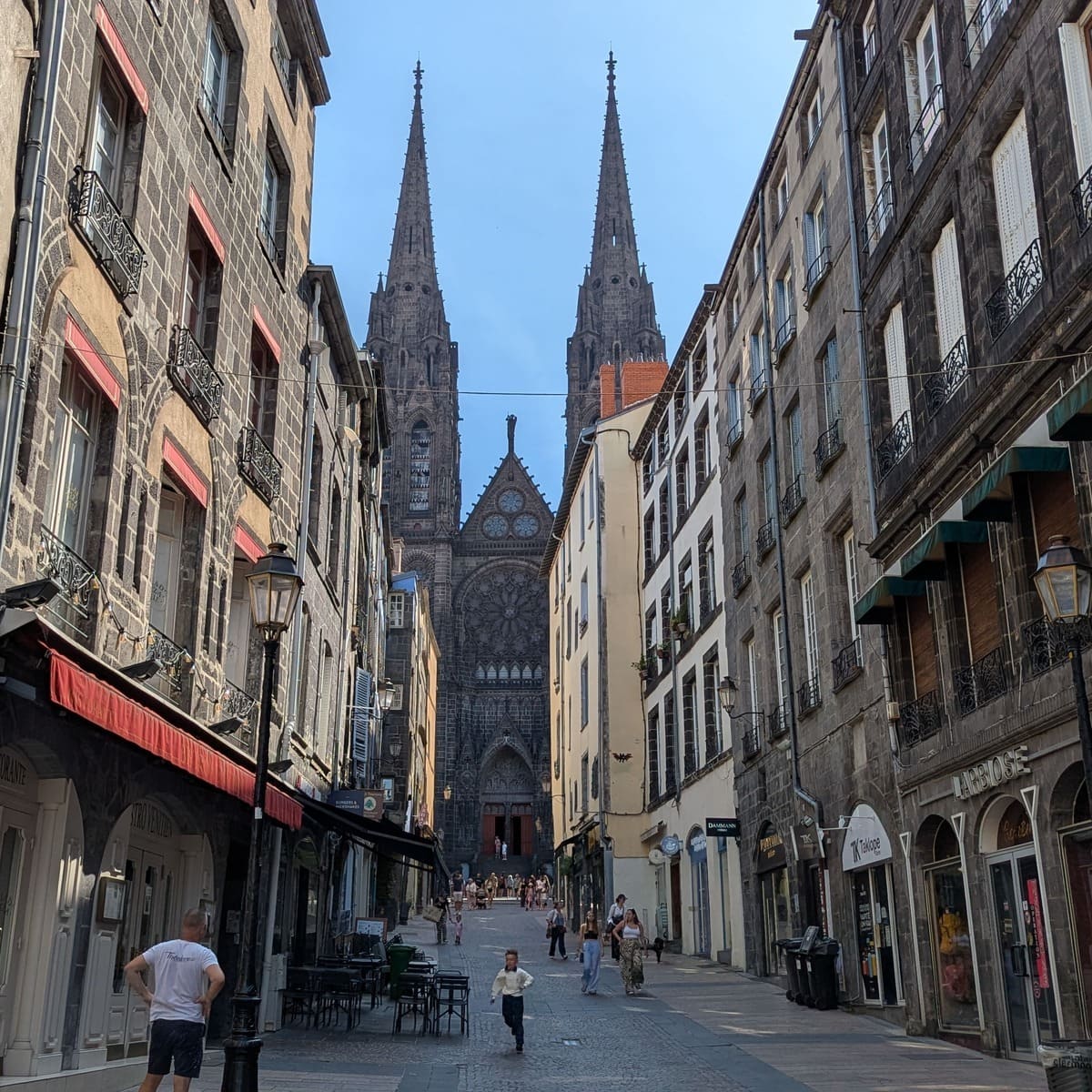
You’ve probably been wondering where that volcanic cathedral mentioned in the headline would come into play. Clermont-Ferrand, a remote inland city near the very center of France, hundreds of miles away from the next major hub, is where you’ll find it.
The unique thing here is that it sits right beneath the Chaine des Puys, a volcanic chain that shaped the city’s landscape and character: every building in its compact Historic Center is made from the same ash-like, dark stone found in the surrounding hills.
From the snug townhouses, to the squares, and of course, the Notre-Dame-de-l’Assomption Cathedral: that’s your lava-made showstopper right here.
A striking volcano rock-constructed stunner, it’s a dark beauty on the exterior, and a surprisingly light-filled nave inside. Amazing, but you can’t miss the city’s second most important church, a short walk from the cathedral grounds.
Notre-Dame-du-Port is adorned by carved capitals, and has a calmer, more intimate atmosphere. It’s also part of the UNESCO-listed Routes of Santiago de Compostela, so for those starting their journey from as far east as France, chances are you’ll be passing this quiet stop on your way to Spain.
I’m not the biggest tire geek myself, but maybe I should mention Clermont-Ferrand is the birthplace of Michelin, as in, the tire company, and if you’re into quirky museums, L’Aventure Michelin is an entire interactive museum dedicated to the city’s most famous export.
- The Vibe: volcanic stone-built city with an ‘inland island’ vibe
- Getting Here From Paris: Around 3h30 by train, usually with a change in Lyon
- Average Hotel Rate: $56–72 (privately-managed B&B or lower-end hotel)
- Must-See Attraction: Notre-Dame-de-l’Assomption Cathedral
- My Favorite Local Eat: La Table au Plafond, for hearty Auvergne food
- The Strategy: Stay at least 2 nights in the city and visit Puy de Dôme, the most famous of Clermont-Ferrand’s surrounding volcanoes
Enter your email address to subscribe to Travel Off Path’s latest travel news, straight to your inbox
