
Had your fill of graffiti-splattered, hipster-dominated Berlin? Or Munich, with its overpriced beer halls and jam-packed Marienplatz? This lesser-known, much-smaller city in the heart of Bavaria might just be the German fairytale you’ve been craving:
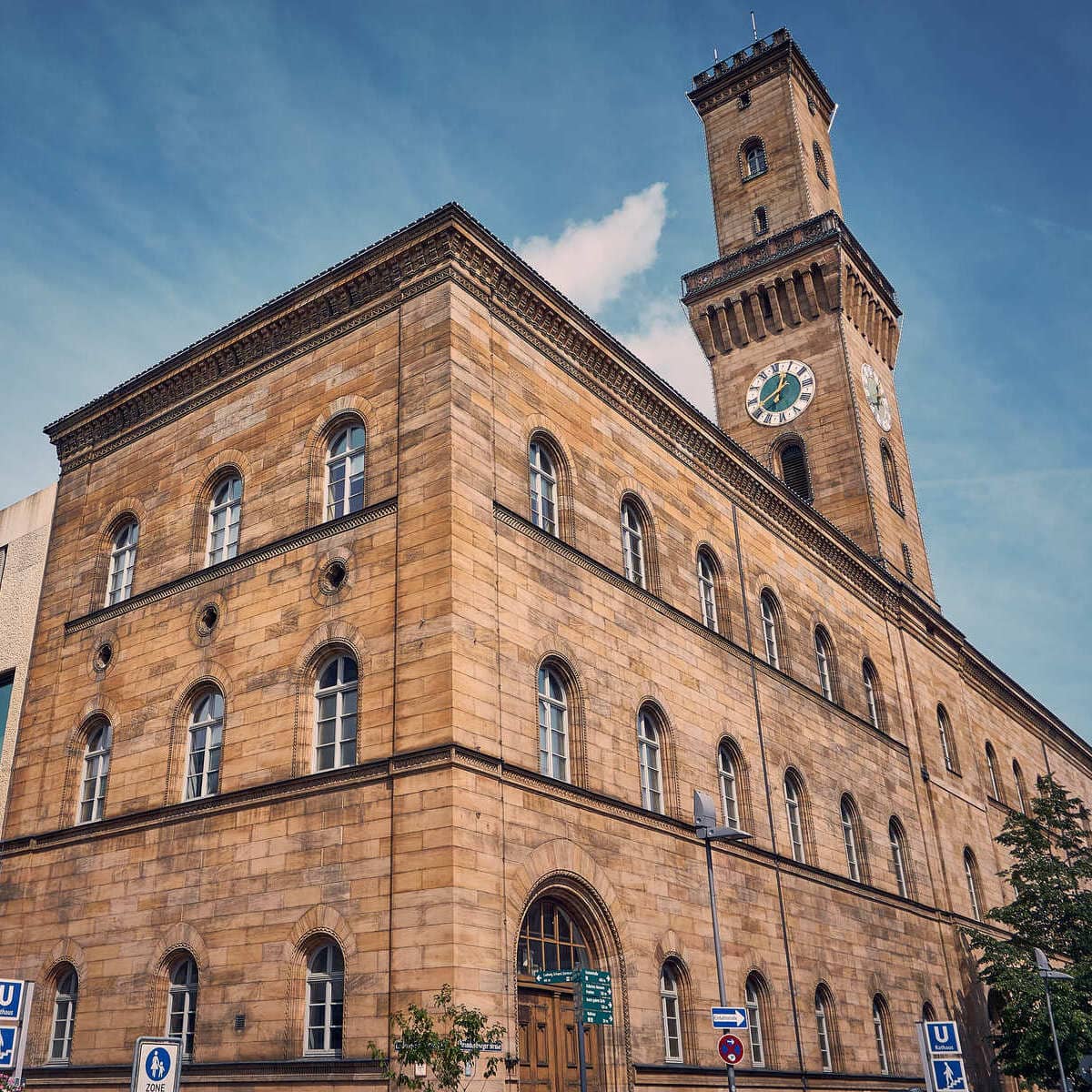
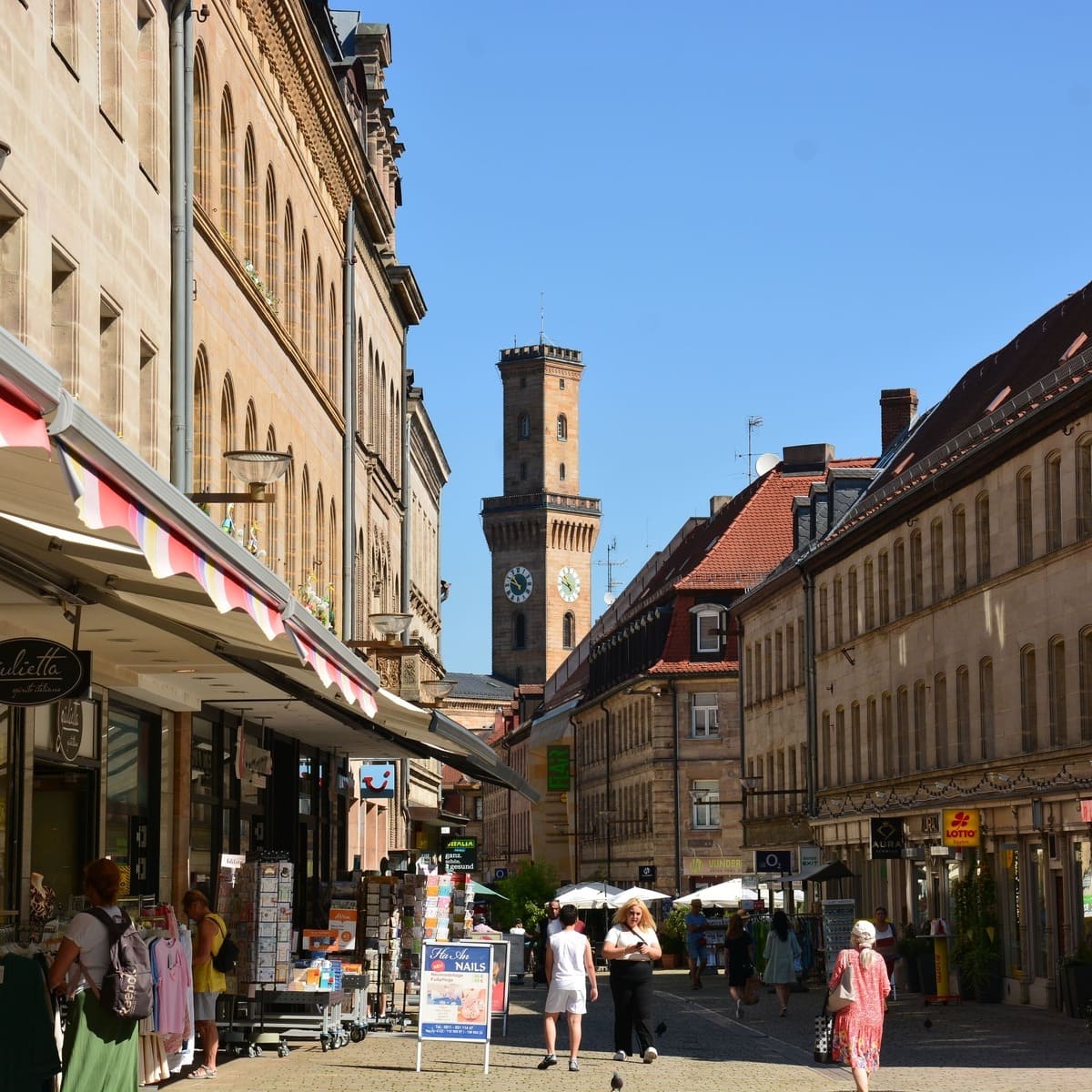
Located a mere five-minute train ride from bustling Nuremberg, it has a picture-perfect cobbled center, a monumental City Hall, and the kind of affordable German Gasthaus that’s rustic and old-school, and slings $17 meals.
Fürth is the next rising German spot on our radar, with an 18.3% uptick in arrivals between January and June 2026, the strongest percentage increase of any independent city or district in Bavaria, and a real knack for making tourists feel welcome:
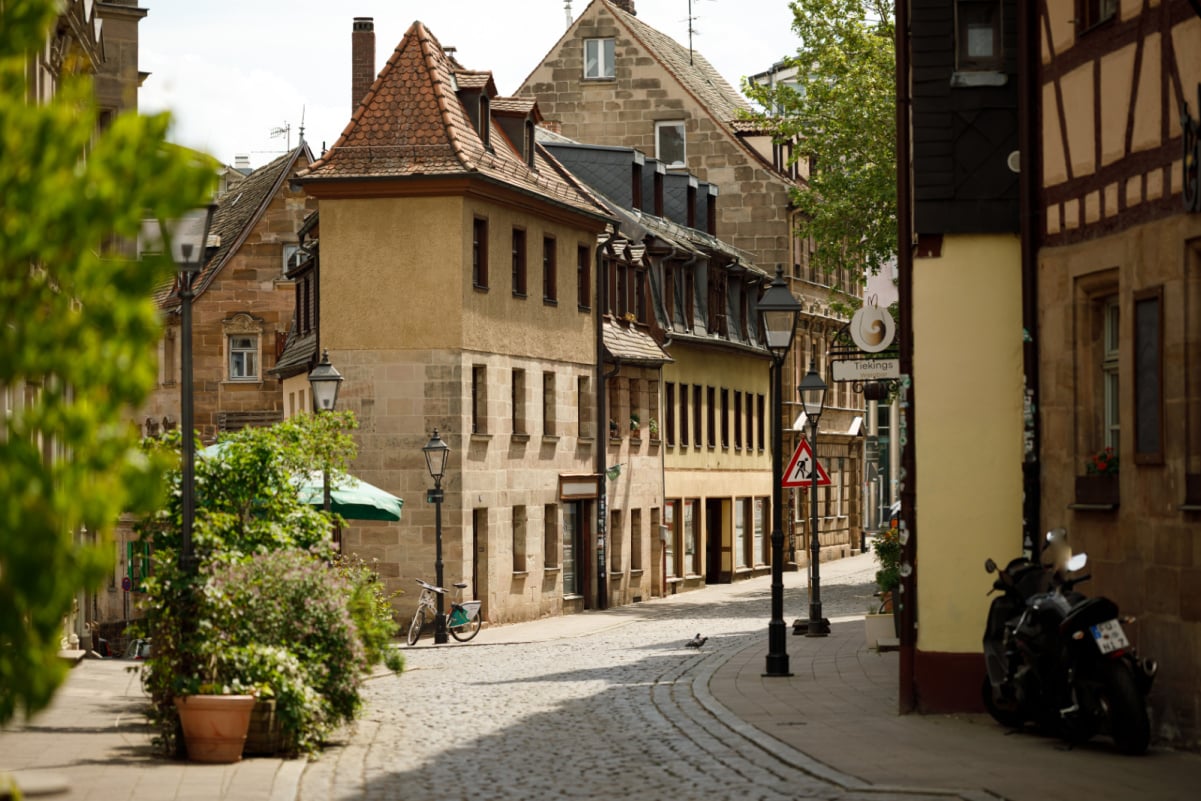
A Truly Unspoiled Bavarian Gem
Bavaria already feels worlds apart from other German states for one very particular reason. Not only is it one of the regions where Catholicism traditionally prevailed, rather than Protestantism, it’s home to some of the friendliest, most easygoing Germans there are.
Trust me, I’ve been to most of Germany at this point, from the industrial sprawl of the NRW megalopolis and the Roman-era Trier, the oldest city in the country, up to the Baltic shores of Vorpommern.
Bavaria is where I attracted the fewest cold German stares, and even caught a few hesitant smiles hither and thither. Fürth is no exception.
It’s a relatively small city by German standards, with around 131,000 residents within its municipal boundaries, and it barely distinguishes itself from the urban sprawl of Nuremberg at this point, but it’s retained that laid-back, provincial-town feel.
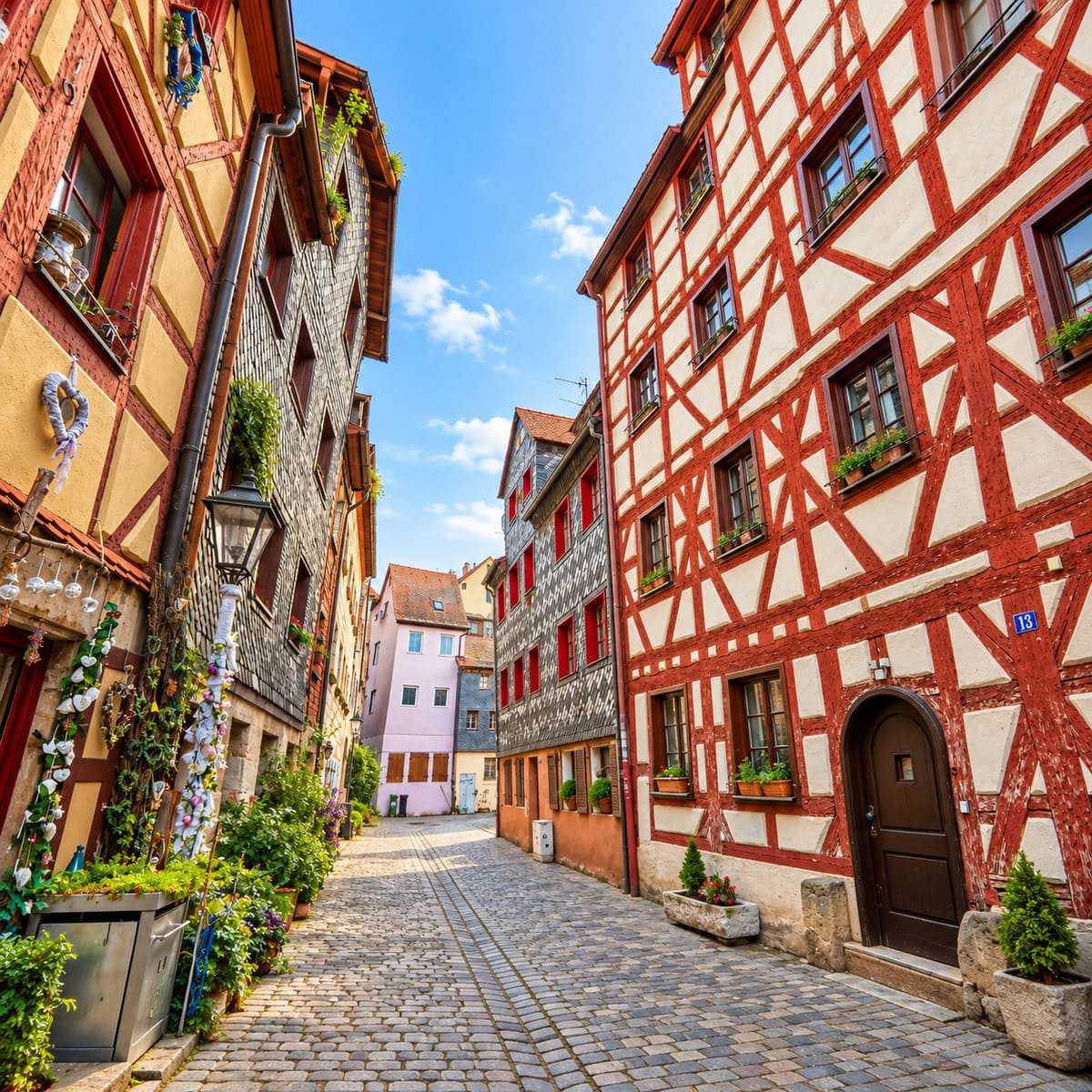
Though it’s definitely rising in popularity, and the fact it lies a short public-transport ride from Nuremberg Airport, Bavaria’s second-largest, has helped its international profile, it sees significantly less tourism than its much-larger neighbor of Nuremberg.
Residents are far less likely to encounter large sightseeing crowds in everyday neighborhoods, tourist attractions remain virtually queue-free, and in areas like Gustavstraße, the beating heart of Fürth’s social scene, locals largely outnumber your usual beer-loving British and American visitors.
No offense, and we’re sure that’s not the case with you, but sometimes we can be a little… loud.
That said, if you’re flying to Europe this fall and you hold a U.S. passport, travel rules for Americans have changed drastically since 2025. You are now required to be fingerprinted upon arrival in the Schengen Area, and soon enough, you’ll need a travel permit to even fly there in the first place.
Don’t get turned away at the border: use the Entry Requirement Checker to stay up to date with the fast-changing regulations.
No Major WWII Destruction Around The Altstadt
Then there’s the fact it has an unusually well-preserved Old Town.
In case you weren’t aware, many Altstadts you see across Germany today are heavily reconstructed. They were ravaged by bombs and fire during World War II, and though they may look centuries old, prominent landmarks in cities like Dresden—including the famous Frauenkirche—were rebuilt only in recent decades.
Even Nuremberg has seen its fair share of extensive medieval restoration.
Not Fürth.
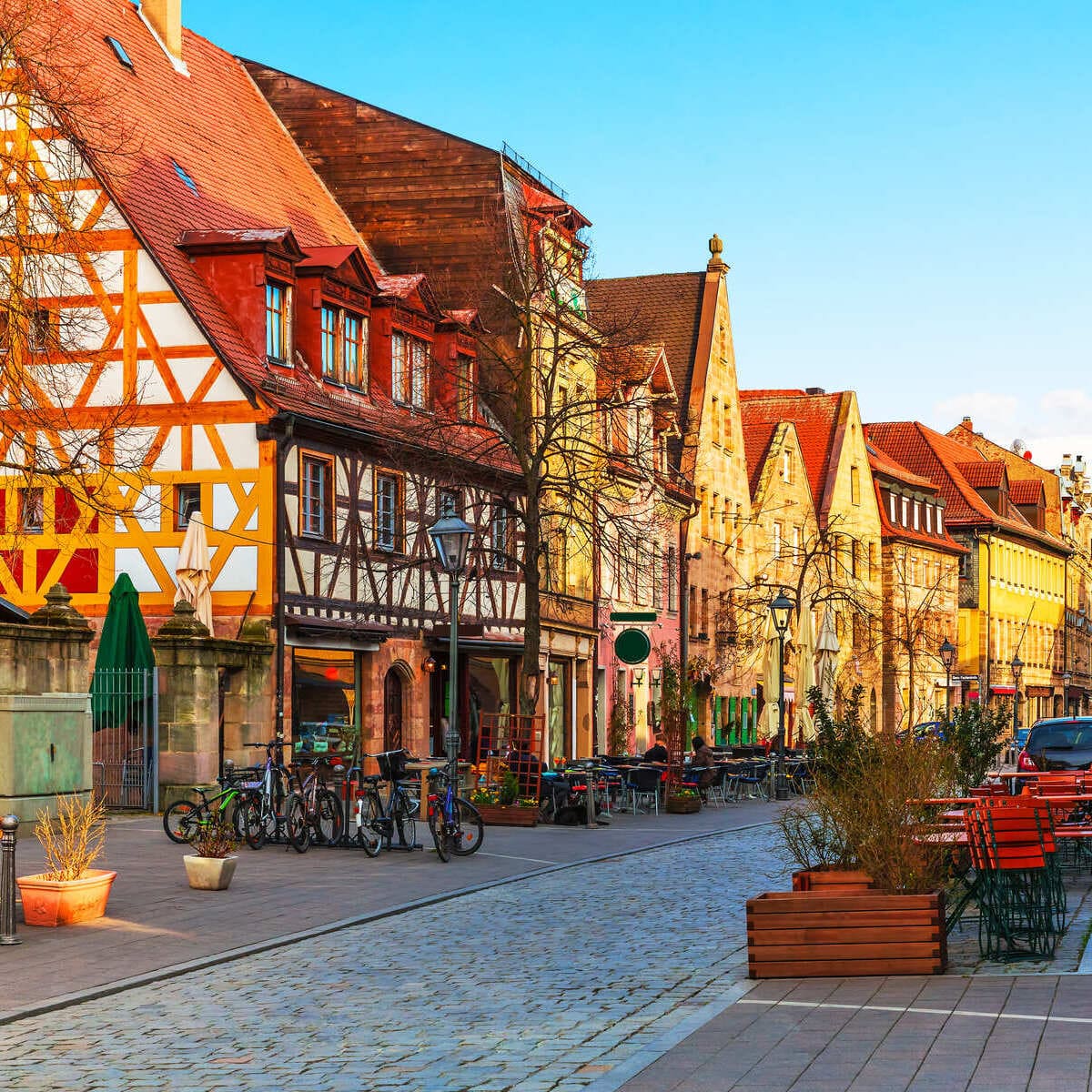
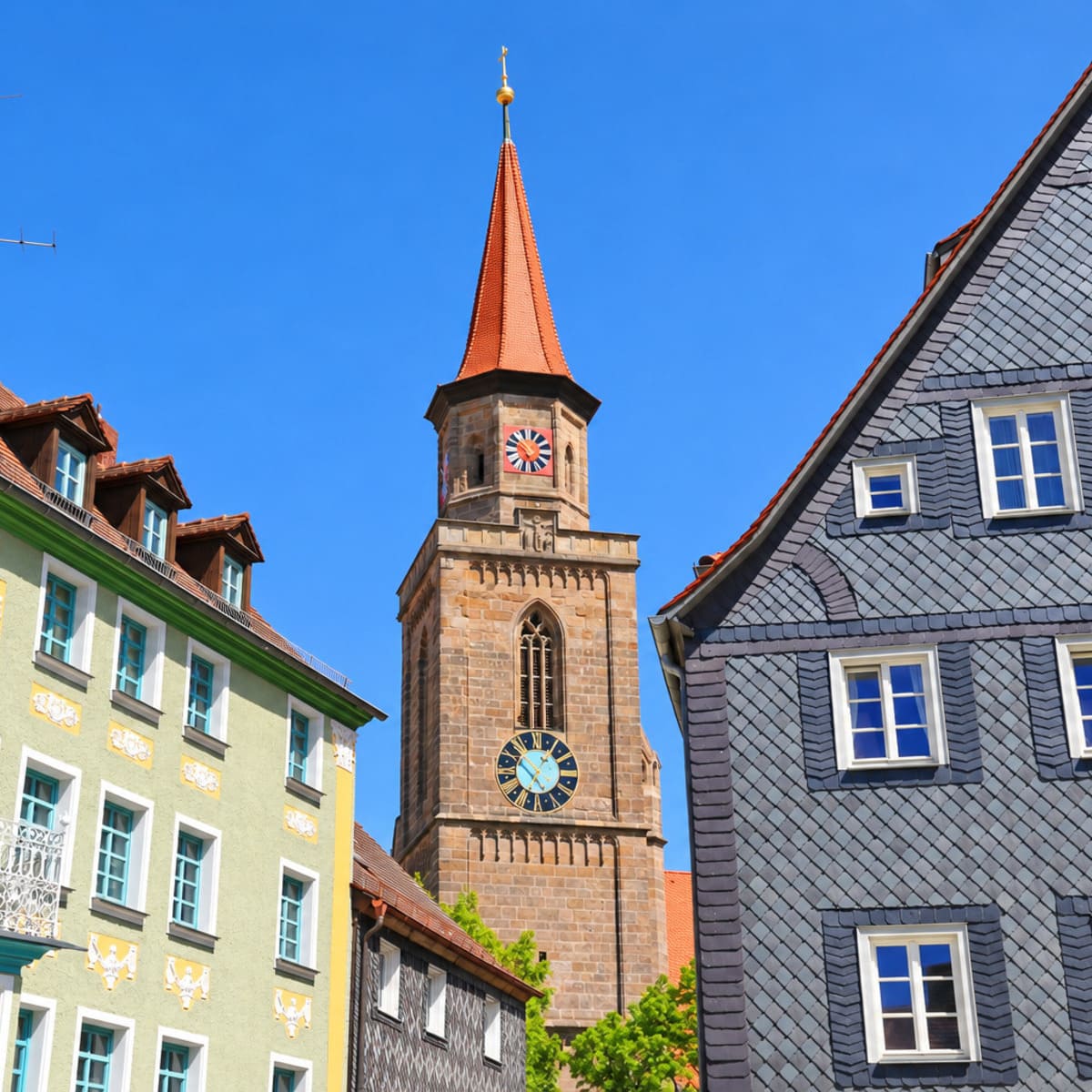
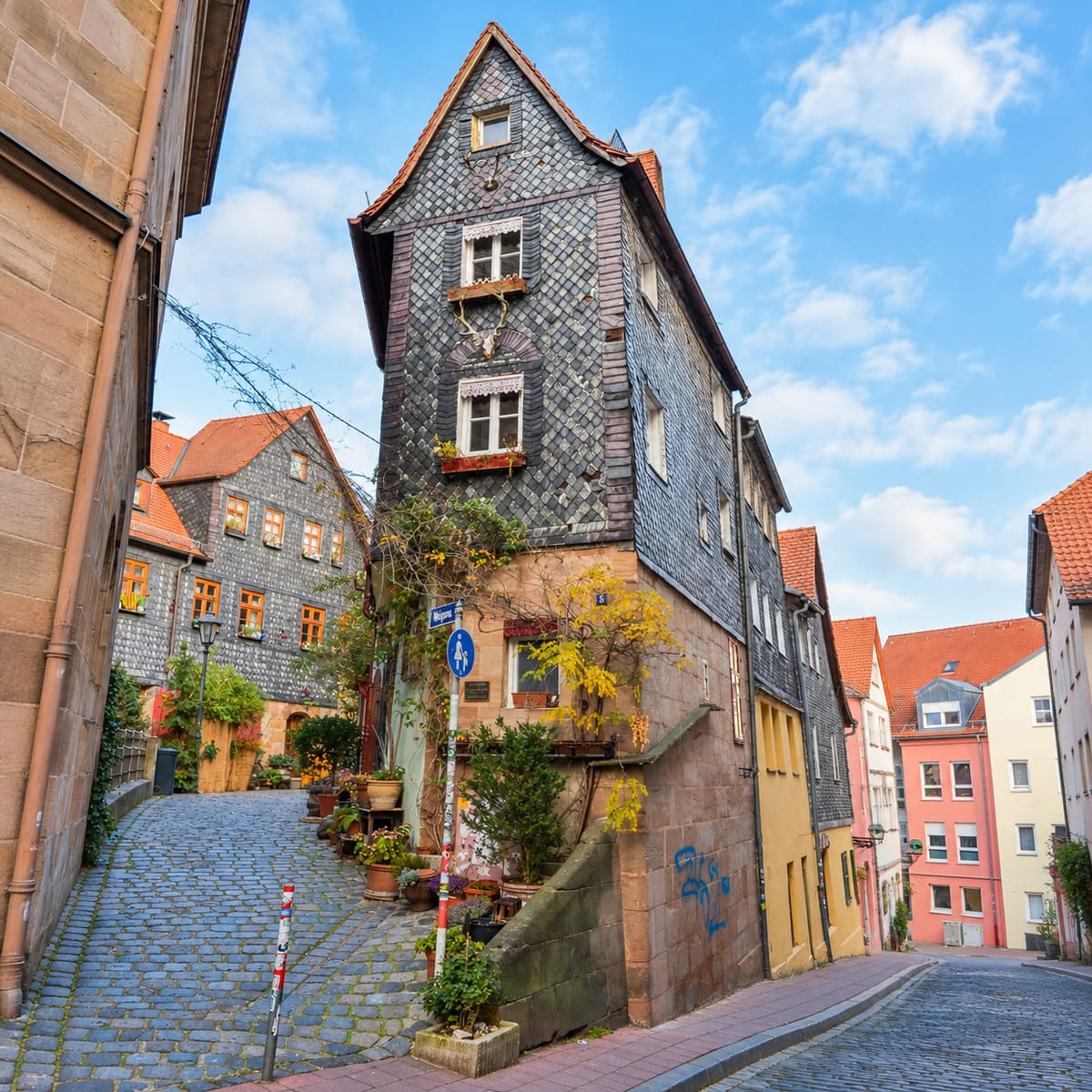
Fürth largely escaped World War II destruction, so the beautiful sandstone houses, Baroque churches, and timber-framed buildings leaning over narrow, winding lanes are the real deal for the most part.
Top 7 Must-See Landmarks In Fürth Old Town
- Fürth Rathaus: a City Hall topped by a striking 171-foot tower, inspired by Florence’s Palazzo Vecchio
- St. Michael’s Church: Fürth’s oldest surviving building, with medieval origins traced back to the 12th century.
- Gustavstraße: the Old Town’s main dining street, lined with landmark taverns and colorful slate-fronted houses
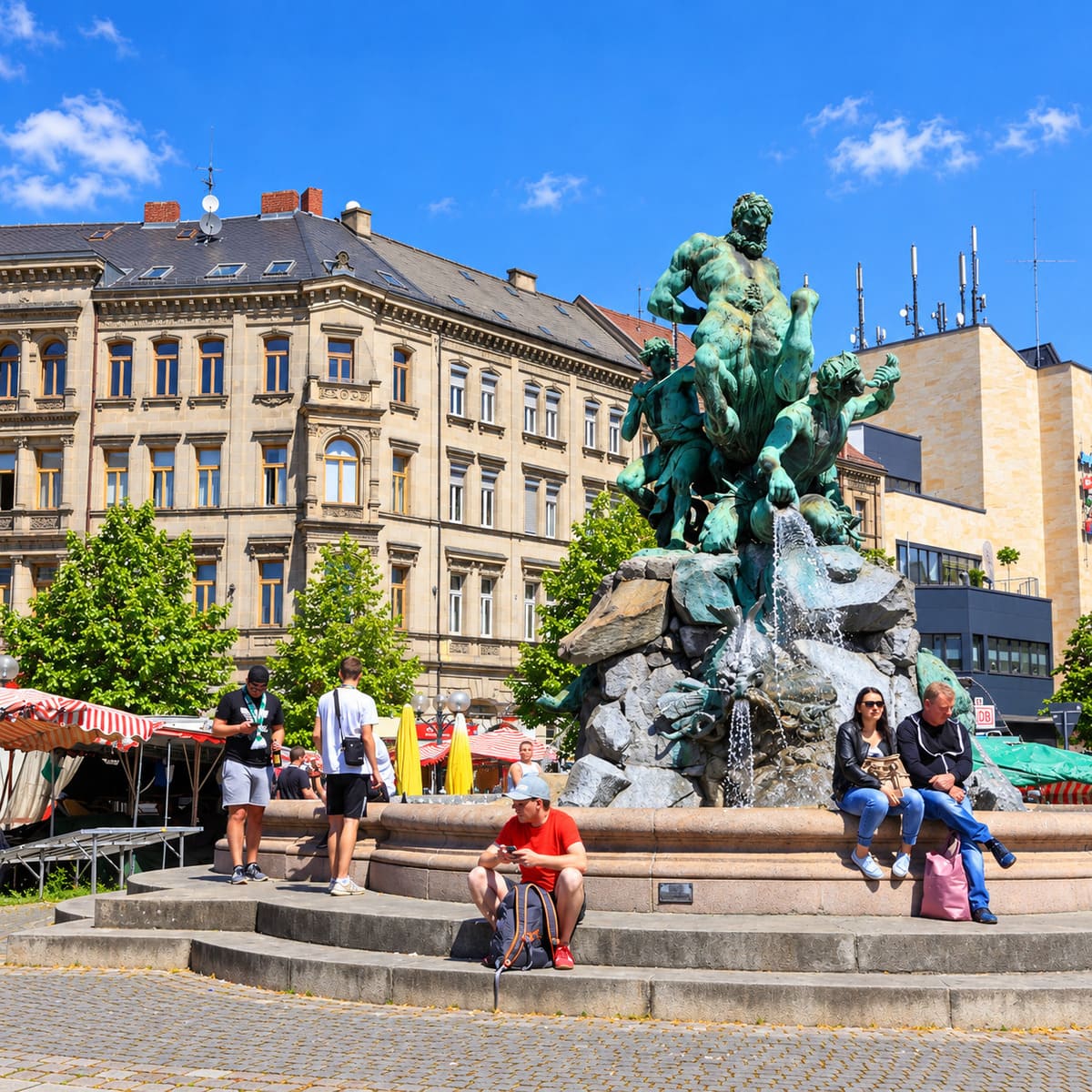
- Grüner Markt: a postcard-ready square framed by your usual pastel façades and traditional restaurants
- Stadttheater Fürth: an ornate 20th-century theater blending Baroque, Rococo, and Renaissance details
- Jewish Museum Franconia: a fascinating museum chronicling Fürth’s centuries-old, rich Jewish heritage
- Kißkalt Houses: a beautiful row of 18th-century townhouses with sandstone façades and mansard roofs
Fürth has more than 2,000 listed monuments, officially making it one of Bavaria’s most architecturally-dense historic cities.
Plenty More Stunning Sights Beyond The Old Town
The other thing that sets Fürth apart from the rest of Germany is that the Old Town is not the only Insta-worthy moment waiting to be captured.
You know when you stray a little too far from the colorful market square, and you end up in a bleak, gloomy residential block that looks like it’s been lifted straight from a modernist dystopia? That’s most German cities for you.
Fürth, on the other hand, has one of the most beautiful historic residential quarters outside of the Old Town you could find.
The elegant Hornschuchpromenade, a broad boulevard lined with elaborate sandstone façades laced in Art Nouveau detailing, and its accompanying Königswarterstraße, together form one of Germany’s most impressive displays of late 19th-century architecture.
Think grand bay windows, wrought-iron balconies, elaborate stone carvings, and barely a bland façade in sight.
The heart of social life lies outside the confines of Grüner Markt, too: for a pint of Bavarian beer, and a chinwag with locals, head to Gustavstraße, with traditional taverns, laid-back pubs, and cosy cafés with outdoor terraces spilling onto the cobbled street.
It’s not a mere photo op: this is a place locals actually gather and linger over a pint after work. And the best part is… eating and drinking in Fürth costs a mere fraction of what it would in Munich:
Average Prices In Fürth, Germany This Fall
- Bakery snack, such as a pretzel or filled roll: $3–6
- Casual lunch special: $15–19
- Traditional Franconian main dish: $17–25
- Schnitzel with a side: $20–24
- Schäufele with dumplings: $22–26
- Three-course meal in a mid-range restaurant: $32–50 per person, excluding drinks
- Cappuccino: $3.50–5.50
- Half-liter draught beer: $4–6
- Local public transport ticket: around $3
- Nuremberg–Fürth single ticket: around $4.40
- Simple guesthouse or 3-star hotel: $80–125 per night for two
- 4-star or boutique hotel: $195–270 per night
Fürth is cheaper than the average headline German destination because it remains undervisited, international crowds are minimal, and only recently has it recorded a significant increase in tourism.
Note From The Editor
Just one sec! If you enjoy reading great human-written articles, the best way to see a few more is to follow us on Google so we become one of your preferred websites. Thank you so much for reading. Now back to the story!
How Safe Is Fürth?
It should go without saying, but it doesn’t hurt to reinforce it: Fürth is officially one of the safest German cities with over 100,000 residents.
In 2025, it recorded 4,357 reported offenses per 100,000 residents, the lowest crime rate among Bavaria’s large cities. That’s down 6% from the year before, and considerably below neighbouring Nuremberg’s 7,028 offenses per 100,000 residents.
Germany itself is a pretty low-risk destination, with a small caveat: the U.S. Department of State places it at Level 2, alongside France, Italy, and Spain, which means Americans must exercise increased caution when visiting, primarily due to the broader threat of terrorism.
Fürth, however, has not experienced the same high-profile security incidents seen in larger German cities, and its orderly, highly surveilled streets are the kind where you won’t be constantly looking over your shoulder after dark.
Germany U.S. Department of State Advisory: Level 2. Exercise increased caution due to terrorism.
Travel Off Path Traveler Safety Index: 81/100, a certified ‘green’ safety score based on reports from travelers who have visited recently.
What Not To Miss In Fürth This Fall
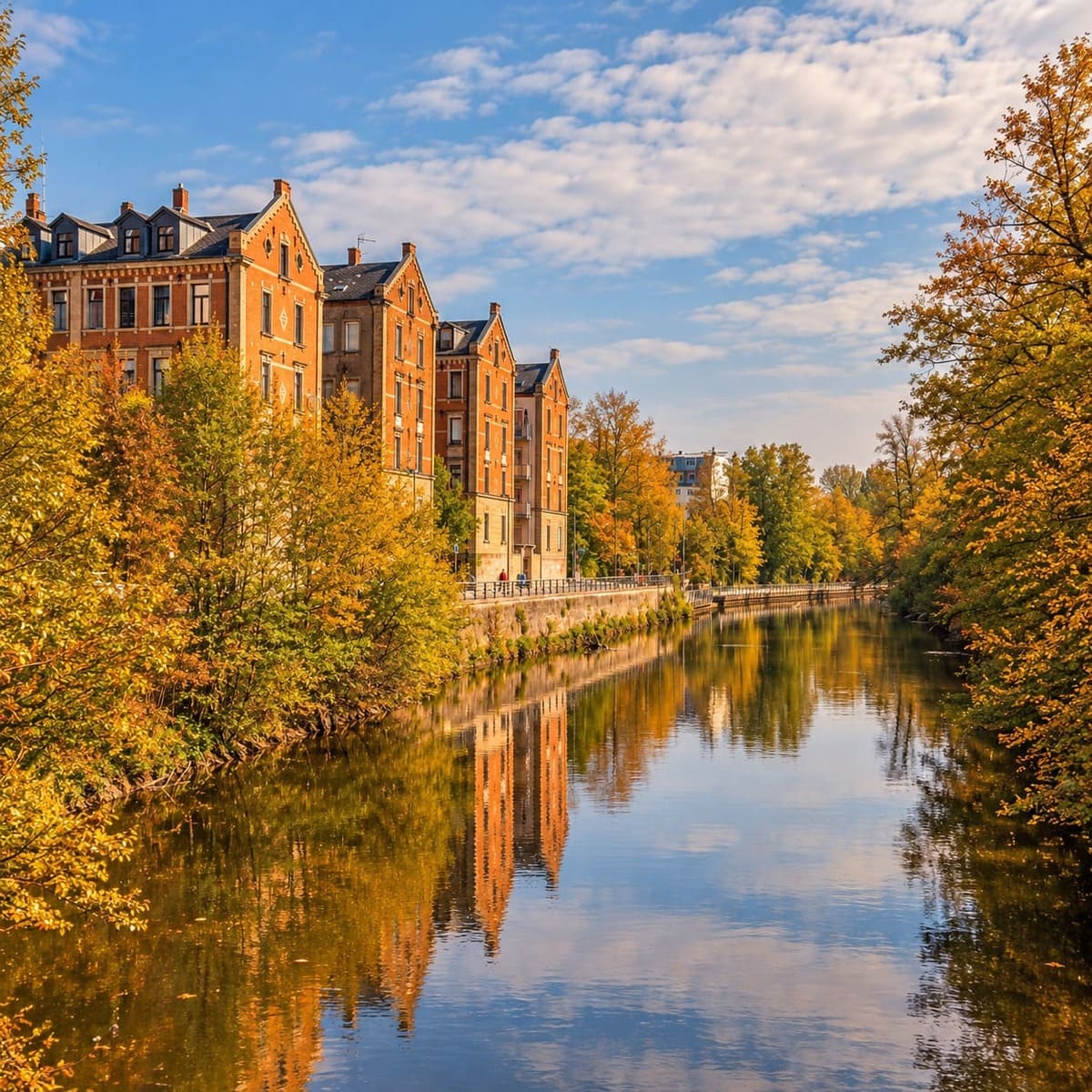
If you’re visiting Fürth this fall, here are a number of autumnal activities you shouldn’t miss out on:
Walk Or Bike Through Stadtpark
Fürth is dotted with green lungs, with Stadtpark being the most famous. It has an elegant water fountain, winding lanes leading down towards the Pegnitz, and a beautiful 1950s café set right in the greenery.
Biking down the riverside Wiesengrund, under a canopy of arching amber-gold trees, is one of the best things to do in town this season.
Michaeliskirchweih
Running from October 3–14 in 2026, Michaeliskirchweih transforms central Fürth into an enormous open-air festival packed with fairground rides and beer stalls slinging homemade Franconian food.
It’s one of Franconia’s—a sub-region of Bavaria—most important folk festivals, but if you’re going to miss your window this year, you can always save it until 2027.
Trace Fürth’s Jewish History
Fürth was once known as the ‘Franconian Jerusalem’ thanks to its sizable Jewish community.
There are still numerous Jewish-adjacent landmarks here, including the Old Jewish Cemetery, which looks hauntingly-beautiful in the fall with its weathered tombstones and amber leaves.
Take A Day Trip To Cadolzburg
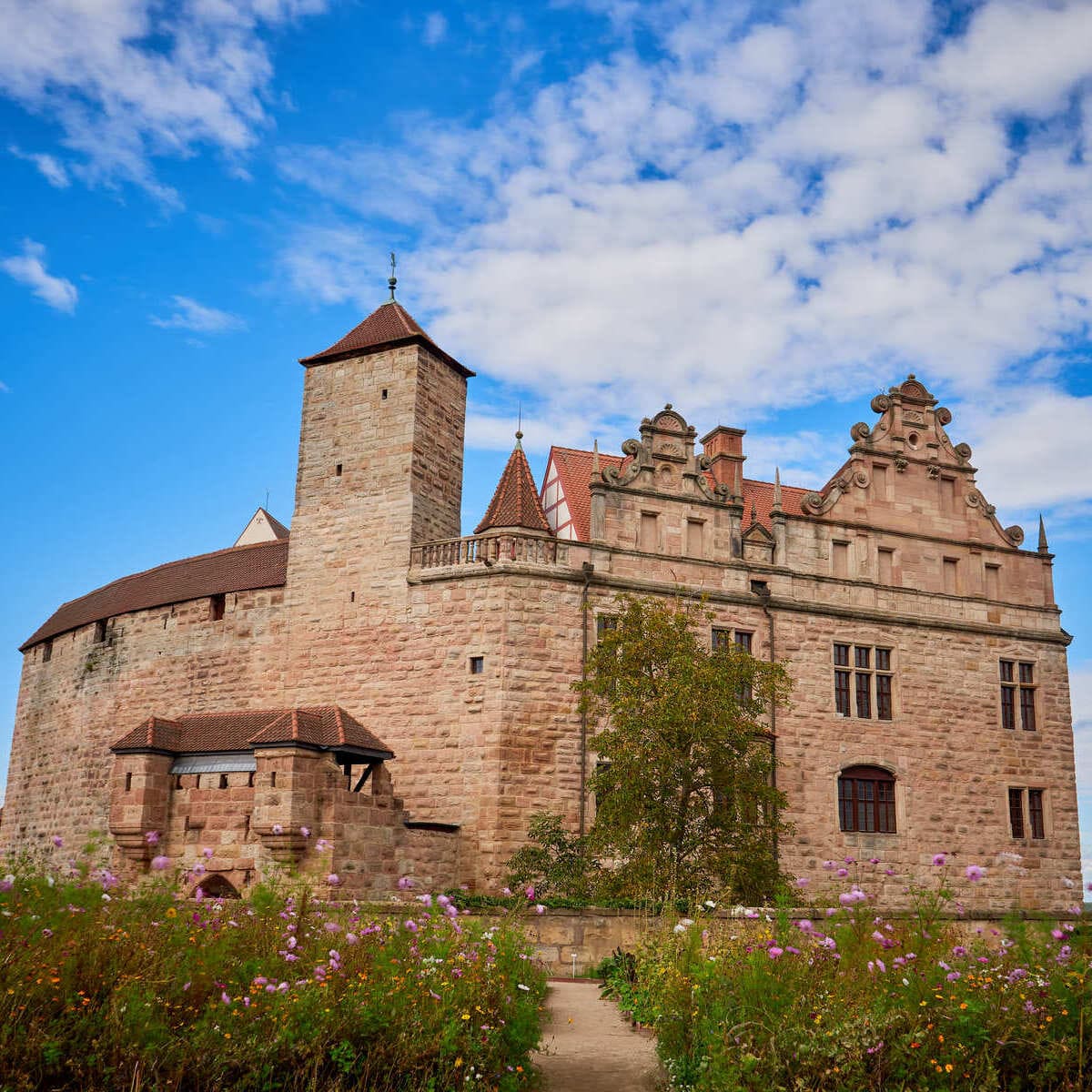
A regional train will take you from Fürth to Cadolzburg in only 25 minutes, and then it’s a short 20-minute uphill walk to one of Bavaria’s mightiest medieval castles.
The ancestral seat of the Hohenzollern dynasty, this hilltop gems is quite atmospheric in autumn, as the surrounding at the foot of the fortifications countryside turns a lovely rust.
Unbombed Old Town
Explore winding lanes filled with beautiful sandstone houses, timber framed buildings, and Baroque churches that completely escaped WWII destruction.
Gustavstraße
Join the locals on the Old Town’s main dining street to enjoy a pint of Bavarian beer and traditional Franconian mains for around $17 to $25.
Grand Architecture
Stroll down Hornschuchpromenade to see one of Germany’s most impressive displays of residential architecture, featuring elaborate sandstone facades.
Riverside Trails
Rent a bike and ride down the riverside Wiesengrund under a spectacular canopy of arching amber gold trees during the peak of autumn.
Cadolzburg Castle
Catch a quick 25 minute train to hike up to one of Bavaria’s mightiest medieval castles overlooking the rusting autumn countryside.
Enter your email address to subscribe to Travel Off Path’s latest travel news, straight to your inbox
