
I totally understand the urge to hold onto summer for as long as humanly possible.
When the temperature starts dropping at home, my first reaction is to start looking at flight maps.
I want to find a place where the sun is still bright, the ocean water is still warm enough for swimming, and I can walk around in a t-shirt without shivering.
Finding that kind of weather in Europe late in the season usually forces you into a corner, but I’ve spent the last few days hunting for a better alternative. I wanted a coastal city that actually holds onto its authentic local culture. I wanted historic architecture, genuinely cheap drinks, and pristine beaches without the suffocating crowds.
Then I remembered there’s a city on the southern edge of Portugal that checks every single box.
The weather hovers at a perfect 75°F. The local food is incredible. The crime rate is virtually nonexistent. Best of all, there’s a nonstop for Americans that makes getting there easier than ever.
The Newark Nonstop Pipeline
Getting to the Algarve region of Portugal used to require a long travel day.
You had to book a red-eye flight into Lisbon, navigate an international arrivals terminal, and then figure out a train or a connecting flight to get down to the southern coast. It burned an entire day of your vacation before you even started enjoying it.
United Airlines recognized the huge demand for this region and launched a direct flight from Newark Liberty International Airport straight into Faro.
You board the plane in New Jersey after dinner, sleep for seven hours over the Atlantic, and touch down right on the edge of the Mediterranean sun the next morning. You skip the connecting flights completely. It’s a win for American travelers who want to maximize their time on the ground.

The Great Airport Mistake
The real tragedy of Faro is how foreign tourists treat it. Millions of people fly into the Faro airport every single year. They grab their luggage, walk out the automatic sliding doors, and jump into a taxi heading west. They rush toward the heavily commercialized resort towns of Lagos or Albufeira.
They treat Faro like a transit hub. That is a big mistake.
Faro is the actual cultural heartbeat of the Algarve. You will not find endless strips of loud sports bars catering to rowdy bachelor parties here.
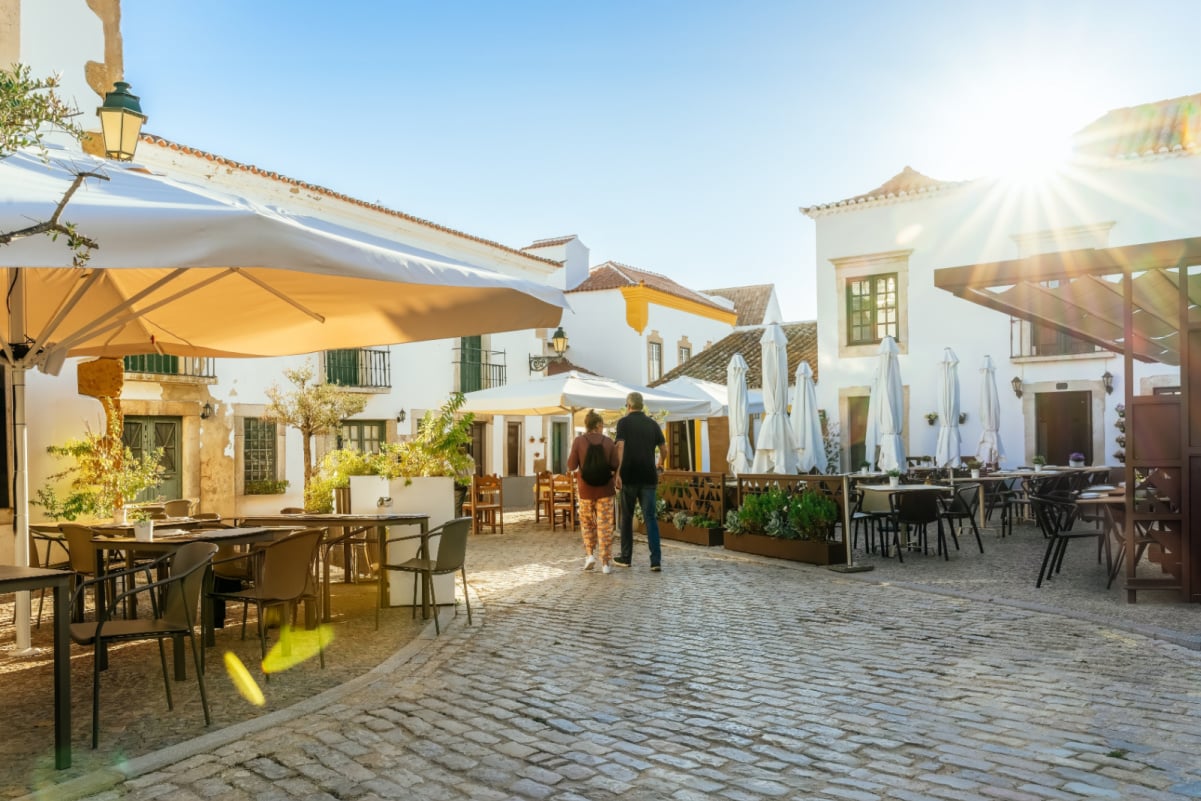
You find actual Portuguese life. My wife Liz and I spent a week here recently, and we completely fell in love with the slow pace of the city. We booked a room inside a restored historic building and spent our days doing exactly what the locals do.
Note From The Editor
Just one sec! If you enjoy reading great human-written articles, the best way to see a few more is to follow us on Google so we become one of your preferred websites. Thank you so much for reading. Now back to the story!
Intact Medieval Walls and Moorish History
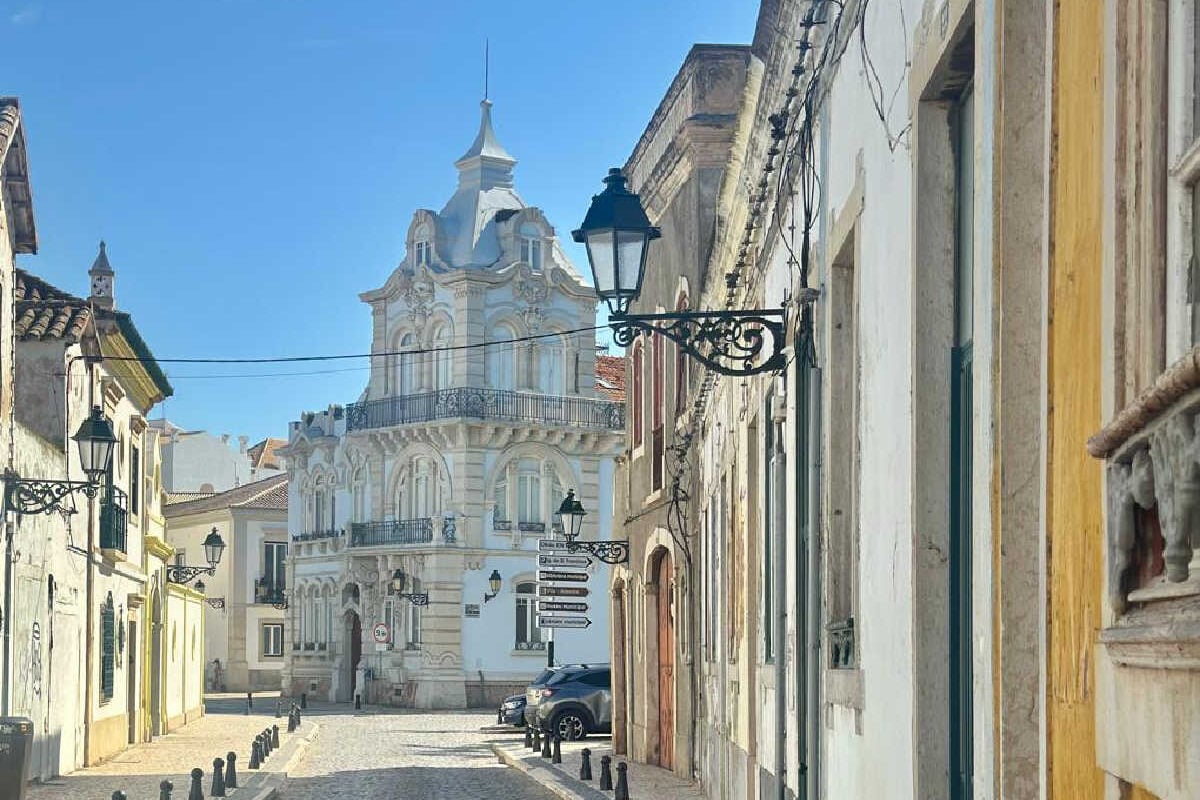
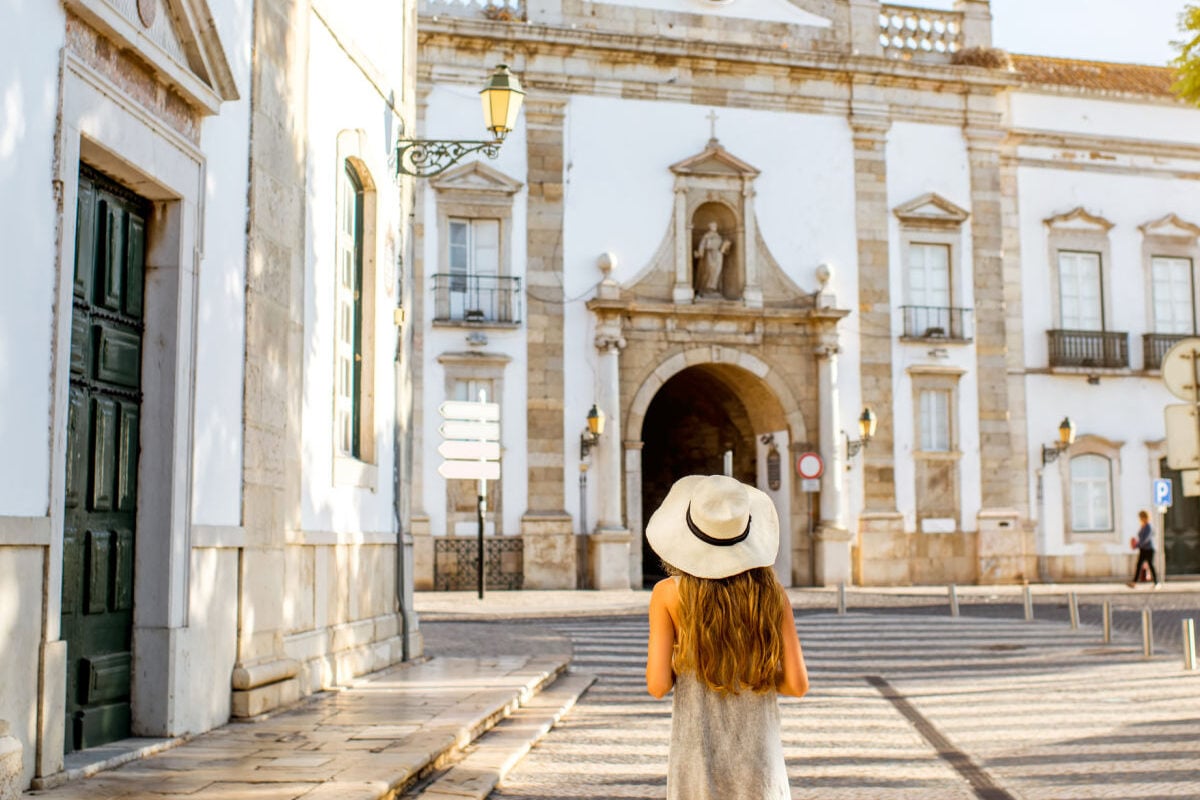
The historical core of the city is called the Cidade Velha. It sits right on the edge of the water and is encircled by ancient medieval walls. You enter the old town by walking through the Arco da Vila. This is a towering neoclassical gate built directly over original Moorish stonework. When you look up, you’ll see storks building their nests on top of the archway.
Once you walk inside those stone walls, the modern world disappears. The streets are paved in traditional black and white Portuguese cobblestone. Brightly painted buildings with heavy wooden doors line the quiet alleyways. You hear the low hum of fishing boats out on the water instead of car traffic.
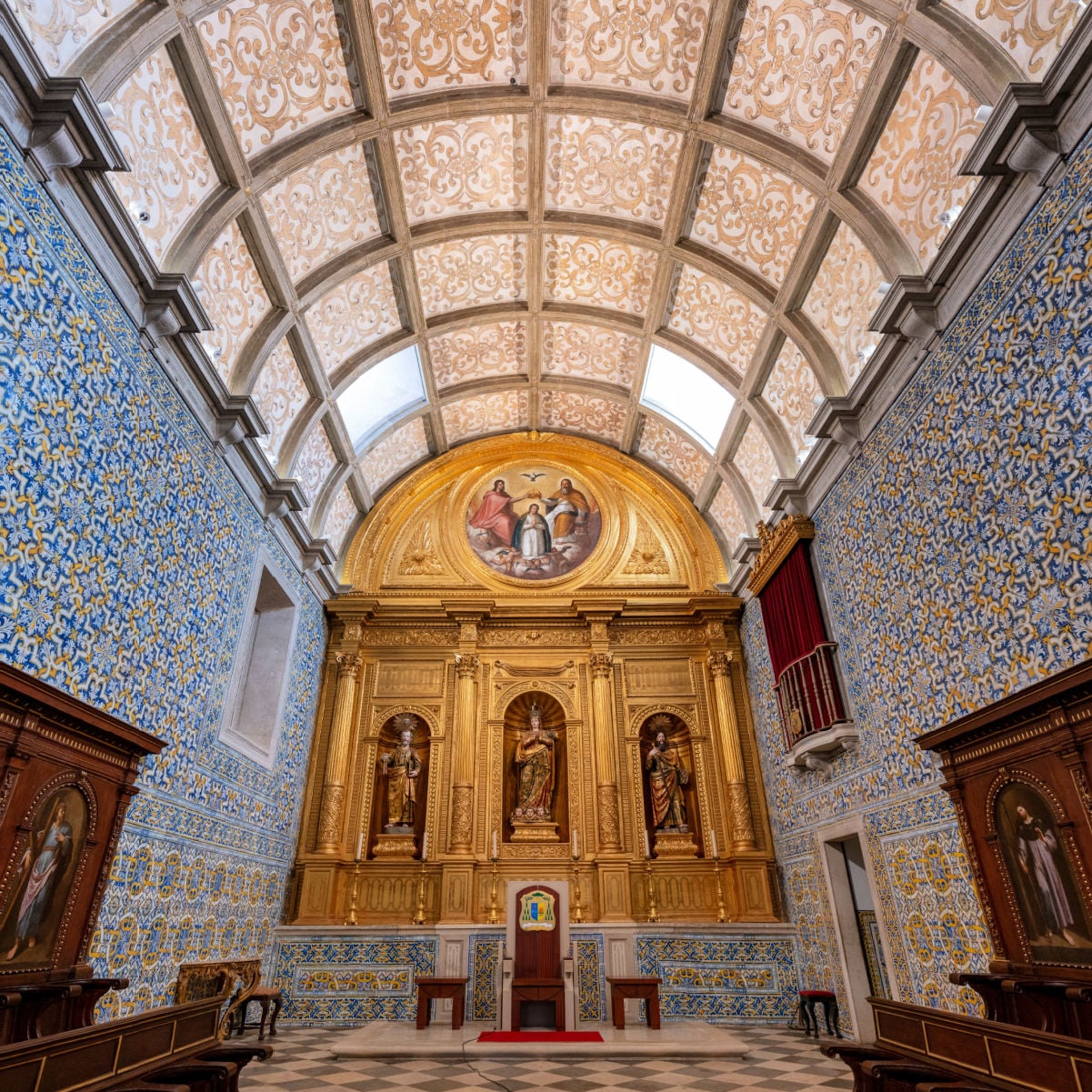
We spent a whole morning just wandering through the main plaza around the Faro Cathedral. You can climb the winding stone steps of the bell tower to get a sweeping view of the ocean and the surrounding rooftops. It feels like stepping onto a meticulously designed historic movie set, but people actually live and work in these buildings.
The Safest Corner of Europe
Safety is a huge factor when Liz and I plan our trips. Portugal consistently ranks as one of the safest countries on the entire planet, and Faro somehow manages to take that safety to another level.
You just don’t feel the constant tension that you get in places like Barcelona or Rome. You’re not constantly checking your pockets for bag-snatchers. The streets are relaxed. We walked back to our hotel from the marina at midnight on multiple occasions. The only people we passed were older couples walking their dogs or locals drinking tiny cups of espresso at outdoor cafe tables.
Just use basic common sense.
The Turquoise Barrier Islands
You don’t come to Faro for standard city beaches. The coastline here is different from the steep orange cliffs you see in the western Algarve.
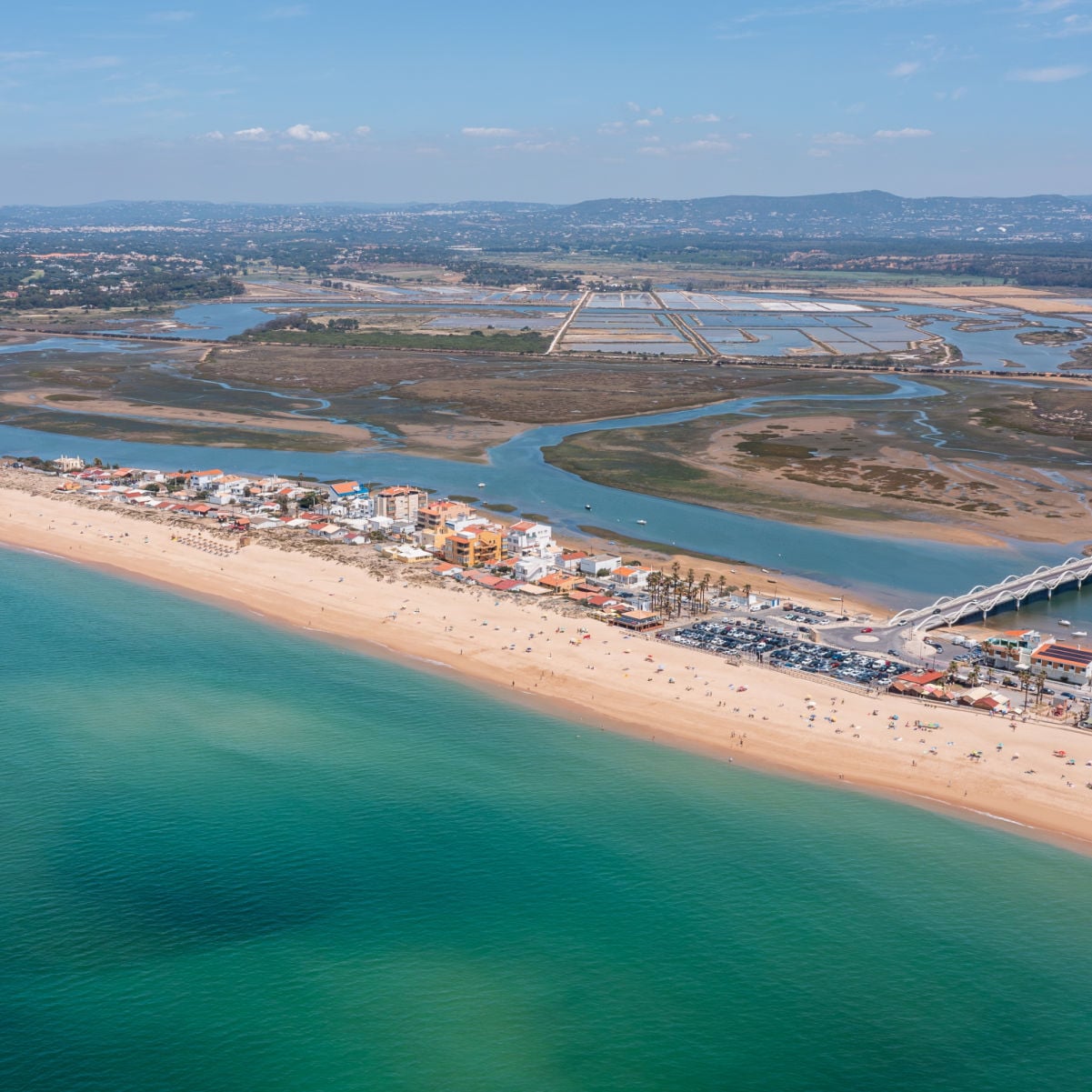
Faro sits directly on the edge of the Ria Formosa. This is a fiercely protected saltwater lagoon system. To get to the sand, you walk down to the marina and catch a small local ferry. A three-dollar ticket gets you a highly scenic boat ride through the marshlands out to a series of barrier islands.
This is where you find the flawless turquoise water. We spent a full Tuesday out on Ilha Deserta. The name translates to deserted island, and it’s accurate. There are no hotels. There are no paved roads. You just find miles of pristine sand. The water clarity is next level.
Just bring a heavy beach towel, find an empty stretch of sand, and spend the day looking out at the open Atlantic Ocean. When you finally get hungry, there’s exactly one solar-powered restaurant on the island serving fresh clams and grilled fish.
Five Dollar Pints and Honest Food
Faro refuses to charge you a premium for eating well. Food is the main event here. The town was built on fishing heritage, and the menus across the city reflect that history.
The undisputed regional specialty is called cataplana. It’s a rich seafood stew cooked in a sealed hammered copper pan. We sat at a small wooden table tucked into a side street and ordered a huge portion to split.
They bring the copper pan directly to your table and crack it open. You get generous portions of fresh shrimp, local clams, and white fish swimming in a hot broth of tomatoes, garlic, and white wine. It’s incredible! And when you’ve eaten most of your plate, you soak up the leftover broth with crusty local bread.
The drinking culture is just as accessible. You don’t need to hunt down happy hour specials just to afford a round of drinks. A tall pint of Super Bock or Sagres beer will rarely cost you more than four or five dollars. If you walk five minutes outside the old medieval walls and find a tiny neighborhood tavern, you might only pay two dollars for a glass. We spent our final evening sitting at a rooftop bar overlooking the marina. We ordered a few pints and watched the small fishing boats come in for the night without ever worrying about the final bill.
Average Prices In Faro
If you expect Paris or London prices, you’ll be pleasantly surprised. Your travel budget stretches quite far down here on the coast.
- Two loungers and one umbrella at the barrier islands: around $20-25 when the seasonal beach clubs are operating
- Takeaway snack, such as a traditional bifana or pastel de nata: $2-4
- Pizza in a casual pizzeria or local tasca: $8-15
- Main seafood dish in a local restaurant: $12-22
- 3-course meal with one glass of wine in a mid-range restaurant: $30-50
- Fine dining (e.g. elevated regional restaurant): around $100 per person
- Budget B&B or private guesthouse room: $60-85 per night for two
- 3-star hotel: $100-140 per night
- 4-star hotel: $140-220 per night
- Public transport or local ferry ticket: around $2-5
- Typical museum or monument admission: $3-10
- Metered taxi: roughly $2-3 per mile, plus the initial charge and time-based fees
Enter your email address to subscribe to Travel Off Path’s latest travel news, straight to your inbox
