
After over three decades of officially sitting outside the Schengen Area, despite being smack bang in the center of it, between France and Spain, Andorra is throwing in the towel.
By sheer geographical necessity, it will be de facto joining Europe’s border-free travel framework, with major changes expected for both Andorra residents and American travelers who are visiting.
If you’ve been to a country like Croatia before 2023, the year when it officially got accepted into Schengen, you know how major of a change this is.
Yes, no more routine passport checks going from (most) other European countries into Croatia, and that’s great, but then there’s the one downside of Schengen people actually leave out, and how it can completely ruin some people’s travel plans:

Before we get into the nitty-gritty of it, make sure you check the latest travel regulations that apply to Americans traveling to Europe.
Between Andorra’s new border agreement and the Entry/Exit System (EES), which has introduced biometric registration at external Schengen borders, there’s a lot you need to catch up on.
Use our Entry Requirement Checker to stay in the loop.
Back to business, what’s really going on with Andorra?
🇦🇩 Andorra’s Border Shift
The tiny principality is changing its border rules. Here is how the new alignment impacts tourists, expats, and the 90-day Schengen limit.
Officially Closed: Time spent in Andorra will now count toward your general Schengen limit of 90 days within a 180-day period.
The Impact: Digital nomads and long-term travelers can no longer use the principality to “pause” their Schengen countdown while waiting for their allowance to recover.
Visa-Free Access: Eligible non-EU residents living in Andorra can travel the Schengen Area for up to 90 days without a separate visa.
Exemptions: Andorran residents will be exempt from the upcoming mandatory ETIAS authorization and the EES fingerprinting registration at the borders.
Still Monitored: This isn’t a complete scrapping of border controls like you see between France and Germany.
What to Expect: Random police document checks and customs inspections for undeclared imports will still occur at the physical borders with France and Spain.
The Framework: Andorra remains an independent, non-EU sovereign principality with its own immigration policies and taxation system.
The Shift: To facilitate this new agreement, Andorra will strengthen cooperation with European security databases (like SIS and VIS) to act as a de facto Schengen member.


Where And What Even Is Andorra?
For starters, let’s establish where Andorra even is, and what its place is in the European Union… or absence thereof. A small Alpine country roughly eight times the size of Manhattan, it’s wedged between the towering Pyrenees of southern France and the mountainous north of Spain.
- Population: approximately 87,000.
- What language do they speak? Spanish is widely spoken, and English is commonly used in tourist-facing businesses, though the principality’s only official language is Catalan.
- Do people even go there to begin with? Oh yes.
Whether it’s strolling around Andorra La Vella, a paradise for tax-friendly shopping, or hitting the ski slopes of Grandvalira, it’s actually one of Europe’s top tourism magnets relative to its tiny population, however overlooked.
In fact, Andorra welcomed over 9 million visitors in 2025 alone, including overnight tourists and day-trippers.

Now, there’s two things you need to know about Andorra: despite being cornered by EU countries on both sides, it is not in the EU. That is because it’s an independent sovereign principality, with its own government, immigration policies, and taxation system.
It has maintained close ties with the European Union through various bilateral agreements, including a customs arrangement and a monetary agreement allowing it to use the euro, but it has never become an EU member state.
Not being in the EU does not automatically mean you’re not in Schengen, either. Some well-known examples? Well, we’re sure you’ve never encountered a routine passport check traveling from France (EU) into Switzerland (non-EU), or Sweden (EU) into Norway (non-EU).
There are also cases in which a European country is an EU member, yet not a full Schengen participant, like Ireland.

What’s exceedingly rare, however, is a country completely surrounded by Schengen territory while lying outside both the EU and Schengen itself.
That was Andorra, and technically, it will remain that way, despite the changes.
How Is Andorra Opening Its Borders With Schengen Despite Not Formally Joining?
According to a presentation delivered by the Andorran Government on November 6, major changes are coming to how the tiny principality operates its borders, especially as it pertains to the European Union’s biometric Entry/Exit System.
For those who’ve been to Andorra before, you’ve probably noticed there are actual physical, staffed border posts when entering from France or Spain, and more often than not, there’ll be police officers carrying out random document checks, and customs officials inspecting vehicles for undeclared imports and restricted goods.

Andorra is one of the safest, most tightly-regulated countries in Europe, after all, and with security concerns across the continent, and two much larger neighbors on either side, authorities have long maintained a close watch on cross-border traffic and who gets in or not.
It is officially a Level 1 destination according to the U.S. Department of State, meaning it carries a lower travel advisory level than both France and Spain, which are at Level 2 mainly due to civil unrest and terrorism concerns.
You can also look up Andorra on the Travel Off Path Traveler Safety Index for an updated, traveler-reported safety score. Right now, it scores a certified ‘safe’ 85/100:
Under the current arrangements, tourists could stay up to 90 days in Andorra separately from their 90-day Schengen limit.
In case you weren’t aware, Americans can only travel visa-free across 29 European countries that abide by Schengen Area rules for 90 days out of any 180-day period.

That means if you went to France last September and spent a whole 15 days there, you would have used 15 of your permitted 90 days, leaving you with 75 days to visit not just France, but another 28 countries, assuming you had no other stays within the rolling 180-day period.
Those September days would gradually stop counting roughly six months later, in February or March, depending on the exact dates of your visit.
The passport-free travel within Europe sounds cool, alright, until you’re hit with a strict Schengen countdown, and you’re forced to leave the entire 29-country territory not to infringe an immigration law.
Note From The Editor
Just one sec! If you enjoy reading great human-written articles, the best way to see a few more is to follow us on Google so we become one of your preferred websites. Thank you so much for reading. Now back to the story!
Andorra was one of Europe’s remaining places where travelers could pause that countdown, and at the rate the EU and Schengen’s travel arrangements are evolving, the window is closing for long-term travelers looking to extend their time across the pond.

In short, Andorra is being brought into much closer alignment with the Schengen framework… despite not becoming a formal Schengen state.
How will that work? Well… have you heard of these other two fellow non-Schengen microstates tucked away in Italy?
San Marino and the Vatican aren’t technically in Schengen either, but as longstanding arrangements prevent routine border checks from being carried out going from Italy and back, they are sort of inside Schengen in practical terms.
That’s broadly the idea behind Andorra’s new arrangement.
When Will The New Rules Come Into Place?
And How Will They Affect Americans?

The new rules aren’t yet in place, as signature and ratification procedures can take a while, but the agreement has already been negotiated, and preparations are underway.
Local authorities will strengthen cooperation with European security databases, especially the Schengen Information System (SIS) and Visa Information System (VIS), to bring Andorra in line with the continent’s security apparatus.
The country also intends to amend its Immigration Law to introduce additional grounds for refusing entry based on security alerts issued at Schengen level.
How will this affect residents in Andorra?
Let’s say you’re an American living in Andorra with a valid residence permit, and you’re heading to Spain, France, or any other Schengen member state, in fact, for a holiday.

Under the new agreement, eligible non-EU residents will be able to travel throughout the Schengen Area for short stays of up to 90 days within any 180-day period using their valid passports and Andorran residence permits, without needing a separate Schengen visa or ETIAS authorization.
That’s particularly relevant starting in 2027, when the EU is set to roll out a new mandatory online travel permit affecting non-citizens and non-residents.
They will also be exempt from routine Entry/Exit registration. In other words, no long wait lines getting fingerprinted.
On the other hand, Andorra’s government has confirmed that existing random police checks will remain, as will customs procedures, so this isn’t quite the complete scrapping of border controls you get between most Schengen countries.

Now, what about tourists?
That’s the major downer, at least for digital nomads and long-term travelers: time spent in Andorra will now count toward the general Schengen limit of 90 days within 180 days, and the old countdown-pausing loophole will officially close.
That means if you’ve already used up your 90 days traveling across France, Spain, Italy, or Greece, you won’t be able to simply cross into Andorra and spend another three months there while waiting for your Schengen allowance to recover.
Even though Andorra will remain legally outside Schengen, the new arrangement will effectively treat tourist stays in the principality as part of the same short-stay calculation.
Bummer.

Europe’s Travel Rules Are Changing Fast
The 2010s were a relatively slow decade as far as European enlargement goes.
Since 2022, however, developments have picked up speed at a pace not seen in years:
- In 2023, EU member Croatia joined both Schengen and the eurozone.
- In 2024, Bulgaria and Romania also became Schengen members.
- Bulgaria joined the eurozone additionally on January 1, 2026.
- In 2022–2023, the EU officially granted candidate status to Bosnia and Herzegovina, Georgia, Moldova, and Ukraine.
- Cyprus, the last EU country to remain outside full Schengen participation other than Ireland, which has a formal opt-out, is aiming to join the border-free area area in 2027.
- So far in 2026, EU candidate Montenegro has provisionally closed 23 out of 33 negotiating chapters required for EU accession, meaning it could sign an Accession Treaty as early as 2027.
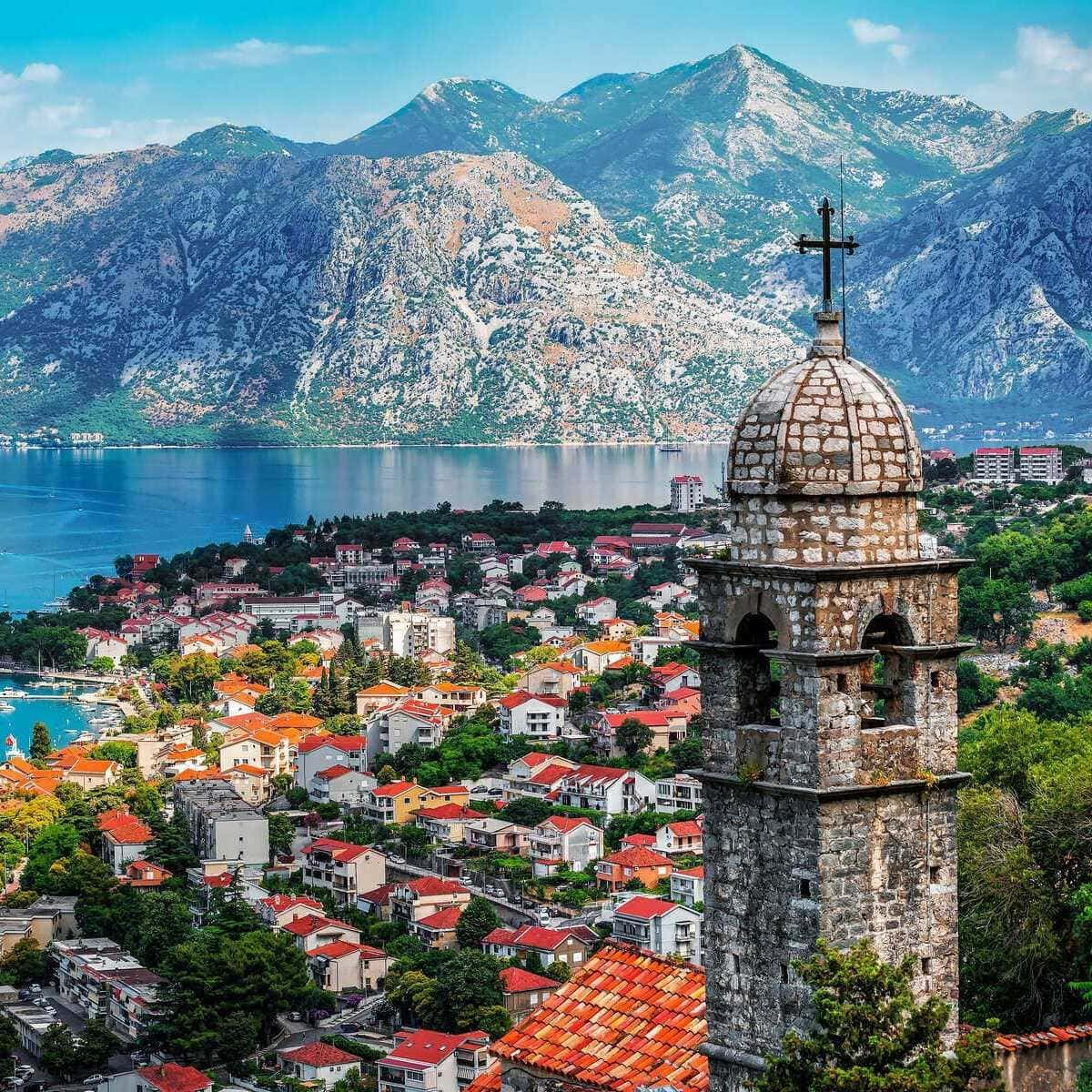
Montenegro hopes to join the EU by 2028, though this would not mean immediate accession to Schengen.
Once again, before traveling to Europe, make sure you check the latest entry rules that apply to your nationality.
The EES is already operational, meaning you could get fingerprinted upon entering and leaving certain hubs, and as of right now, the mandatory travel permit known as ETIAS, set to affect all American tourists, has not yet launched.
Once again, keep an eye on our Entry Requirement Checker to stay updated and avoid unecessary travel headaches.
Enter your email address to subscribe to Travel Off Path’s latest travel news, straight to your inbox
