
When you think of the Adriatic, it’s probably the imposing towers of Dubrovnik, or the sprawling Roman-era city of Split that come to mind. They’re both in Croatia, one of the most sought-after sunny hotspots in Europe.
What if we told you those pristine Adriatic shores and picture-perfect stone towns extend into a second country located just south of Croatia?
Montenegro is rapidly catching up with its neighbor, having seen a 33% surge in U.S. visitors this year alone, and if you’re wondering what’s been drawing Americans here, how about a gorgeous Mediterranean coastline where the EU’s mandatory fingerprinting system doesn’t apply?
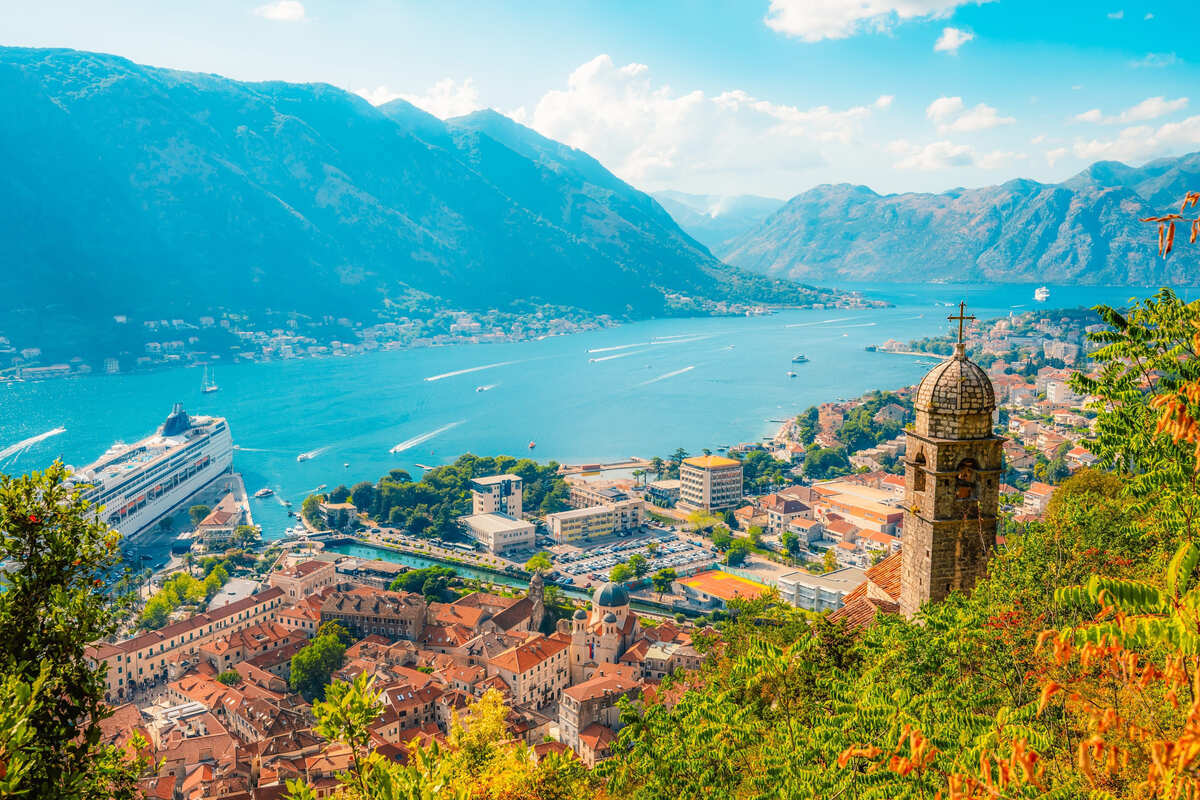
Montenegro: One Of Europe’s Last-Standing Loopholes
Montenegro is paradise on Earth for both beach lovers and culture aficionados:
With 183 miles of coastline along the Adriatic Sea, its fair share of picturesque pebbly beaches lapped by turquoise seas, and a plethora of medieval harbors that can trace their origins back to Venetian times, it’s effectively Croatia 2.0, minus some of the overwhelming crowds.
That’s not to say Montenegro is uncrowded.
🇲🇪 Montenegro Travel & EU Guide
U.S. visits to this Adriatic gem are up 33%—and it’s one of Europe’s last fingerprinting-free loopholes. Here is what you need to know before rules change. Click to reveal.
Croatia 2.0: With 183 miles of Adriatic coastline and Venetian harbors like Kotor and Perast, Montenegro offers a slightly quieter alternative to Croatia’s 21.8 million annual visitors.
Safe & Surging: U.S. arrivals jumped 33% in 2026 (over 71,000 visitors). It holds a Level 1 U.S. travel advisory and scores an 84/100 on the Traveler Safety Index.
The Loophole: Because Montenegro is outside both the EU and the Schengen Area, Europe’s mandatory Entry/Exit System (EES) fingerprinting does not apply at its borders.
Transit Tip: If you connect through an EU hub to get there, staying airside in the international transit area lets you avoid Schengen biometric checks altogether.
Fast-Tracking: Montenegro is the frontrunner to become the EU’s 28th member, aiming to sign an Accession Treaty by June 2027 and join in 2028.
The Schengen Catch: Joining the EU won’t automatically trigger EES or Schengen rules—that takes longer. Once it does join Schengen, your 90 days will merge into the shared European limit.
Stay & Visa: U.S. tourists get visa-free entry for up to 90 days within a 180-day period, counted completely separately from your Schengen allowance.
Documents: Your passport must be issued within the last 10 years and valid for at least 3 months past departure. No ETIAS or EES registration is required for now.

 Powered by Travel Off Path
Far from that, its popular Dubrovnik dupe of Kotor has become a trendy cruise hotspot in recent years, while the once laid-back beach town of Budva is now just as overrun with international guests as somewhere like Zadar.
Still, Montenegro remains somewhat low-key. Last year, it saw a record-breaking 2.73 million tourist arrivals, but that’s far behind Croatia’s staggering 21.8 million visitors per year.

Even when we compare the number of guests per 100,000 residents, Croatia still comes out ahead:
With a population of only 623,000, Montenegro recorded roughly 438,000 tourist arrivals per 100,000 residents, while Croatia, with 3.87 million residents, welcomed approximately 563,000 per 100,000 inhabitants.
Montenegro is no hidden gem—is anywhere in Europe truly hidden these days?—but it’s one of your best bets for a slightly quieter, more offbeat summer in the Adriatic, and love it or hate it, American travelers have caught up to it.
Americans Keep Flocking To Montenegro In 2026
According to figures released by Montenegro’s Ministry of Tourism on November 17, American tourist arrivals numbered 71,262 between January and September 2026.
That’s a 33% increase over the same period in 2025, while overnight stays rose by 27%, and it’s showing no signs of slowing down anytime soon.

Why Americans have suddenly found their slice of Adriatic paradise in Montenegro, you ask?
- It’s just downright gorgeous, with dramatic mountains and turquoise seas all within a short driving distance.
- Towns like Kotor and Perast feel like a miniature Dubrovnik without quite the same levels of tourism (though they’re not exactly uncrowded, either).
- Montenegro is officially a Level 1 destination according to U.S. authorities, the lowest travel-advisory level.
- On the Travel Off Path Traveler Safety Index, it scores a respectable 84 out of 100, based on live reports from recent visitors.
- Oh, and one of the biggest sells right now: no EES fingerprinting at Montenegrin borders, though its European integration could eventually change that.
Why Don’t Europe’s New Fingerprinting Rules Apply To Montenegro?
Montenegro is currently not a member of the European Union, nor its associated Schengen Area, but unless you’ve been living under a rock these past few months, you’re probably aware it’s leading the race to become the bloc’s 28th member state.

Out of all the countries negotiating right now, and this includes fellow Adriatic contender Albania, war-torn Ukraine, and lesser-known Eastern European gem Moldova, it’s the clear frontrunner, having provisionally closed 25 out of 33 negotiating chapters as of November 19, 2026.
According to the European Commission’s latest roadmap, Montenegro has a clear path forward to signing an Accession Treaty as early as June 2027, with the goal of becoming a full EU member in 2028.
That’s big news for Montenegrins, who would then enjoy freedom of movement, and the right to live, work, and study across the other 27 EU countries, subject to any transitional restrictions, but how does this affect tourists?
Most importantly, how are you, a U.S. vacationer, impacted by Montenegro’s looming EU accession?
Note From The Editor
Just one sec! If you enjoy reading great human-written articles, the best way to see a few more is to follow us on Google so we become one of your preferred websites. Thank you so much for reading. Now back to the story!
How Montenegro’s Nearly-Confirmed EU Membership Affect American Tourists

One potential change down the line will be the application of the EU’s new Entry/Exit System, commonly shortened to EES, to Montenegro’s borders.
There’s an important catch here, however: EES is tied to the Schengen Area, not EU membership itself. That means joining the European Union in 2028 would not automatically require Montenegro to start fingerprinting American visitors.
Take Cyprus, for instance. It’s been an EU member since 2004, yet it still doesn’t participate in EES because it hasn’t joined Schengen.
Eventually, if Montenegro joins Schengen simultaneously in 2028, it would be expected to adopt the bloc’s common border procedures, including biometric registration for most short-term non-EU visitors entering from outside the area.
For instance, one of the most convenient ways for Americans to travel to Montenegro right now is connecting via a third country, usually in the EU itself.
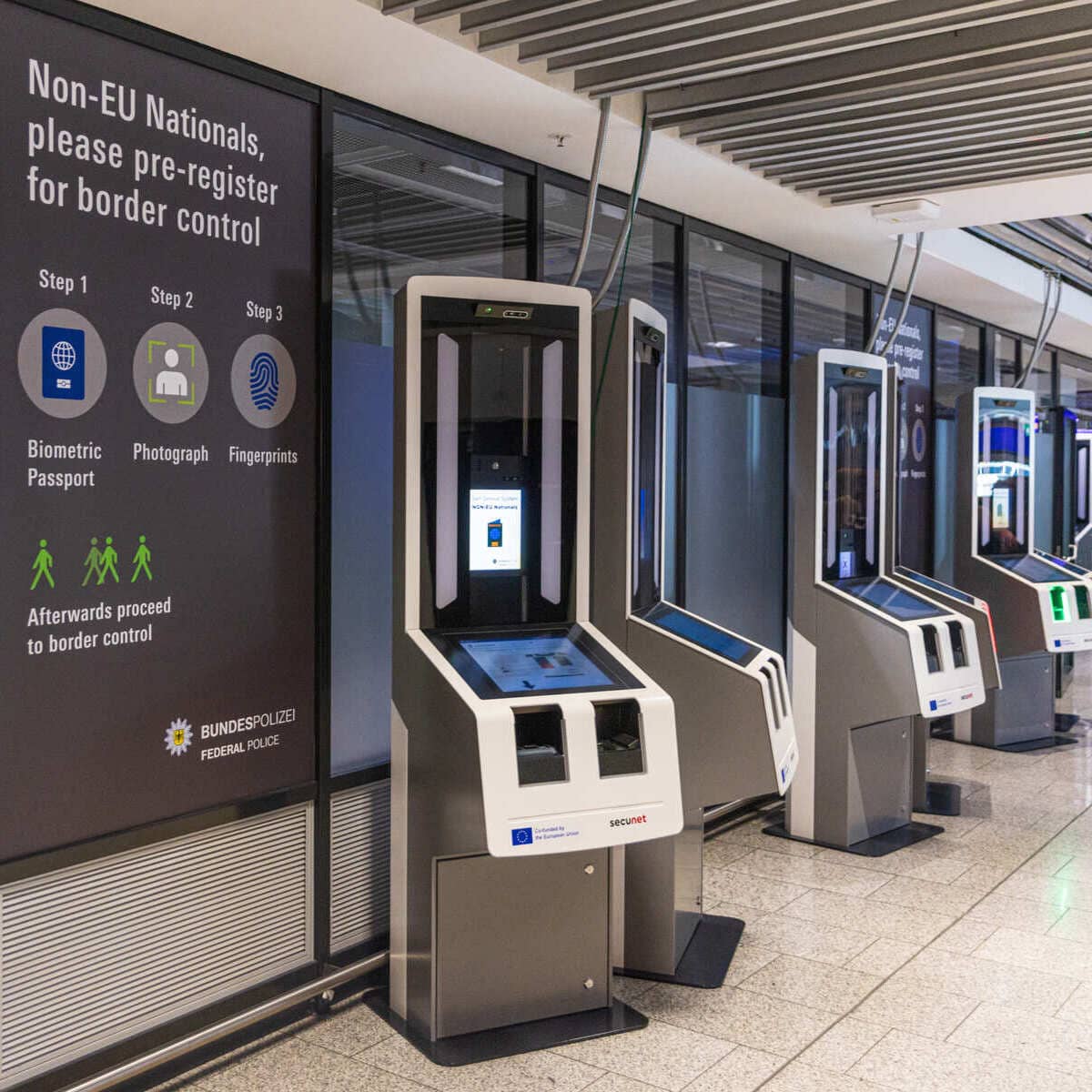
As long as they remain airside in an international transit area, and don’t cross into Schengen, they can often avoid those additional European biometric checks altogether.
That’s because Montenegro has its own immigration system, separate from the EU’s.
Future Schengen membership could change that arrangement.
Why is that such a big deal? Well, some people have reservations about handing over their biometric data to foreign governments, while others simply can’t be bothered standing in line for hours just to use a temperamental fingerprinting kiosk.
Major changes have already been implemented: as of November 1, 2026, Montenegro has scrapped visa-free entry for Russian and Turkish passport holders, who previously enjoyed stays of up to 30 days without the need for a visa.
Now, they must apply for a visa in advance.

It’s all part of Montenegro’s attempts to align its immigration policies with those of the EU’s, even before formal membership.
Unsure which travel rules apply to you as an American visiting Europe right now? Use the Entry Requirement Checker to pull up the full list of documents and must-do steps.
Schengen Membership Could Impact Your Authorized Length Of Stay In Montenegro
The second big change on the horizon is Montenegro’s eventual Schengen membership.
As those of you who are familiar with Schengen’s rules know, once a country joins, it adopts the common short-stay policy, and time spent there starts counting toward the overall 90-day Schengen allowance.
Right now, Americans get 90 days in Montenegro within any 180-day period, irrespective of time spent in other European countries previously. Once it joins Schengen, any short vacation stint in France, Italy, or even neighboring Croatia will have an impact on how long you can actually stay in Montenegro.
Taking a sabbatical?

Spend 20 days traveling around France, then cross into Italy for another 40, hop on over to Croatia’s Dalmatian Coast for 7 days, and if you plan on topping it off with Montenegro, it’s only 23 days you get left.
Although EU accession does not automatically mean simultaneous Schengen accession—Cyprus has been in the EU since 2004 and it’s still bidding to join the passport-free zone—Montenegro will be expected to join Schengen at some point.
Now, Schengen accessions have always been a trickier process, as they generally require full compliance with common external-border rules, and eventually lifting routine checks with neighboring Schengen countries.
Preparations can be lengthy, heavily scrutinized, and take years after EU accession.
Cyprus is only one example. Croatia joined the EU all the way back in 2013, and had to wait a whole 10 years until it was formally inducted into Schengen in 2023.

Bulgaria and Romania had to wait even longer: they joined the EU much earlier in 2007, and wouldn’t become full Schengen members until 2024.
Given the speed of negotiations between Montenegro and the EU, however, and how deeply intertwined both already are—Montenegro uses the euro and has undertaken extensive legal and institutional reforms to align with EU rules—maybe its participation in Schengen could come sooner than expected.
What Won’t Change?
Of course, not a whole lot will necessarily change for Americans visiting Montenegro as short-term tourists.
Once it joins the EU—and eventually Schengen—U.S. passport holders are expected to continue enjoying visa-free access for up to 90 days. The one big change under Schengen rules would be that those 90 days become part of a shared allowance, rather than a separate entitlement, as is currently the case.

Travel Requirements For Americans Visiting Montenegro In 2026/2027:
- Visa requirement: none for U.S. passport holders visiting for tourism.
- Maximum stay: up to 90 days within any 180-day period, counted separately from Schengen countries.
- Passport validity: your passport should have been issued within the last 10 years and remain valid for at least 3 months beyond your planned departure.
- EES fingerprinting: not required when entering Montenegro itself, though it may apply if you cross a Schengen border during your journey.
- ETIAS authorization: not required for Montenegro for now.
Right now, Montenegro is not in the EU, nor in Schengen, and it doesn’t seem like its status will change by summer 2027.
On the other hand, it might just be one of the last glorious summers you get to visit before EU membership potentially reshapes the country’s travel rules.
Enter your email address to subscribe to Travel Off Path’s latest travel news, straight to your inbox
