
Had your fill of the Parises and Londons of the world? This epic Eastern European capital still feels like the Europe of yesteryear—no overpriced tourist traps, no hour-long queues—and even better, it’s arguably safer than your average major Western hub.
Belgrade, in Serbia, has been the talk of the travel world lately, and for good reason: it’s got the centuries-old history to rival Prague or Vienna, the monumental architecture that puts Brussels to shame, and a social scene that’s trying hard to become the fresher, grittier Berlin… and succeeding at it.
The best part? Americans can actually fly there nonstop this summer. No endless layovers in that god-awful Frankfurt Airport, nor sprinting across terminals hoping you don’t miss your connection.
Europe’s Coolest & Most Underrated Capital
If you’re a long-time Travel Off Path reader, Belgrade, Serbia has probably become a pretty familiar name by now. We’ve featured it in more rankings than we can count, and chances are you already have a rough idea of what makes it such an incredible European getaway.
Still, it never hurts to refresh your memory.
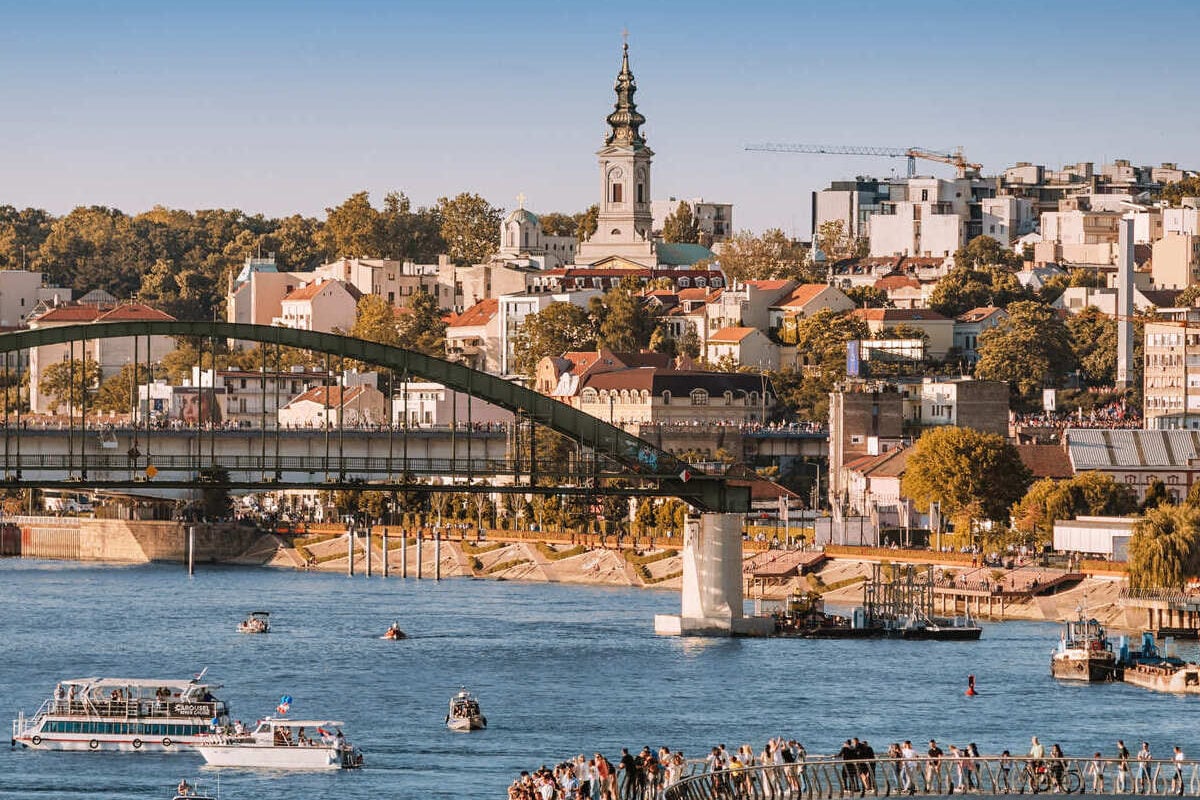
Perhaps Europe’s coolest, yet most underrated capital, Belgrade sits at the confluence of the Danube and Sava Rivers, two of the continent’s most important waterways, and it’s this fascinating melting pot where Roman, Byzantine, Ottoman, Austro-Hungarian, and Yugoslav influences all somehow coexist.
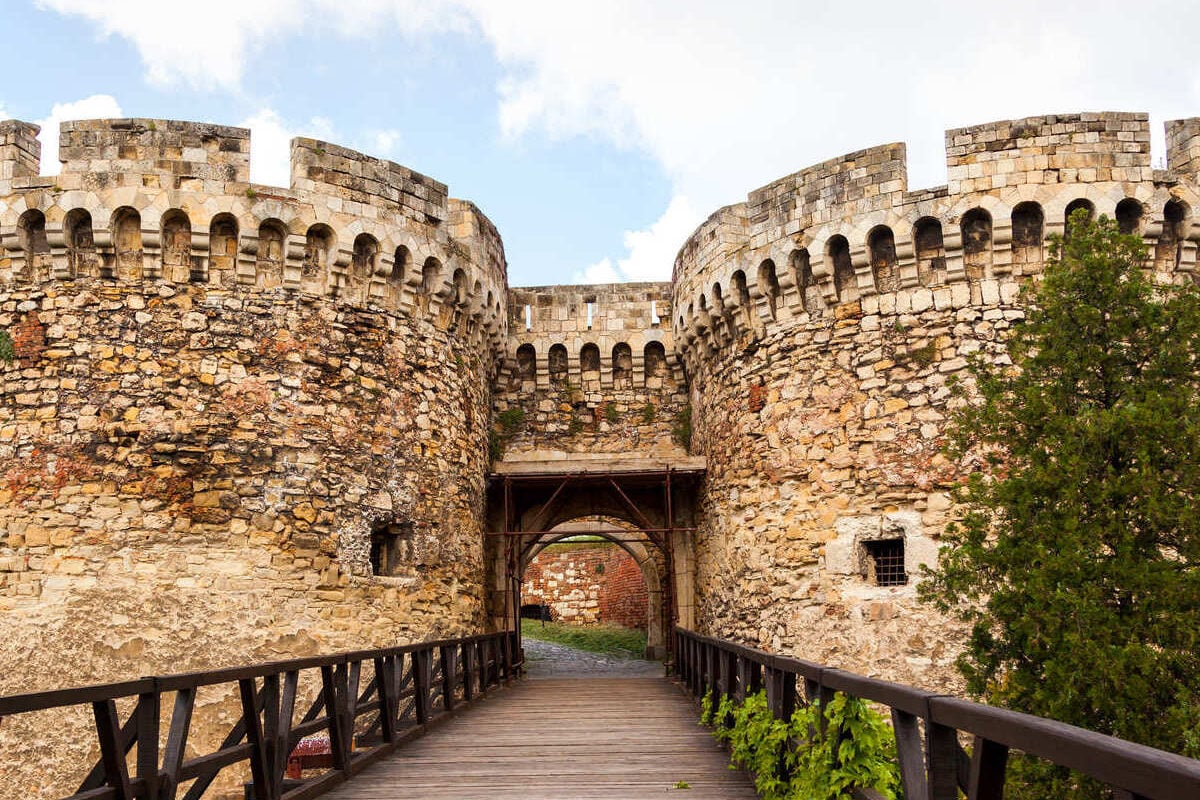
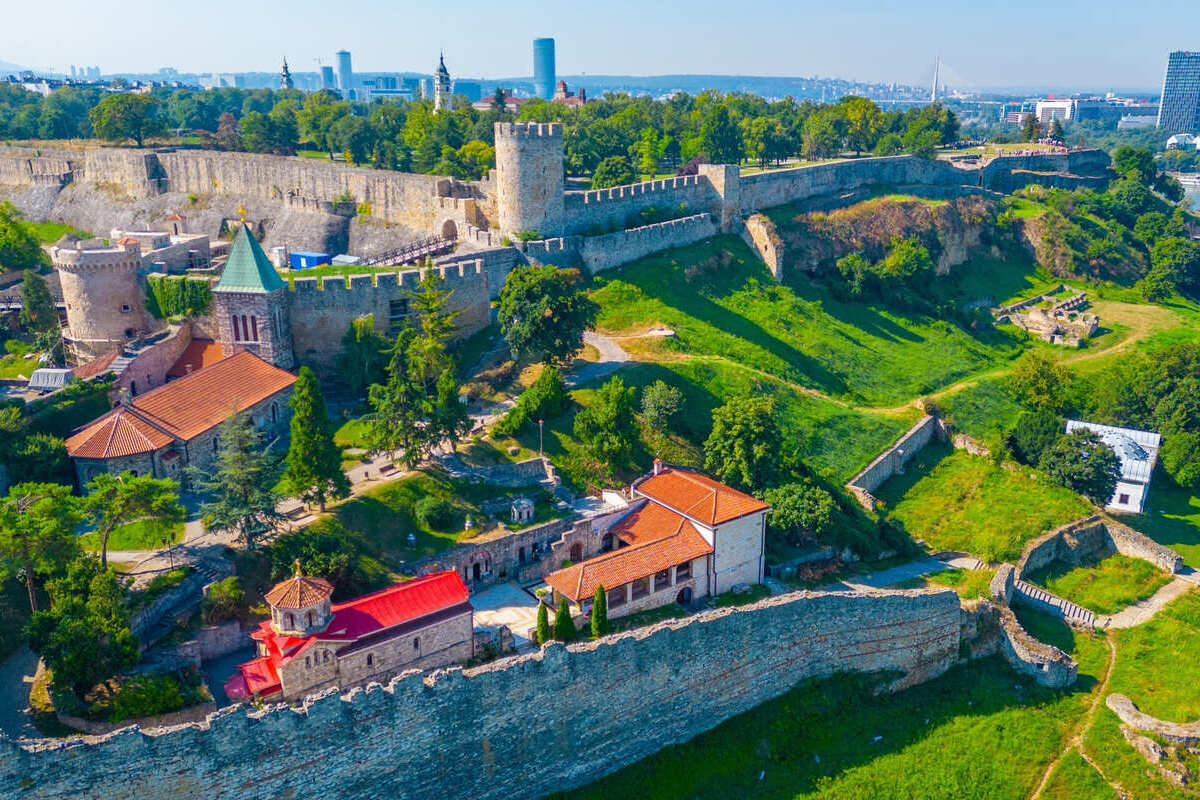
The city’s pride and joy is Kalemagdan, a sprawling medieval fortress perched on a clifftop overlooking both rivers, complete with watchtowers, panoramic terraces, leafy parkland, and the occasional fairytale drawbridge.
It’s undoubtedly the highlight of the historic core, but it’s far from being Belgrade’s only ace.
Have We Been Sleeping On Gorgeous Belgrade All Along?
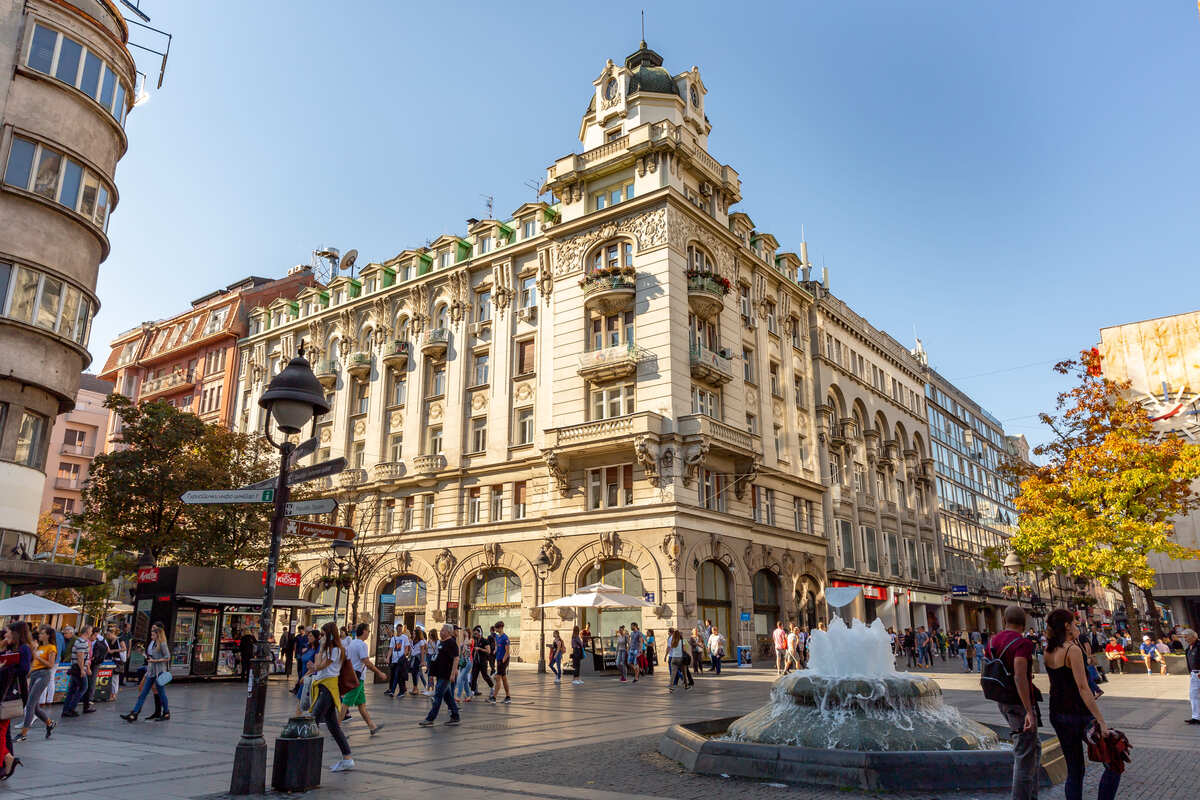
A stroll down Knez Mihailova Street takes you past Belgrade’s finest Belle Époque architecture, lively cafés, and trendiest restaurants.
Think of it as a pedestrianized, much more laid-back Champs-Élysée, except everything from coffee to shopping is still three or four times cheaper than on the famous Parisian avenue.
Over in Skadarlija, it’s all about quirky kafanas, buskers playing their tunes along uneven cobblestones, and that effortlessly old-school bohemian atmosphere.
Wander a little farther over to Dorćol, and you’ll stumble upon one of Belgrade’s coolest neighborhoods, where street art, independent galleries, specialty coffee shops, and hidden courtyards make it feel like the city’s creative soul has quietly settled there.
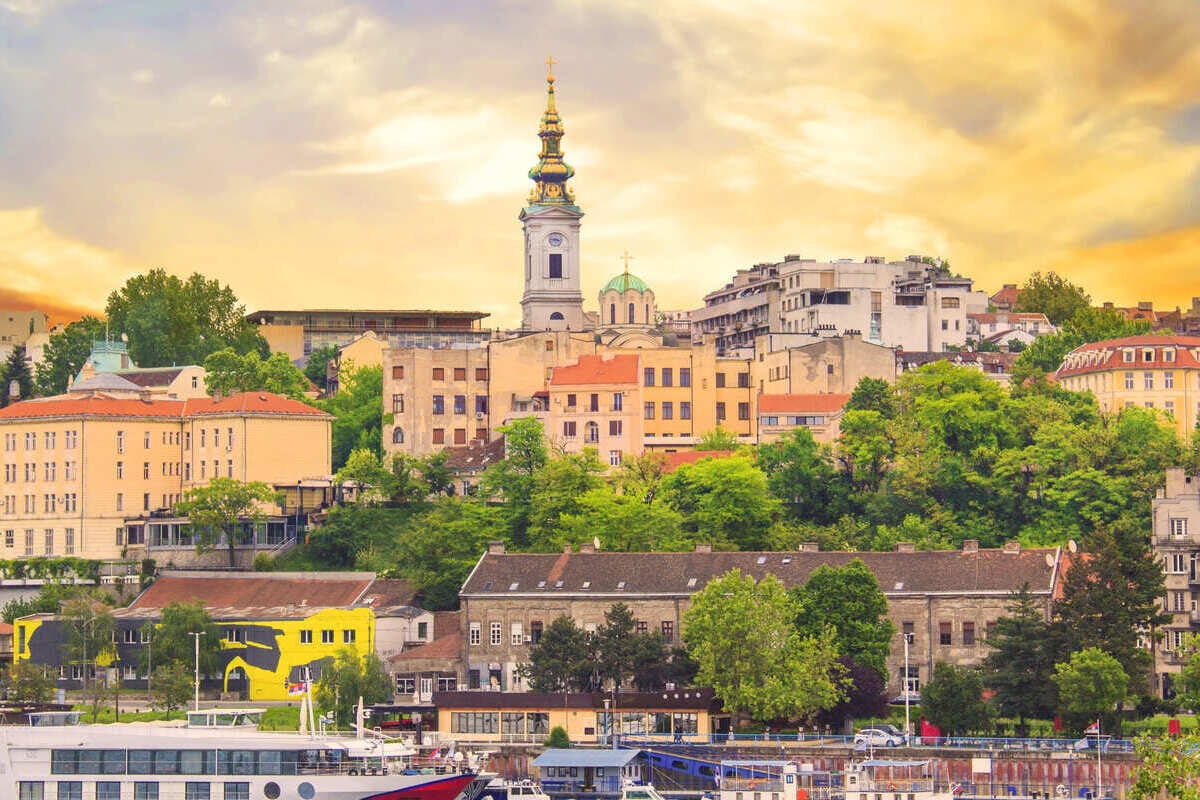
If you’re hoping to experience a slower side of Belgrade, away from the buzz of the Old Town, venture across the river to Zemun, a village-like district known for its riverside cafés, relaxed bars, Austro-Hungarian architecture, and the iconic Gardoš Tower, perched on a hill with sweeping views over the Danube and the city skyline.
That’s what every guidebook will tell you to see in Belgrade.
I’ve been to Belgrade twice myself, though, and some of my own favorite spots go beyond the obvious.
Belgrade Beyond The A–B Attractions
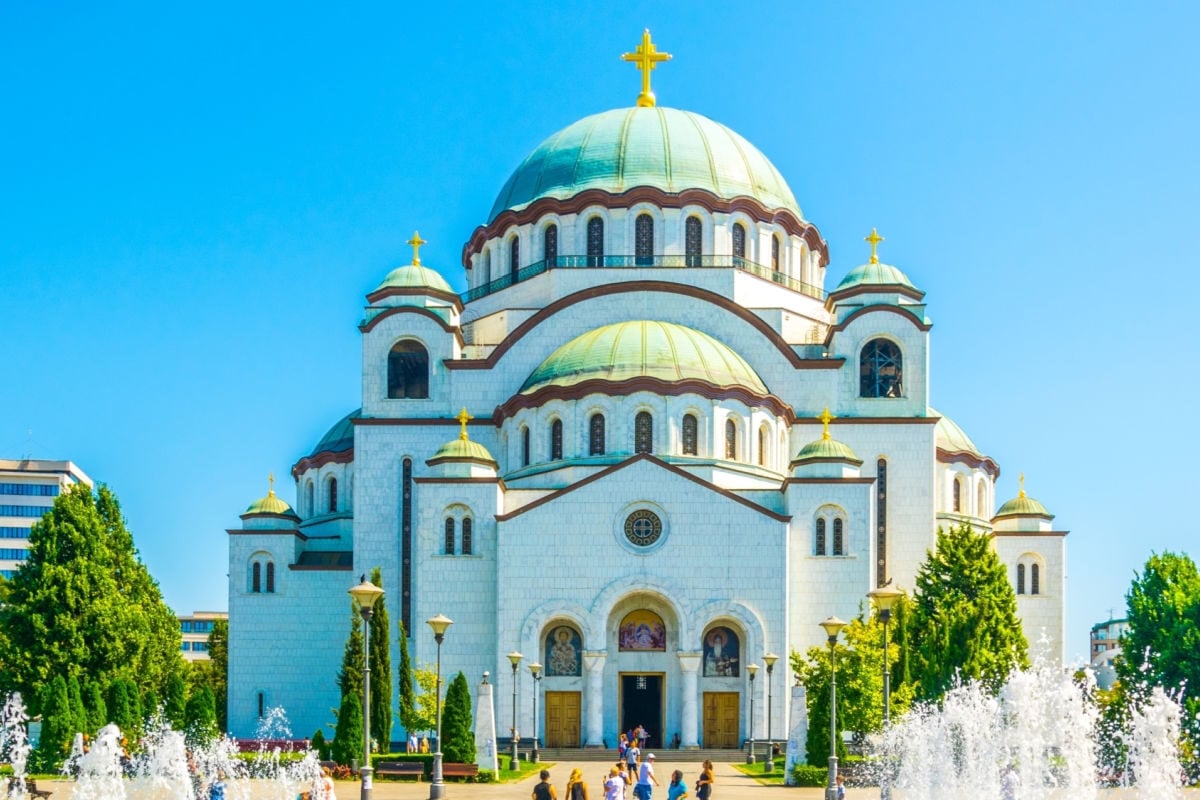
The Church of Saint Sava is simply jaw-dropping.
It’s the largest Orthodox church in the entire Balkans and so monumental it even makes the famous golden-domed Alexander Nevsky Cathedral in Sofia feel modest by comparison.
The Museum of Yugoslavia also ended up surprising me.
I’m not usually much of a museum person, but there was something oddly moving about walking through the everyday objects, photographs, and memories of a country that no longer exists, one that many people here still remember with a complicated mix of nostalgia, pride, and sadness.
It felt less like a history lesson and more like stepping into the collective memory of an entire generation.
Want to see something you definitely won’t find in your average European capital?
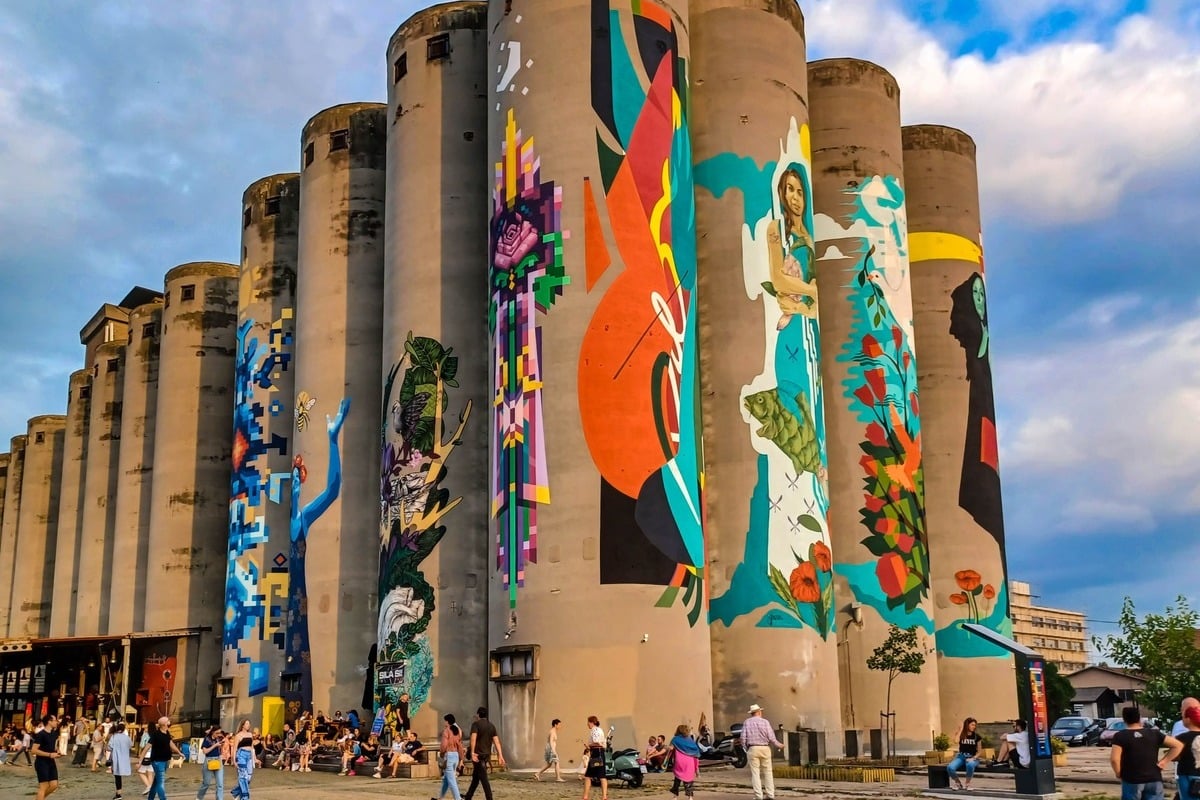
Grab a river taxi over to Silosi, a cluster of towering, 28-meter-high Brutalist grain silos abandoned after the communist era and now transformed into one of Belgrade’s coolest cultural spaces, hosting bars, concerts, exhibitions, and open-air events throughout the summer.
Cetinjska 15 shouldn’t be missed either.
Once part of the old BIP brewery complex, this industrial courtyard has reinvented itself as Belgrade’s creative hub, packed with nightlife venues, craft cocktail bars, artist studios, galleries, and pop-up events. Honestly, it couldn’t feel more Berlin if it tried.
Belgrade Is Super-Duper Safe
Unlike Berlin, however, where rising crime and knife-related offenses have contributed to a growing feeling of insecurity, a trend echoed across quite a few Western European capitals, Belgrade is surprisingly laid-back.
And that’s saying something. This is still a city of roughly 1.7 million people, comparable in size to Barcelona or Hamburg, so you’d naturally expect it to share some of Europe’s ongoing urban headaches.
Except… it really doesn’t.
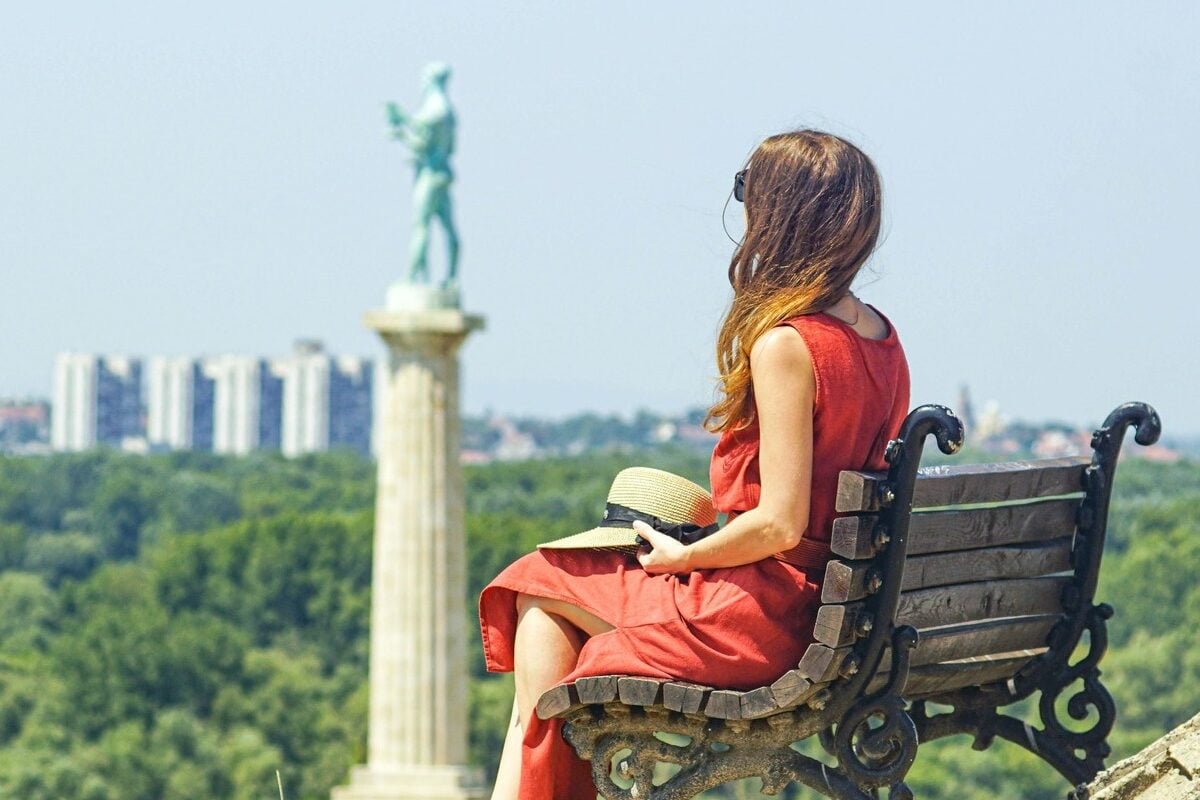
Sure, you should watch out for the occasional taxi scam and keep an eye on your belongings around busy tram stops or major shopping streets, but Belgrade isn’t the kind of place where you spend your evening constantly looking over your shoulder, worried someone’s about to jump out of a dark alley, stick a knife in your back, and make off with your phone.
Oh, and no phone snatchers on bikes, either.
Do better, London.
Serbia currently scores 85 out of 100 on the Traveler Safety Index, a traveler-generated benchmark based on real visitors’ experiences of personal safety across different countries.
No agenda. No politics. Just people reporting what they actually experienced.
Fly Nonstop To Belgrade, Serbia
Belgrade is the only city in the Western Balkans, and one of a handful of non-EU European destinations Americans can fly to nonstop:
New York (JFK) → Belgrade (BEG)
- Airline: Air Serbia
- Flight time: 8h50 eastbound and 9+ hours westbound
- Aircraft: Airbus A330-200
- Frequency: Daily or near-daily depending on season
- Average round-trip fare: $800–1,000
Chicago (ORD) → Belgrade (BEG)
- Airline: Air Serbia
- Flight time: around 9h40 eastbound and 10+ hours westbound
- Aircraft: Airbus A330-200
- Frequency: several times per week depending on season (typically 2–3 weekly flights rather than daily)
- Average round-trip fare: $800–1,000
No Fingerprinting This Summer… Or Ever
Belgrade’s far from being a hidden gem, though the occasional Daily Mail headline would have you believe otherwise. Since the pandemic, Serbia has exploded in popularity among travelers, particularly Americans, thanks to its no-nonsense approach to tourism.
The health restrictions may be long behind us, but European bureaucrats have already found something new to keep themselves busy with: mandatory fingerprinting and e-Visa-style travel permits.
If you’re heading to Europe this summer, you’d do well to check the entry rules that apply to your destination using the Entry Requirement Checker.
It’ll save you from becoming one of the 44,000-plus travelers who’ve already been turned away at European borders for failing to meet the requirements.
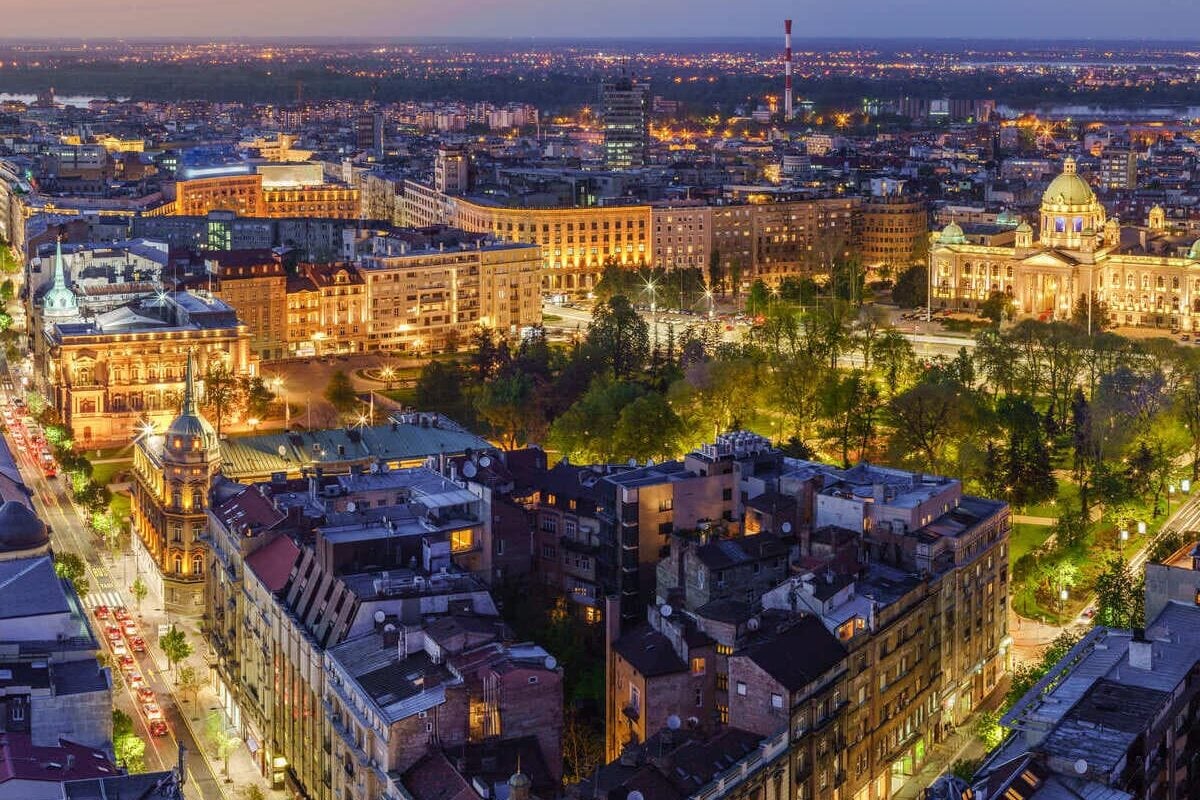
The good news about Belgrade? You won’t have to deal with any of that.
Serbia sits outside the European Union, meaning it’s not part of the bloc’s new EES (Entry/Exit System) that requires fingerprinting and facial scans. As an American visitor, you can still enter with relatively little hassle, as long as you meet a few straightforward entry requirements:
- Carry a valid passport that remains valid for at least 90 days beyond your intended departure from Serbia.
- Make sure your passport has at least one blank page for entry and exit stamps.
- Be able to show proof of onward or return travel within 90 days of entering the country.
Simple as that.
How Actually Affordable Is Belgrade, Serbia?
Rising popularity aside, Belgrade remains one of Europe’s best-value capitals, especially if you’re used to Western Europe prices.
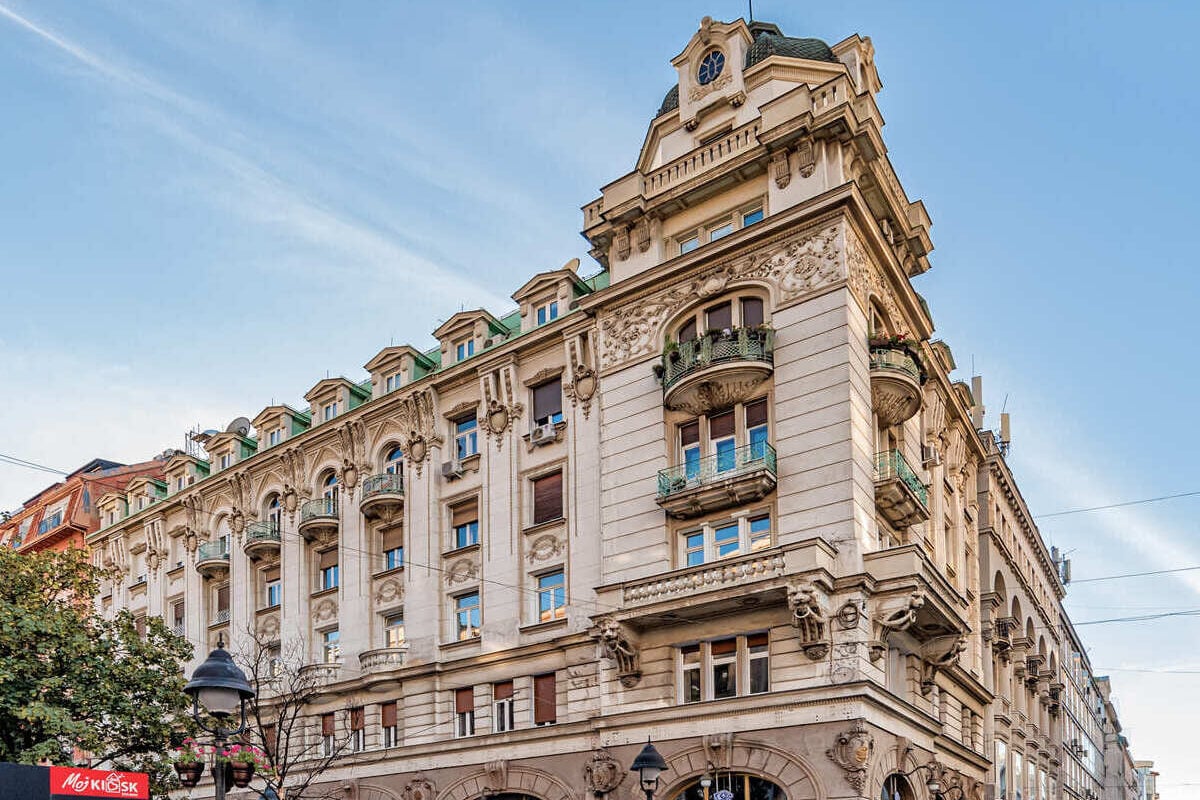
Luxury hotels and fine dining have become more expensve in recent years, almost undistinguishable so from the West, but everyday travel costs remain refreshingly cheap. It’s still easy to enjoy a comfortabelc ity break here without constantly checking your bank balance:
Eating out is where you’ll notice the biggest savings: a hearty meal at a traditional serbian kafana typically costs between $10 and $18, while 3-course dinners for 2 at a good mid-range eatery on or just off Knez Mihailova come to around $45–60.
In bars, expect to pay around $2.50 for local beer, or $6–10 for a cocktail. Whether you’re being serenaded by a busker in a Skadarlija tavern or getting lost in Belgrade’s riverside nightlife, you’ll likely spend far less than you would in Paris, London, and Amsterdam.
On the accommodation front, budget hostels start from as little as $20 a night, while modern 3-star hotels generally range from $60 to $90.
On the 4-star end of the spectrum, prices typically hover between $120 and $180, and luxury institutions like Hotel Moskva are still a relative bargain at around $220–$300 per night.
Getting around Belgrade is relatively inexpensive as well: public transportation is amongt he cheapest in Europe, and your typical taxi ride across downtown often costs under $10.
Add in free landmarks like Belgrade Fortress and Church of Saint Sava, plus reasonably priced river cruises along the Danube and Sava, and it’s easy to fill several days in Belgrade without blowing your budget.
