
The turquoise seas of the Mediterranean and all those classy Italian lidi are cool, but let’s not sit here and pretend the main reason we’re still drawn to Europe, and keep going back year after year after year, isn’t the fact that a random café on the corner is probably older than the country you’re from.
Ahh, the Old World charm of it all.
But if you’ve ever felt misled into thinking Marseille is an underrated Mediterranean gem, or Prague is still the affordable, undiscovered medieval treasure it might have been in the 70s, you may be wondering whether there’s truly any stone left unturned on the continent.
You know, places yet to be run roughshod over by the throngs.
The answer is: plenty. But you won’t find them by reading the same recycled, regurgitated, copy-and-paste mainstream travel publications, or following the same travel blogger who considers anything east of Germany a… what’s the word again? ‘Hidden gem’.
I’m Travel Off Path’s Eurocorrespondent, with over 40 European countries under my belt and some 200 European cities visited. And that’s a conservative estimate.
Ask your usual travel blogger where to go for unspoiled Europe vibes in 2026, and chances are they’ll say Budapest or Ljubljana. I guess if you just go to Paris and Santorini every year, that feels foreign enough.
But if you’re asking me where I’d send you for those proper historical vibes, medieval towns that feel like they’ve been plucked straight out of a storybook, these 5 true under-the-radar secrets are where I’d send you:
Penedono, Portugal
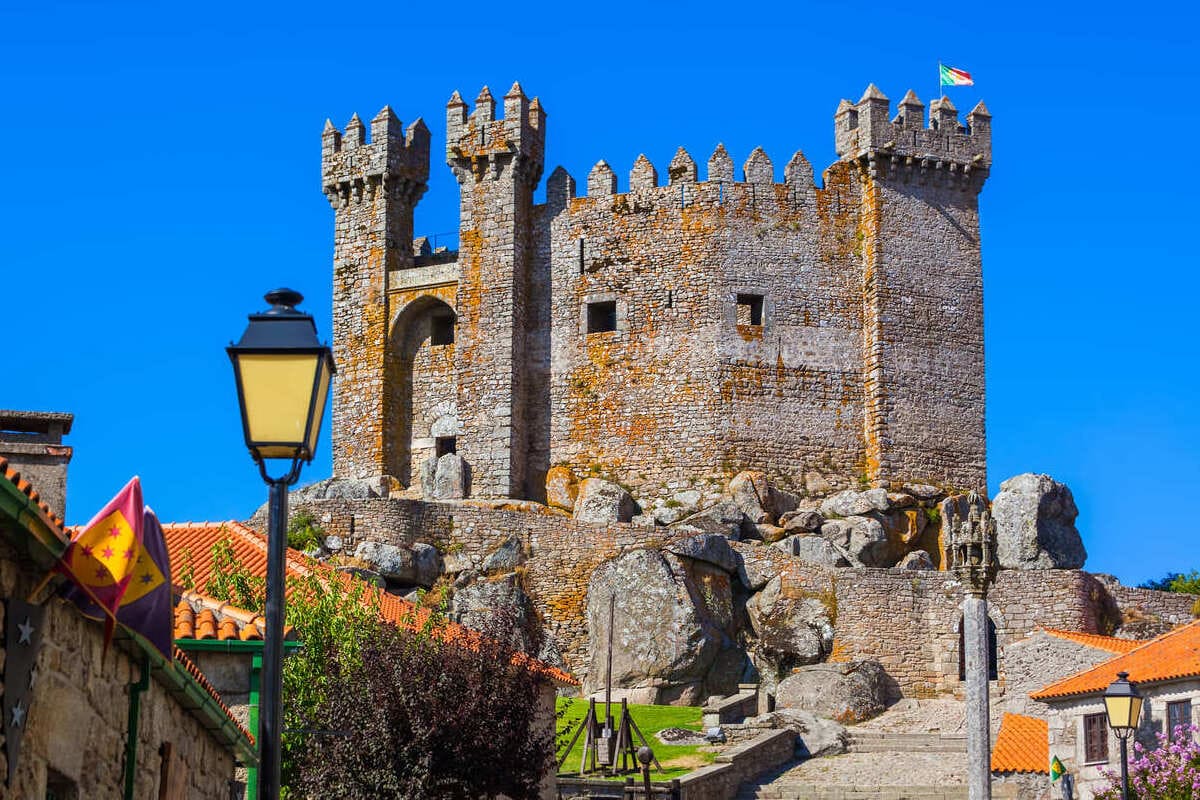
The kind of fairytale scene you thought could only exist in storybooks, Penedono is a tiny town in Northern Portugal that the Portuguese themselves aren’t all that familiar with, let alone the hordes of remote workers and British package-holidaymakers that descend upon Porto every summer.
If you don’t mind a little detour from Portugal’s second-largest city, this small village has a seriously-gorgeous medieval castle, perched dramatically on a rocky outcrop above granite houses and a charming town square.
The Historic Center that surrounds it has cobbled lanes, old granite buildings, and just knightly vibes all around.
The true star of the show, though? It has to be Taberna Fornos do Rei’s rustic grilled meat. I’d honestly go out of my way to visit just to feel that crackling pork skin melt in my mouth again.
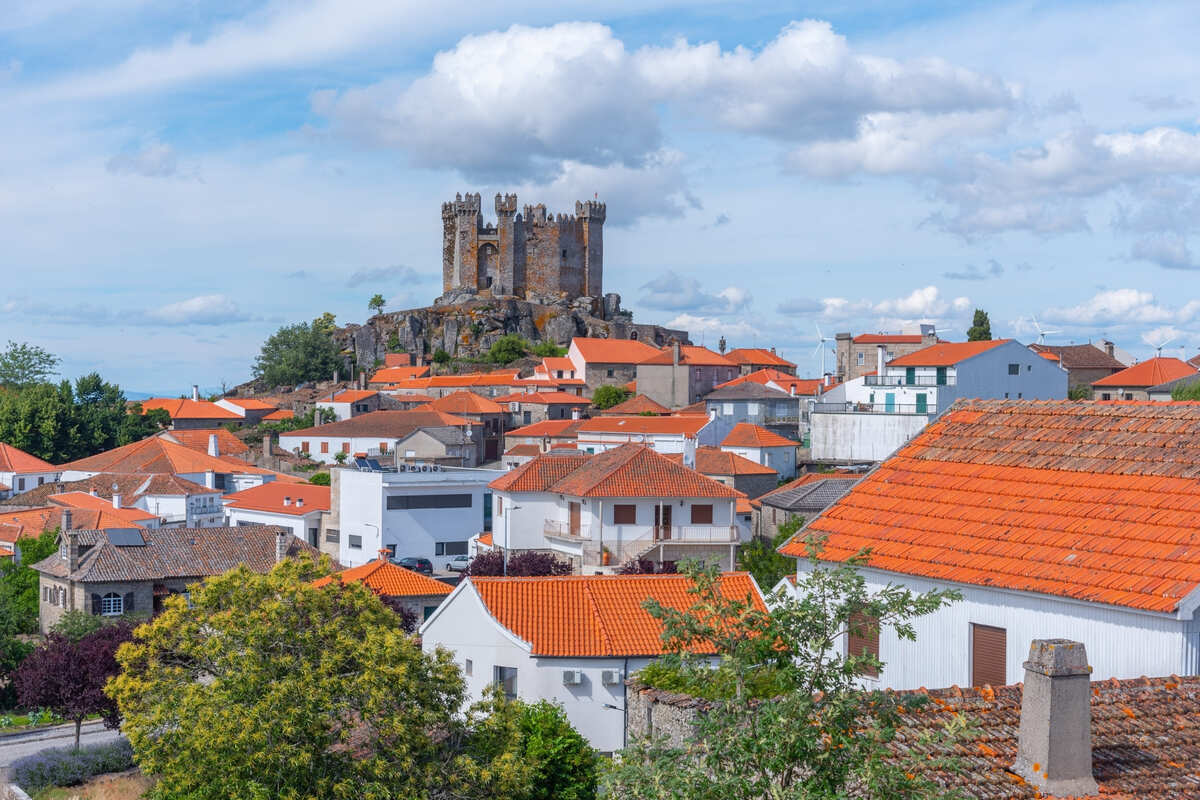
To sum it up, you basically get rural Portugal vibes without the Sintra crowds, and as it sits in the highlights of Beira Alta, near the Douro but not surrounded by the tourist-packed wineries, it’s embraced by rugged countryside rather than snobbish ecotourism.
- Where to eat: Taberna Fornos do Rei, the best spot for a proper meal without spending a fortune
- Where to stay: Hotel Medieval de Penedono. The perfect pick if you want to stay in the heart of the village and keep things atmospheric
- Must-visit: Penedono Castle
- How safe is Portugal right now? Very safe. Portugal remains a ‘normal precaution’ destination as per U.S. guidance
- Traveler Safety Index score: 84/100
Viscri, Romania
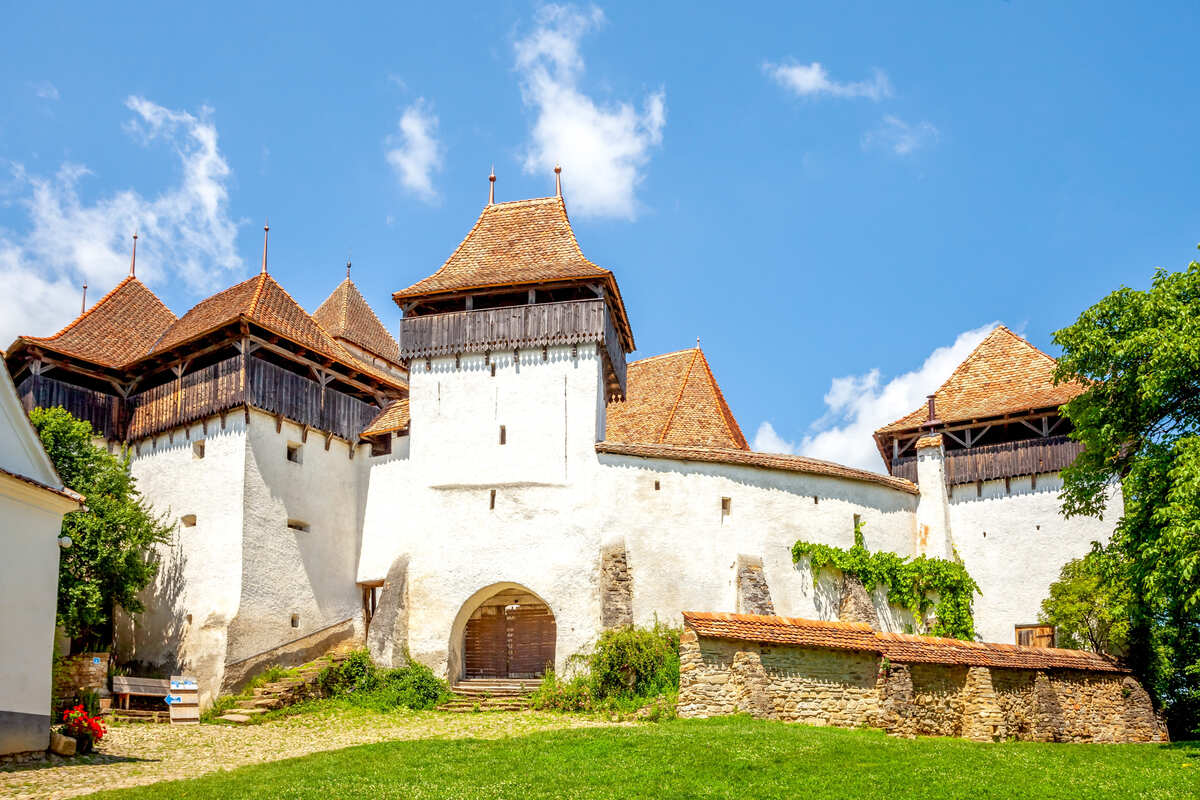
The next one is a happy accident I happened upon on my way to Rupea Fortress, one of Romania’s largest medieval fortresses. If you veer off path a little, and take the left turn onto DJ104L just after leaving Rupea towards Dacia, you’ll reach the hilltop village of Viscri:
The first thing you’ll see are the imposing rows of sturdy white walls and the fortified church’s defensive towers, and that’s impressive-a-sight enough, but walk through the town gates, and it’s like you’ve stepped into a different world altogether.
One that maybe never made it past the 12th century.
The fortified church, a UNESCO-listed medieval gem, is the main highlight, but the whole town itself is packed with Transylvanian Saxon houses, usually painted in muted whites and pastels, arranged along unpaved dirt roads, wooden fences, hay-filled yards, and sleepy gardens.
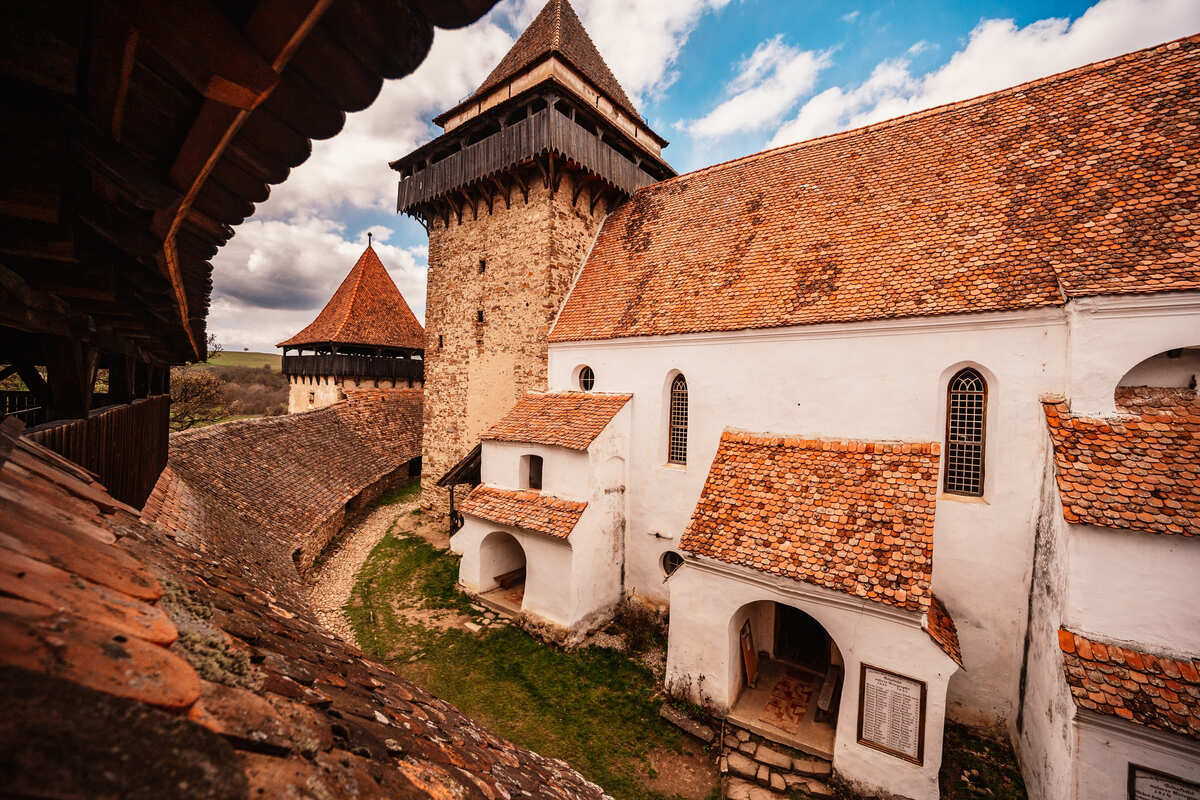
Think horse carts, haystacks, livestock, and chickens: it’s not a simple reconstructed medieval village. It’s the real deal. Now, wait for it… tourists may well be sleeping on it, but King Charles—yep, as in the King of England—loves Viscri so much he owns a bloody house here!
If it’s good enough for the king, it’s good enough for us.
- Where to eat: Viscri 32 White Barn & Blue House, the go-to for traditional Transylvanian food
- Where to stay: Viscri 125, one of the nicest places to sleep in the village
- Must-visit: The Fortified Church
- How safe is Romania right now? Very safe for travelers. Normal precautions are enough, with petty theft being the main issue in crowded tourist areas
- Traveler Safety Index score: 91/100
Check The Entry Requirements Before Flying To Europe
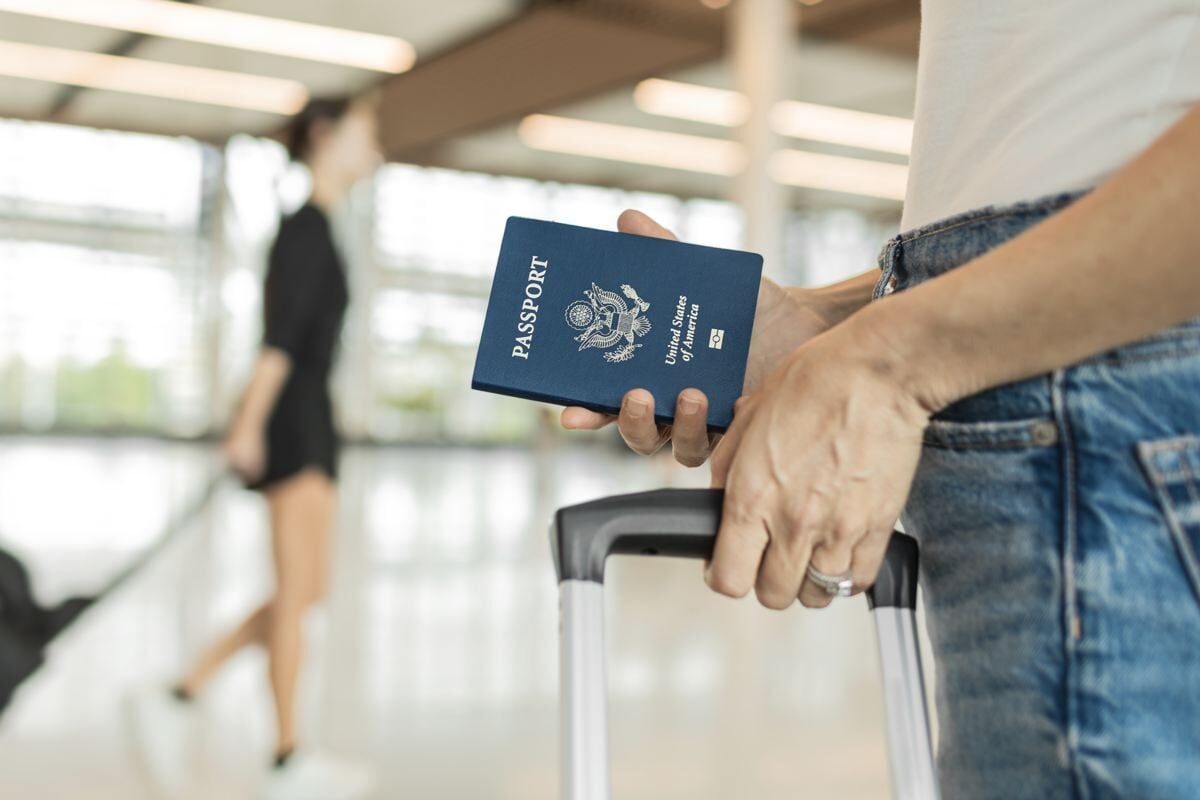
As of this year, Americans need to get fingerprinted upon landing in Europe, and soon enough, starting at some point in 2027, they will require a mandatory travel permit before flying.
Both measures are part of a complete border overhaul spearheaded by the European Union, and it will affect travelers heading for all of the countries mentioned above.
Many travelers aren’t aware of the recent changes, and it’s no surprise over 44,000 of them have gotten turned away at the border.
If you’re heading to Europe in the next few months, make sure you’re up to speed with the travel rules that apply to U.S. passport holders on the Entry Requirements Checker.
Visby, Sweden
ABBA museums and Viking heritage are great, but the problem with reducing Sweden to two of its most cliché exports is that you’re seriously missing out. Stockholm is not all that our Scandinavian friends have to offer:
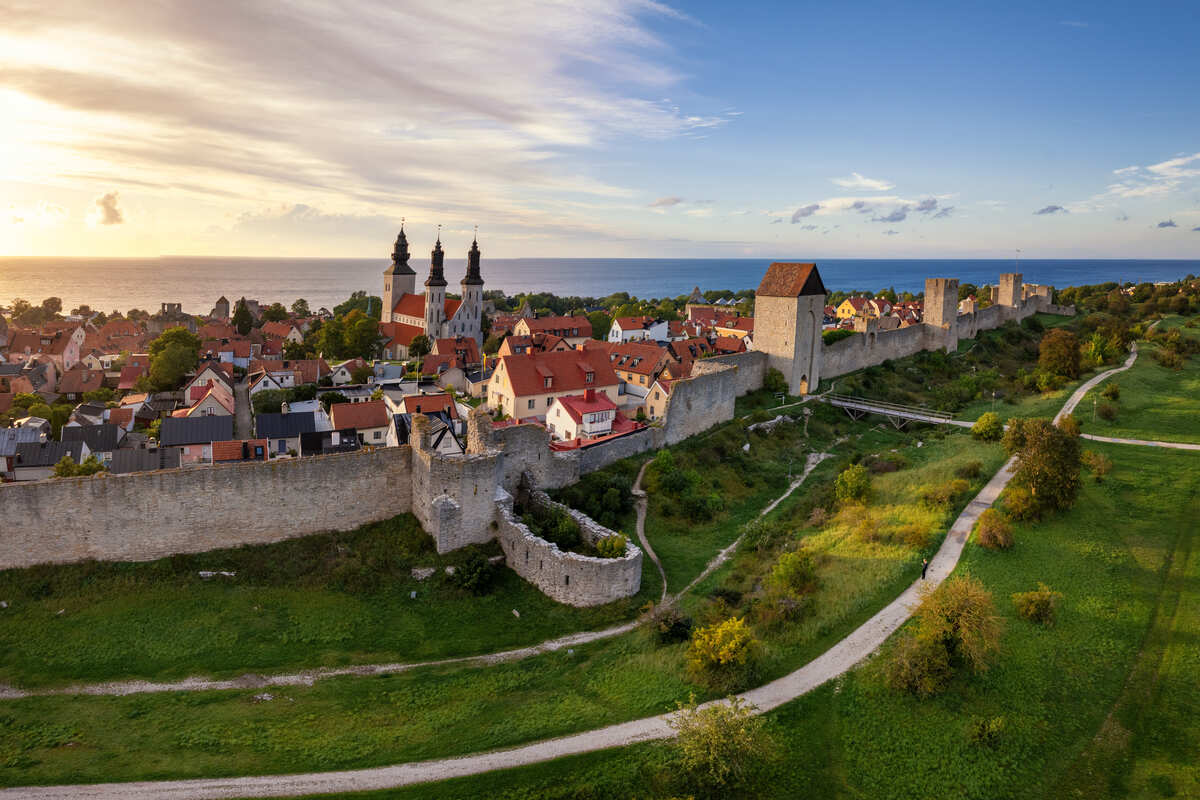
I would argue Visby, on the medieval island of Gotland, is far more picturesque, atmospheric, and way more peaceful.
The entire city is a UNESCO World Heritage Site, surrounded by exceptionally well-preserved medieval stone walls—that you can actually walk on, mind!
The Old Town is an absolute maze of a medieval time capsule, with cobbled lanes running beside stone walls and flower-draped townhouses.
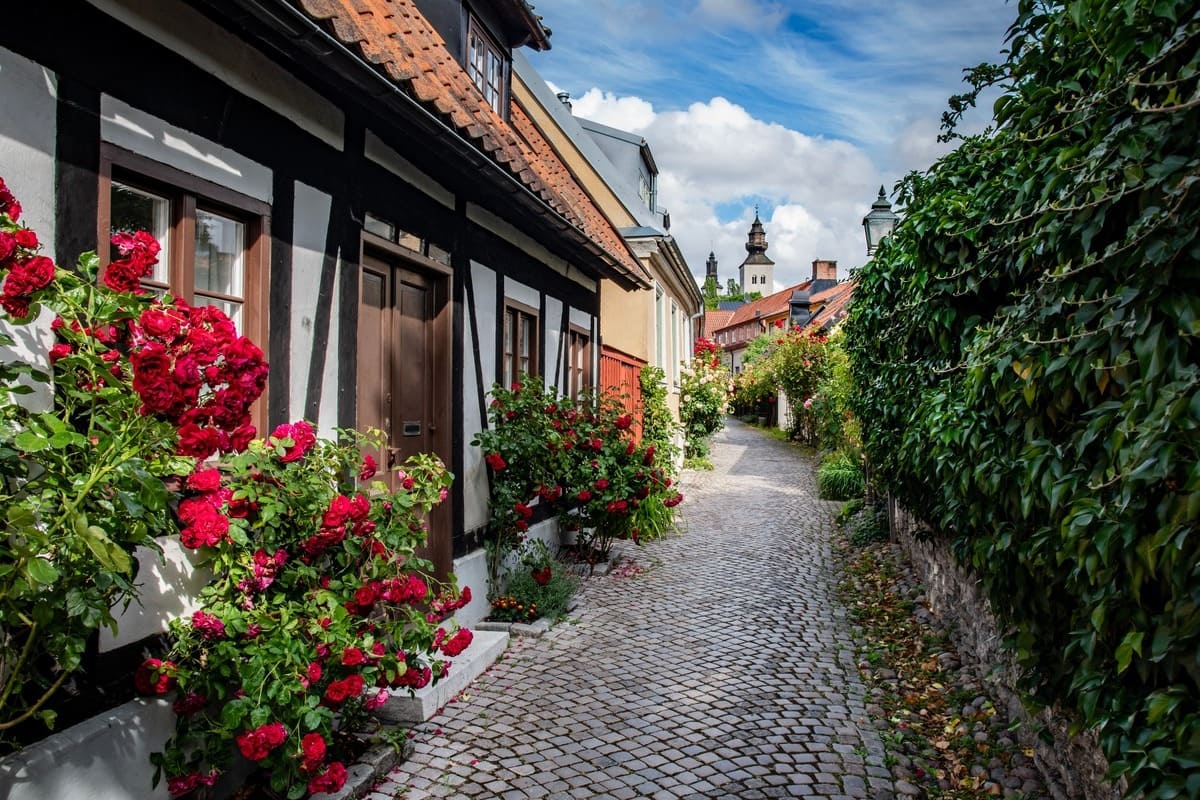
Hither and thither, you’re sure to stumble upon the odd medieval church ruin and hidden courtyard. Wanna try something genuinely cool? Sit down for some fika and a giant cinnamon bun at Sankt Hans Café, where the garden terrace literally overlooks the historic St Hans Church ruins.
Of course, Visby is a medieval city on an island, and that’s what makes it so damn special. You get a genuinely historic walled city, but it’s surrounded by the Baltic Sea, with beaches and epic limestone cliffs a short bike drive away.
- Where to eat: Bakfickan. Just cozy, central and a good place for Swedish classics
- Where to stay: Hotell Gute, a charming mid-range option inside the medieval walls
- Must-visit: Visby Medieval City & City Wall
- How safe is Sweden right now? Quite safe. Visby and Gotland as a whole are particularly peaceful, with the usual precautions against petty crime being more than enough
- Traveler Safety Index score: 86/100
Pyrgi, Greece
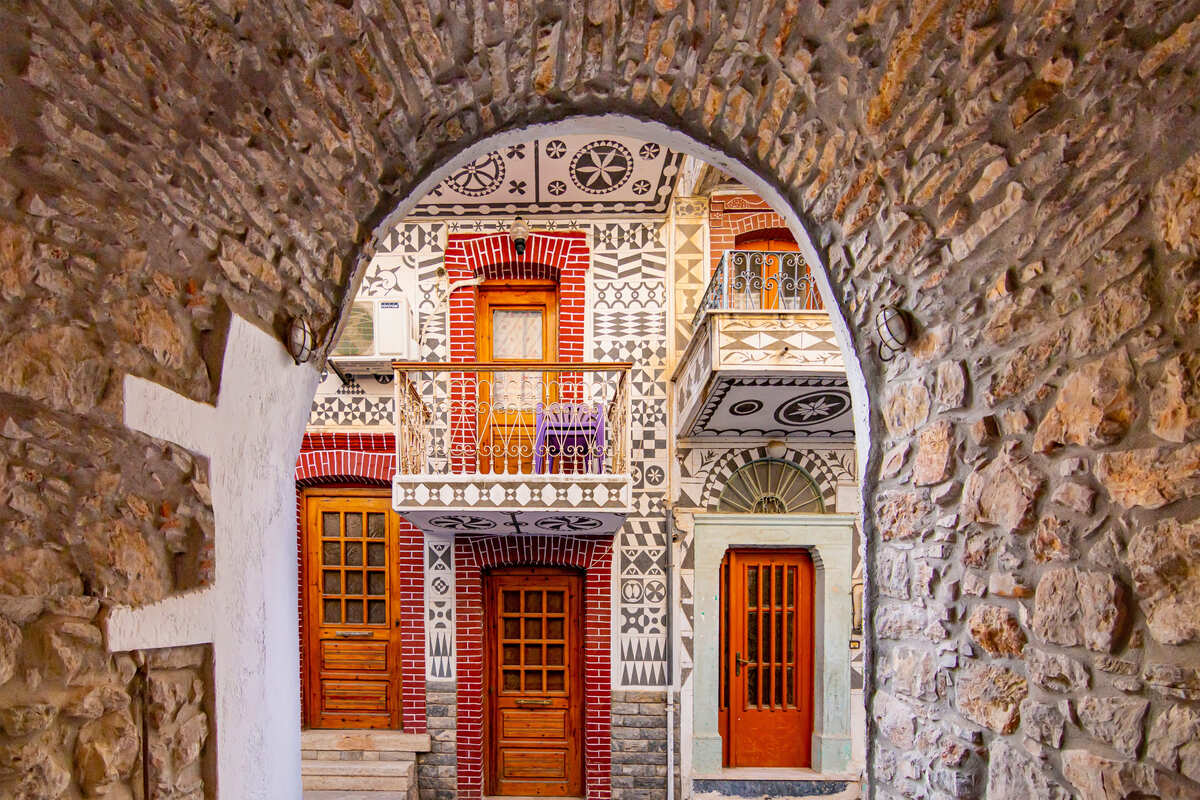
Tucked away in the North Aegean, well away from the hustle and bustle of Santorini and Mykonos, Chios is a fairly sizable island well worth spending more than a quick weekend on if you actually want to do it justice.
It’s best known for its Mastic Villages, a series of medieval townships dotted with rock-hewn houses and family-run tavernas, though if you were to press me on which one is the prettiest, I’d have to say Pyrgi.
Still looking remarkably intact after centuries, this ingenious maze of cobbled streets and traditional houses covered in intricate geometric designs is easily one of the most unique places I’ve visited in the Hellenic heartland.
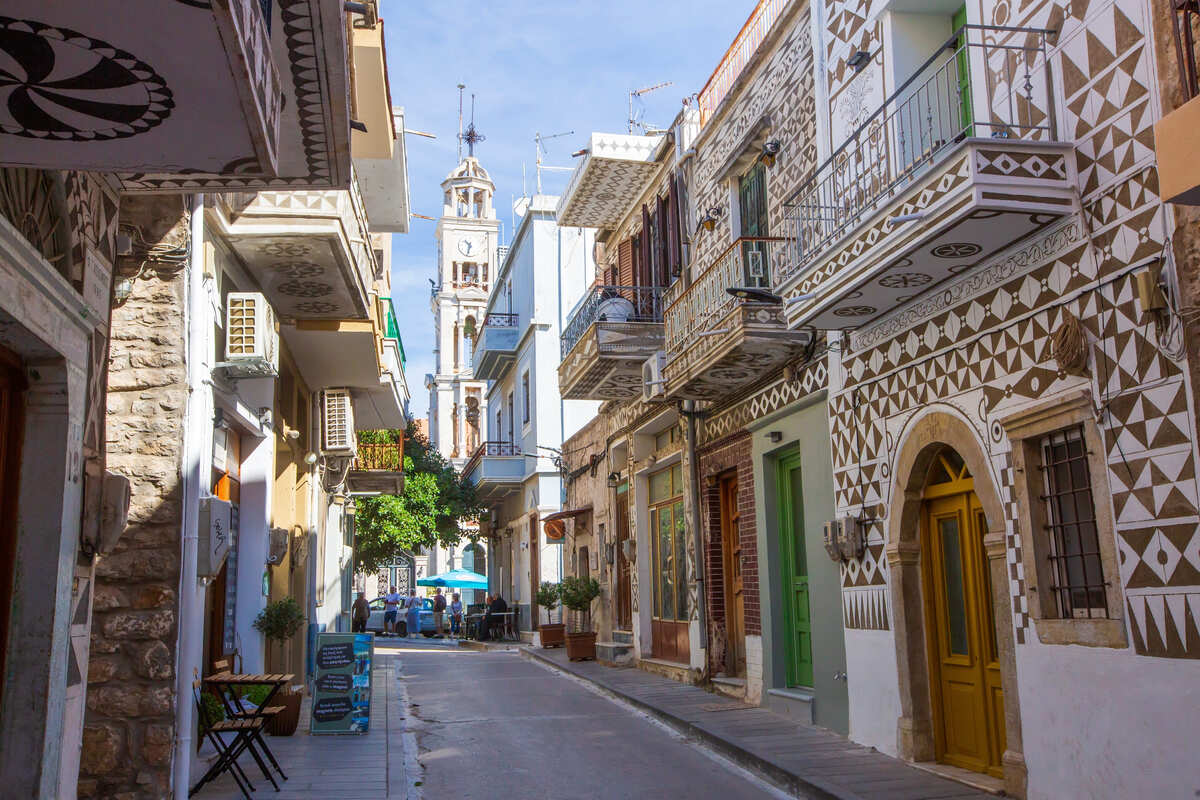
I maintain that the orange cake served at Stoa Cafe is the best you’ll find anywhere in Greece, and you simply can’t beat the crowd-free Greek island vibes here in 2026, when pretty much everywhere else in the Aegean, from Zakynthos to Rhodes, seems to be overflowing with tourists.
And if you’re visiting Pyrgi, make sure you pop into the Church of the Holy Apostles, a stunning Byzantine church dating back to the 13th–14th century, with its interior covered in beautiful frescoes.
- Where to eat: Makis Grill, for that life-changing gyro
- Where to stay: Skinos Rooms and Apartment, the best fit for a mid-range traveler
- Must-visit: Church of the Holy Apostles
- How safe is Greece right now? As safe as can be. Chios is a particularly laid-back island with little of the petty-crime hassle you get in Athens or the busiest Greek resorts
- Traveler Safety Index score: 91/100
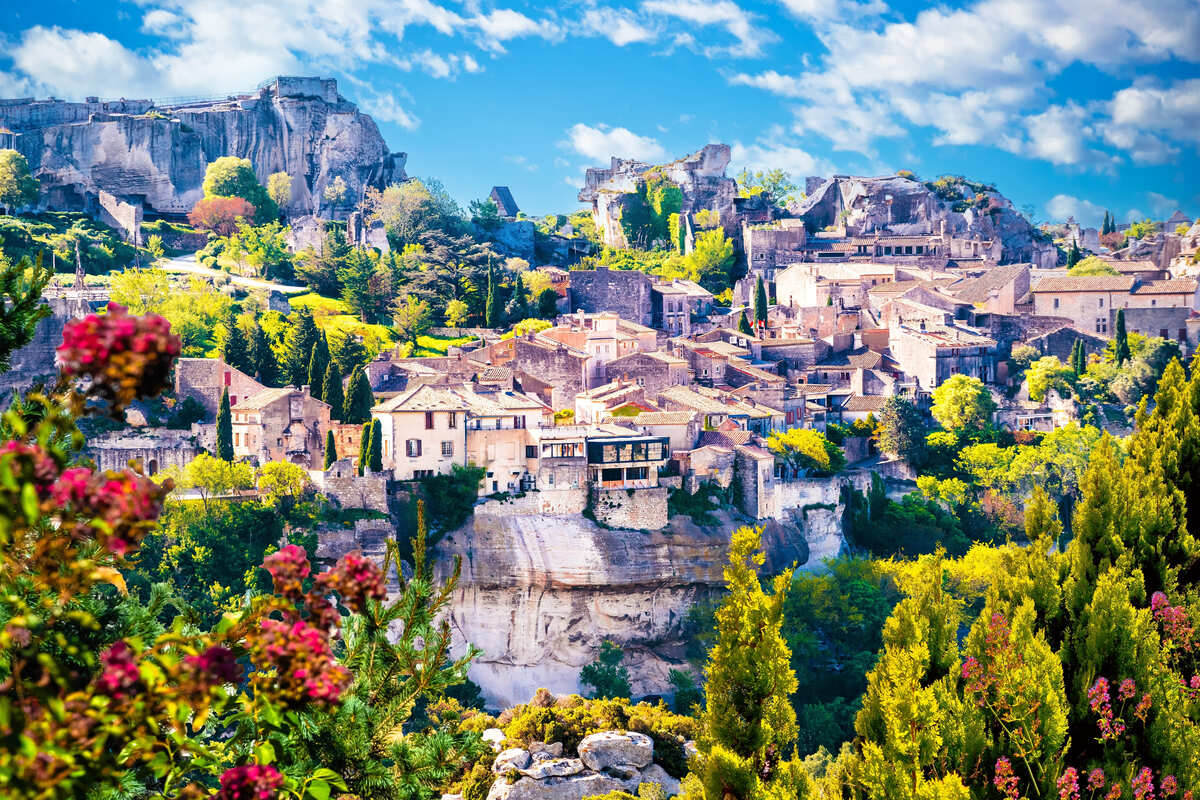
Les-Baux-de-Provence, France
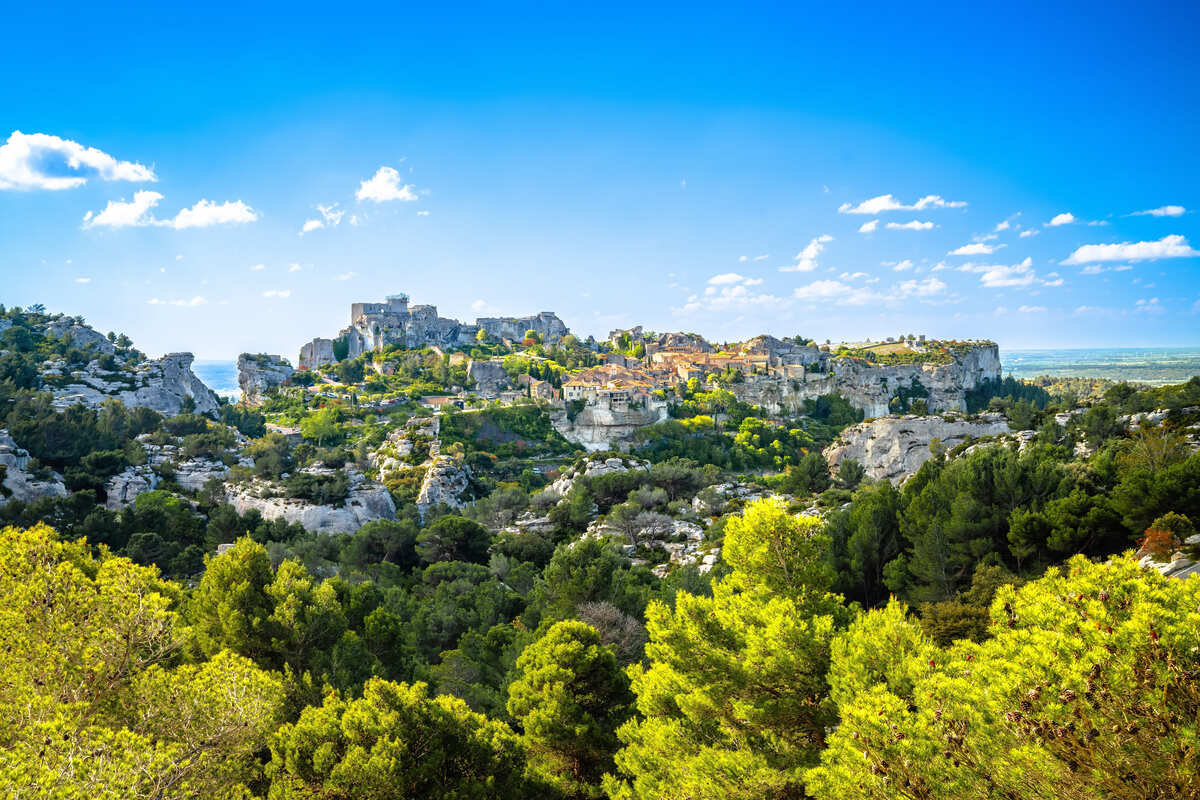
The absolute cherry on top—literally—Les Baux-de-Provence is the kind of place that makes you wonder why the French even bothered building ordinary medieval villages when they could basically carve a citadel into a rocky hilltop and call it a day.
And here we are.
This is a tiny medieval settlement you wouldn’t really stumble upon unless you’re driving, particularly if you’re doing the gorgeous route from Saint-Rémy-de-Provence, where Van Gogh spent his final year at the Saint-Paul-de-Mausole asylum, down towards Aix-en-Provence.
Perched dramatically above the Alpilles, Les Baux is well worth a stopover:
It’s all honey-colored stone, narrow lanes, weathered facades, and spectacular views stretching across the entire Provençal countryside, with the ruins of its medieval castle looming above it all.
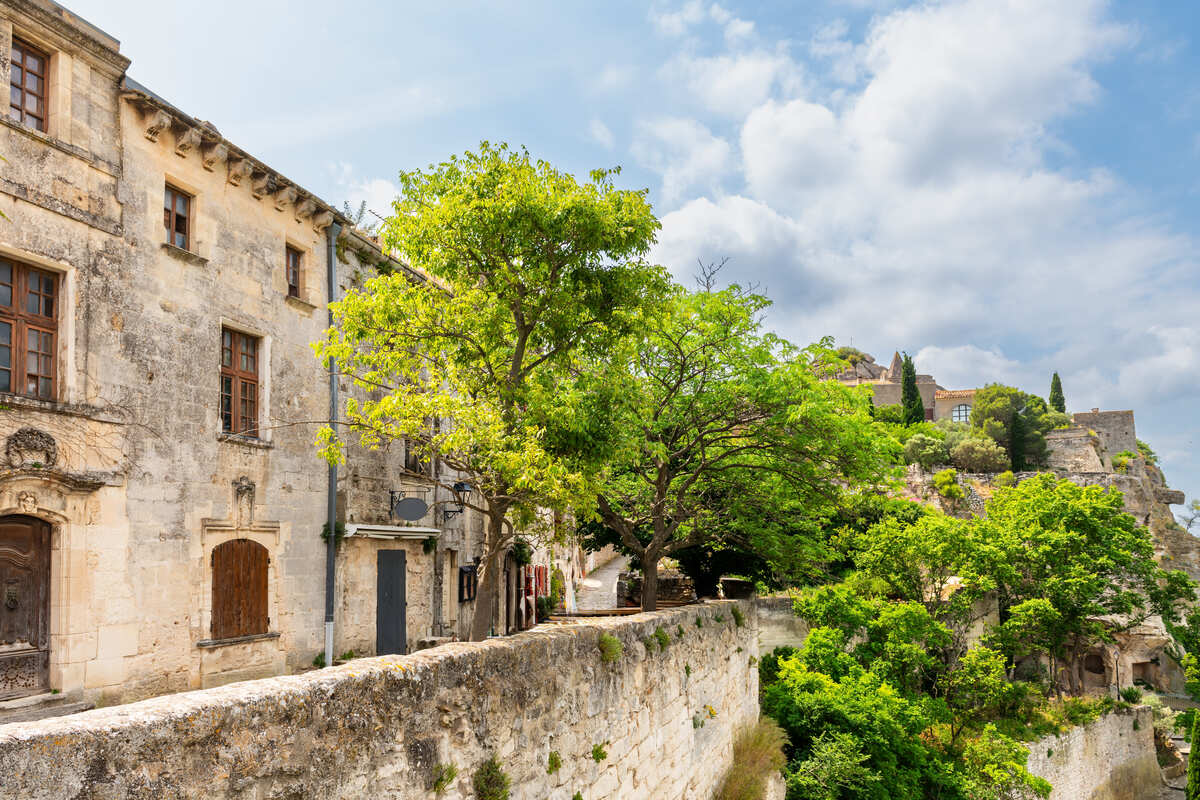
It can feel a bit overwhelming on the weekends, especially with day-trippers flocking here from Avignon, Arles and Aix, but come mid-week and stay overnight, and you’ll be surprised to find yourself sharing those stone pathways with little more than a handful of other travelers and Provence locals.
I live in France myself, and I don’t say this lightly, but this is one of the handful of places that has still left me completely flabbergasted, wondering whether the scenery unfolding before me was actually real, or just a figment of my rather overactive imagination.
- Where to eat: La Reine Jeanne, if you want the full-blown Provençal experience
- Where to stay: Hôtel Fabian Des Baux. A short uphill drive to the town and about half the price compared to center-of-the-village stays
- Must-visit: Château des Baux-de-Provence
- How safe is France right now? Moderately safe in larger cities, and very safe in the countryside. Les Baux is particularly peaceful as it’s a tiny village, with limited street crime and virtually no serious incidents reported
- Traveler Safety Index score: 84/100
Enter your email address to subscribe to Travel Off Path’s latest travel news, straight to your inbox
