
You check the travel advisory level for your beach getaway and see a safe overall score. You purchase your basic travel insurance package that should cover you if anything goes wrong, right? Wrong.
That was the old way of thinking. With a few exceptions, the government used to issue a single safety level for an entire country. But over recent weeks, almost every new travel advisory update comes with specific regional breakdowns. While this localized approach has been used in places like Mexico for years, it is now expanding to other popular destinations across the globe.

For American tourists planning an international escape, this shift changes the entire playbook. When you spend hard-earned US dollars on a trip, you expect your insurance to back you up if things go sideways. But this new regional mapping creates a dangerous loophole that everyday travelers are walking right into without knowing it.
How a Safe Country Can Hide Dangerous Level 4 Pockets
For years, travelers operated under a straightforward system. You looked up a country, checked its overall score, and made your decision. If a nation sat at a comfortable Level 2, you bought your standard coverage, packed your bags, and assumed you were protected from border to border.
That clean and simple system is officially gone.
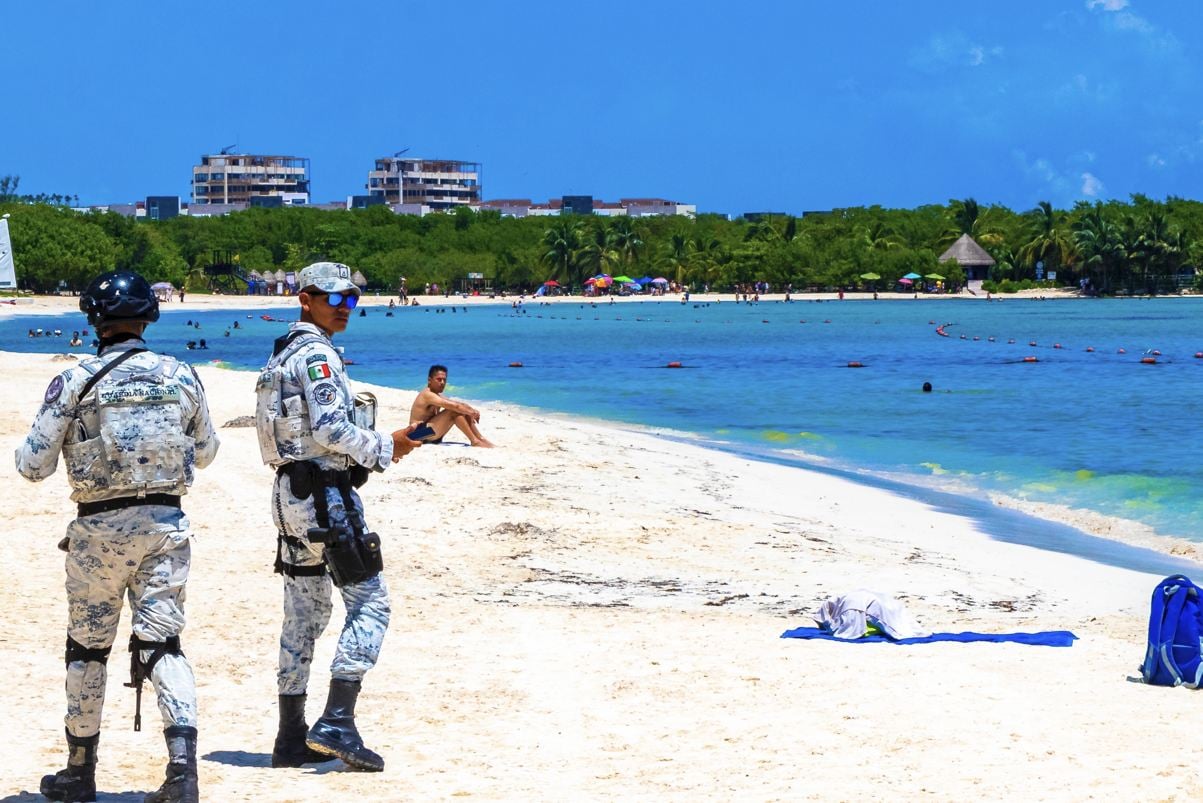
Instead of looking at a country as a single unit, official advisories are now carving up nations into smaller pieces. A country can still hold a safe overall rating, but specific provinces or regions within it can carry a strict Level 4 Do Not Travel warning.
This is the entire trap. A destination can look completely safe on the surface while hiding a patchwork of restricted zones underneath.
Exactly How a Level 4 Zone Voids Your Insurance
Insurance companies are paying very close attention to these regional breakdowns, and they are using them to change how claims are handled.
When you buy a standard travel insurance policy, you assume it protects you anywhere inside your destination country.
But insurance contracts are governed by strict geographical rules and exclusions. Tucked deep inside the fine print of almost every standard consumer policy is an exclusion clause regarding government warnings and high-risk zones.
These clauses state that the policy will not cover medical expenses, evacuations, or trip interruptions if an incident occurs in an area designated as a Level 4 Do Not Travel zone.

When you file a claim, insurance underwriters do not just look at the country name on your form. They review the exact geographic location and municipal boundaries of where your accident or medical emergency took place.
If your misfortune happens to occur inside a newly carved-out sub-national Level 4 zone, your insurance company can legally use that exact coordinate data as an excuse to deny your claim. The underwriter does not care that the airport you flew into was safe, or that the country headline rating was a Level 2. They look exclusively at the local warning level where the incident happened. If you find yourself inside a sub-national Level 4 pocket, your standard policy is instantly voided for that event.
Note From The Editor
Just one sec! If you enjoy reading great human-written articles, the best way to see a few more is to follow us on Google so we become one of your preferred websites. Thank you so much for reading. Now back to the story!

The Real-World Financial Danger for American Tourists
Imagine booking a vacation to a country that sits comfortably at an overall Level 2 rating. You feel completely secure in your plans. But during your trip, you take a day trip, rent a car, or pass through a specific province that the government has quietly singled out with a localized Level 4 warning.
If you suffer a severe medical emergency or an accident in that exact location, your standard insurance policy is completely useless. You are left entirely on the hook to pay tens of thousands of US dollars out of pocket for emergency medical care or an air ambulance flight back home.

Most everyday travelers do not read every line of fine print in their policy documents. They assume that if the destination country is generally safe, their coverage applies everywhere within its borders. Insurance providers rely on that exact assumption, using localized Level 4 carve-outs as a legal shield to walk away from payouts entirely.
How to Protect Your Vacation From Hidden Traps
Because the rules have changed overnight, your booking strategy has to change right along with them. You can no longer rely on a single headline number to determine your financial safety.
Before you book your next vacation, you have to dig past the main score and read the regional notes carefully. Look closely at provincial boundaries and local warnings before finalizing your itinerary. If your travel plans bring you anywhere near one of these newly carved-out Level 4 zones, talk directly to your provider to understand how their regional exclusions work.

Don’t let an invisible line on a government update ruin your financial future. The game has changed, and staying informed about these localized breakdowns is your only real defense against a sudden claim denial. Read the fine print, check the regional warnings, and make sure your coverage matches the actual geography of your trip before you step foot on an airplane.
Instead of juggling 22 open tabs to track entry requirements, customs rules, safety alerts, and travel advisories, you can monitor everything in one place using our free Traveler Dashboard.
The Travel Insurance Trap
Enter your email address to subscribe to Travel Off Path’s latest travel news, straight to your inbox