
I don’t just “do” Eurosummers. I live them.
You’ve probably stumbled across a few of my articles here on Travel Off Path dissecting Europe’s hidden gems, from the remote Portuguese islands in the middle of the Atlantic to the least-polished, landlocked corners of the Balkans.
I love Europe in all its crazy, messy, beautifully contradictory diversity, and as someone who calls Paris home—with Italy, Spain, England, and practically every other European country sitting on my doorstep, often just a €20 flight away—I’ve spent the better part of the last several years hopping from one corner of the continent to the next.
At this point, Europe feels less like somewhere I travel to and more like my own backyard.
To be precise, I’ve tallied over 200 European cities across 40+ countries, and that’s honestly a conservative estimate. And listen, I’m not exactly hard to please.
Give me an espresso freddo, a flaky cheese-filled pastry, something pretty and medieval to stare at, and train stations that don’t resemble the set of a post-apocalyptic zombie movie, and I’m a happy man.
That said, there are four European cities I wouldn’t necessarily rush back to… unless someone was paying me (and well). And I’ve genuinely started wondering whether it’s just me who’s fallen out of love with them, or whether other travelers are quietly beginning to feel the same way.
Birmingham, England
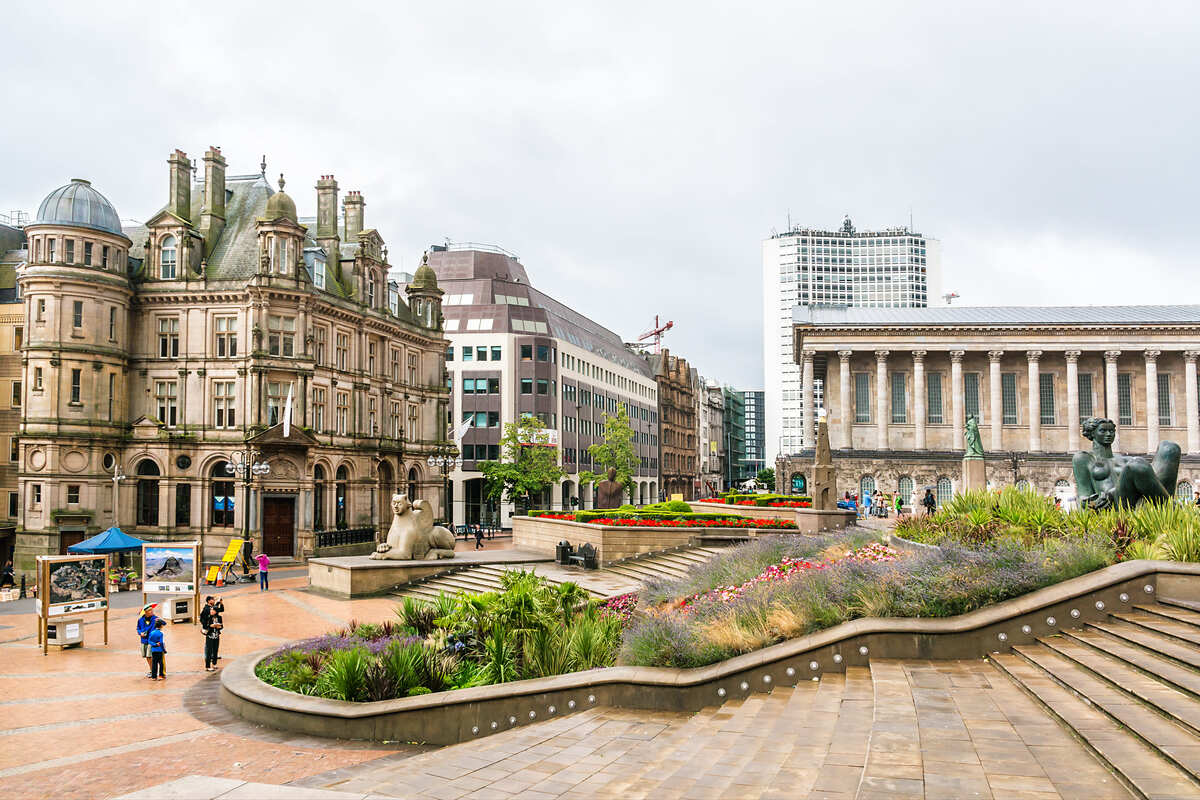
If you’re English, I know what you’re probably thinking. Who willingly goes to Birmingham unless it’s for a shopping weekend or to catch a concert because the London or Manchester dates sold out? Ahem… exactly what I did.
Still, I figured I’d ignore the naysayers, give the city the benefit of the doubt, and arrive a couple of days early before the Lewis Capaldi concert. Boy, was I wrong.
For a sprawling metropolis that proudly carries the title of England’s second city, Birmingham feels like one big, sprawling, confusing mess that somehow doesn’t even feel particularly… English.
Not that London’s setting the gold standard these days either, mind you, but at least it has the iconic landmarks to fall back on.
The biggest “must-do” attraction is rubbing the giant metallic Bull outside the Bullring Shopping Centre, then trying not to get flattened by a tram while wandering around the Jewellery Quarter.
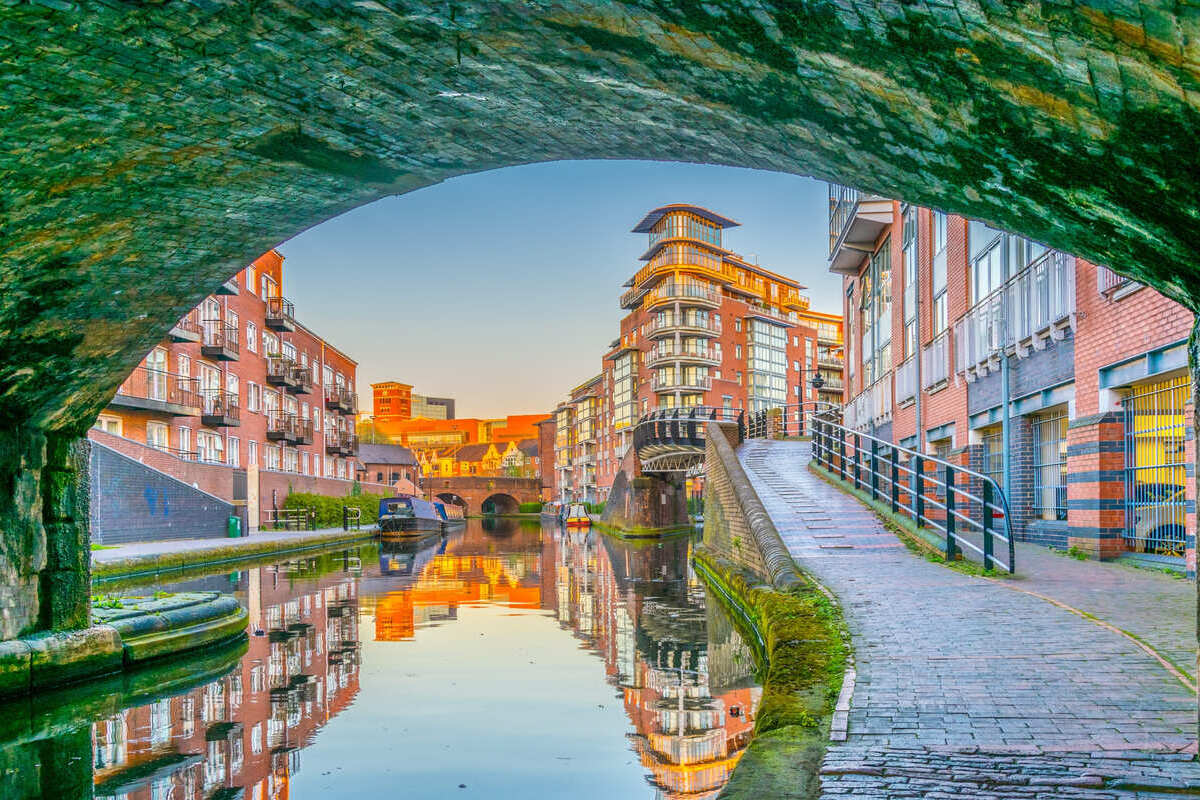
Though honestly, I still can’t think of a compelling reason to head there unless you’re in the market for eye-wateringly overpriced jewellery that probably came from the same wholesalers as half the gold souks in Dubai.
Sure, Cadbury World is a bit of fun, if you’ve got kids—I don’t—but I’m not convinced it alone justifies the £91 train fare up from London.
Everything else? A seemingly endless landscape of post-war concrete blocks, ring roads, and architecture that somehow manages to make even an overcast day feel gloomier.
I’ll give Birmingham one thing, though: the South Asian food scene absolutely slaps. If there’s one reason I’d come back, it’d be for a proper Balti curry… and then I’d probably leave straight after.
Dublin, Ireland
I would rather get tied by my ankles and dragged through a medieval market square by a team of Clydesdale horses than voluntarily set foot in that godforsaken city again. Trust me, I’ve been there more than enough times—having lived in Northern Ireland—to feel pretty qualified to pass judgment.
Homeless tents lining the River Liffey and $12 Guinness pints aside, Dublin just never feels like it’s worth the money. Not when every meal, hotel room, and pub crawl costs an arm and a leg and your liver.
Come on now, it’s about as expensive as London or Copenhagen, except it’s not even half as exciting.
Sure, the Book of Kells is… nice, I suppose, but I wouldn’t cross an ocean again just to see it.
And if feeding deer in Phoenix Park is your main reason for visiting, maybe save that experience for Nara, Japan. At least over there you won’t find yourself glancing over your shoulder after dark wondering whether someone’s about to mug you.
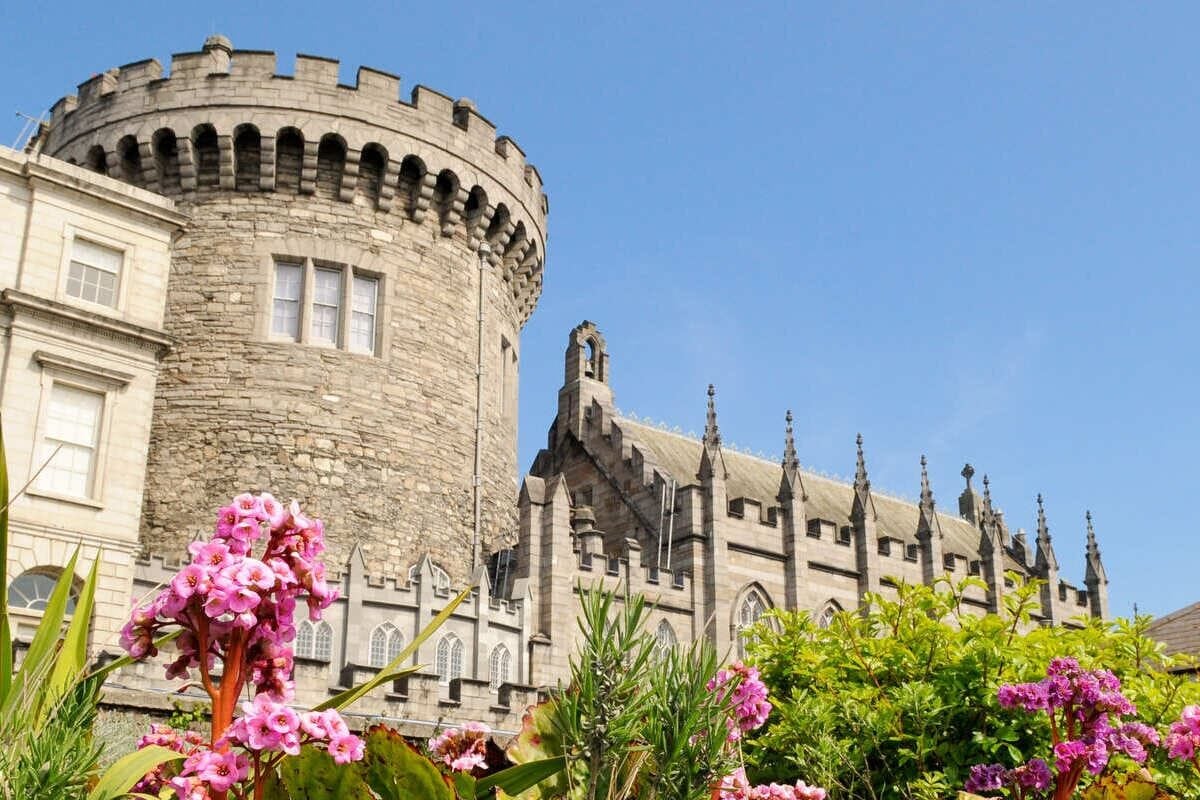
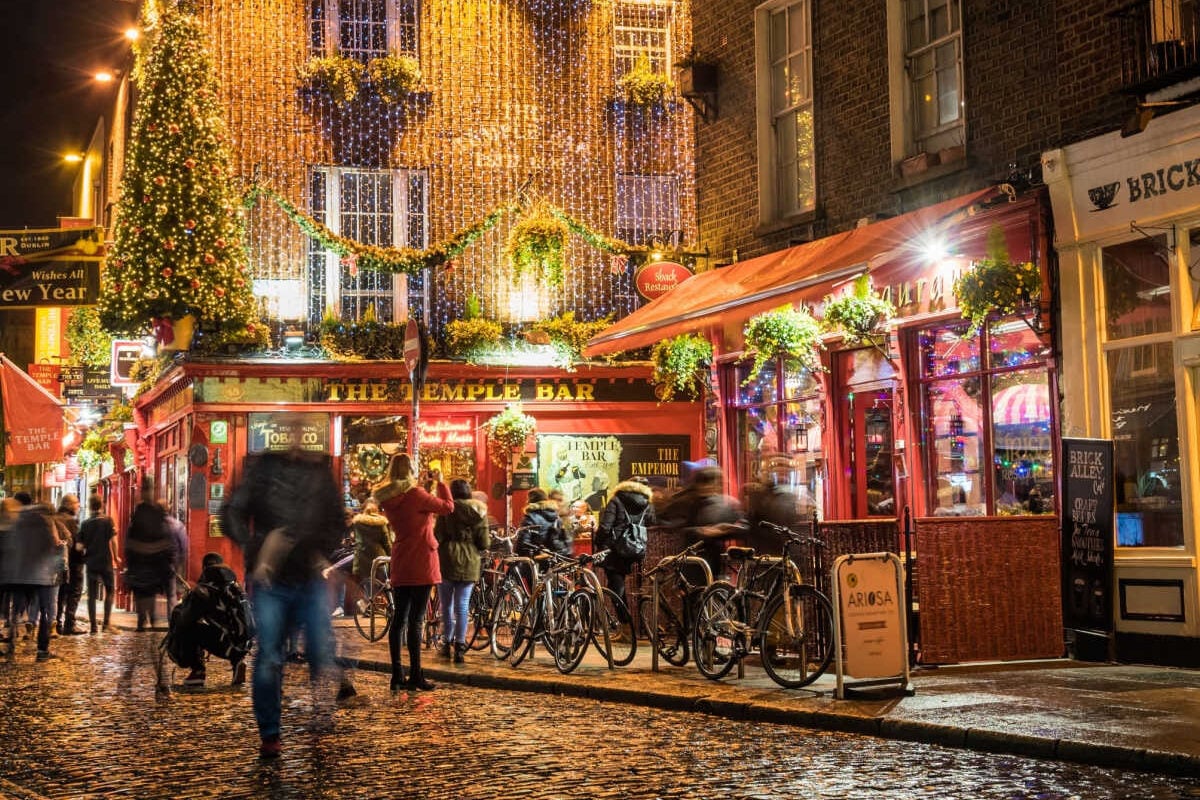
The city’s one genuinely iconic attraction is Temple Bar, a tiny maze of pubs where you’ll have a fantastic time watching your bank balance evaporate one overpriced pint at a time, and when I think of Ireland’s capital, only three words really come to mind:
- Dull
- Flat
- Permanently soaked
Ireland the country is pretty dope, though, and at least it doesn’t require Americans to get fingerprinted this summer.
Before you fly to Europe, make sure you’re up to speed with the fast-changing travel rules. Use the Entry Requirement Checker to get the exhaustive list of docs you need to gather before flying.
Helsinki, Finland
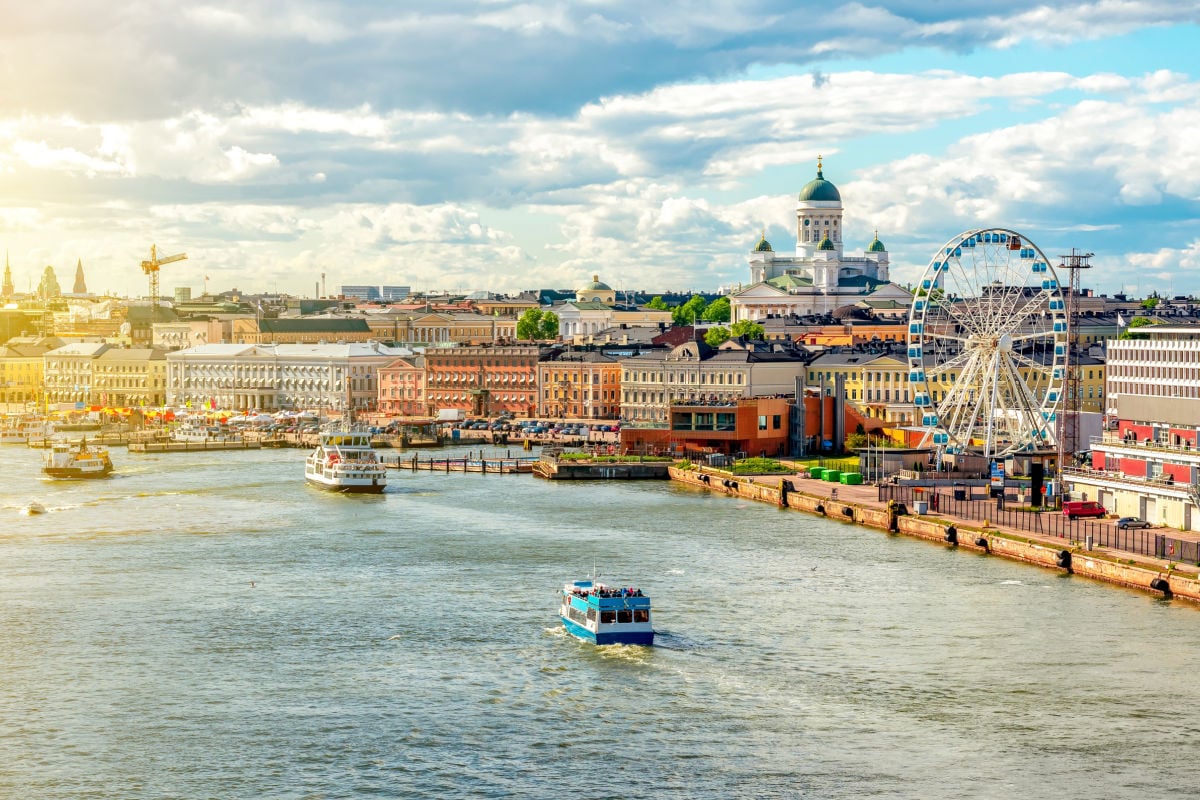
Maybe two frostbite incidents and my entire savings account depleted later, I’m still not sure what all the fuss about Helsinki is.
I guess I just expected the capital of the world’s happiest country to be less of a permanently gray, windswept, eye-wateringly expensive place. You know when you visit somewhere, and the only lasting memory you bring home is the burning resentment from having paid $40 for a thoroughly average pizza?
Yep, that’s Helsinki for me.
Well, that, and the fact the highlight of my trip involved slowly lowering myself into the antarctical Baltic Sea, feeling my soul leave my body with every inch that disappeared underwater, only to sprint straight into a wood-fired sauna cranked up to the gates of hell, convinced my skin was about to peel clean off my bones.
That’s Löyly for you, and frankly, just about every waterfront sauna along Helsinki’s gray, freezing-cold shoreline.
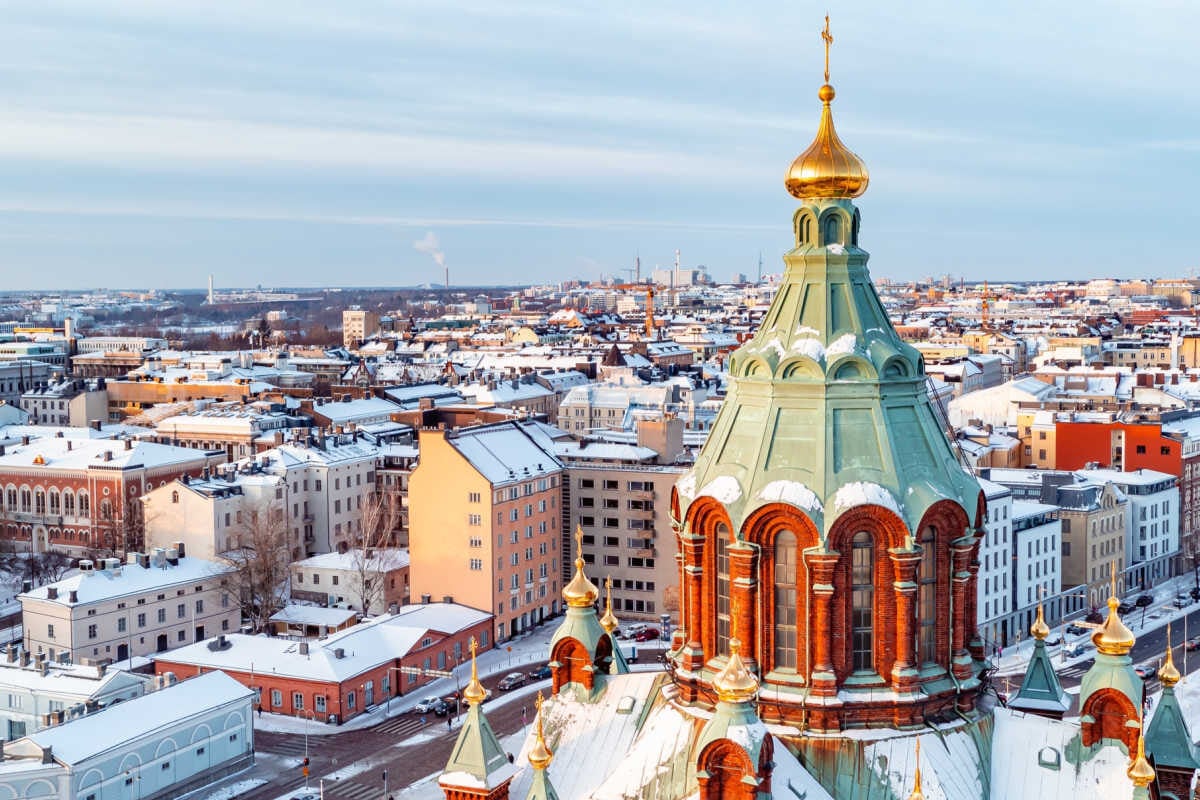
Oh, and don’t forget you’ll shell out around $33 for the privilege of voluntary suffering, with access capped at just two hours. FML.
I should probably mention, too, that Helsinki is surprisingly short on genuinely historic, postcard-worthy architecture.
Most of what you’ll see dates from the 19th century or later, so unless you’ve got time to hop over to Suomenlinna, where the Swedes built a mighty sea fortress to defend what was then little more than a sleepy fishing port, you might leave wondering what exactly everyone was raving about.
Of course, you can always fork over around $20 to visit Temppeliaukio Church, that weird modernist chapel carved directly into solid granite. Plenty of people think it’s an architectural masterpiece. Me? It looked like a particularly fancy conference hall with ok acoustics. Yeah… Hel-no.
At least Helsinki’s pretty safe these days still? The city currently scores 84 out of 100 on the Traveler Safety Index, based on reports from recent visitors:
Bratislava, Slovakia
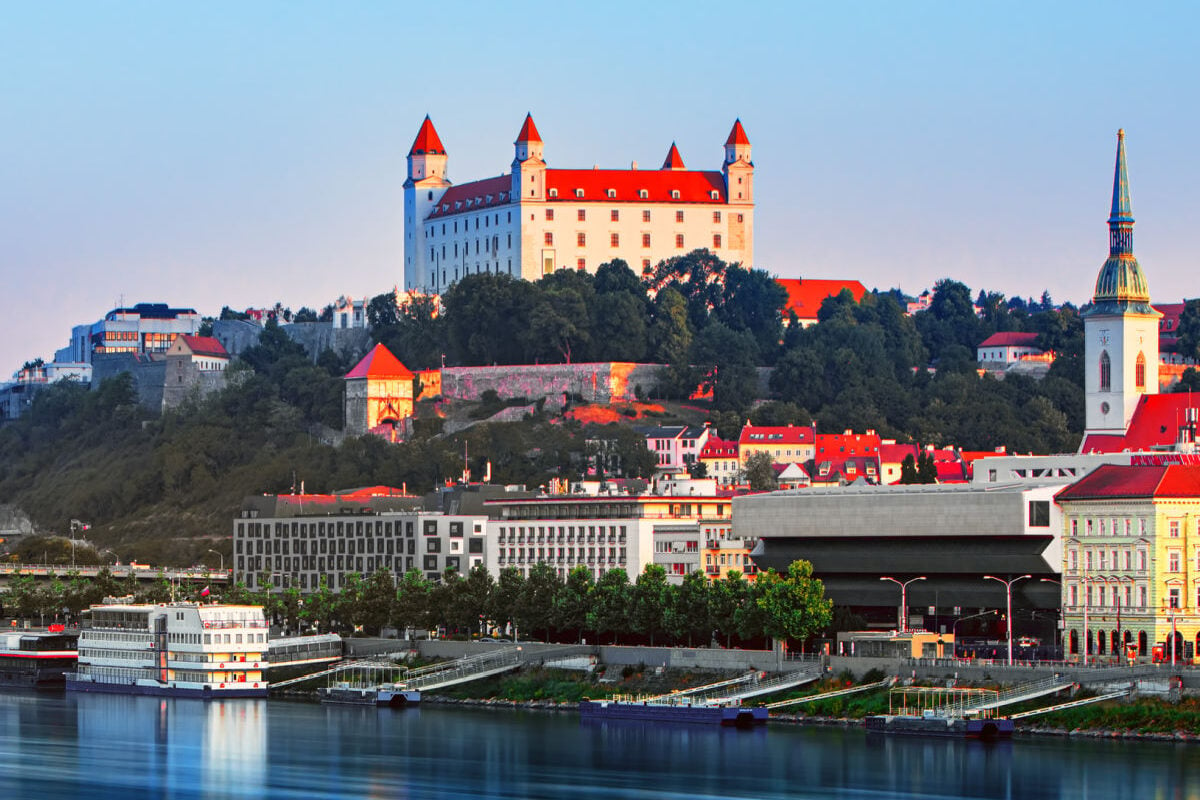
I feel half-guilty about including Bratislava here because it’s such an innocent little city. It never really bothers anyone. It’s this tiny, pocket-sized medieval town that somehow wears its oversized capital-city pants surprisingly well.
It’s split between the communist-era New Town, dotted with glass skyscrapers and modernist apartment blocks, and the postcard-perfect Old Town, a maze of cobbled lanes, church spires, and traditional Slovak tavernas. That’s actually where you should spend most of your time.
The problem is… about two hours into exploring, you might start wondering why you’re even there in the first place, especially when mighty Vienna is only an hour away by train, along with a dozen other grander, more stately European cities you’d probably prioritize first.
Let’s be honest: very few tourists are deliberately flying to Bratislava. They’re usually just squeezing it into an already-packed Central Europe itinerary because it’s literally a hop across the Austrian border.
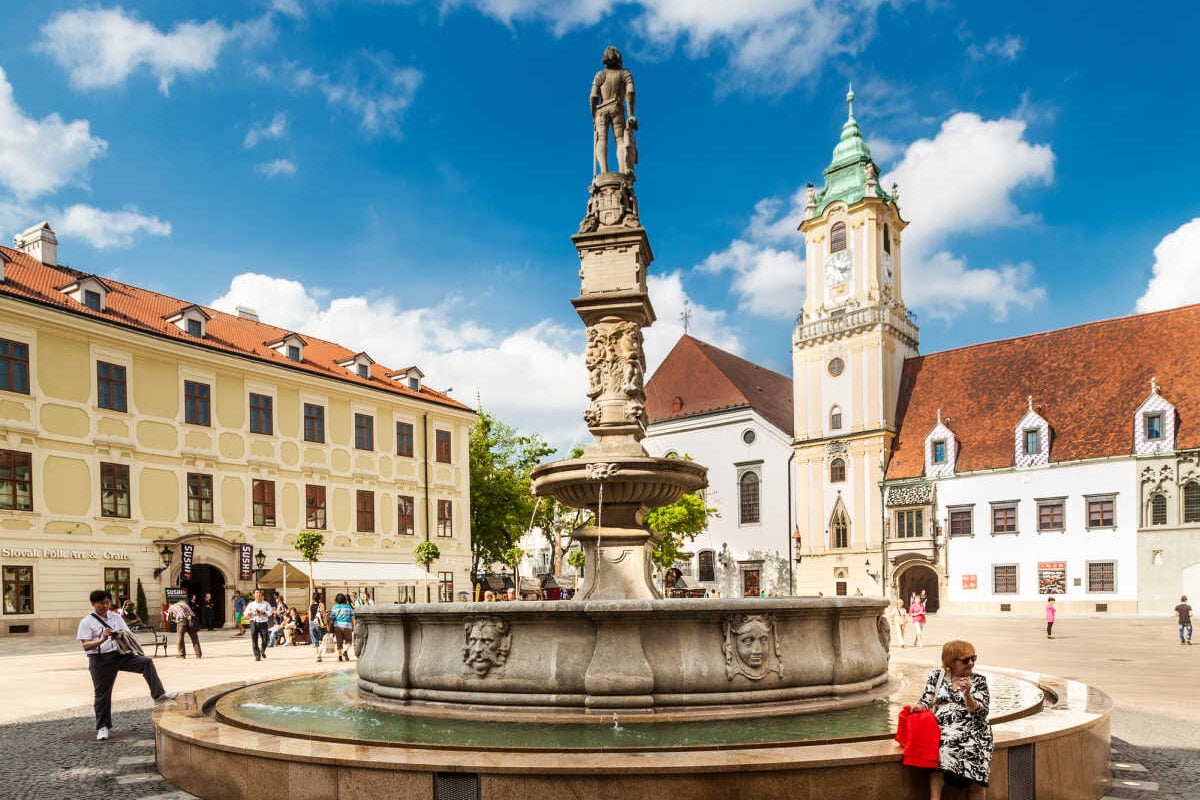
I won’t necessarily advise against doing the same, but I will say this: unless it’s your very first trip to Europe and you’ve never seen medieval city walls, a hilltop castle, or little pastel-colored squares before, Bratislava’s biggest achievement will probably be earning a polite shrug and a “yeah… nice.”
That baby-blue Church of St. Elizabeth is pretty cool, though.
Sadly, Bratislava falls squarely into the “glad I visited, but probably wouldn’t go back” category. Pleasant? Yeah. Memorable? Not so much, especially when stacked against the other cities around it.
Not to awaken the wrath of former Czechoslovakia nostalgics, but after visiting both countries, I can sort of see why Prague ended up being the capital back then while Bratislava played the role of the quieter outpost.

Charles Dada
Friday 24th of July 2026
Good advice; but where are the best cities, or towns. Too many to mention, and perhaps best found by oneself?