
Dreaming of long, lazy afternoons sitting by a trattoria by the pier, people-watching as you sip on that rosé wine? Or then driving down winding coastal roads that lead right down to glassy, endless seas?
The Mediterranean’s calling—literally at like, every 2 reels you scroll past—and it’s time you answer.
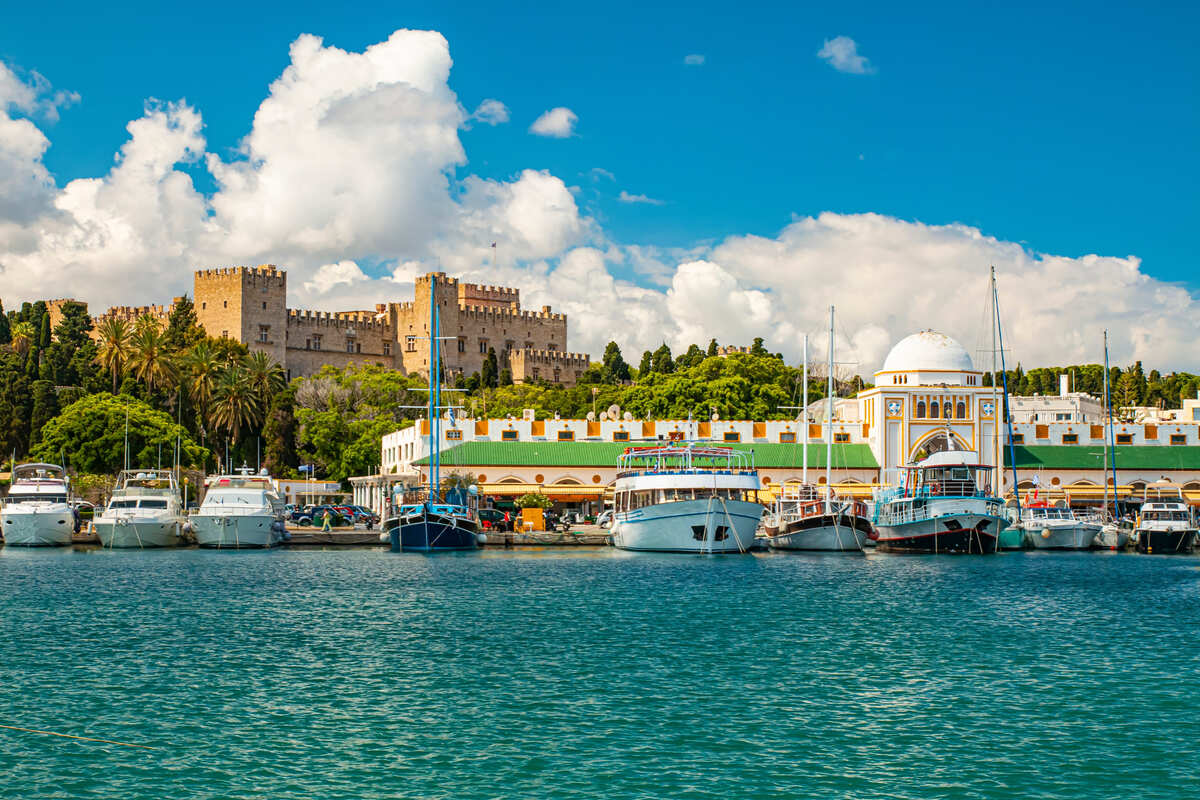
If you’re a bit taken aback by just how expensive a Rome holiday can be these days, especially when booked last minute, or you don’t really fancy splurging on $15 sangrias only to get water-sprayed by angry Barcelona locals anyway, we’ve got a few other options lined up for you.
While everyone else is busy following the Instagram herd to the Amalfi Coast or Santorini, we’re looking elsewhere.
These 4 underrated Mediterranean cities are among the most beautiful you’ll find anywhere along the basin, and unlike the usual hotspots, you won’t need to remortgage your house just to spend a few nights there.
Sarandë, Albania
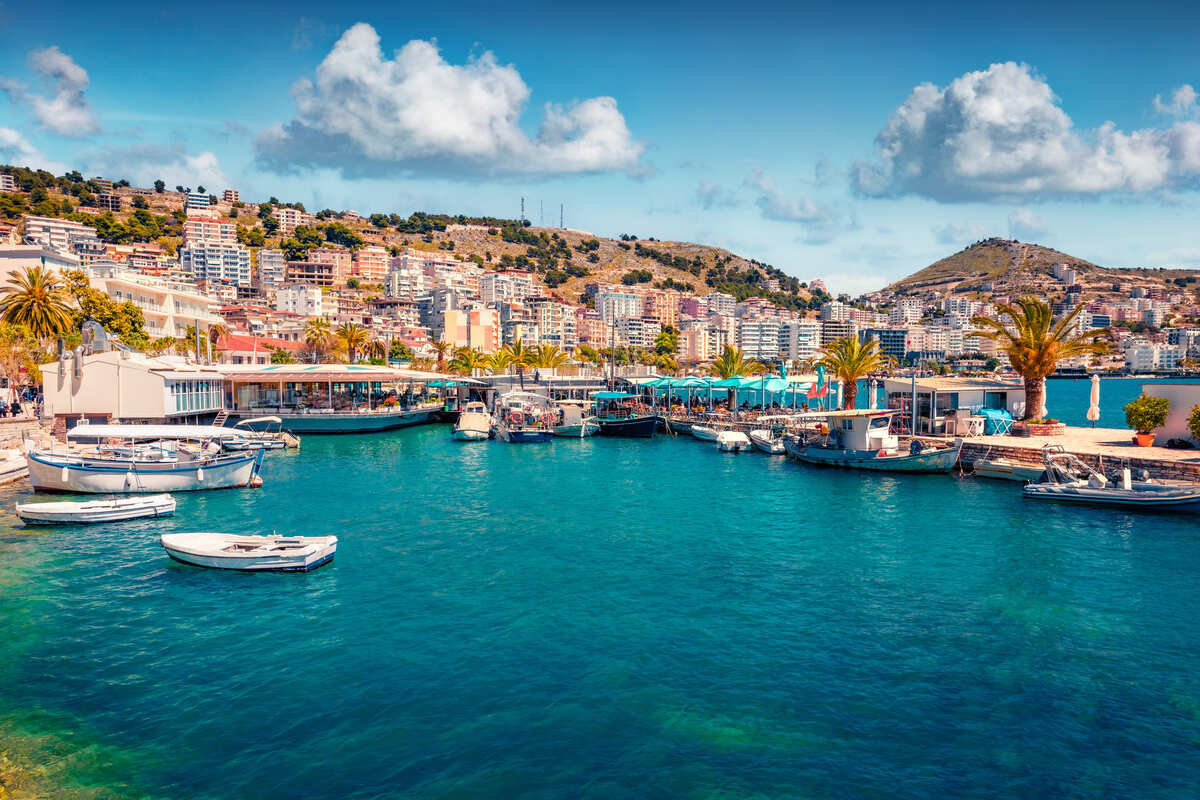
The summer capital of Albania, Sarandë is where you go for those Gatorade-blue waters of the Ionian Sea and ancient history… without the Acropolis crowds.
The city itself is a lively coastal hub of waterfront high-rises lining a palm-fringed promenade, directly facing the Greek island of Corfu, but it’s really just your launchpad for exploring the wider Albanian Riviera.
Just a 15-minute drive south of downtown, you’ll reach Ksamil, one of Europe’s trendiest beach destinations right now. Think Maldives-like white-sand beaches, tiny offshore islands you can actually swim to, and water in an almost impossible shade of turquoise.
Drive another 30 minutes inland and you’ll arrive at the Blue Eye, a natural spring with equally electric blue-green waters that look Photoshopped in real life.
The deeper you stare into it, the more impossible shades of blue begin to reveal themselves.
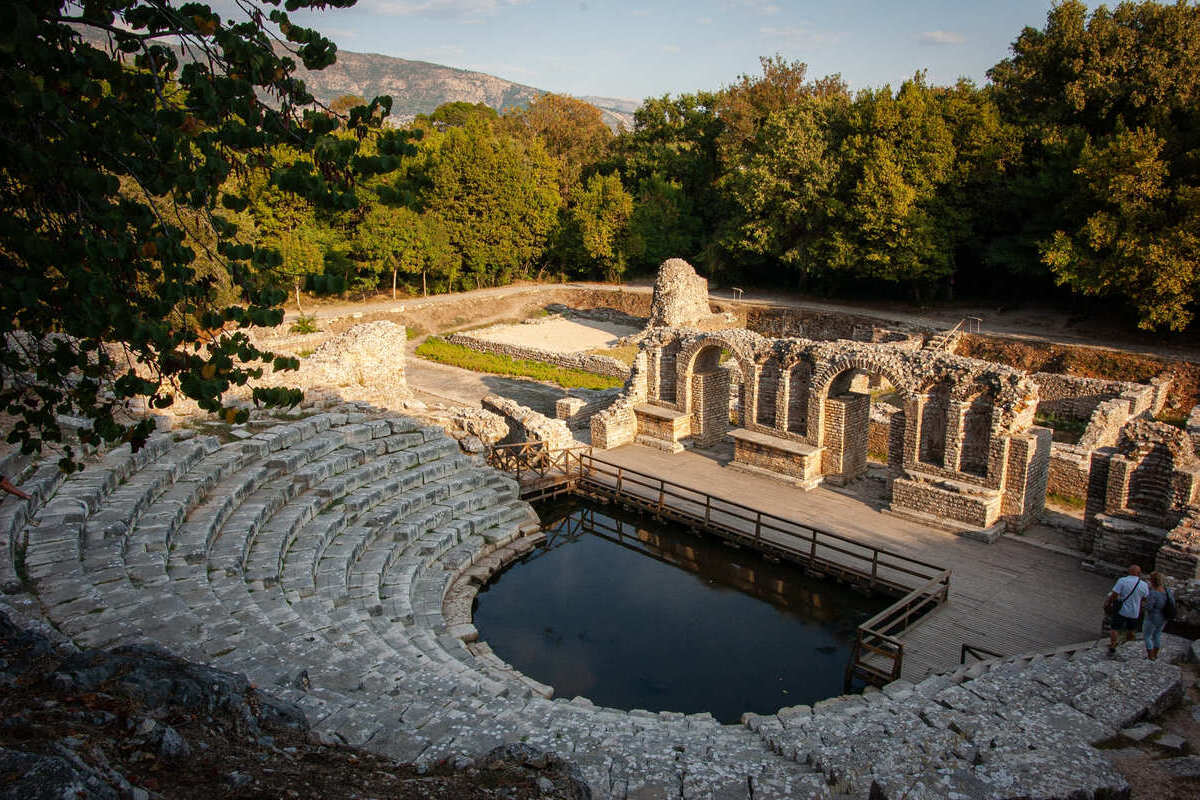
And if you’re more into history than beach hopping, but don’t feel like taking the 20-minute ferry over to Corfu, Butrint National Park is just 20 minutes away.
This UNESCO-listed Greco-Roman archaeological site features a remarkably preserved theater, ancient city walls, Byzantine basilicas, Roman baths, and centuries-old temples, all tucked away in a lush lagoon setting.
Average Prices In Sarandë, Albania
- Takeout food: $4–8 (for example, a takeaway gyro or souvlaki pita costs around $5)
- 3-course meal at a mid-range restaurant (for two): Around $55–60
- Budget hostel: $15–30 per night (dorm bed, depending on season)
- 3-star hotel: $45–80 per night
- Luxury hotel: $140–300+ per night in peak season
- Taxi fare: around $0.50 per mile (depending on distance and time of day)
- Public transport (one-way): around $1*
*Public transport in Sarandë is limited, with infrequent local buses, so taxis or walking are often the more practical options for getting around.
Rhodes, Greece
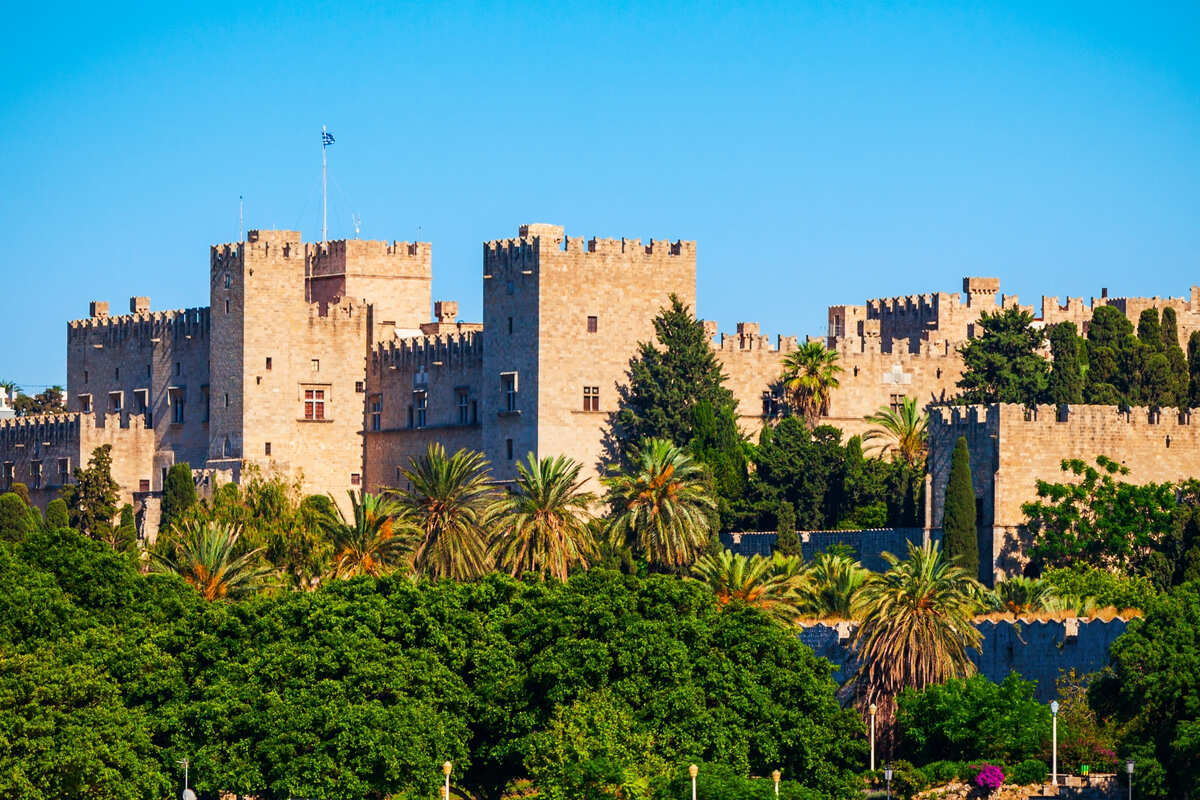
The capital of the namesake Dodecanese island—one of my personal favorites in all of Greece, by the way—Rhodes Town is basically all your Mediterranean fantasy dreams come true.
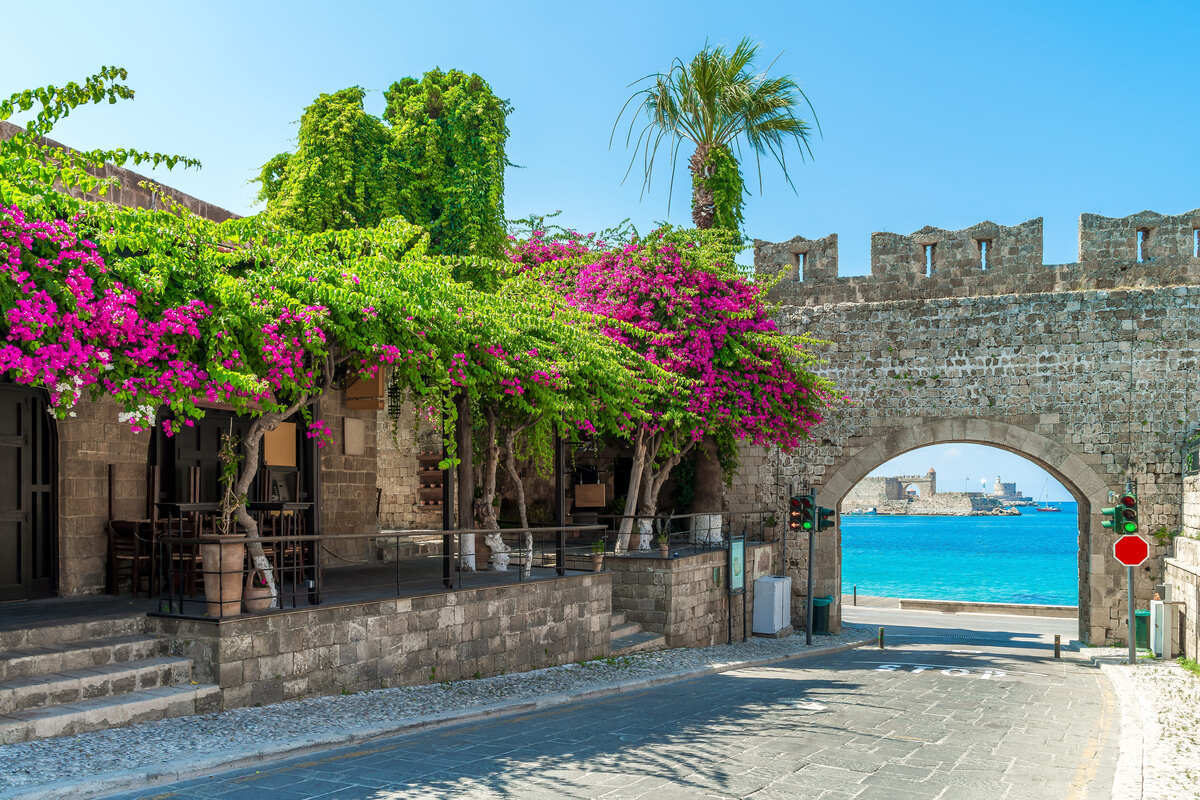
It’s built like a layered cake of history, with contributions from almost every civilization that ever set foot here: from the ancient Greeks, to the Romans, to the Byzantines and Ottomans, plus brief periods of French and Italian rule.
The result? A townscape that honestly doesn’t look like anywhere else in Greece.
Forget the usual whitewashed streets and Santorini-blue domes: here, you’ll find cobbled lanes, arched stone passageways, medieval palaces that look more Norman than Greek, and towering Ottoman minarets all sharing the same ZIP code.
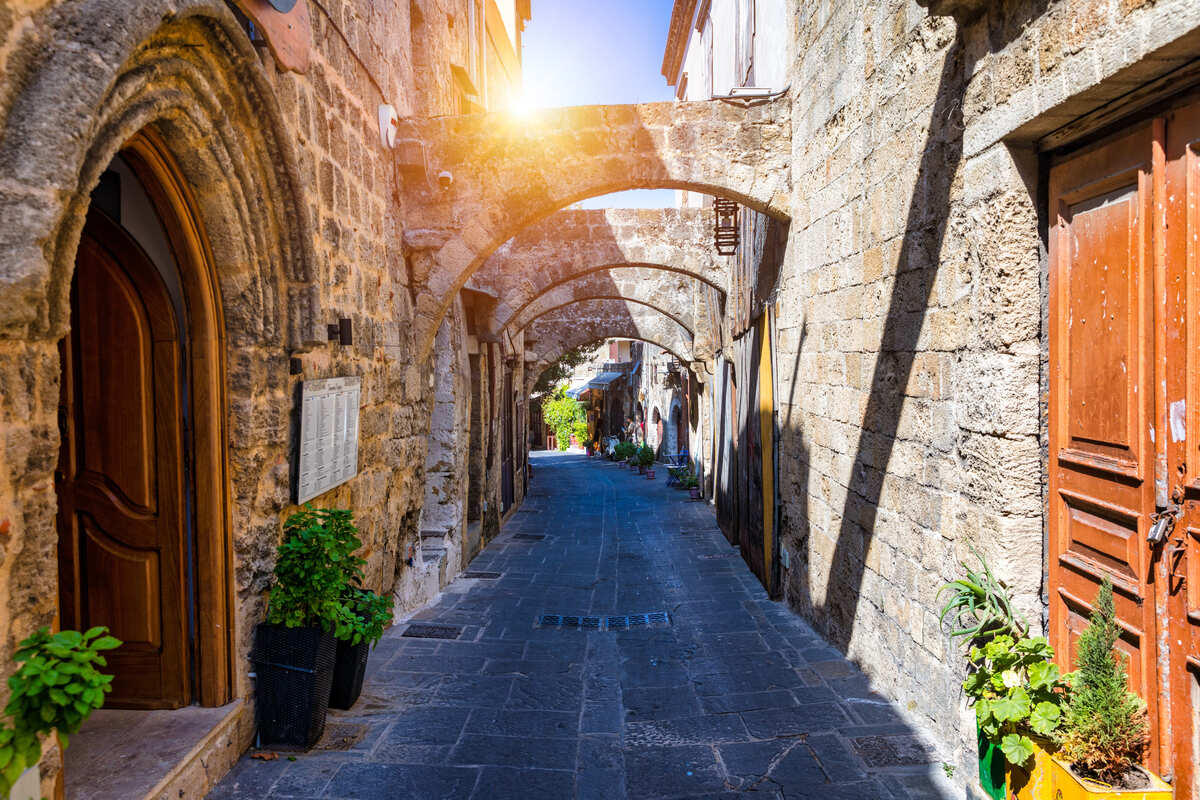
According to some sources, Rhodes Town is actually the largest still-inhabited medieval city in Europe, covering around 1 square mile within its ancient walls. The exact title is debated, but either way, this is easily one of the most impressive historic centers in the entire Mediterranean.
And this is still Rhodes (the island), after all. Unlike Rhode Island over in America, famous mostly for being tiny, forgettable, and somehow still having big-city traffic despite its size, there’s no shortage of reasons to stick around here.
Think golden-sand beaches hugged by pine-covered hills, tiny Greek villages that have preserved their traditions, and even a literal Acropolis right by the sea (prettier than the one in Athens, if you ask me).
Average Prices In Rhodes, Greece
- Takeout food: $4–8 (for example, a takeaway gyro or souvlaki pita costs around $5)
- 3-course meal at a mid-range restaurant (for two): Around $55–60
- Budget hostel: $15–30 per night (dorm bed, depending on the season)
- 3-star hotel: $45–80 per night
- Luxury hotel: $140–300+ per night in peak season
- Taxi fare: Around $0.50 per mile (depending on distance and time of day)
- Public transport (one-way): Around $2.30–7*
*Rhodes has an extensive bus network connecting Rhodes Town with beaches, villages, and major tourist attractions, making it an affordable way to get around the island.
Is Greece actually safe right now?
It scores an impressive 91 out of 100 on the Traveler Safety Index, based exclusively on reports of travelers who’ve been recently:
Kyrenia | Girne, Cyprus
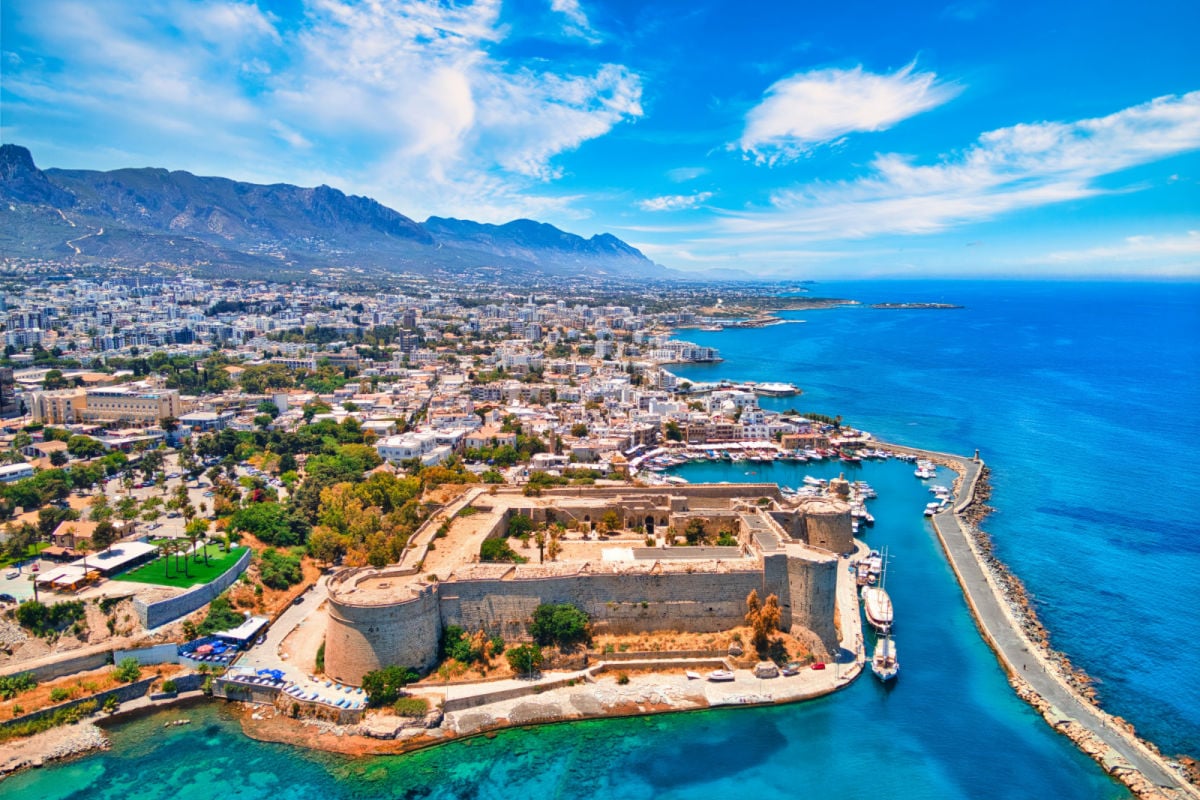
Some 300 nautical miles from Rhodes itself, Cyprus is a sun-soaked slice of Mediterranean heaven many Americans remain blissfully unaware of.
It has powdery-white beaches, some of the clearest turquoise waters you’ll ever see, and it’s a cultural melting pot where Greek and Turkish influences have existed side by side for centuries.
Or at least, they’re trying to. The reality is a lot more complicated than that, so we suggest reading our accompanying article to better understand the island’s divided history.
Cyprus’ biggest triumph, however, isn’t the resort-packed party strip of Ayia Napa, the Dubai-style marina of Limassol, or the ancient ruins of Paphos out west. It’s Kyrenia, located in the Turkish-majority north (or Girne, as Turkish Cypriots call it).
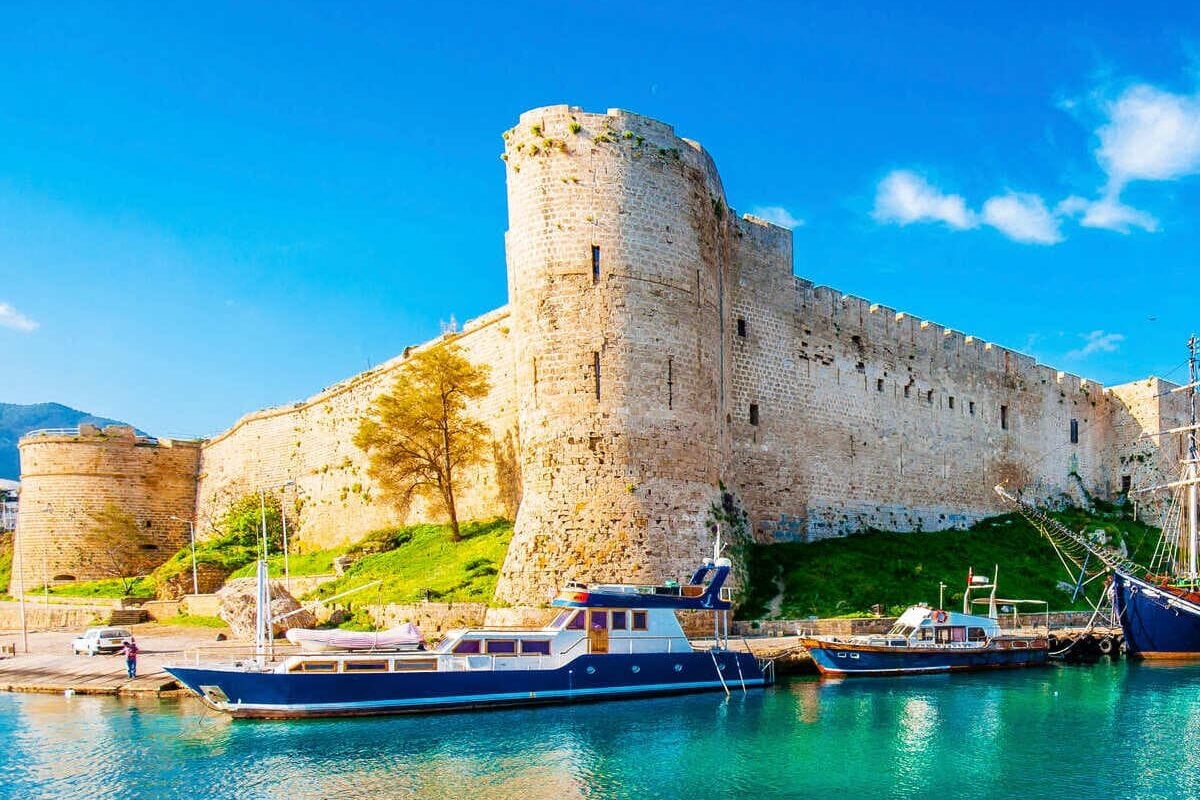
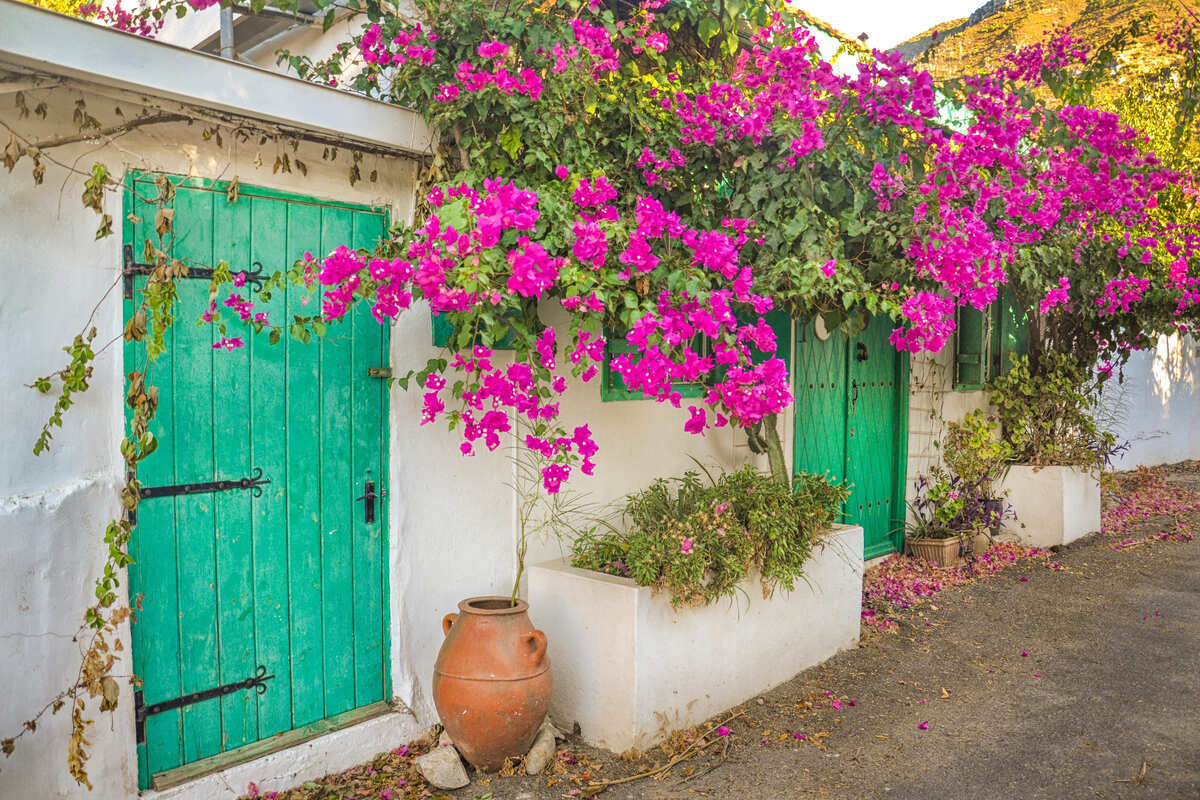
This postcard-perfect town has a massive medieval fortress overlooking the harbor, plus a waterfront lined with traditional tavernas, backed by a maze of winding, cobblestone alleys and charming bougainvillea-framed stone houses.
The seafood here is seriously underrated—make sure you stop by Niazi’s Restaurant, a local institution famous for its meze spreads, grilled meats, and Cypriot specialties—and you’ll be amazed by how much character a small, 33,000-resident city that rarely appears on your typical Daily Mail roundup can pack in.
Average Prices In Kyrenia | Girne, Cyprus
- Takeout food: $4–8 (for example, a takeaway kebab, pide, or döner costs around $5)
- 3-course meal at a mid-range restaurant (for two): Around $40–60
- Budget hostel: $15–30 per night (dorm bed, depending on season and availability)
- 3-star hotel: $45–90 per night
- Luxury hotel: $150–300+ per night (especially in peak summer or at beachfront resorts)
- Taxi fare: Around $1–1.50 per mile*
- Public transport (one-way): Around $1–2**
*Taxis in Northern Cyprus are relatively expensive compared with local prices, and fares are often negotiated rather than strictly metered.
**Local buses, known as dolmuş, link Kyrenia/Girne to nearby towns and beach areas, but services are limited and not ideal for exploring the wider region. It’s best to rent a car.
Girne is administered by the Turkish Republic of Northern Cyprus, a self-declared state recognized only by Turkey and not by the Republic of Cyprus.
Before visiting, make sure you check the entry regulations that apply using the Entry Requirement Checker.
Trapani, Italy
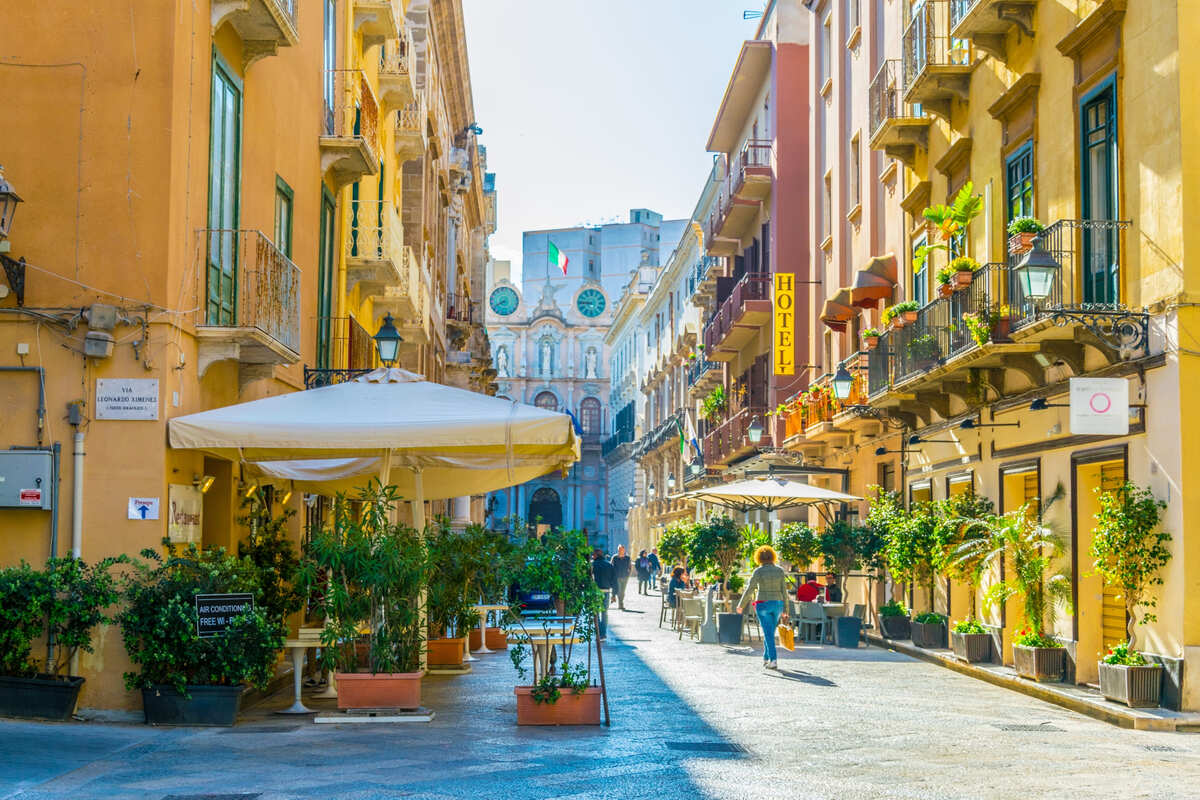
My new favorite Sicilian find, Trapani is the kind of coastal city most visitors accidentally skip while rushing to the trendier Aegadian Islands or San Vito Lo Capo, and honestly, that’s precisely why it deserves your attention.
It sits on a narrow crescent-shaped peninsula jutting into the Mediterranean, and it’s probably Sicily at its most raw and authentic.
This is a working port city where fishing boats still come in every morning to unload their daily catch, locals actually outnumber visitors on the tree-shaded piazze, and life unfolds at that slower, delicious Mediterranean rhythm Sicily does so well.
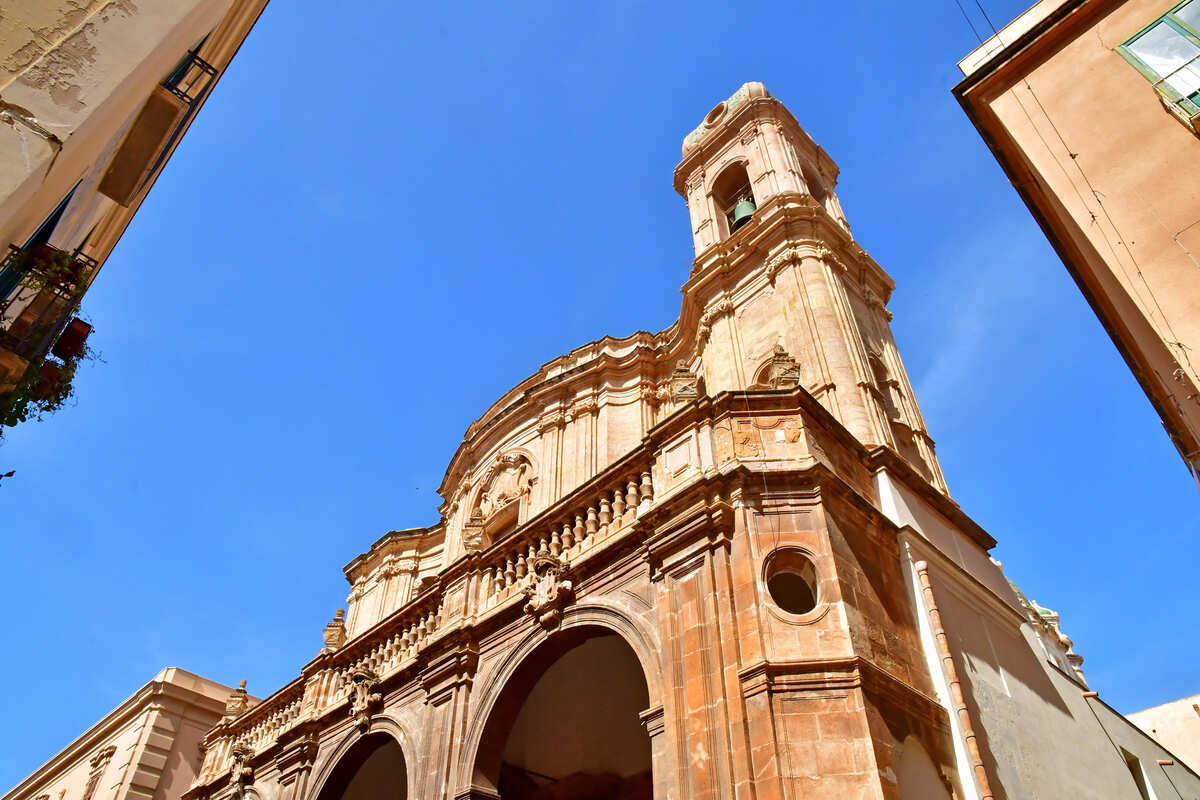
Wandering Corso Vittorio Emanuele at sunset is an absolute delight, and you simply have to grab a cone of freshly fried seafood by the lungomare, lined with pastel-colored façades, laid-back bars, and centuries-old church domes rising above the rooftops.
No neon signs screaming “STREET FOOD” at you like in Palermo, if you know what I mean.
Of course, make sure you carve out time for a day trip to Favignana, the crown jewel of the Aegadian Islands, where you’ll find impossibly clear, teal-colored waters, dramatic limestone cliffs, and rocky calas that look like they were pulled straight out of a Caribbean postcard.
Then take the cable car from the outskirts of Trapani up to Erice, a timeless medieval hilltop town that feels like you’ve accidentally stepped into another century.
Average Prices In Trapani, Italy
- Takeout food: $4–8 (for example, a takeaway arancina, pizza slice, panino, or street food costs around $5)
- 3-course meal at a mid-range restaurant (for two): Around $55–70
- Budget hostel: $25–45 per night (dorm bed, depending on season)
- 3-star hotel: $60–100 per night
- Luxury hotel: $180–400+ per night (mostly in peak summer and at higher-end seaside properties)
- Taxi fare: Around $1.50–2 per mile
- Public transport (one-way): Around $2*
*Buses are affordable and connect Trapani with nearby destinations such as Erice, Marsala, and the airport, but services are extremely limited outside major routes.
