
If you’ve been thinking of taking a last-minute trip to Spain this summer but you’re a bit taken aback by just how expensive a Barcelona weekend getaway can be, don’t fret. We’ve got just the alternative for you.
Well, a quintet of them.
Instead of going where literally everybody else goes, where a glass of sangria costs upwards of $10, to call tourist sites crowded is an understatement, and residents lowkey don’t even want you there, when you could follow the local throngs instead?
Here are our 5 top picks for Spanish beach cities Spaniards themselves prefer over Barcelona, yet most Americans are still blissfully sleeping on:
Donostia/San Sebastián
Basque Country
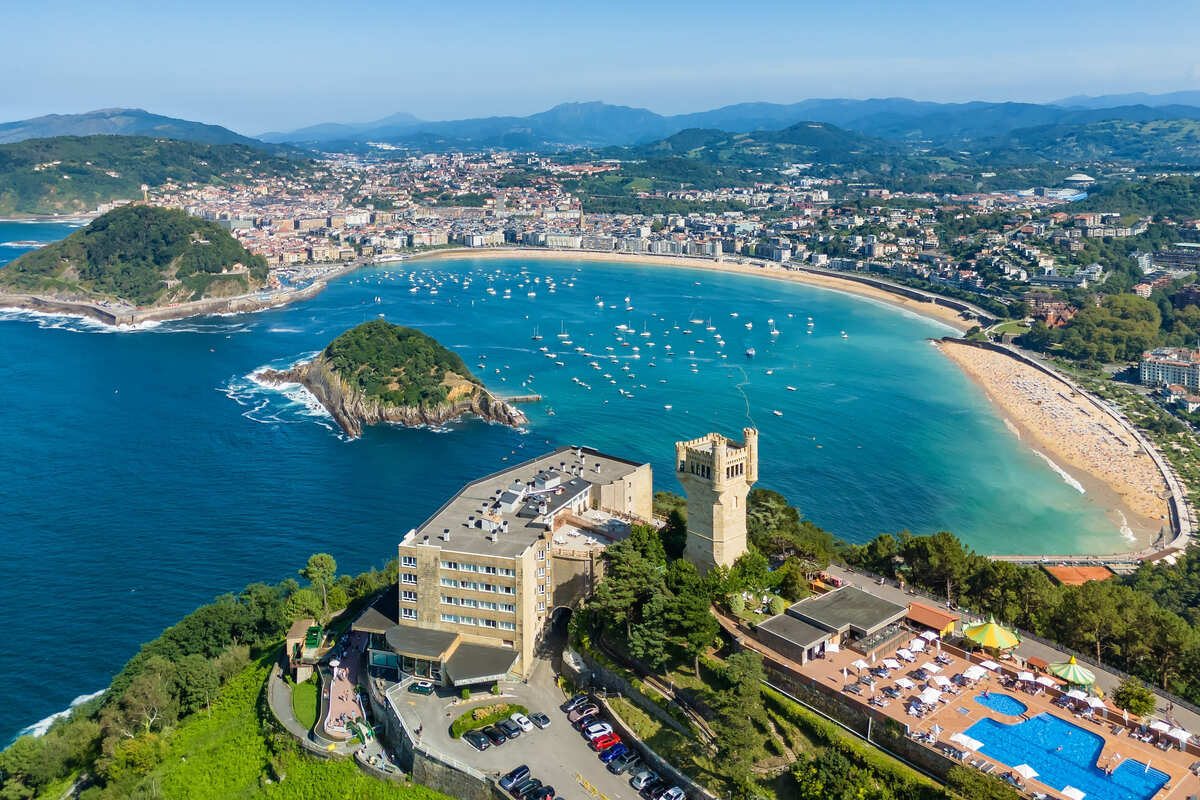
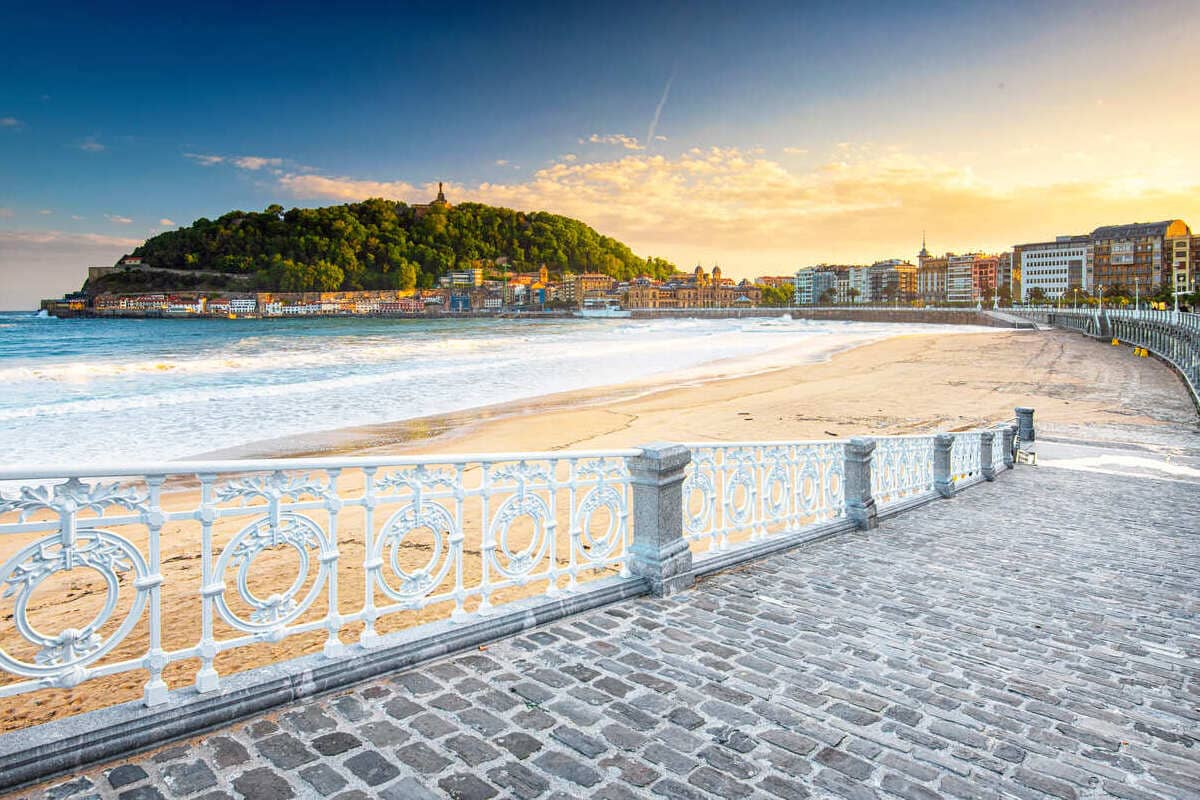
The unofficial capital of the Basque Riviera, Donostia (also known as San Sebastián) is a historic port city unfolding along the honey-colored sands of a crescent-shaped bay, known for its picturesque coastal promenade, underrated foodie scene, and postcard-perfect Old Town.
Seriously, the cuisine here is out of this world, with Spanish vacationers flocking from all over the Iberian Peninsula to sample the local gastronomy.
As a matter of fact, Donostia has one of the world’s highest concentrations of Michelin-starred eateries, and golden sands aside, you can’t leave without trying a gilda, a salty, skewered olive served with Cantabrian anchovy that’s a hit across the pintxo bars.
Oh, and my personal favorite, txangurro: onion-stuffed spider crab.
Donostia’s biggest draw, you ask?
The lively, pintxo-packed, fairytale Old Town, or how they call it here, Parte Vieja: picture winding lanes that lead straight down to the ocean, tiny shops selling local wines alongside bite-size regional specialties, and wrought-iron balconies hanging over cobblestone alleys.
This summer, Americans can fly nonstop to Bilbao, the largest city in the Basque Country, a short 1h12 drive from Donostia.
Gijón
Asturias
The North Coast is truly where it’s at.
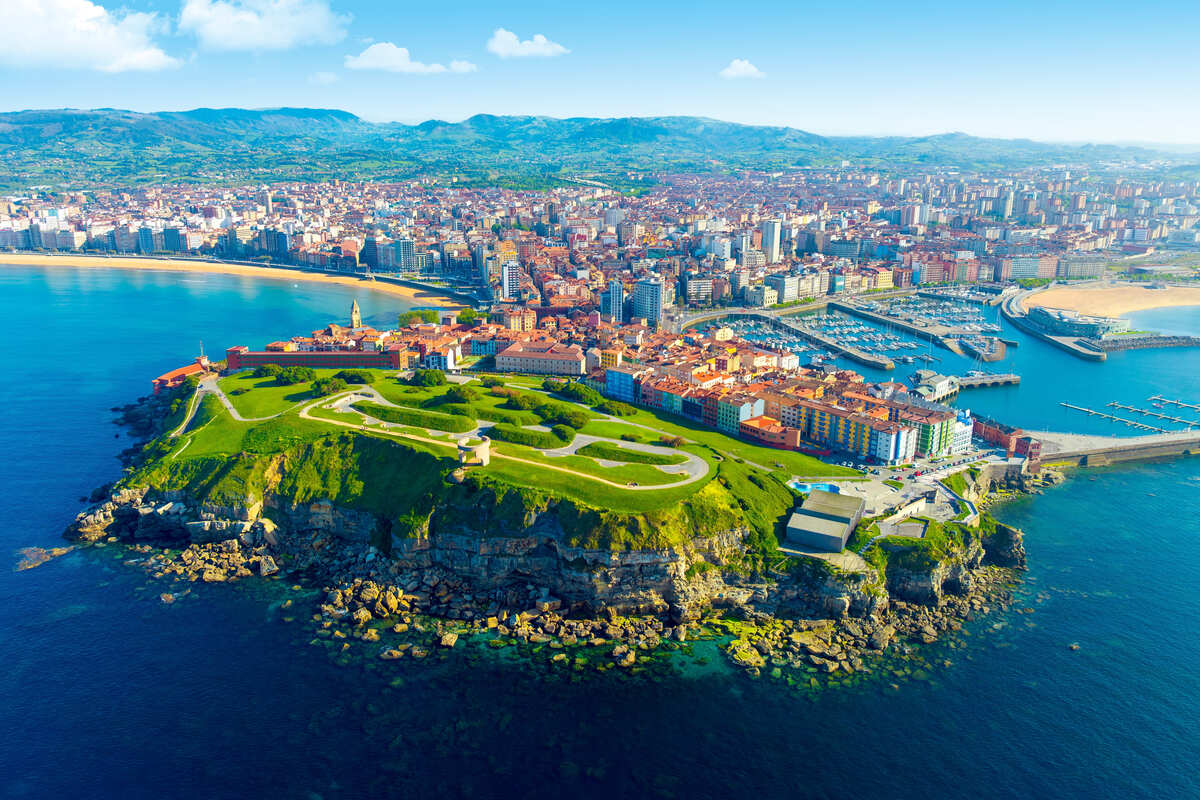
For expansive sandy beaches you can sprint across for several long minutes until you hit that icy, refreshing waterline, romantic lamp-lit promenades backed by lively bars, and that unmistakable Old World flair, Gijón is where you should go.
It’s one of those places you’re more likely to eavesdrop on conversations in Spanish, or even the local Asturian language, rather than English-speaking, loud fellow Americans, and even Europeans themselves are a rare sight here: Asturias remains primarily, and staunchly, domestic.
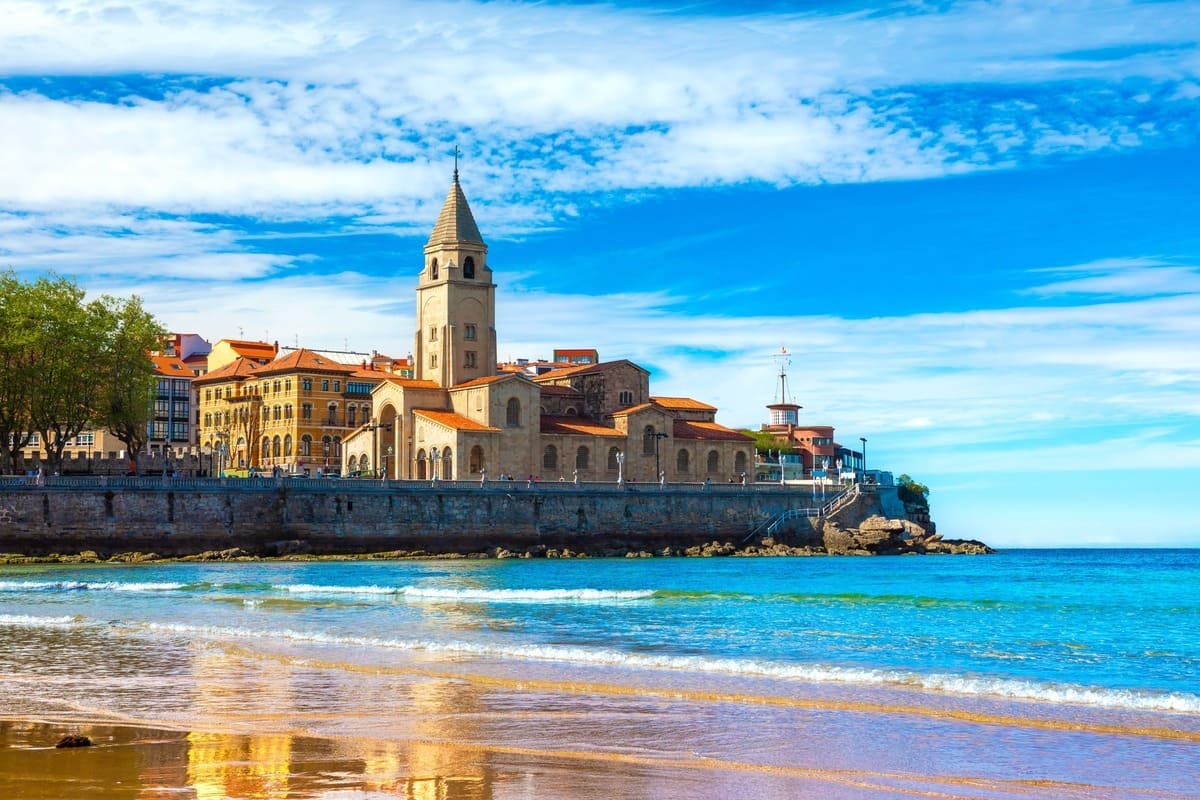
The most beautiful district in Gijón is the timeless quarter of Cimadevilla, an old fishermen’s village turned historic neighborhood, with preserved stone houses, traditional tabernas, and a rich maritime heritage that’s hard to replicate.
The best part? None of the usual Spanish Old Town shoulder-to-shoulder crowds. As a matter of fact, local authorities actually want more visitors from abroad.
Playa de San Lorenzo is a sweeping crescent of sand that could seriously give Barcelona’s world-famous Barceloneta a run for its money, especially with the elegant promenade and Belle Époque hotels directly on the waterfront, and if you don’t mind your seas a little colder and rougher, the North Atlantic here is the perfect cool-down after a full day of sightseeing.
Before flying to Europe this summer, Spain or elsewhere, make sure you’re up to speed with the ever-changing travel rules by using the Entry Requirement Checker.
Be it mandatory fingerprinting or a pending travel permit that will apply to American tourists, there’s a lot you may not yet know about traveling in Europe these days.
Portocolom
Mallorca
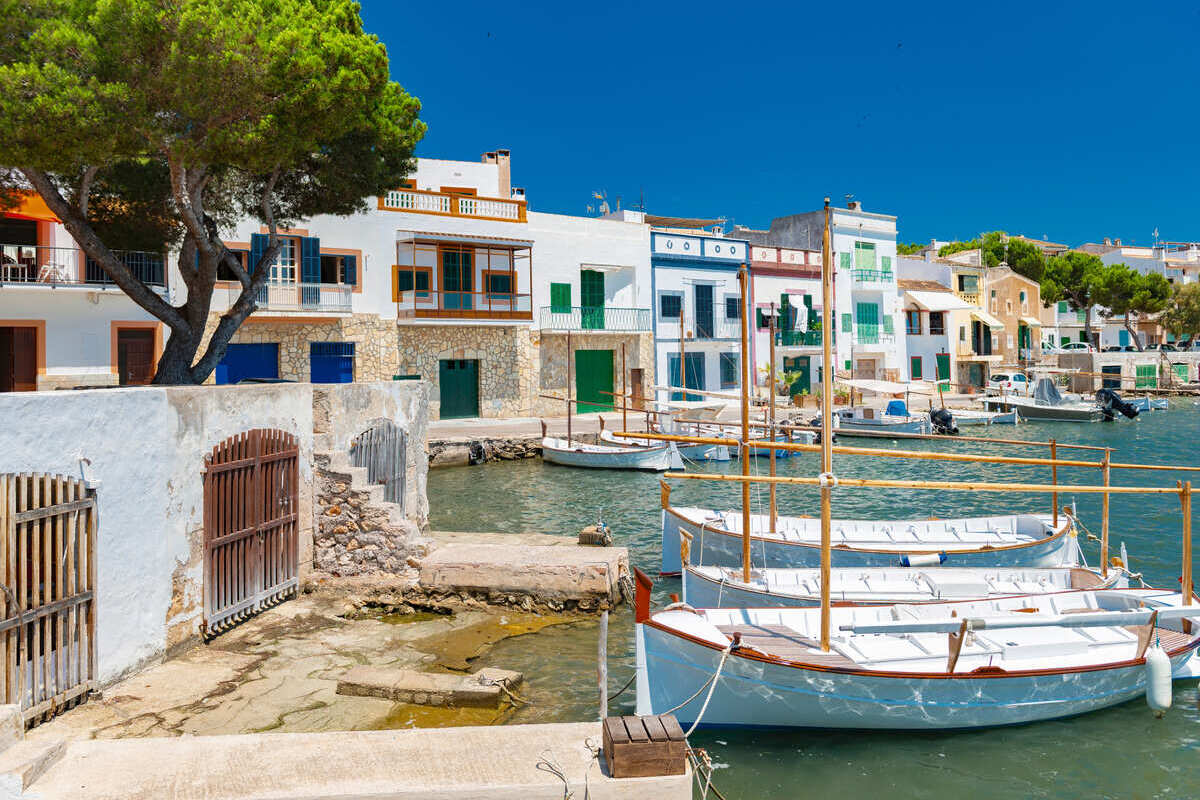
Mallorca is the most popular, most visited, and most jam-packed island in Spain, but believe it or not, a majority of visitors—and this includes Americans flying in nonstop thanks to seasonal flights with airlines like United—stick to Palma, the adjacent beach resort strip, and Port de Sóller, while completely overlooking the rest of the island.
Portocolom, on the quieter, eastern side of Mallorca, is less about ticking off monuments and chasing the next hidden cala, and more about soaking up one of Spain’s prettiest traditional harbors, where waiters will still assume you speak Catalan before switching to English, the pace is slower, and sunsets are unhurried.
The harbor itself is gorgeous, as it’s one of the best-preserved historic fishing ports in Mallorca, peppered with old boathouses carved into the shoreline, those typically Mediterranean pastel hues that seem to glow orange at golden hour, and tiny cafés overlooking the water.
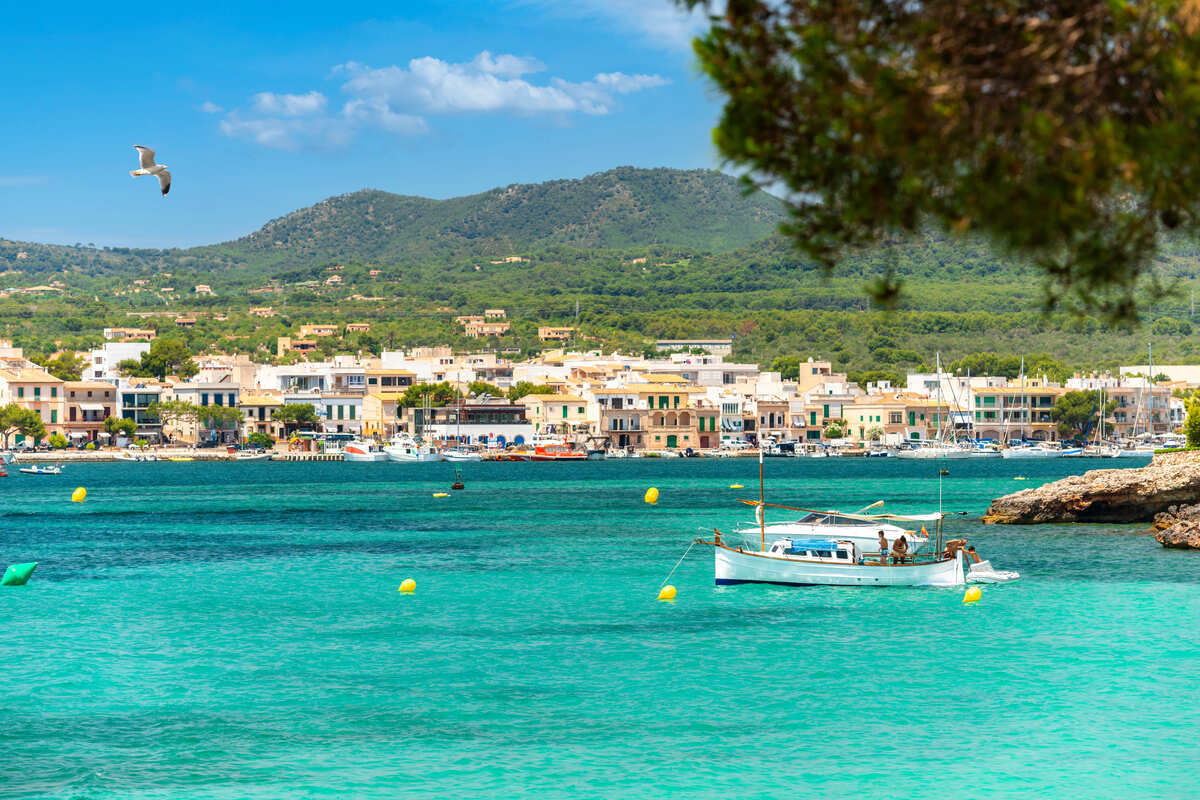
Cala Marçal, the main beach nearby, is a sheltered bay just a short drive from the harbor, backed by pine trees and lapped by crystal-clear seas.
Though if you’re craving something a little more adventurous, walk out to El Faro, the historic lighthouse perched on a headland above the deep-blue Mediterranean, and stay for the best sunset views on the island.
If you’re visiting Mallorca this summer, you may also be glad to know the island scores 85 out of 100 on the Traveler Safety Index, based on reports from recent visitors:
Sanlúcar de Barrameda
Andalusia
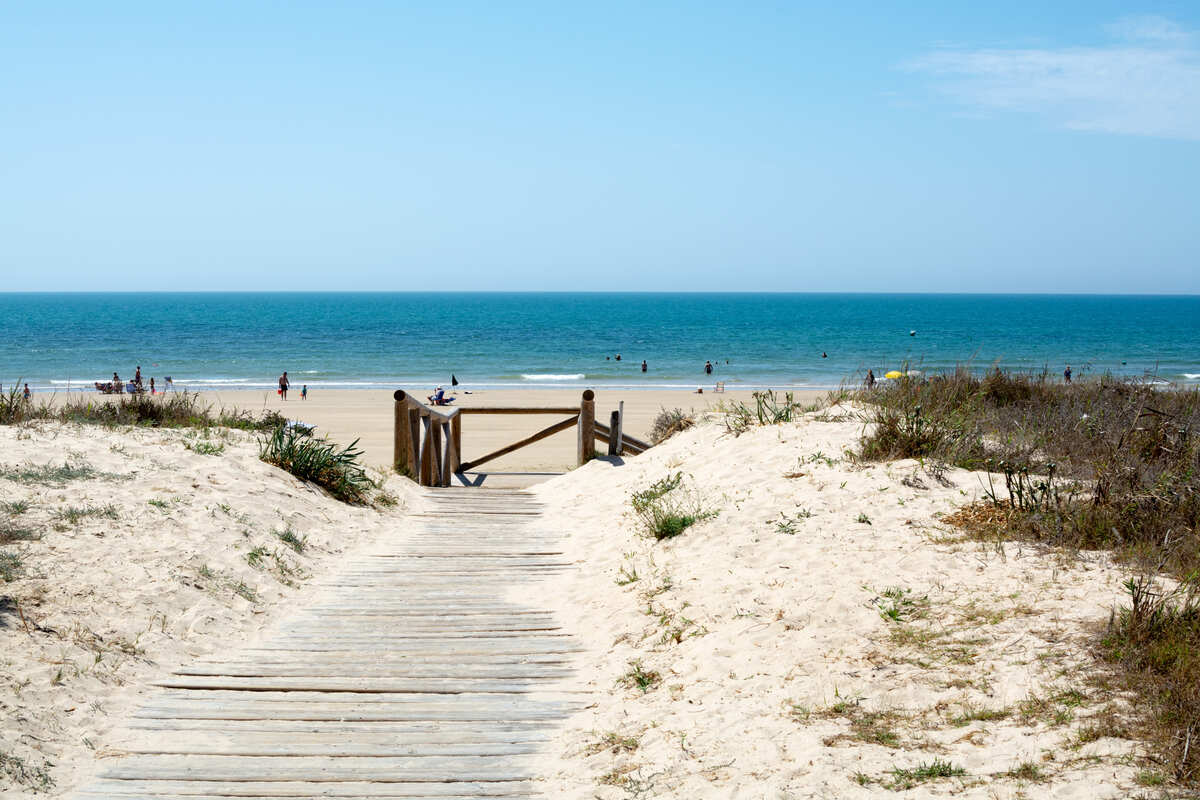
Sanlúcar is not somewhere you go for smaller crowds, per se. It’s actually one of Andalusia’s most sought-after and beloved beach breaks, but for some reason, every time I go, it never feels quite as overwhelming as neighboring Málaga or Marbella.
If anything, the crowds of weekenders that descend upon the famous Bajo de Guía, a beach stretching along the Guadalquivir River, are in their vast majority Spanish day-trippers from Seville looking for a good time.
They won’t do your head in quite like the drunken Brits elsewhere on the Costa del Sol.
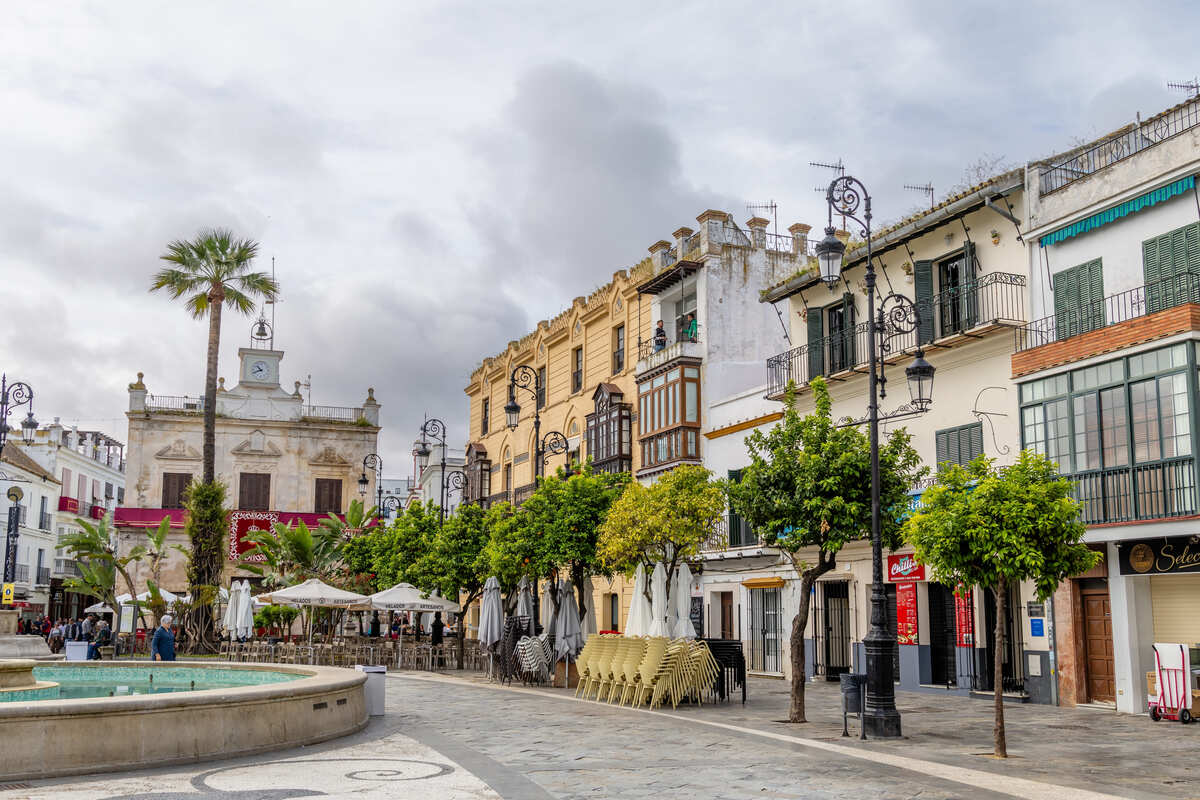
Due to its youthful vibe and lively nightlife, Sanlúcar is guaranteed fun year-round, but particularly in summer, when that Andalusian heat wave hits, shorts keep getting shorter, and tops come off at the well-frequented, Atlantic-facing Playa de la Calzada.
Everyone else, don’t miss Castillo de Santiago, this beautifully preserved 15th-century stronghold you can climb for panoramic coastal views, and don’t skip Barrio Alto, an atmospheric hillside upper town full of the region’s iconic whitewashed houses.
A Coruña
Galicia
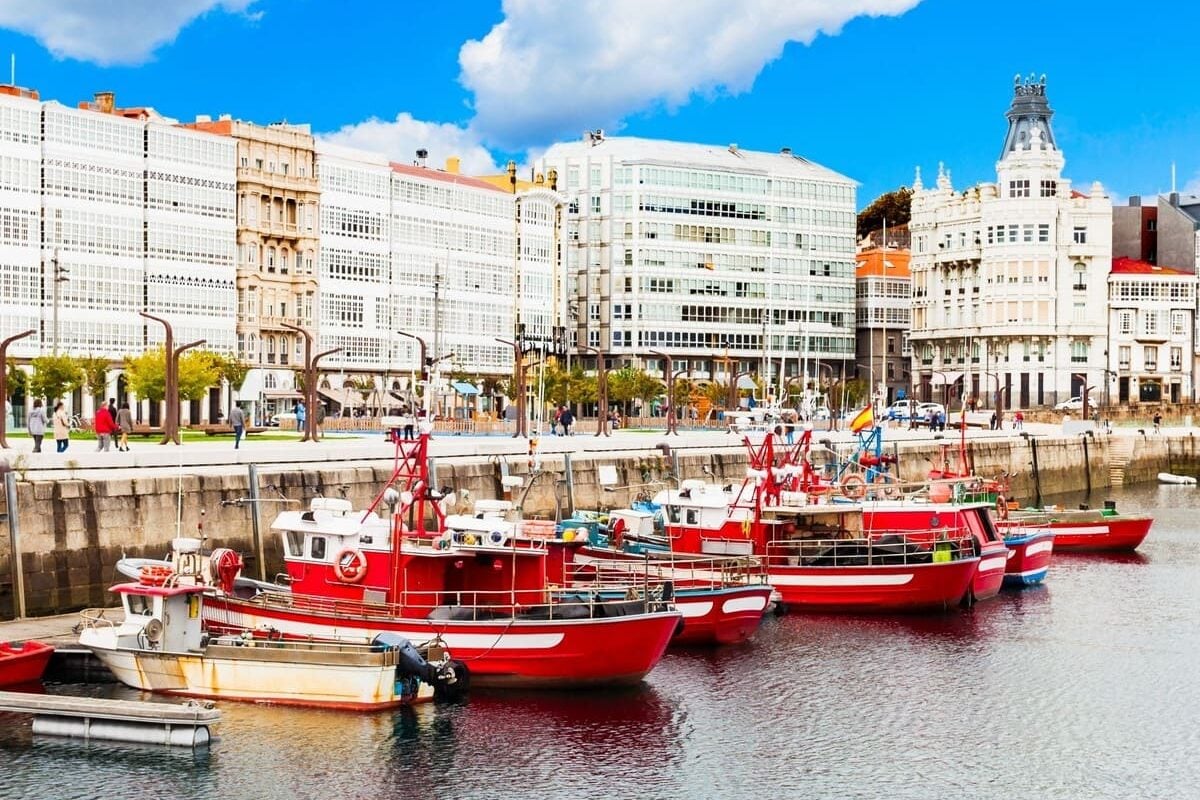
The ultimate Northern Spanish beach getaway, A Coruña is called La Ciudad de Cristal for a reason, and it’s not only the endless, glassy Atlantic Sea that frames its soft-sanded, golden shores:
A great deal of buildings along the waterfront, and the charming medieval Old Town, are wall-to-wall glassed-in balconies that literally glisten under the sun, making the whole thing look like a fairytale city, or an open-air gallery of mirrors.
Except grander.
A Coruña is the perfect mix of history and beach life:
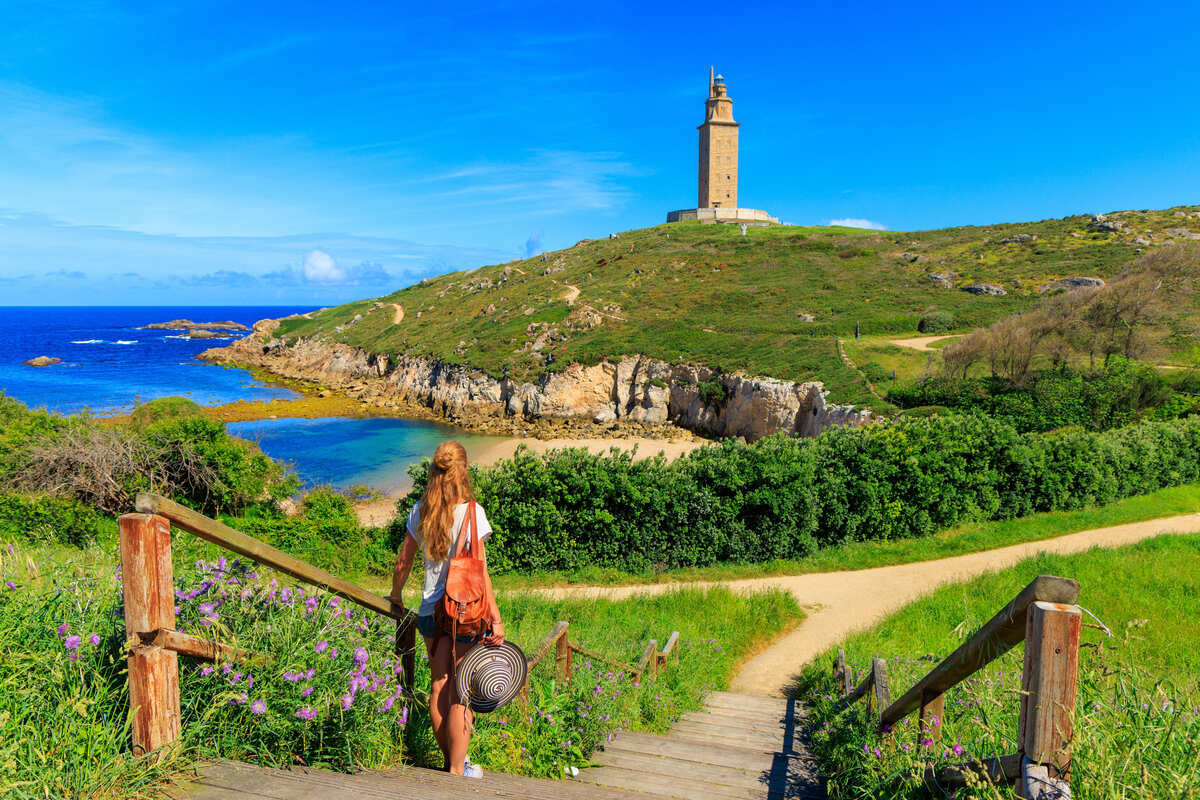
For instance, it’s a short 5-minute walk from Plaza de María Pita, the main square in town named after a local heroine who stood up to an English Armada that tried to conquer the city, to Playa del Orzán, the most beautiful sandy beach in any Galician city.
Or Northern Spanish city, for that matter.
Walk along the scenic coastal promenade, headed towards the rocky headland on the edge of town, and you’ll see a solitary, reddish-hued lighthouse perched on a cliff battered by crashing waves: that’s not just any lighthouse, it’s the Tower of Hercules, the best-preserved Ancient Roman lighthouse still standing.
By the way, it’s never been easier for Americans to get to A Coruña: it’s a short 30-minute train ride from Santiago de Compostela, which has been hosting Transatlantic flights as of this summer.
