
You save all year for a summer trip to Europe. You book the flights, pack your bags, and finally arrive in a Mediterranean paradise, only to find the locals holding signs telling you to go home.
That is the exact reality playing out in Mallorca right now. While the island has long been the undisputed crown jewel of Spain’s Balearic archipelago, the local sentiment has officially reached a boiling point. The era of the carefree, mass-market Mallorca vacation is rapidly closing, and travelers need to pivot their plans before they find themselves caught in the crossfire.
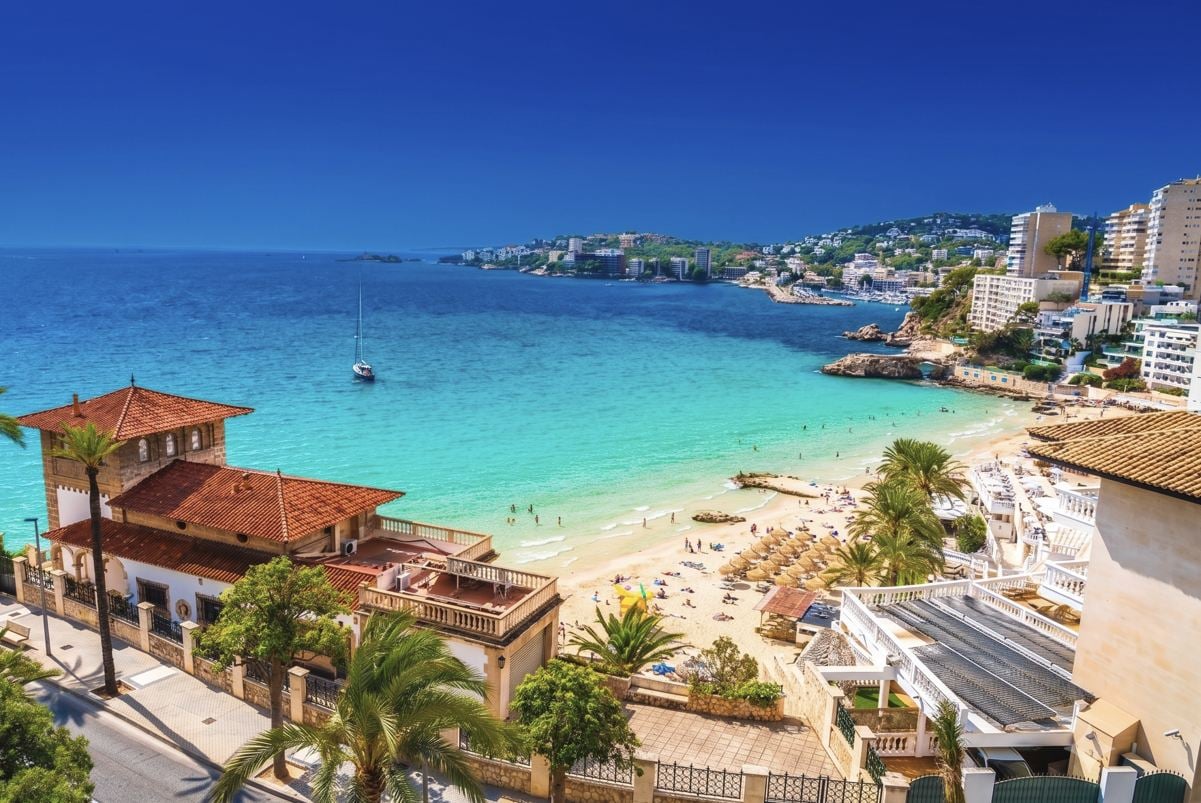
The Ground Reality In Palma
On July 26, 2026, a massive crowd of residents flooded the streets of Palma de Mallorca under the banner “Menys Turisme, Més Vida” (Less Tourism, More Life). What started as a frustrated march quickly escalated. As organizers estimated up to 70,000 people converged near the iconic Palma Cathedral, tensions flared, resulting in riot police deploying batons and rubber bullets to control the situation.
This was not an isolated incident or a fringe political movement. Environmental groups, housing organizations, and local workers are actively denouncing the island’s economic model. Rents have skyrocketed, public services are strained, and the sheer volume of 19 million annual visitors has made basic island life nearly impossible for locals.
What This Means For Your Vacation
The golden rule of travel is simple: Do not spend your hard-earned money in a destination that actively resents your presence.
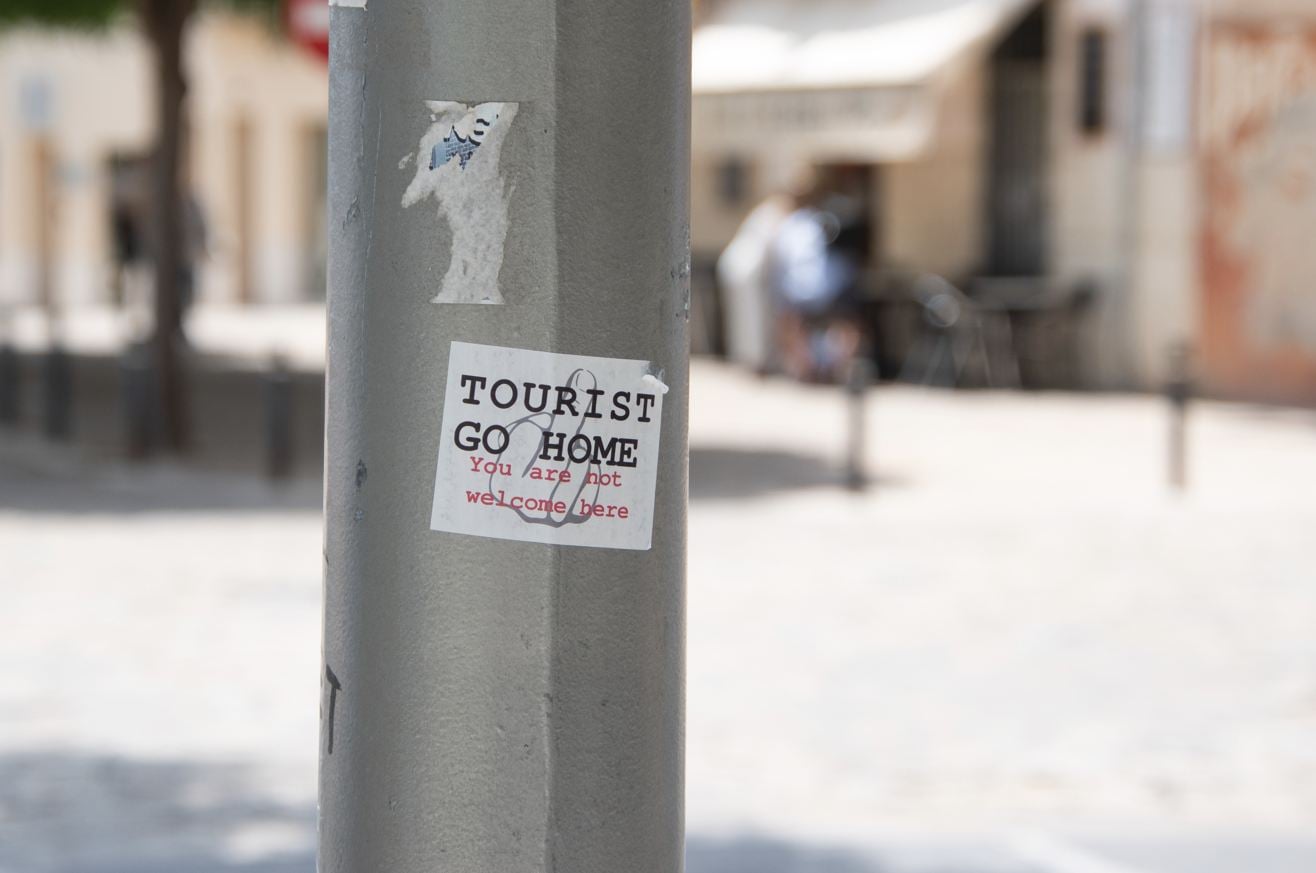
Beyond the uncomfortable reality of walking past anti-tourist graffiti on your way to dinner, the Balearic government is already moving to drastically alter the visitor experience. Lawmakers are pushing to cap incoming flights, restrict the number of rental cars permitted on the roads, and limit cruise ship docking to ease the burden. That means your Mallorca vacation will not only feel tense, but it will also cost significantly more as supply artificially shrinks.
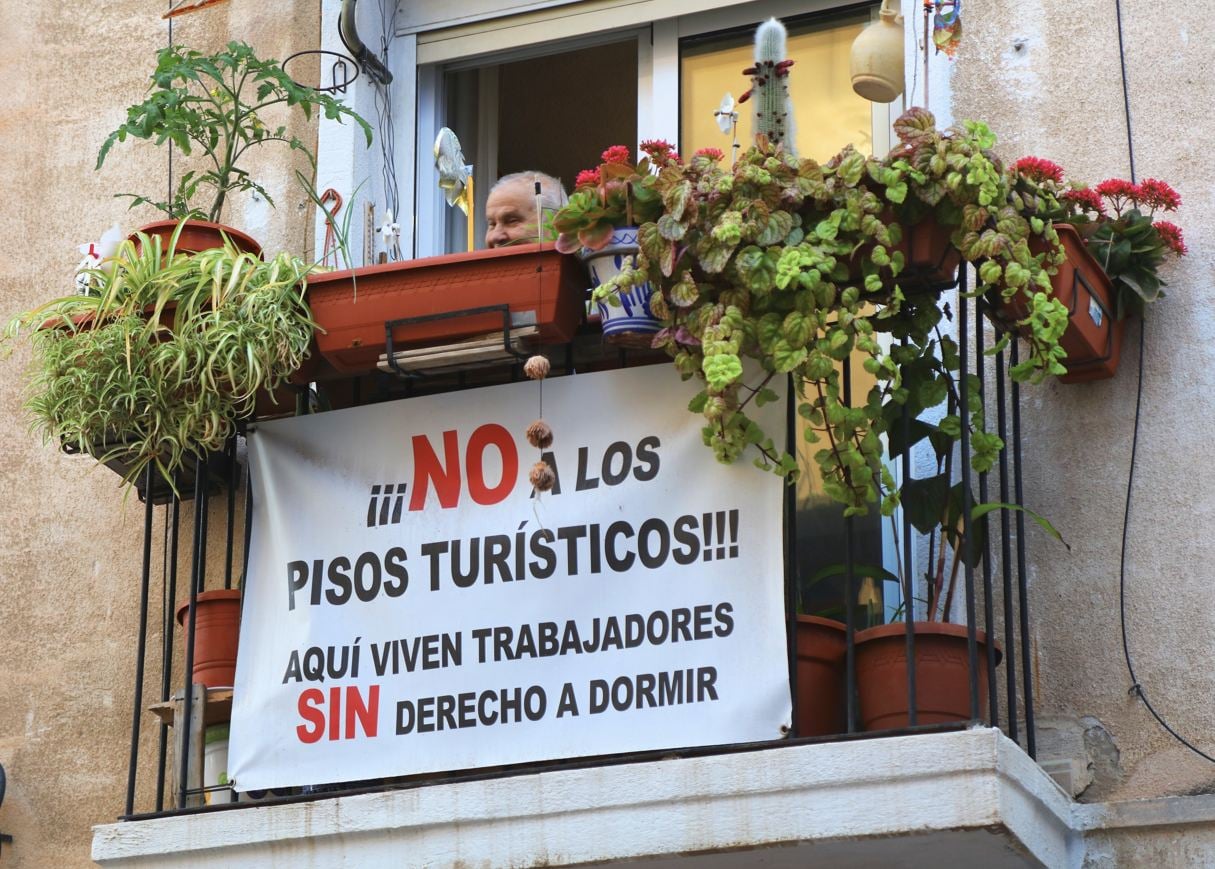
You deserve a vacation where you are genuinely welcomed. Spain is a massive, incredibly diverse country, and you do not need to subject yourself to overtourism backlash to find the perfect beach. Here are three incredible Spanish alternatives that deliver the European coastal dream—without the hostility.
3 Spanish Coastal Escapes Where You Will Actually Be Welcomed
1. Costa de la Luz (Andalusia)
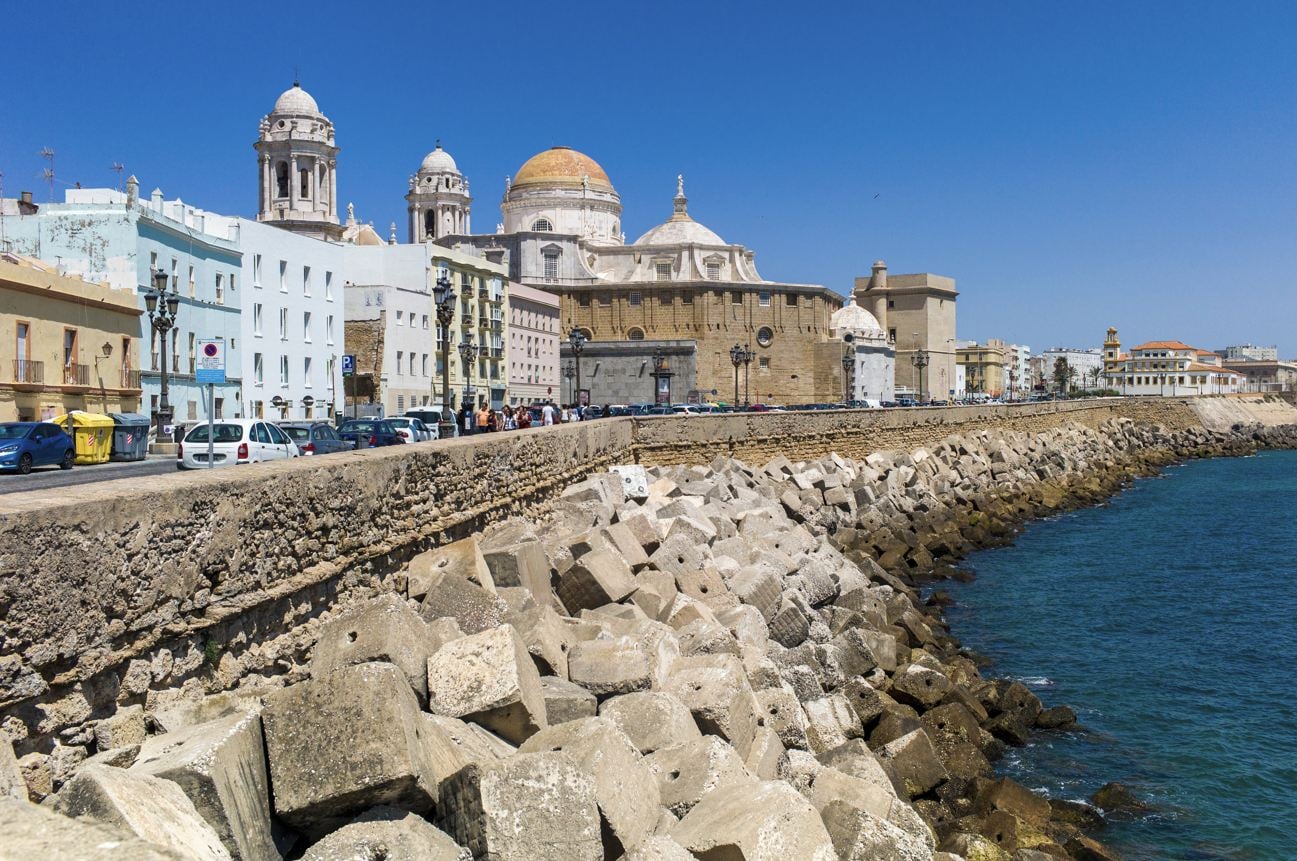
If you want the classic southern Spanish experience with better beaches and a fraction of the international crowds, head to the “Coast of Light.” Stretching from Tarifa to the Portuguese border, this 93-mile coastline faces the Atlantic Ocean, offering wide, unspoiled stretches of soft golden sand backed by rolling dunes and pine forests.
- The Vibe: Unlike the concrete mega-resorts of the Mediterranean coast, the Costa de la Luz caters heavily to domestic Spanish tourism. The towns retain their original Moorish and Roman character, and the hospitality remains incredibly warm and inviting.
- Where to Go: Make your home base in Cádiz, widely considered one of the oldest continually inhabited cities in Europe, where you can wander winding pastel streets straight onto La Caleta beach. For a quieter escape, visit Vejer de la Frontera, a stunning whitewashed hilltop village packed with hidden patios and exceptional family-run tapas bars.
- The Beach Highlight: Do not miss Playa de Bolonia. It is a wildly beautiful, untouched beach where you can literally stand among the ancient Roman ruins of Baelo Claudia while looking out at the ocean.
2. The Costa Verde (Asturias & Cantabria)
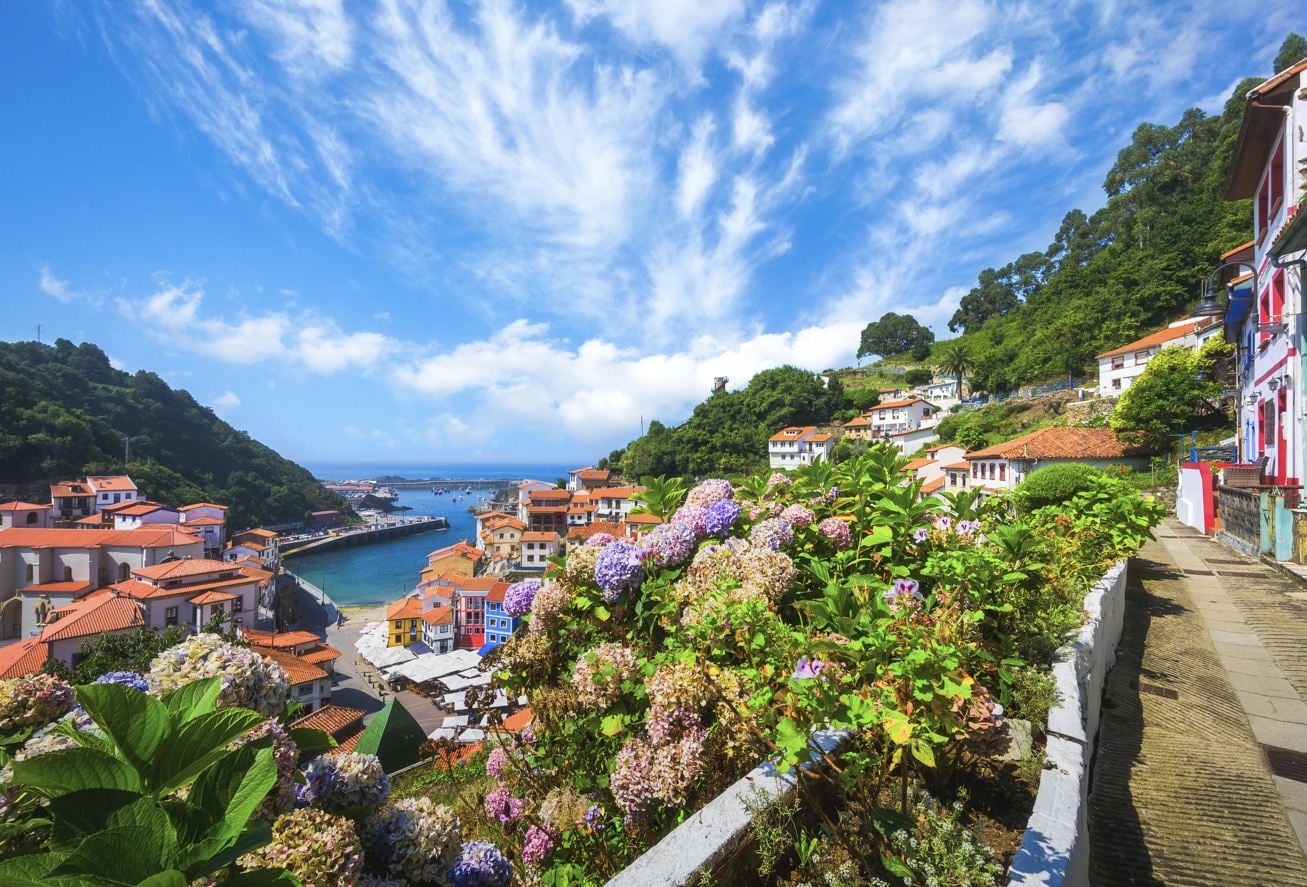
Travelers willing to trade the scorching heat of the south for dramatic, emerald-green landscapes should look directly to Northern Spain. Known as “Green Spain,” the Costa Verde borders the Bay of Biscay and features some of the country’s most spectacular, rugged coastlines.
- The Vibe: This region is entirely off the radar for the mass-market package-holiday crowd. The summer weather is much more comfortable (averaging a breezy 70-75°F), and the local culture is fiercely proud. Instead of crowded nightclubs, the nightlife here revolves around traditional siderías (cider houses) and eating some of the freshest seafood on the continent.
- Where to Go: Explore Cudillero, a brilliantly colorful fishing village that clings to the side of a mountain, or hike the trails of the nearby Picos de Europa National Park, which forms a towering, snow-capped backdrop to the coastline.
- The Beach Highlight: Head to Playa del Silencio in Asturias for a jaw-dropping gravel cove surrounded by towering rock walls, or visit Cantabria’s Playa de Merón, a massive sandy stretch where you can walk for miles with views of the mountains in the distance.
3. Menorca (The Balearic Compromise)
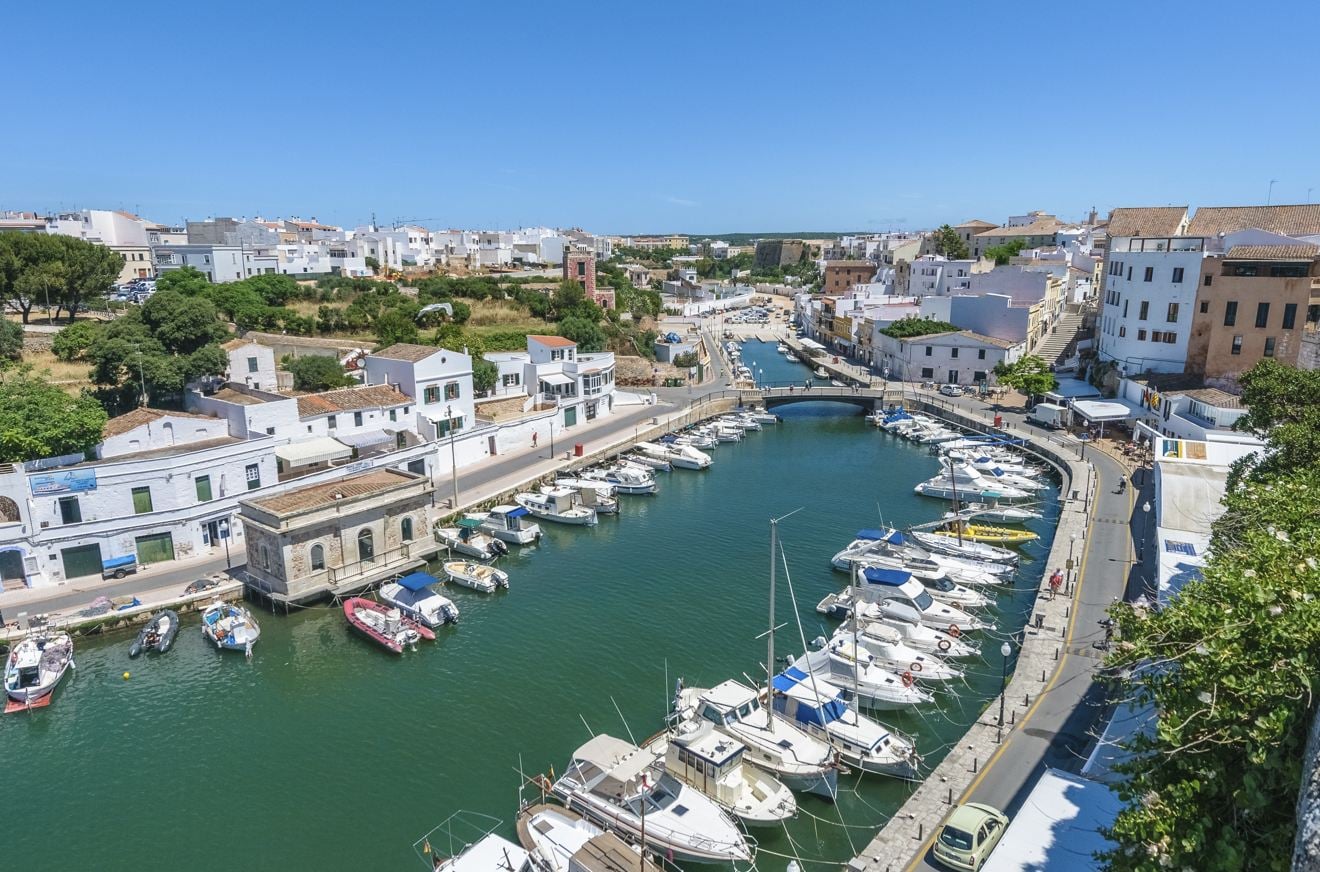
If you are absolutely dead-set on the Balearic Island aesthetic—complete with perfectly still turquoise water and pine-fringed coves (calas)—skip Mallorca and book a flight to its much quieter sister island, Menorca.
- The Vibe: Menorca is the definition of a peaceful, slow-paced Mediterranean retreat. Because the island was declared a UNESCO Biosphere Reserve decades ago, it got ahead of the overtourism curve early.
- Why It Works: Local authorities proactively restricted mega-hotel developments and have strictly managed infrastructure. Because they prioritized preservation over infinite expansion, Menorca simply has not reached the boiling point of Mallorca. You get the same stunning Mediterranean geography, but the residents are still happy to share their home with respectful visitors.
Spain Overtourism & Alternatives
Traveling abroad this summer? Before you head to the airport, make sure your paperwork is as ready as your luggage. Head over to the Traveler Dashboard to instantly check the latest entry requirements, tourist tax rules, and restricted items for your destination and keep your trip completely stress-free.
Enter your email address to subscribe to Travel Off Path’s latest travel news, straight to your inbox