
Three of Northern Europe’s most underrated cities are getting a major connectivity boost this winter, as a new direct train will link them, restoring a long-missing connection after nearly 7 years.
Vilnius is the pocket-sized medieval capital of Lithuania, a small country straddling the Baltic Coast. Daugavpils is a Latvian heavyweight: the second-largest city in the country, located near the border with Lithuania, and a fascinating destination rich in Soviet heritage and Russian architecture.
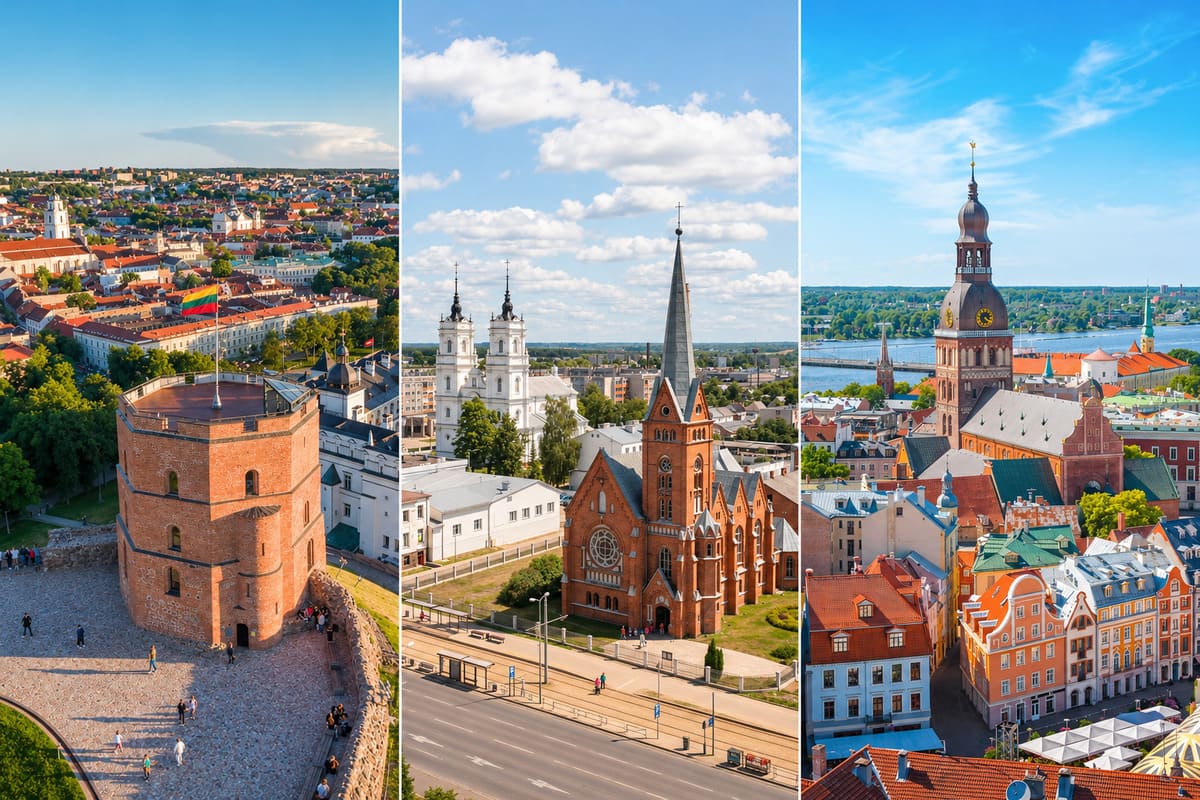
Riga, on the other hand, is the capital of Latvia, and though both capitals are separated by only 183 miles by road, direct railway connections have long been limited, despite being right on each other’s doorstep.
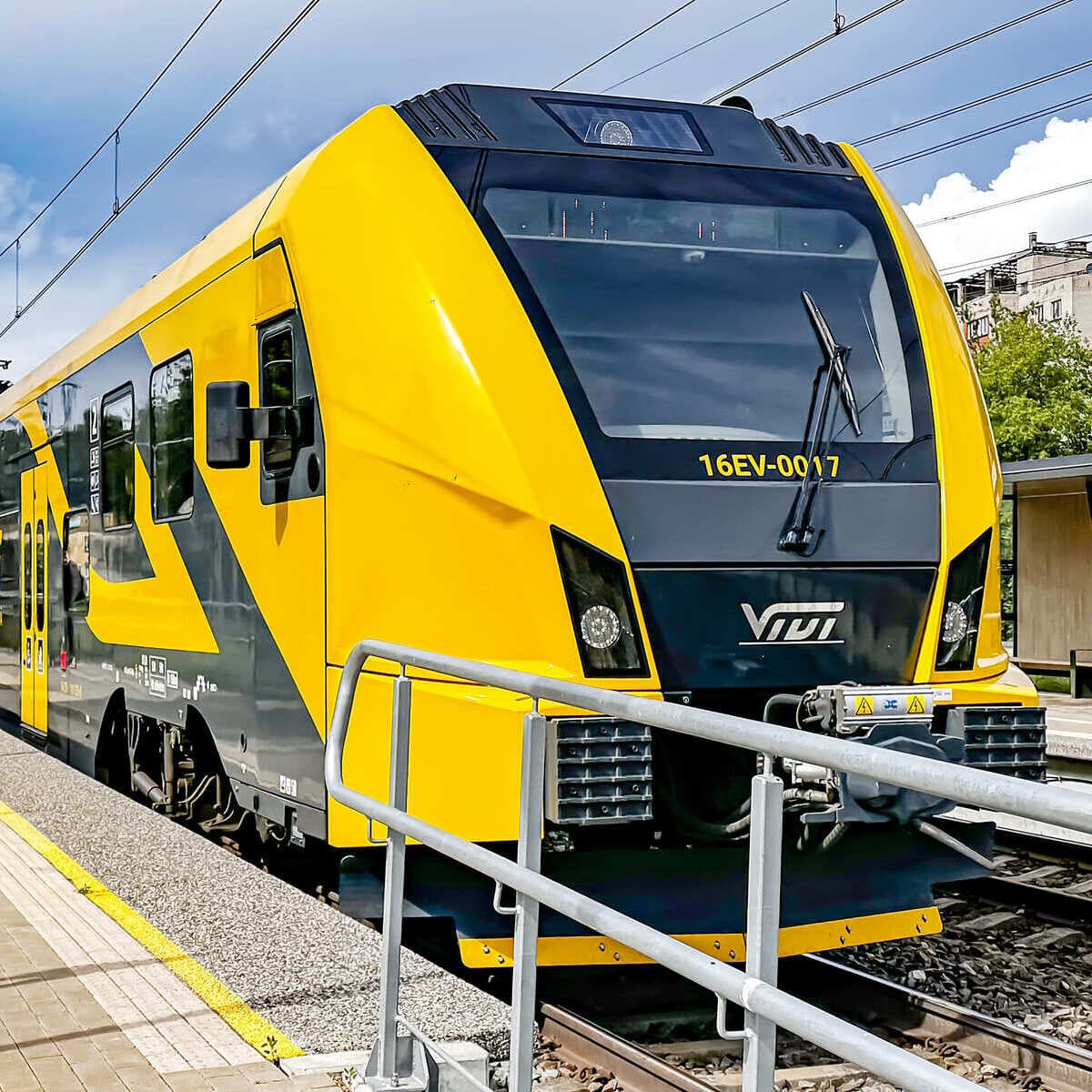
Starting this winter, this all changes, as LTG Link, Lithuania’s national passenger rail operator, and Vivi, its Latvian counterpart, will officially launch a new service on the Vilnius–Riga line, passing via Daugavpils.
🚆 New Baltic Train: Vilnius to Riga
A new daily direct train is linking three of Northern Europe’s most underrated cities this winter. Here are the dates, fares, and stops. Click to reveal.
Launch Date: Starting December 13, 2026, LTG Link (Lithuania) and Vivi (Latvia) are launching a daily direct train connecting Vilnius, Daugavpils, and Riga with zero transfers.
The Milestone: Restores the missing rail link between Vilnius and Daugavpils after nearly 7 years, offering a seamless winter alternative to long-distance buses.
Cheap Fares: One-way tickets cost just $27 for the full Vilnius–Riga trip, $17 for Vilnius–Daugavpils, and $11 for Daugavpils–Riga.
Timetable: Departs Vilnius at 5:40 p.m. (5h10m) and Riga at 7:01 a.m. (5h22m). Tip: Take the morning departure from Riga if you want daylight scenery in winter.
Vilnius & Riga: Explore UNESCO-protected Old Towns, $13 traditional meals in Vilnius’ artsy Užupis district, and Riga’s Art Nouveau avenues and Central Market.
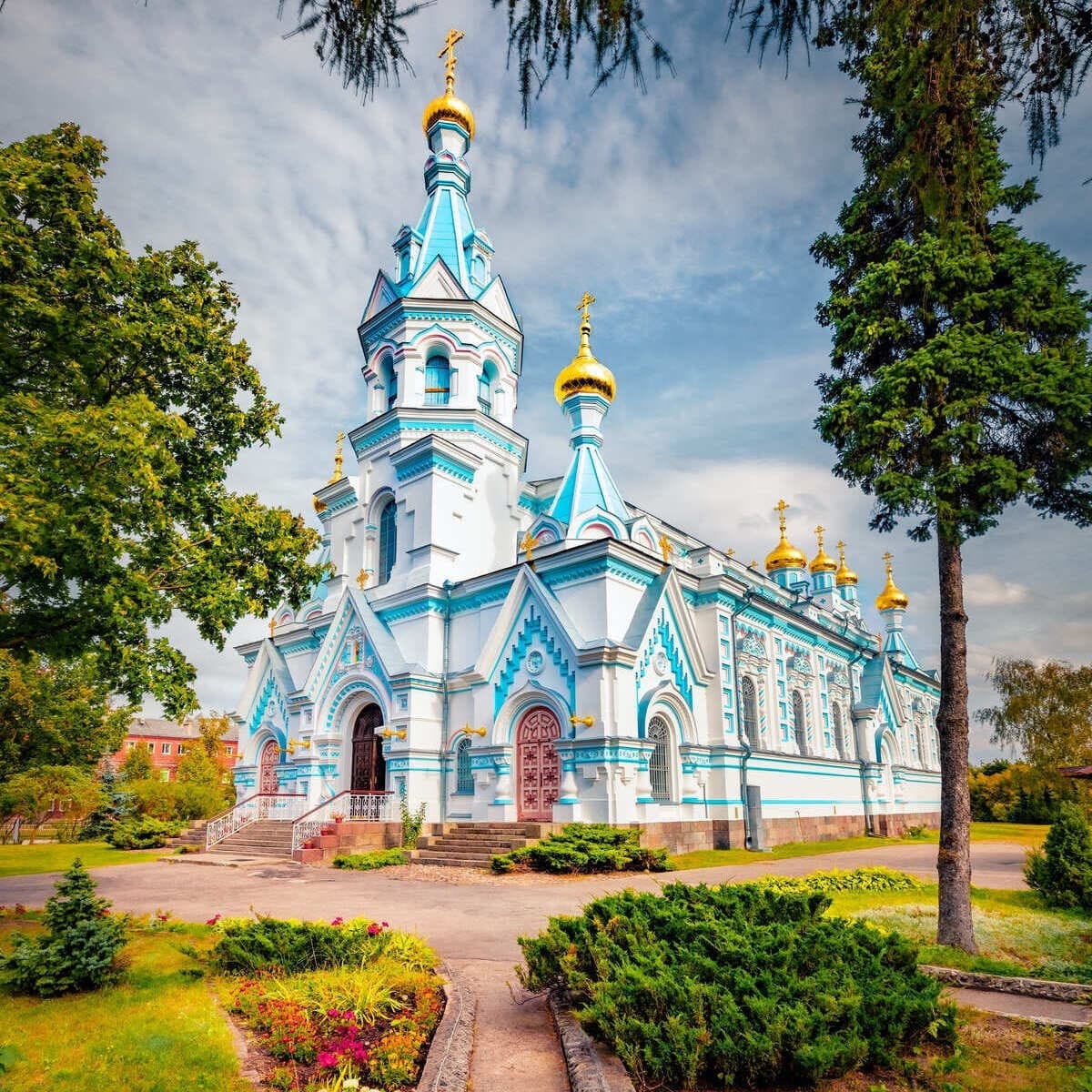
Daugavpils: Latvia’s second-largest city is a gritty USSR time capsule featuring Soviet-era architecture, golden-domed Orthodox churches, and a star-shaped Imperial fortress.
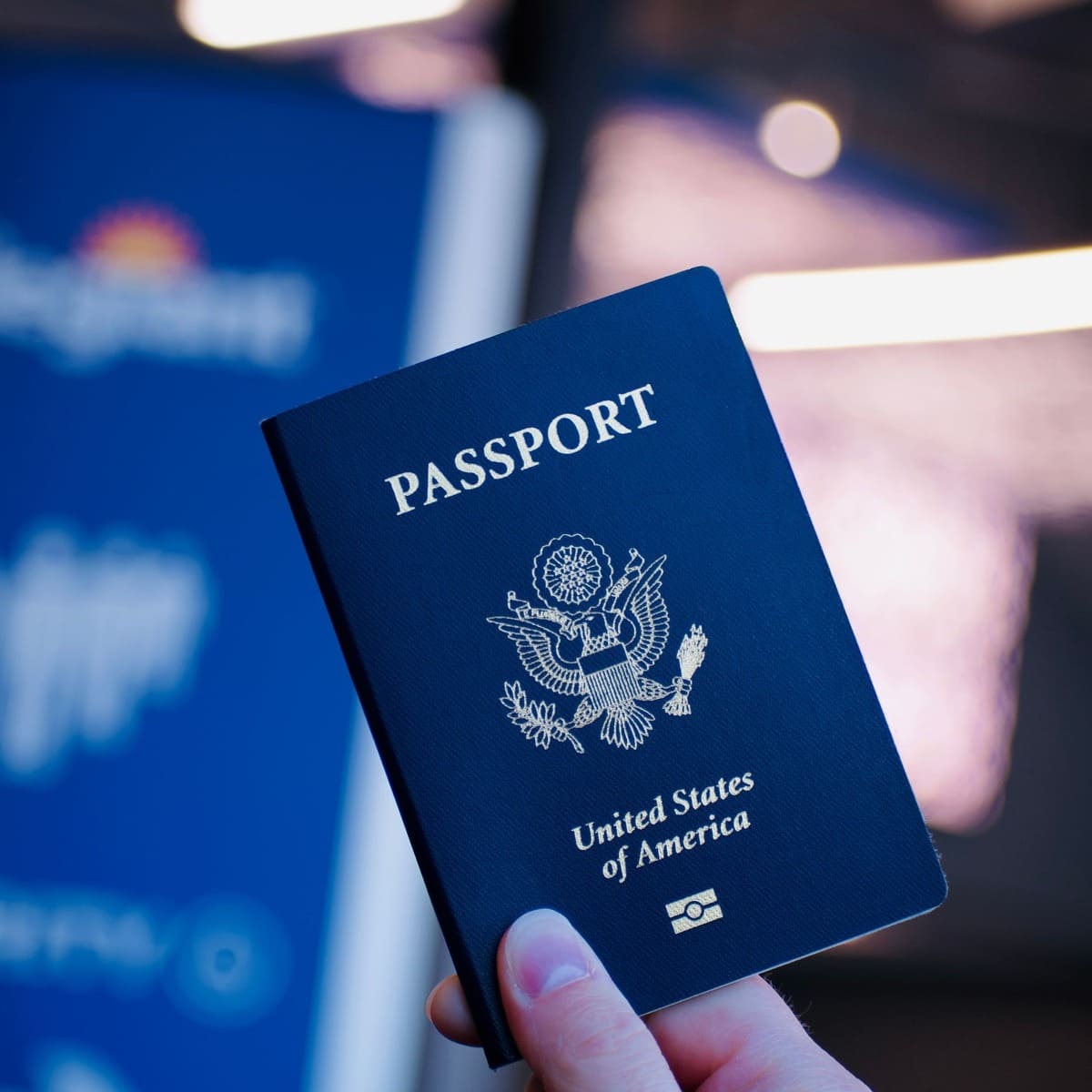
Schengen Rules: Both Lithuania and Latvia are in the Schengen Area, meaning no routine passport checks—though you must carry valid travel documents for random spot checks.
Onboard Experience: Expect modern, spacious intercity carriages with plenty of room to stretch your legs, making the extra hour over the bus well worth it.

 Powered by Travel Off Path
A Dearly-Missed Cross-Border Connection Finally Reinstated
The new Vilnius–Daugavpils–Riga train service is officially launching on December 13, 2026, bringing an end to a nearly 7-year pause in passenger trains between Vilnius and Daugavpils.
You see, rail connectivity in the Baltics has had its fair share of stops and starts in the last few decades.
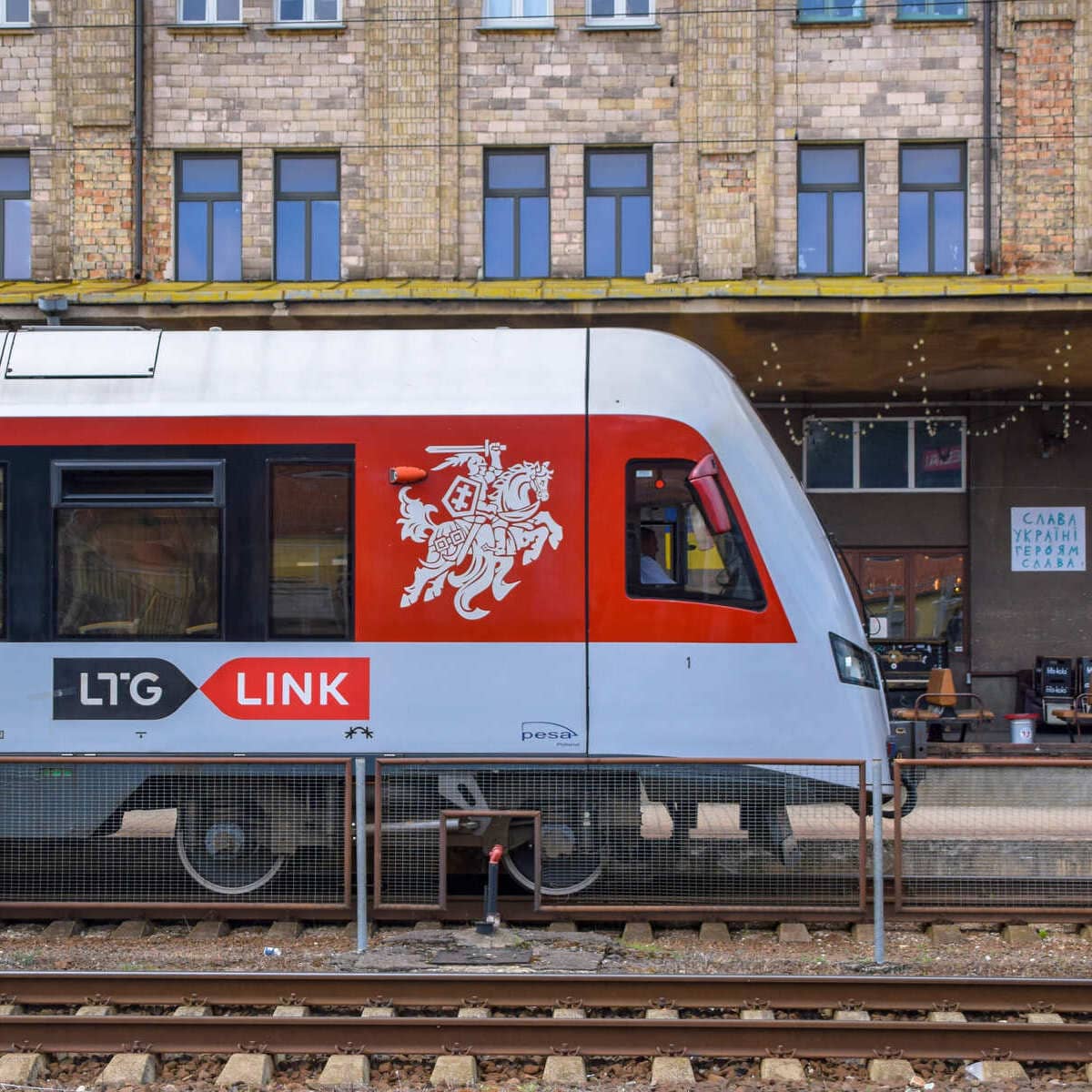
Until January 2004, Vilnius and Riga were connected by direct train, but that service was discontinued, leaving both capitals without a direct rail link for nearly two decades.
In the meantime, Vilnius retained a separate connection to Daugavpils, Latvia’s second-largest city, until March 2020, when this little thing called Covid struck and services were suspended indefinitely.
Then came December 2023, and direct trains between Vilnius and Riga finally returned, except with a major catch: the new route passed through Šiauliai, further west in Lithuania, completely bypassing Daugavpils.
The only issue with that? Daugavpils is Latvia’s second-largest city, and one of the most important urban centers in the eastern Baltics.
Now, almost 7 years after the last Vilnius–Daugavpils train, and over 20 years since the original Vilnius–Riga service was scrapped, all three cities will finally be connected on a single route.
No changing trains halfway through, or relying on long-distance buses that can be less than ideal in winter. Just one seamless journey across two Baltic countries:
Route Information
- Launch date: December 13, 2026.
- Operators: LTG Link (Lithuania) and Vivi (Latvia).
- Route: Vilnius, Lithuania → Daugavpils, Latvia → Riga, Latvia.
- Frequency: daily, in both directions.
- Direct service: no transfers required.
This will be the second daily direct train connection between Vilnius and Riga, but the only one connecting via Daugavpils.
Unlike the existing service via Šiauliai, however, this route will travel through eastern Lithuania and southeastern Latvia, before heading northwest toward Riga.
Timetable
Vilnius → Riga
- Departure from Vilnius: 5:40 p.m.
- Arrival in Daugavpils: 8:04 p.m.
- Arrival in Riga: 10:50 p.m.
- Duration: 5h10min.
- First departure: December 13, 2026.
Riga → Vilnius
- Departure from Riga: 7:01 a.m.
- Arrival in Daugavpils: 9:47 a.m.
- Arrival in Vilnius: 12:23 p.m.
- Duration: 5h22min.
- First departure: December 14, 2026.
One-way fares have officially been announced, too, with tickets on Vilnius–Riga trains costing $27.
If you’re hopping off sooner in Daugavpils, those will cost only $17. Within Latvia, the new Daugavpils–Riga service, which will complement the existing domestic connections, costs a mere $11.
Check out the complete list of main stops below:
In Lithuania
- Vilnius
- Pabradė
- Švenčionėliai
- Ignalina
- Dūkštas
- Visaginas
- Turmantas
In Latvia
- Daugavpils
- Līvāni
- Krustpils
- Pļaviņas
- Koknese
- Aizkraukle
- Lielvārde
- Ogre
- Jāņavārti
- Riga
Small towns and regional stops aside, the main attraction here is truly the underrated Baltic trio: Vilnius, Daugavpils, and Riga.
Before you go gadding about the Baltics like it’s nobody’s business, however, make sure you’re familiar with the travel rules and entry regulations in this part of Europe using the Entry Requirement Checker.
Both Lithuania and Latvia belong to the Schengen Area, so Americans can travel between them without routine passport checks, though they should carry valid travel documents as spot checks are routine here.
Back to the meat of the matter, why even venture all the way to northeastern Europe to hit up a bunch of underrated cities you’ve only vaguely heard of, if that?
Cracks fingers.
Clears throat.
Shall we?
Note From The Editor
Just one sec! If you enjoy reading great human-written articles, the best way to see a few more is to follow us on Google so we become one of your preferred websites. Thank you so much for reading. Now back to the story!
Vilnius, Lithuania
A UNESCO-protected medieval capital
Lithuania’s capital may be unimpressive in size and scale—it doesn’t even have a metro system, and the population is a mere 618,000—but what it lacks in metropolitan flair, it compensates for in historical appeal, and genuinely affordable experiences:
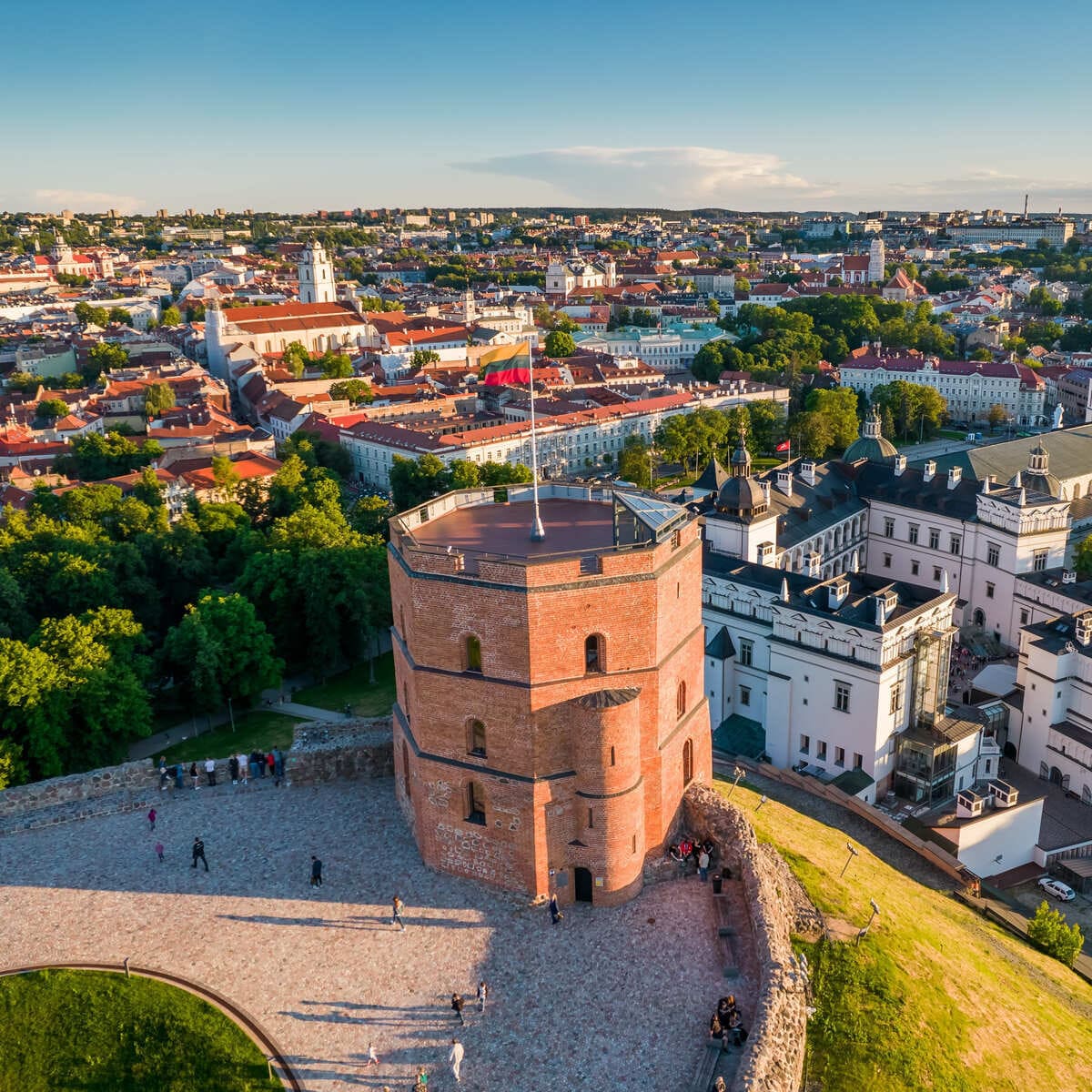
Old Town Vilnius is a whole UNESCO-protected medieval ensemble made up of winding cobbled lanes lined with centuries-old townhouses, red-brick churches with ornate interiors, and as its crowning glory, this unmistakable red-brick tower perched on a hill overlooking the terracotta roofs.
It’s European Old World charm at its best, and the coolest thing about it is, eating in a medieval tavern or visiting the local museum won’t set you back by dozens of dollars.
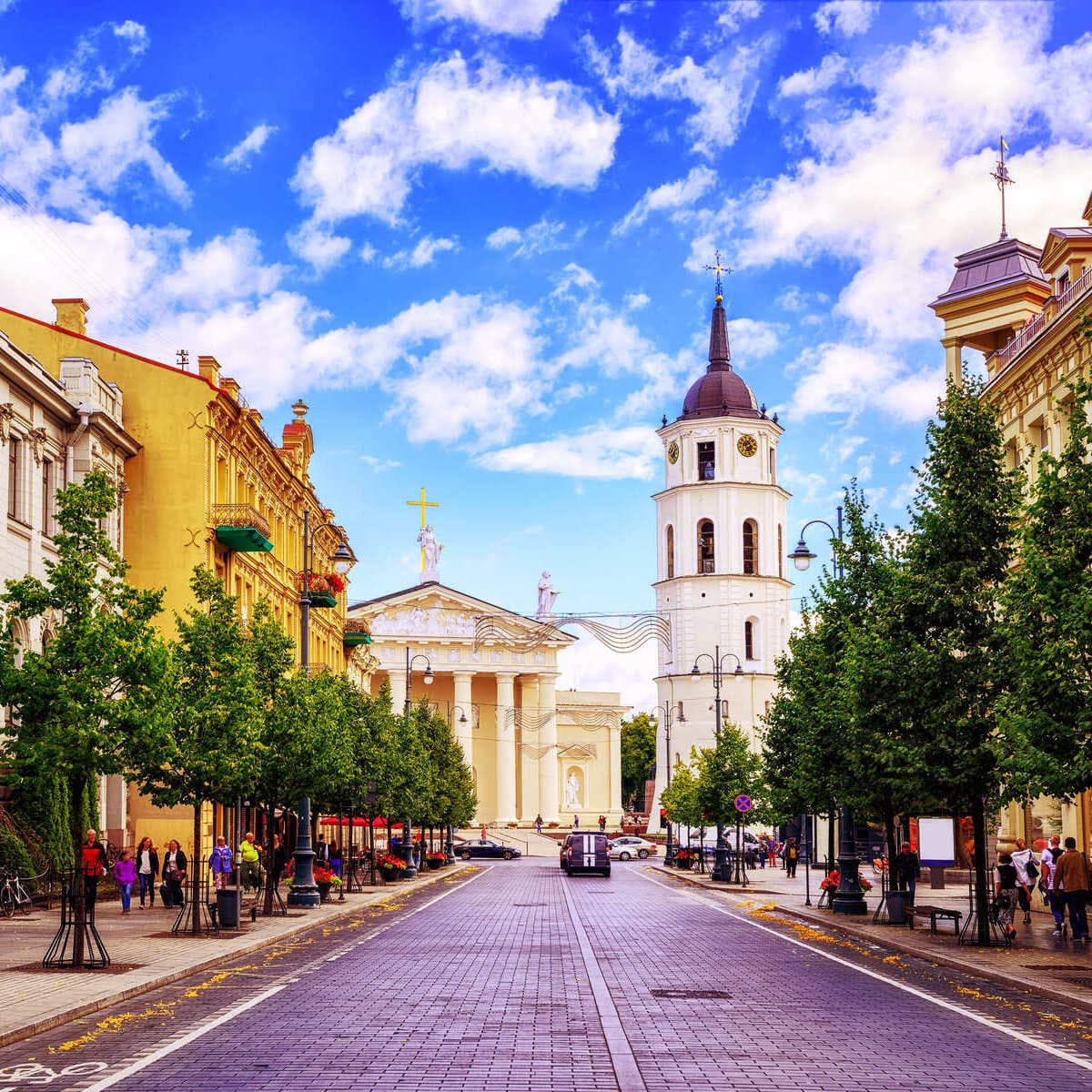
Sitting down for a plate of cepelinai, Lithuania’s signature meat-stuffed potato dumplings, in a cozy restaurant in Užupis—their quirky, self-proclaimed artists’ republic right in the heart of town—will cost you roughly $13, while most museum admission fees average around $9–12.
Gediminas’ Tower, or the famous red castle on a hill, is the main paid sight here and costs a mere $9 to visit.
Vilnius is also incredibly safe by European standards: the U.S. Department of State currently lists Lithuania as a Level 1 destination, its lowest advisory level, meaning Americans are advised to exercise normal precautions.
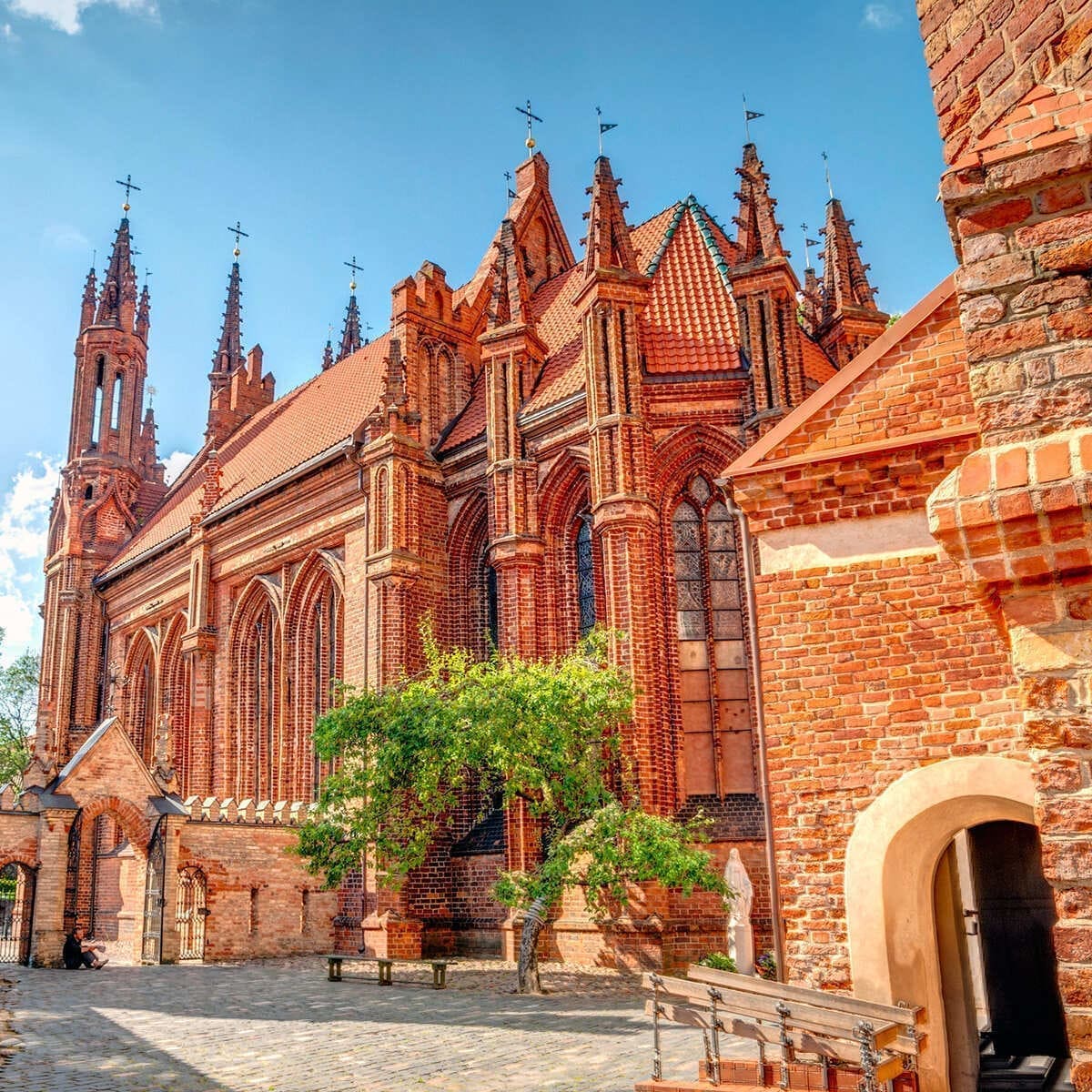
Regular, everyday travelers agree, too: they’re not some Washington-based bureaucrats bunkered up in an office, regurgitating wordy travel notes, and Lithuania’s average score on the Travel Off Path Traveler Safety Index is a surprisingly-high 83 out of 100.
Daugavpils, Latvia
The USSR time capsule
Now, Daugavpils is not exactly your typical European fairy-tale town. You know, the one with the colorful half-timbered buildings and the picturesque café-flanked medieval square.
Faaaaaar from that.
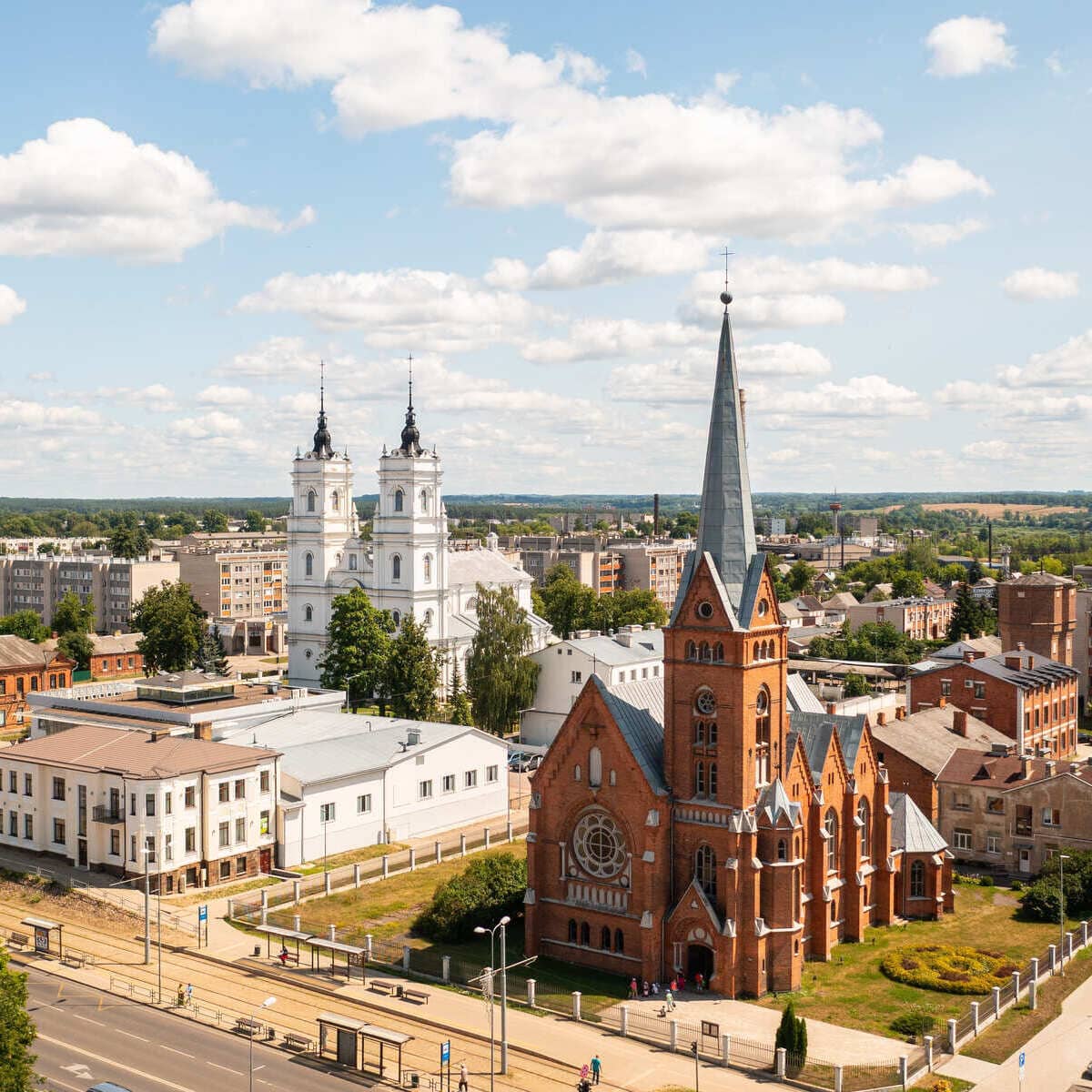
This is where the Baltics’ Soviet-era heritage truly jumps to the forefront:
I’m talking rows upon rows of Soviet-era apartment blocks, of the kind you might have grown accustomed to seeing in stereotypical ’90s depictions of communist Eastern Europe, churches that are clearly Russian-influenced in architecture, and lush urban parks that soften the city’s industrial landscape.
Even the landmark Dubrovina Park, with its leafy paths, fountain, and Soviet war memorial, retains a certain gritty character.
I kept waiting for a gopnik to jump out of the shadows here, musty Adidas tracksuits and all.
The one major showstopper you should make sure you check out is Daugavpils Fortress, this Russian Imperial military complex shaped like a star.
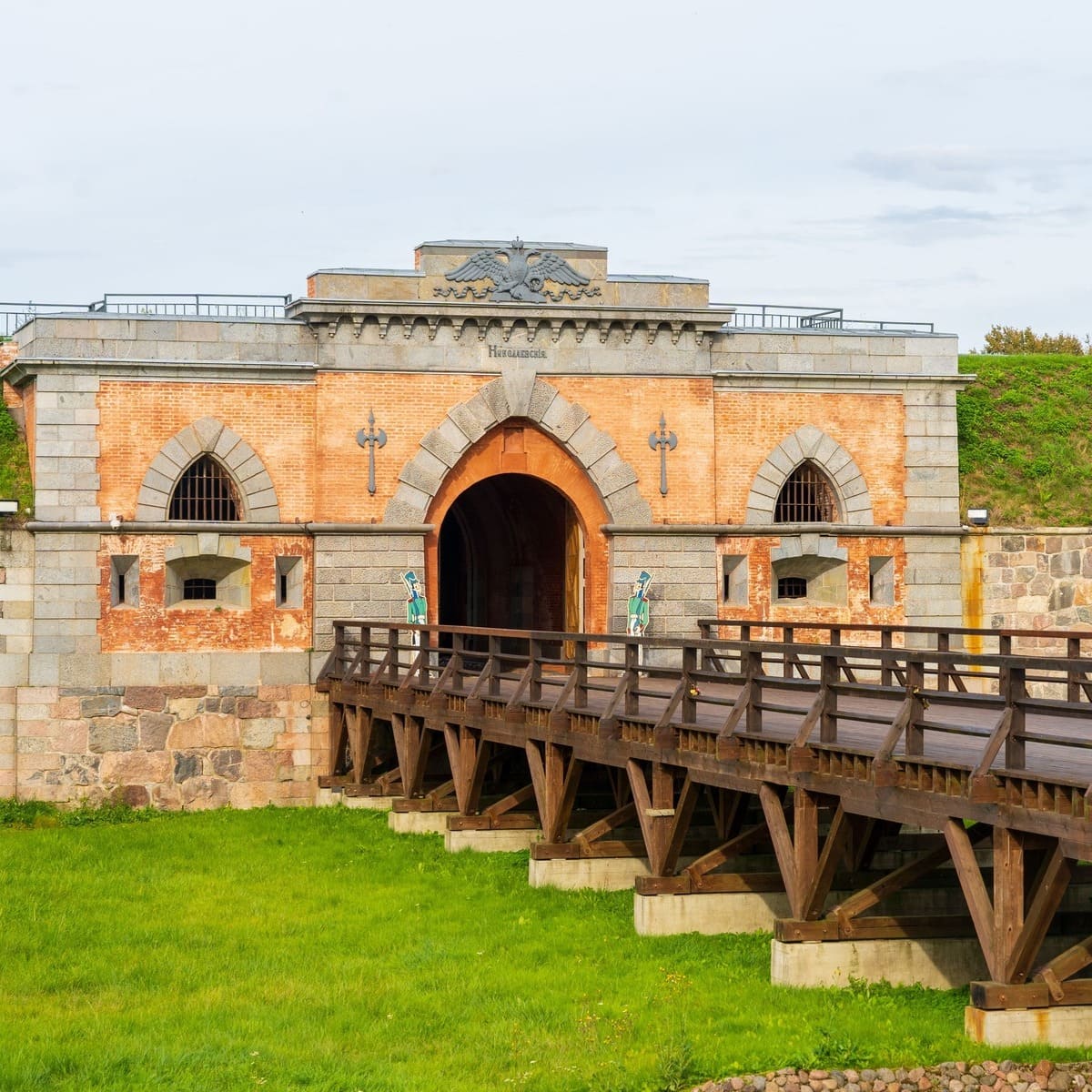
Daugavpils is also remarkably multicultural, or the Baltics’ version of that, anyway:
Its golden-domed Orthodox churches, wide avenues, and eclectic architecture are shaped by centuries of not only Latvian, but Russian, Polish, and Ashkenazi Jewish influence, and given the fact much of its Soviet cityscape survives to this day it feels like a time capsule of the USSR years.
Not unlike fellow frozen-in-time USSR hub Tiraspol in Moldova—yep, not even Latvia’s EU induction in 2004 could erase that chapter of its past.
What I mean to say is that it’s not necessarily pretty, in the traditional European sense, but smack it bang right between picture-perfect Vilnius and Riga, and you get the most intriguing stop on an otherwise fairy-tale Baltic route.
Riga, Latvia
The Baltics’ cultural powerhouse
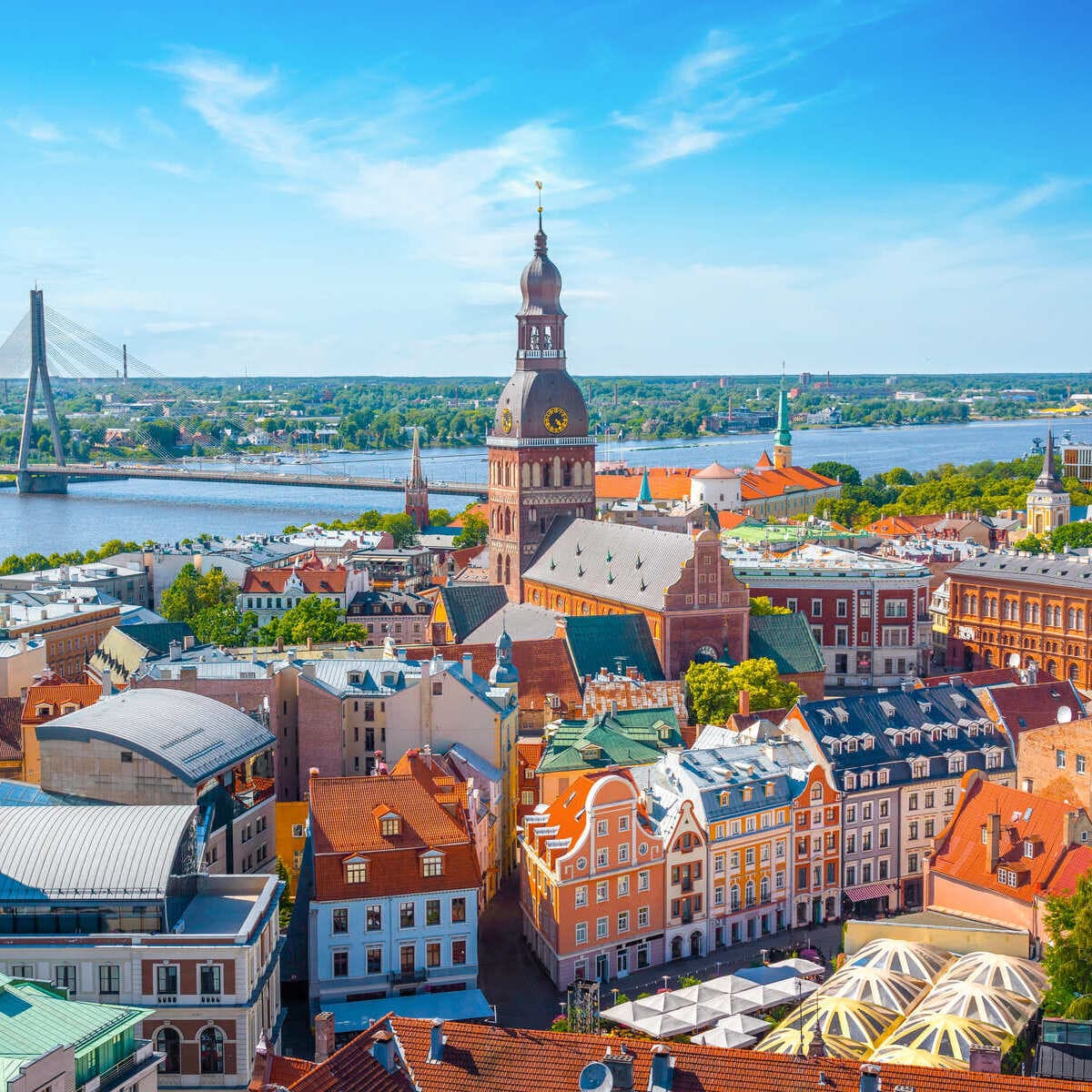
An actual metropolis sitting near the Baltic Sea, right where the River Daugava approaches the Gulf of Riga, Riga is the region’s one true cultural powerhouse and largest city.
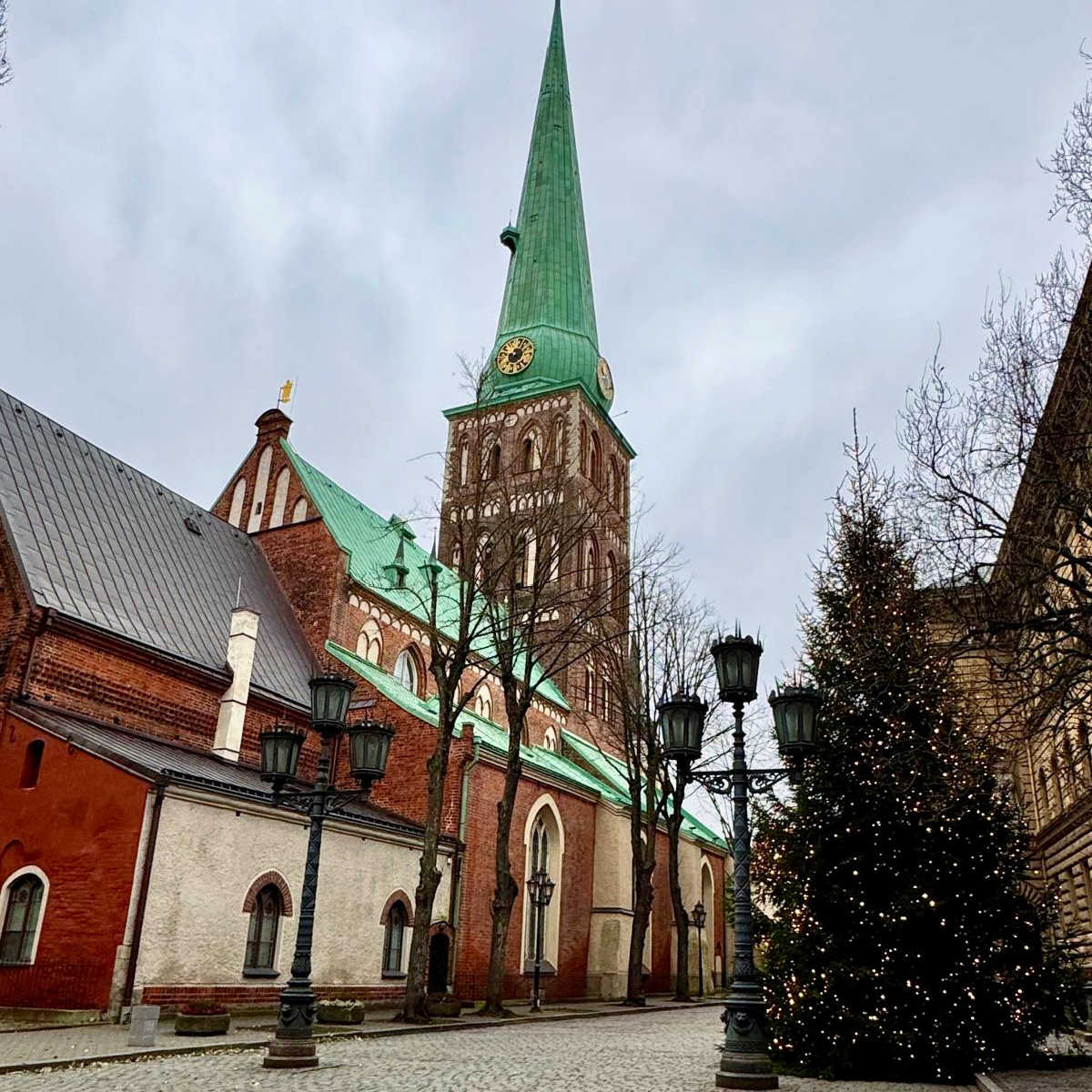
Similarly to Vilnius, its historic core is a UNESCO-protected gem, except instead of Vilnius’ predominantly Baroque churches and quaint squars, you get long avenues lined with the most beautiful Art Nouveau architecture, and a fascinating mix of medieval and modernist architecture.
The main square, Rātslaukums, is a real storybook setting, dominated by a flamboyant merchant hall originally built in the 14th-century—that’s the House of the Blackheads for you—and flanked by the city’s historic Town Hall.
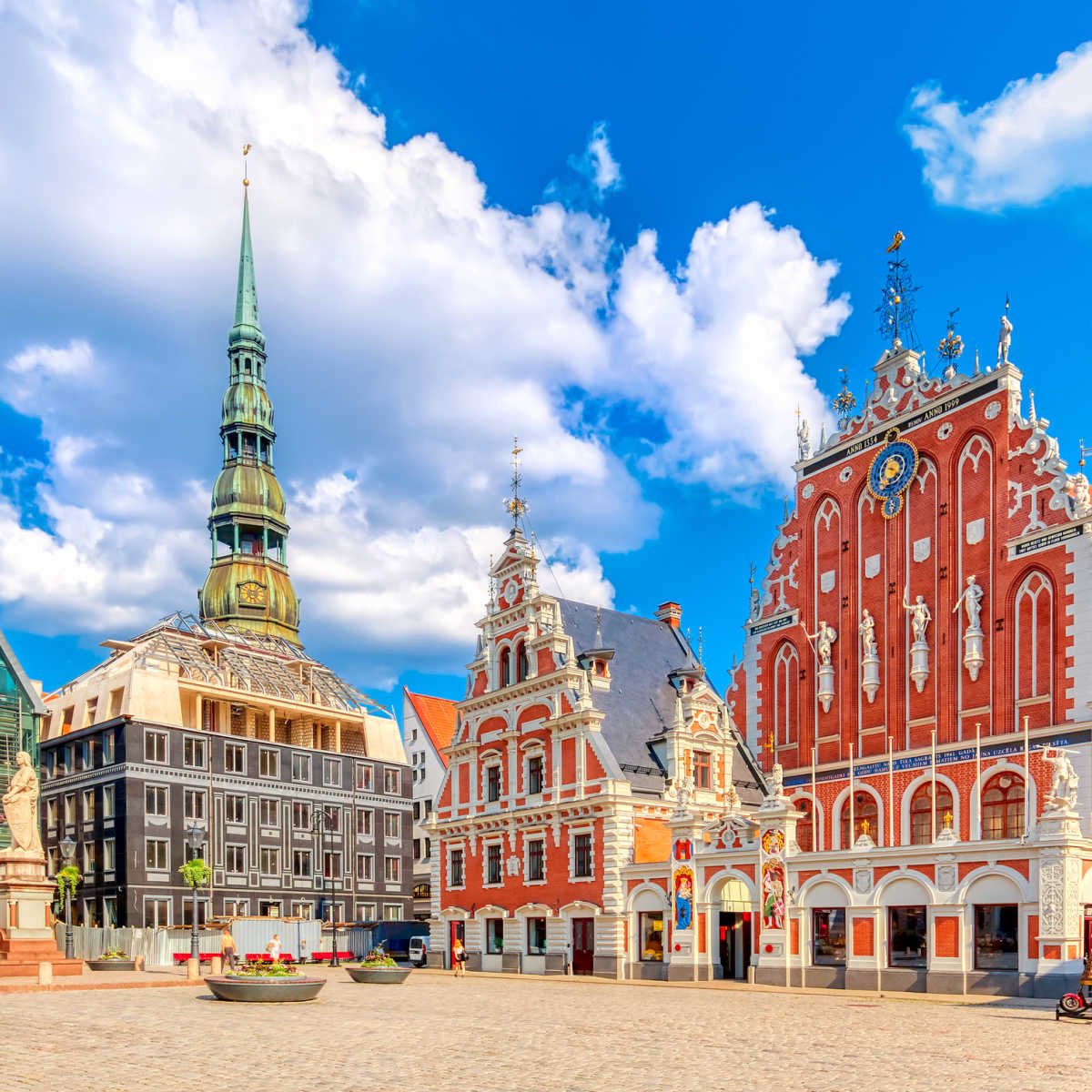
Riga Central Market is probably my favorite food market in all of the Baltics—I’m not huge on Baltic food myself, but the smoked fish and traditional bacon-filled pīrāgi pastries served here are worth the northerly detour alone—and if you’re like me, and you’re always looking for a higher overview, this is what you should do next:
One of my favorite memories of Riga is actually climbing up the Latvian Academy of Sciences, this huge Stalinist skyscraper on the edge of the Old Town.
It’s a spiritual sister of Warsaw’s Palace of Culture, and for only $9-ish, you get a bird’s eye view of the entire cityscape: medieval spires, monumental Soviet buildings, commie-era apartment blocks, and everything in between.
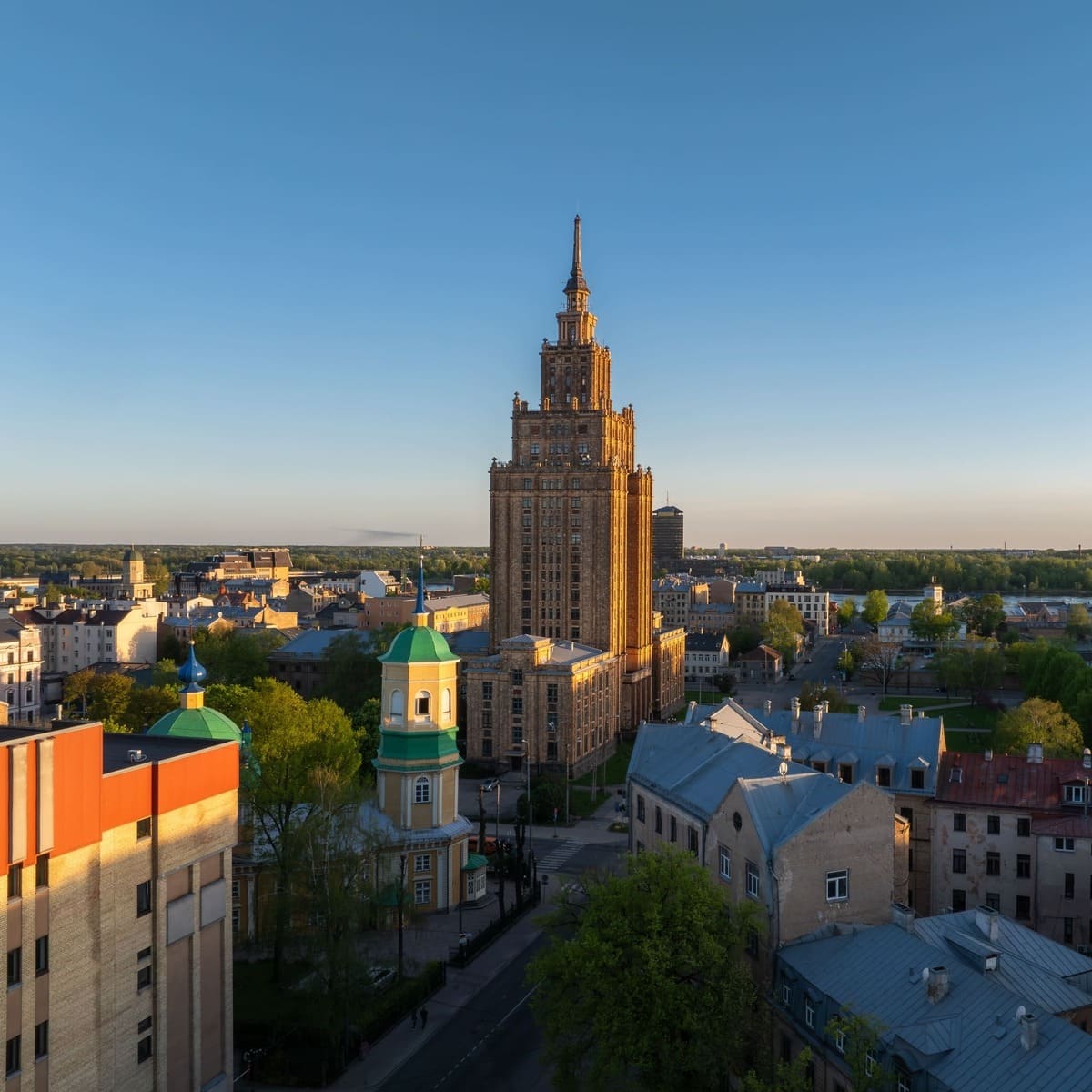
Just make sure you dress appropriately for razor-sharp, bone-chilling winds, as it’s ‘pure Baltic’ up there, as my Scottish friends would say.
More Information On The Train
- You can expect more modern passenger carriages, specifically suited to longer intercity journeys.
- The interiors will be more spacious and comfortable than the older regional trains, with better seating and a smoother ride.
- It’s not quite as fast as the direct Vilnius–Riga bus, which completes the roughly 183-mile journey in 4 hours on average, versus the train’s 5h10min. However, there’s arguably a lot more room to stretch your legs.
- Tickets for international journeys can be purchased through LTG Link, while domestic journeys within Latvia are also available through Vivi’s booking channels.
- One thing worth mentioning: the new train leaves Vilnius after dark in winter, so if you’re hoping to enjoy the scenery, you’ll have better luck on the morning departure from Riga.
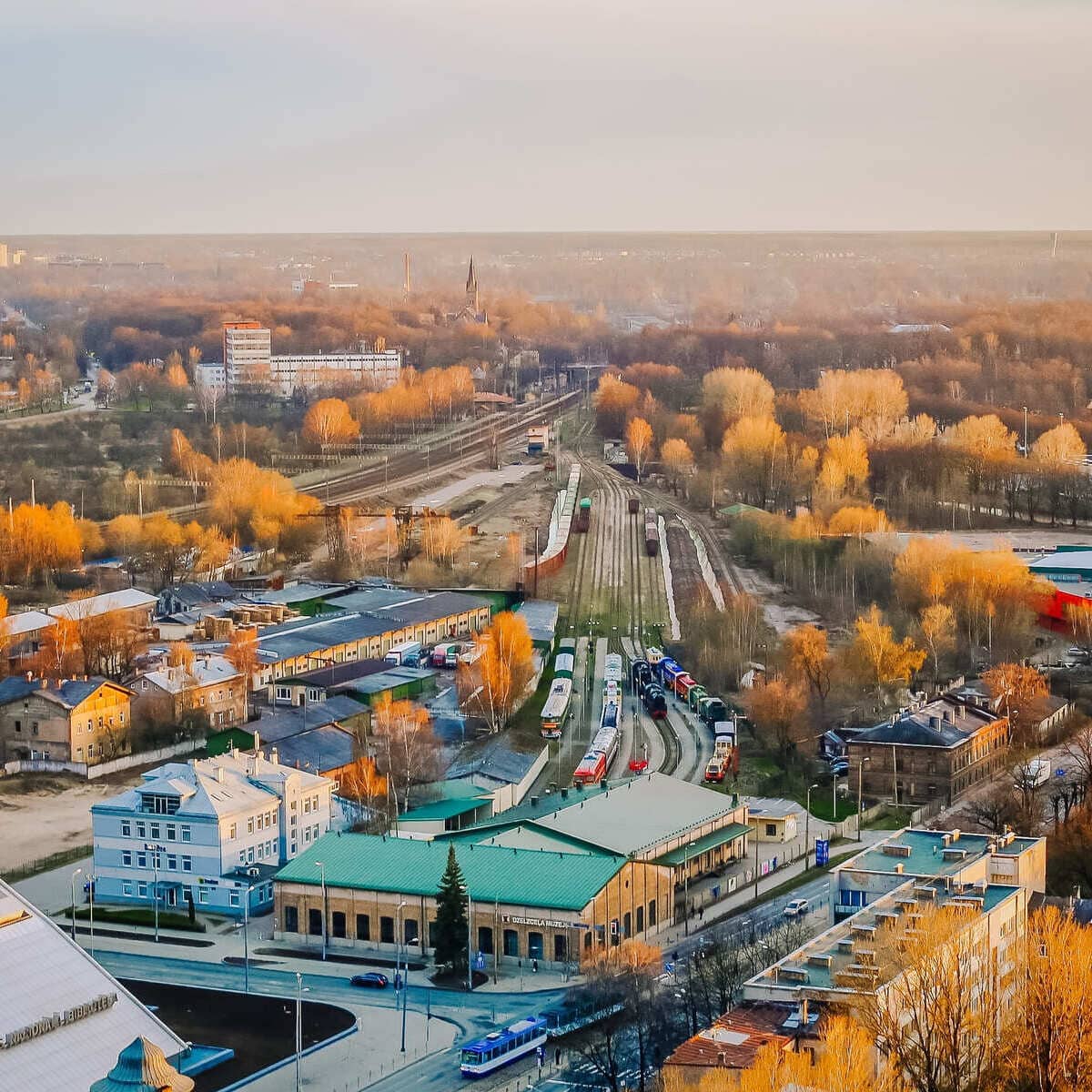
Those cross-border LUX buses are just fine, alright—I’ve used them a few times traveling around the Baltics myself, and seats even come equipped with onboard entertainment!
Rewatching Red Joan as you travel through what used to be literally full-fledged communist dictatorships behind the Iron Curtain is a whole vibe, I’ll tell you that much.
But if I’m honest, there’s just something about train journeys that can’t be beat. Getting comfy in your seat, pulling out a book—not sure about you, but I might be going with Archipelago Goulag for this one—and watching the rolling landscapes of the Baltic lowlands whoosh past you…
One rail mile at a time.
Enter your email address to subscribe to Travel Off Path’s latest travel news, straight to your inbox
