
Before you try and second-guess it, no, this is not another regurgitated press release on Costa Rica, this, and ‘pura vida’ that. ‘Tica, we love you but… been there, done that.
Gorgeous as Costa Rica may be, Central America has a lot more to offer, and after years of living in the shadow of its more famous sister, the much-overlooked Panama, which many mistakenly treat as a mere transit hub between the South and North, is suddenly booming in popularity.
Last year, it recorded 3,004,266 international visitors, a 8.2 percent rise from the year before, and an all-time high for a country that, previously, largely owed its fame to a human-engineered canal built to facilitate the crossing of container ships.
Now, visitors are staying longer and seeing more than simply the airside confines of Tocumen International Airport:
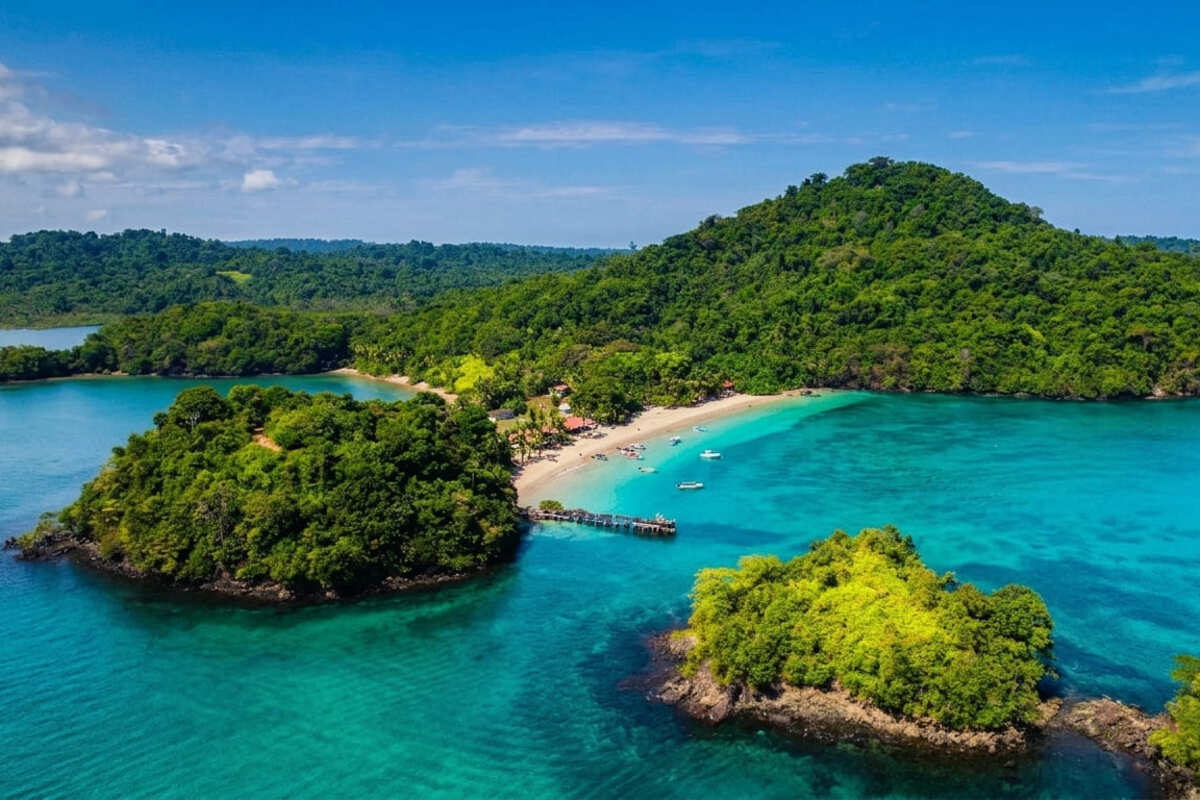
More Than Just A Layover On Your Journey From North To South
If you’ve been dreaming of checking Central America’s dramatic landscapes off your bucket list, but the crazy logistics of it keep putting you off—it’s not like this is Europe where a short train ride will get you anywhere—Panama is as great a starting point as Costa Rica:
The reason for that is that it is a rather compact country, roughly the size of South Carolina, and a trip here gives you a lot of variety between completely different environments, without adding the huge distances.
You can quite literally combine a modern Latin American capital, Spanish colonial history, the Panama Canal, rainforests, and Caribbean islands in a single visit.
Unsure which travel rules apply to Americans flying to Panama?
- Visas are not required for stays of up to 180 days
- Passports must be valid for 6+ months beyond travel dates
- Proof of onward or return travel may be required at the border
Remember to always use the Entry Requirement Checker to double-check the visa rules at your destination, wherever that may be.
A Bustling Metropolis Revolving Around A Picture-Perfect Colonial Core
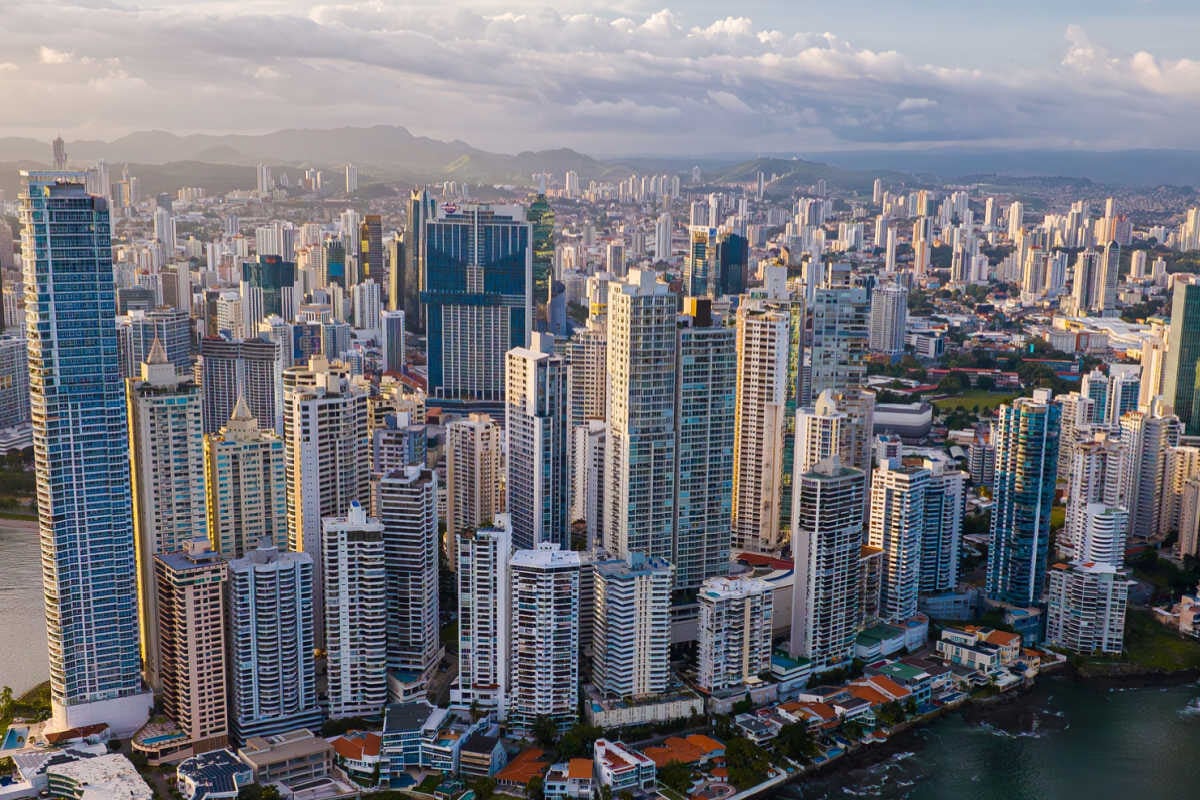
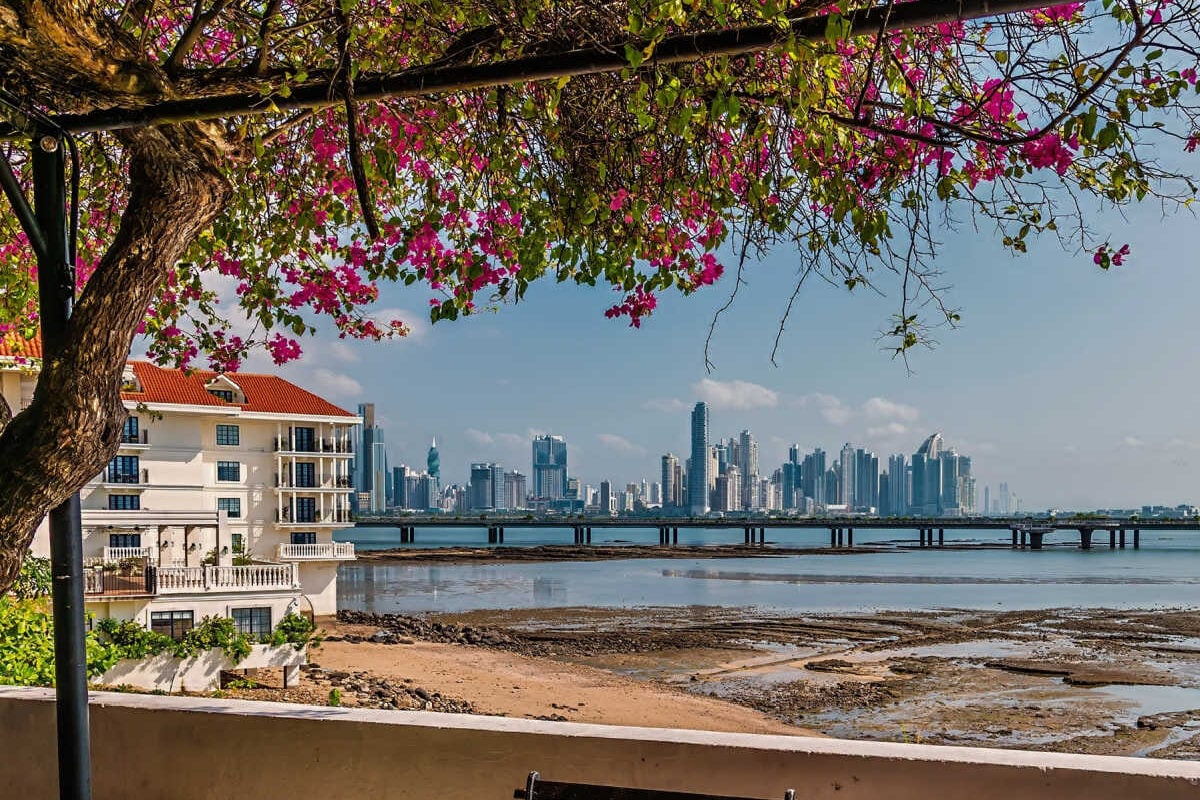
Home to the country’s megahub of an airport, Panama City is arguably Central America’s more interesting capital: it combines a modern, skyscraper-dotted skyline and a frozen-in-time, picture-perfect old colonial quarter.
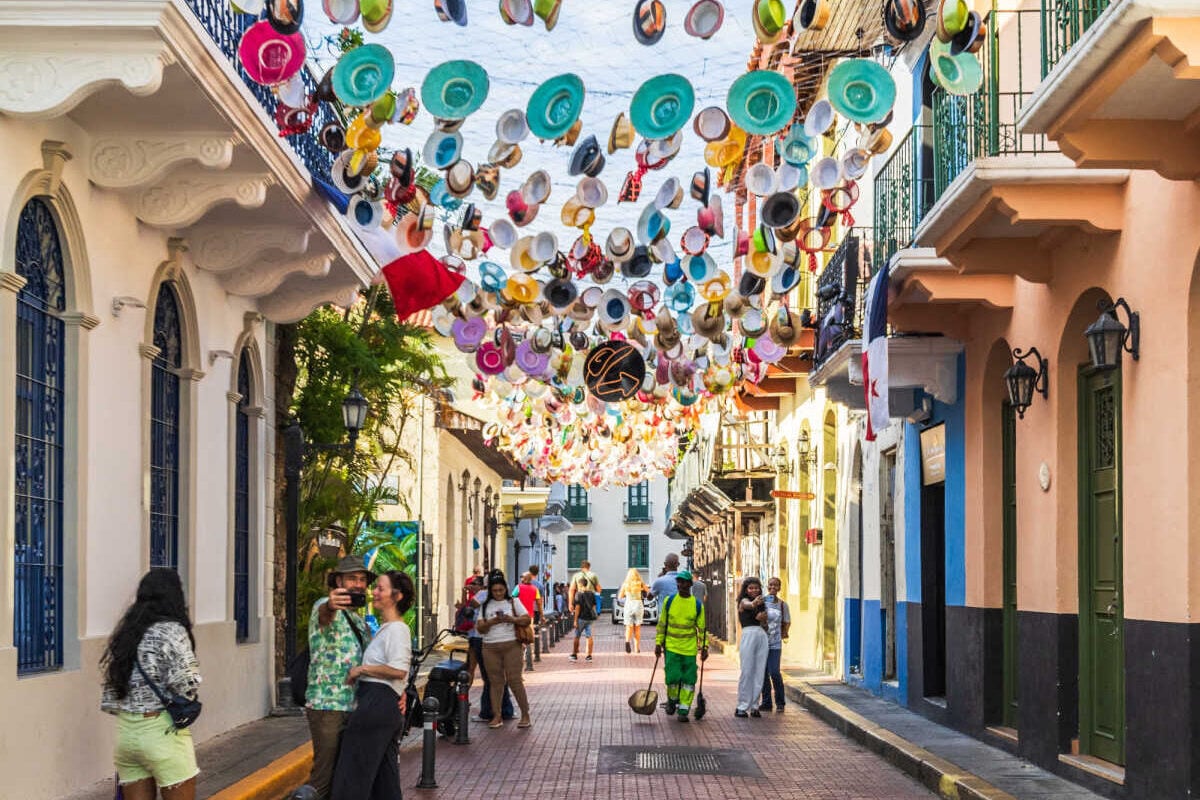
Casco Viejo is a Spanish-era settlement built in 1673, featuring those typically European cobblestone streets, colorful façades, incredibly ornate churches, and lively plazas that wouldn’t look out of place in a small Andalusian town.
Then of course, there’s the world-famous Panama Canal, right on the city’s doorstep:
More than just a tourist attraction, this marvel of engineering shaped Panama’s history. It cuts across the entire country, connecting the Atlantic and Pacific Oceans, saving ships from the hassle of sailing all the way around South America.
The most popular photo spot here is Miraflores Locks, where you can see enormous ships being raised and lowered on the water as they pass through the locks, and those TikTok videos may look impressive, but nothing prepares you for the real spectacle.
The scale is truly mind-blowing.
How Safe Is Panama Right Now?
Safety is the primary concern of American families heading to countries south of the border, and before you start scouring the internet for horror stories and crime reports, let us just summarize that, yes, Panama is generally safe for a normal tourist trip.
It’s about as safe as a small, emerging Central American nation can be. In other words, this isn’t Switzerland or Iceland, but you’d be a fool to be as fearful and paranoid about crime as you would in an inland, gang-dominated Colombian city or the rougher parts of Honduras.
The U.S. Department of State advises Americans to exercise ‘increased caution’ due to higher levels of crime in certain areas, and the potential for ‘civil unrest’.
Right now, however, the country is enjoying a period of relative political and social stability.
Nothing that can even remotely approach the level of instability seen elsewhere in the region. Not El Salvador levels of stability, sure, but it’s peaceful enough.
As long as you steer clear of the Mosquito Gulf and the Darién Gap, the dangerous jungle crossing South American migrants make on their attempt to reach North America, you’re good to go.
For the standard tourist itinerary of Casco Viejo → Panama Canal → Boquete → Isla Colón → San Blas, you don’t need to panic or over-worry.
Just use normal big-city precautions, stick to reliable transport, and don’t wander into unfamiliar areas at night.
On the Traveler Safety Index, it scores 83 out of 100, based on reports from travelers who have been there recently, indicating elevated levels of safety compared to many of its Latin American counterparts:
Where’s That NatGeo Worthy Nature Promised?
Panama’s true magic reveals itself when you actually leave the capital region:
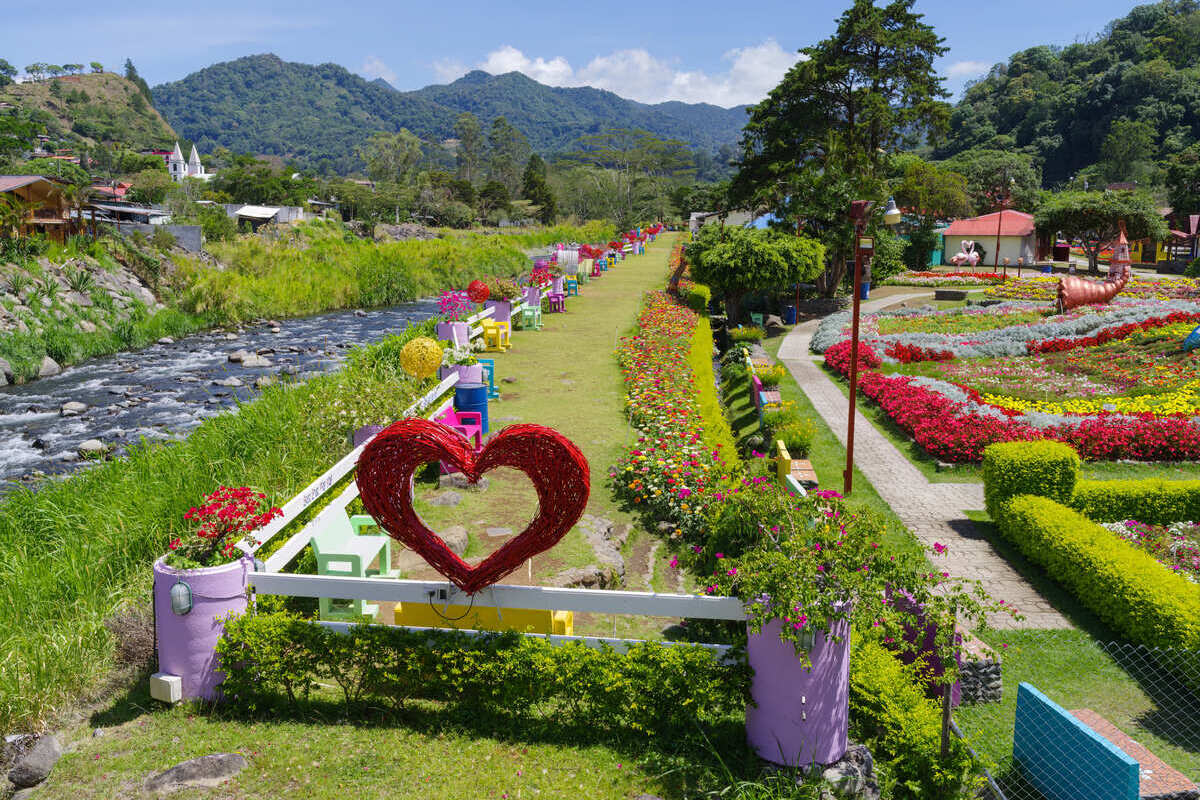
Boquete: The Mountain Retreat
A short 45-minute westbound domestic flight from Tocumen will have you landing in Boquete, Panama’s poster child for cool weather and nature escapes, tucked high in the Chiriquí mountains. A complete contrast from the sweltering heat and tropical humidity of the Panamanian coast.
The town itself is an absolute charmer, with cafés and traditional wooden houses, but the real highlight is the misty cloud forest around Volcán Barú, where trails lead through hidden waterfalls, lush valleys, and coffee plantations.
Temperatures here average around 60–75°F, making it the perfect escape for hiking and outdoor activities.
Isla Colón & San Blas: The Caribbean Getaways
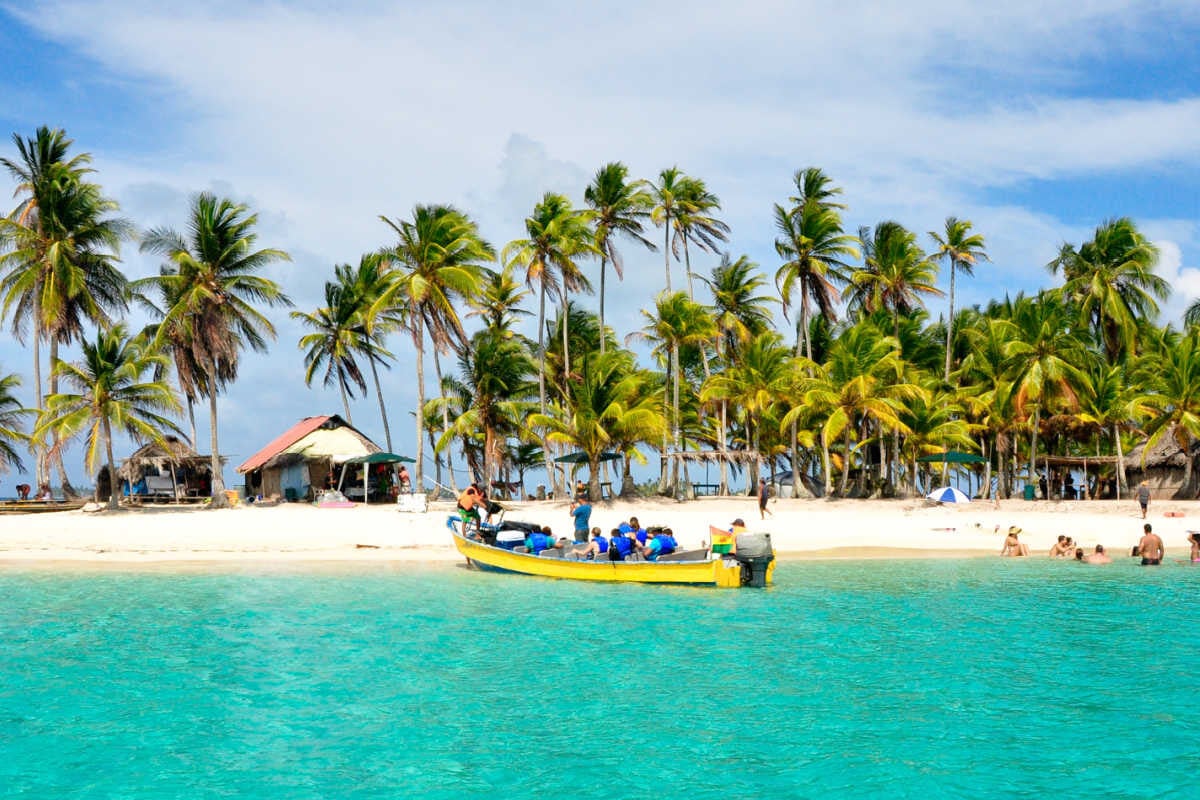
Is it the sand and turquoise beaches you’re after? A 1-hour water taxi from Albrook Airport, the second airport serving Panama City, will take you to Isla Colón, a large island off Panama’s Caribbean coast, bordered by jungle and the warm Caribbean Sea.
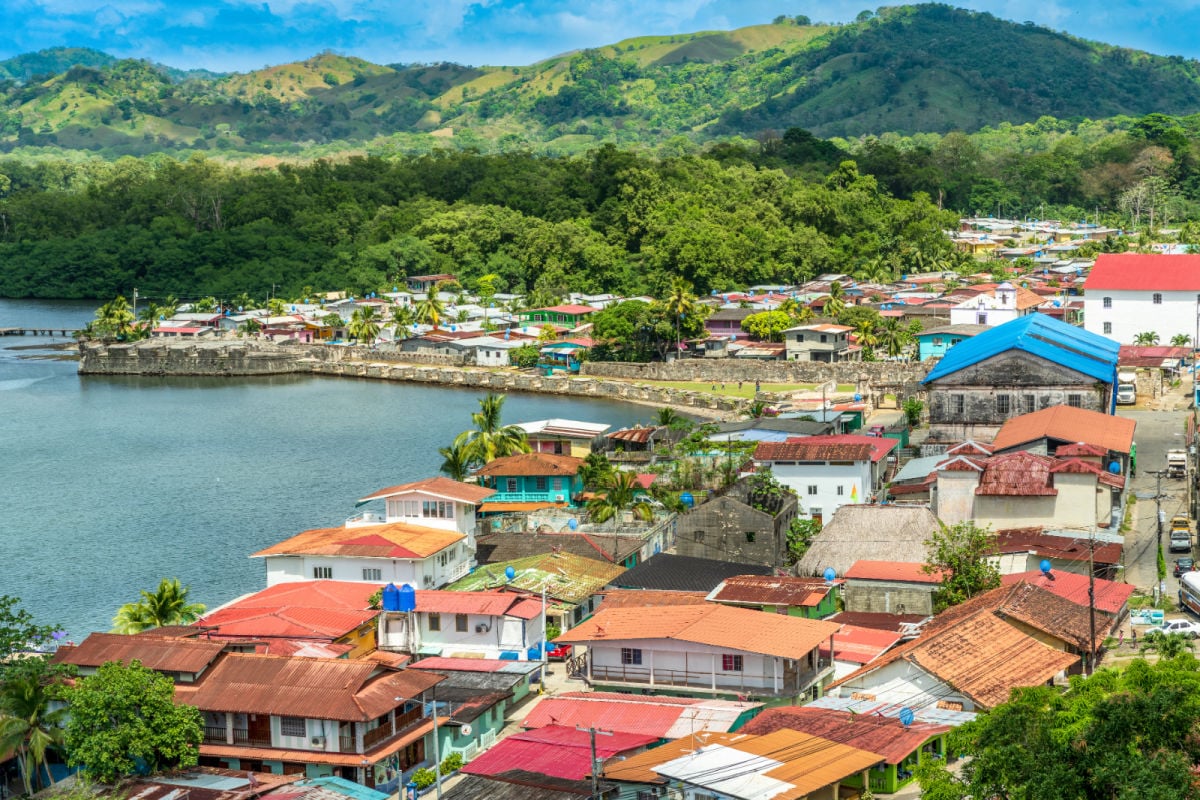
Think colorful wooden houses, reggae playing in bars, laid-back bars, and that unmistakable Afro-Caribbean feel, without the polish of cruise-heavy Roatán.
For an even more remote, unspoiled island, San Blas is the ultimate Panamanian Caribbean retreat. It has the clearest waters, the whitest, powdered-sugar sands, and the kind of postcard scenery you usually have to travel halfway around the world for.
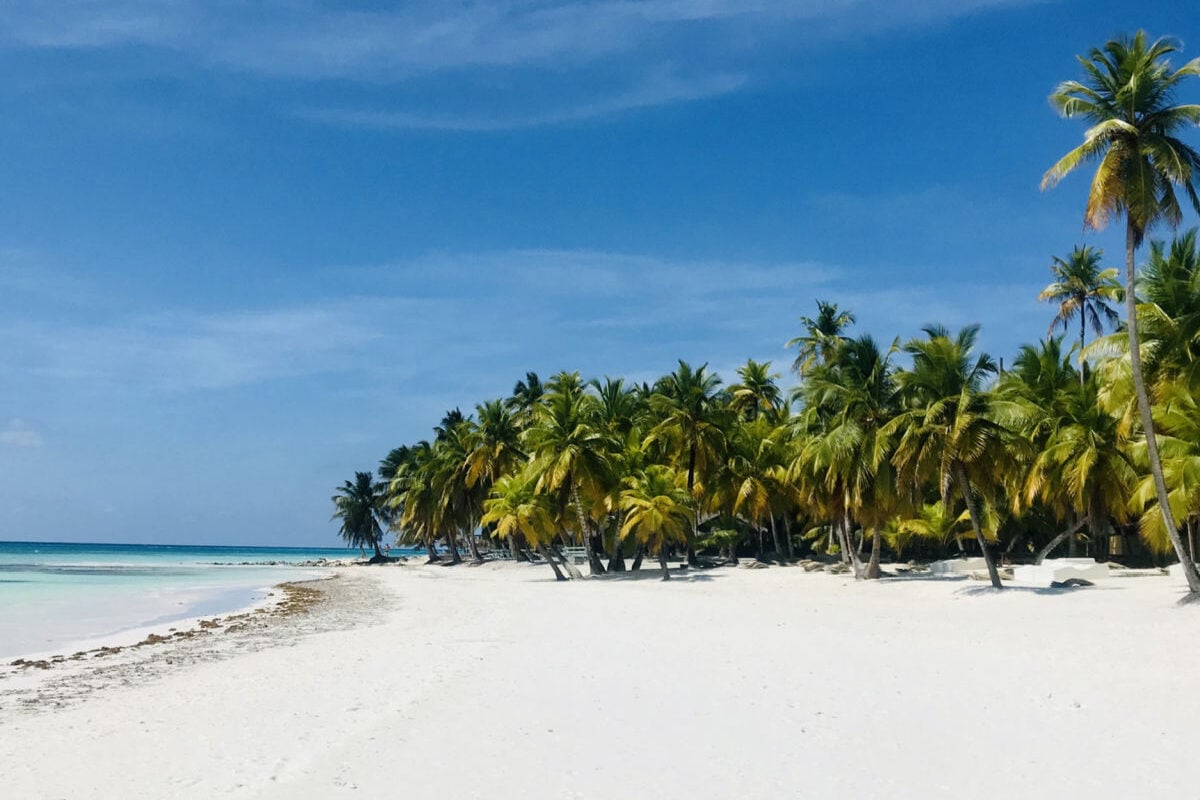
This one is slightly more complicated to plan as a solo traveler, though: it’s best booked as a package, or directly through your accommodation.
Typically, you’re picked up in Panama City around 5–6 am, then driven by 4×4 for roughly 3 hours to the Caribbean coast, or more specifically, the port of Cartí, then transferred by small boat to the island.
Sadly, there isn’t a straightforward public-bus-and-ferry system reaching San Blas, and regular rental cars aren’t permitted for the final road section.
The good news is packaged tours here cost on average $300–$450 for a 3-night stint, more than enough to disconnect, slow down, and get a taste of island life without breaking the bank.
Metropolitan Natural Park: The Best Pick If You’re On A Tight Layover
What if you’re only in Panama for a short layover and want to see more than just the business district of Panama City?
I’d consider booking a guided tour of the Metropolitan Natural Park, a tropical rainforest practically within the city limits.
It’s the easiest nature escape from the bustling city, and you don’t even actually need to leave the capital region to breathe in the fresh air and catch a hidden waterfall or two.
The UNESCO-listed Panama Viejo is yet another historic gem within easy reach of Panama City.
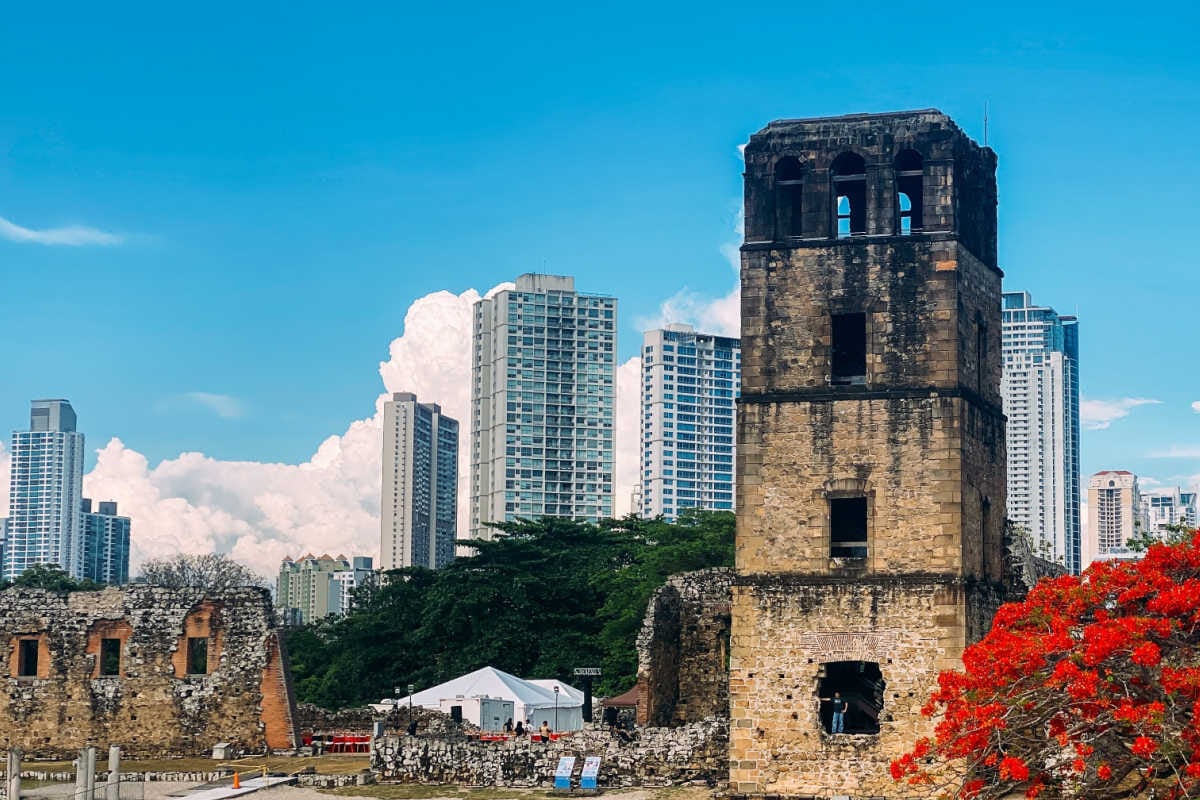
These are the ruins of a settlement built by the Spanish, before the capital was transferred to where it is today, and you can still walk around crumbling churches, convents, and ruins that have been effectively frozen like a snapshot in time.
El Valle de Antón is also very easy as a day trip.
A lush mountain valley known for its hot springs, waterfalls, and abundant wildlife, it’s a roughly 2-hour bus ride from Albrook Terminal, and a good choice if you want mountains, waterfalls, and cooler weather without the whole hassle of a Boquete overnight.
Enter your email address to subscribe to Travel Off Path’s latest travel news, straight to your inbox
