
If you think summer in Europe is done and dusted, think again.
Well, that may well be the case in more northerly destinations such as London, Paris, and Amsterdam, where temperatures are already starting to dip and rainy days are becoming more frequent, but this southern Mediterranean island doesn’t seem to have gotten the memo.
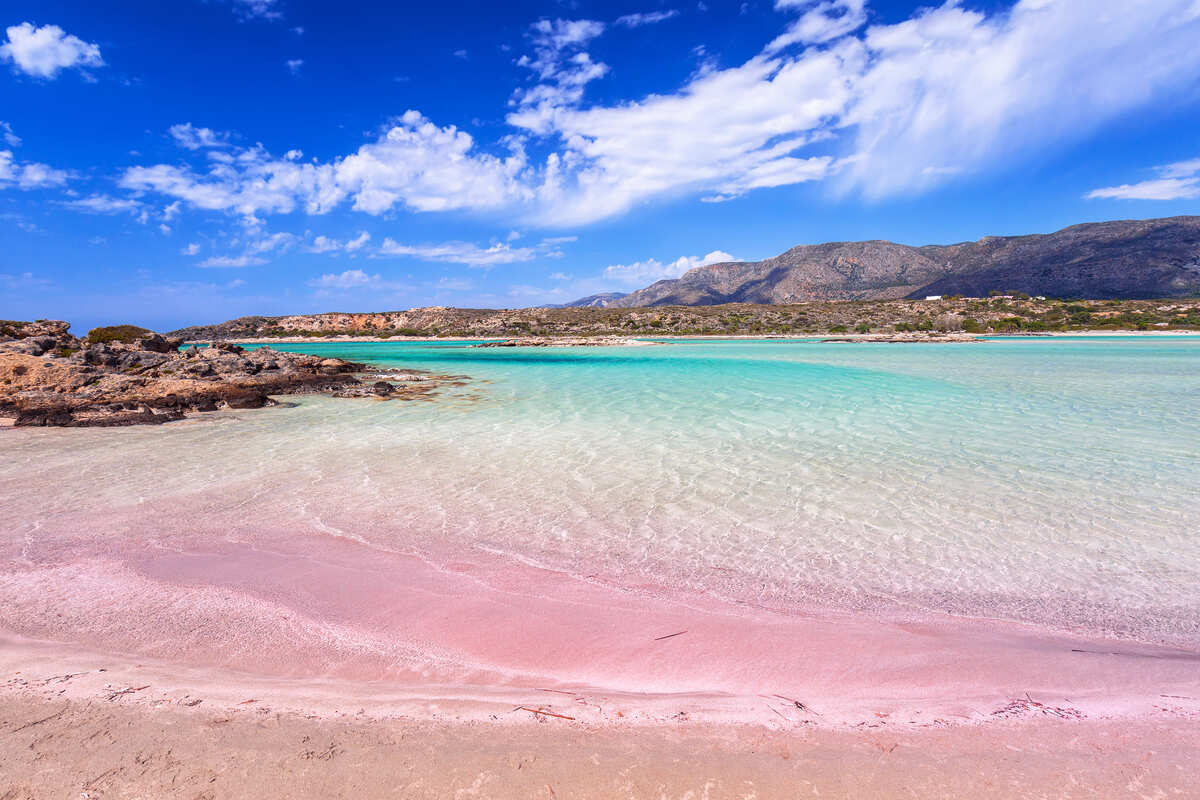
It has pink-sand beaches you’d swear were just another piece of AI slop cooked up for X, yet they’re real enough to sink your toes into, gorgeous ancient towns that could give anything in France or Italy a run for its money, and casual local meals that cost around $15 on average.
Most importantly?
It can still hit a balmy 80 degrees in October.
The Fastest-Rising Destination In Greece
Crete, the largest island in Greece and fifth-largest in the Mediterranean overall, is having quite the moment right now, and it’s not hard to see why.
According to the latest ELSTAT figures for the second quarter of 2026, some of its regional units—and yes, go on, get the Cretan joke out of your system—are growing at a much faster rate than Greece’s accommodation sector as a whole.
That’s the case with the Heraklion regional unit, home to the island’s capital and largest hub, which saw accommodation turnover rise by 12.2% year over year—exactly twice the national Greek average of 6.1%.
Heraklion: Crete’s Capital And Most Cosmopolitan Hub

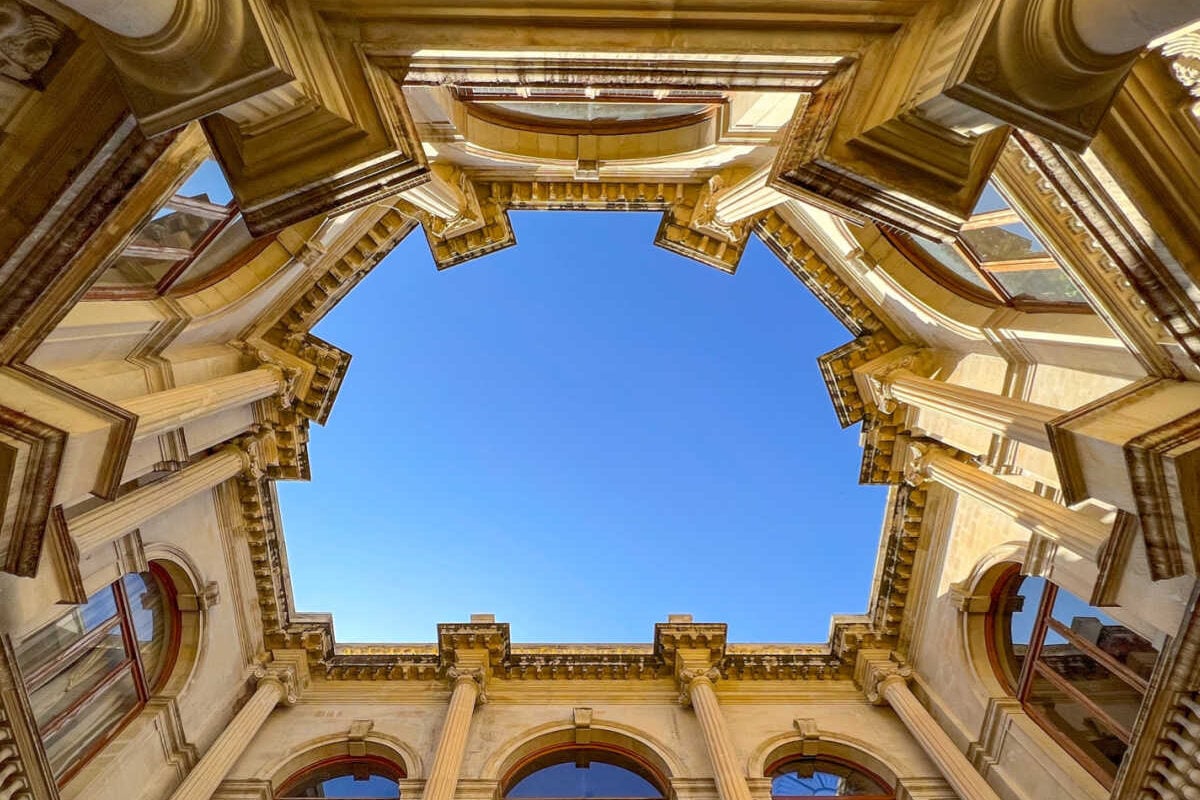
Most tourists go to Crete for the paradisaical beaches, but there’s no getting around Heraklion: the most populous city on any Greek island, with roughly 179,000 people living across the municipality, it’s a vibrant port combining modern urban buzz, ancient wonders, and Venetian-era grandeur.
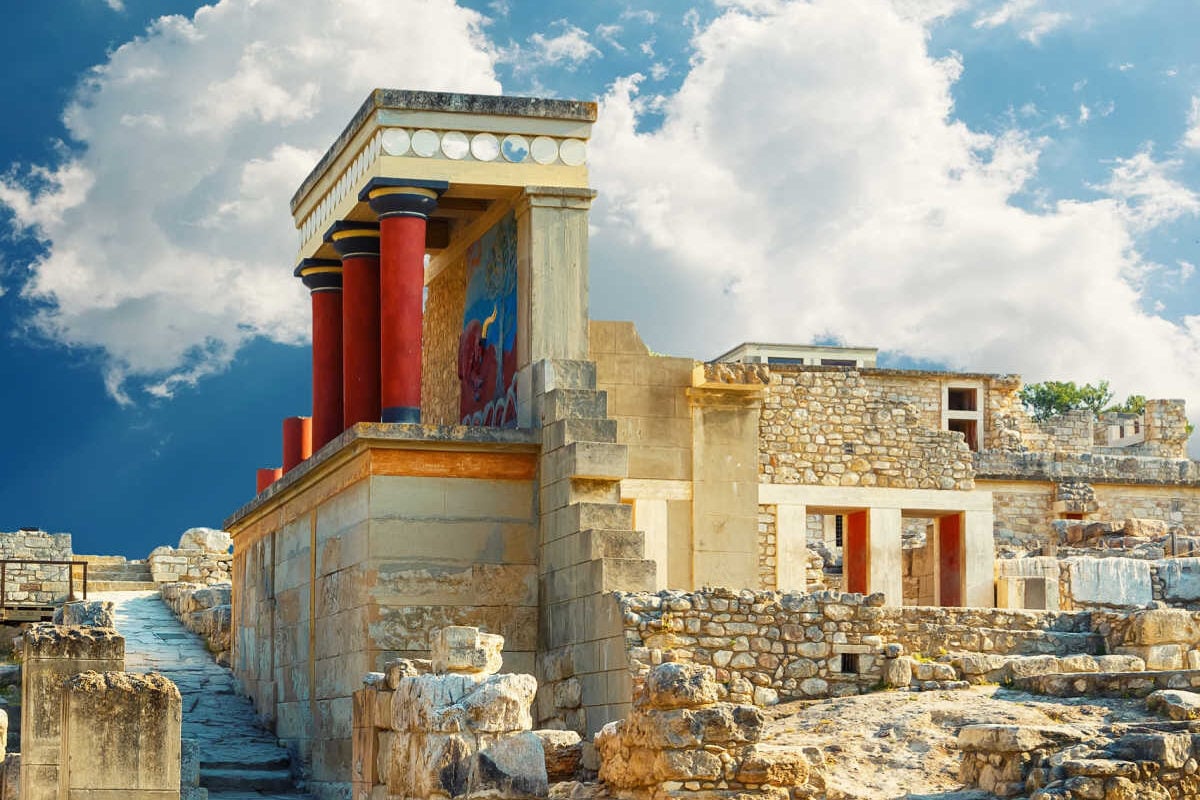
The Palace of Knossos, lying just outside the city, is a vast archaeological site dating back roughly 4,000 years and the largest and most famous palace complex left behind by the Minoans, a Bronze Age civilization that predates classical Greece by centuries.
Just bear in mind that parts of Knossos were heavily, and rather controversially, reconstructed during the early 20th century, so not every crimson column you see has been standing there since King Minos was knocking about.
You needn’t even venture far to get your fill of Heraklion’s historic wonders.
Guarding the harbor, there’s Koules, a monumental 16th-century Venetian fortress with massive stone ramparts, cannon chambers, and battlements overlooking the water.
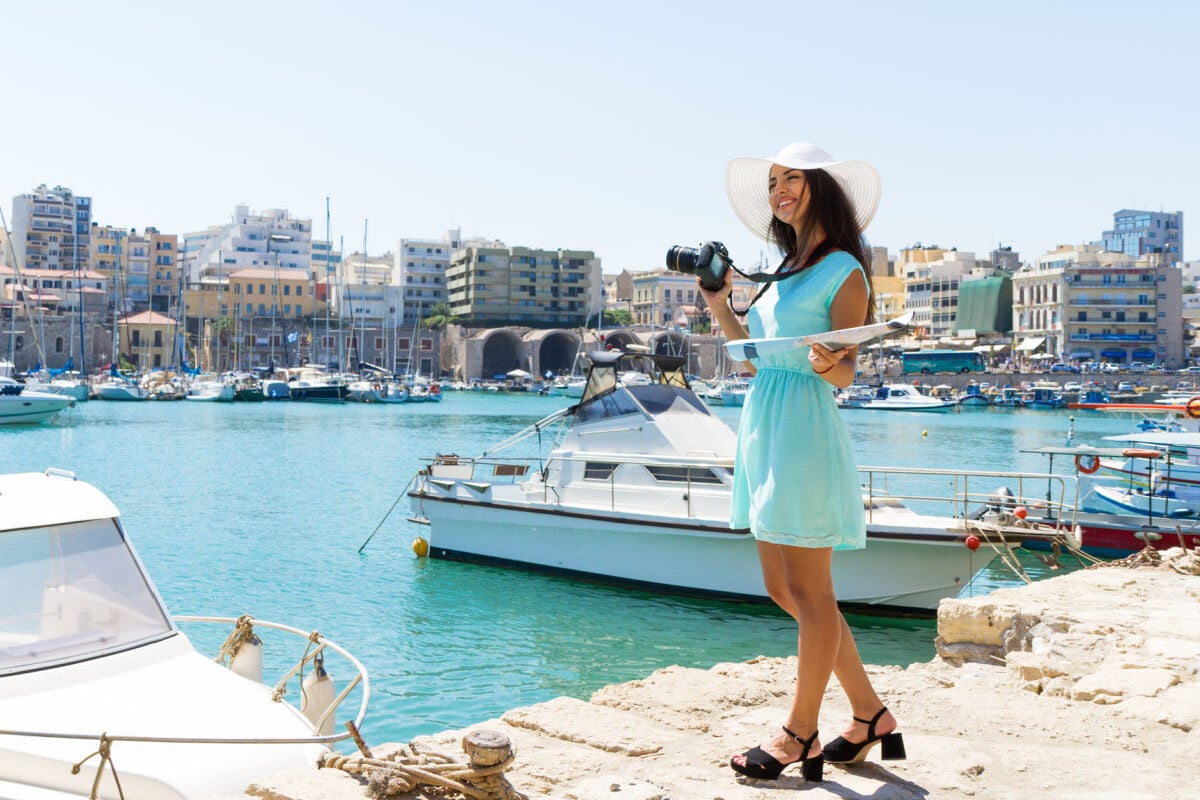
If you want to do as the Kastrinoi—the locals—do, grab a seat at one of the cafés beside the old harbor, order an espresso freddo, and watch fishing boats and ferries come and go.
Check Travel Rules Before Flying To Europe
Sounds cracking, alright, but before you start packing and jetting off to Europe, make sure all your documentation is in order, particularly if you’re a U.S. citizen and you haven’t made it across the pond in a hot minute.
To say the rules for traveling have changed drastically since 2020 would be an understatement.
From mandatory fingerprinting to a new travel permit expected to follow, there’s quite a bit you need to catch up on.
When in doubt, use the Entry Requirement Checker to stay in the loop.
Lasithi: Unspoiled Sands & Picturesque Chorio To The East Of The Capital
Lying directly east of Heraklion, Lasithi posted a 4.7% rise in accommodation turnover in the second quarter of 2026.
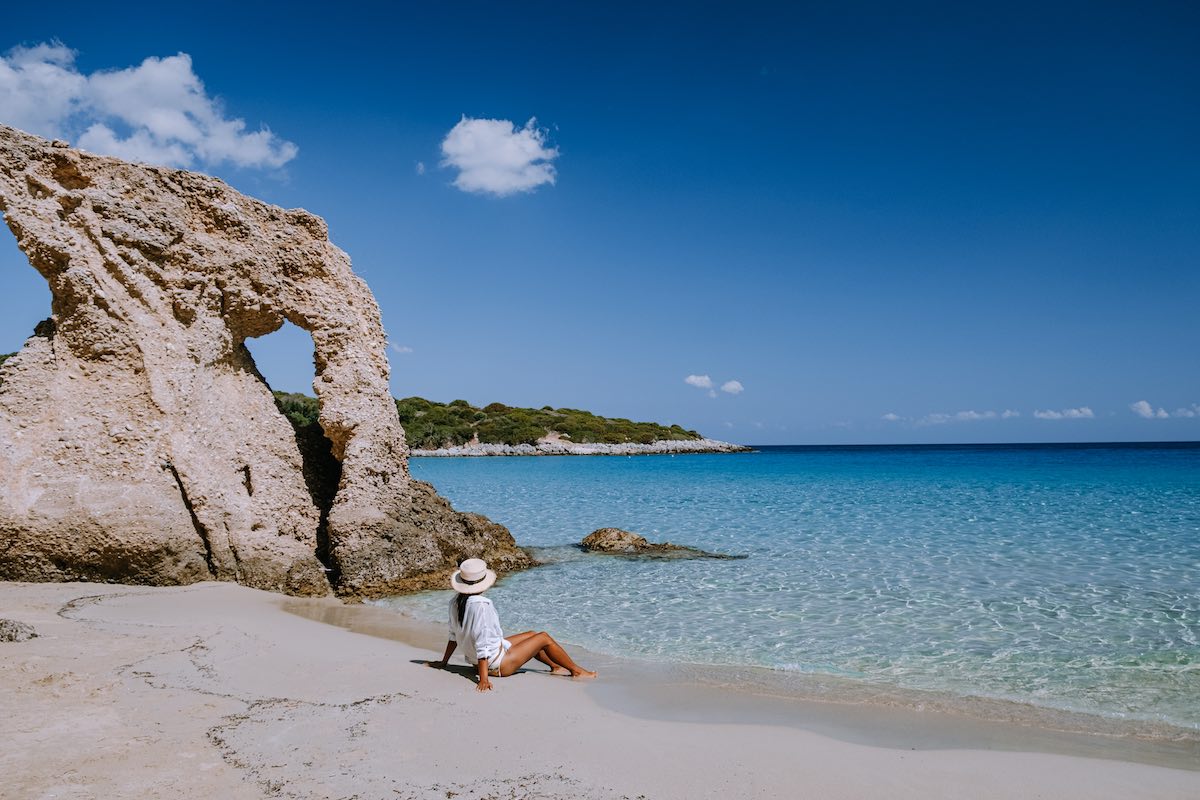
A rugged region blessed with golden-sand beaches, palm groves, and chorio-dotted mountains (that’s Greek for village), this is Crete at its most laid-back and unspoiled.
Koutsounari, or Megali Paralia, the Great Beach, stretches for roughly 4.3 miles along the Libyan Sea in one seemingly endless sweep of thick, dark-gold sand.
The capital of the Lasithi regional unit, Agios Nikolaos, is not to be overlooked, either:
This charming port town has the near-circular Lake Voulismeni, a yacht-filled waterfront, and a proper wealth of family-owned Greek tavernas dishing out local Cretan fare for what might feel like pocket change.
In Agios Nikolaos, the average tab for a three-course meal for two at a mid-range restaurant comes to around $58 before drinks, or roughly $29 per person.
My own personal go-to order would be dakos for starters, lamb with stamnagathi—slightly bitter Cretan wild greens—for the main, one of those syrup-soaked Greek orange cakes drizzled in Cretan thyme honey for dessert, and, of course, a few gulps of chilled Vidiano wine in between.
Prices do tend to swell in summer, but if you’re visiting this fall, the weather is still mild and warm, with October daytime highs averaging around 75–76°F and evenings dipping to a perfectly manageable 62–64°F.
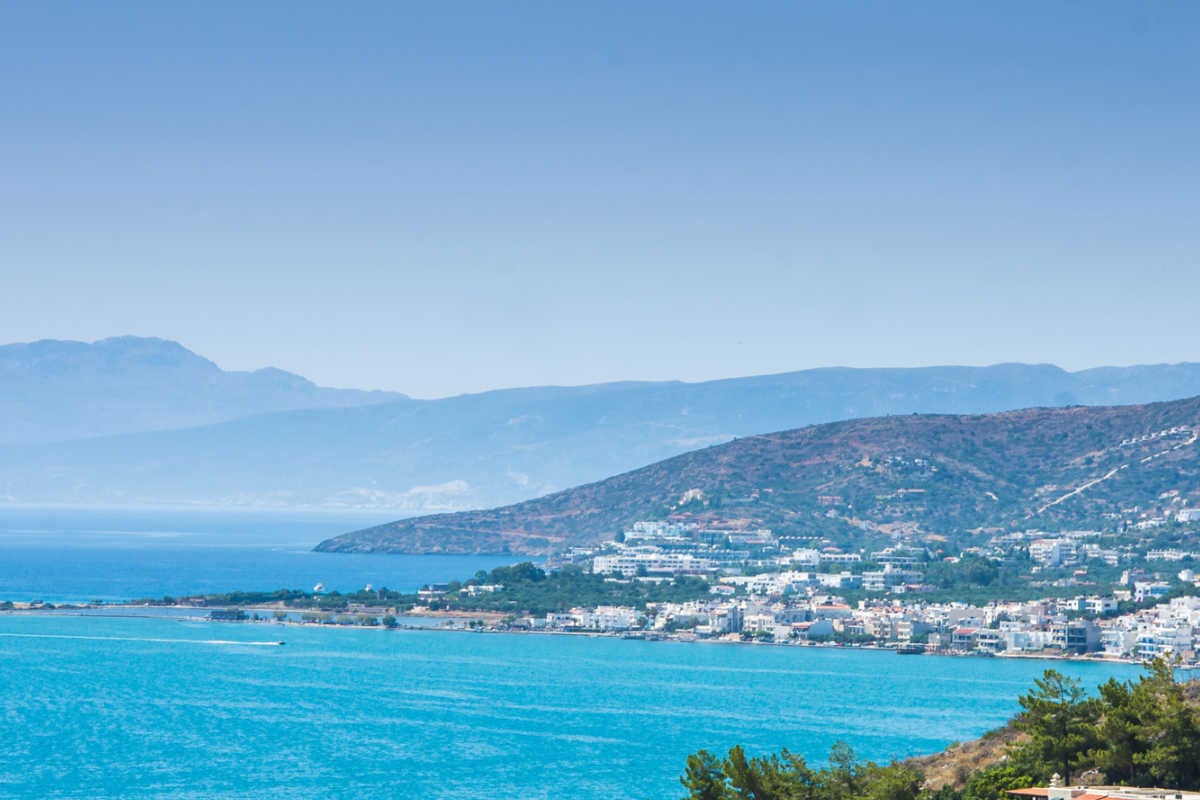
Early October can still brush 80°F, though conditions become a little cooler and rainier as the month rolls on.
In return, you get cheaper stays, smaller crowds, and a far better chance of having those picture-perfect towns almost entirely to yourself.
Note From The Editor
Just one sec! If you enjoy reading great human-written articles, the best way to see a few more is to follow us on Google so we become one of your preferred websites. Thank you so much for reading. Now back to the story!
Average Fall Prices In Crete, Greece, In 2026
Converted into USD at late-August 2026 exchange rates and rounded. Hotel prices vary considerably by location, date, and how far ahead you book.
- 3-star hotel: $75–120 per night
- 5-star resort: $190–320 per night
- Traditional guesthouse: $60–100 per night
- Three-course dinner: around $29 per person, before drinks
- Casual taverna meal: $15–23 per person
- Gyros or souvlaki plate: $12–17
- Local beer: $5–7
- Glass of wine: $4–6
- Coffee or frappé: $3.50–5
- Cocktail: $9–14
- Small rental car: around $52 daily in September, $38 in October, and $33 in November
- Petrol: around $9 per U.S. gallon
- Heraklion urban-bus ticket: $1.50–2.10 when purchased before boarding
- Major archaeological attraction: around $23—Knossos currently costs €20 at the official gate
- Two sunbeds and an umbrella: around $12–23 on ordinary organized beaches, rising to roughly $23–41 at famous spots such as Elafonissi and Falassarna
Bear in mind that many beach facilities wind down or close altogether later in the fall.
By the way, if you’re wondering how safe Crete is to visit this fall, here’s the honest picture:
Crime Rate In Heraklion, Crete, According To Numbeo
- Crime Index: 27.01, considered low
- Safety Index: 72.99, considered high
- Safety walking alone during the day: 89.70, considered very high
- Safety walking alone at night: 70.43, considered high
Numbeo respondents do perceive crime as having increased over the past three years, with that particular score sitting at 64.48.
So, is crime actually up or down across Crete overall?
What we can say is that overall crime remains low by European standards, particularly crimes affecting tourists.
The U.S. Department of State currently lists Greece at Level 1, advising Americans to exercise normal precautions. Petty theft can occur in popular tourist areas, and demonstrations occasionally disrupt transportation, but those are hardly reasons to write off Crete.
Travelers appear to agree: Greece scores 91 out of 100 on Travel Off Path’s Traveler Safety Index, indicating a very high sense of personal safety among recent visitors.
Pink Sands & Pastel-Hue Harbors
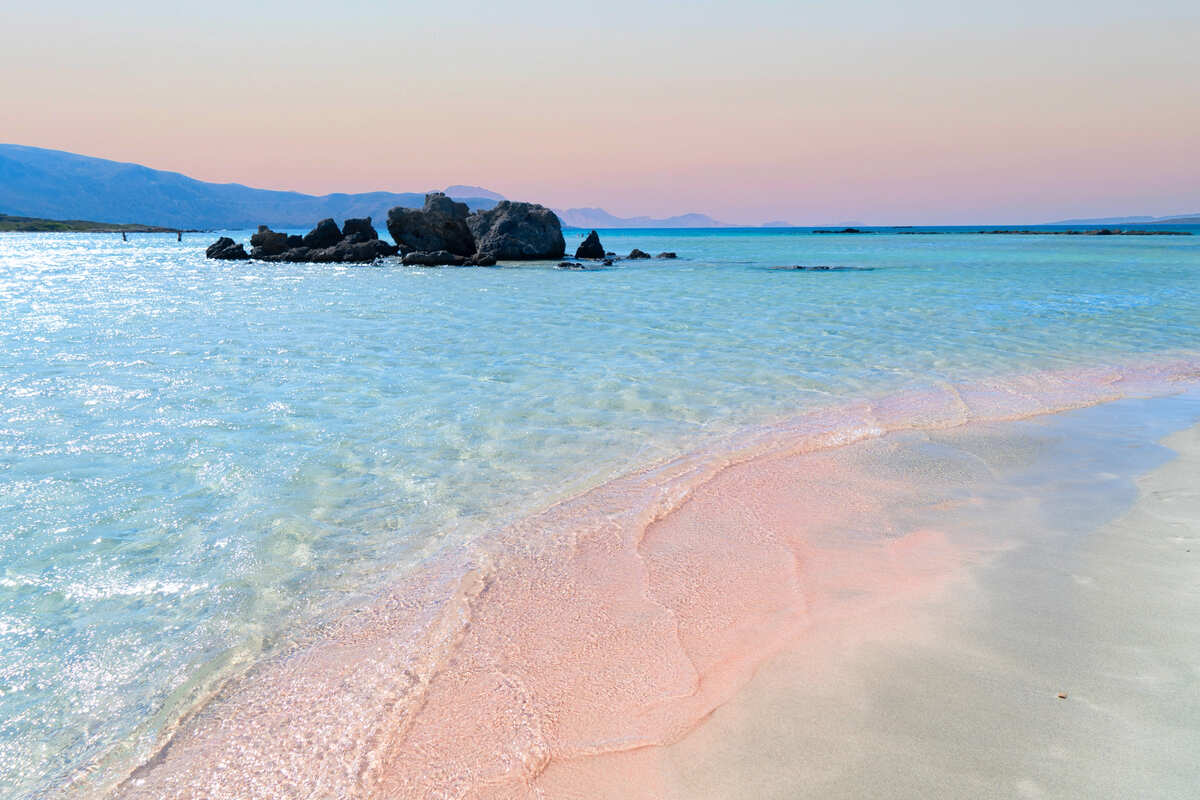
Now, where’s that pink-sand beach we’ve been teasing?
Elafonissi, Crete’s world-famous pink-sand beach, is a low-lying strip of rosy-white sand separating a shallow lagoon from some of the most impossibly turquoise water you’ll ever lay eyes on.
The pink hue is absolutely real, though it normally appears in streaks and patches along the shoreline rather than coating the entire beach in one great bubblegum-colored blanket.
It lies around 47 miles southwest of Chania, the second-best-performing Cretan regional unit in ELSTAT’s latest breakdown, having recorded 6.8% accommodation-turnover growth.
Maybe we’re biased, but we’ll go out on a limb and say one reason Chania remains so popular is that Elafonissi is within roughly a 1-hour-and-45-minute to 2-hour drive.
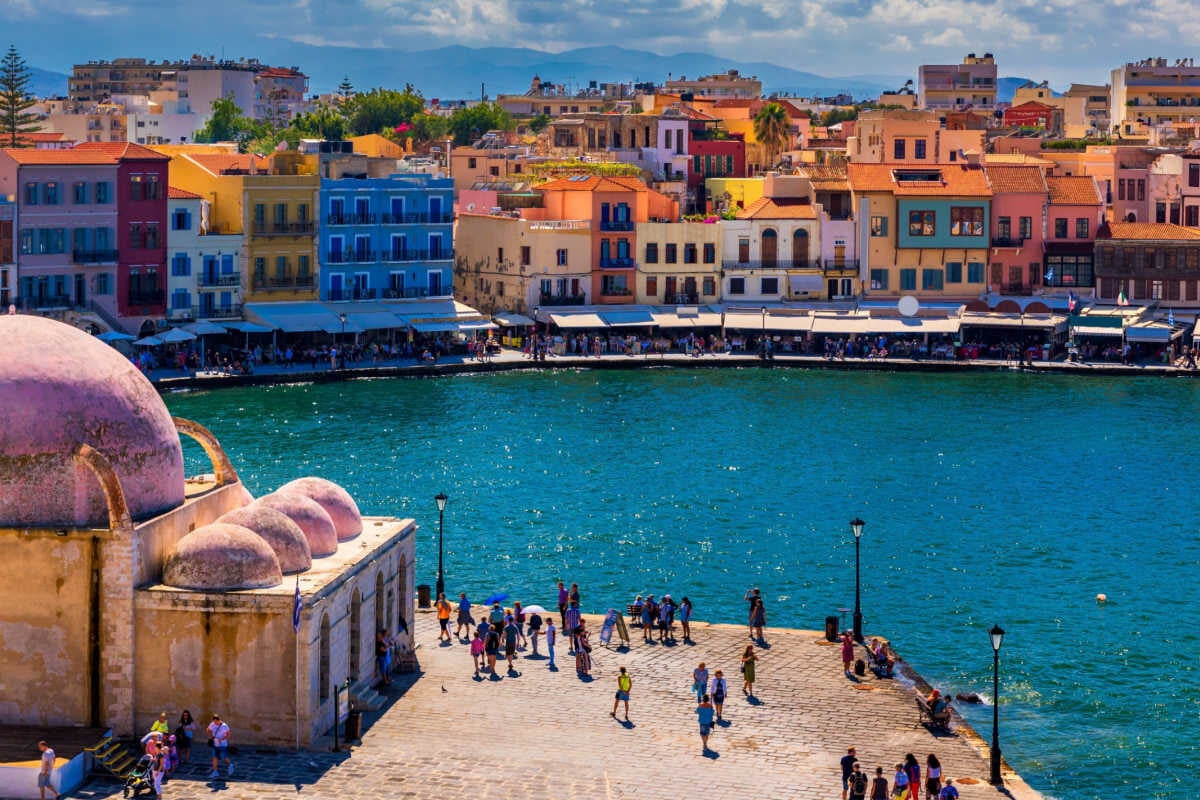
Still, let’s not sell this gorgeous, history-packed town short just yet.
One of the oldest settlements on Crete, and arguably its prettiest port town, Chania is a cluster of weathered pastel houses arranged in a loose horseshoe around a sheltered Venetian harbor.
The waterfront is marked by the squat, 17th-century Küçük Hasan Mosque, capped by its distinctive pale, rose-colored dome, while an Egyptian-restored lighthouse stands guard across the water.
Together, they make up the ultimate Cretan postcard by a country mile.
Just Like Chania, But Even More Quaint
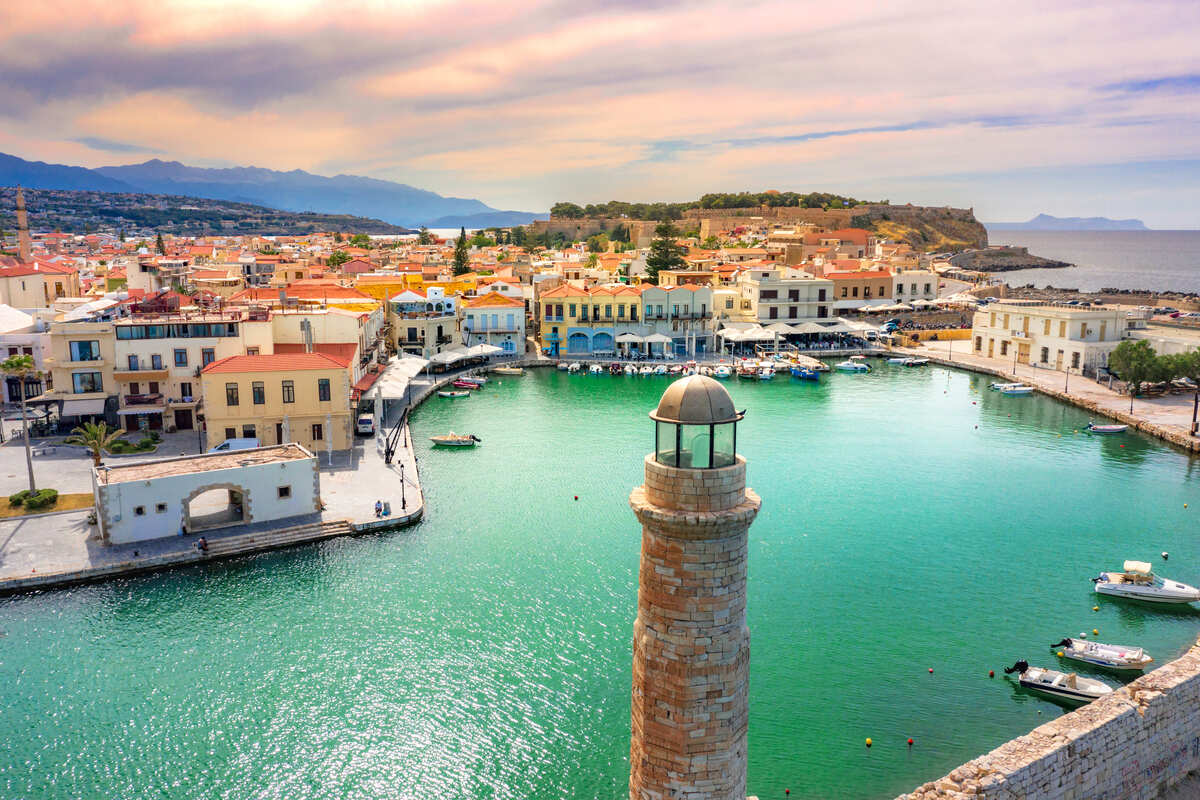
Rethymno, meanwhile, posted 5.6% accommodation-turnover growth, placing it third among Crete’s four regional units.
It’s a true under-the-radar gem and Chania’s closest rival for the crown of prettiest town in Crete.
Think winding alleys packed with bougainvillea and Venetian stonework, cozy little squares flanked by Ottoman-era minarets and family-run tavernas, and a tiny Venetian harbor watched over by a 19th-century Egyptian lighthouse.
The whole scene borders on sun-drenched perfection, and it’s the stuff Mediterranean daydreams are made of.
Enter your email address to subscribe to Travel Off Path’s latest travel news, straight to your inbox
