
If you are currently dreaming of turquoise water and sun-drenched sand in Los Cabos, you are in for a truly spectacular trip.
The skies are blue, the drinks are cold, and the desert landscape is as stunning as ever. However, if your itinerary includes a lot of swimming in the open ocean, you might want to adjust those plans just a little bit.
A powerful new swell is currently rolling into the coast, and local authorities are urging all tourists to exercise extreme caution on the beaches of Los Cabos.
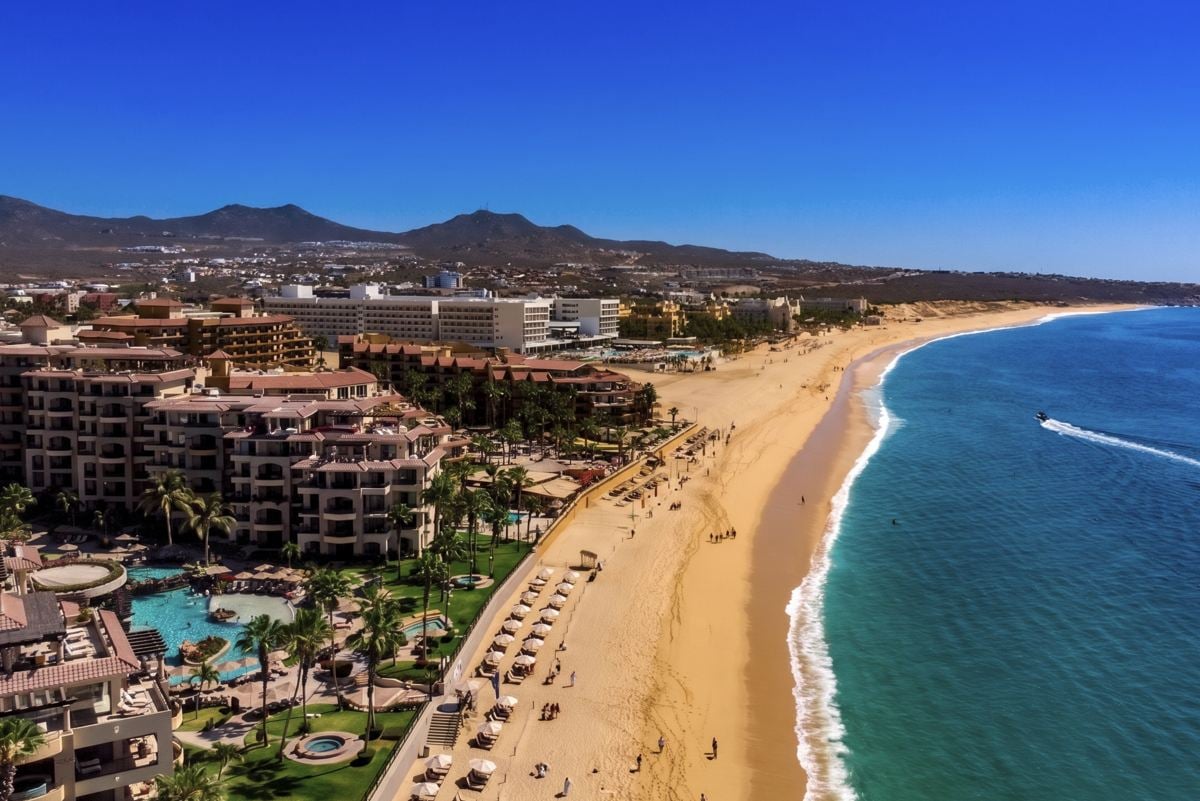
This is not a reason to panic or cancel any part of your vacation.
In fact, watching the ocean flex its muscles from a safe distance is one of the most mesmerizing things you can do.
It just means you need to pack a healthy dose of respect for the water, pay close attention to local warnings, and maybe swap out your ocean dip for an afternoon lounging by the resort pool.
What Is Happening In The Water Right Now
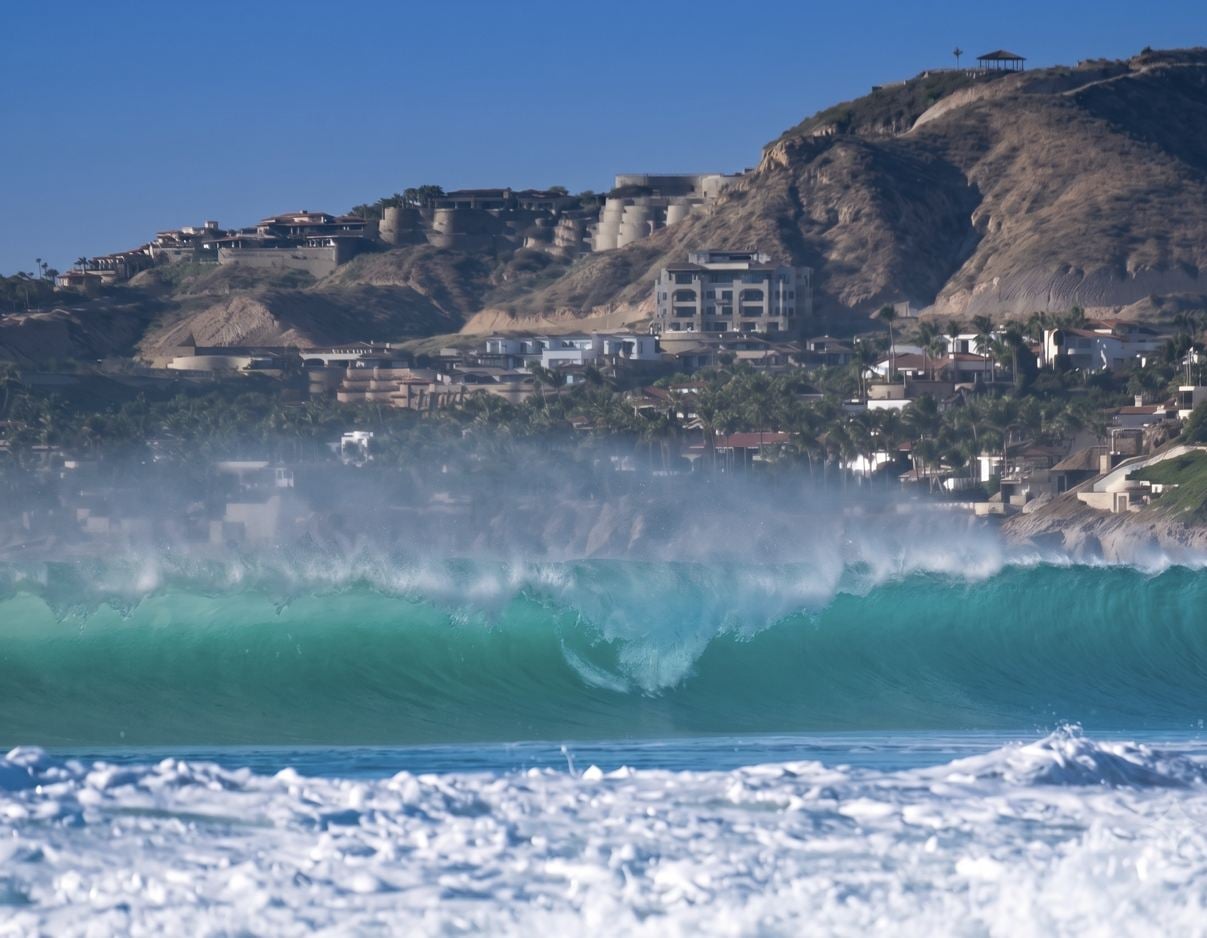
Starting on Monday, July 6, a significant maritime swell event is making its way to the shores of Los Cabos.
This is a completely natural weather phenomenon, but it is bringing some serious energy to the coastline.
According to the local Civil Protection and Risk Management teams, this incoming swell is expected to kick up waves ranging from six to eight feet high, peaking on Tuesday, July 7th.
But here is the reality of visiting this region during the summer months: this is not an isolated event, and it is certainly not the end of the story. Throughout the summer season, the Pacific coast of Baja California Sur frequently experiences these mar de fondo events.
They are part of the natural rhythm of the ocean in this part of the world. Even after this specific swell settles down, you should be prepared for the ocean to remain active and unpredictable throughout the rest of the summer.
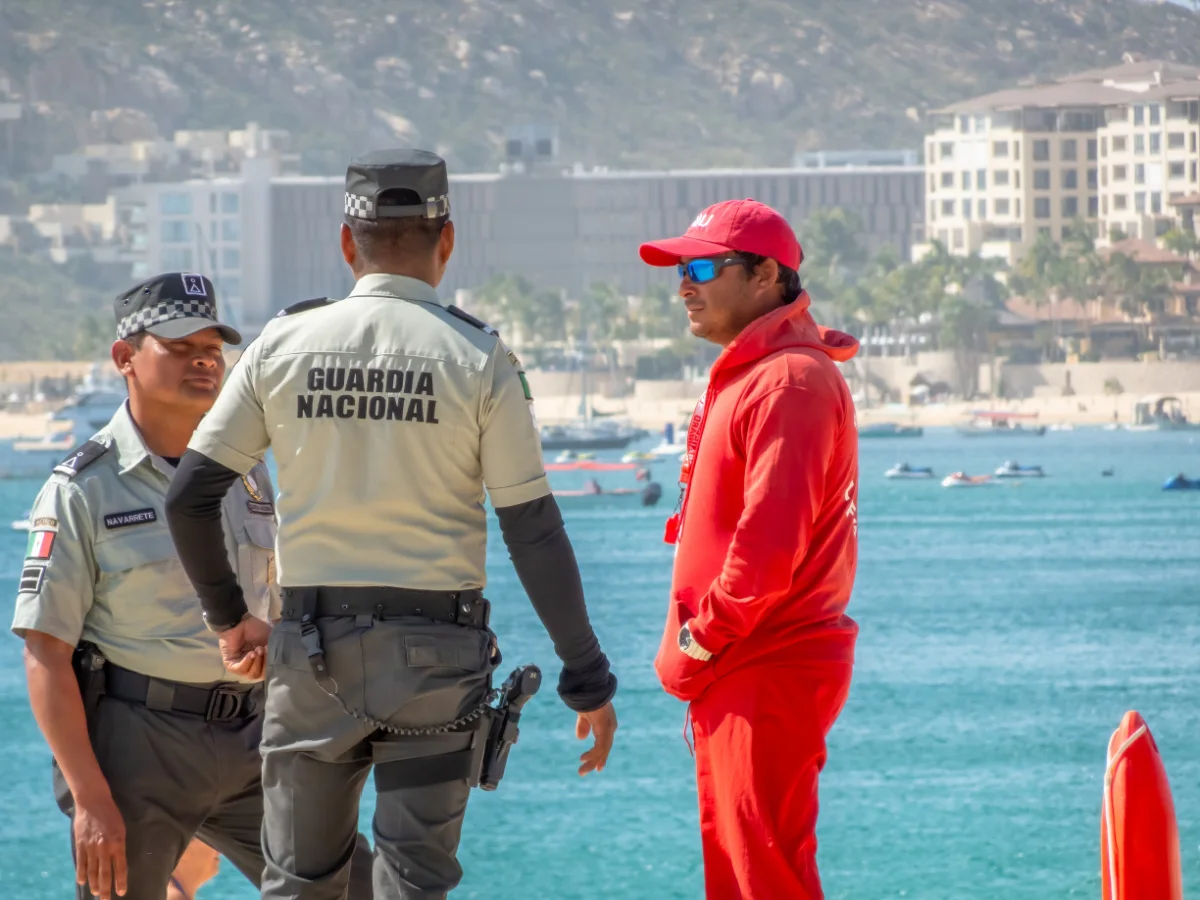
Understanding that these swells are a recurring theme helps you plan better and stress less.
When you view these alerts as a normal part of the seasonal cycle rather than a “surprise” disruption, it becomes much easier to pivot and keep the vacation vibe high.
Why Cabo Beaches Require Extra Respect
If you have visited this incredible destination before, you likely already know that Los Cabos has a reputation for having some incredibly beautiful, yet famously unswimmable beaches.
Unlike the gentle, bathtub-like waters you might find in other tropical destinations like the Caribbean, the deep Pacific Ocean here is known for its raw, untamed power.
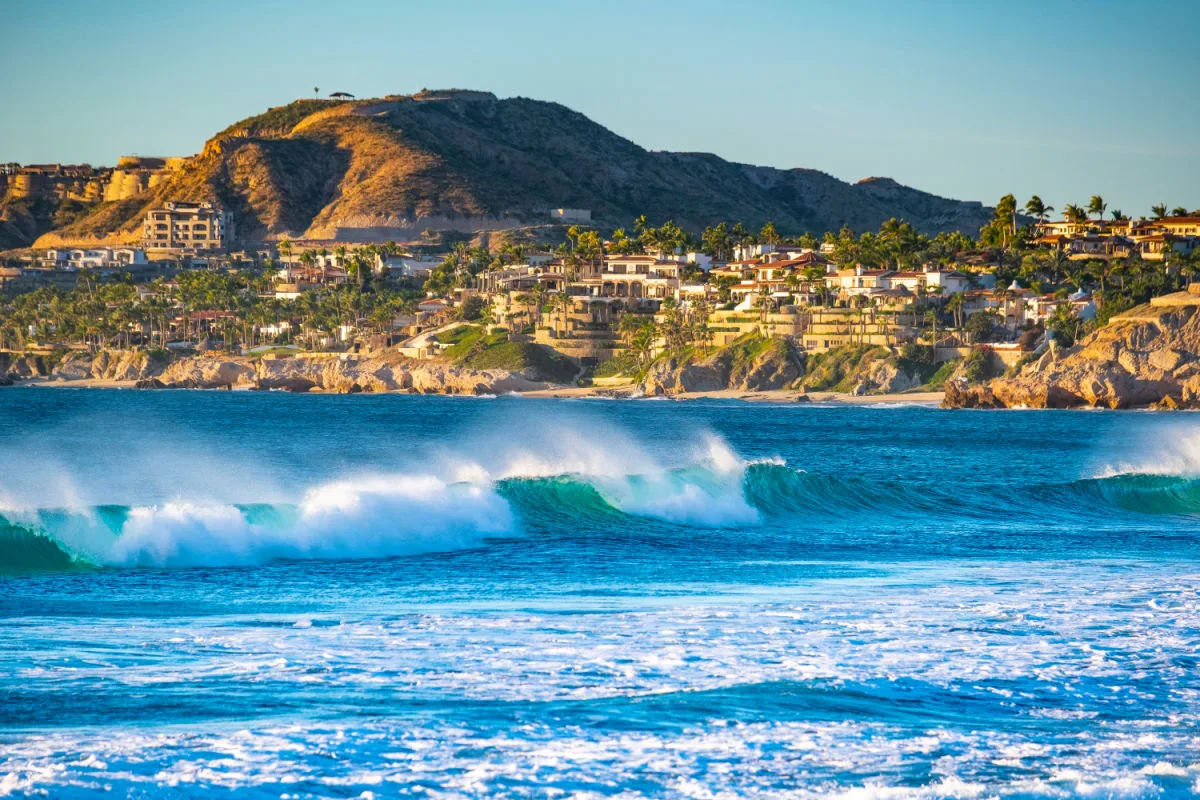
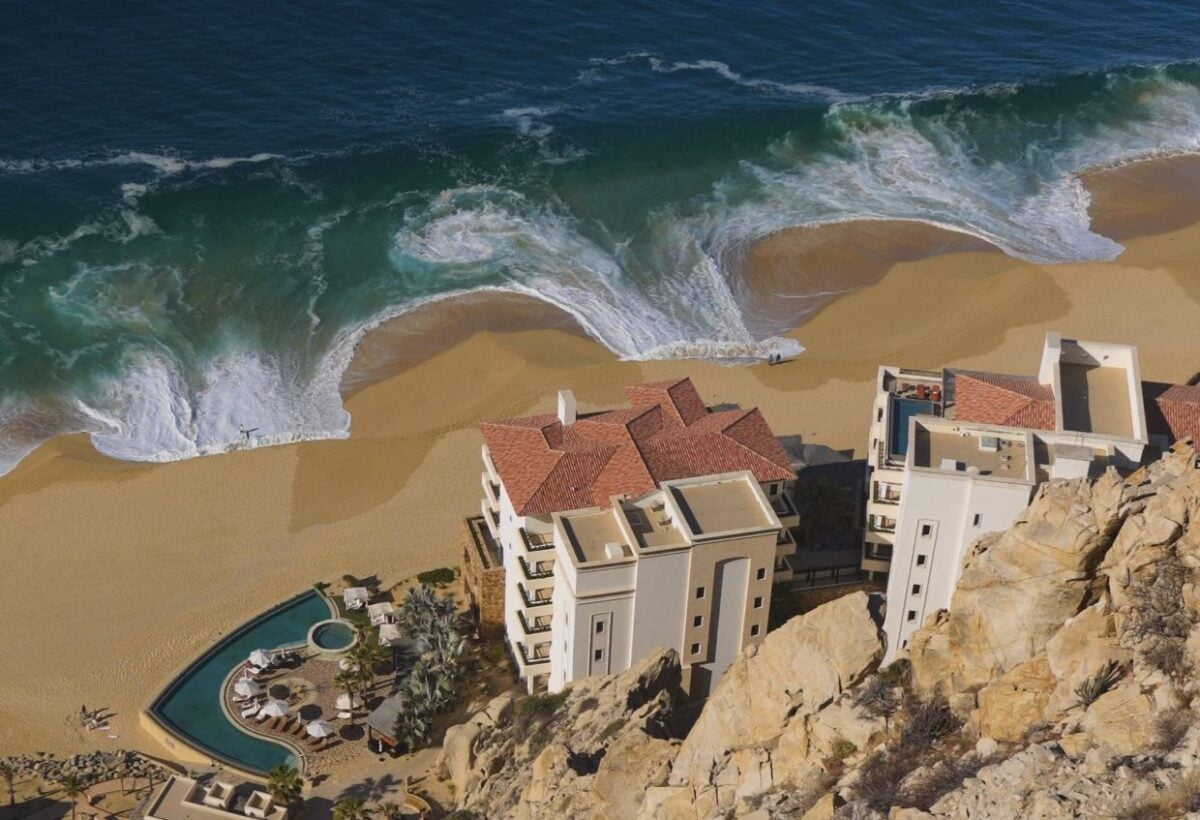
Even on a beautiful, windless day, beaches along the Pacific corridor feature steep drop-offs, bone-rattling shore breaks, and hidden undertows that can easily pull the strongest swimmer out to sea. When a major swell like this rolls into town, it takes all of those everyday dangers and amplifies them significantly.
Suddenly, an innocent walk on the wet sand can turn dangerous if an unexpected sneaker wave rushes up the shore 🌊.
This is exactly why you have to keep your guard up all summer long, not just during this specific week.
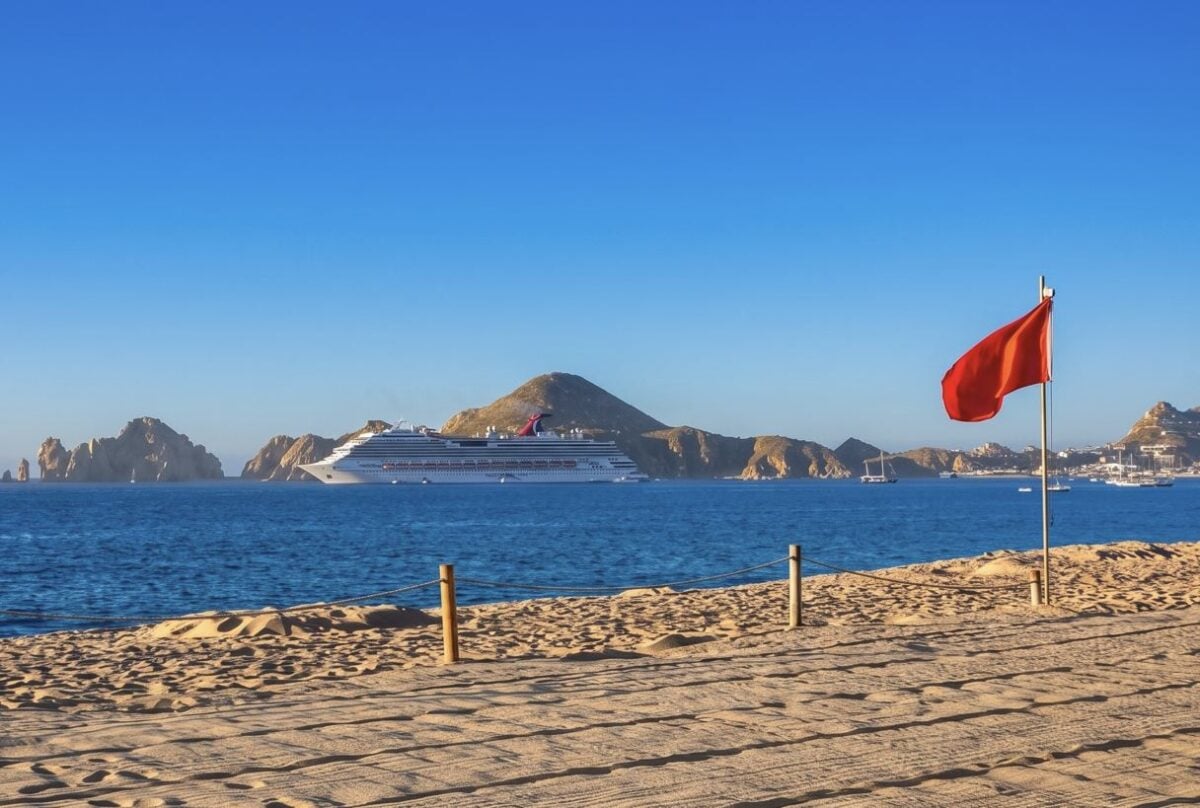
The Famous Flag System You Need To Follow
When you head down to the sand this week or anytime during your summer trip, your first priority should be to look for the colored flags posted by the lifeguards.
This flag system is incredibly simple, entirely universal, and literally designed to save your life. You should never rely on your own judgment over the color of the flag flying on the beach.
A green flag means the water is safe for swimming, though you should always remain aware of your surroundings. A yellow flag means proceed with caution, and given that these swells happen throughout the summer, you should treat any yellow flag with serious respect.
A red flag is a strict warning that conditions are dangerous and you should stay out of the water. Finally, a black flag means the beach is entirely closed to all swimming activities. If you see a black or red flag, do not even walk close to the water’s edge. It is not a suggestion; it is a vital safety boundary 🚩.
Safe Ways To Enjoy Your Vacation This Week
The best way to handle this weather event and any future ones during your stay is to simply pivot your plans.
You are still in one of the most beautiful places on earth, and there is no shortage of amazing things to do that do not involve battling an eight-foot wave.
First, keep a very close eye on children and older travelers if you are spending time on the sand. The ocean can move fast, and it is always better to keep a safe distance from the shoreline. Instead of swimming, use this as an excuse to find a fantastic beachfront restaurant, order some fresh guacamole, and enjoy the dramatic show the ocean is putting on from the safety of your table.
Watching the Pacific surf crash against the rocks while you sip a margarita is a quintessential Cabo experience 🍹.
This is also the perfect time to fully embrace your resort’s pool. Swim-up bars, plush cabanas, and crystal-clear, wave-free water offer a guaranteed safe and relaxing swimming experience.
You paid for those luxury amenities, so this is the week to get the most out of them. It is the ultimate summer hack for Cabo travel—when the beach is wild, the resort pool is your sanctuary.
Important Los Cabos Visitor Tip: Don’t forget the mandatory tourist tax that must be paid separately and is not included in your flight ticket.
What About The “Swimmable” Beaches?
If you did your research before booking your trip, you probably know that Los Cabos has a few famously safe, swimmable beaches like Medano Beach, Chileno Bay, and Santa Maria Beach. Because these specific bays are tucked into the Sea of Cortez or protected by natural rock formations, they usually offer calm, highly predictable conditions.
However, when a massive maritime swell rolls in, even these protected coves are not immune to the ocean’s raw power.
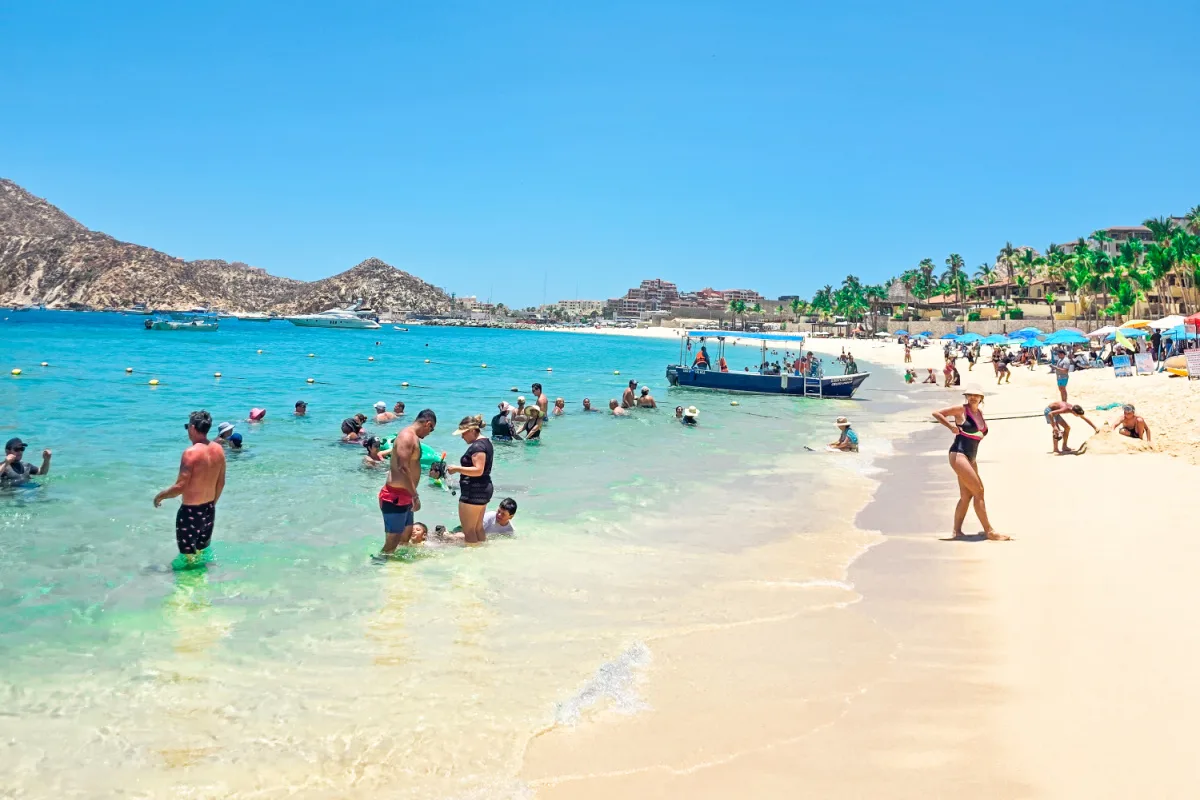
The natural rocky breakwaters will definitely soften the blow, but you can still expect significantly stronger currents, much higher surf than usual, and sudden drop-offs where the underwater sand has shifted.
A beach that was perfectly calm for wading on Sunday might have a powerful, hidden undertow by Tuesday. Do not let the reputation of a “swimmable” beach lower your guard—during a major swell event, you still need to exercise extreme caution even in the historically safe zones.
Where to place it: Drop this section right after “Why Cabo Beaches Require Extra Respect” and right before “The Famous Flag System You Need To Follow.” It perfectly bridges the gap between the dangerous Pacific side and the protected bays, leading directly into why checking the daily flags is non-negotiable.
Shifting Gears To Land Adventures
If you are feeling adventurous but the ocean is off-limits, Los Cabos has an incredible array of land-based activities. The rugged desert landscape is practically begging to be explored. You can book an ATV tour through the dunes, take a camel ride along the arid trails, or head into town to explore the vibrant art district in San Jose del Cabo.
Swell Advisory
The shopping, the culinary scene, and the world-class golf courses remain completely unaffected by the rough seas. Your trip is still going to be incredible.
By staying informed, respecting the power of the Pacific Ocean, and making smart choices about where you swim, you will ensure your vacation remains safe, fun, and highly memorable, no matter what the ocean does ✨.