
Not Paris and its hordes of Eiffel Tower scammers. Not Rome with the jam-packed Historic Center and ornate fountains behind paywalls. Definitely not Barcelona. If their menacing graffiti is anything to go by, Catalans don’t even want you in their city, to begin with.
Europe’s fastest-growing destination right now is a picture-perfect capital that never truly got the memo we’ve already made it to the 21st century.
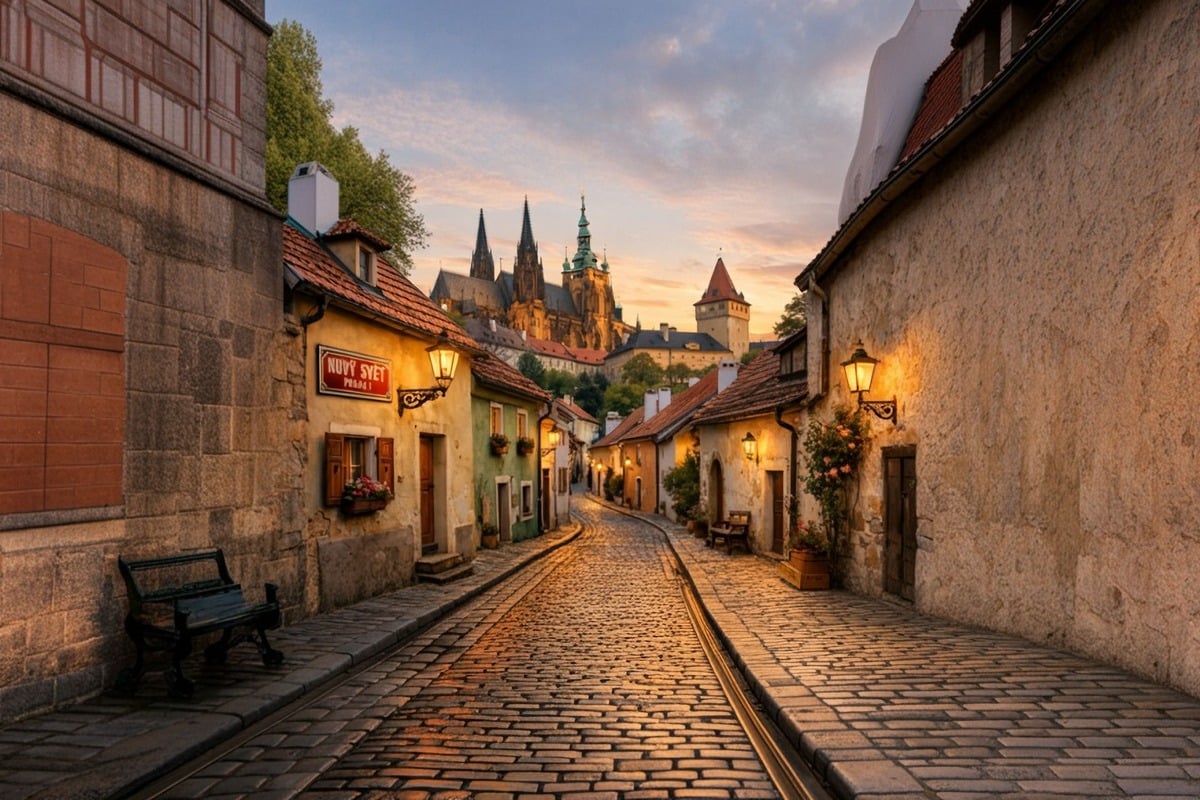
It’s all about cobbled streets, stone bridges arching over fast-flowing rivers steeped in history, and… wait for it… the largest castle complex in the world, verified by the Guinness World Records.
Even better: this European gem has all of this, plus it’s safer than virtually every European hub you can possibly think of.
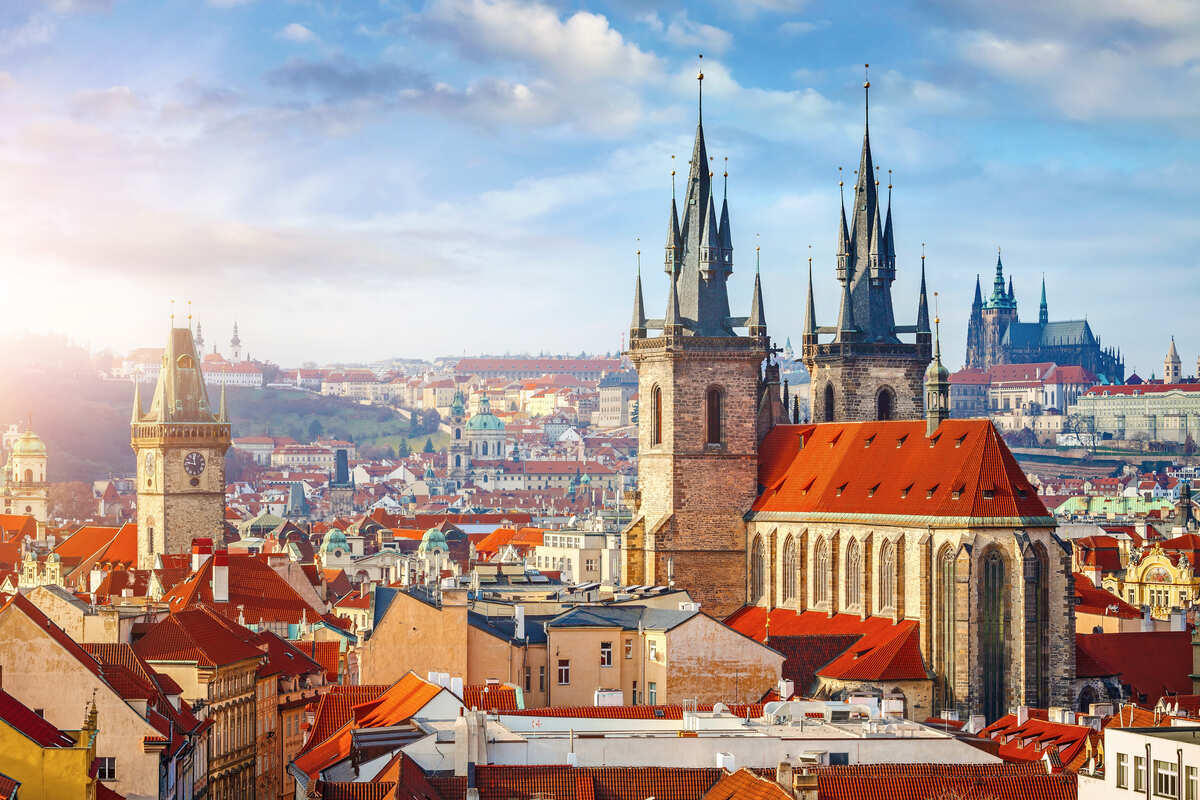
Prague Is Europe’s New Rising Star
According to travel data analysts Amadeus, in collaboration with UN Tourism, Czechia (you might also know it as the Czech Republic) is officially the fastest-growing destination across the pond in terms of travel bookings.
The main culprit? Well, of course it has to be Prague, the fairytale capital we’d argue is Europe’s prettiest, and the main reason why 24 million international visitors land in Czechia every year.
Some travel publications insist on calling it a ‘hidden gem’ or an ‘underrated city break’. This may have been the case in the early 2000s, but in 2026, Prague is probably just as popular, and as sought-after as your average Western European hub.
In terms of affordability, the gap is also growing increasingly narrower between the Czech capital and its EU counterparts.
Don’t come here expecting quiet, crowd-free streets, nor the answer to your budget-savvy traveler prayers.
Don’t get us wrong, it can still be somewhat peaceful and great value, and we’ll get to that, but the most shocking part is how safe Prague has remained despite being one of Europe’s major tourism magnets.
How Is Prague So Safe In 2026?
Czechia has one of the EU’s lowest homicide and violent crime rates, and Prague reflects that. Random assaults, robberies, and muggings are all relatively rare compared to countries like France or Spain.
The reason for that? Though it is a fairly sizable metropolis with over 1.4 million residents, Prague benefits from high social cohesion and a visible police presence in tourist areas.
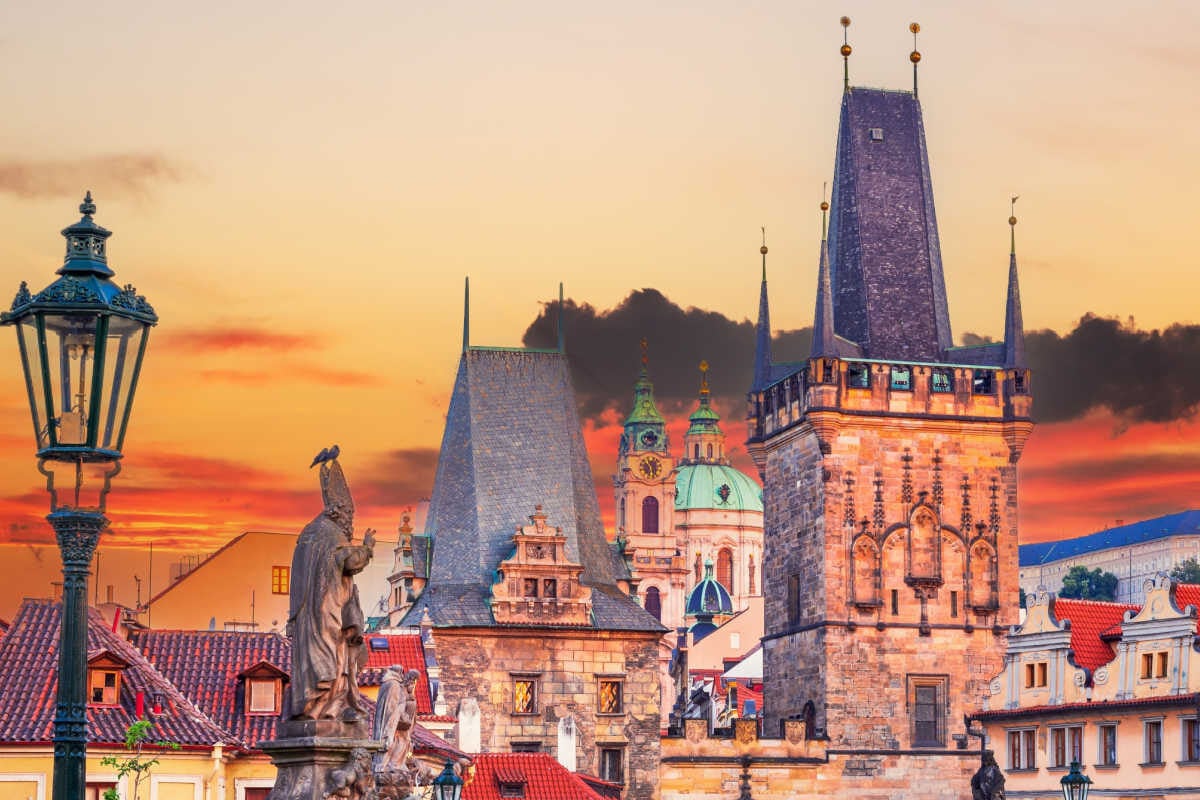
The busiest districts, such as Staré Město (Old Town) and Malá Strana (Lesser Town), are heavily populated throughout the day and evening, meaning there are usually plenty of people around, extensive CCTV coverage, and businesses open, and even if you stray a little too far off the well-marked tourist trail, your risk of becoming a crime statistic is fairly low.
The main issue here is professional pickpockets, who often arrive from neighboring countries farther east to target visitors in the city center, but unlike Paris or Barcelona, there’s no widespread organized street theft scene, or groups of scooter-riding thieves wreaking havoc around town.
According to Numbeo, the safety index in Prague stands at 75.32.
That’s significantly higher than Rome, at 53.31, and Paris, at a much lower 42.04.
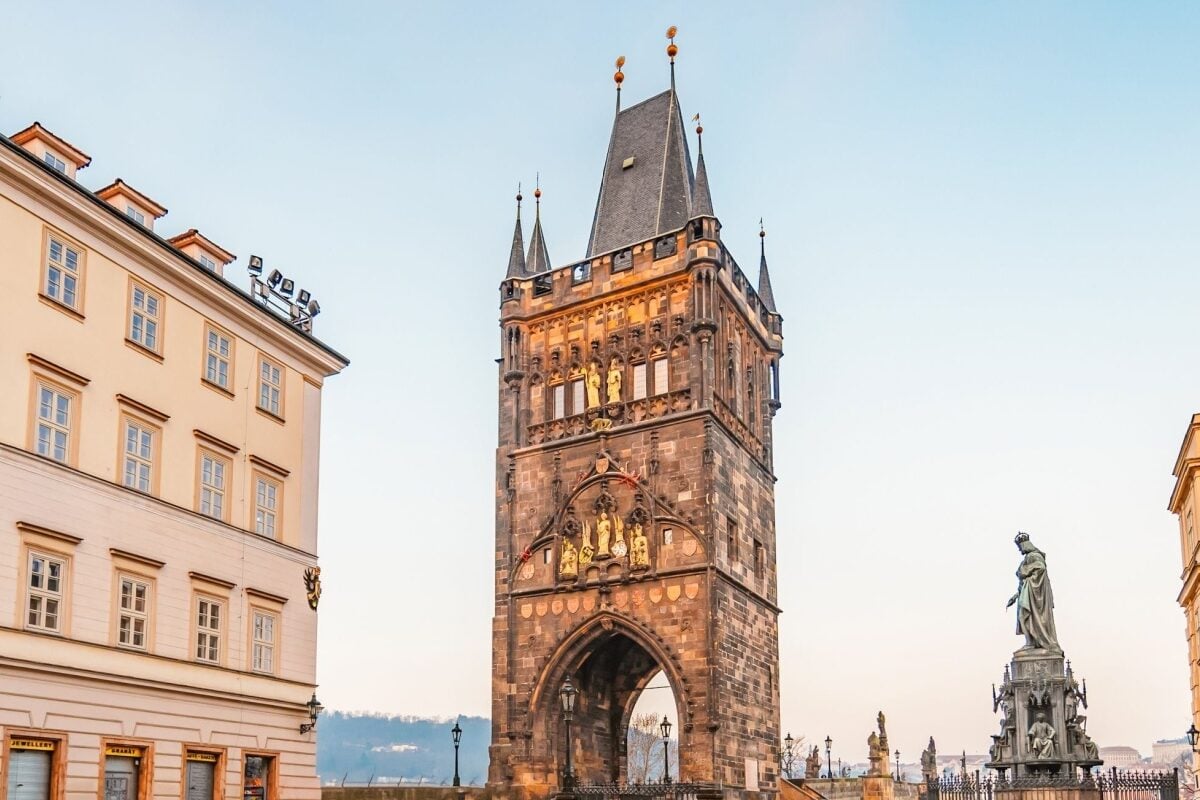
Prague is also listed by the U.S. Department of State as a Level 1 destination, meaning Americans may exercise ‘normal precautions‘ when visiting, as the usual issues impacting the average European city, such as rising levels of extremism and street crime, do not apply here.
As for the Traveler Safety Index, one of the best tools for gauging safety levels on the ground, as it is fed by traveler reports directly? Prague scores 85 out of 100:
Check Entry Requirements Before Flying To Europe
Safe as it may be, there’s one important detail Americans can’t miss if they’re flying to Prague this summer—which, by the way, you can get to directly from either JFK with Delta (there’s like, 2 flights per day) or from Philadelphia (1 flight per day with American Airlines).
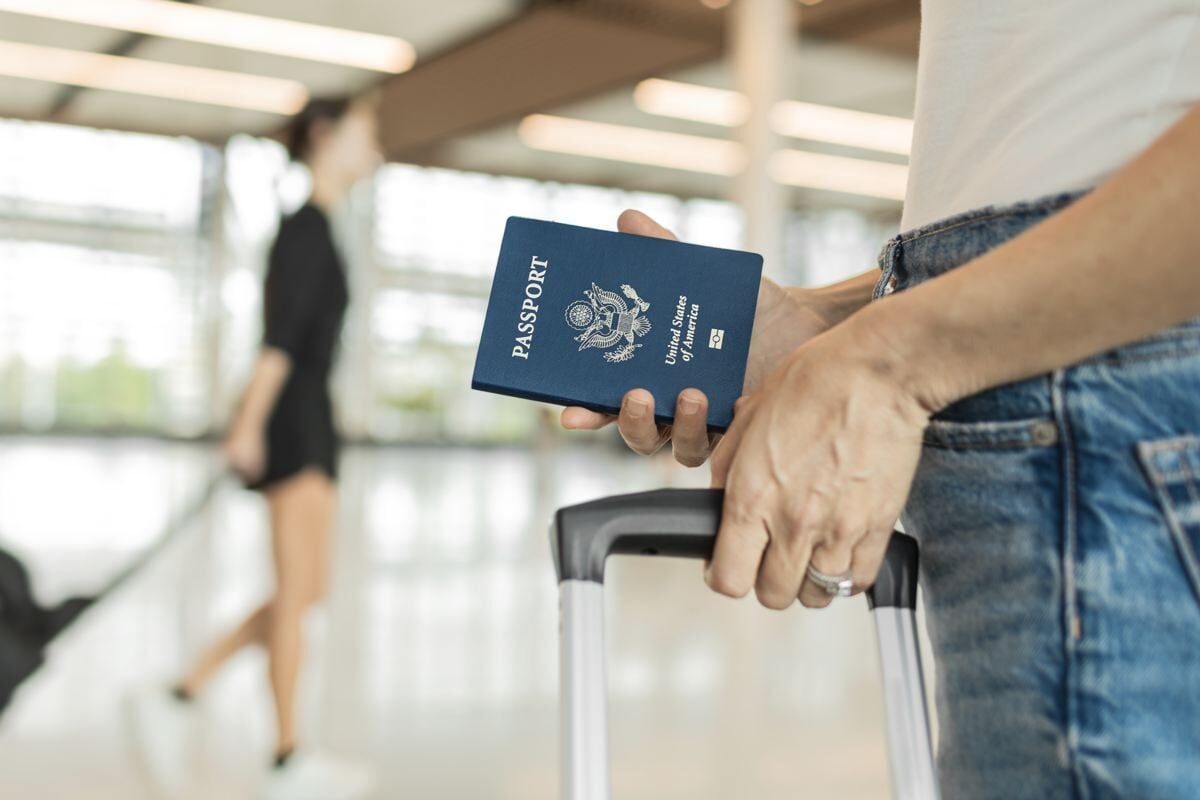
As of this summer, Americans flying to the European Union (and associated Schengen states) must be fingerprinted upon arrival. Starting in 2027, they will also be required to apply for a mandatory travel permit ahead of flying.
This applies to Prague (and the wider Czechia), as well as 30+ European countries.
Use the Entry Requirement Checker to verify whether your destination is affected right now.
The Prettiest Medieval Capital On The Continent
Back to Prague, safety can’t possibly be the only draw here.
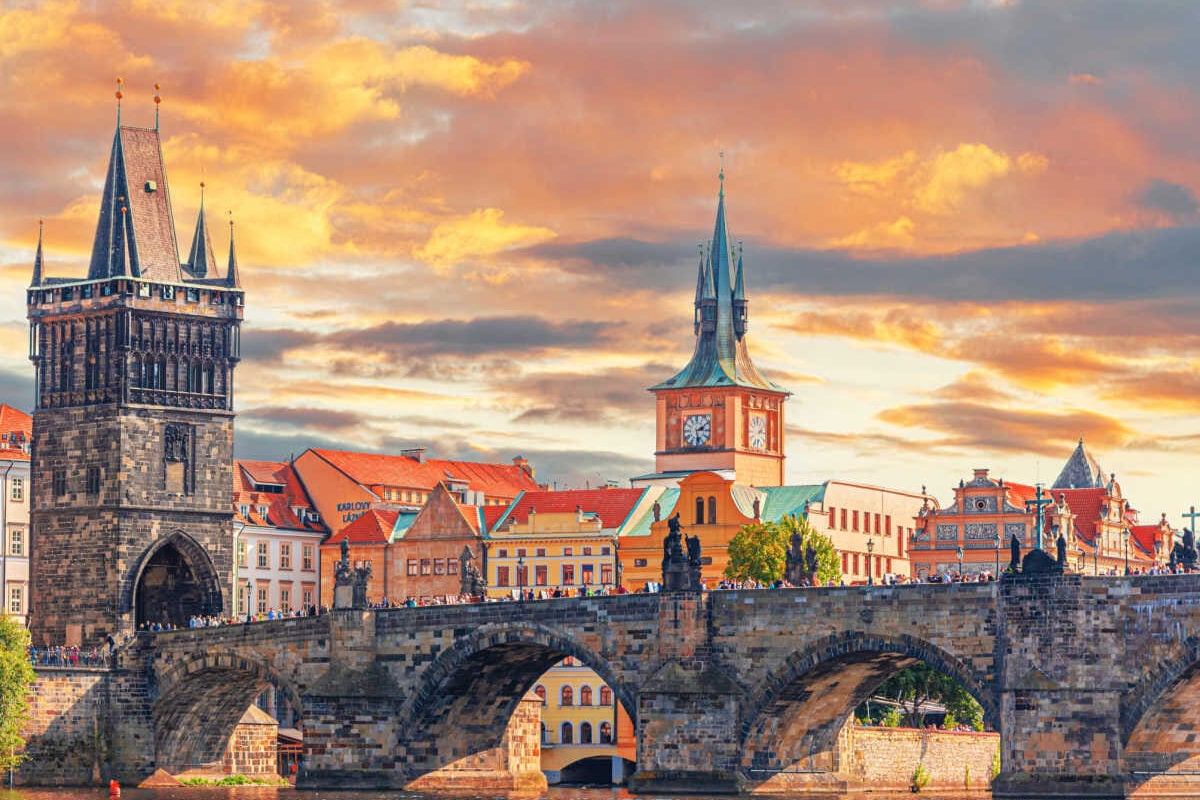
What if we told you the city center is split between an ‘Old Town’ and a ‘Lesser Town’, found on opposite sides of a river, and you can visit both by crossing back and forth on a 14th-century stone bridge lined with Baroque statues?
That’s Charles Bridge, baby, a Prague icon, and one of the prettiest river crossings in Europe.
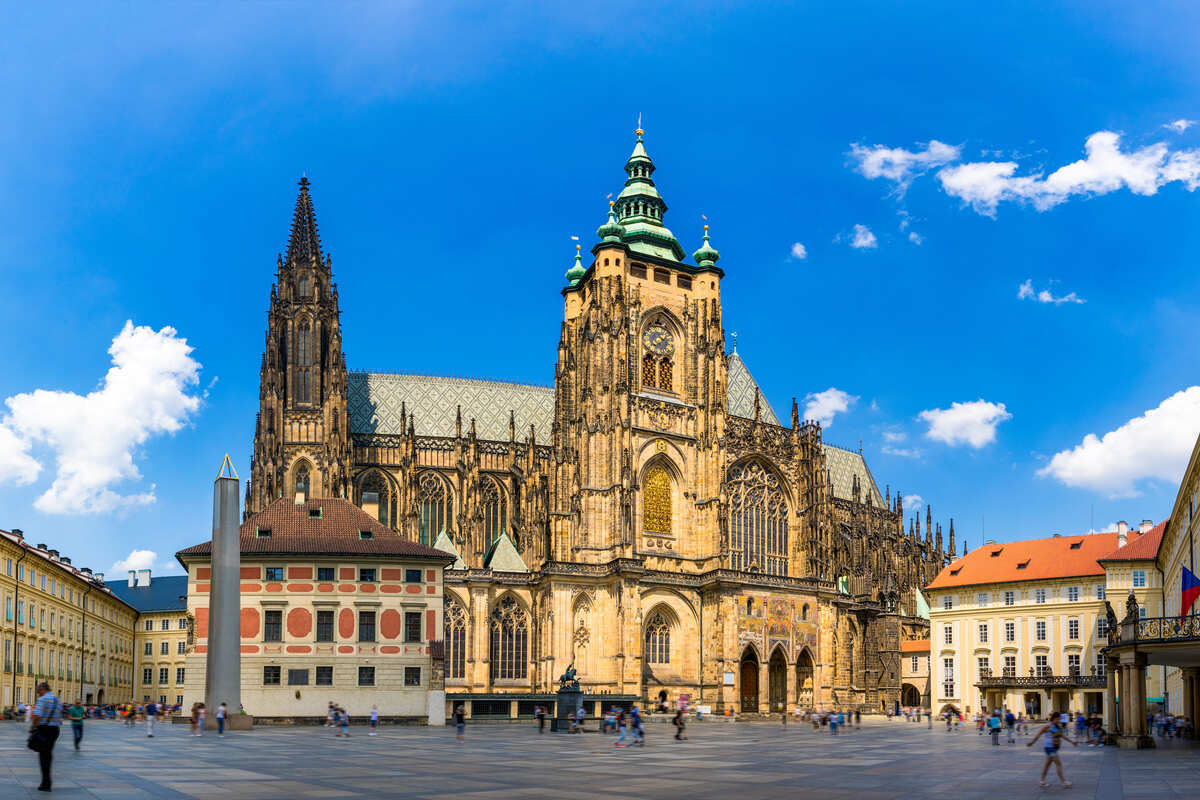
Perched on a hill above the historic center, Prague Castle is the one museum complex we would recommend you don’t skip. It’s the largest castle in the world, home not only to regal chambers that will make you feel like you’ve stepped into a Game of Thrones set, but also St. Vitus Cathedral.
The Gothic niches, tall ceilings, and incredibly intricate rose-stained glass in this church are nothing short of fascinating.
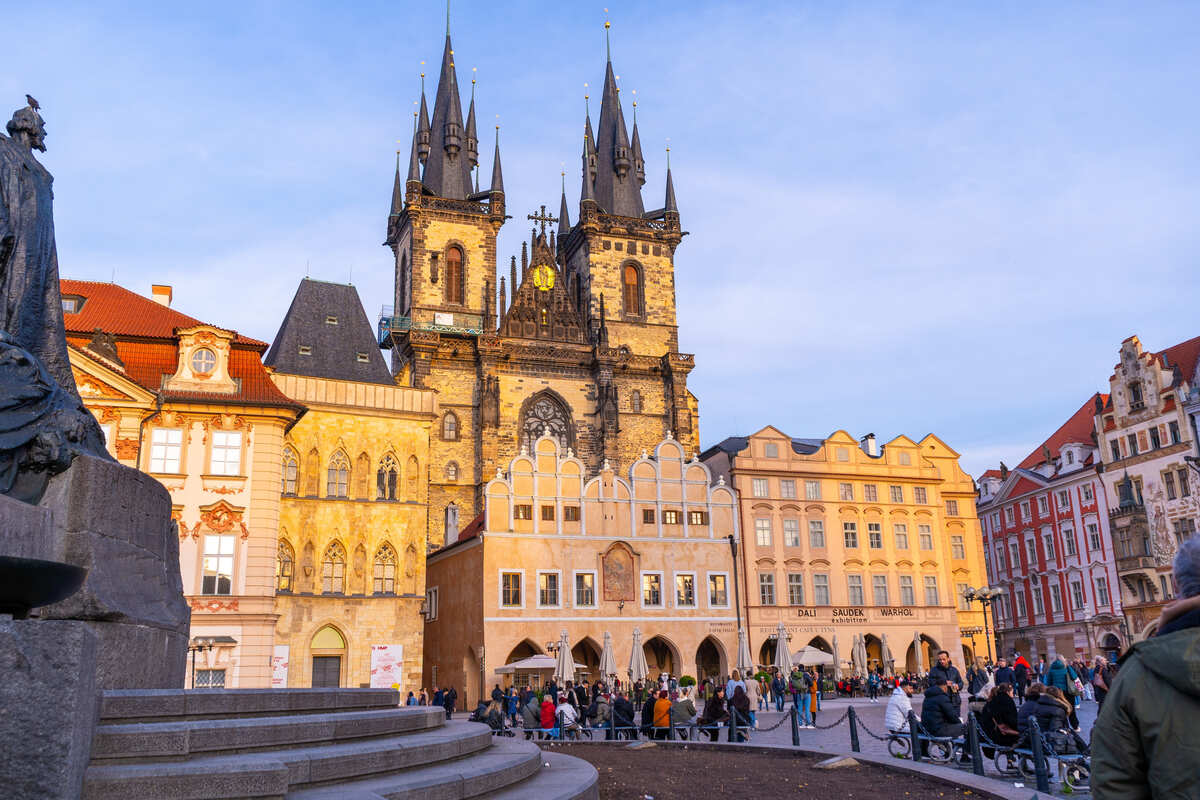
Over in the Old Town Square, the city’s beating heart surrounded by Baroque and Renaissance facades, be sure to catch the hourly show at the Prague Astronomical Clock, and step inside the Church of Our Lady before Týn, tucked behind a row of merchant houses.
If you’re unsure what we mean, look for the unmistakable twin spires soaring above the red gabled roofs.
Quirky Eats & Lively Riverside Promenades
The cool thing about Prague is that it’s not a mere medieval playground meant to be photographed for a few hours before you move on to the next hot European destination.
It wears its Old World allure like a badge of honor.
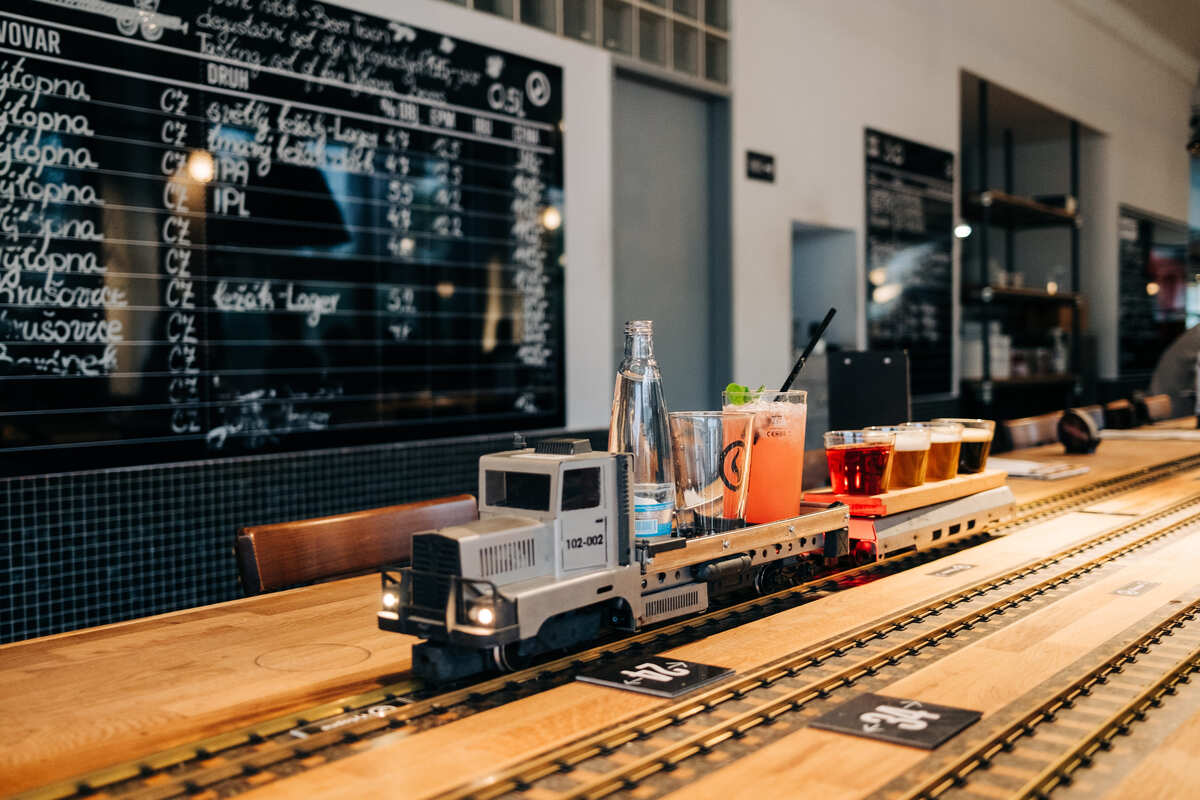
A must-do in Prague is Výtopna Railway Restaurant, a quirky eatery where miniature trains race around a network of tracks built into your table, delivering your traditional Czech Pilsner Urquell and medieval-inspired pub fare directly to you.
Think of it as a Japanese kaiten-zushi, except European.
How Actually Affordable Is Prague?
As far as prices go, Prague has become noticeably pricier over the last few years. In other words, if you’ve visited it during the communist years, or right after the Iron Curtain fell, you might be in for a bit of a shock.
As far as prices go, Prague has become noticeably pricier over the last few years. In other words, if you’ve visited it during the communist years, or right after the Iron Curtain fell, you might be in for a bit of a shock.
This is a full-fledged, West-aligned European capital, and prices fluctuate somewhere between a mid-size city in Austria and a more affordable German one, but the good news is, it’s still excellent value compared to the usual… here we go again… Paris, Amsterdam, London. You know how this list goes.
Average Prices In Prague, Czechia In 2026

Coffee is around $4 in most specialty cafés, beer is around the same, a trendy brunch will run you between $8 and $15 if you’re being all avocado toast and boujee about it, and a traditional Czech dinner with a bit of a twist, like in the train restaurant, is around $25–30 per person, drinks included.
You can get it as cheap as $12 in one of those traditional jídelna-style canteens, but hey, we’re not the biggest fans of Czech tripe soup.
Regarding hotels, a budget hotel will cost around $60 a night, while boutique stays in the Old Town range between $110 and $180 a night.
The closer you get to the full-blown European luxury experience, however, the differences between Prague and other major capitals become barely noticeable.
Again, we’re telling you like it is, not the same regurgitated, copy-and-paste, “Prague is affordable” marketing fluff travel publications have been churning out for 20 years now.
Yes, it can be affordable to visit if that’s an absolute priority for you, but it’s no longer the steal-of-a-deal city break it once was. Maybe try Sofia in Bulgaria.
Where Do Locals Go In Prague?
Looking for more casual spots in Prague?
Náplavka is another local secret clueless tourists who are only here for a quick selfie stop at the John Lennon Wall often miss: this is a lively riverside promenade where Prague locals themselves gather after work for drinks, farmers’ markets on weekends, and sunset strolls.
In summer, it’s among the liveliest spots in the city, and if you’re a bit of a social butterfly, you can’t miss heading to Letná Beer Garden, a panoramic beer garden overlooking the Vltava River and its many historic bridges that could give Germany’s best biergartens a run for their money.
Discover other Czech gems—beyond just Prague—here.
Enter your email address to subscribe to Travel Off Path’s latest travel news, straight to your inbox

Kalou
Friday 7th of August 2026
You are right to encourage to visit Pragues. You can listen to classical music concerts, enjoy good coffee or hot chocolate in a brasserie and still be able to circulate in venerable vintage trams. A real change of the scene, your article shows it well